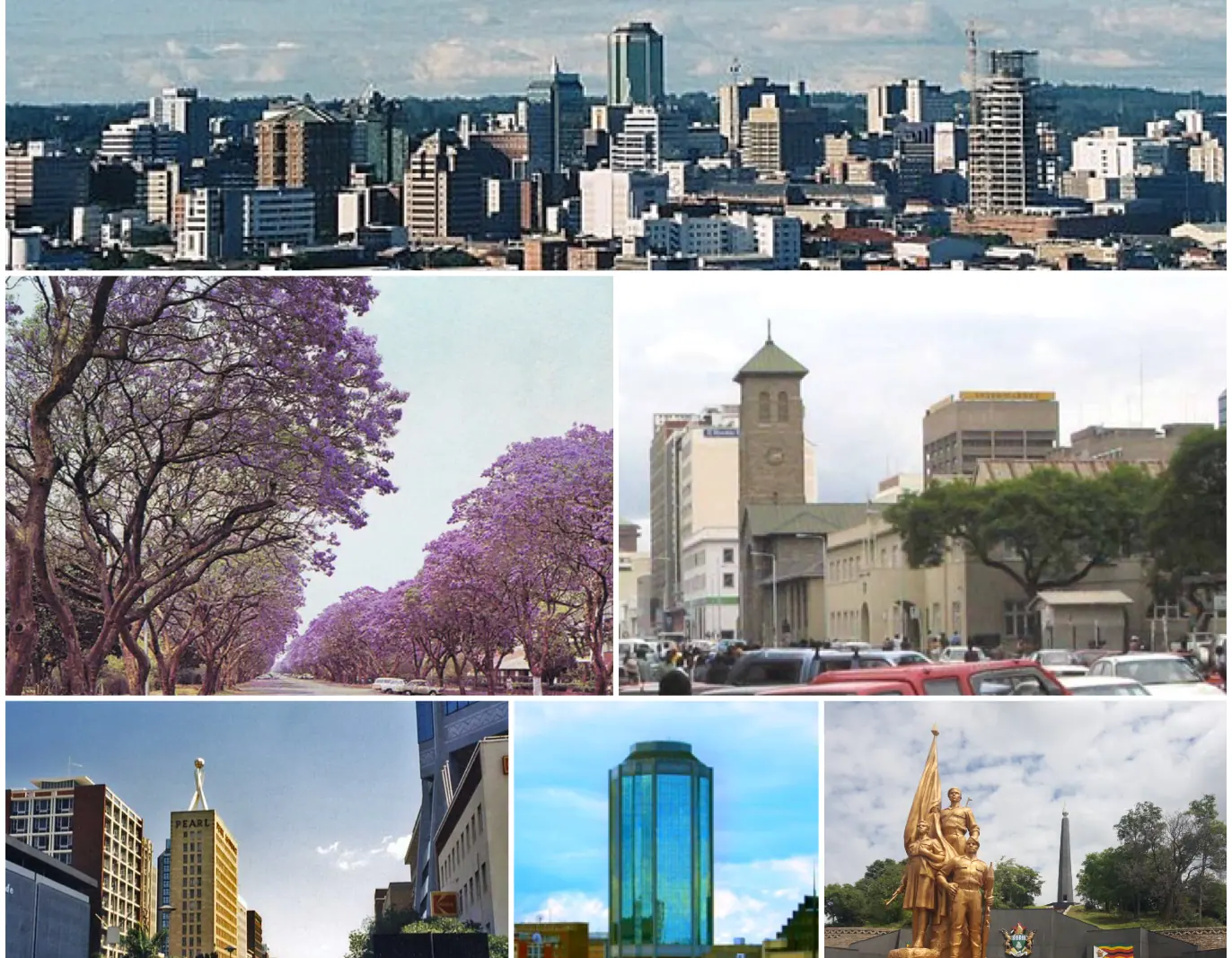
Zimbabwe packs an unreasonable amount of spectacle into one landlocked country: a waterfall so loud it soaks you from a hundred metres away, stone cities built without a drop of mortar, granite hills painted by hunter-gatherers thousands of years ago and floodplains where elephants stand on their hind legs to reach the last seed pods. This is a country best travelled slowly, region by region, letting the dry-season rhythm of wildlife, water and warm dust set the pace.
Victoria Falls: Standing Inside the Smoke That Thunders
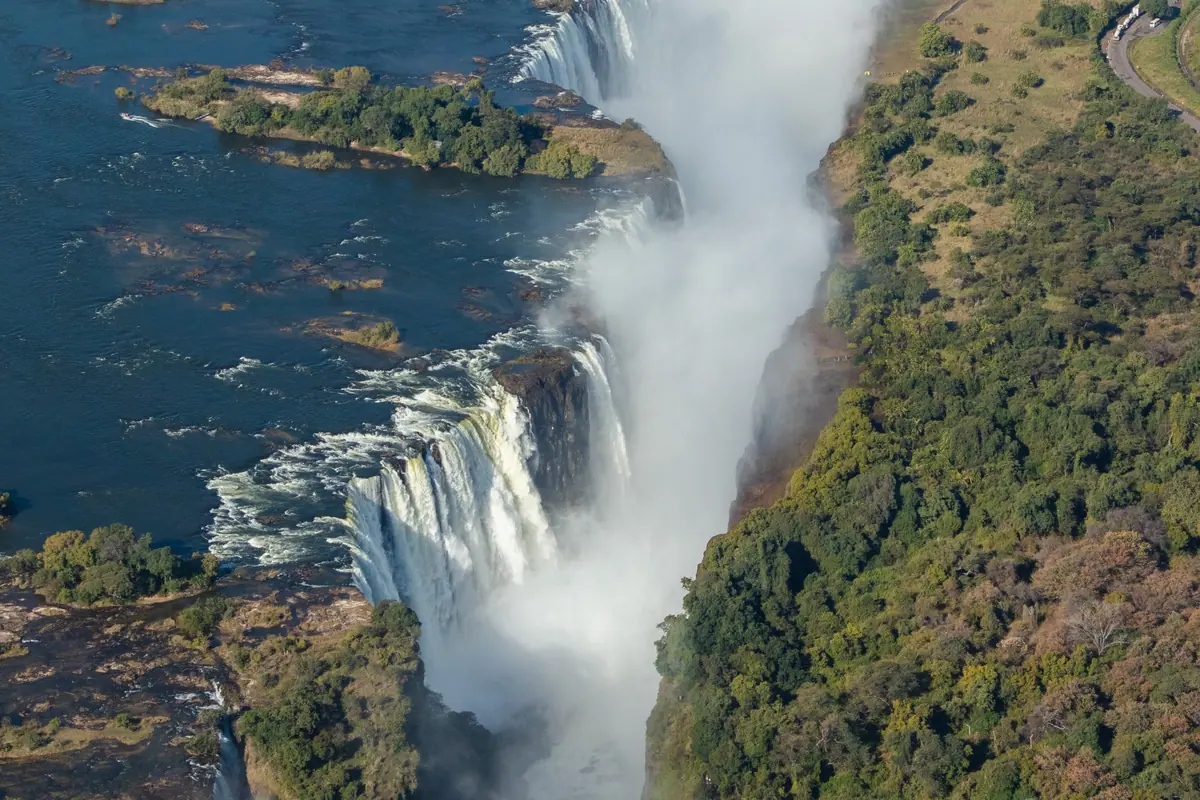
The Zambezi here is more than 1,700 metres wide before it hurls itself into a basalt chasm roughly 108 metres deep, and the local name says it best — Mosi-oa-Tunya, the smoke that thunders. The Zimbabwean bank gives you the classic experience: a rainforest trail that threads through dripping foliage from Devil's Cataract past Danger Point, with rainbows arcing through the spray on sunny mornings and vervet monkeys raiding unattended snacks. Wear the cheapest waterproof you own and assume you will be soaked anyway; that drenching is part of the ritual.
Timing changes everything. Between February and May the river is in flood and the plume can rise hundreds of metres, visible from kilometres away, though the curtain of water often hides the gorge below. From September to December the flow drops and the rock face reveals itself, which is when white-water rafting below the falls runs at its most ferocious and when low-water pools on the lip become reachable. Allow two to three nights: one full day in the rainforest, one for a sunset cruise on the calm water upstream, and one for the historic Victoria Falls Bridge, where you can watch the gorge from the middle of a steel arch built for trains.
Fill the gaps with smaller pleasures: the enormous baobab known as the Big Tree, a curio market of carved soapstone and wooden bowls, and a drink at a colonial-era hotel terrace overlooking the spray. If you only have a weekend in the country, this is where it goes.
Hwange National Park: Elephants by the Thousand
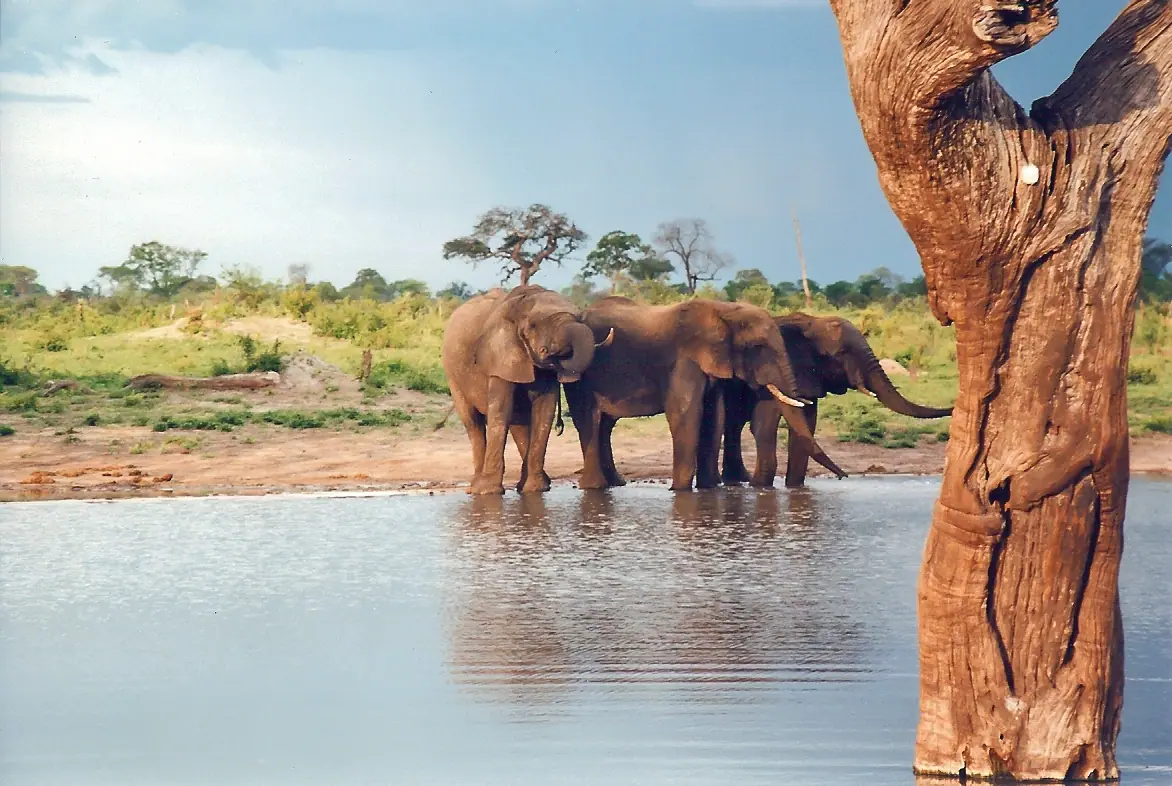
Zimbabwe's largest protected area covers around 14,600 square kilometres of teak woodland, mopane scrub and open pan, and it is famous above all for elephants — tens of thousands of them in the dry months, funnelling to pumped waterholes as the bush dries out. The main camps at Main Camp, Sinamatella and Robin's Camp put you in range of hides like the platform at Nyamandhlovu Pan, where you can sit motionless at dusk while herds, zebra, buffalo and the occasional lion file in to drink.
The dry season from June to October is the sweet spot: vegetation thins, water concentrates game, and sightings come to you rather than the other way round. November brings heat and the first storms, then a green, lush, harder-to-see low season. Self-driving is genuinely feasible on the main tracks, but a guided vehicle adds the tracking knowledge that turns a good day into an exceptional one — wild dog, sable and roan are all possible, and the painted dog conservation work around Dete has helped keep the species visible.
Hwange sits roughly two hours by road from Victoria Falls, which makes it the natural second stop on a western circuit. Budget three to four nights, bring your own fuel and supplies where you can, and take malaria precautions. If you want a wilder, emptier alternative, look southeast to Gonarezhou, where the Chilojo Cliffs glow red above the Runde River and visitor numbers are a fraction of Hwange's.
Great Zimbabwe and Khami: The Mortarless Stone Cities
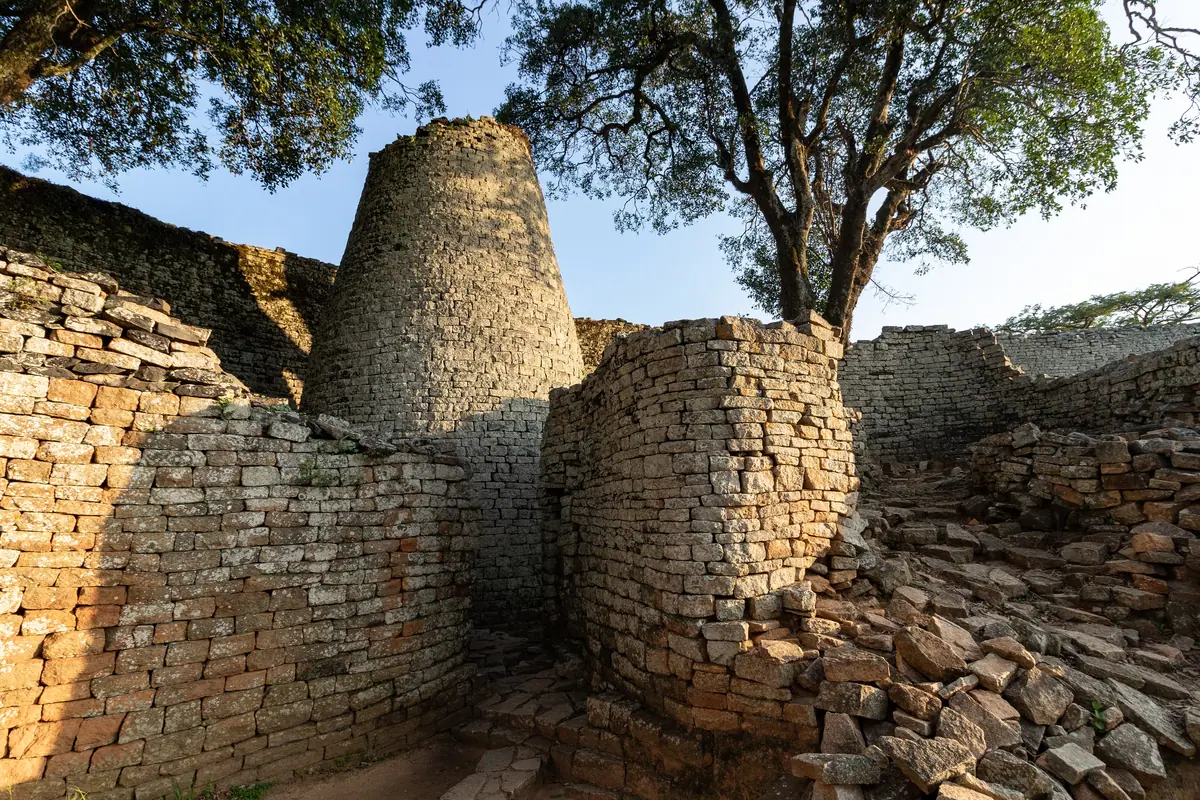
Nothing prepares you for Great Zimbabwe, the ruined capital of a Shona trading kingdom that flourished between roughly the 11th and 15th centuries. Its walls were built from stacked granite blocks fitted so precisely that no mortar was ever needed, and the complex splits into the Hill Complex on its rocky acropolis, a valley of smaller enclosures, and the Great Enclosure, whose curving outer wall — over 250 metres around and up to 11 metres high — is the largest ancient structure south of the Sahara. Inside stands the enigmatic conical tower, and it was here that the carved soapstone Zimbabwe Birds were found, now the country's national emblem.
It sits just outside Masvingo, about four hours from Bulawayo and five from Harare, and it rewards at least half a day: a guided walk brings the astronomy, trade networks and sheer engineering ambition to life in a way that wandering alone cannot. Go early, when the granite is cool and the light is low, and climb to the Hill Complex for views over Lake Mutirikwi.
Pair it with Khami, a later royal city on the edge of Bulawayo with terraced walls and a stepped cross carved into stone, and with Bulawayo itself — a wide-avenued, unhurried city of museums, markets and a strong cultural calendar. Together they explain a civilisation that most visitors arrive knowing nothing about.
Matobo Hills: Granite Whales and Ancient Rock Art
South of Bulawayo, the Matobo Hills rise in enormous smooth domes of grey granite, weathered into shapes that locals long regarded as sacred. Drive up to Worlds View for the panorama, then walk among balancing rocks where the formations have nicknames older than any map. The reserve protects one of the densest concentrations of rock art in southern Africa, with thousands of painted shelters — the figures at Nswatugi and Bambata caves alone are worth the drive.
Wildlife here is quieter but special: white rhino can be tracked on foot with a guide through the kopjes, black eagles nest on the crags, and klipspringer and rock hyrax pick their way across the boulders. On the summit of Malindidzimu hill you'll find the grave of Cecil Rhodes, whose burial turned the hill into a place of pilgrimage and political argument alike — a reminder that Zimbabwe's story is layered, contested and rarely simple.
The dry winter months from May to September are ideal, with crisp mornings and clear skies; the wet season makes the granite slippery and the tracks muddy. Combine Matobo with a night in Bulawayo and you have a two-day detour that most itineraries skip and almost nobody regrets.
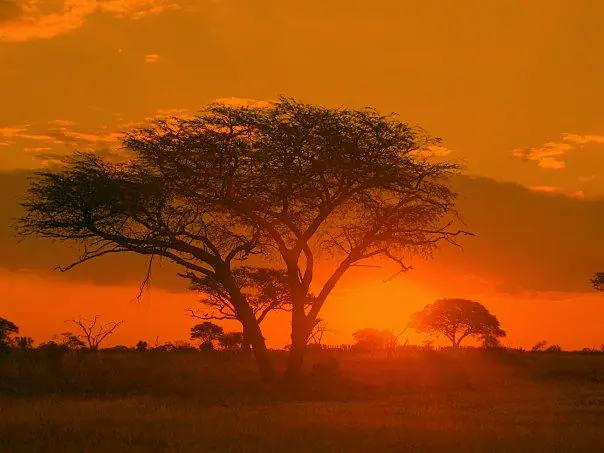
Lake Kariba and Mana Pools: Water, Houseboats and Walking Safaris
Stretching along the Zambezi on the northern border, Lake Kariba is one of the largest reservoirs on earth, its shores lined with the bleached skeletons of drowned mopane trees. The pleasure here is slow: a houseboat drifting past Matusadona National Park, elephants feeding on the shoreline below camp, tiger fish striking in the late afternoon, and sunsets that turn the water copper. Local legend gives the lake its own guardian spirit, Nyaminyami, and boat crews will happily tell you the story.
Downstream, Mana Pools National Park is Zimbabwe's finest wilderness experience. It is one of the few African parks where walking safaris are the main event — you leave the vehicle behind and move on foot through albida woodland and open floodplain, reading tracks with a guide. Elephants here are famous for balancing on their hind legs to reach the highest pods, and the park supports wild dog, lion, eland and enormous herds of buffalo along the river. Canoe trips from Kariba down to Mana take several days and rank among the continent's great journeys.
Access is part of the adventure: the last stretch of road is rough, and many visitors fly in to a bush strip instead. The season runs from roughly May to October, with the hot months before the rains being best for game at the Chitake Springs area. Give this region four to five nights — it is the opposite of a checklist.
Harare and the Eastern Highlands: City Culture and Cool Mountains
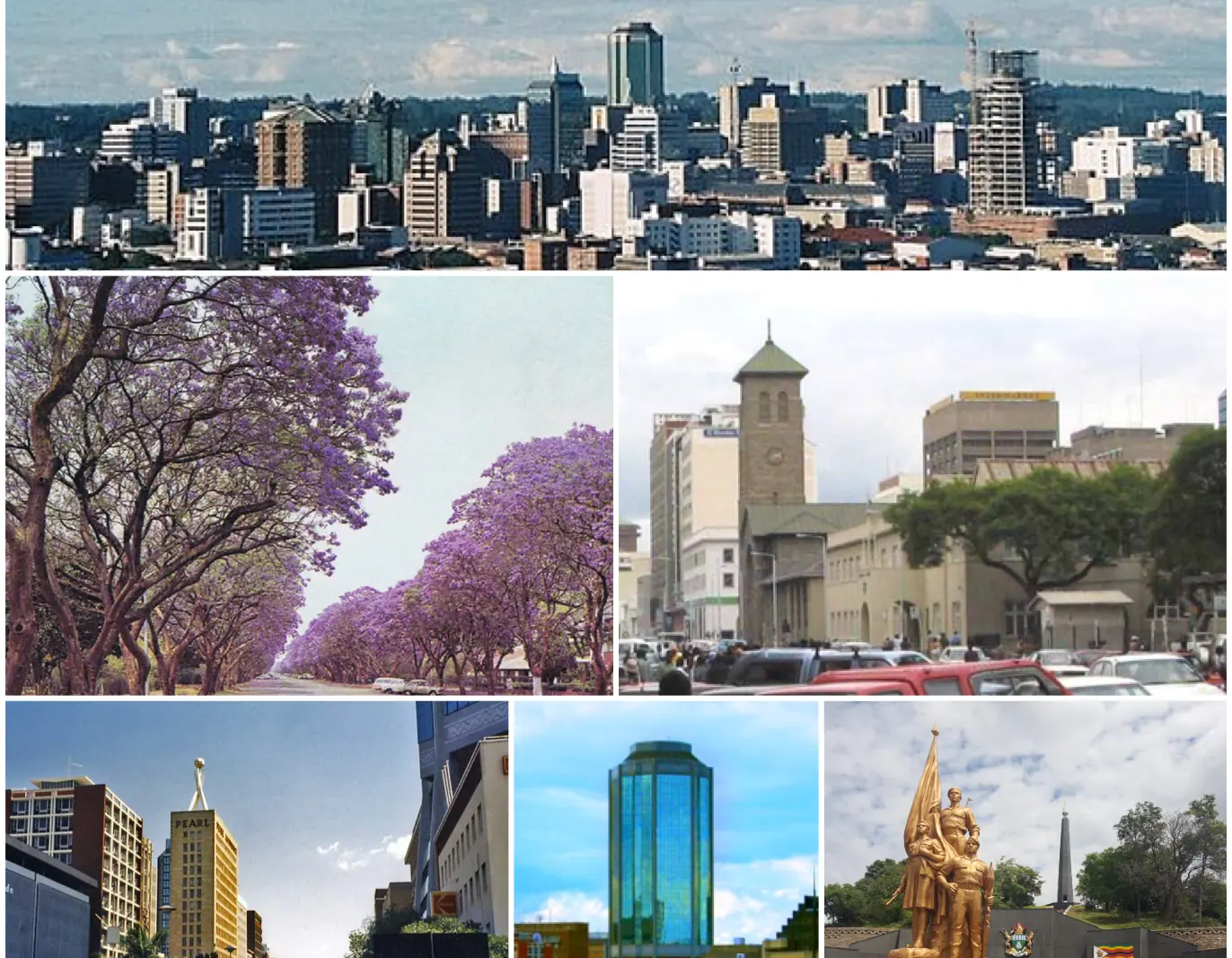
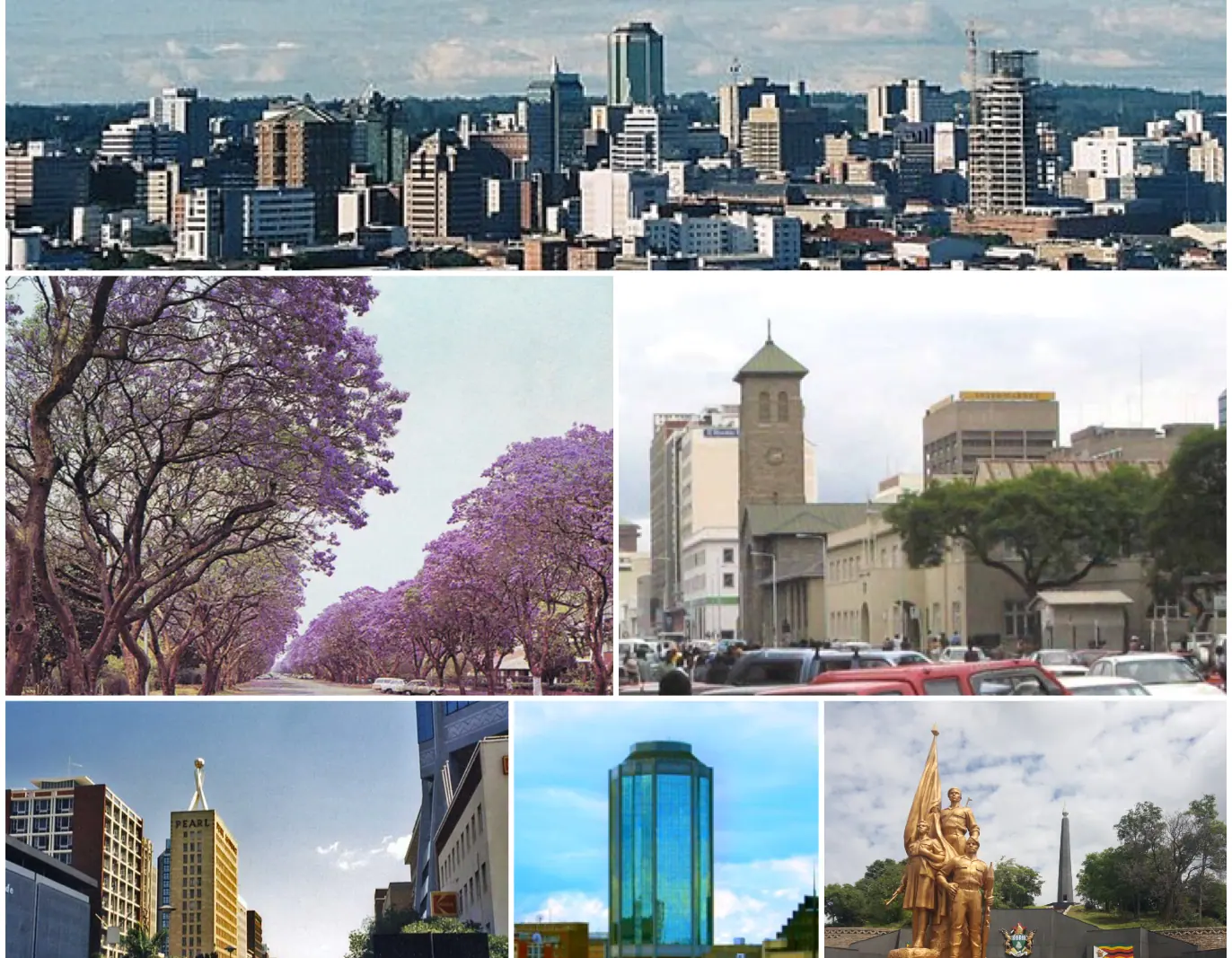
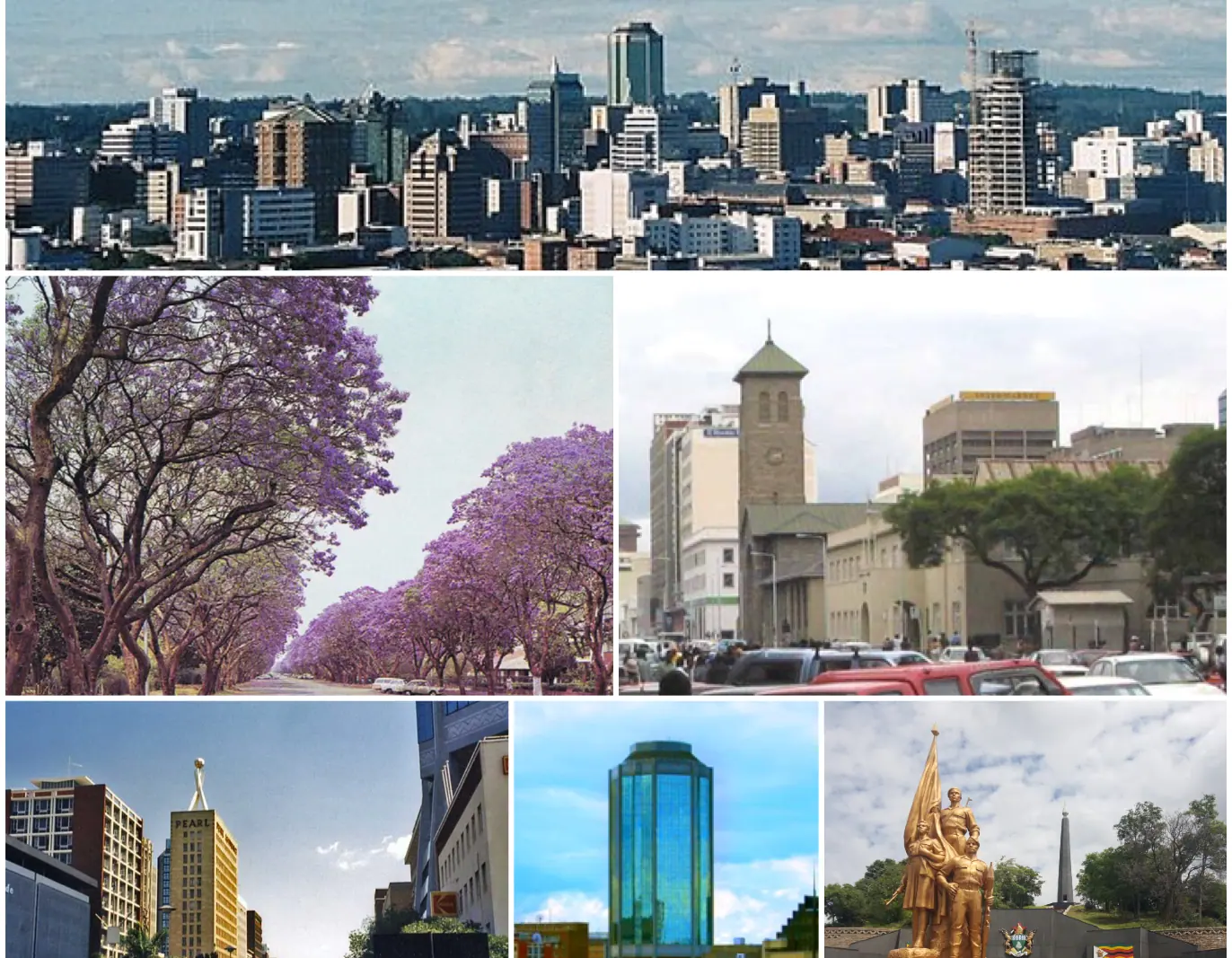
Most trips begin or end in Harare, and the capital deserves more than an airport transfer. The National Gallery of Zimbabwe holds a serious collection of contemporary Shona stone sculpture and painting; the National Botanical Garden is a quiet 68 hectares of indigenous plants; and Mbare Musika, the city's sprawling market, is a sensory overload of produce, fabric and carved stone. On the eastern edge of the city, the Balancing Rocks of Epworth are an easy half-day excursion, and the rock-art shelter at Domboshava makes a good morning trip.
East of Harare the land lifts into the Eastern Highlands, a world of pine plantations, tea estates and mist that feels nothing like the rest of the country. In Nyanga National Park, Mutarazi Falls drops 762 metres in a single cascade — the highest in Zimbabwe — and Mount Nyangani, the country's summit at 2,592 metres, offers a genuinely testing day hike. Further south, Chimanimani's quartzite peaks and Bridal Veil Falls draw hikers, while the Bvumba range above Mutare hides botanical gardens and forest walks in near-constant cloud.
These highlands are at their most comfortable from May to September, when the air is crisp and the trails firm. Pack layers — evenings at altitude get cold enough for a fleece, which surprises almost everyone who arrives from the lowveld.
Frequently asked questions
What is the best time of year to visit Zimbabwe?
For wildlife, the dry season from June to October is unbeatable — thin vegetation and concentrated water bring animals to predictable waterholes in Hwange, Mana Pools and Matobo. For Victoria Falls at its most dramatic, come between February and May when the Zambezi is in flood, though you'll be soaked and the gorge below is often obscured. September to December gives clearer views of the falls and the best rafting conditions, but hotter, dustier weather in the lowveld.
How many days do you need in Zimbabwe?
A comfortable minimum is seven to ten days: two to three nights at Victoria Falls, three to four in Hwange or Mana Pools, and a night or two in Bulawayo or the Eastern Highlands. Ten to fourteen days lets you add Great Zimbabwe, Matobo Hills and Lake Kariba without spending your trip in a vehicle.
Is Zimbabwe easy to travel around independently?
Reasonably, if you plan. Main highways between Harare, Bulawayo, Masvingo and Victoria Falls are sealed and serviceable, and self-driving in Hwange and Matobo is normal. Remote parks such as Mana Pools and Gonarezhou involve long rough dirt roads, so many travellers take a short light-aircraft hop or join a guided trip. Fuel up whenever you can in rural areas and carry cash in small denominations.
Do I need malaria tablets or a yellow fever certificate for Zimbabwe?
Malaria prophylaxis is strongly advised for the lowveld and Zambezi valley — Victoria Falls, Hwange, Kariba and Mana Pools — especially in the wetter months. Much of Harare and the highlands are lower risk but not zero. A yellow fever certificate is generally required only if you're arriving from a country where the disease is present, so check the rules for your route before you fly.
What should I pack for a Zimbabwe trip?
Neutral layers for game drives, a fleece for cold highland and winter mornings, a wide-brimmed hat, high-factor sunscreen, binoculars, a headlamp and a proper waterproof for the falls' spray zone. Bring spare batteries and memory cards — you'll take more photographs than you expect. Tipping guides, trackers and camp staff is customary and appreciated, so keep small US dollar notes aside.
Plan it — experiences in Zimbabwe
Live search, booked directly with trusted providers.
Sort the rest of your trip
Everything for Zimbabwe, in one place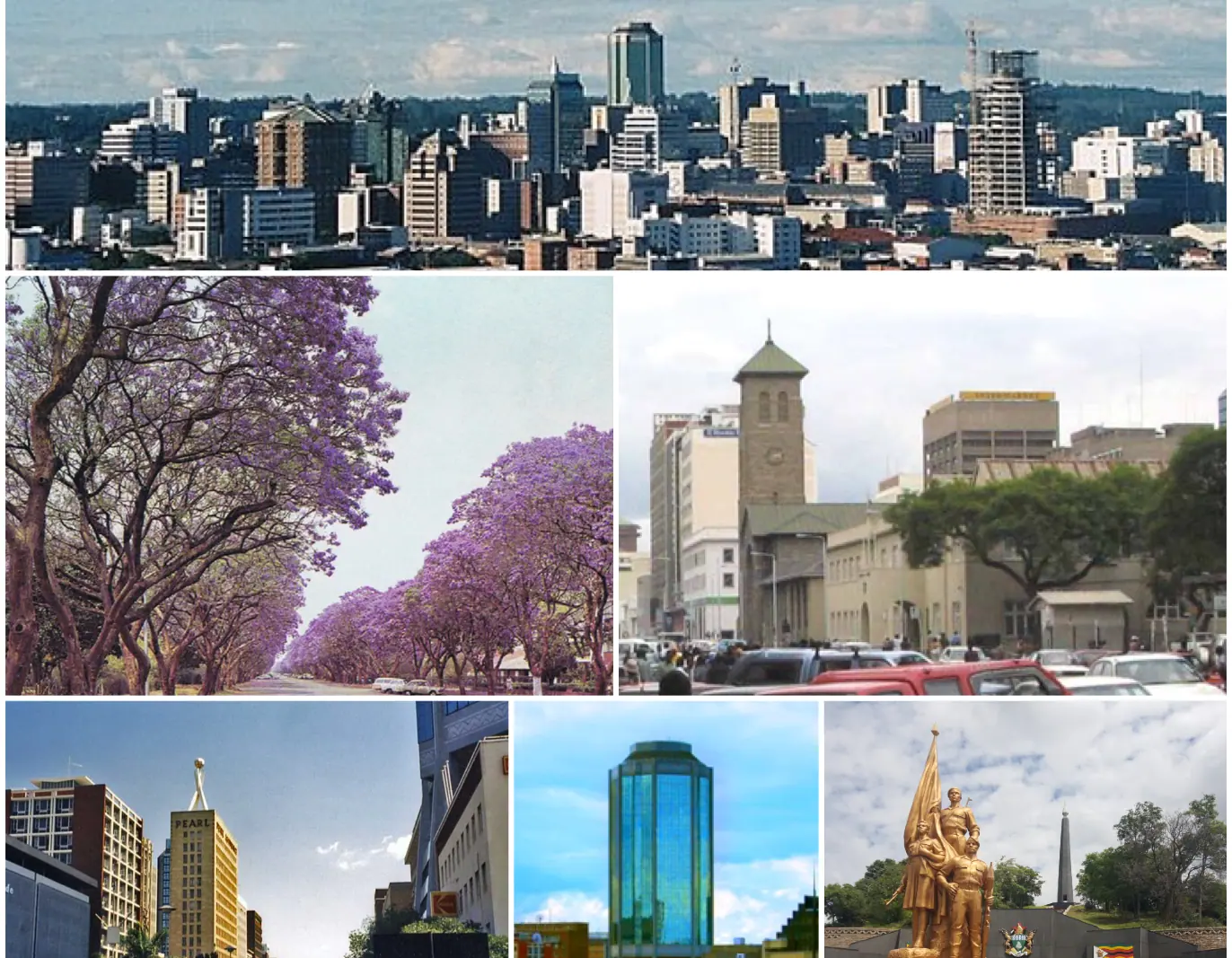
Stay in Zimbabwe
Hotels, guesthouses and apartments — compared in one search.
Search hotels
Transfer in Zimbabwe
Private driver waiting on arrival — no queues, no surprises.
Book a transfer
Stay online in Zimbabwe
Travel eSIM — data the moment you land, no roaming bills.
Get an eSIMMore guides in Zimbabwe
Best Places to Visit in Zimbabwe: Waterfalls, Wildlife and Ancient Stone Cities
Where to Stay in Zimbabwe: Top Cities, Safari Lodges and Must-See Attractions
One Week in Zimbabwe by Air: A Fly-In Itinerary from Victoria Falls to Harare