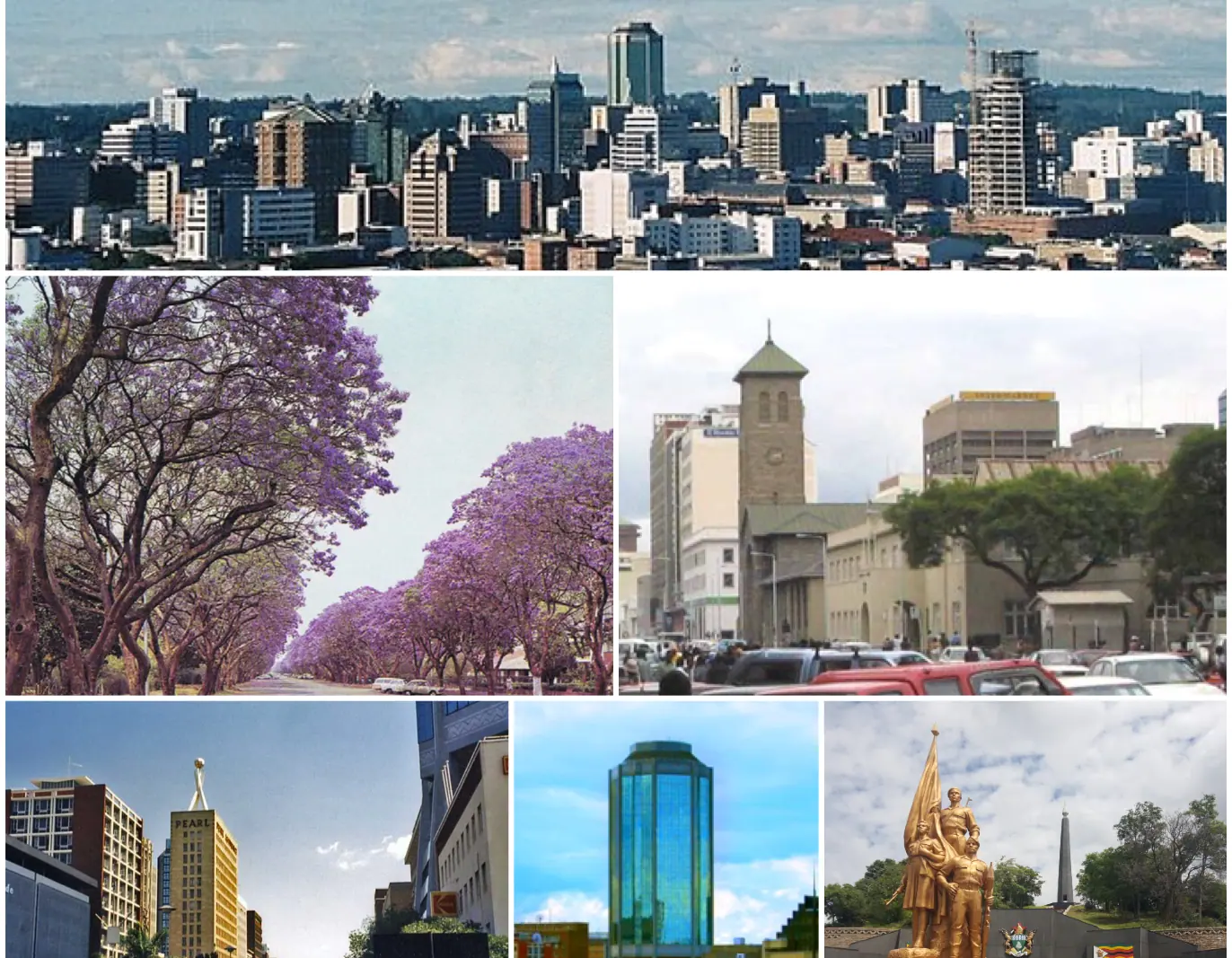
Zimbabwe is a country you taste as much as you see: smoke curling off a roadside grill, sadza rolled in the right hand, a mbira's metallic ripple after dark. Look past the postcard of Victoria Falls and you find stone cities, granite hills full of rock art, and markets where the conversation is half the reason to go.
Touring Zimbabwe: A Country That Rewards a Slow Route
Zimbabwe stretches between the Zambezi in the north and the Limpopo in the south, and most visitors see only a sliver of it: the spray of Victoria Falls and two or three game drives. Give it ten days to two weeks and the map opens up into highland tea roads, cathedral-sized baobabs, dry teak woodland buzzing with hornbills, granite kopjes and markets where the banter is as good as the produce.
Timing shapes everything. The dry season, roughly May to October, is when game viewing peaks: bush thins out, animals gather at waterholes and the light turns amber. October delivers the best sightings but punishing heat, so plan dawn drives and long siestas. The green season from November to March brings thunderheads, newborn antelope, migrant birds and softer rates, though the grass hides a lot. At Victoria Falls, the Zambezi runs at full throttle around April to June, when the spray soaks you from a hundred metres away; white-water rafting usually shuts while the river is in flood, and the low-water months from September to December expose the basalt gorge and its rock pools.
A sensible circuit runs Harare to the Eastern Highlands, down to Great Zimbabwe at Masvingo, across to the Matobo Hills and Bulawayo, then northwest to Hwange and Victoria Falls, with a northern add-on of Mana Pools and Lake Kariba. Short internal flights link the main hubs, but the drives are the reward: buy roasted maize from roadside vendors, stop at a curio stand, and let the country introduce itself at its own pace.
The Zimbabwean Table: Sadza, Mopane Worms and Cooking-Fire Smoke
Sadza is the anchor of every plate in Zimbabwe, a stiff, smooth maize-meal porridge cooked in a heavy pot and served as a white dome beside whatever accompanies it. You tear off a piece with your right hand, roll it into a ball, press a dent into it with your thumb and use it to scoop up muriwo, the slow-cooked leafy greens, or a glossy dovi stew thickened with peanut butter. Order it with goat, beef or road runner chicken, the lean free-range birds that need long, patient cooking and taste like something a supermarket never gave you.
Then come the regional specialities. Madora, mopane worms, arrive in the markets of Matabeleland around late March to May, dried in the sun and fried with onion and tomato until nutty, chewy and faintly smoky; they are eaten as a snack or a relish and are genuinely excellent with sadza. In autumn the wild loquat, mazhanje, appears in baskets along the roads, honey-sweet and eaten straight, while maputi puffed maize and mabhero roasted cobs keep long drives fed. Wash it down with maheu, a gently fermented maize drink, or traditional opaque beer shared from a carton at a township shebeen, where strangers become conversation partners within minutes.
The best food is rarely in a hotel dining room. Head to Mbare Musika in Harare for tomatoes, dried fish, groundnuts and gossip; pull over at the grill stands along the Harare to Masvingo highway; sign up for a village cooking session near Victoria Falls or in the Honde Valley and learn to stir sadza properly. Vegetarians do fine on muriwo, nyemba beans, dovi and pumpkin leaves, though it pays to ask whether a dish was cooked with meat stock.
Mbira, Marimba and Stone: Culture in Harare and Bulawayo
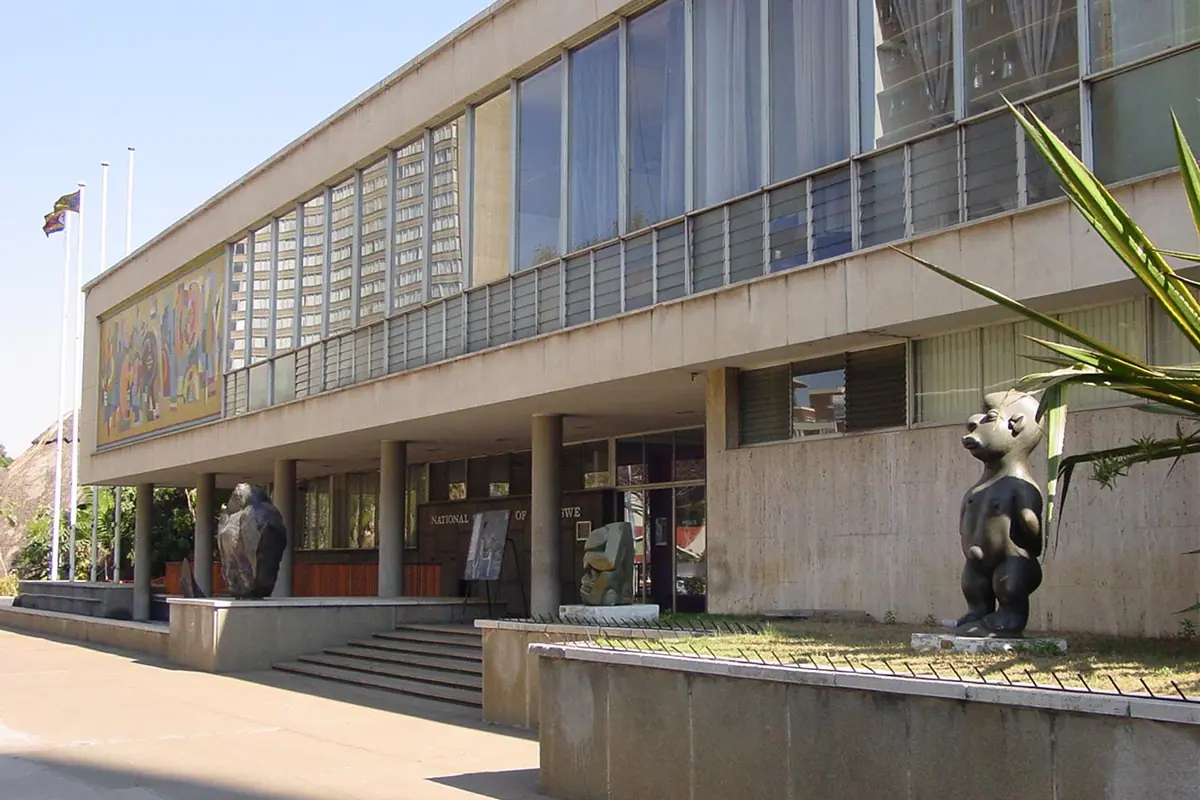
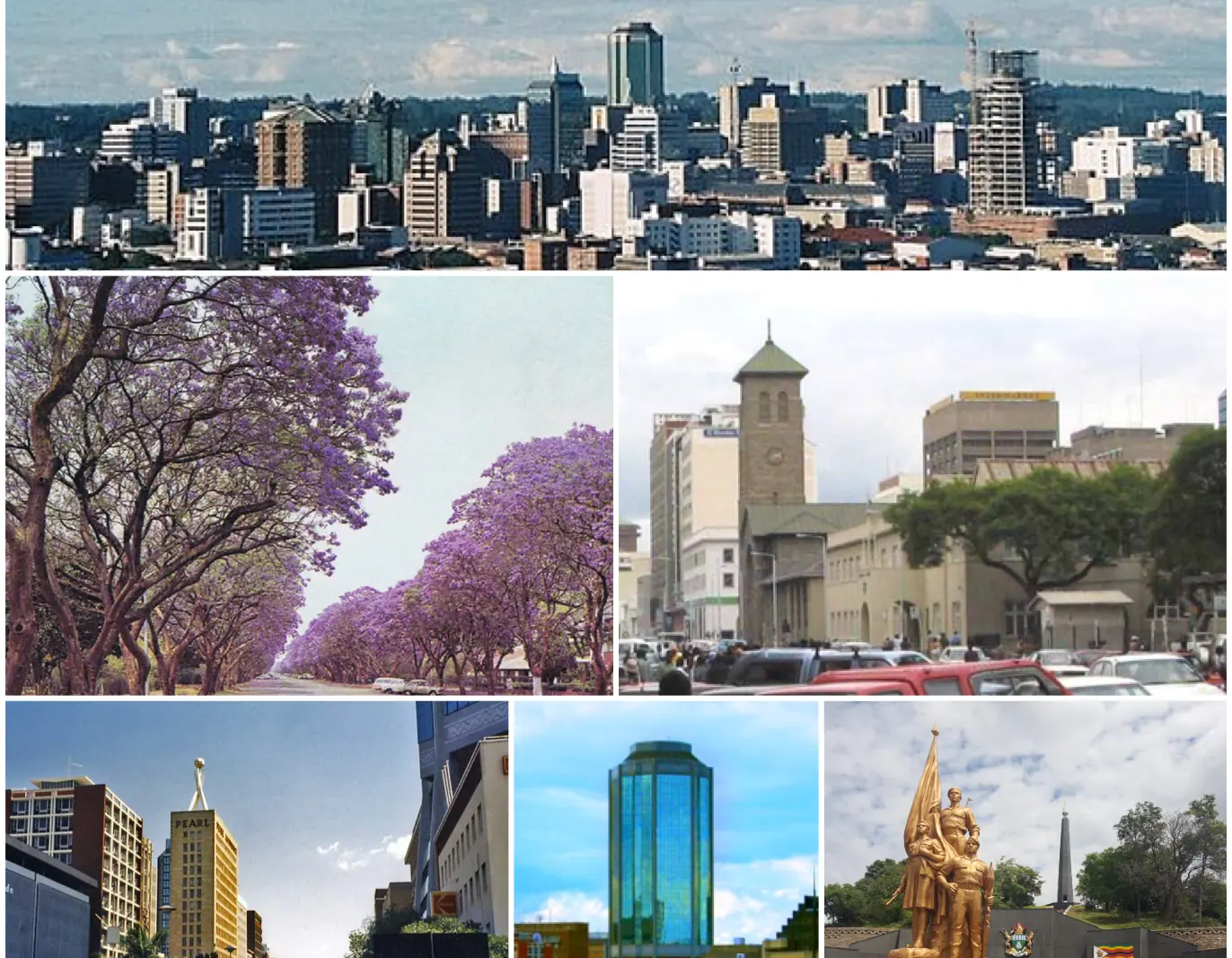
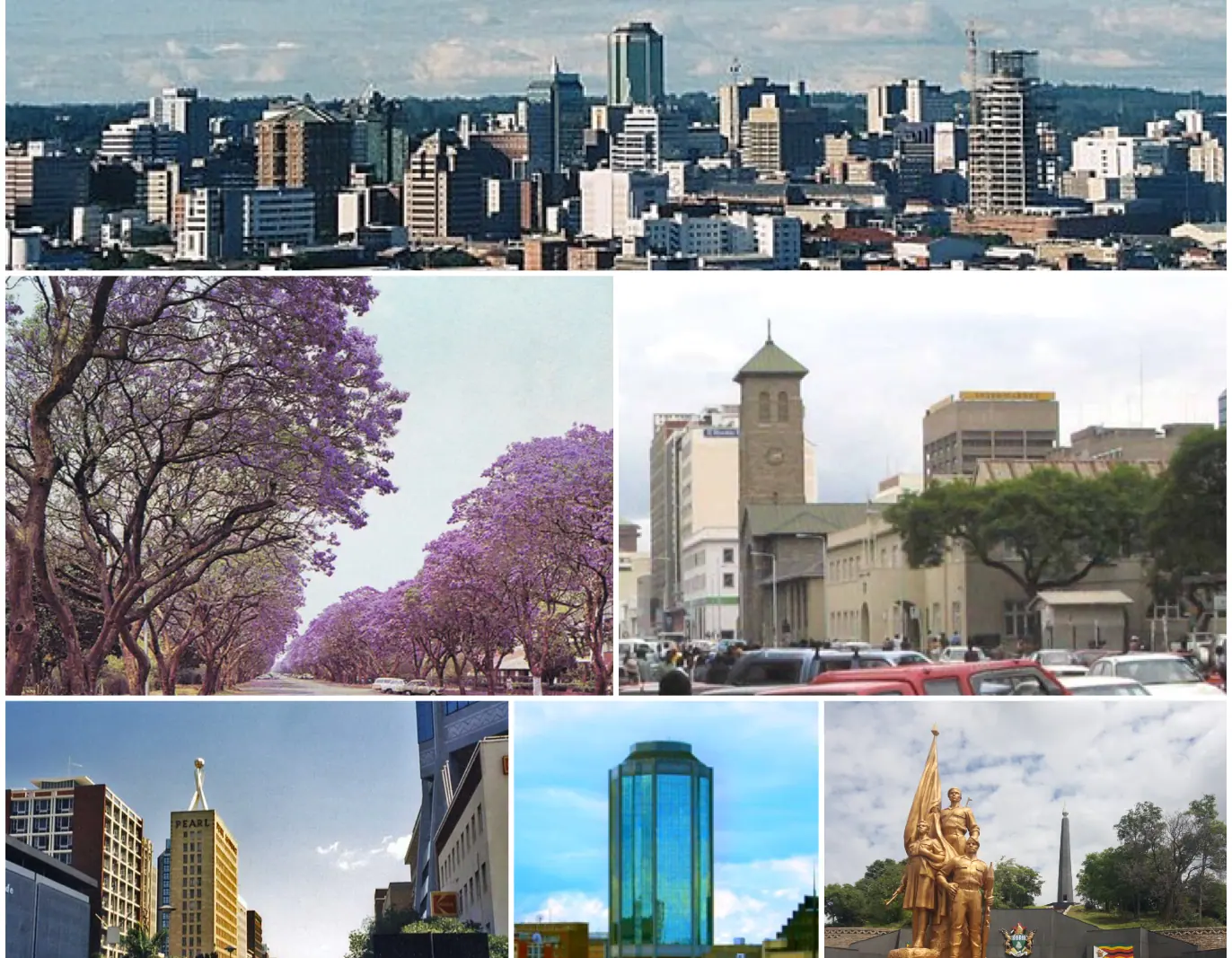
Harare's cultural life clusters around the Harare Gardens, where the National Gallery of Zimbabwe holds a strong collection of contemporary painting and Shona stone sculpture, and the streets around it fill with vendors and musicians. An hour north, the Domboshava rock art caves preserve San paintings on granite overhangs, some of them centuries old, reached by a short climb with a local guide. South of the centre, Mbare Musika is the city's engine room: a sprawling, shouting, gloriously chaotic market where you can buy everything from dried mopane worms to spare parts.
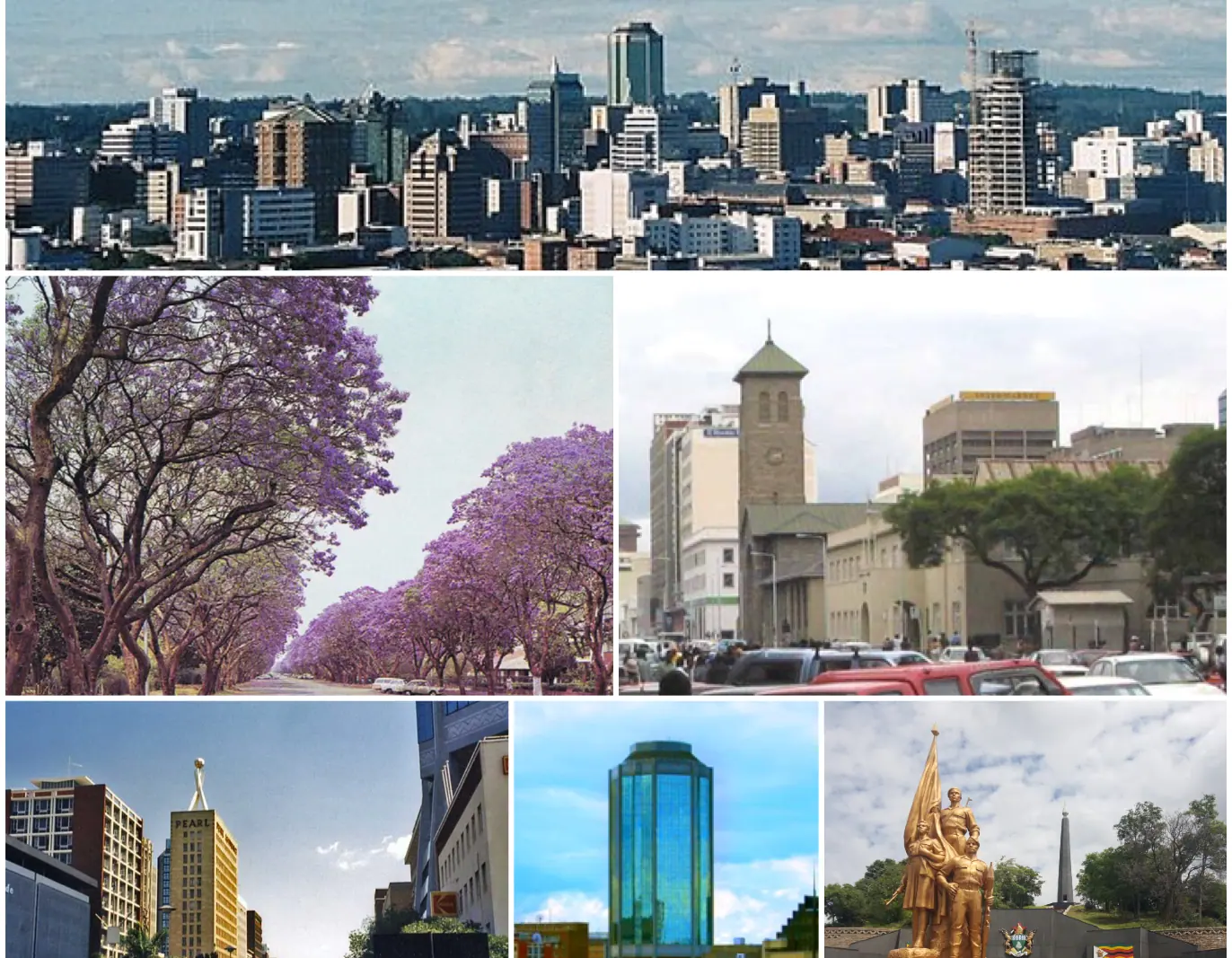
Bulawayo moves to a slower rhythm, its wide jacaranda-lined avenues and colonial-era grid giving way to the Natural History Museum and, just outside town, the Khami Ruins, a World Heritage-listed stone city of terraces and decorated walls that predates European arrival by centuries. This is Ndebele country: beadwork in bold geometric colour, hand-woven ilala palm baskets from around Binga, and a strong tradition of choral and dance performance that fills community halls on weekends.
Music is where Zimbabwean culture really speaks. The mbira dzavadzimu, a thumb piano of metal keys on a wooden board, plays interlocking patterns accompanied by hosho shakers in a sound that is hypnotic and instantly recognisable; sungura guitar bands and chimurenga grooves carry the same rhythms into dance halls. For sculpture, make the pilgrimage to the Tengenenge Sculpture Community near Guruve, where carvers work in the open air, and to the workshops around Harare. Greet people first, ask before photographing anyone, and buy direct from makers.
The Must-See Landmarks: Victoria Falls, Great Zimbabwe and the Matobo Hills
Victoria Falls, or Mosi-oa-Tunya, the smoke that thunders, is the country's signature spectacle: a curtain of water roughly 1.7 kilometres wide dropping about 108 metres into a narrow chasm. Walk the rainforest trail on the Zimbabwean side for the fullest frontal view, and time your visit to the light, since rainbows arch through the spray most afternoons. Nearby, the century-old Victoria Falls Bridge spans the gorge for bungee jumps and history buffs alike, while sunset cruises on the Zambezi and helicopter flights give you the falls from water and air. When levels drop late in the year, guides lead walks along parts of the lip and into the gorge.
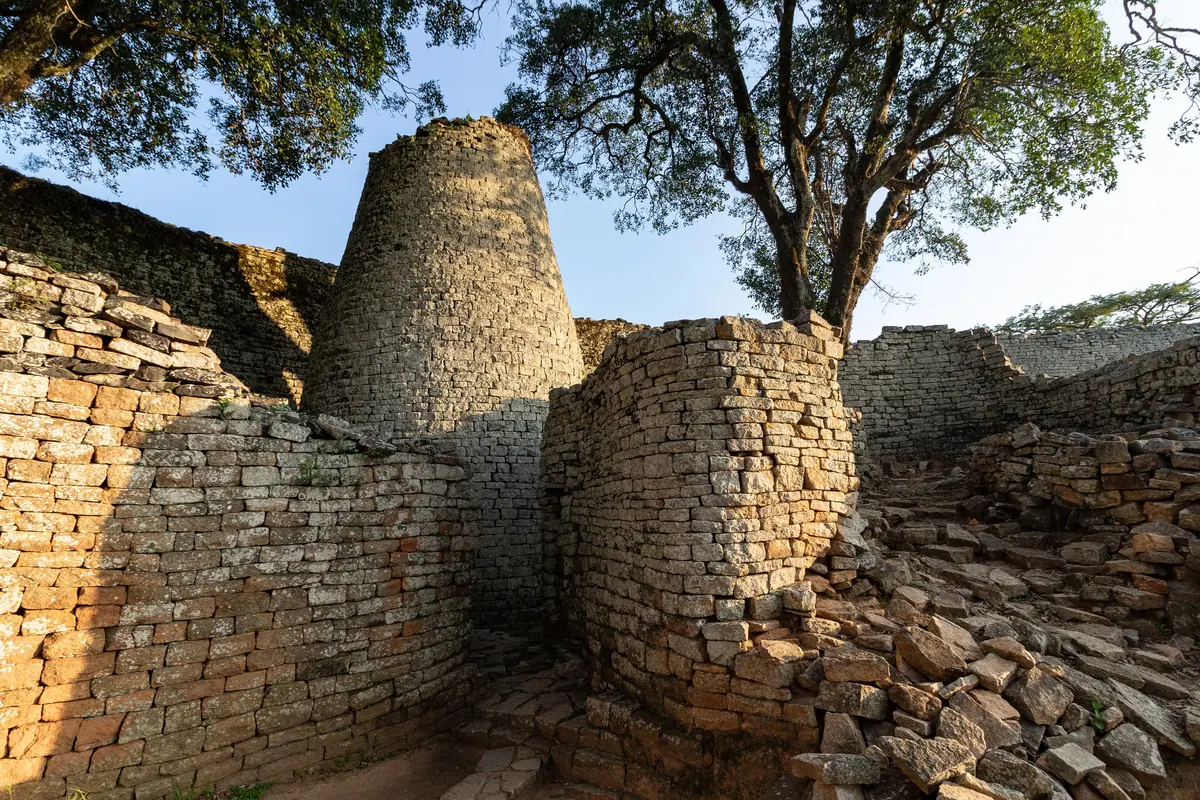
At Masvingo, Great Zimbabwe is the reason the nation takes its name: a vast 11th to 15th century stone capital built without mortar, whose Great Enclosure curves around a conical tower of fitted granite blocks. Climb the Hill Complex for views over the valley and see where the iconic soapstone Zimbabwe Bird was found; allow two to three hours with a guide, who will unpack the trading networks that once reached the Indian Ocean.
South of Bulawayo, the Matobo Hills are a landscape of balancing granite kopjes, San rock art panels and rhino tracking on foot in the national park, where white rhino are protected around the clock. World's View, the hilltop where Cecil Rhodes is buried, remains a contested but compelling vantage point. Add the Khami Ruins and, if you are driving north, the Chinhoyi Caves, whose Sleeping Pool glows an improbable cobalt blue.
Wild Zimbabwe: Hwange, Mana Pools, Kariba and the Highlands
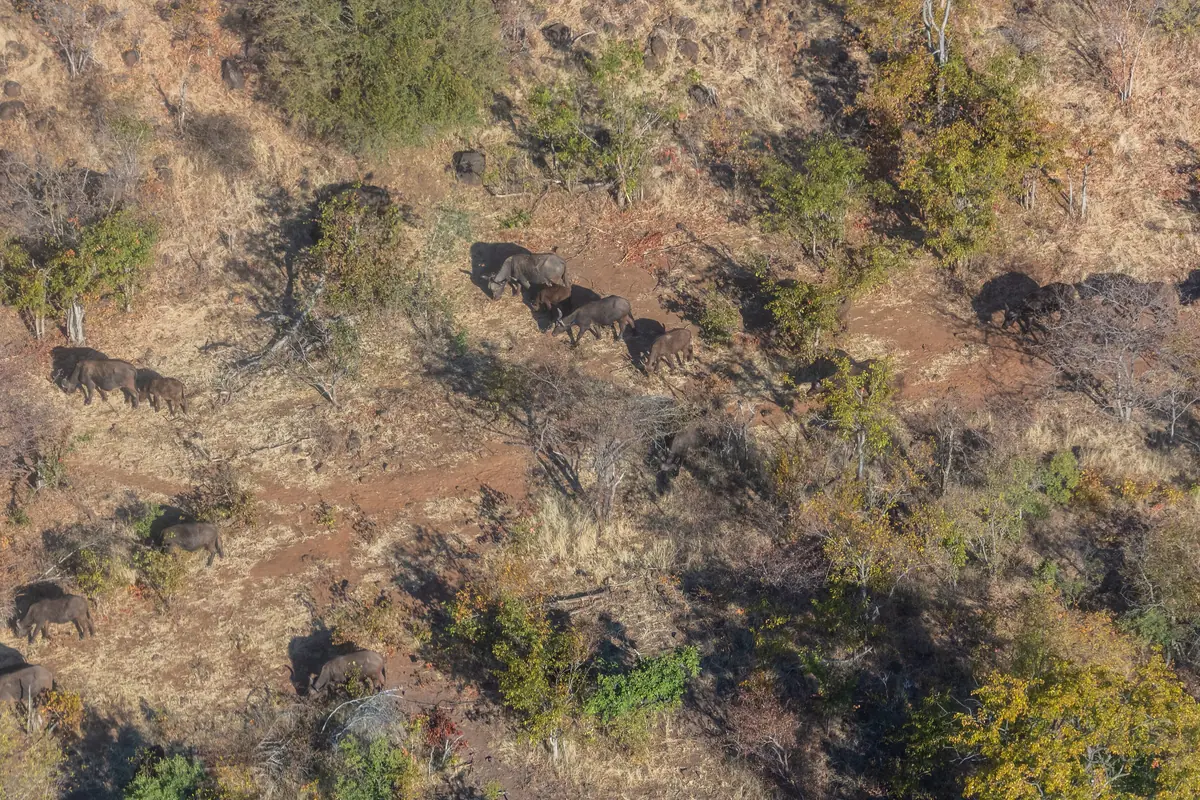
Hwange is the country's largest park, a sweep of teak and mopane woodland roughly the size of a small country, holding some of Africa's biggest elephant herds plus painted dogs, lion and sable antelope. In the dry months from August to October the action concentrates around pumped waterholes, making for extraordinary, close-up viewing from a vehicle or a hide; camps in the Main, Sinamatella and Robins areas offer day and night drives.
On the Zambezi, Mana Pools is Zimbabwe at its most cinematic: floodplain forest where elephants stand on their hind legs to reach ana tree pods, and walking safaris are the norm rather than a novelty. Canoe trips drift past hippo pods and fish eagles, and the park's World Heritage listing reflects both its wildlife and its wildness. Access is by light aircraft or a long, rough drive, so most visitors come for three nights or more between June and October. Downstream, Lake Kariba offers houseboats, tiger fishing and Matusadona's shoreline, with sunsets that turn drowned mopane trees into silhouettes.
In the east, the Eastern Highlands feel like another continent. Nyanga has Mount Nyangani, trout streams and Mutarazi Falls, often called the country's highest, while Chimanimani draws hikers into misty mountain grassland and the Bvumba hills hide botanical gardens and forest birding. Far south, Gonarezhou's Chilojo Cliffs glow red above the Runde River and see a fraction of the traffic of better-known parks.
Travelling Well: Money, Water, Roads and Local Manners
Practicalities matter in Zimbabwe. US dollars are widely accepted and often preferred, so carry small, clean notes, since change is scarce and card machines and ATMs can be unreliable outside Harare, Bulawayo and Victoria Falls. Fuel is generally available in towns, but fill up before long park transfers or drives into the lowveld. Main highways are tarred and decent, though potholes and unlit pedestrians demand concentration; a 4x4 makes sense for Hwange, Mana Pools and the Eastern Highlands in the rains. Most nationalities can obtain a visa on arrival or apply in advance, and a regional uni-visa makes day trips across the Zambezi into Zambia and Botswana straightforward.
Do not drink tap water; bottled or filtered is the norm, and it is fine to ask for it in restaurants. Malaria prophylaxis is sensible for the Zambezi valley, Hwange and the Kariba lowveld, particularly in the wet season, and a yellow fever certificate may be requested if you arrive from an endemic country. Tipping is appreciated rather than obligatory: about ten percent in restaurants and a few dollars a day for guides and trackers goes a long way.
Above all, slow down and be a good guest. Greet before you ask for anything, use mhoro in Shona or salibonani in Ndebele, dress modestly in rural areas, and ask permission before pointing a camera at people or homesteads. Buy crafts from the maker, accept the offered cup of tea, and you will find that Zimbabwe's greatest attraction is the ease with which strangers become hosts.
Frequently asked questions
When is the best time to visit Zimbabwe?
For wildlife, aim for the dry season from May to October, with August to October delivering the most concentrated sightings at waterholes at the cost of serious heat. Victoria Falls is at peak flow around April to June, when spray is spectacular but rafting usually stops; September to December brings lower water, gorge walks and gentler conditions. November to March is the green season, with dramatic skies, birdlife, fewer visitors and softer prices, though thick bush makes animals harder to spot.
How long do I need and how do I get around?
Give Victoria Falls two or three nights, and budget ten days to two weeks for a loop that also takes in Hwange, the Matobo Hills, Great Zimbabwe and Harare. Short internal flights connect Harare, Bulawayo, Victoria Falls and Kariba, while guided transfers and self-drive are both workable. A 4x4 is advisable for the bigger parks and the Eastern Highlands, especially during the rains, and long drives are best broken with market and viewpoint stops.
What should I eat and drink in Zimbabwe?
Start with sadza served with muriwo greens, dovi peanut stew and grilled goat or road runner chicken. In season, try mopane worms fried with onion and tomato, wild loquat fruit and roadside roasted maize, and sip maheu or traditional opaque beer in a township shebeen. Drink bottled or filtered water, peel fruit, and be cautious with unrefrigerated street food until your stomach has adjusted.
Is Zimbabwe safe and suitable for independent travellers?
Crime against visitors is relatively uncommon, and Zimbabweans are famously hospitable, but use normal city precautions after dark and keep valuables out of sight. Parks are best explored with licensed guides, particularly on walking safaris at Mana Pools and rhino tracking in the Matobo Hills. Check road and weather conditions if travelling in the rainy season, keep cash for remote areas, and let someone know your route on long drives.
Do I need a visa and which currency should I bring?
Many nationalities receive a visa on arrival or can apply in advance, and a regional uni-visa covers Zimbabwe, Zambia and Botswana for short cross-border trips near Victoria Falls. Bring US dollars in small denominations, as they are widely accepted, and treat card facilities and ATMs outside major cities as a bonus rather than a plan. Some change is often given in local currency, so spend it rather than save it.
Sort the rest of your trip
Everything for Zimbabwe, in one place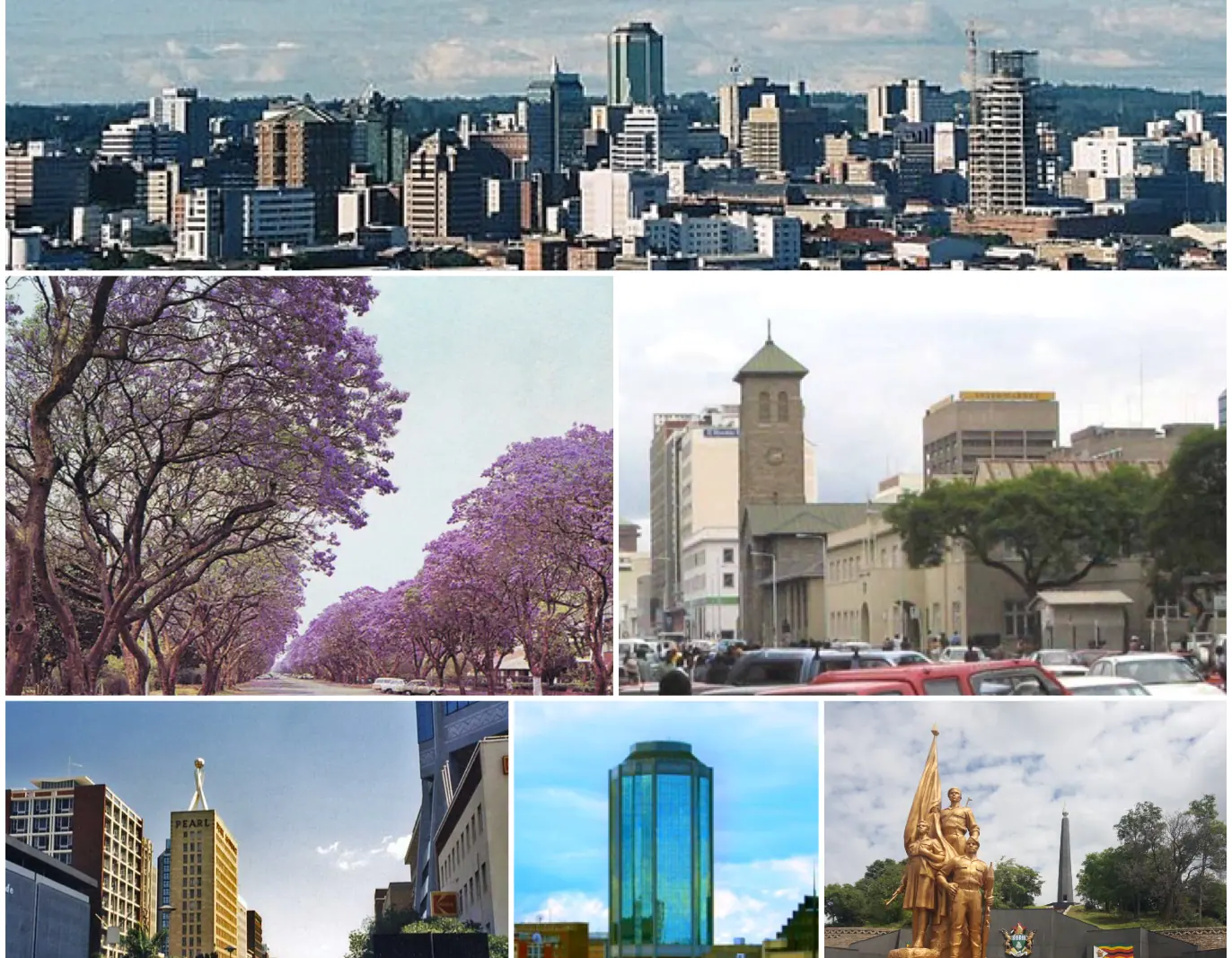
Stay in Zimbabwe
Hotels, guesthouses and apartments — compared in one search.
Search hotels
Transfer in Zimbabwe
Private driver waiting on arrival — no queues, no surprises.
Book a transfer
Stay online in Zimbabwe
Travel eSIM — data the moment you land, no roaming bills.
Get an eSIMMore guides in Zimbabwe
Best Places to Visit in Zimbabwe: Waterfalls, Wildlife and Ancient Stone Cities
Where to Stay in Zimbabwe: Top Cities, Safari Lodges and Must-See Attractions
One Week in Zimbabwe by Air: A Fly-In Itinerary from Victoria Falls to Harare