Zimbabwe is a country that rewards those who take to the air. A single week becomes enough for thundering falls, elephant-thick savanna, granite hills full of rock art and a ruined stone city that gave the nation its name — if you let small planes do the long, dusty miles for you.
Why Flying Makes a One-Week Zimbabwe Trip Possible
Zimbabwe is deceptively large: the road from Harare to Victoria Falls runs close to 700 kilometres and can swallow a whole day. Flying collapses that into roughly eighty minutes and turns a sprawling country into a workable week. The domestic network links Robert Gabriel Mugabe International in Harare, Victoria Falls, Joshua Mqabuko Nkomo International in Bulawayo and Kariba, while light aircraft reach bush strips serving Hwange and Mana Pools. Most hops take between forty-five minutes and an hour and a half.
The neatest structure is an open-jaw ticket — fly into Victoria Falls, which has the widest regional connections, and out of Harare, or the reverse. That way you never double back on yourself. It also puts the cross-border visa within easy reach: on a short day trip across the Victoria Falls Bridge you can stand at the Zambian viewpoints, including the Knife-Edge and the Eastern Cataract, and be back for sundowners on the Zimbabwean side.
Book domestic legs early, especially for the July to October peak, when small aircraft fill up months ahead. Baggage is usually capped at fifteen to twenty kilograms in soft bags, and charter flights to Hwange, Mana Pools or the Matusadona shoreline must be arranged well in advance. In the rainy months, favour morning departures — afternoon thunderheads over the central plateau are notorious for delaying light aircraft.
Days 1 and 2: Victoria Falls and the Mosi-oa-Tunya Rainforest
Begin in the Victoria Falls Rainforest, inside Mosi-oa-Tunya National Park, where a paved trail threads through a permanent drizzle thrown up by the Zambezi as it drops into the gorge. Sixteen viewpoints unfold in sequence — the Devil's Cataract, Main Falls, Horseshoe Falls and Rainbow Falls — and the roar is audible long before you see water. Allow two hours, or half a day if you linger and let the rainbows come and go. Go at opening time for the best light and thinnest crowds.
Afternoons belong to the river. A sunset cruise on the calm water above the falls drifts past hippos, crocodiles and elephants coming down to drink, while game drives into Zambezi National Park push further upstream. Walk the Victoria Falls Bridge, a steel arch thrown across the gorge in 1905, and stop at the Big Tree, an enormous baobab on Zambezi Drive that predates most of the town. Helicopter and microlight flights lift you over the chasm for the classic aerial view.
Timing changes everything here. Peak flow from February to May is monumental, but the spray can be so dense that you barely see the water; from September to December the flow drops, the viewpoints clear and white-water rafting runs its gentlest, most forgiving rapids. On full-moon nights the spray throws a lunar rainbow, a phenomenon few places on earth can match.
Days 3 and 4: A Bush Flight into Hwange National Park
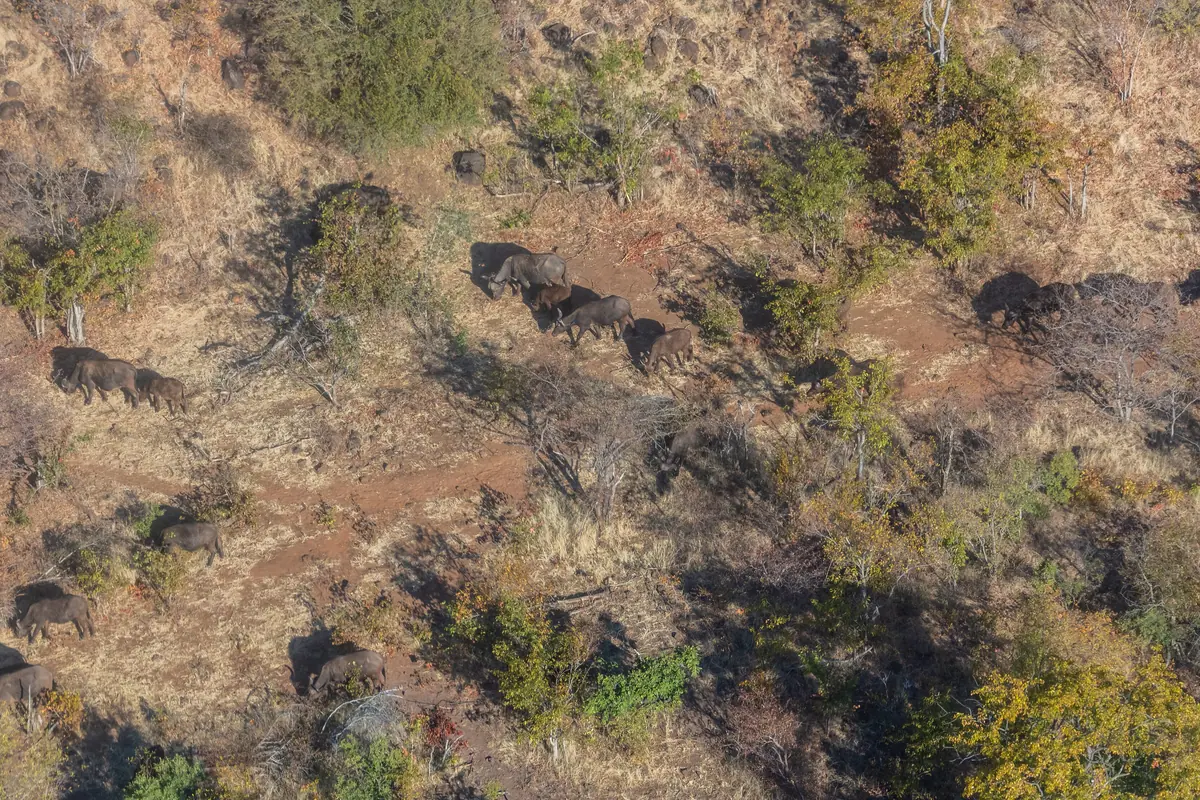
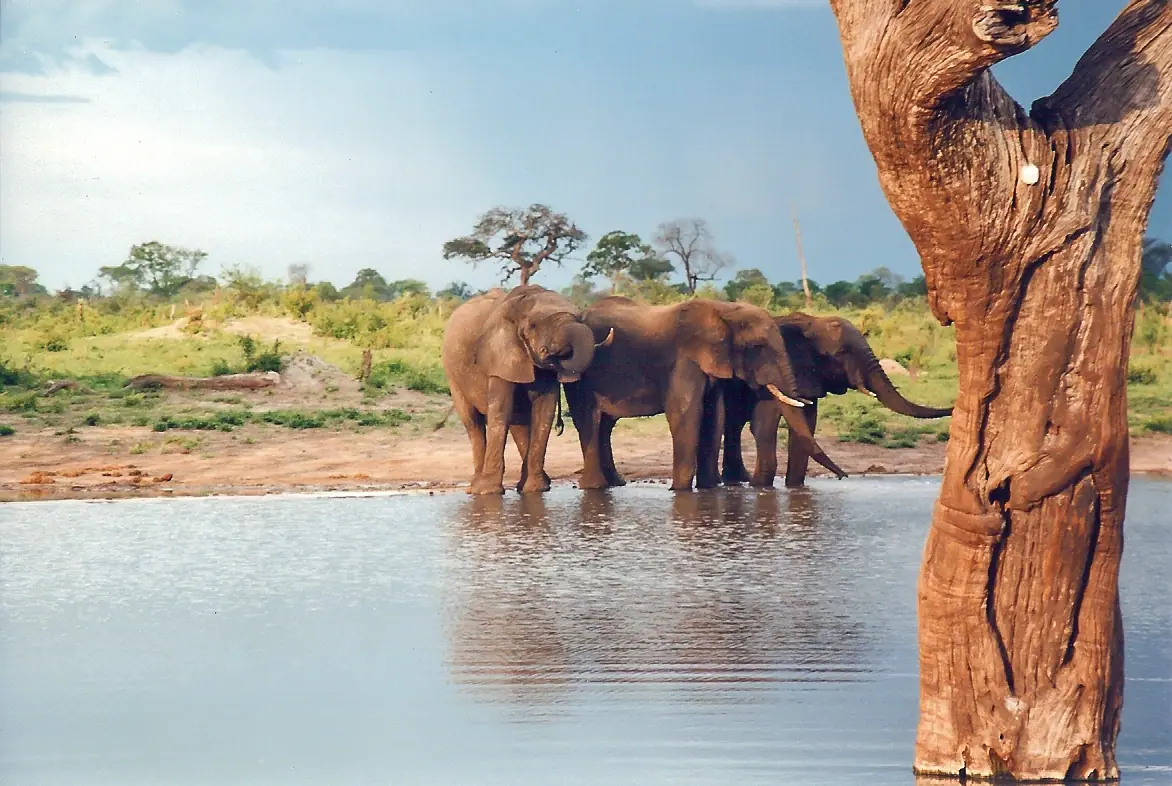
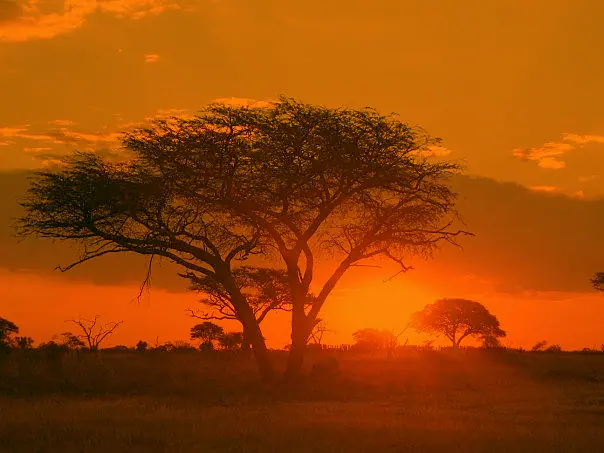
A thirty-five-minute charter from Victoria Falls drops you onto a dirt strip inside Hwange, Zimbabwe's largest national park, or you can drive the two hours to Main Camp. Covering around 14,600 square kilometres of teak and mopane woodland, Hwange is elephant country — herds hundreds strong in the dry months, drawn to pumped waterholes at Mandavu Dam, Guvalala Platform, Nyamandlovu and Ngweshla. Game drives here are about patience and water, not chasing.
From May to October the bush thins, visibility improves and the wildlife concentrates around those pans; September and October deliver the most spectacular sightings, though the heat is punishing by midday. The green season from November to April trades easy sightings for birds, newborn antelope, dramatic skies and lower rates — but some camps close and dirt roads turn greasy, so a flexible charter schedule matters.
If you would rather swap savanna for river, fly instead to Mana Pools on the Zambezi, a World Heritage-listed floodplain where walking safaris and canoe trips glide past hippo pods beneath albida trees. It is a magical, mostly June-to-October destination, largely cut off once the rains arrive. Lake Kariba, with its houseboats and drowned shoreline of dead trees, offers a third, gentler alternative.
Day 5: Bulawayo and the Matobo Hills
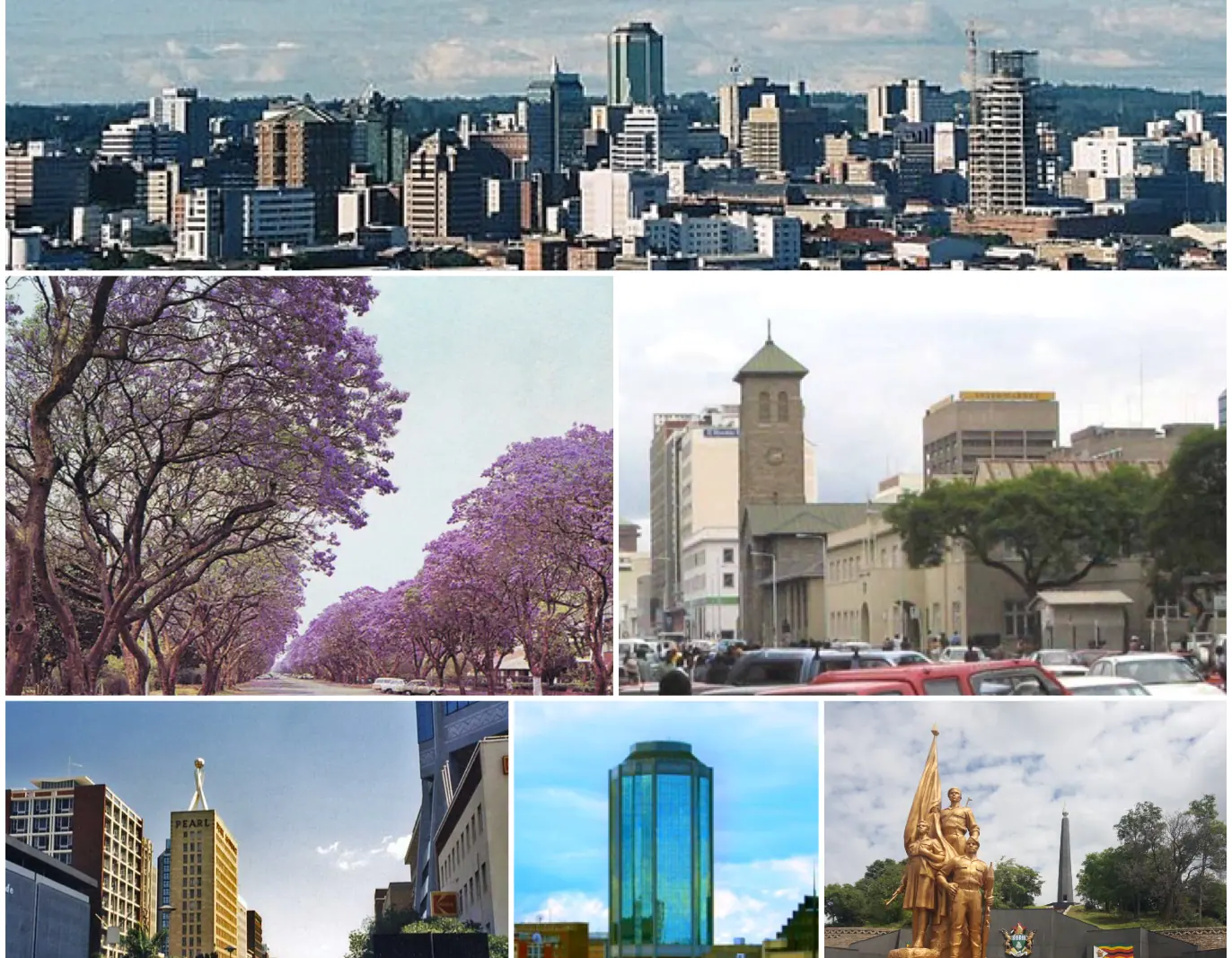
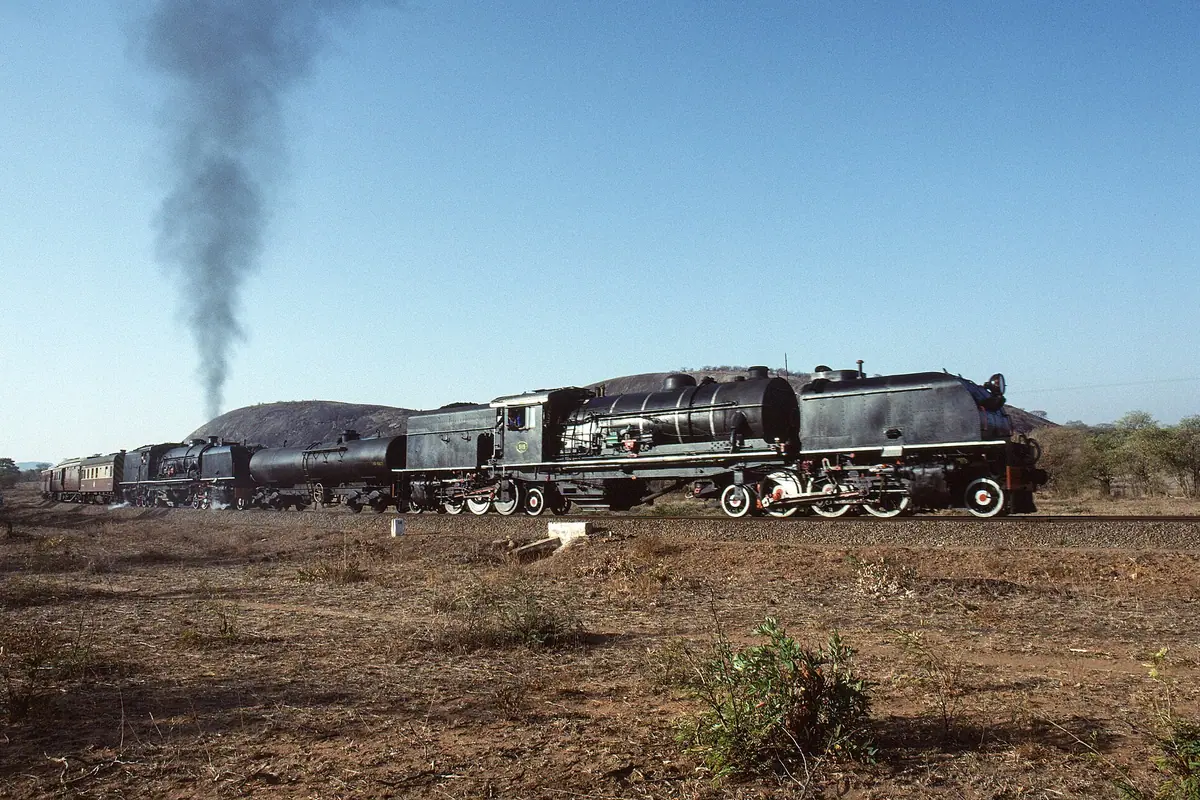
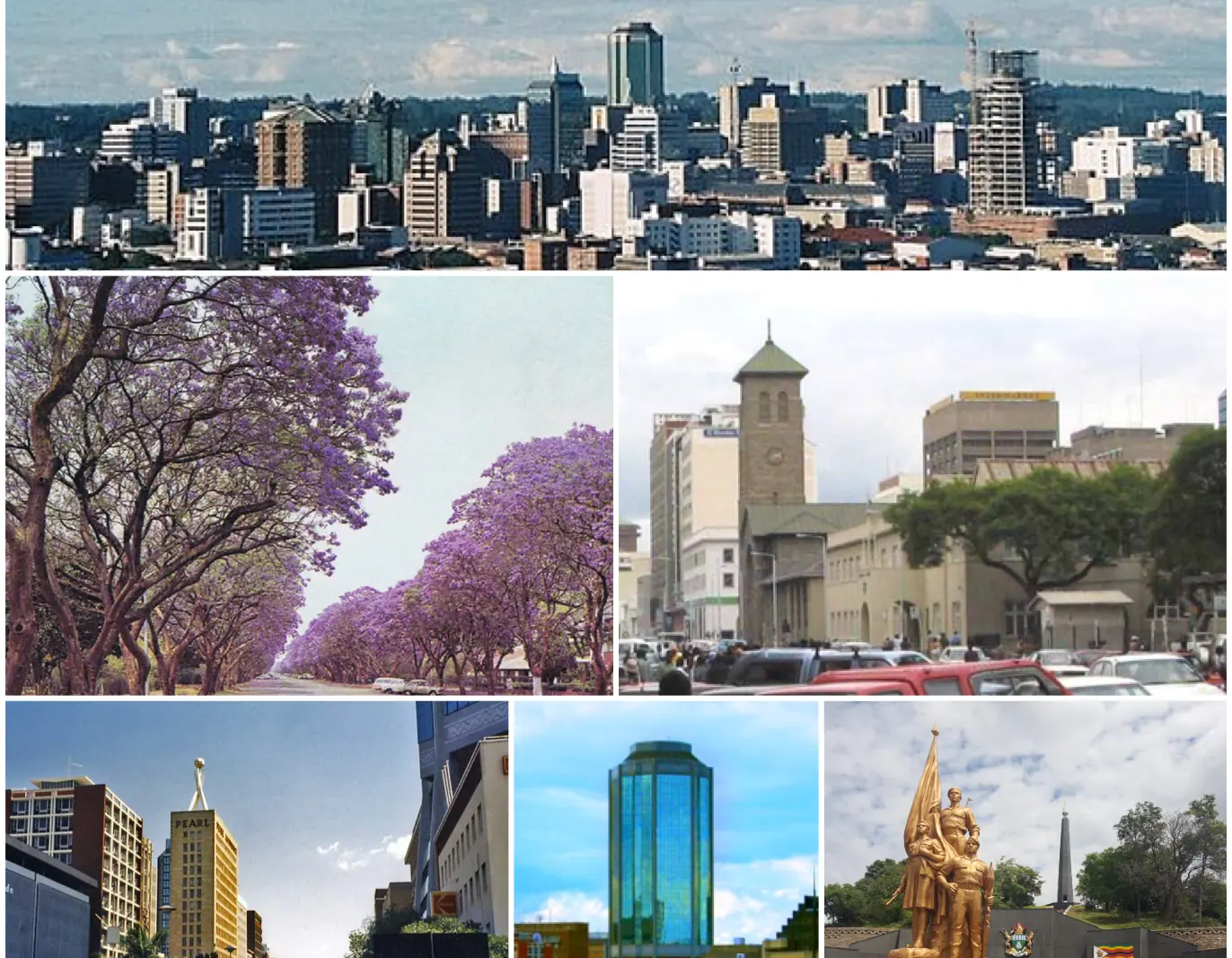
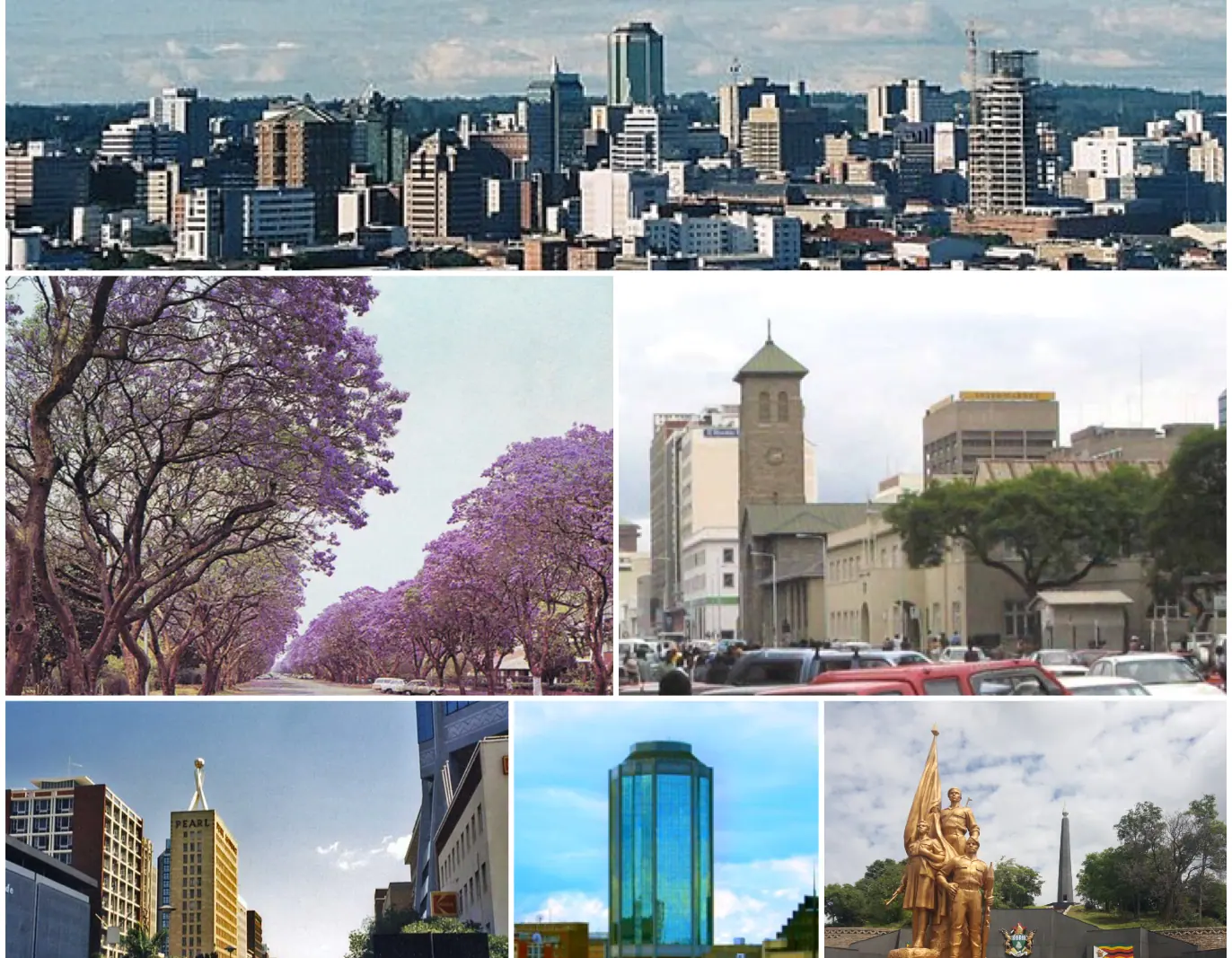
A morning flight of about an hour brings you to Bulawayo, Zimbabwe's second city, laid out in wide, jacaranda-lined streets that are pleasantly walkable. The Natural History Museum holds a serious collection of regional wildlife and geology, while the railway museum nearby is a graveyard of gleaming steam locomotives that once linked the whole subcontinent. Use the city as a base and head south early the next morning.
Forty kilometres away, Matobo National Park rises in a jumble of whaleback granite kopjes, a cultural landscape inhabited for tens of thousands of years. Guides lead walks to San rock paintings hidden in shallow caves and track white rhino on foot through the whinberry bush, one of the few places where this is done well. The hills also hold graves of great significance, including Malindidzimu, known as World's View, where Cecil John Rhodes is buried.
Give the Matobo Hills a full day, not an afternoon. Start before the heat, carry water and wear grippy shoes for the granite slabs, and finish with a sundowner among the balancing rocks as the light turns the hills copper. Permits and a local guide are required for the rhino walk, and they are worth every minute.
Day 6: Great Zimbabwe National Monument
The defining sight of the trip comes last. Great Zimbabwe, near Masvingo, was the capital of a Shona kingdom between the eleventh and fifteenth centuries and the largest stone settlement in sub-Saharan Africa. Its name — from dzimba dza mabwe, houses of stone — gave the modern nation its own. The Hill Complex climbs steeply for panoramic views, the Great Enclosure wraps its famous Conical Tower in a wall of fitted granite blocks, and the soapstone Zimbabwe Bird carved here now stands on the national flag.
Getting there takes planning: roughly four hours by road from Bulawayo, or fly to Harare and drive the same distance south. Whichever route you choose, arrive at opening time, hire a guide at the entrance to make sense of the archaeology, and budget three to four hours on site. The paths are uneven, the steps are worn and the sun is fierce by mid-morning.
Afterwards, cool off around Lake Mutirikwi, whose shoreline laps below the ruins and offers viewpoints back towards the walls. The site museum fills in the trade networks that once carried gold and ivory to the Indian Ocean. Stay overnight in Masvingo rather than rushing back, then fly or drive to Harare the following morning.
Day 7: Harare, Heroes Acre and the Flight Home
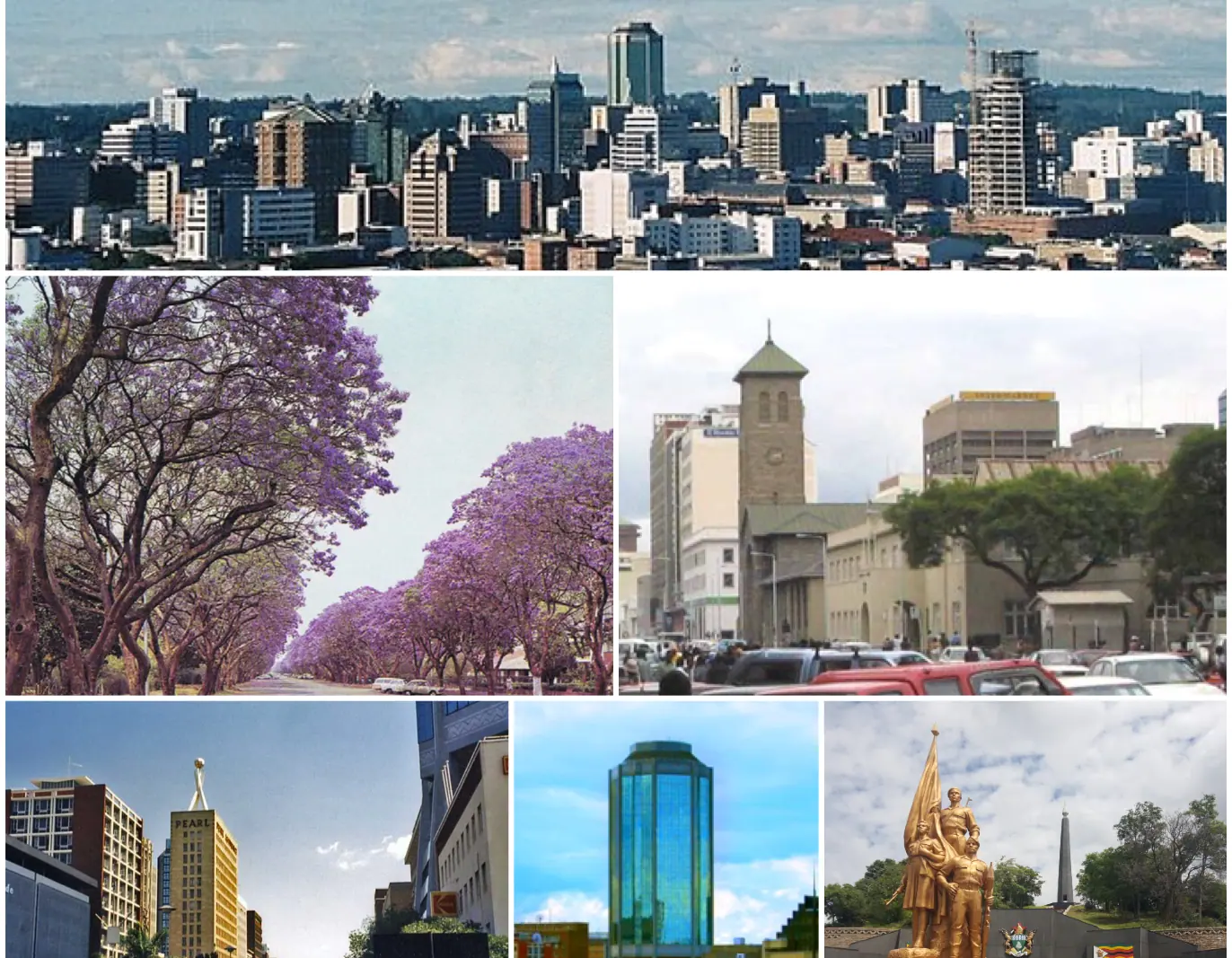
Finish in the capital, where the National Heroes' Acre spreads across a hilltop with an eternal flame, monumental granite sculptures and long views over the plateau. Closer to the centre, the National Gallery of Zimbabwe sits inside Harare Gardens and showcases the Shona stone sculpture that has become the country's best-known art form, while Mbare Musika market bursts with produce, fabric and carving.
If your flight leaves late, two short excursions fit neatly. Domboshava, forty minutes north, protects rock paintings daubed in red ochre by hunter-gatherers, and the Chinhoyi Caves, an hour and a half northwest, hide the Sleeping Pool, a sinkhole of unnervingly clear cobalt water that divers travel far to see. Both are easy half-day trips from the city.
A few final practicalities: United States dollars are accepted almost everywhere alongside local currency, plugs are the British three-pin type at 220 to 240 volts, and antimalarial tablets are sensible for the lowveld around Victoria Falls, Hwange and Kariba. Harare sits at about 1,480 metres, so evenings are cool even in summer — pack a layer for your last night before departing from Robert Gabriel Mugabe International.
Frequently asked questions
How many internal flights does this one-week route need?
Three work well: Victoria Falls to Hwange by light charter, Hwange or Victoria Falls to Bulawayo, and Bulawayo to Harare. If you would rather drive, the Victoria Falls to Bulawayo road is long but the Masvingo leg to Great Zimbabwe is a comfortable half-day.
When is the best time of year for this itinerary?
July to October gives dry, clear conditions for Hwange and Mana Pools, though Victoria Falls is at its quietest in volume. February to May brings the falls at full roar but heavy spray and greener, harder wildlife viewing. April, May and September are the sweet spots for balancing both.
Do I need a visa, and is a day trip to the Zambian side worth it?
Most visitors can obtain a visa on arrival or in advance online, and a combined cross-border visa covers Zimbabwe and Zambia for short trips. Crossing the Victoria Falls Bridge for the Zambian viewpoints takes two to three hours and is well worth the stamp.
Is Zimbabwe safe and comfortable for first-time visitors?
The tourist circuits around Victoria Falls, Hwange, Bulawayo, Masvingo and Harare are well trodden and welcoming, with reliable guiding and good lodges. Take the usual city precautions, carry small notes for tips, and remember that fuel and cash can be unpredictable in remote areas.
What should I pack for a fly-in week in Zimbabwe?
Soft bags within a fifteen to twenty kilogram limit, neutral layers for cool plateau evenings, a wide-brimmed hat, sturdy walking shoes for granite and ruins, binoculars, and antimalarials for the lowveld. Cameras, spare batteries and a dust-proof bag for the bush flights round out the list.
Sort the rest of your trip
Everything for Zimbabwe, in one place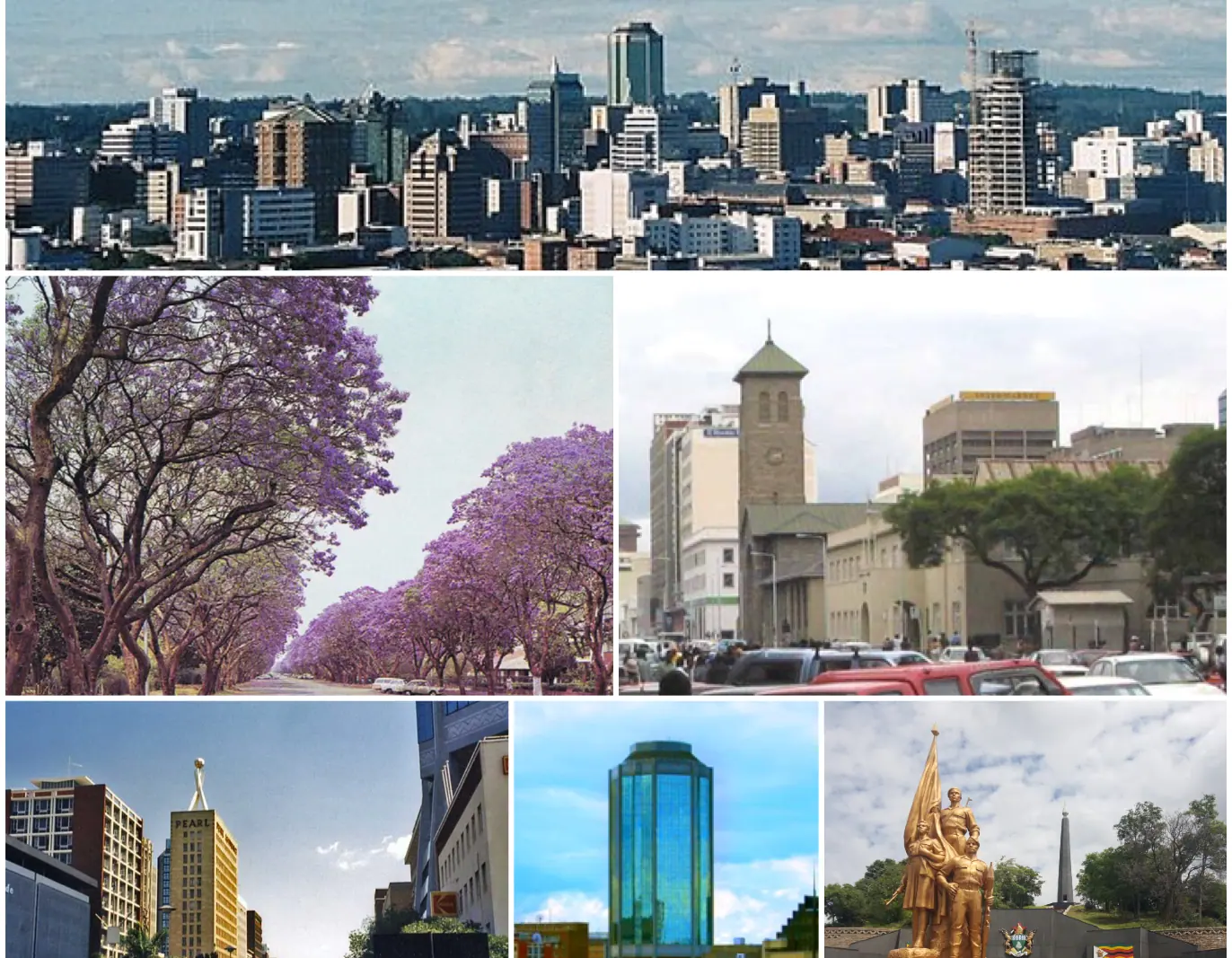
Stay in Zimbabwe
Hotels, guesthouses and apartments — compared in one search.
Search hotels
Transfer in Zimbabwe
Private driver waiting on arrival — no queues, no surprises.
Book a transfer
Travel insurance
Medical cover, delays and lost baggage — sorted before you go.
Get coveredMore guides in Zimbabwe
Best Places to Visit in Zimbabwe: Waterfalls, Wildlife and Ancient Stone Cities
Where to Stay in Zimbabwe: Top Cities, Safari Lodges and Must-See Attractions
Things to Do in Zimbabwe: Victoria Falls, Hwange and the Country's Greatest Landmarks