Melbourne rewards the traveller who picks one good base and then wanders out from it. Choose the right pocket of the city — a laneway hotel inside the grid, a river-facing room south of the Yarra, a terrace-house stay in Fitzroy — and two nights turn into espresso, trams, galleries and a late dinner nobody wants to end. Here's how each neighbourhood actually feels at 8am and at midnight, and how the city's famously restless seasons change both the mood and the rates.
The CBD Grid: Laneway Hotels and the Chime of Trams
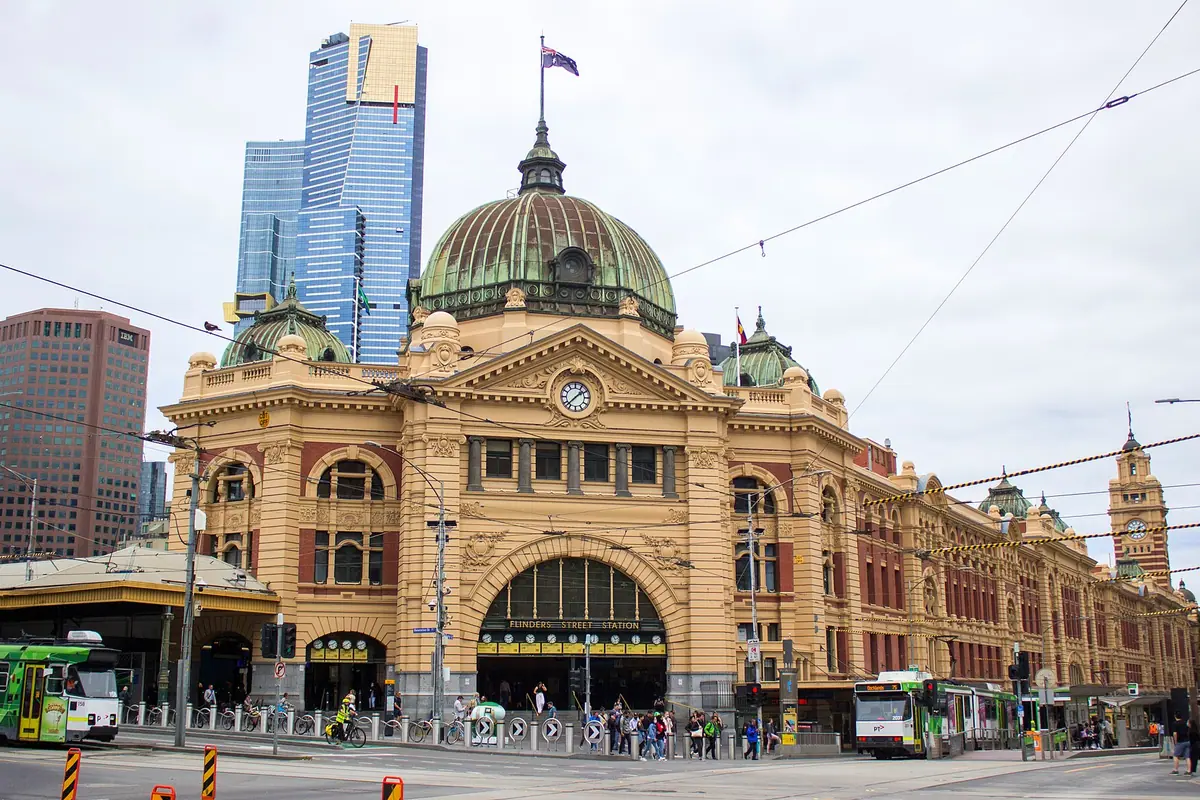
Melbourne's centre is a compact nine-by-five block grid laid out in the 1830s, with the Yarra curling along its southern edge. Staying inside it puts the yellow clock tower of Flinders Street Station five minutes away, the Hosier Lane murals around the corner, and the coffee exactly as good as everyone insists. Most central hotels occupy converted buildings: a 1920s insurance office with a rooftop bar, a former department store with a grand staircase lobby, or a slim apartment tower where you get a kitchenette and a balcony over Bourke Street.
The trade-off is noise. Swanston, Elizabeth and Bourke streets carry trams until roughly 1am and start again before 6am, so ask for a higher floor or a room facing a rear laneway if you sleep lightly. Degraves Street and Centre Place run breakfast queues from about 7.30am, which suits early risers who want to be out walking before the city fully wakes up.
For a weekend, the eastern end of Collins Street near the theatres keeps your evening options within a few blocks, while the western edge of the grid drops you beside Queen Victoria Market — Saturday morning there is a proper local ritual. Book two nights minimum: Friday and Saturday fill first for anything with a view or a rooftop.
Southbank and the Arts Precinct: River Views and Big Stages
Cross Princes Bridge and the city loosens into the south bank of the Yarra — a promenade of restaurants, the slender spire of the arts centre, and the gallery complex that anchors Melbourne's cultural life. A river-facing hotel here buys you the CBD skyline reflected in the water, which is spectacular at dusk and genuinely magical when the towers light up. The national gallery, the concert halls and the convention centre are all walkable from the doorstep.
This is the most 'big night out' of the central options: pre-theatre dining, torch-lit riverside strolls, the casino and entertainment complex a little further west. The downside is crowds — the promenade gets loud on Friday and Saturday nights, and river-view rates spike whenever a major event lands in the precinct.
Practically, the walk back into the CBD over the bridge takes about ten minutes, and the free tram zone means you rarely need a taxi. If you're in town for a concert or a blockbuster exhibition, staying south of the river removes the last-minute dash for transport entirely.
Fitzroy, Collingwood and Carlton: Northside Character
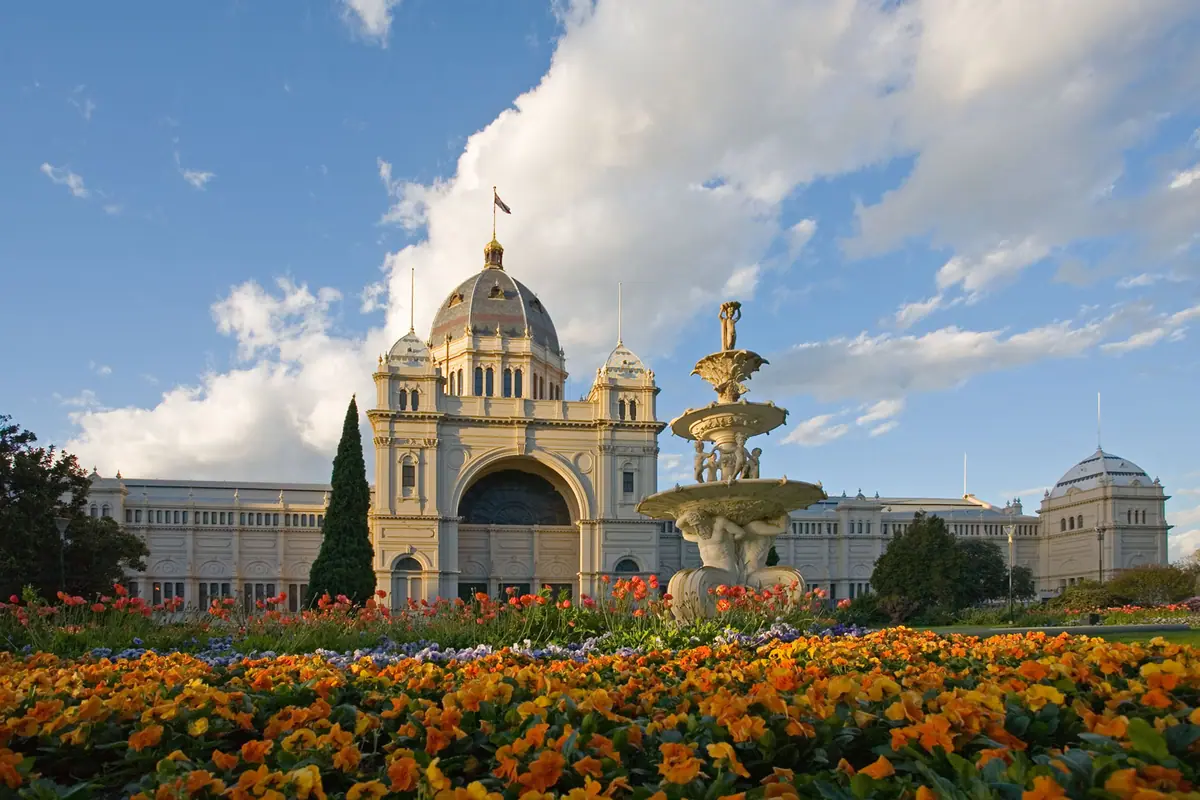
Melbourne's creative heart sits just north-east of the grid. Fitzroy's Brunswick Street and Gertrude Street are dense with small bars, vintage shops and galleries; Collingwood's Smith Street has quietly become the city's best eating strip. Carlton adds the Royal Exhibition Building, the Carlton Gardens and Lygon Street's long Italian tradition.
Accommodation here is smaller and more personal — renovated terraces, warehouse conversions with exposed brick, a handful of rooms above a pub or behind a courtyard. You trade a concierge desk for a neighbourhood that feels lived in, and by Sunday you'll have a barista who remembers your order.
Trams run from the city every few minutes, and a taxi back after dinner is short and cheap. Parking is permit-heavy and tight, so unless your weekend rolls on into a road trip through the Yarra Valley or down the coast, leave the car behind.
St Kilda and the Bayside: Sea Air and Sunset Penguins
Twenty-five minutes by tram from the centre, St Kilda is a seaside suburb with a faded-grand past: a long pier, the candy-striped gates of an old foreshore amusement park, palms along the esplanade and a beach that fills on hot days. The cake shops along Acland Street are an institution, and the foreshore path is made for early runs.
Staying here makes sense if you want mornings on the sand and evenings away from the city's density. The little penguins that return to the breakwater at dusk are a free and genuinely memorable spectacle — arrive about an hour before sunset, keep your distance and stay quiet. Book well ahead for summer weekends and for the March motorsport weekend, when this becomes the busiest patch of the state.
Winter is quieter and cheaper, with bracing bay winds and very good coffee. Light sleepers should avoid rooms directly on the Esplanade or Fitzroy Street on Saturday nights.
Timing Your Weekend: Seasons, Events and Rates
Melbourne's climate is famously changeable — 'four seasons in one day' is less a marketing line than a packing instruction. Summer, December to February, brings 30°C-plus days and warm nights alongside the tennis in late January; the centre fills and rates climb hard. Autumn, March to May, is the sweet spot: mild, golden and comfortable for walking, though March also brings motorsport crowds to the bayside and a surge in bookings.
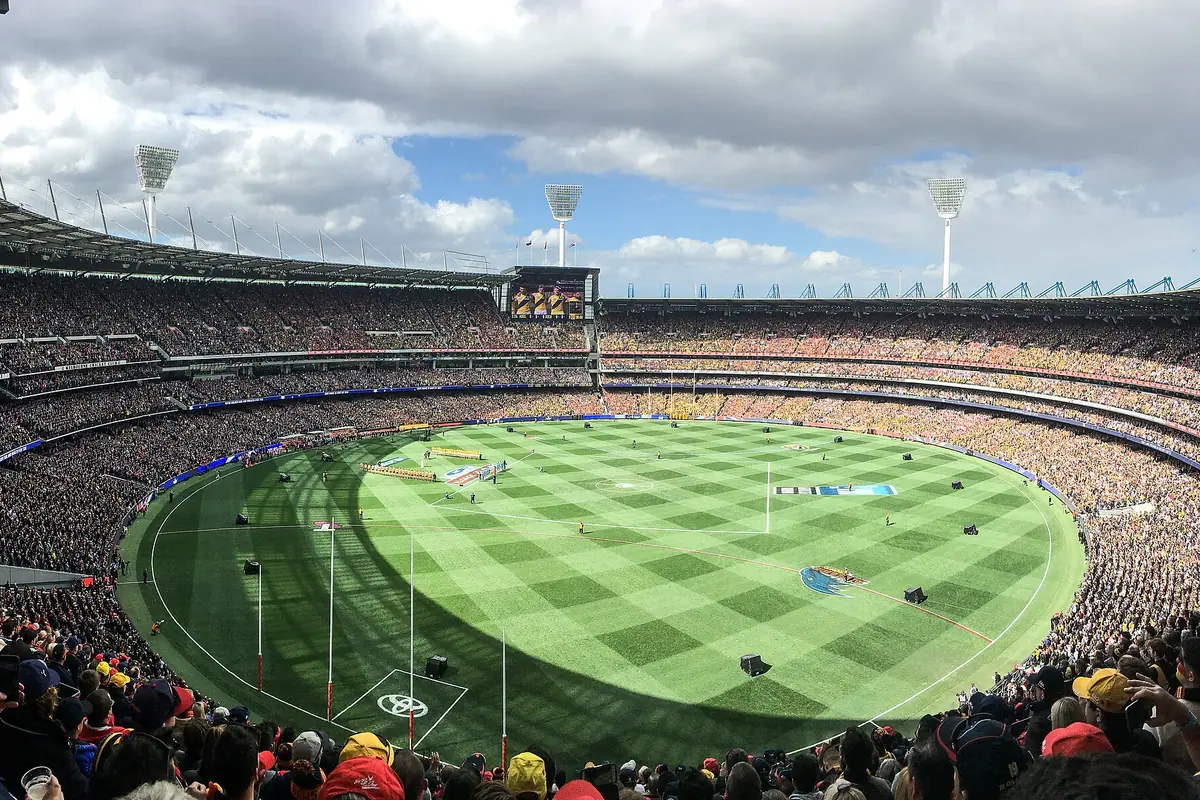
Winter, June to August, is cool and grey at roughly 7–15°C, but it's when hotel deals appear and the cultural calendar is strongest — headline exhibitions, a busy film festival in August, and football at the cricket ground drawing crowds in scarves. Spring, September to November, is unpredictable but often lovely; the first Tuesday in November stops the entire city for the horse race, so expect peak rates and fully booked restaurants unless that's exactly why you came.
As a rule, book two to three months ahead for summer and event weekends, and a fortnight is usually plenty in late autumn and early spring. Sunday nights are consistently the cheapest of the weekend.
Getting Around, Parking and Where to Eat Breakfast
Trams are the way to travel. The free tram zone covers most of the CBD, and a reloadable travel card takes you beyond it — you'll need one to reach Fitzroy, St Kilda or the inner west. The airport lies about 25km from the centre; allow 25 to 45 minutes by road depending on traffic, and considerably more in peak hour.
Parking in the inner city is expensive and often limited to timed street bays or paid garages, and many hotels charge a nightly valet fee on top. Unless your weekend includes a drive out of town, you won't need a car at all.
Hotel breakfast is rarely Melbourne's best meal. The cafe culture is the real draw — laneway espresso bars, all-day brunch, bakeries with queues by 9am. Ask the front desk where they personally go rather than where's nearest, and check Sunday hours, when some smaller spots shut.
Frequently asked questions
Which Melbourne area is best for a first weekend?
Stay inside the CBD grid for a first visit. Flinders Street Station, the laneways, the markets and the galleries are all walkable, trams are on the doorstep and the free tram zone keeps costs down. Southbank suits theatre and concert trips; Fitzroy and St Kilda reward repeat visitors who want a neighbourhood feel.
Do I need a car in Melbourne?
No. Trams, trains and buses cover the inner suburbs well, and the free tram zone makes the CBD effortless. Parking is expensive, streets are permit-controlled and many hotels add a nightly valet charge. Only pick up a car if you're extending the trip to the coast or the wine regions.
How far is the airport from the city centre?
Roughly 25km. Expect 25 to 45 minutes by road depending on traffic, longer during weekday peak hours or Friday evenings. Express buses and taxis or rideshares all run to the CBD, and late-night arrivals should book a transfer in advance.
When are Melbourne hotel rates highest?
Late January for the tennis, March for the motorsport weekend, the first Tuesday in November for the horse race, and September for football finals. Summer weekends generally run hotter than winter ones. Late autumn and early spring offer the best value, especially if you check in on a Sunday.
What should I pack for a Melbourne weekend?
Layers, always. A light rain shell, comfortable walking shoes and a warm jumper are wise even in summer, when evenings can drop sharply after a hot day. Winter calls for a proper coat and something windproof for the bayside.
Sort the rest of your trip
Everything for Melbourne, in one place
Transfer in Melbourne
Private driver waiting on arrival — no queues, no surprises.
Book a transfer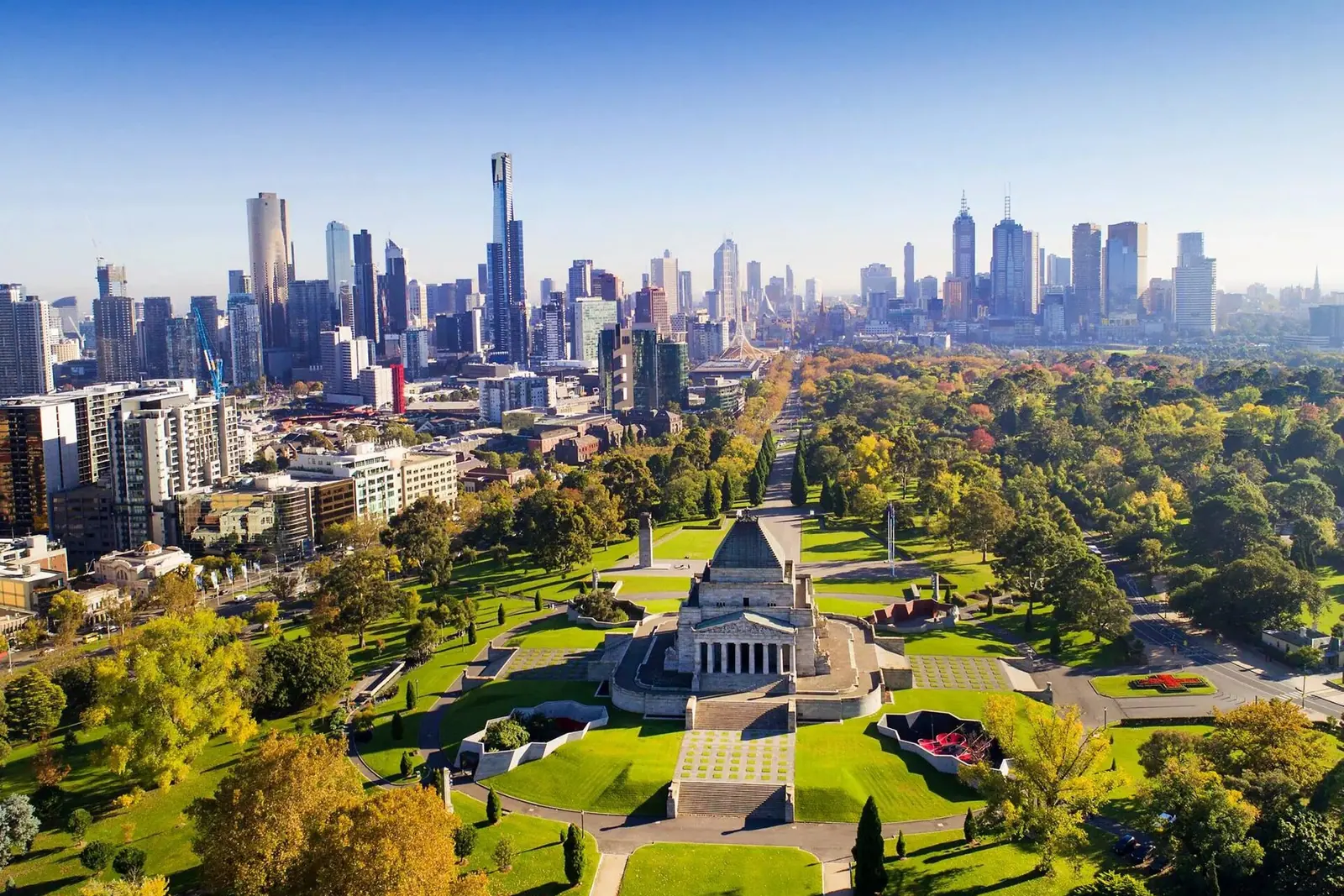
Things to do in Melbourne
Skip-the-line tickets, guided tours and standout experiences.
See experiences
Stay online in Australia
Travel eSIM — data the moment you land, no roaming bills.
Get an eSIM