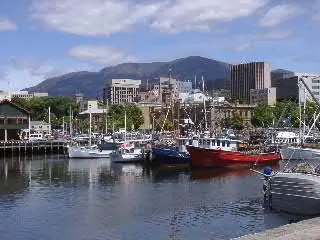
Australia is a continent pretending to be a country, so there is no single best month to visit — only a best month for the version of Australia you want. Get the season right and you will pay less, sleep cooler and see the icons of Sydney, Uluru and the Reef without an elbow in your ribs.
The Shape of an Australian Year
Australia's seasons run opposite to the northern hemisphere, which catches a lot of travellers off guard when they start pencilling in dates. December to February is high summer, June to August is winter, and the further north you go, the less those European labels mean. Tropical Queensland and the Northern Territory have a wet season and a dry season rather than four tidy quarters, while Tasmania, Victoria and southern Western Australia get genuine cold weather, snow on the highlands and long, cool, moody evenings.
Climate aside, the calendar you really need to watch is the school holiday one. Australian families travel hard, and the summer break that stretches from mid-December into late January is the single busiest hotel window of the year, especially along the coast between Byron Bay, the Gold Coast and the New South Wales south coast. Easter, the long weekends and the Melbourne Cup period create shorter, sharper spikes. If your dates land on any of those, your choice of hotel narrows dramatically and you should be booking well ahead rather than browsing on arrival.
The upside of all this is shoulder season, which in Australia is unusually generous. Roughly late February to April and September to November give you mild temperatures in the southern cities, dry days in the outback and reasonable access to the Reef, with hotel rates that have come back down from their peak. For most first-time visitors, those windows are the sweet spot.
Summer (December to February): Peak Season and Big Occasions
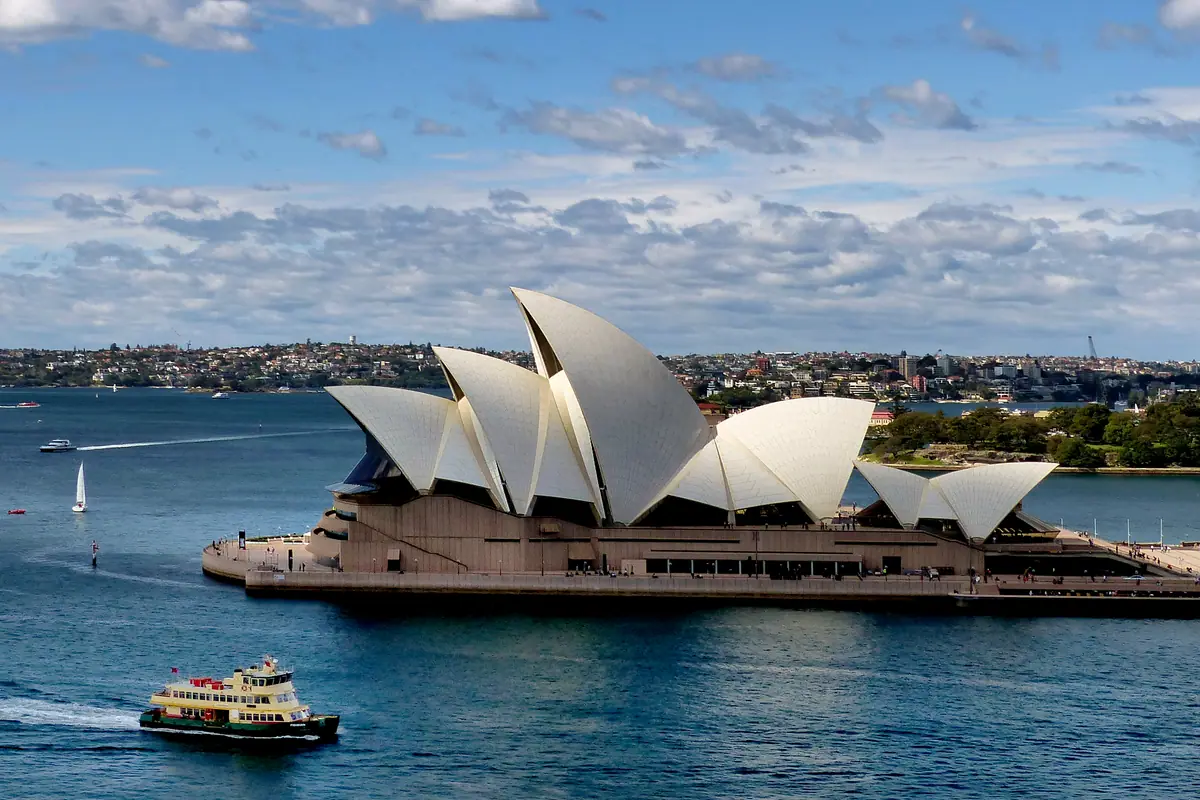
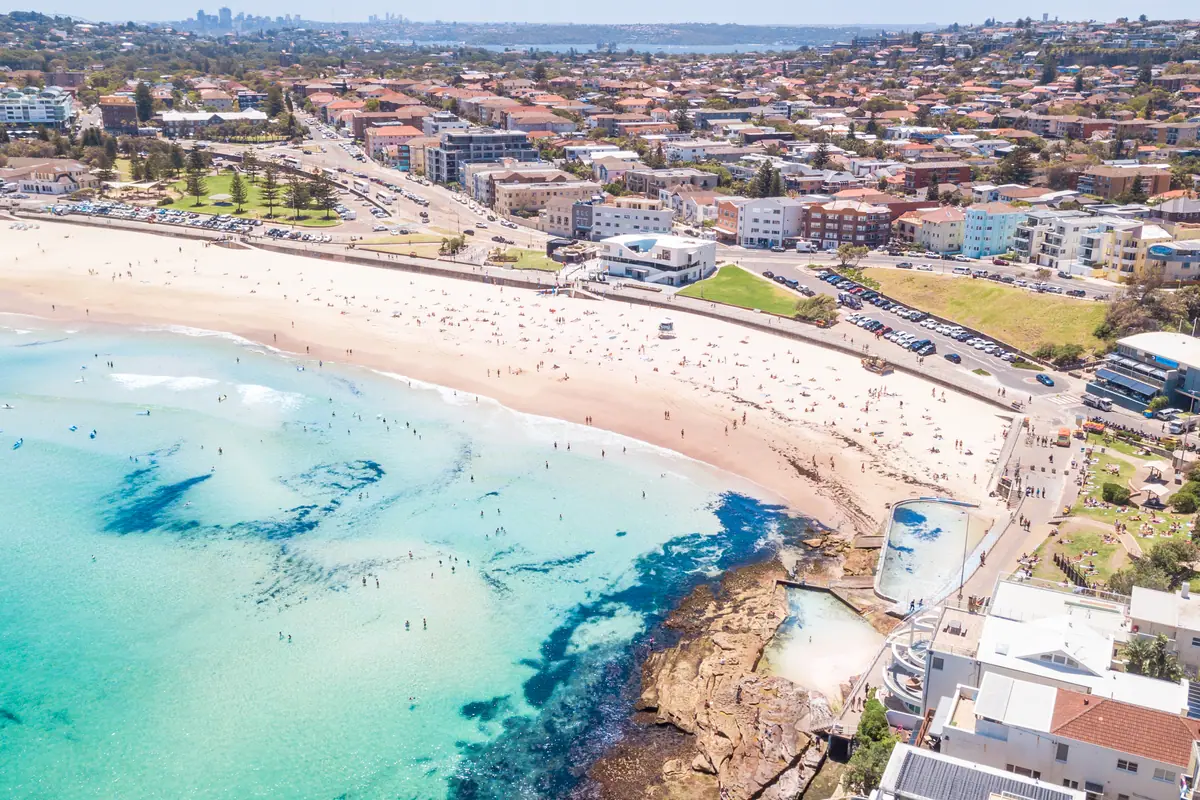
Summer is when Australia performs its greatest hits. Sydney Harbour fills with ferries and yachts, Bondi Beach is packed by mid-morning, and New Year's Eve fireworks over the Harbour Bridge turn the whole waterfront into a ticketed, heavily booked spectacle. Melbourne hosts its major tennis tournament while the famous cricket grounds, the Sydney Cricket Ground and the Melbourne Cricket Ground, pull crowds for Test matches that roll through the hottest weeks of the year.
Hotel demand follows the crowds. Harbourside and beachside properties in Sydney, the Gold Coast and Byron Bay often impose multi-night minimum stays over the New Year period, and the affordable rooms disappear first, so the leftovers tend to be the expensive ones. Outside the cities, coastal towns along the Great Ocean Road and around Jervis Bay operate on a similar logic — the Twelve Apostles viewpoint at sunrise is blissfully quiet in March and shoulder-to-shoulder in January.
The heat itself is worth planning around. Inland Australia bakes in summer, with outback days around Uluru and Kata Tjuta often pushing past 40 degrees, which pushes walking to early morning and late afternoon. If you want the Red Centre without the furnace, save it for autumn or spring and use summer for Tasmania and the southern coast instead.
Autumn (March to May): The Quiet Sweet Spot
Autumn is arguably the best all-round season for an Australian hotel stay. The crowds thin after Easter, the light turns golden, and you can cover a lot of ground without fighting for a table or a parking space. Melbourne is at its most pleasant, with its laneway cafes, Queen Victoria Market and the Royal Botanic Gardens all at their best in crisp, mild weather. It is also the perfect launch pad for the Great Ocean Road, where the Twelve Apostles and the Otways rainforest are far calmer than in high summer.
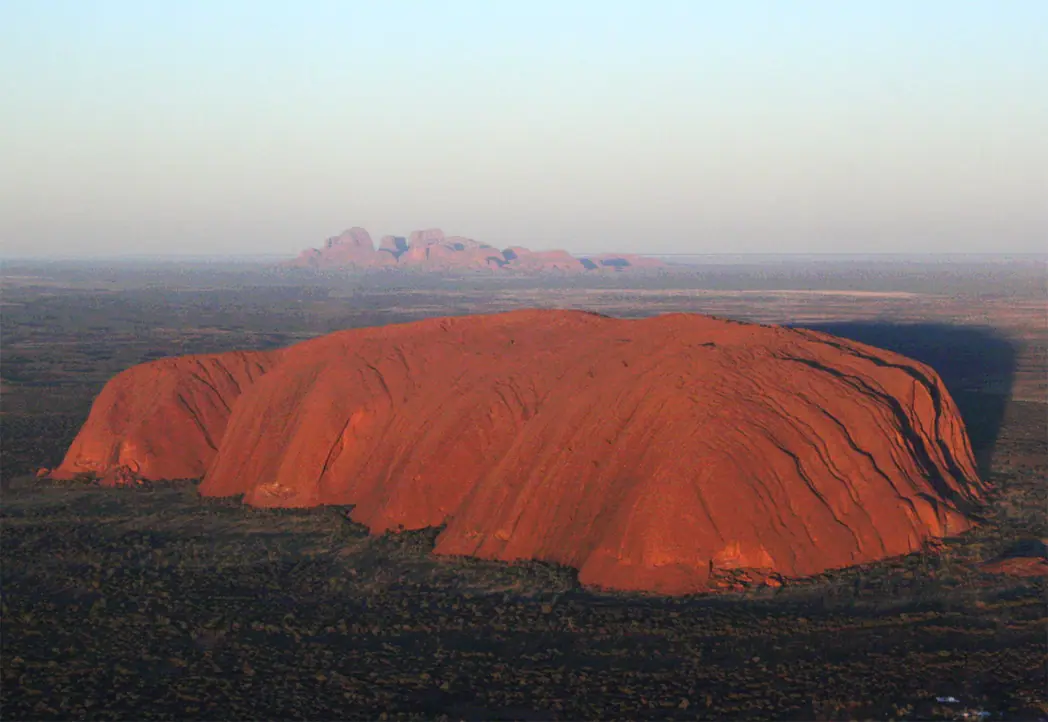
In the centre of the country, autumn brings the desert into range. Days around Uluru and Kata Tjuta settle into comfortable walking temperatures, and sunrise and sunset on the rock deliver the colour shifts people travel halfway around the world for. The same logic applies to the Blue Mountains west of Sydney, where the Three Sisters and the Jamison Valley lookouts are sharp and clear without summer haze.
Autumn is also wine country season. Vintage wraps up in the Barossa Valley, McLaren Vale, the Hunter Valley and Margaret River, and cellar doors are lively. Winery towns often have a limited supply of good rooms, so even in shoulder season it pays to reserve your accommodation before you build the rest of the itinerary around it.
Winter (June to August): Two Australias at Once
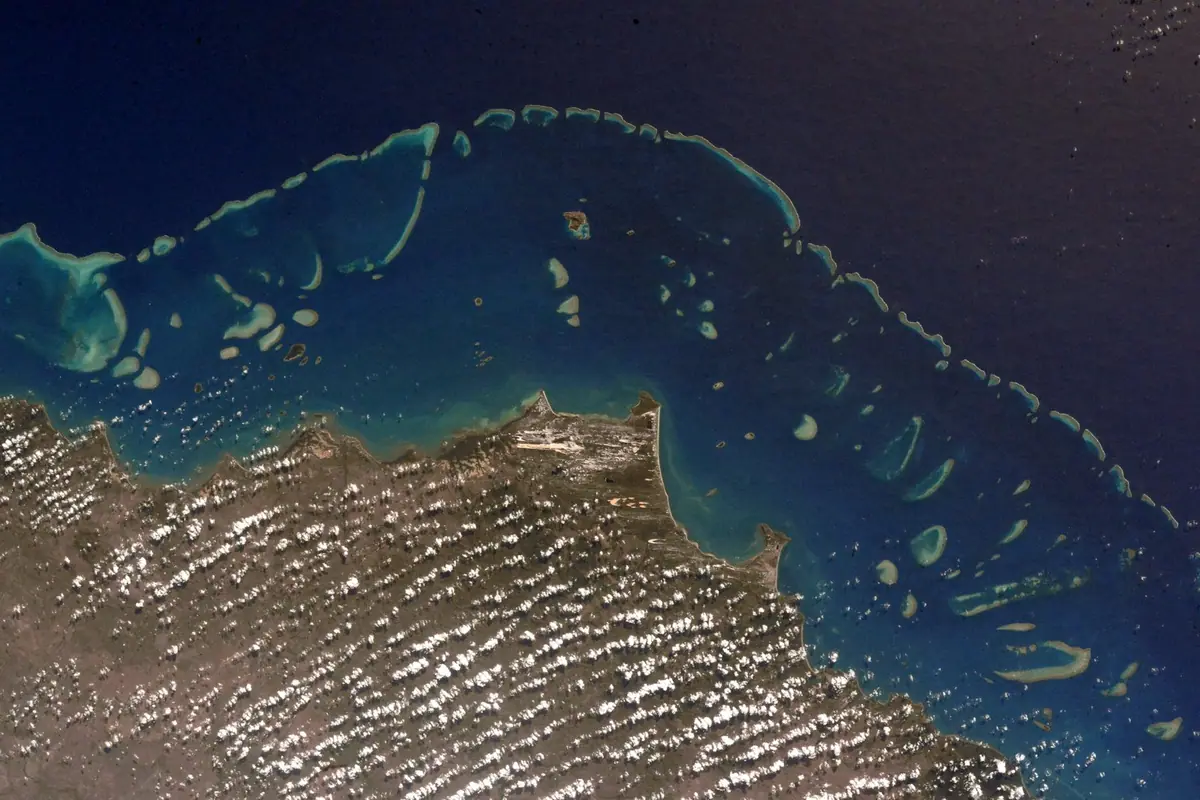
Winter splits the country in half, and that is exactly why it is such an interesting time to travel. In the tropical north, June to August is the dry season: warm, sunny, low humidity and the classic window for the Great Barrier Reef, the Daintree Rainforest, the Whitsundays and Whitehaven Beach. Further west, Kakadu National Park and Litchfield come into their own, with waterfalls still flowing and roads open that are impassable in the wet. Tropical resort towns such as Port Douglas and Cairns fill up accordingly, so book early for reef-side stays.
Down south, winter is genuinely cold and the high country turns white. Ski resorts around Thredbo, Perisher, Falls Creek and Mount Hotham run their season from roughly June to early October, and lodges there sell out for weekends well in advance. In the southern cities, though, winter is a bargain: Hobart, Melbourne, Adelaide and Canberra see softer room rates, and Hobart's midwinter arts festival gives the island a festive, fireside atmosphere that is worth planning a trip around.
Winter is also the great southern whale-watching season, when humpbacks move along the coasts of New South Wales, Victoria, South Australia and Western Australia. Coastal guesthouses in towns like Eden, Warrnambool and Victor Harbor are busy with whale watchers on weekends, so midweek stays are both easier and quieter.
Spring (September to November): Wildflowers, Jacarandas and Shoulder Rates
Spring is the season that flatters almost every Australian landscape. Wildflowers carpet the bush in Western Australia, the jacarandas in Sydney and Brisbane turn whole streets lilac, and the temperate south shakes off winter without yet tipping into summer heat. It is a brilliant time for a city break with a national park chaser — the Blue Mountains, the Grampians and the coastal walks around Wilsons Promontory are all at their most rewarding.
In the south, spring is also the prime window for wildlife-focused islands. Kangaroo Island, Rottnest Island off Perth and the wildlife-rich Cradle Mountain and Wineglass Bay areas of Tasmania are comfortable and photogenic, and the whale season tails off into excellent conditions for spotting fur seals and penguins. Tasmania in particular rewards spring travellers with long twilight, empty trails and a much better shot at a characterful heritage hotel in Hobart or Launceston.
Spring is also event-heavy in a good way. Melbourne's racing carnival, food and wine festivals across the country and the run-up to the summer concert season all push demand up on specific weekends. Check what is happening in town before you finalise dates — a single big event can double the cost of an otherwise quiet week.
Matching Your Hotel to the Season and the Region
Where you sleep should follow the weather. In the tropics, prioritise properties with strong air conditioning, ceiling fans and shade, and consider that the wet season between roughly November and April brings heavy afternoon downpours, higher humidity and the risk of cyclones along the Queensland and Northern Territory coast. Some reef and island resorts close entirely in that period, while others drop their rates sharply for those willing to gamble on the weather.
In the outback, the equation flips: you want insulation, a pool and a room that stays cool through the middle of the day. Around Uluru, Yulara-style resort villages and station stays are the practical base, and they book out months ahead for the prime April-to-September window. In the southern cities, location beats facilities — a small hotel within walking distance of the harbour, the laneways or the market will usually serve you better than a resort with a longer commute.
As a rule of thumb, book city hotels four to eight weeks out, coastal and island properties two to four months ahead for peak summer and school holidays, and outback lodges or anything with a view of a famous landmark as early as you can commit. If your dates are flexible, aim for late February to April or September to November, travel midweek where possible, and you will get the best of Australia without the crush.
Frequently asked questions
What is the best month to visit Australia overall?
For a first trip that covers Sydney, Melbourne and the outback, March to May and September to November are the strongest windows. Temperatures are mild in the south, the desert is walkable, the Reef is accessible and hotel rates sit below the December–January peak.
When is the cheapest time to book a hotel in Australia?
Late autumn and mid-winter in the southern cities (roughly May to August) tend to bring the softest rates in Sydney, Melbourne, Hobart and Adelaide, because domestic travellers head north to the tropics or south to the snow. Avoid school holidays, Easter and New Year, when minimum stays and surge pricing return.
Is the wet season a bad time to visit tropical Queensland or the Northern Territory?
Not necessarily. From around November to April you get high humidity, heavy afternoon rain and cyclone risk, and some island resorts close. But waterfalls in Kakadu and Litchfield are spectacular, the landscape is green and lush, and remaining properties often offer much lower rates.
How far in advance should I book accommodation around Uluru or the Great Barrier Reef?
For the dry-season months from roughly April to September, aim for two to four months ahead, and longer if you want specific views or a particular style of lodge. Availability around Uluru is limited by design, so it is one of the few Australian destinations where early booking genuinely matters.
When is ski season in Australia?
The snow season in the Australian Alps generally runs from mid-June to early October, with the most reliable cover in July and August. Lodges around Thredbo, Perisher, Falls Creek and Mount Hotham sell out for weekends well in advance, so midweek bookings are easier to secure.
Sort the rest of your trip
Everything for Australia, in one place
Transfer in Australia
Private driver waiting on arrival — no queues, no surprises.
Book a transfer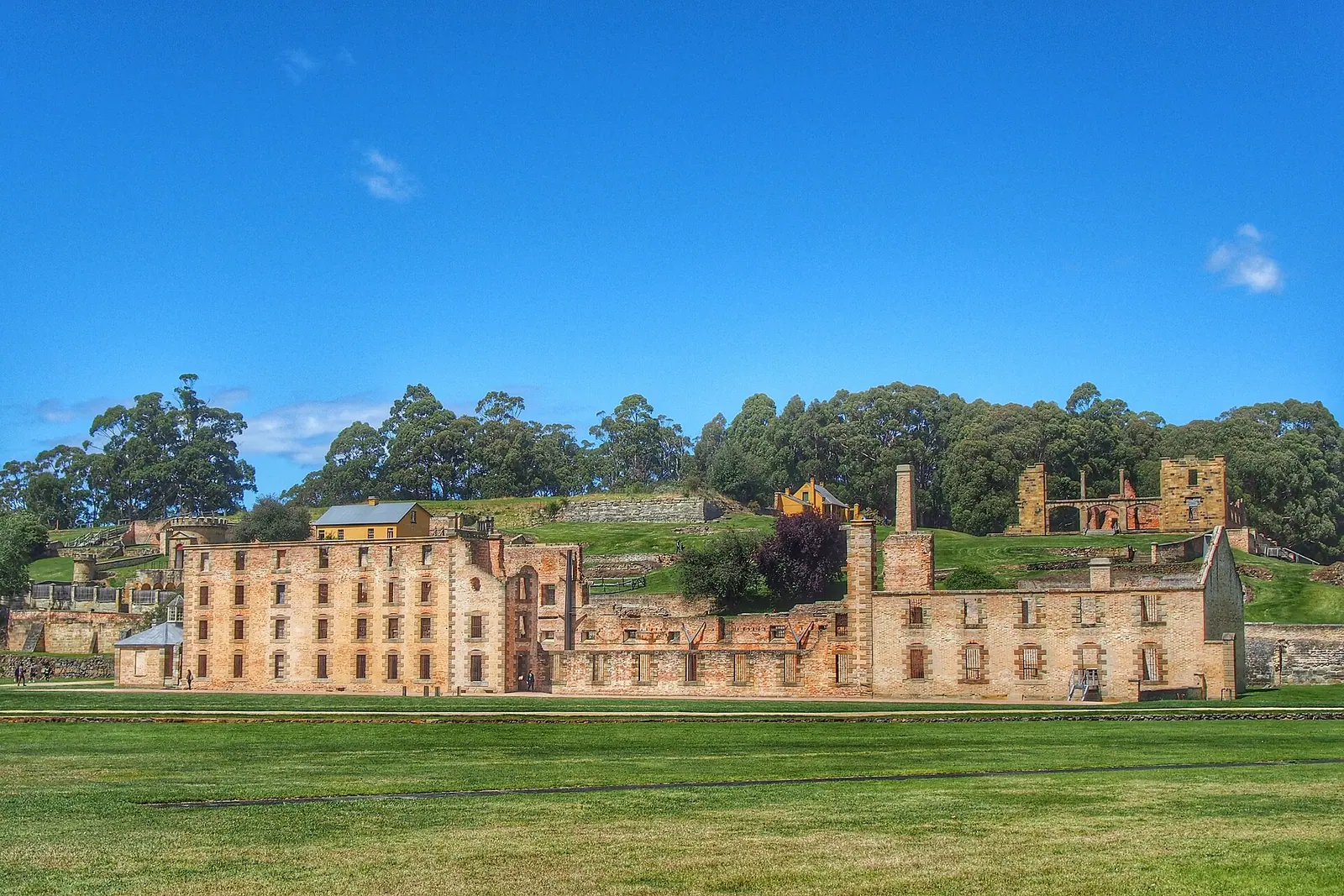
Things to do in Australia
Skip-the-line tickets, guided tours and standout experiences.
See experiences
Stay online in Australia
Travel eSIM — data the moment you land, no roaming bills.
Get an eSIMMore guides in Australia
Top Things to Do in Australia: Landmarks and Icons Worth the Flight
Australia Food and Culture Guide: Local Experiences, Icons and Bush Tucker
One Week in Australia by Plane: A 7-Day Itinerary from Sydney to Uluru and the Great Barrier Reef
Melbourne Hotels for a Weekend Break: Where to Stay and Why