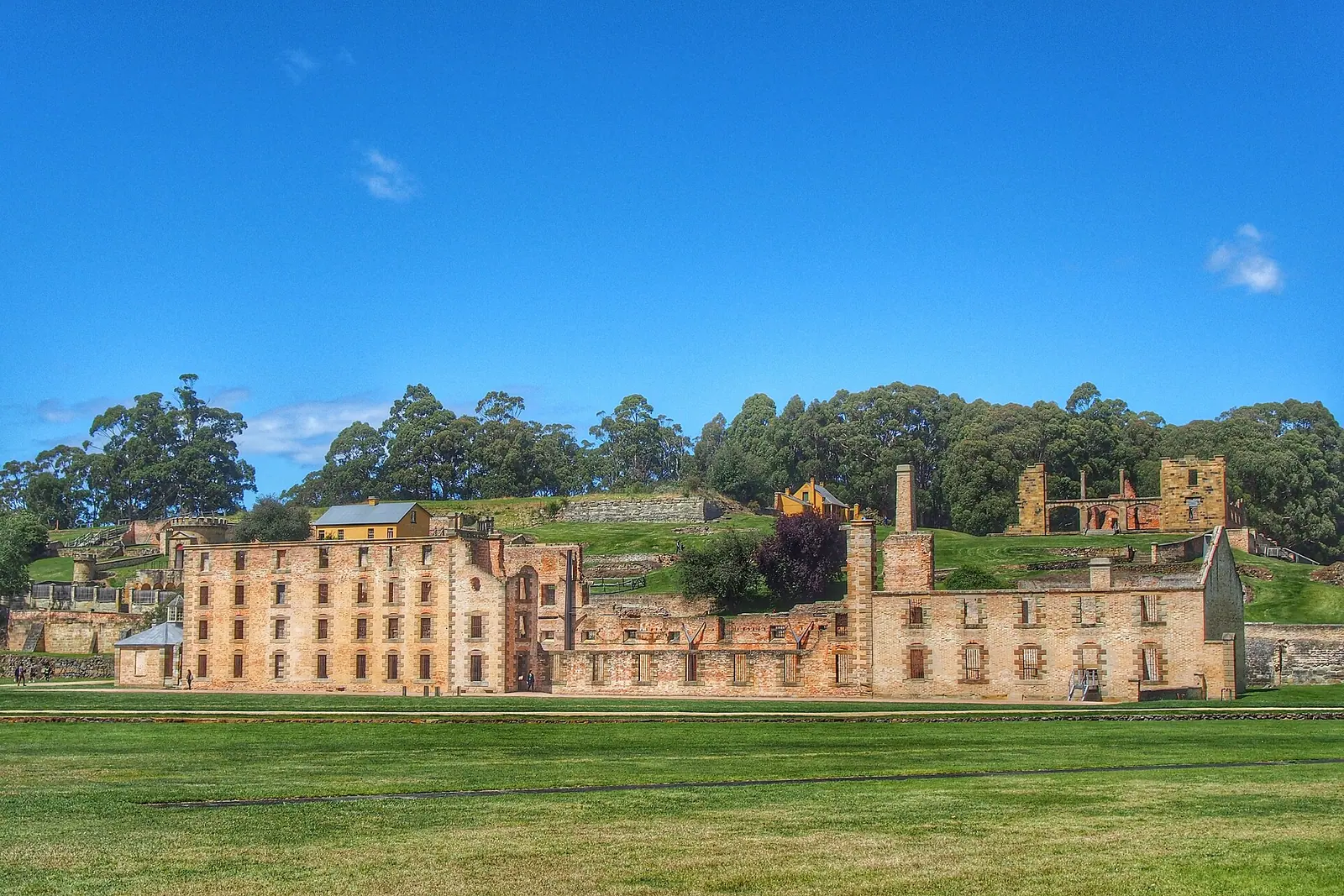
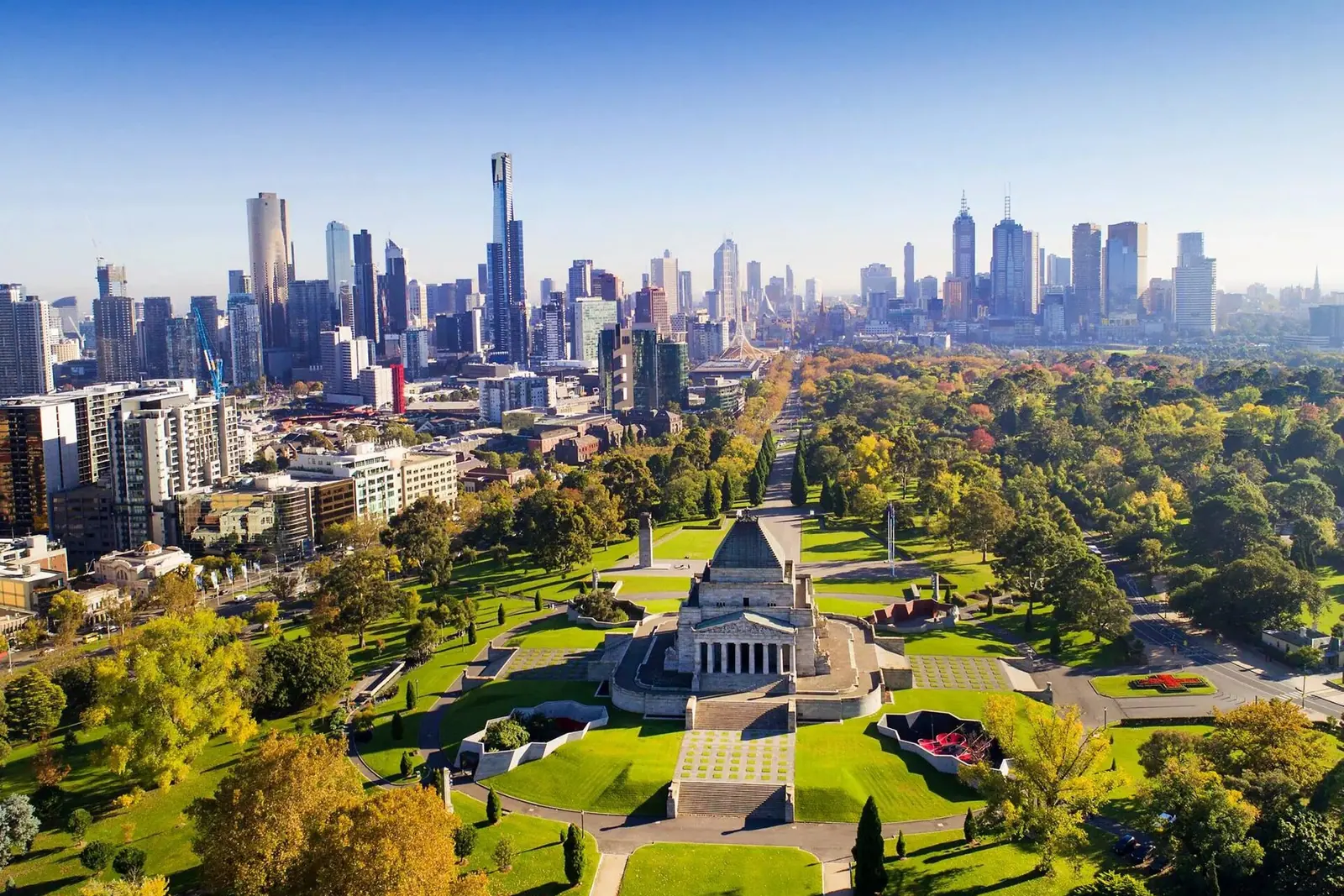
Australia is not a country you tick off in a week — it is a continent you graze your way across, from oyster bars under the shadow of a famous white sail to desert dinners cooked with ingredients that have been harvested here for tens of thousands of years. The food is as varied as the landscape, and the best of it happens where locals actually eat: laneway coffee counters, market halls, beachside fish-and-chip shops and long tables under the stars. Come hungry, travel slowly, and let the seasons set your route.
A Cuisine Shaped by Sea, Sun and Sixty-Five Thousand Years
Long before anyone was writing menus here, Aboriginal and Torres Strait Islander peoples were harvesting, curing and cooking with what the land offered — wattleseed ground into flour, lemon myrtle and aniseed myrtle for fragrance, finger lime and desert lime for sharpness, sweet quandong, salty bush tomato and the earthy crunch of saltbush. That knowledge is not a museum piece; it is living culture, and today it shapes restaurant plates, distillery botanicals and market stalls across the country. Signing up for a bush-tucker walk with an Indigenous guide in a city park or a national park is one of the most rewarding hours you can spend, because you will never look at a roadside shrub the same way again.
The modern table is a patchwork of migrations. Post-war arrivals from Greece, Italy, Vietnam, China, Lebanon, India, Sri Lanka and beyond layered their kitchens onto the national diet, which is why a single city can serve you a perfect espresso, a bowl of pho, a souvlaki wrapped in paper, a banh mi and a laksa, often within a few blocks. Order a meat pie with tomato sauce at a footy match, split a lamington at a country bakery, and finish with an Anzac biscuit — plain, oaty, quietly patriotic and genuinely delicious.
Then there are the rituals that bind it all together. Coffee is treated as a craft, not a commodity, and the flat white or long black you order from a hole-in-the-wall counter will likely be the best of your trip. Brunch is a weekend institution, barbecue is a communal sport with tongs as the baton, and "bring a plate" is a genuine social contract — turn up empty-handed and you will be quietly judged. If someone hands you a tinnie and a folding chair at a beach picnic, you have been accepted.

Sydney: Harbour Icons and Waterfront Eating
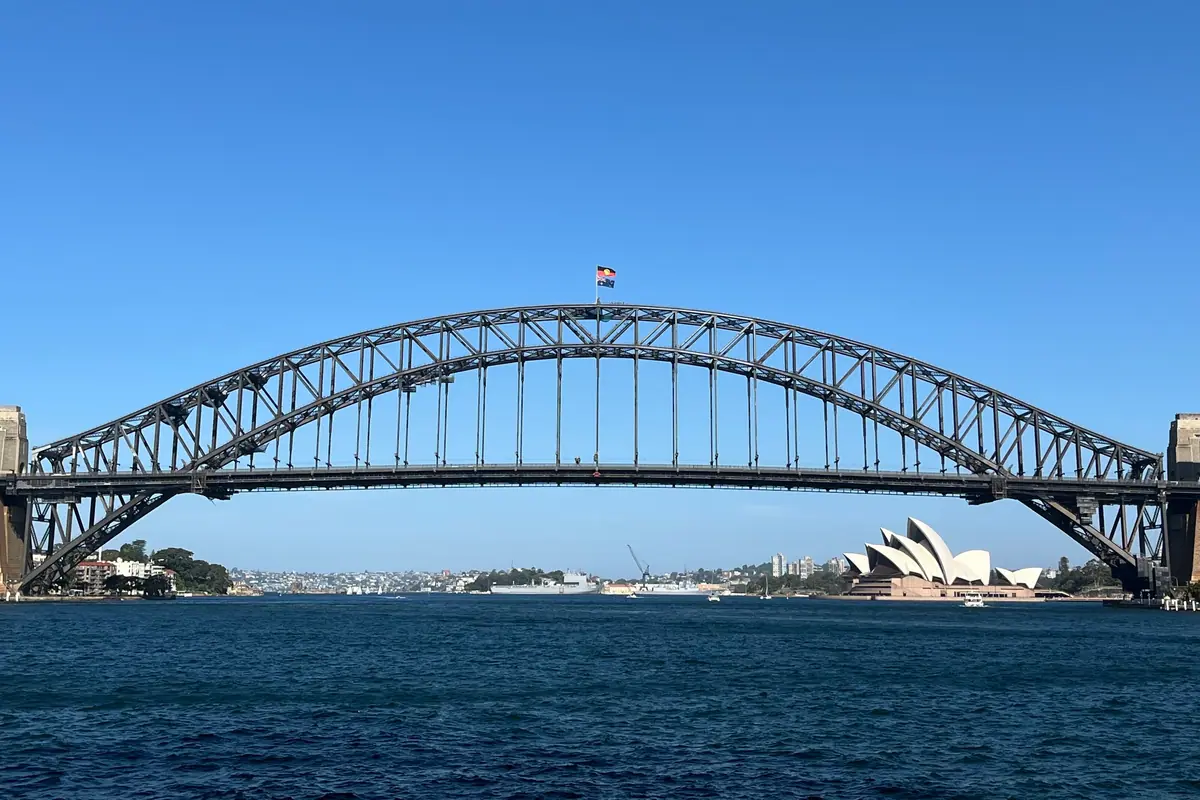
Sydney does its landmarks in one sweep: the Sydney Opera House on Bennelong Point, its tiled shells catching the light, and the Sydney Harbour Bridge arching over the water beside it. Walk the Rocks, the city's oldest quarter, then take the ferry from Circular Quay to Manly for the cheapest harbour cruise you will ever buy. A dawn stroll to Mrs Macquarie's Point gives you both icons in a single frame before the crowds arrive, and the Bondi to Coogee coastal walk delivers cliffs, ocean pools and a serious appetite by the end.
Eating follows the water. Sydney rock oysters are smaller and creamier than their Pacific cousins — order them natural with a squeeze of lemon, or dressed with a native-ingredient mignonette. The seafood markets near the harbour serve prawns and fish within hours of landing, yum cha in Haymarket rolls out trolleys on weekend mornings, and the Vietnamese kitchens of Cabramatta, out west, are worth the train ride for a bowl of broth that will reset your standards forever.
Time your visit for spring or autumn, roughly September to November or March to May, when the days are warm without the summer crush. Summer is spectacular but busy and pricey, especially around New Year; winter is mild enough for coastal walks with a jacket. Wherever you eat, expect a relaxed pace — a long lunch is normal, and nobody will hurry you out.
Melbourne: Laneways, Coffee and a Market Since 1878
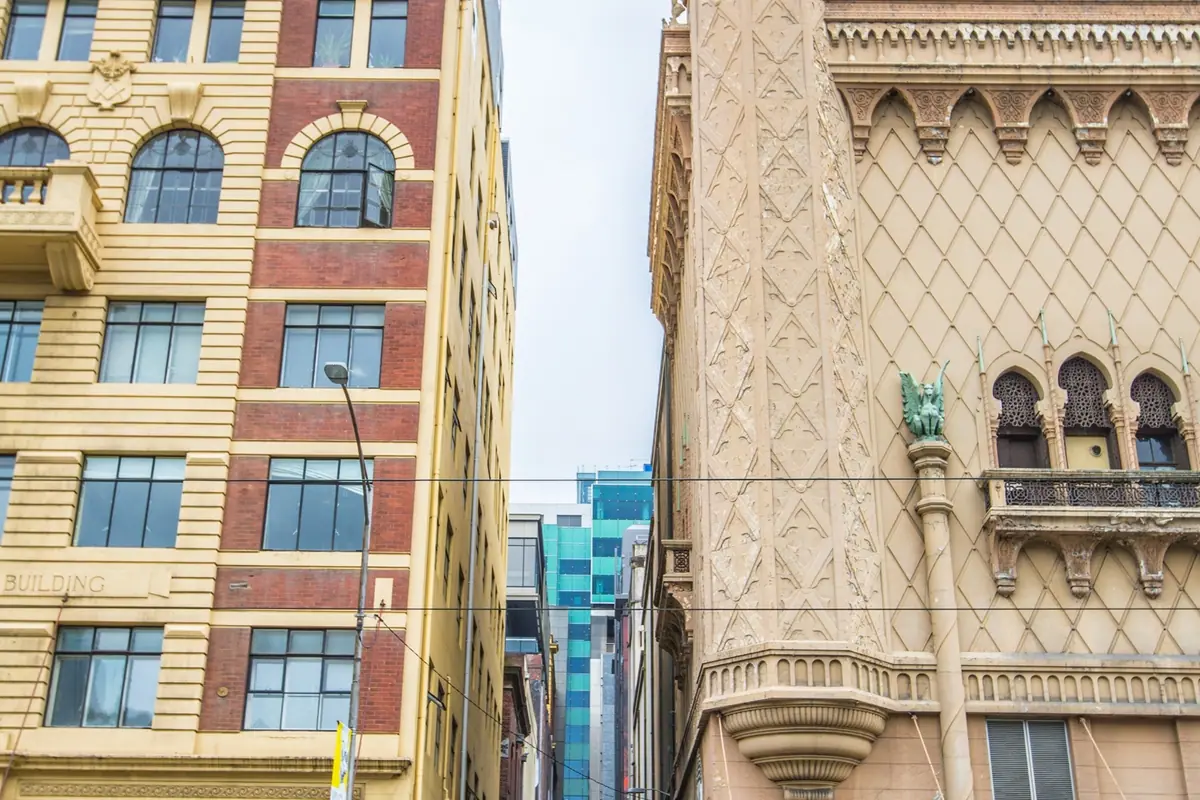
Melbourne rewards wandering. Start at Queen Victoria Market, trading since 1878, where you can graze through hot jam doughnuts, cured meats, olives by the scoop and a coffee while stallholders shout prices across the aisles. From there, dive into the laneways — Hosier Lane and its neighbours are covered in layer upon layer of street art — and look up at Flinders Street Station's yellow clock face and the domes of Federation Square. The Royal Exhibition Building and Carlton Gardens, a World Heritage-listed pair, are a short tram ride away, and the Melbourne Cricket Ground is a pilgrimage for anyone who wants to understand how seriously sport is taken here.
The city's real religion, though, is coffee. Baristas here talk about single origins and extraction times the way sommeliers talk about vintages, and you will find good espresso in places that barely look like cafés — a window, a bench, a queue. Food precincts fan out from the centre: Lygon Street for Italian, Fitzroy and Collingwood for experimental kitchens, Richmond and Footscray for Vietnamese, Oakleigh for Greek.
If your dates are flexible, build the trip around an event. The Australian Open tennis fills January, the Melbourne Cup stops the nation on the first Tuesday in November, and the AFL season turns winter weekends into a citywide ritual of scarves, pies and shouting. Book accommodation early for any of them — the city genuinely sells out.
The Red Centre: Bush Tucker Beneath an Endless Sky
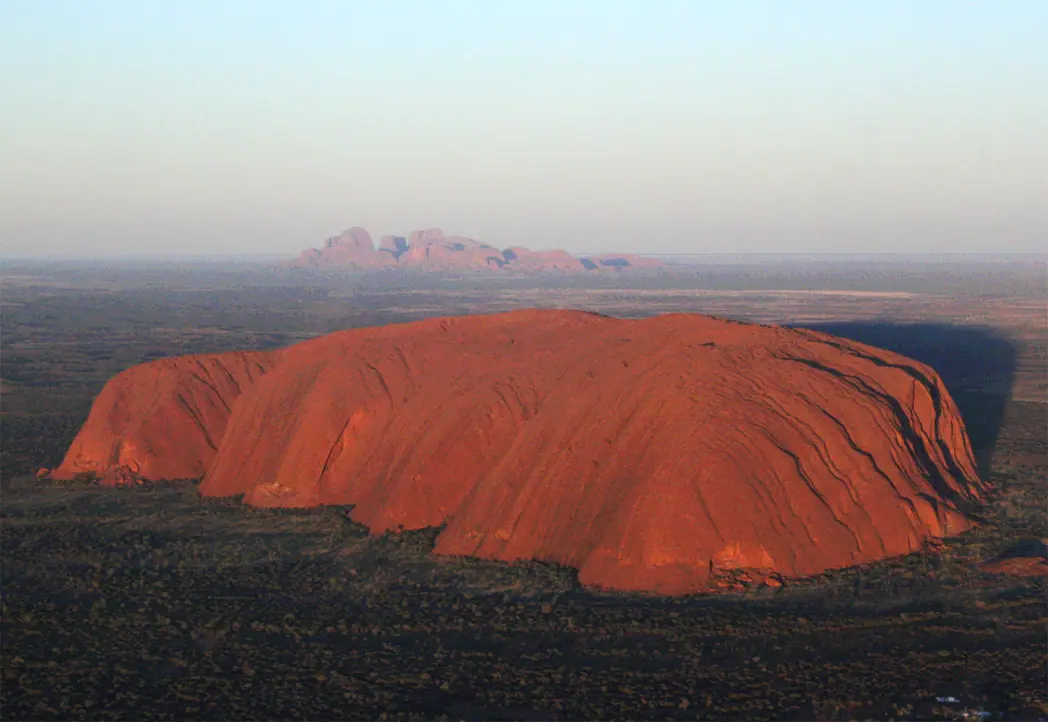
Nothing prepares you for Uluru. The monolith in Uluru-Kata Tjuta National Park shifts from ochre to blood-red to violet as the sun moves, and the nearby domes of Kata Tjuta are just as arresting, especially on the Valley of the Winds walk. Add the Field of Light installation, where thousands of glowing stems carpet the desert floor after dark, and Kings Canyon's rim walk further north. Base yourself in Alice Springs and day-trip into the West MacDonnell Ranges for gorges and swimming holes that feel impossibly lush against the red earth.
The food here is where native ingredients make the most sense. Restaurant menus feature kangaroo fillet, crocodile, barramundi and damper, seasoned with bush tomato, pepperberry and lemon myrtle; some tours pair a sunset with a tasting menu built entirely from desert plants. Cultural protocol matters — Uluru's summit climb is closed, some sites cannot be photographed, and Anangu guides ask that you listen rather than simply snap. Buying art directly from community-run cooperatives is both ethical and a far better souvenir than anything in a gift shop.
Timing is everything. April to September brings bearable days and cold, starry nights; from October the heat becomes genuinely dangerous, with summer temperatures often pushing past 40°C. Fly in rather than drive vast empty stretches unless you are confident and well prepared, and always carry more water than feels necessary.
Tropical North Queensland: Reef, Rainforest and Trawler-Fresh Seafood
The Great Barrier Reef is the headline act — a living structure visible from space, best experienced by snorkelling or diving the outer reefs from Cairns or Port Douglas, or by glass-bottomed boat if you would rather stay dry. Pair it with the Daintree Rainforest, the oldest continuously surviving tropical rainforest on earth, where boardwalks lead through fan palms and the Cape Tribulation coast meets the reef. The Kuranda Scenic Railway climbs through waterfalls and tunnels, and Mossman Gorge offers crystal-clear water and a chance to learn from Kuku Yalanji guides.
On the plate, this is barramundi and mud crab country, plus prawns straight off the trawler fleet and tropical fruit that rarely travels well — mangoes, papaya, rambutan, dragon fruit. Head inland to the Atherton Tablelands for coffee plantations, dairy and volcanic-crater lakes, and you will understand why this region feeds so much of the country.
Travel in the dry season, roughly May to October, for calm seas and clear water. From November to May it is stinger season, so reef trips involve protective suits and some beaches are off-limits for swimming; always swim between the flags at patrolled beaches. Cyclone season overlaps the wet months, so build flexibility into any itinerary.
Road Trips, Wine Country and Island Time
Australia's best meals often come with a drive attached. The Great Ocean Road winds past surf beaches and rainforest to the Twelve Apostles, limestone stacks rising from a churning sea — go at sunrise to have the viewing platforms almost to yourself. Inland, the Barossa Valley, Hunter Valley and Margaret River pour world-class shiraz, semillon and chardonnay at cellar doors where tastings are unhurried and often free if you buy a bottle. Tasmania delivers Cradle Mountain, the Museum of Old and New Art and oysters so fresh they taste of the tide, while Kangaroo Island and Byron Bay offer wildlife, beaches and long, slow lunches.
Cellar-door etiquette is simple: taste, spit or pour away, buy something if you have enjoyed the experience, and always nominate a designated driver — random breath testing is common and the distances are deceptive. Many restaurants are BYO, meaning you can bring your own bottle for a small corkage fee, and public-holiday and weekend surcharges of around 10 to 15 per cent are normal and legal on the bill.
Give yourself more time than you think you need. Distances between highlights are measured in hours and sometimes days, domestic flights are the practical way to link regions, and the country rewards depth over box-ticking. Two to three weeks is a realistic minimum for one coast; a month lets you taste the desert, the tropics and the vineyards without constantly rushing.
Frequently asked questions
What is the best time of year to visit Australia?
Because the seasons are reversed, aim for September to November or March to May in the south (Sydney, Melbourne, the Great Ocean Road), when days are mild and crowds are manageable. For the tropical north, including the Great Barrier Reef and Daintree, travel in the dry season from May to October. The Red Centre is at its best April to September; summer heat there can exceed 40°C.
Do you tip in Australia?
Tipping is not expected. Service staff are paid a proper wage, and rounding up a bill or leaving small change for excellent service is plenty. What you will see instead are card surcharges and a weekend or public-holiday surcharge of roughly 10 to 15 per cent added automatically at many cafés and restaurants — it is legal, standard and worth checking on the menu.
Can I actually try bush tucker?
Yes, and it is easier than most visitors expect. Native ingredients such as wattleseed, lemon myrtle, finger lime and pepperberry appear on menus in cities and in the Red Centre, and kangaroo, crocodile and barramundi are common. For a deeper introduction, join a guided bush-tucker or cultural walk run by Indigenous guides, who explain how plants are harvested, prepared and used.
How much time do I need to see Australia?
Allow two to three weeks minimum to cover one region properly, such as Sydney, Melbourne and the Great Ocean Road. A month gives you room for the Red Centre, the tropical north and a wine region without spending every second day in transit. Domestic flights are the practical way to cover long distances, since some drives between highlights take many hours.
What local etiquette should I know?
Swim between the red and yellow flags at patrolled beaches, wear high-factor sunscreen and a hat even on cloudy days, and never climb Uluru — it is closed and culturally significant. If you are invited to a barbecue, bring a plate or a bottle. Coffee orders, casual dress and relaxed timing are the norm, but punctuality for tours and bookings is appreciated.
Sort the rest of your trip
Everything for Australia, in one place
Stay in Australia
Hotels, guesthouses and apartments — compared in one search.
Search hotels
Transfer in Australia
Private driver waiting on arrival — no queues, no surprises.
Book a transfer
Stay online in Australia
Travel eSIM — data the moment you land, no roaming bills.
Get an eSIM