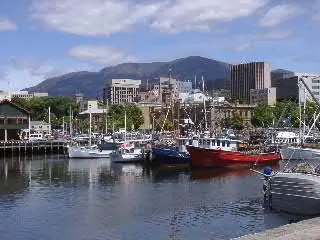
Australia is a continent wearing the costume of a country — reef and red desert, rainforest older than memory and cities stitched along the water. The hardest part isn't finding something worth doing, it's accepting that Sydney, Uluru and the Great Barrier Reef sit thousands of kilometres apart, and choosing what to leave for next time.
Sydney and the Harbour Icons
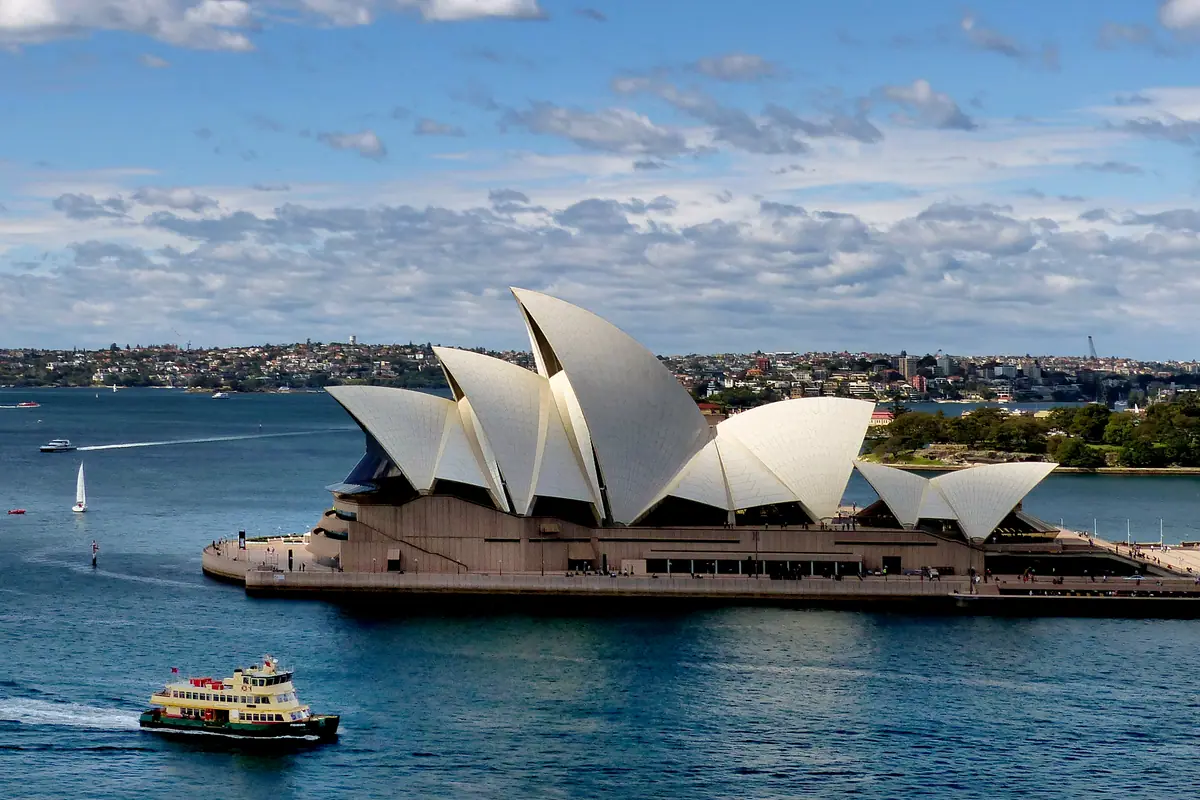
Start where most journeys do: on Sydney Harbour, where the Opera House's white shells tilt against the sky and the Harbour Bridge arcs above the water like a steel rollercoaster. Walk the loop from Circular Quay around to Mrs Macquarie's Point for the classic double-postcard view, then wander into The Rocks, the sandstone old quarter where convict-built lanes now hide pubs and weekend markets. Climbing the bridge is a three-hour commitment; the free alternative is the pedestrian path on the eastern side, which costs nothing but your calves.
Ferries are the city's cheapest sightseeing. The ride to Manly takes about 30 minutes past the headlands, and you arrive at a surf beach with a laid-back strip of cafés — far quieter than Bondi. Speaking of Bondi, the six-kilometre clifftop walk from Bondi to Coogee is the single best half-day in Sydney, passing Tamarama, Bronte and Waverley Cemetery, where graves sit above the Pacific. Go early; by midday in summer the path is a slow parade.
Allow three or four days in Sydney minimum. Spring (September to November) and autumn (March to May) bring mild, clear weather, while January can push past 35°C and fill every beach with holiday crowds. If you want the harbour at its most photogenic, time a ferry ride for golden hour and watch the skyline turn amber behind the bridge.
The Great Barrier Reef and Tropical North Queensland
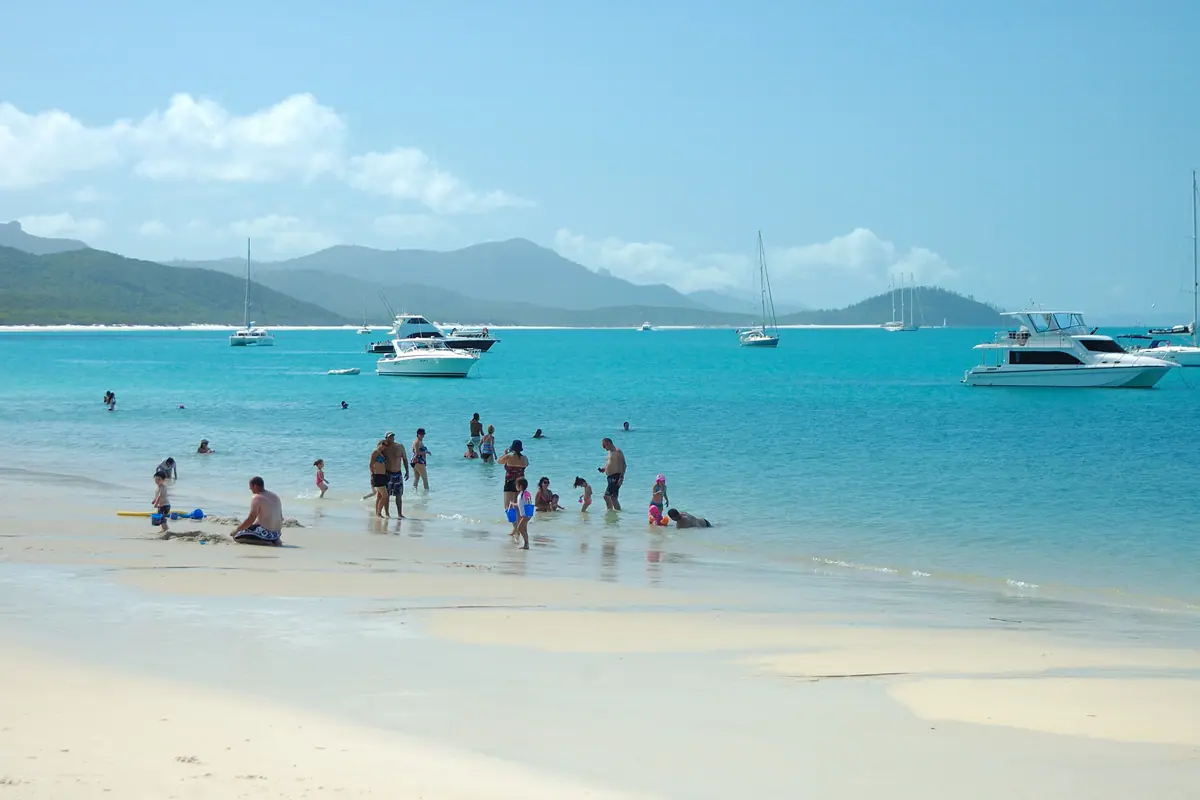
The Great Barrier Reef stretches more than 2,000 kilometres down the Queensland coast, and the question isn't whether to see it but where. Cairns and Port Douglas are the main gateways to the outer reefs, where coral gardens sit in water clear enough to read the fish from the boat. Further south, the Whitsundays offer a different flavour — 74 islands scattered across turquoise shallows, with Whitehaven Beach's swirling silica sand ranked among the whitest in the world.
Above the water, this is where two World Heritage areas meet. The Daintree Rainforest, north of Port Douglas, is one of the oldest continuously surviving rainforests on earth, where boardwalks thread beneath fan palms and the Cape Tribulation beach meets the jungle edge. Take a river cruise at dusk to spot crocodiles, and drive the coastal road slowly — this is a place to stop often, not to rush through in an afternoon.
Timing matters more here than almost anywhere in Australia. The dry season (May to October) brings calm seas, better visibility and lower humidity. From November to May, marine stingers make swimming risky outside netted enclosures, and the wet season dumps heavy rain — though it also brings cheaper rates and lush green landscapes. Reef trips typically run a full day, with a two-hour boat ride each way from Cairns.
Uluru, Kata Tjuta and the Red Centre
Nothing prepares you for Uluru. It rises out of flat desert as a single monolith nearly 350 metres high, and its colour shifts through the day — ochre at noon, deep rust at sunset, sometimes violet after rain. The 10.6-kilometre base walk takes around three hours and passes waterholes, rock art and sacred sites; note that climbing the rock is no longer permitted, and the cultural reasons for that are worth understanding before you arrive.
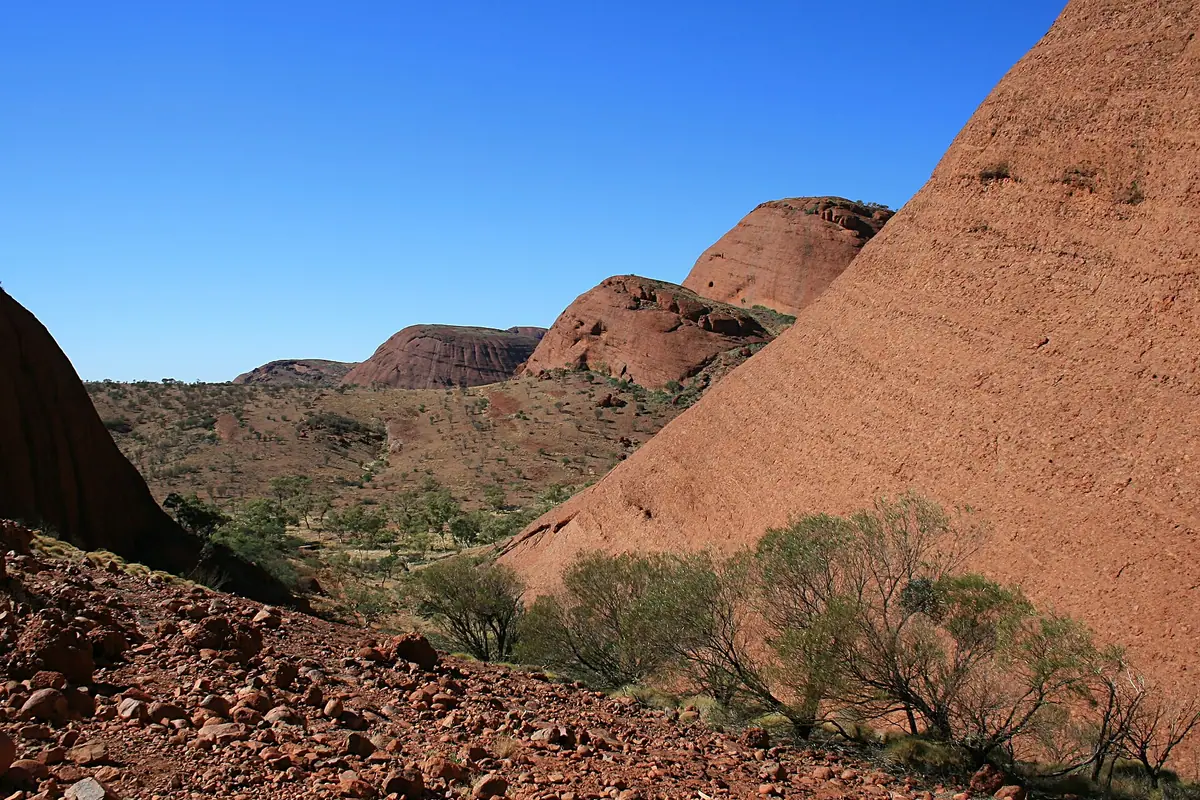
Forty minutes away, Kata Tjuta's 36 domed rock formations are arguably more dramatic and far less crowded. The Valley of the Winds walk is steep and exposed but delivers views across the whole range. Kings Canyon, a three-hour drive from Uluru, is the third pillar of a Red Centre loop, with a rim walk that climbs to the Garden of Eden and the Lost City's weathered sandstone towers.
Visit between April and September, when daytime temperatures sit in the comfortable twenties and the desert nights are genuinely cold. From December to February, days regularly exceed 40°C and many walks close by mid-morning. Sunset and sunrise viewing areas fill up an hour before the light show, so arrive early with water, and consider staying three nights to catch both Uluru and Kata Tjuta without exhausting yourself.
The Great Ocean Road and Victoria
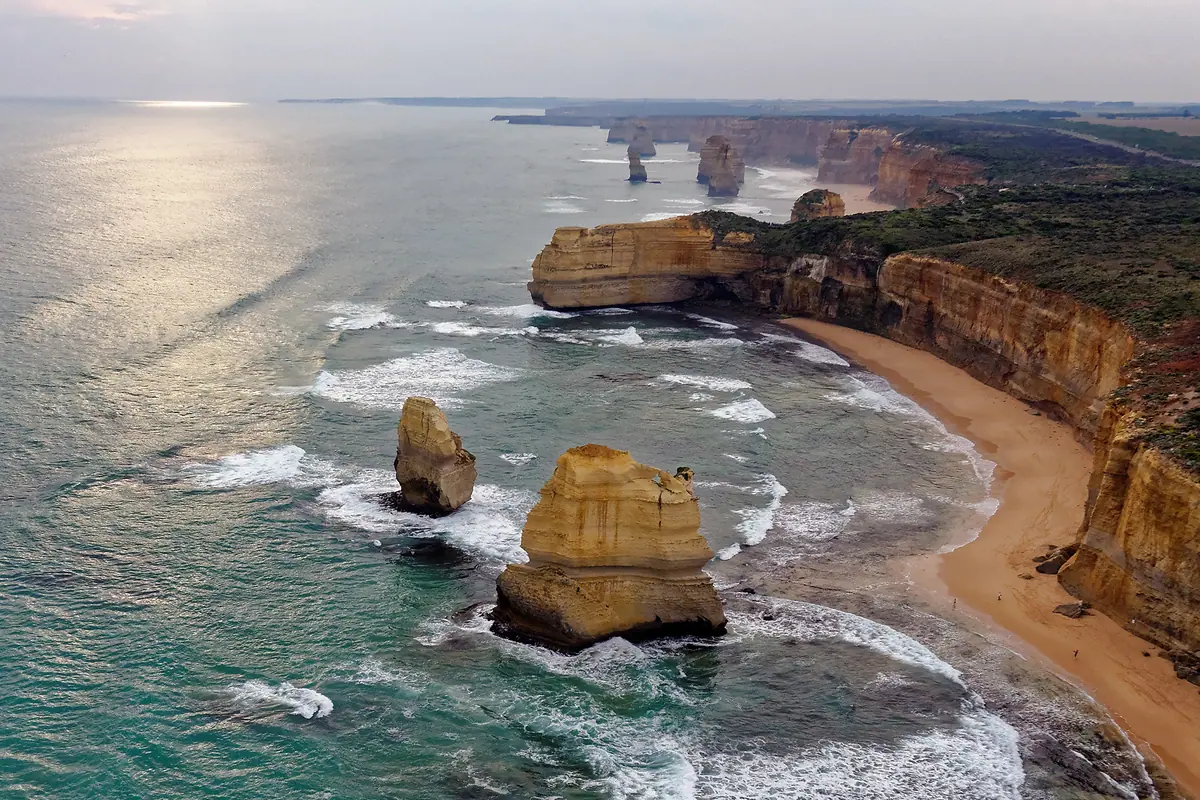
The Great Ocean Road is one of the world's great coastal drives: 243 kilometres from Torquay to Warrnambool, carved along cliffs and through eucalypt forest by returned soldiers in the 1920s. The Twelve Apostles are the headline act — limestone stacks standing in the Southern Ocean, best seen at sunset when the light hits their western faces. Nearby, Loch Ard Gorge and the Arch reward a short detour, and the walk down to the beach at the gorge puts the scale of the cliffs in perspective.
Give the drive two or three days rather than one long sprint. Overnight in Apollo Bay or Port Campbell, detour inland to the Otways for waterfalls and glowworms, and stop at Kennett River where wild koalas doze in the roadside gum trees. Further east, Wilsons Promontory offers granite peaks, empty beaches and wombats wandering through campsites at dusk.
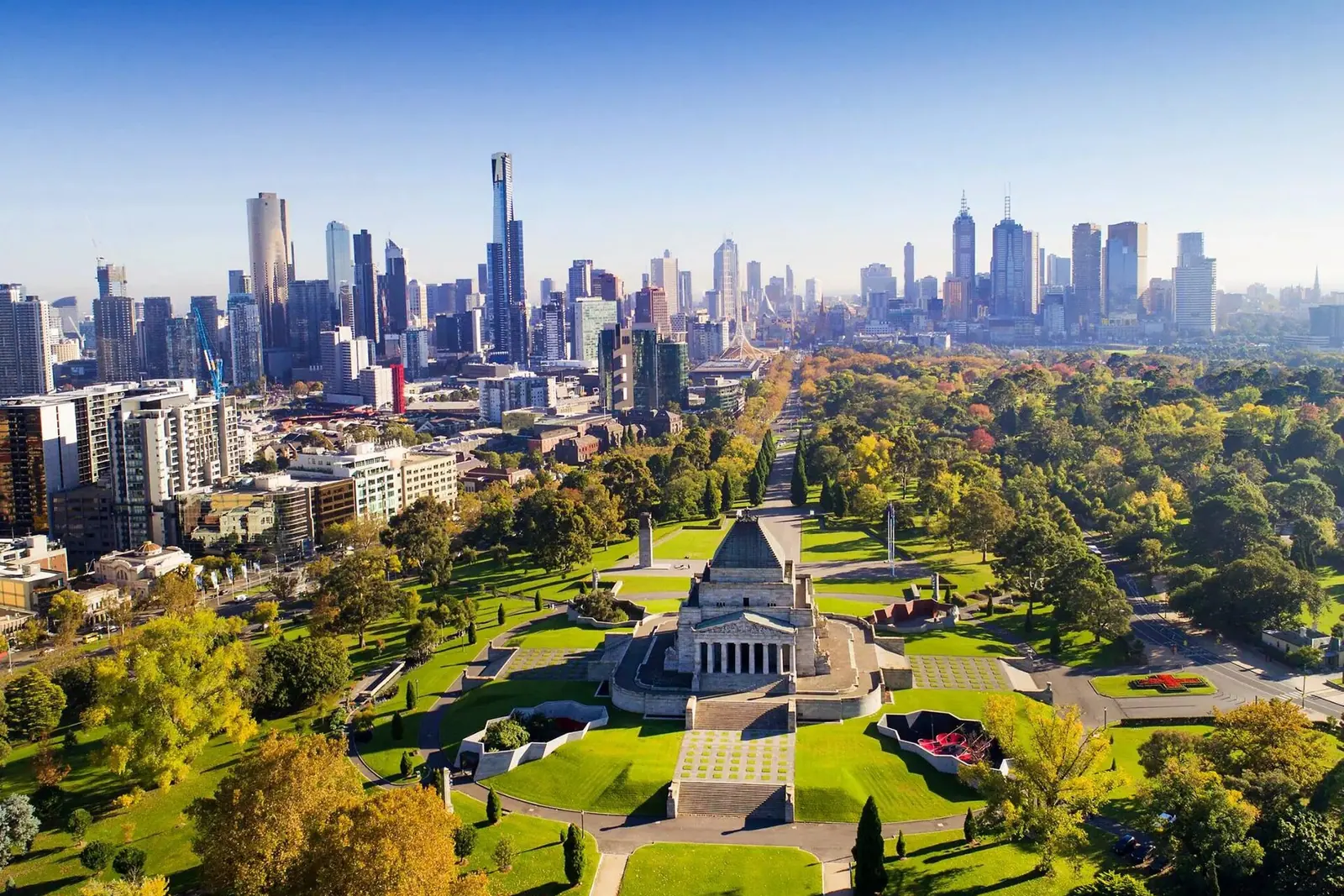
In Melbourne itself, skip the checklist and get lost. Hosier Lane's street art changes weekly, Queen Victoria Market trades since the 1870s, and Flinders Street Station's dome is the city's favourite meeting point. Two hours south, Phillip Island hosts the nightly parade of little penguins returning from the sea — book ahead, arrive before dusk, and dress for a cold wind off the water.
Wild Places: Kakadu, Kangaroo Island and Tasmania
Australia's wildest experiences require a little more effort. Kakadu National Park, three hours east of Darwin, is a vast wetland and escarpment country where Aboriginal rock art at Ubirr and Nourlangie dates back tens of thousands of years. A sunrise cruise on Yellow Water Billabong, with mist lifting off water crowded with crocodiles and jabirus, is one of the country's great wildlife moments. Go in the dry season (May to October); in the wet, many roads close but the waterfalls roar.
Kangaroo Island off South Australia is a compact wildlife ark — sea lions lounging at Seal Bay, koalas in the eucalypts, and the Remarkable Rocks, a cluster of orange granite boulders balanced above the ocean in Flinders Chase National Park. In Western Australia, Ningaloo Reef lets you swim straight off the beach to coral, and between March and July you can snorkel alongside whale sharks.
Tasmania deserves its own week. Cradle Mountain's Dove Lake circuit circles a glacial lake beneath jagged peaks, and Freycinet National Park's lookout reveals Wineglass Bay, a perfect curve of white sand and blue water reached by a steep 45-minute climb. Even closer to Sydney, the Blue Mountains' Three Sisters and the Jamison Valley's eucalypt haze make an easy day trip by train from the city.
Planning Your Australia Trip
Australia is roughly the size of the contiguous United States, so treat internal flights as the backbone of any itinerary rather than a luxury. Sydney to Melbourne is a 90-minute flight or a nine-hour drive; Sydney to Cairns takes about three hours in the air; and Uluru is a three-and-a-half-hour flight from Sydney. A realistic two-week trip covers three regions well — pair Sydney with the reef, or Uluru with Melbourne and the Great Ocean Road.
Seasons run opposite to the northern hemisphere. Summer (December to February) is hot and busy, with school holidays pushing prices up over Christmas and January. Autumn and spring are the sweet spots almost everywhere: April in the Red Centre, October in Queensland, March in Tasmania. The far north has its own logic — the Top End and the reef are best in the dry winter months, while southern states are at their finest from November to April.
Practicalities are simple but non-negotiable. Distances between towns can be enormous, so carry water, fuel up early, and never assume phone coverage outside the coast. Wildlife is active at dawn and dusk on rural roads, sunscreen is essential year-round, and beach swimming outside patrolled flags or stinger enclosures is a genuine risk. Book reef trips, Uluru tours and penguin viewing well ahead in peak season — small-group departures sell out weeks in advance.
Frequently asked questions
What is the best time of year to visit Australia?
For most of the country, spring (September to November) and autumn (March to May) offer the mildest weather and thinner crowds. The tropical north, including the reef and Kakadu, is best in the dry season from May to October. Avoid the Red Centre in January and February, when daytime temperatures regularly top 40°C.
How long do I need to see Australia properly?
Two weeks lets you cover three regions comfortably. A typical first trip pairs Sydney and the Great Barrier Reef, or Uluru with Melbourne and the Great Ocean Road. Trying to add Tasmania or the Top End to a two-week itinerary usually means spending more time in airports than outdoors.
Do I need to fly between Australian cities?
Often, yes. Distances are continental — Sydney to Perth is a four-hour flight and a four-day drive. Domestic flights are frequent between major cities, and regional services reach Cairns, Uluru, Hobart and Broome. Driving is best reserved for scenic routes like the Great Ocean Road or Tasmania's east coast.
When is the best time to see the Great Barrier Reef?
Visibility and sea conditions are best from June to October, in the dry season. From November to May, marine stingers make swimming outside netted enclosures risky, and heavy rain can reduce underwater clarity. Reef trips run year-round, but check conditions before booking in the wet season.
Is Australia expensive and do I need to tip?
Costs are comparable to Western Europe, with accommodation and internal flights being the biggest expenses. Tipping isn't expected — service staff earn a living wage — though rounding up or leaving small change for excellent service is always appreciated. Carry a refillable water bottle; tap water is safe to drink everywhere.
Plan it — experiences in Australia
Live search, booked directly with trusted providers.
Sort the rest of your trip
Everything for Australia, in one place
Stay in Australia
Hotels, guesthouses and apartments — compared in one search.
Search hotels
Transfer in Australia
Private driver waiting on arrival — no queues, no surprises.
Book a transfer
Stay online in Australia
Travel eSIM — data the moment you land, no roaming bills.
Get an eSIMMore guides in Australia
Best Time to Visit Australia: When to Book Hotels for Every Season
Australia Food and Culture Guide: Local Experiences, Icons and Bush Tucker
One Week in Australia by Plane: A 7-Day Itinerary from Sydney to Uluru and the Great Barrier Reef
Melbourne Hotels for a Weekend Break: Where to Stay and Why