The United Kingdom packs a startling amount into a small island: a capital of world-class museums and royal palaces, a castle-topped Scottish capital, Georgian spa towns, cathedral cities and green fells that turn gold in autumn. Where you sleep shapes the trip as much as what you see, because the best hotels here sit within walking distance of the landmarks you came for.
How a UK Hotel Stay Really Works: Types, Seasons and Booking Rhythm
British accommodation falls into a handful of recognisable types. In cities you will find grand railway-era hotels with high ceilings and marble staircases, boutique townhouses carved out of Georgian terraces, and modern glass towers beside the water. Outside the cities the character shifts: country house hotels with walled gardens and log fires, village pubs with a handful of rooms above the bar, farmhouse bed-and-breakfasts, and self-catering cottages that suit families or anyone staying a week.
Expect rooms to be smaller than you might be used to, especially in converted period buildings where a bathroom has been slotted into what was once a dressing room. Check three things before booking: whether the room is en-suite or shares a bathroom down the corridor, whether there is a lift (many historic buildings have steep staircases and no lift at all), and whether breakfast is included, since a cooked breakfast is often the highlight of a small guesthouse stay.
Timing drives price more than anything else. May, June and September are the sweet spots — long daylight, mild weather, manageable crowds. Late July and August bring school holidays and peak rates, while November and December fill up around Christmas markets and the run-up to the holidays. In business cities such as London, Manchester and Birmingham, Friday and Saturday nights can cost more than midweek, and Sunday nights are frequently the cheapest of the week.
London: Landmark Sights and the Neighbourhoods Worth Sleeping In
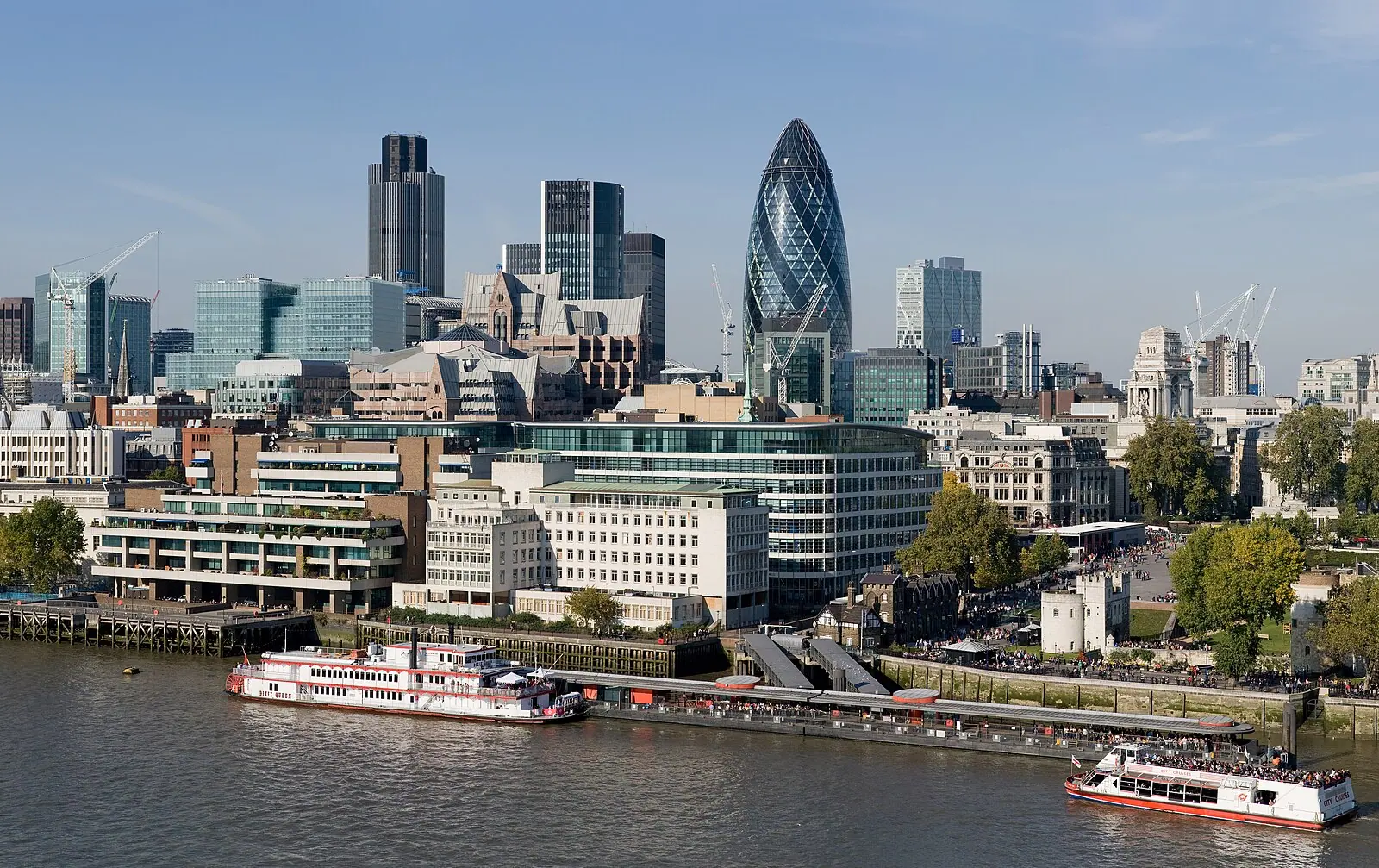
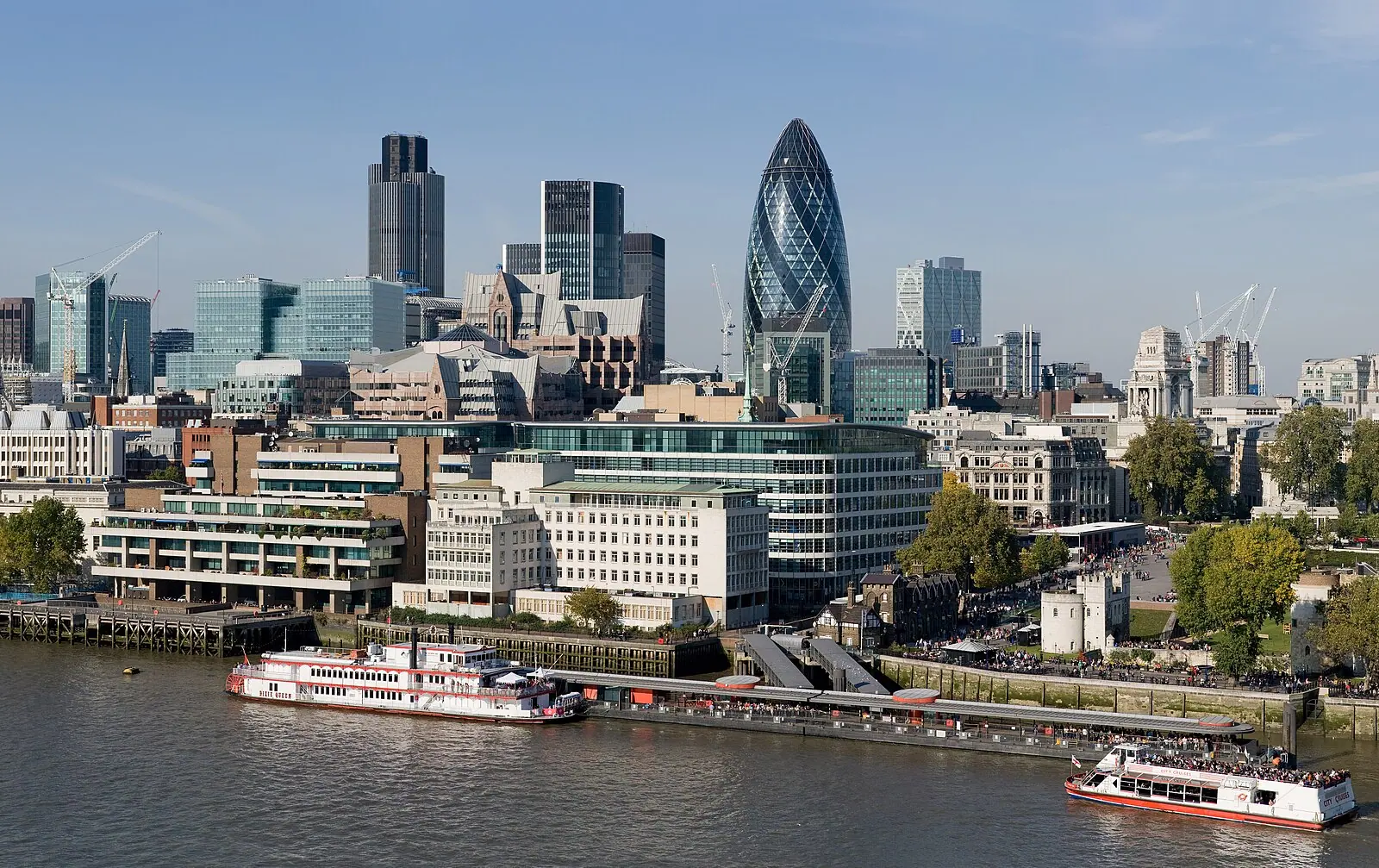
London rewards staying central, and the neighbourhood you choose decides which sights you see on foot. Bloomsbury puts you minutes from the British Museum and the quiet garden squares of the West End. Westminster and Whitehall place you beside Big Ben, the Houses of Parliament and Westminster Abbey, with Buckingham Palace a stroll through St James's Park. The South Bank, stretching from the London Eye past the Tate Modern to Tower Bridge, suits anyone who wants the river as their front garden, while Shoreditch and Clerkenwell draw people who care more about restaurants and late bars than royal pageantry.
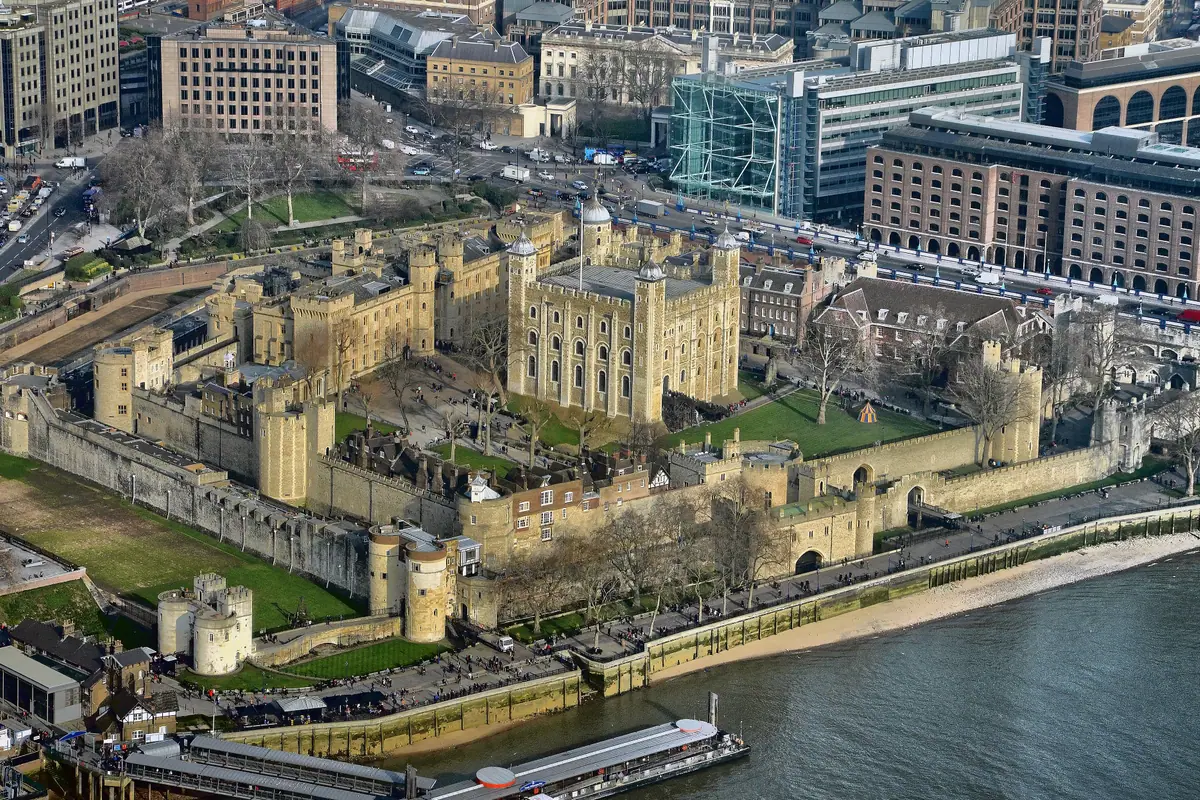
The unmissable sights cluster tightly. The Tower of London, with its Norman keep and Crown Jewels, deserves at least half a day. St Paul's Cathedral rewards the climb to the Whispering Gallery and the higher stone and golden galleries. Trafalgar Square leads straight into the National Gallery, and Covent Garden's street performers are a short walk from the National Portrait Gallery. Further west, Kensington holds the Victoria and Albert Museum, the Natural History Museum and the Science Museum side by side, all free to enter, with Hyde Park and Kensington Palace behind them.
Give London four nights if you can. Two days will cover the headline sights at a sprint; four lets you add Greenwich for the Cutty Sark and the observatory on the hill, Borough Market for lunch, and an evening in a West End theatre. Book timed entry for the Tower of London and Westminster Abbey in summer, and use the Underground or a contactless bank card on buses to move between clusters rather than criss-crossing the city.
Edinburgh: Castles, Crags and Georgian Townhouses
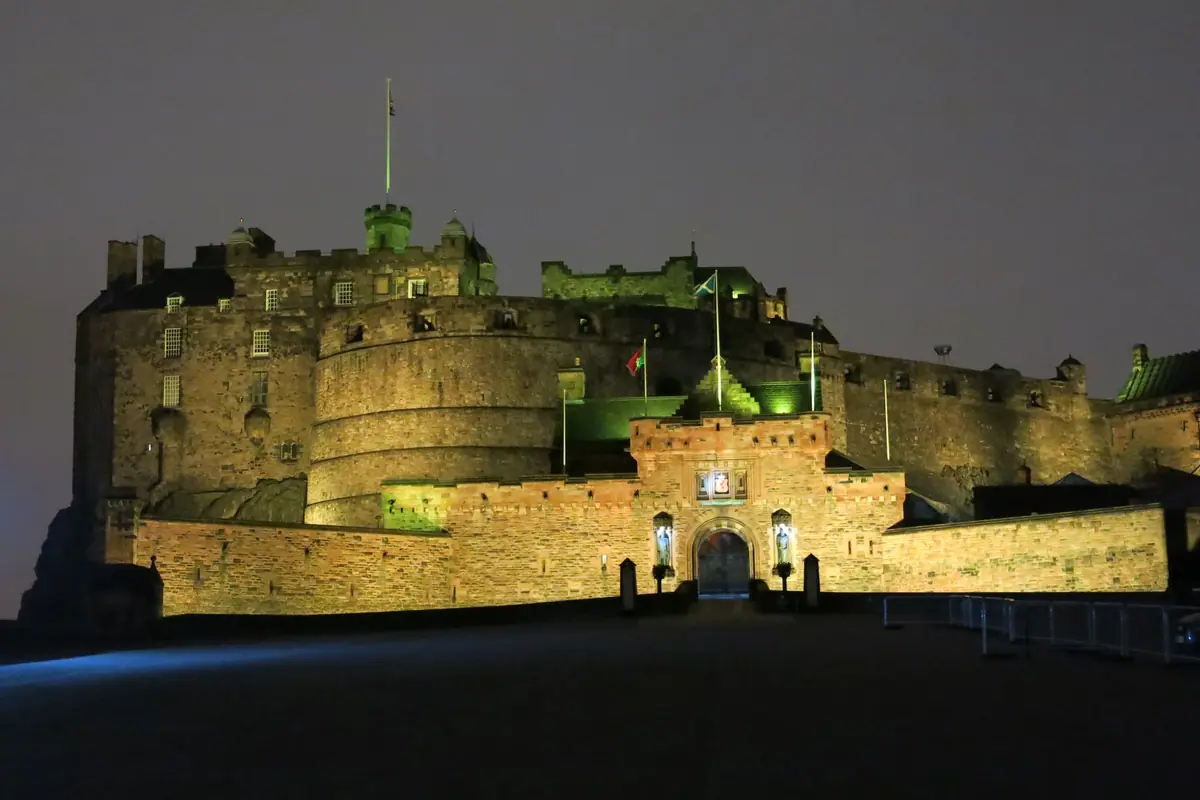
Edinburgh is a city of two halves separated by Princes Street Gardens. The Old Town climbs the Royal Mile from Holyrood Palace to Edinburgh Castle, its closes and wynds packed with pubs, whisky bars and stone tenements. The New Town, despite the name, is two centuries old — a grid of elegant Georgian terraces with wide crescents and boutique hotels in converted townhouses. Staying in the New Town gives you quieter nights and castle views; staying in the Old Town or Grassmarket puts you in the middle of the atmosphere.
Edinburgh Castle dominates everything, and the walk down the Royal Mile past St Giles' Cathedral to the Scottish Parliament is the city's essential stroll. For the best view, climb Arthur's Seat, the extinct volcano rising 251 metres above Holyrood Park — a rough but manageable ascent of about an hour each way. On a clear day the whole Firth of Forth opens up. The National Museum of Scotland, the Royal Botanic Garden and the waterside village feel of Dean Village fill out a second day.
Two or three nights suits most visits, but August changes everything: the Edinburgh Festival and Fringe fill every bed in the city and prices roughly double, so book months ahead or choose late June instead, when the days are almost endlessly light and the crowds are gentler. At New Year, Hogmanay brings a street party and a firelit torchlight procession. Whenever you come, pack for four seasons in one afternoon — a waterproof shell matters more than an umbrella in the wind.
Bath and the Cotswolds: Roman Spas and Country House Retreats
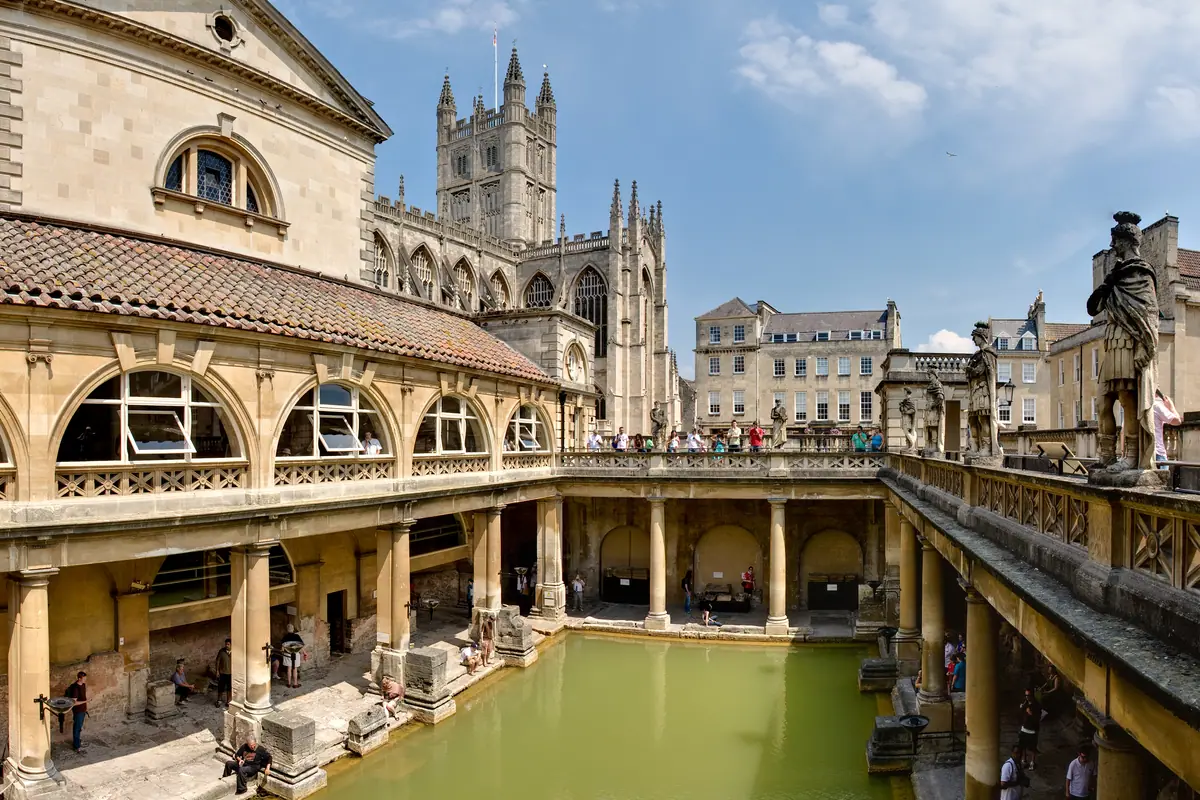
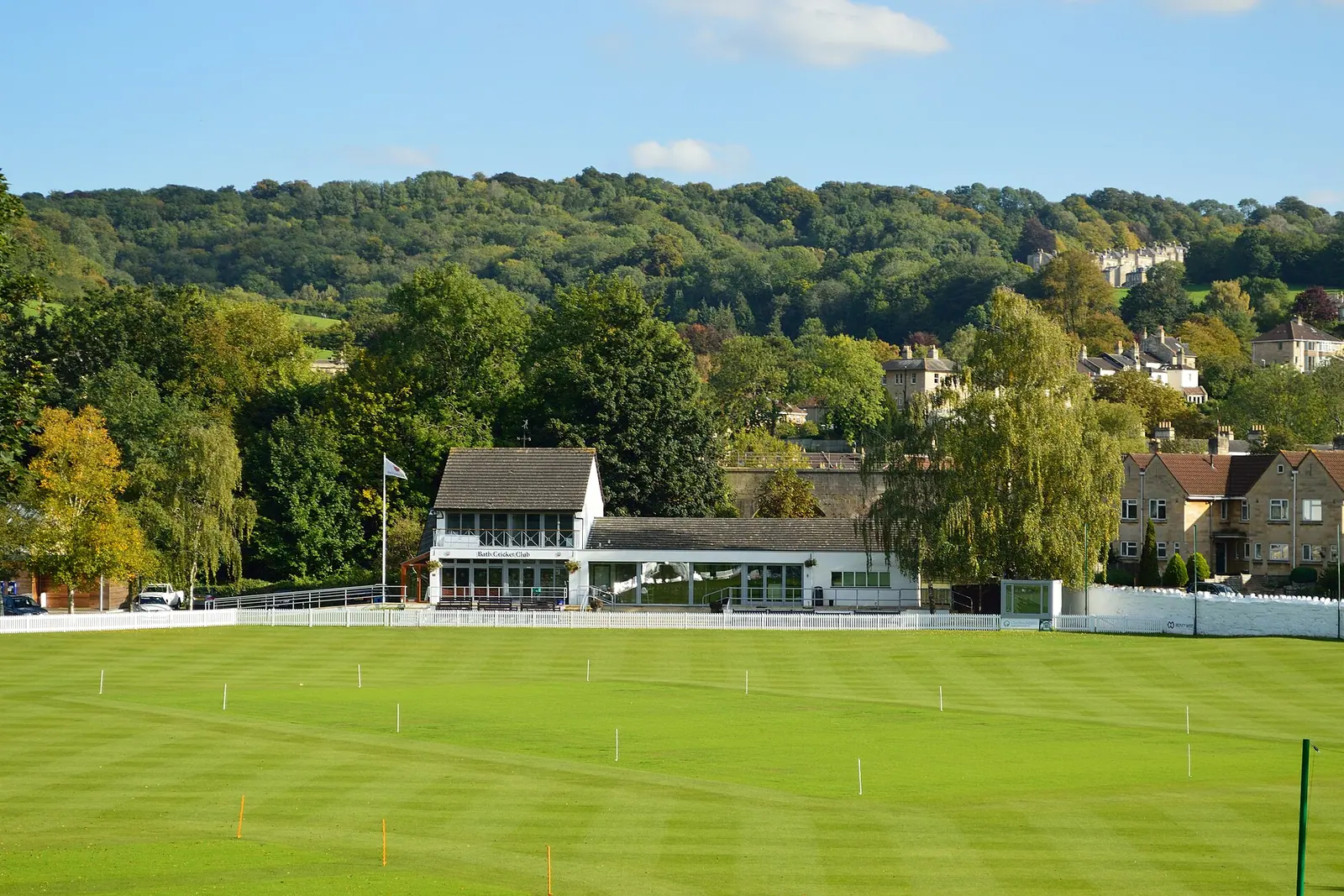
Bath is the most complete Georgian city in Britain, built from honey-coloured stone and small enough to cross on foot in twenty minutes. The Roman Baths, with their steaming green sacred spring, are the reason the city exists, and the adjacent Bath Abbey and the Pump Room sit right beside them. Walk up to the Royal Crescent — a sweeping curve of thirty houses — and on to the Circus, then cross Pulteney Bridge, one of only a handful of bridges in the world with shops built across it. A rooftop thermal spa fed by the same mineral water offers the modern version of the Roman ritual.
From Bath, Stonehenge makes an easy day trip east across Salisbury Plain, best visited early or late in the day when the coach groups thin out. Stay in the city centre for one or two nights, choosing between Georgian townhouse hotels and smaller guesthouses up the hill towards the Royal Crescent.
The Cotswolds begin half an hour north. Castle Combe, Bibury with its row of weavers' cottages at Arlington Row, Bourton-on-the-Water and Chipping Campden are the villages most people picture when they imagine England. This is country house hotel territory: manor houses with gardens, stone inns with low beams and real ale, and converted barns. A car is genuinely useful here, since buses between villages are sparse, and weekend stays often carry a two-night minimum. Two nights lets you see three or four villages without rushing.
York, the Lakes and the Far Edges of the Kingdom
York compresses two thousand years of history into walkable walls. York Minster, the largest Gothic cathedral in northern Europe, is the centrepiece; the Shambles, a narrow medieval street of overhanging timbered shops, is a minute away, and Clifford's Tower sits on the mound of the old castle. Walking the complete city wall circuit takes about two hours and gives you the best free overview of the city. Stay inside the walls if you want to walk everywhere; the station area is cheaper but less atmospheric. Two nights is comfortable.
North of York, the Lake District offers a different kind of stay entirely: lakeside hotels, fell-side inns and guesthouses in Keswick, Ambleside and Windermere. Windermere and Derwentwater are the accessible introductions, while Buttermere and Wasdale reward those willing to drive further. Book early in summer and at half-term, and note that many inns serve excellent dinners, which matters when the nearest restaurant is a valley away.
Beyond England, the variety is remarkable. Snowdonia in north Wales pairs mountain walking with slate villages, while Cardiff Castle and the Pembrokeshire coast anchor a southern Welsh trip. In Northern Ireland, Belfast's docklands and the Giant's Causeway's hexagonal basalt columns make a natural two- or three-day loop. In Scotland, the Isle of Skye, Glencoe and Loch Ness justify several nights, and a Highland hotel with a peat fire is part of the experience rather than just a bed.
Practical Sense: When to Go, How Long to Stay and How to Book Well
Aim for late May to early July or September to mid-October for the best combination of weather, daylight and availability. Midsummer days stretch past 9pm in Scotland, which is glorious for sightseeing, but July and August are the busiest and priciest. Winter is underrated for cities — London's museums are quiet, Edinburgh's Christmas market glows, and hotel rates drop — though daylight fades by around 4pm in December, which limits what you can fit into a day.
A sensible first itinerary allots four nights to London, three to Edinburgh, one or two to Bath, two to York and two to the Lakes, arriving at roughly twelve to fourteen days and using trains between cities. Advance-purchase rail tickets are dramatically cheaper than walk-up fares, and booking a specific departure time locks in the lower price. For the Cotswolds, the Highlands or rural Wales, hire a car instead of relying on buses.
When booking, read the small print for cancellation terms, minimum stays, and whether parking or breakfast costs extra. Ask about stair access if mobility matters, and confirm the room's position — a street-facing room in a city centre can be noisy on weekend nights, while a garden room will be quieter. If a trip hinges on one special stay, book it first and build the rest of the itinerary around it.
Frequently asked questions
What is the best time of year to visit the United Kingdom?
Late May to early July and September to mid-October offer the best balance of mild weather, long daylight and manageable crowds. July and August are warmest but busiest and most expensive, especially in Edinburgh during the festival season. Winter suits city breaks, with lower rates and quiet museums, though daylight ends around 4pm in December.
How many days do I need in the UK?
Four nights in London, three in Edinburgh, a night or two each in Bath and York, and two in the Lake District adds up to roughly twelve to fourteen days. If you have only a week, pick two cities and one countryside base rather than trying to cover the whole island.
Are hotel rooms in the UK really that small?
Often, yes — especially in converted Georgian and Victorian buildings, where rooms were designed for a different era. Check the listed room size, confirm whether the bathroom is en-suite, and ask if there is a lift, since many historic hotels have only staircases.
Do I need a car to explore the UK?
Not for London, Edinburgh, Bath or York, where trains and walking work well. You will want a car for the Cotswolds, the Lake District's quieter valleys, Snowdonia, the Scottish Highlands and rural Northern Ireland, where public transport between villages is limited and slow.
When should I book UK accommodation?
Book two to four months ahead for spring, summer and Christmas market season, and six months or more for Edinburgh in August, when every bed fills for the Fringe. In winter, last-minute bookings in cities often work in your favour, but popular weekend countryside hotels still sell out.
Plan it — hotels in United Kingdom
Live search, booked directly with trusted providers.
Sort the rest of your trip
Everything for United Kingdom, in one place
Transfer in United Kingdom
Private driver waiting on arrival — no queues, no surprises.
Book a transfer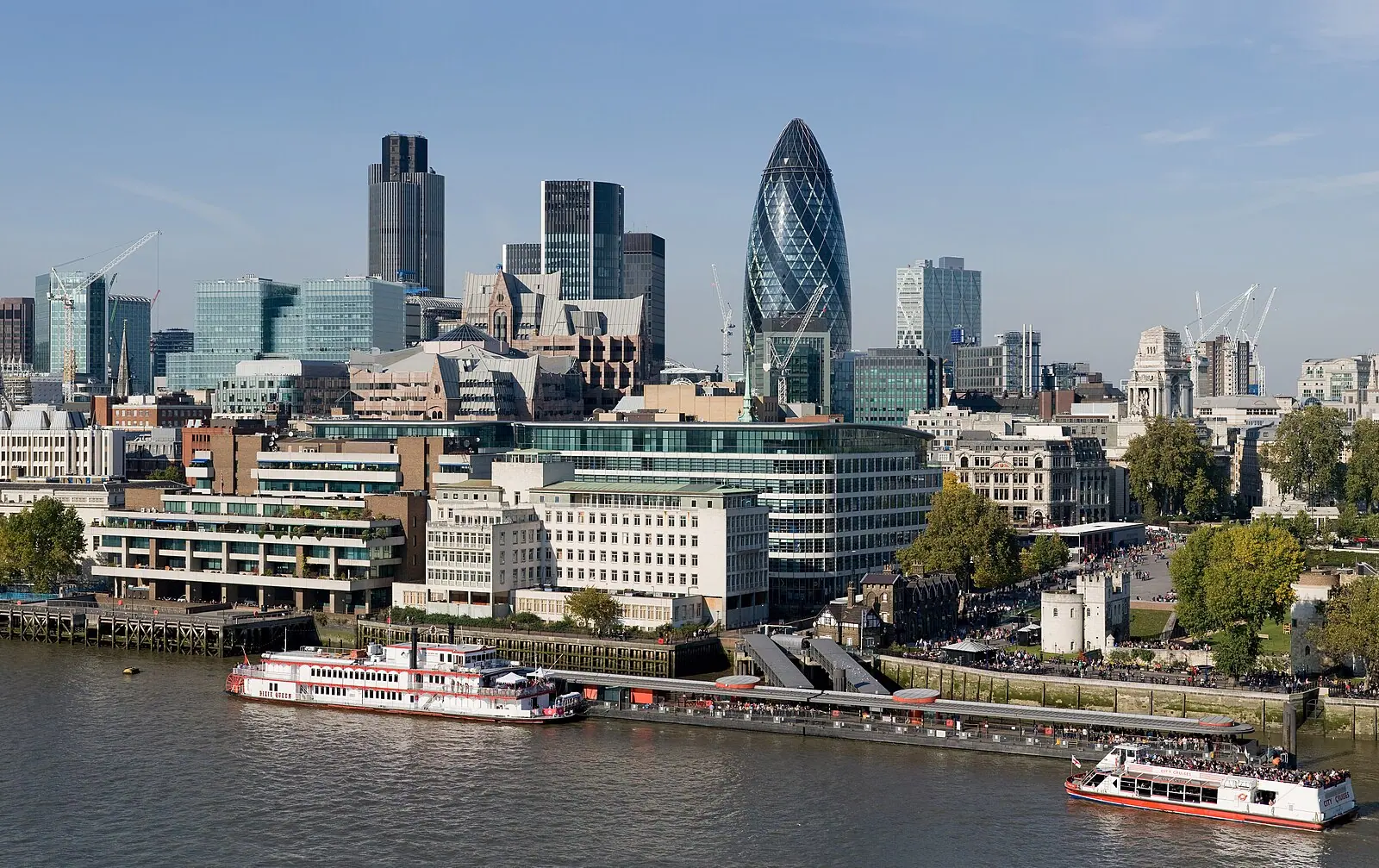
Things to do in United Kingdom
Skip-the-line tickets, guided tours and standout experiences.
See experiences
Stay online in United Kingdom
Travel eSIM — data the moment you land, no roaming bills.
Get an eSIMMore guides in United Kingdom
The Best Time to Visit the United Kingdom: A Season-by-Season Hotel Guide
One Week in the UK by Plane: A 7-Day Itinerary Through England, Scotland, Northern Ireland and Wales
Tours in the United Kingdom: Food, Culture and Local Experiences Guide
Best Places to Visit in the United Kingdom: Where to Go and What to Do
Where to Stay in Bath on a Budget: Cheap Hotels, Guesthouses and Hostel Alternatives