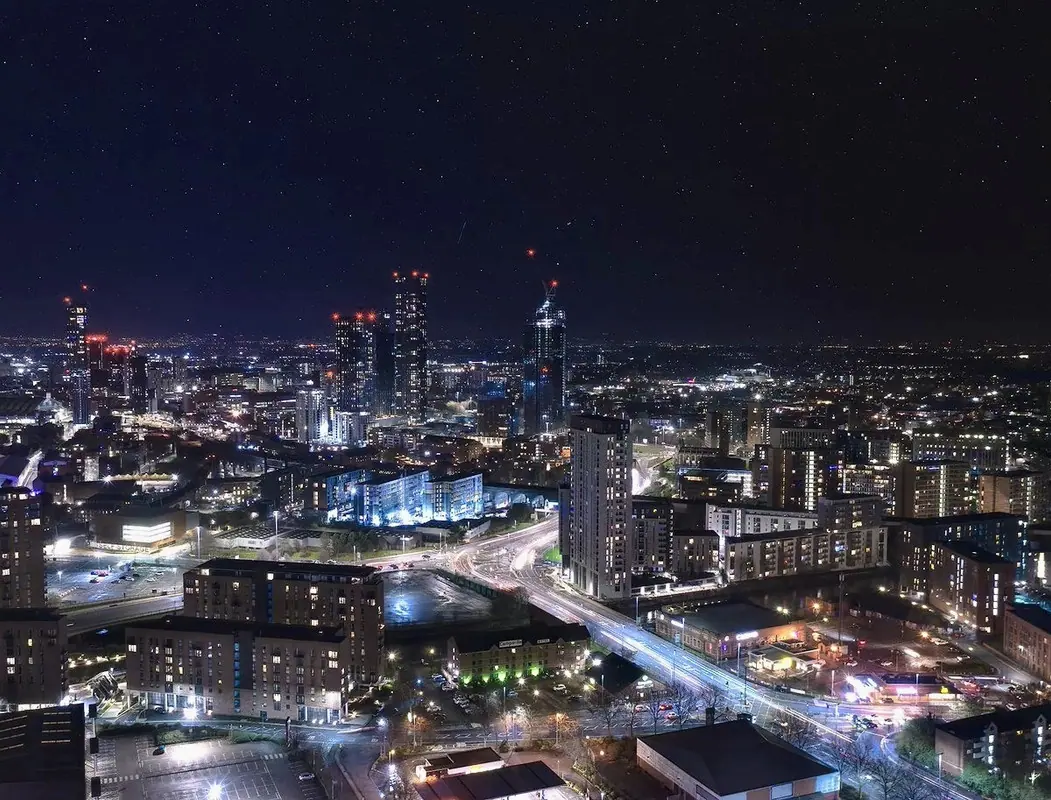
The United Kingdom packs an improbable amount into a small space: crown jewels and Roman baths, sea cliffs and slate mountains, medieval lanes and modernist galleries. Whether you have a long weekend in one city or a fortnight to loop between nations, the trick is choosing a handful of regions and going deep rather than racing the whole map. This guide covers the unmissable places, the landmarks worth planning around, and the practical rhythms of the British seasons.
London: The Essential First Stop
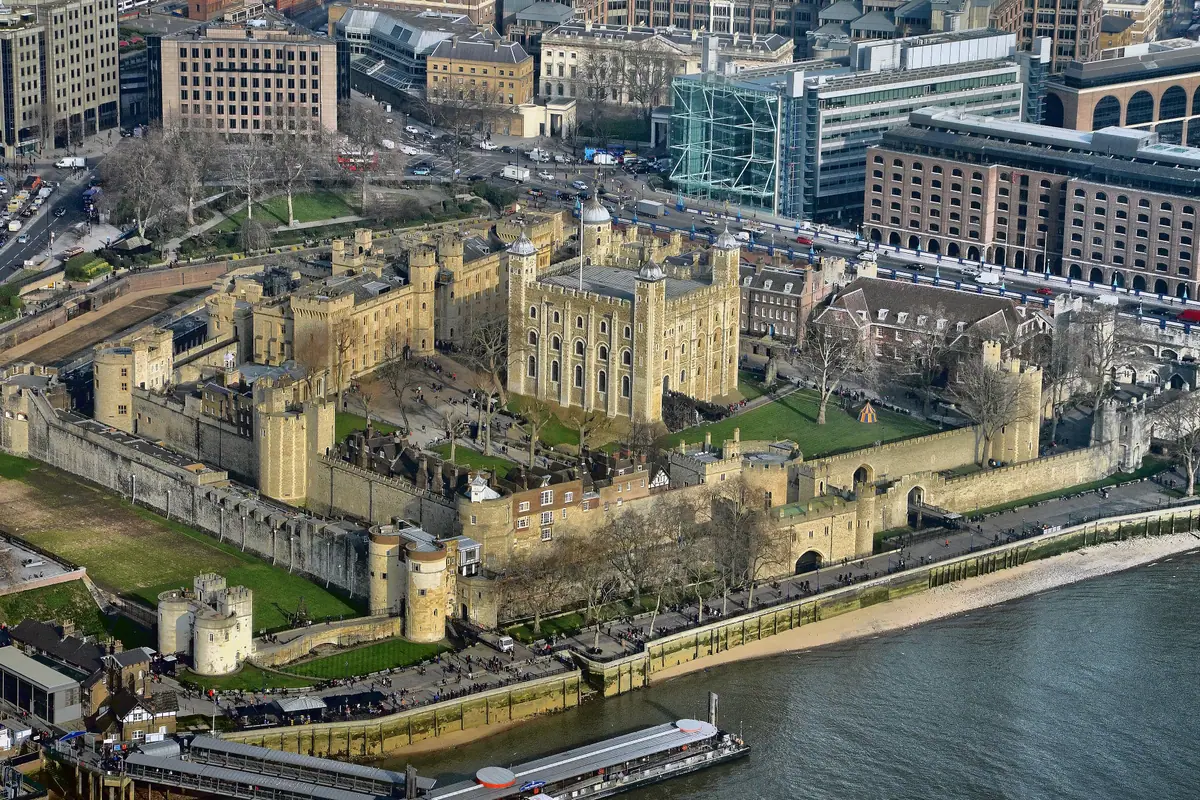
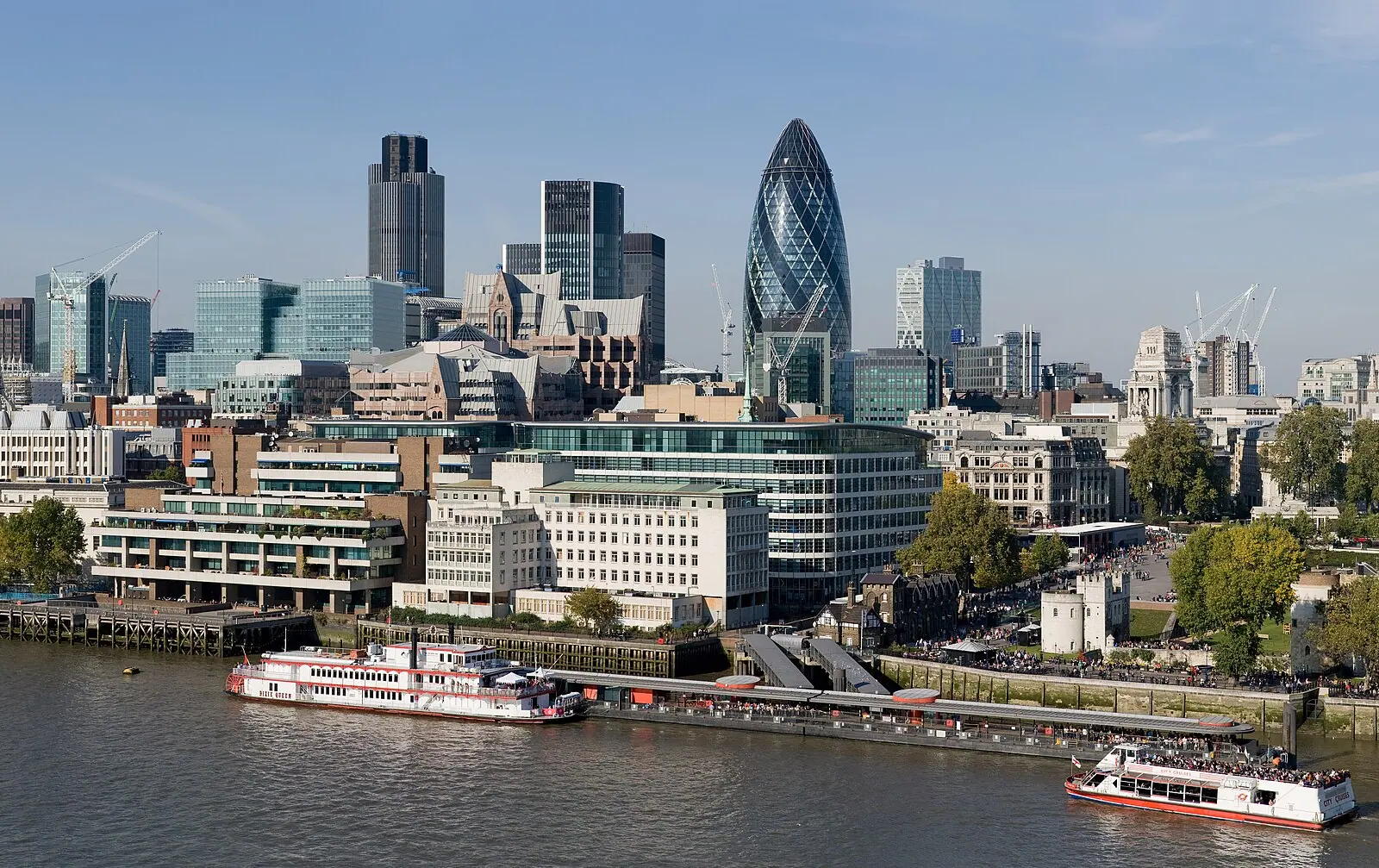
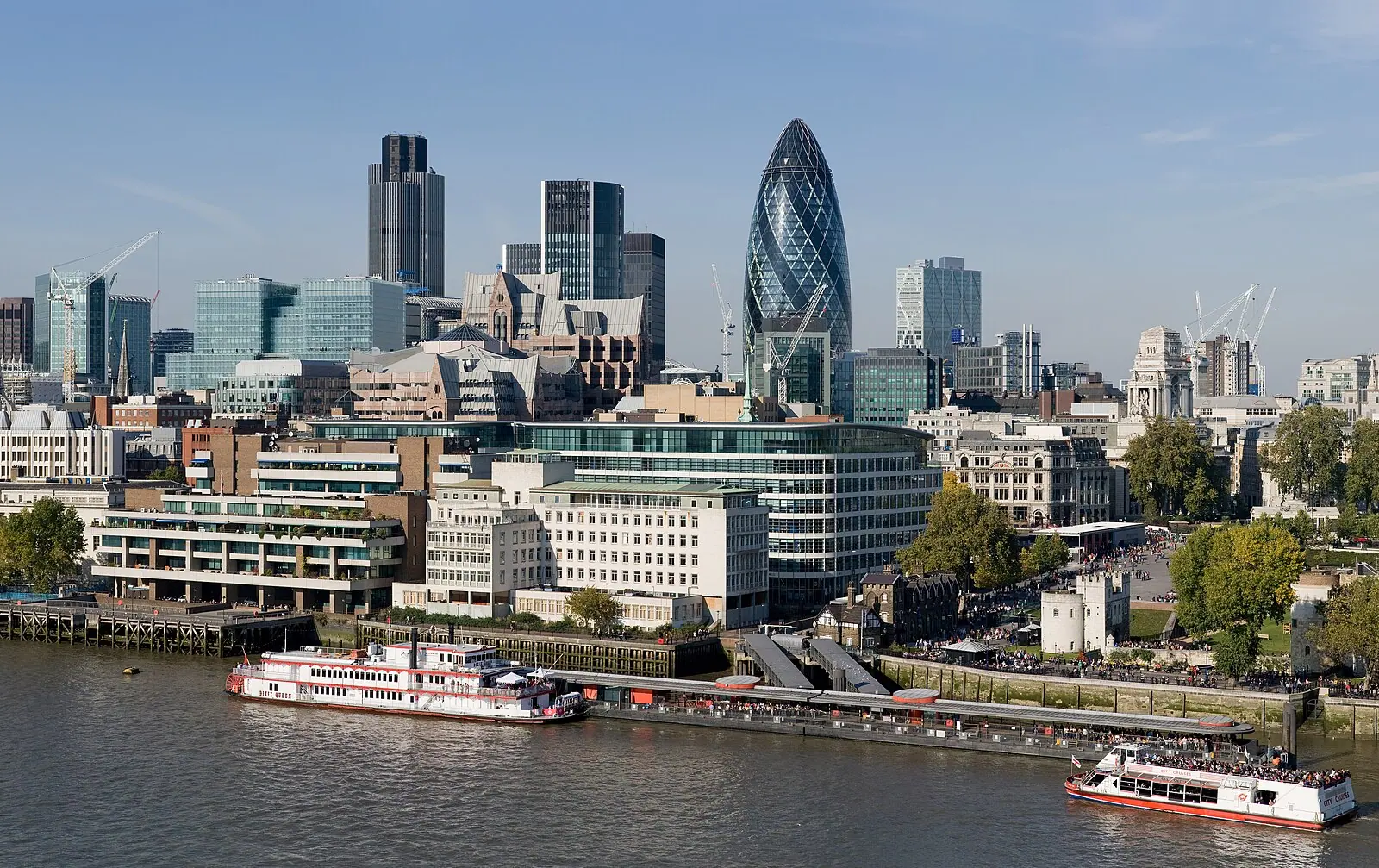
Almost every UK trip begins in the capital, and rightly so — it is the country's densest concentration of headline sights. Start at the Tower of London, a riverside fortress where the Crown Jewels are displayed and Yeoman Warders lead tours that turn 900 years of grim history into something close to theatre. Walk the span of Tower Bridge, then head west along the river to Westminster for Big Ben, the Houses of Parliament and Westminster Abbey, where monarchs have been crowned since 1066. A short stroll through St James's Park brings you to Buckingham Palace, best timed for the Changing of the Guard (typically mid-morning, though the schedule shifts by season).
Museum lovers are almost spoiled to the point of paralysis. The British Museum holds the Rosetta Stone and the Parthenon sculptures and charges nothing to enter; the National Gallery lines up Van Gogh and Turner on Trafalgar Square; Tate Modern fills a converted power station on the South Bank with contemporary work and a free viewing terrace. For a different kind of skyline, book a slot at the Sky Garden or climb to the top of St Paul's Cathedral for a view over the dome-studded city.
Give London a minimum of three full days, four if you want a half-day trip to Greenwich, Kew Gardens or Hampton Court Palace. The Underground will get you anywhere, but the city rewards walking: the South Bank from Westminster to Borough Market takes in street performers, book stalls and one of the best food markets in Europe. Book timed tickets for the Tower, St Paul's and any blockbuster exhibition well ahead, especially between June and September.
Edinburgh and the Scottish Highlights
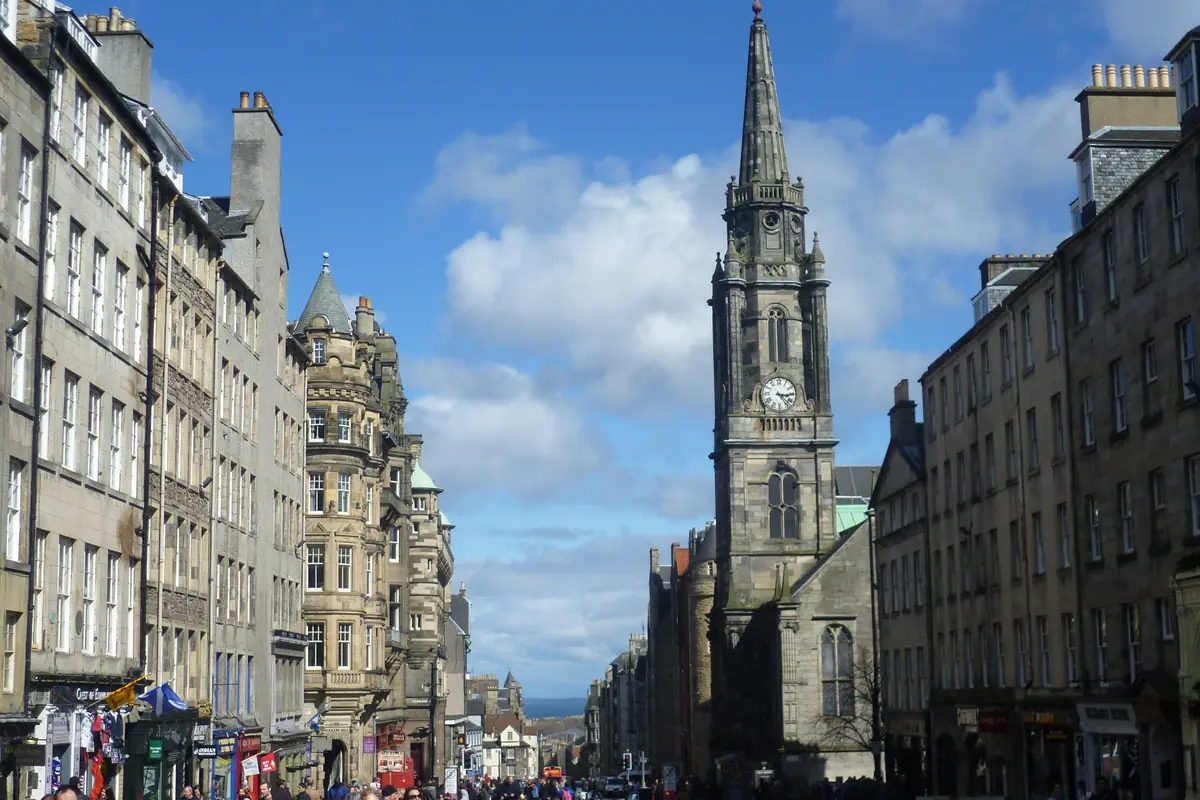
Edinburgh may be the most dramatic city in the UK, built around a dead volcano and a medieval spine. Edinburgh Castle sits on its crag above the Royal Mile, which runs downhill past cobbled closes to the Palace of Holyroodhouse. Below ground, tours of Mary King's Close reveal the buried streets of the old town; above, Arthur's Seat rises 251 metres over the city and takes about 90 minutes to climb on a clear, breezy day. The National Museum of Scotland, with its Victorian roof terrace, is the best free indoor stop when the weather turns.
Beyond Edinburgh, the country unfolds quickly. Glasgow offers Victorian architecture, a sharp music scene and the Kelvingrove Art Gallery, while the route north through Glencoe and past Loch Ness leads to the Highlands and the Isle of Skye, where the Old Man of Storr, the Quiraing ridge and the Fairy Pools justify the long drive. A heritage steam railway crossing the Glenfinnan Viaduct is a beloved set piece, and the Trotternish peninsula deserves at least two nights if you want to see it in decent light.
Time your visit for May or early June, when the days are already long and the midges have not yet reached full strength; late September is the other sweet spot, with golden birches in the glens. In June, northern Scotland stays light until nearly midnight, which makes late-evening hikes entirely realistic. In August, Edinburgh's festival season fills every bed in the city, so book accommodation months in advance or base yourself in Glasgow and travel through.
Mountain Country: The Lake District and Eryri
England's Lake District is a compact landscape of water, slate and fell that has inspired painters and poets for two centuries. Windermere is the obvious base and the busiest; quieter rewards lie around Derwentwater near Keswick, where the Catbells ridge offers a manageable half-day ascent with huge views. Scafell Pike, at 978 metres, is the highest point in England and a serious full-day walk from Wasdale. Between hikes, Beatrix Potter's Hill Top farm and the steamers on Coniston Water give tired legs a gentler option.
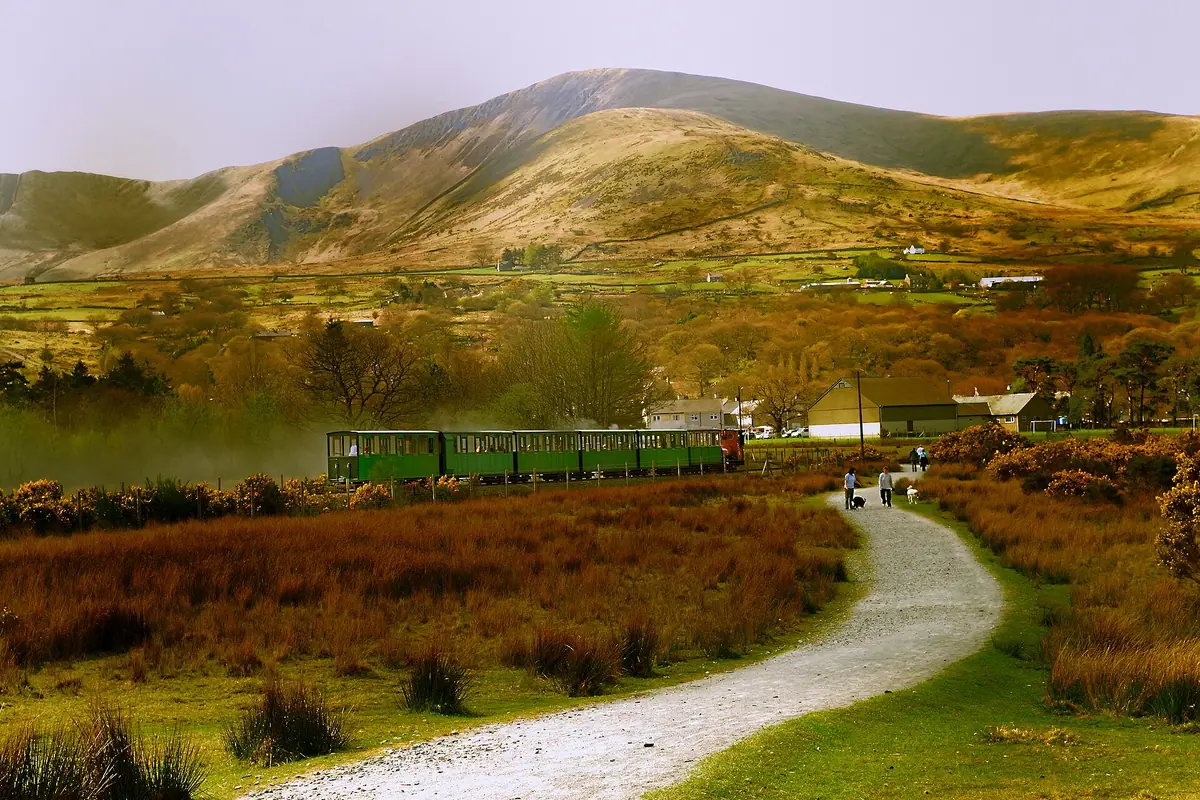
In north Wales, Eryri — known in English as Snowdonia — delivers a similar thrill with sharper edges. Yr Wyddfa (Snowdon) stands at 1,085 metres, and the Llanberis Path is the least technical route to the summit, roughly six hours there and back. Llyn Padarn and the village of Beddgelert are gorgeous on foot, while Conwy Castle and its complete ring of town walls make an easy historic half-day on the coast. For something stranger, the slate landscapes around Blaenau Ffestiniog feel like another planet.
Expect rain at any time of year, and pack accordingly: waterproof jacket, spare layers, and boots with grip. Start walks early, since car parks at popular trailheads fill by mid-morning in summer, and check mountain forecasts before committing to a summit. Even if the peaks are clouded, valley walks, lakeside cafés and heritage railways keep a wet day enjoyable.
Ancient Landmarks and Historic Cities
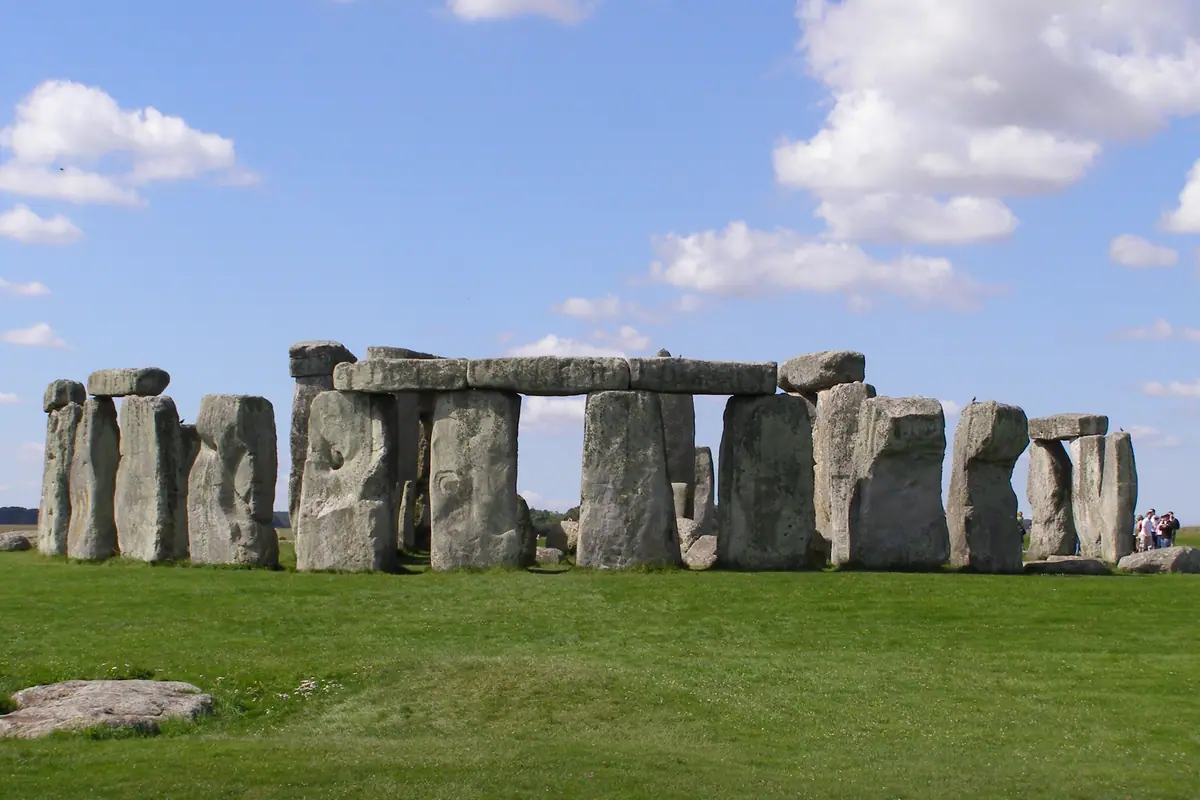
Some of the UK's most powerful sights are not cities at all. Stonehenge, on Salisbury Plain, arranges its enormous sarsens in a circle that has puzzled visitors for millennia; go at opening time or on a late summer evening to escape the coach crowds. Nearby Avebury is larger, older-feeling and far quieter, with a village built inside its stone circle. Further north, Hadrian's Wall snakes across Northumberland for 73 miles, and the stretch around Housesteads Roman Fort is the most atmospheric.
Bath deserves a full day on its own. The Roman Baths sit at the centre of the city, with steaming spring water and a superb collection of artefacts; above them, the honey-stone sweep of the Royal Crescent and the shop-lined curve of Pulteney Bridge make the city endlessly photogenic. You can still bathe in the mineral water at a modern rooftop spa, an experience that feels wonderfully odd after a morning of archaeology.
York is the other essential historic stop: York Minster's stained glass and towers dominate a city of narrow medieval lanes, none more famous than the Shambles, a timber-framed street so tightly packed that the upper floors almost touch. Walk the complete city walls, then visit the National Railway Museum for a free and genuinely entertaining couple of hours. Oxford and Cambridge round out the heritage circuit, with college quadrangles, punting on the rivers and libraries that look borrowed from a film set.
Coasts and Countryside Discoveries
Cornwall feels like a country of its own, wrapped in Atlantic light. St Michael's Mount rises from the bay at Marazion, reachable on foot at low tide by a cobbled causeway; the Minack Theatre is carved into a cliff above the sea at Porthcurno; and the South West Coast Path links beaches, tin-mining ruins and fishing villages like St Ives, home to a branch of the Tate and a branch of the national gallery's Cornish collection. Land's End is the famous endpoint, though the walk to it is better than the site itself.
Across the Irish Sea in Northern Ireland, the Giant's Causeway's hexagonal basalt columns are the star attraction, best visited early before the car park fills. The Carrick-a-Rede rope bridge swings over a 30-metre drop nearby, and Titanic Belfast tells the city's shipbuilding story with real emotional force. In England, the Cotswolds offer a gentler idyll — Bourton-on-the-Water, Castle Combe and Bibury are the classic villages, all best explored on foot or by bicycle along quiet lanes.
Coastal weather is changeable in the extreme: a June day can deliver sun, haar and rain within an hour. Plan beach days flexibly, keep a rain shell in your bag, and remember that Atlantic water stays cold even in high summer. If you are driving, expect narrow hedged lanes in Devon, Cornwall and the Cotswolds — hire a small car and resist the urge to rush.
Planning Your Trip: Seasons, Timing and Getting Around
The best months for a UK trip are usually May, June and September: long daylight, gardens at their peak, and fewer crowds than the July-to-August school holidays. July and August are reliably warmest but also busiest and priciest, particularly in Edinburgh, the Cotswolds and Cornwall. Winter brings short days — dark by 4pm in December — but also quiet museums, low hotel rates and cosy pub evenings, plus the option of snow on Highland and Welsh peaks.
For getting around, trains connect major cities quickly and comfortably, with London to Edinburgh possible in around four and a half hours. Rural areas, however, are far easier by car, and a hire car is close to essential for the Lake District, Cornwall, Skye and the Cotswolds. Distances are deceptive: the country looks small on a map, but winding roads mean a 100-mile drive can easily take three hours.
A realistic itinerary gives three to four days to London, two to three to Edinburgh, and two or more to any rural region you add. Book headline attractions — the Tower of London, the Roman Baths, Edinburgh Castle, Stonehenge — in advance, especially for weekend slots. Pack layers rather than a heavy coat, bring comfortable waterproof shoes, and leave room in your plan for the thing Britain does best: an unexpected afternoon in a village pub while the rain passes over.
Frequently asked questions
What is the best time of year to visit the United Kingdom?
Late May, June and September offer the best balance of daylight, weather and manageable crowds. July and August are warmest but busiest, especially in Edinburgh, Cornwall and the Cotswolds. Winter is quiet and cheap but dark, with sunset before 4pm in December in southern England and even earlier in Scotland.
How many days do I need for a UK trip?
For a first visit, plan 7 to 10 days: three to four in London, two to three in Edinburgh, and the rest in one rural region such as the Lake District, Cornwall or Snowdonia. Trying to cover England, Scotland, Wales and Northern Ireland in a single week means spending most of it in transit.
Do I need a car to explore the UK?
Not for cities — trains link London, Edinburgh, Bath, York, Cardiff and Belfast efficiently. But rural highlights like the Lake District, the Isle of Skye, Cornwall and the Cotswolds are much easier by car. Expect narrow lanes and slow average speeds of 30 to 40 mph on country roads.
Which are the absolute must-see attractions in the UK?
The Tower of London and the British Museum in London, Edinburgh Castle and Arthur's Seat, Stonehenge, the Roman Baths in Bath, York Minster, the Lake District's Windermere and Scafell Pike, Yr Wyddfa in Eryri, Cornwall's St Michael's Mount, and the Giant's Causeway in Northern Ireland.
Is it worth visiting places outside London?
Absolutely — some of the country's finest experiences are beyond the capital. Edinburgh, Bath and York are historic cities with world-class sights, while the Highlands, Snowdonia, the Cotswolds and the Cornish coast show a completely different side of the UK that day trips cannot replicate.
Plan it — experiences in United Kingdom
Live search, booked directly with trusted providers.
Sort the rest of your trip
Everything for United Kingdom, in one place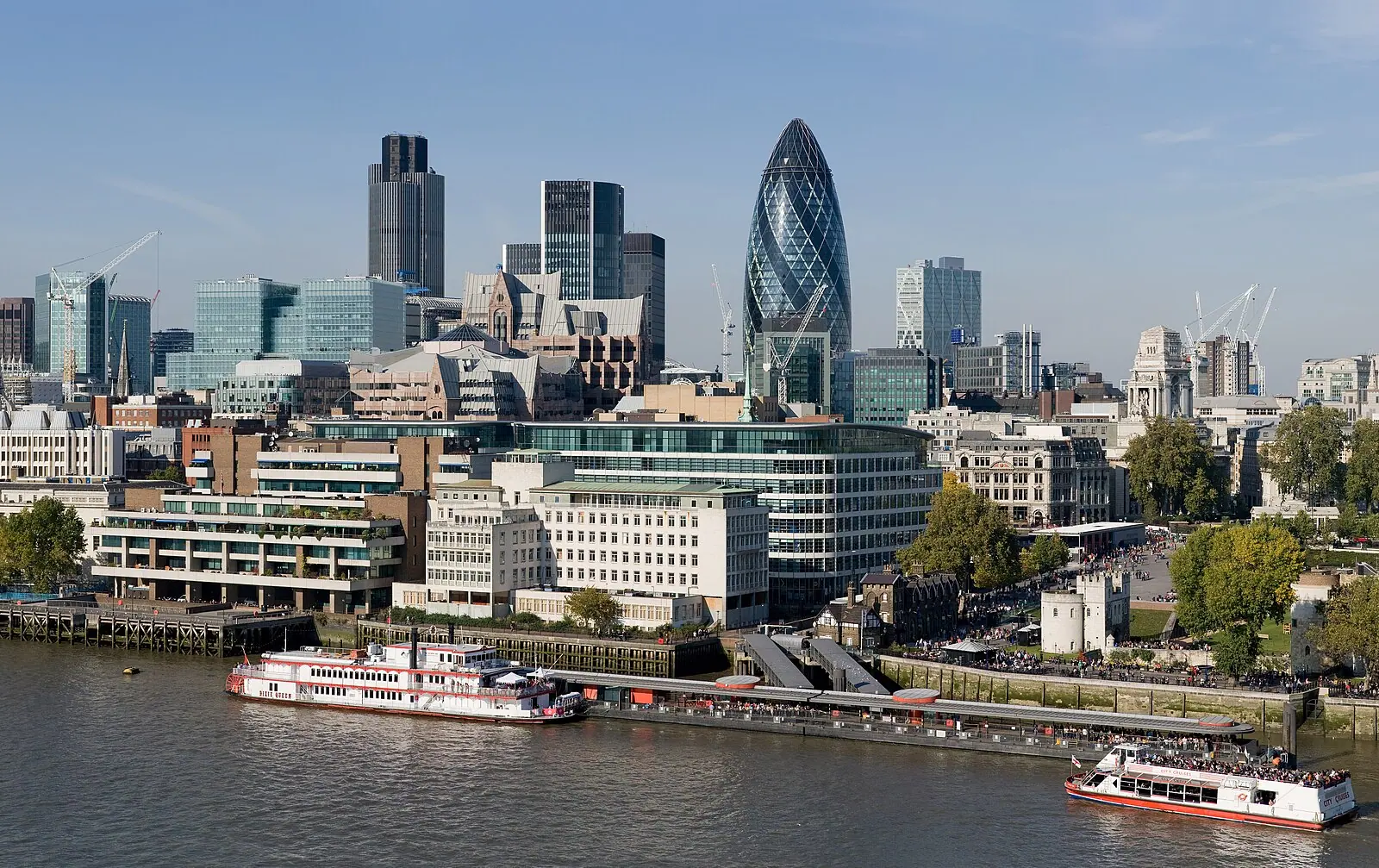
Stay in United Kingdom
Hotels, guesthouses and apartments — compared in one search.
Search hotels
Transfer in United Kingdom
Private driver waiting on arrival — no queues, no surprises.
Book a transfer
Stay online in United Kingdom
Travel eSIM — data the moment you land, no roaming bills.
Get an eSIMMore guides in United Kingdom
Where to Stay in the United Kingdom: Top Cities, Hotels and Must-See Sights
The Best Time to Visit the United Kingdom: A Season-by-Season Hotel Guide
One Week in the UK by Plane: A 7-Day Itinerary Through England, Scotland, Northern Ireland and Wales
Tours in the United Kingdom: Food, Culture and Local Experiences Guide
Where to Stay in Bath on a Budget: Cheap Hotels, Guesthouses and Hostel Alternatives