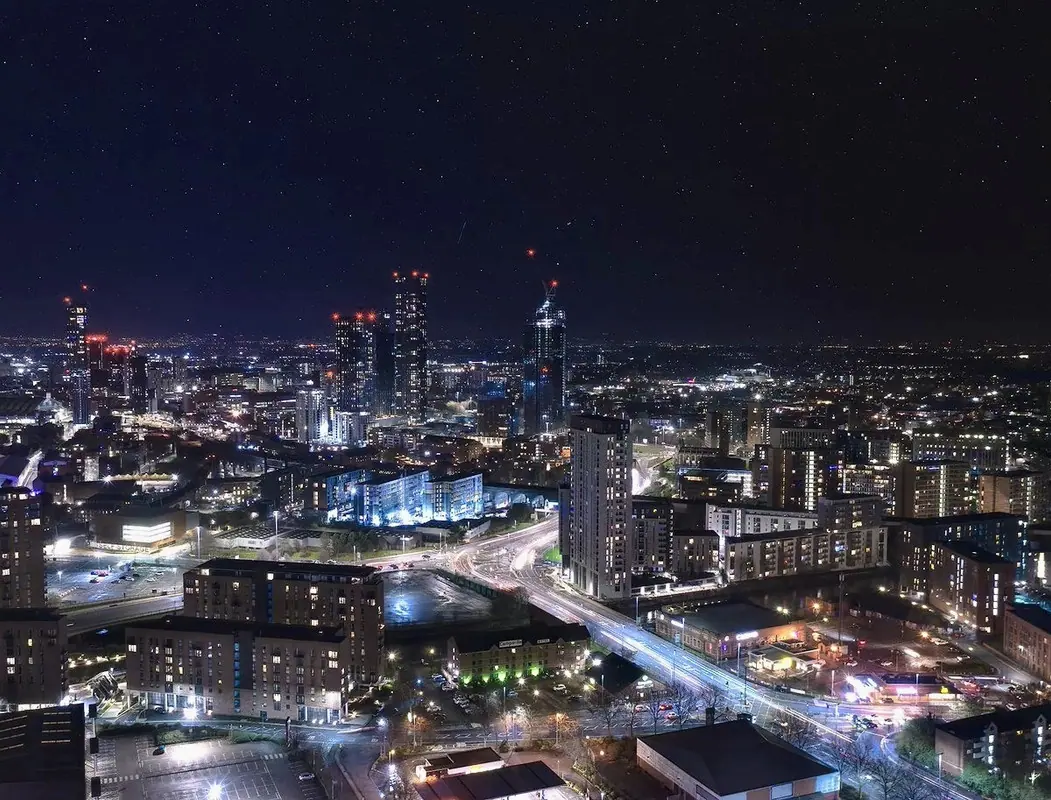
The United Kingdom folds four nations, a dozen regional dialects and several thousand years of history into a space you can cross by train in a single day. The best tours here are less about ticking off monuments than about slipping into local rhythm — a market breakfast in London, a pint and a quiz in a Yorkshire pub, a misty climb to a Highland castle. This guide maps the food, culture and everyday experiences that make a British trip feel lived-in rather than merely seen.
Eating Your Way Through the Four Nations
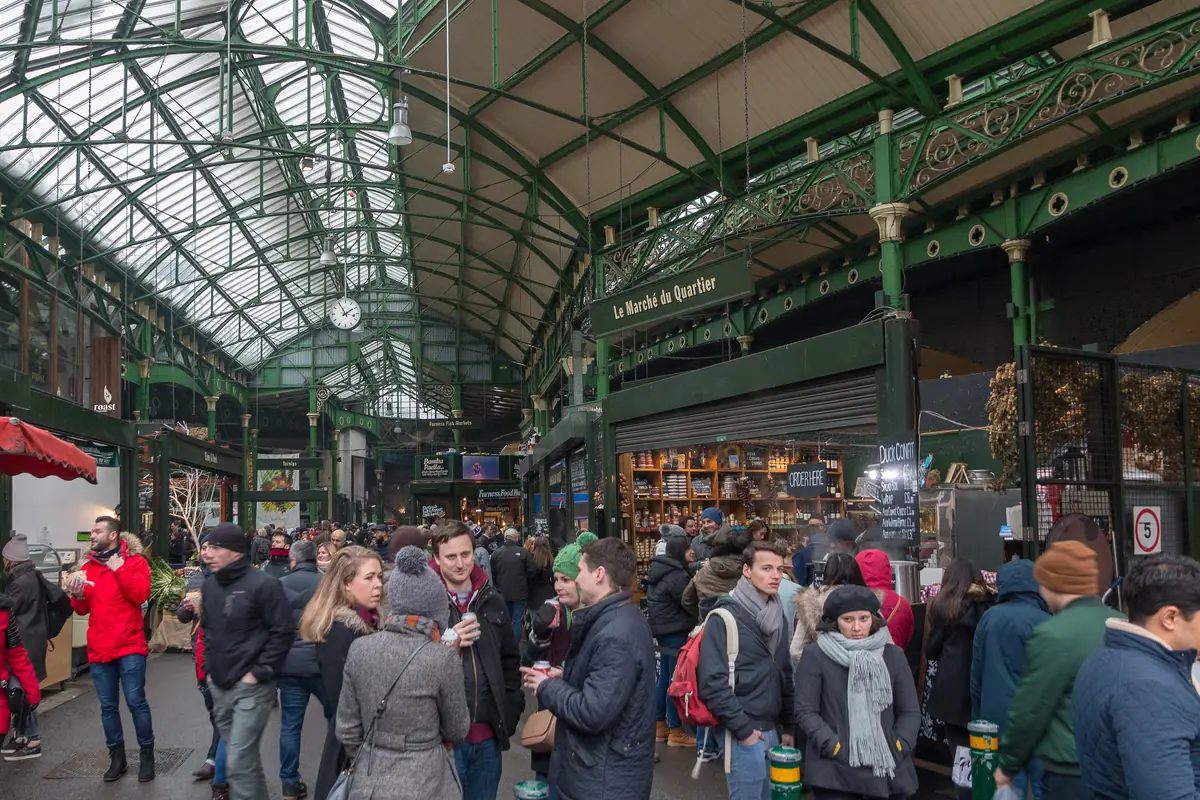
British cooking has spent decades being underestimated, and the fastest way to correct that is to start at Borough Market, the sprawling food market tucked under the railway arches beside London Bridge. Cheesemongers, oyster bars, spice stalls and salt-beef sandwiches fill the halls; weekday mornings are calm enough to actually talk to the traders, while Saturdays are a joyful crush. From there, eat regionally: a proper Cornish pasty in Cornwall, Yorkshire puddings drowning in gravy alongside a Sunday roast, Welsh cakes warm off the griddle in Cardiff, haggis with neeps and tatties in Edinburgh, and an Ulster fry with soda bread in Belfast.
The country's curry culture is another essential stop. Cities like Birmingham, Bradford and Manchester serve South Asian food that has evolved for generations into something unmistakably British, from balti houses to family-run grill rooms in the suburbs. Afternoon tea remains a genuine pleasure when done well — scones, clotted cream, finger sandwiches — and you will find it everywhere from grand London hotels to village tearooms in the Cotswolds.
A few practical notes help. Sunday roasts are usually served between noon and early evening, and popular pubs stop serving food surprisingly early on weekdays. Markets and most eateries take cards, though a little cash is useful in rural areas. Tap water is free and safe to drink, and vegetarian and vegan menus are now standard rather than an afterthought.
London: The Landmarks Worth Your First Two Days
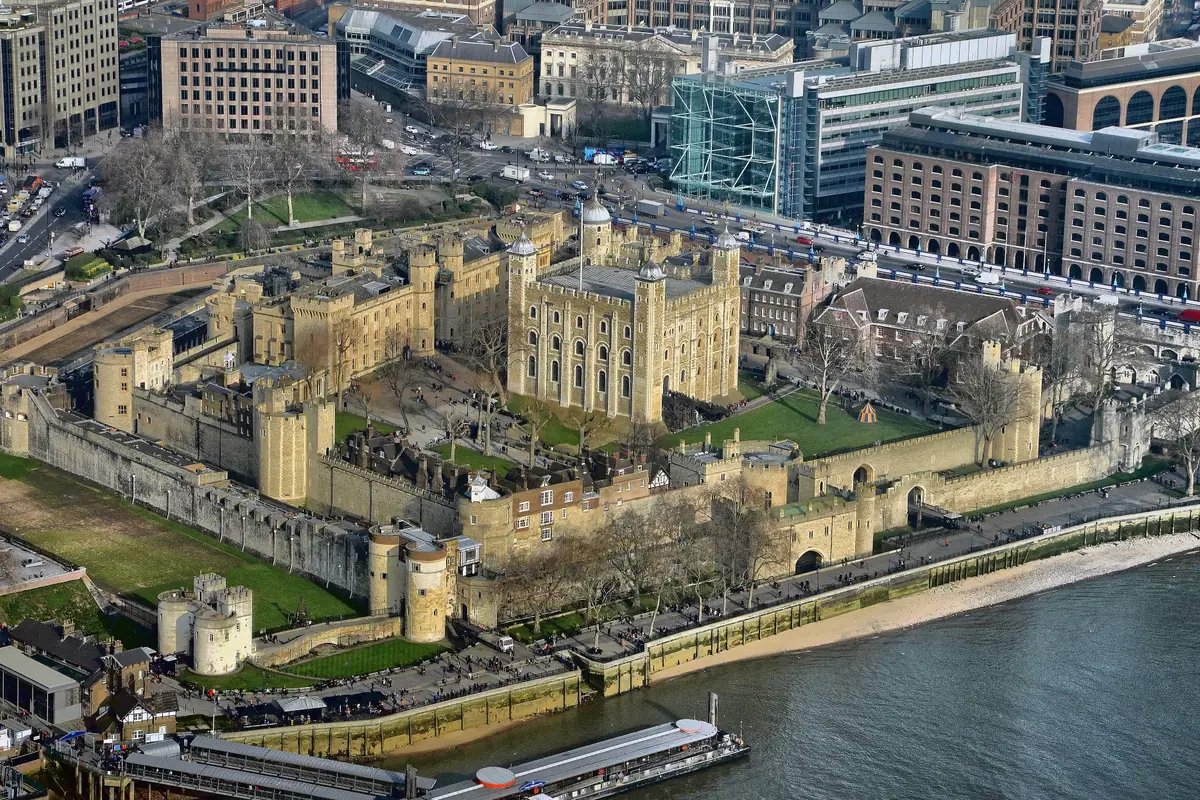
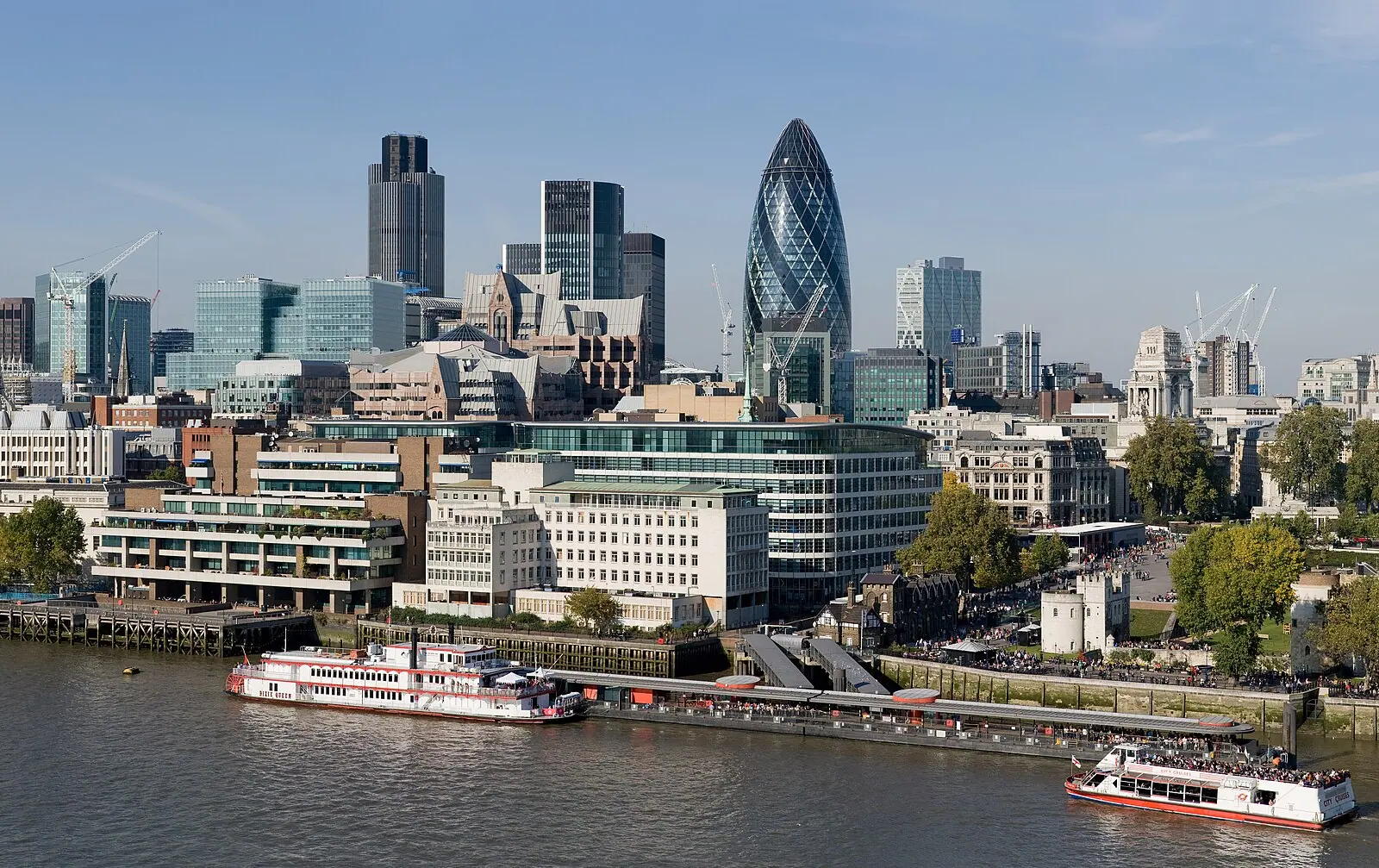
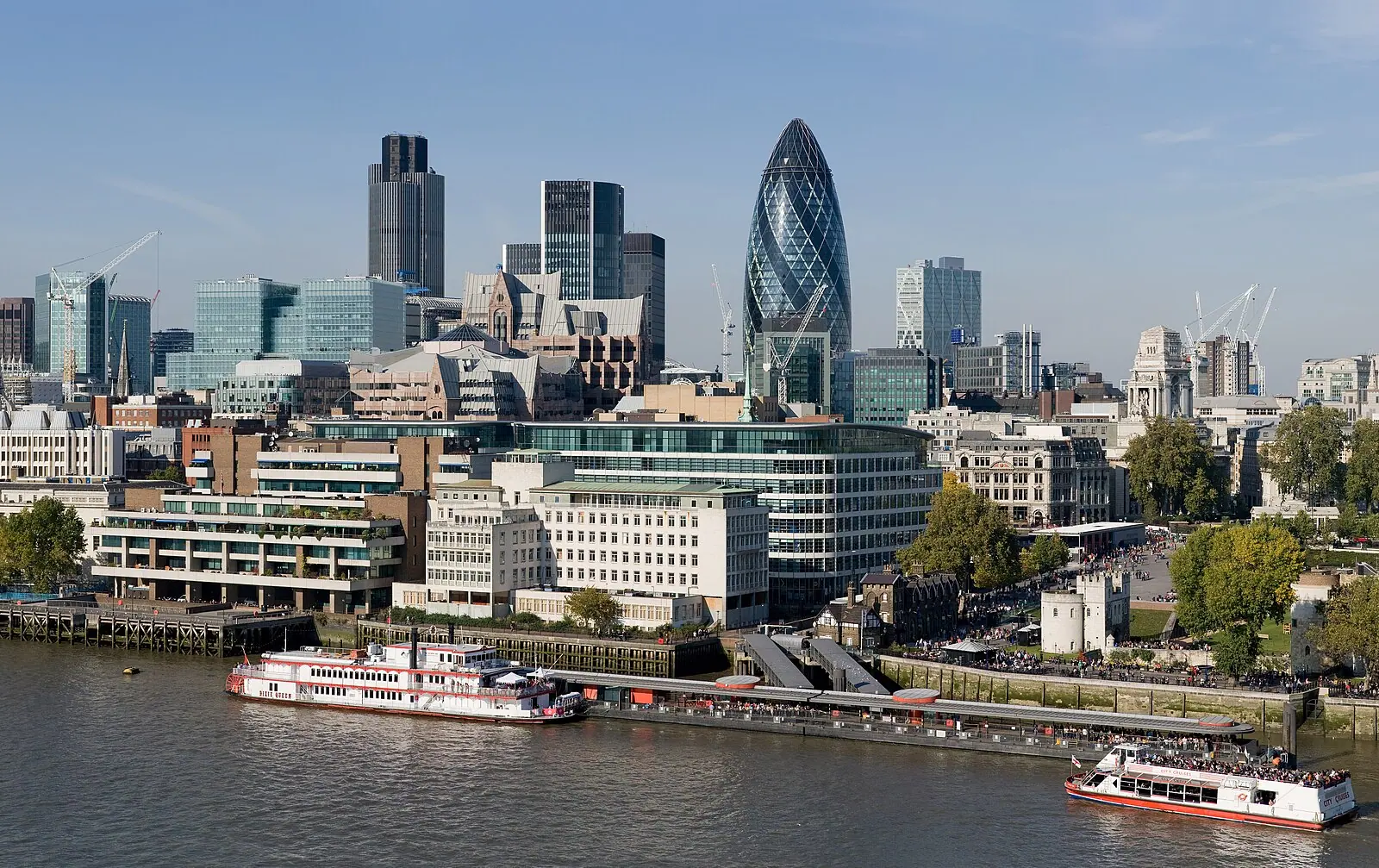
Start with the Tower of London, the riverside fortress where the Crown Jewels, the Yeoman Warders and nearly a thousand years of grim history sit behind one wall — allow three hours and arrive at opening. Walk west along the river past Tower Bridge to the South Bank, where the Tate Modern occupies a converted power station and street performers work the pavement outside. This single stretch gives you the Thames, the skyline and two of the city's great free cultural spaces in one afternoon.
Inland, Westminster Abbey, the Elizabeth Tower and the Houses of Parliament cluster together, with Buckingham Palace a short walk through St James's Park — the Changing of the Guard happens on selected mornings rather than daily, so check ahead. Trafalgar Square leads to the National Gallery, and a twenty-minute stroll brings you to the British Museum, home to the Rosetta Stone and the Parthenon sculptures. The great national museums charge no entry fee, which makes them ideal for rainy hours.
For atmosphere, add Covent Garden's buskers and covered market, the neon and late-night food of Soho, Camden's canal-side stalls, and Greenwich, where the Cutty Sark and the Royal Observatory sit on the Prime Meridian. Portobello Road is at its best on Saturdays. Plan by neighbourhood rather than by map pin — walking between Westminster and Covent Garden takes twenty minutes and shows you far more than the Underground does.
Pubs, Pints and the Ritual of the Local
The pub is the social engine of the United Kingdom, and understanding two rules unlocks it: you order and pay at the bar rather than waiting at a table, and the bell for last orders signals the end of the night. Cask ale is served cellar-cool, not ice-cold, and asking for a pint of bitter or a local IPA is the most natural thing you can do. In winter, a fireplace seat is prime real estate; in summer, everyone spills onto the pavement outside.
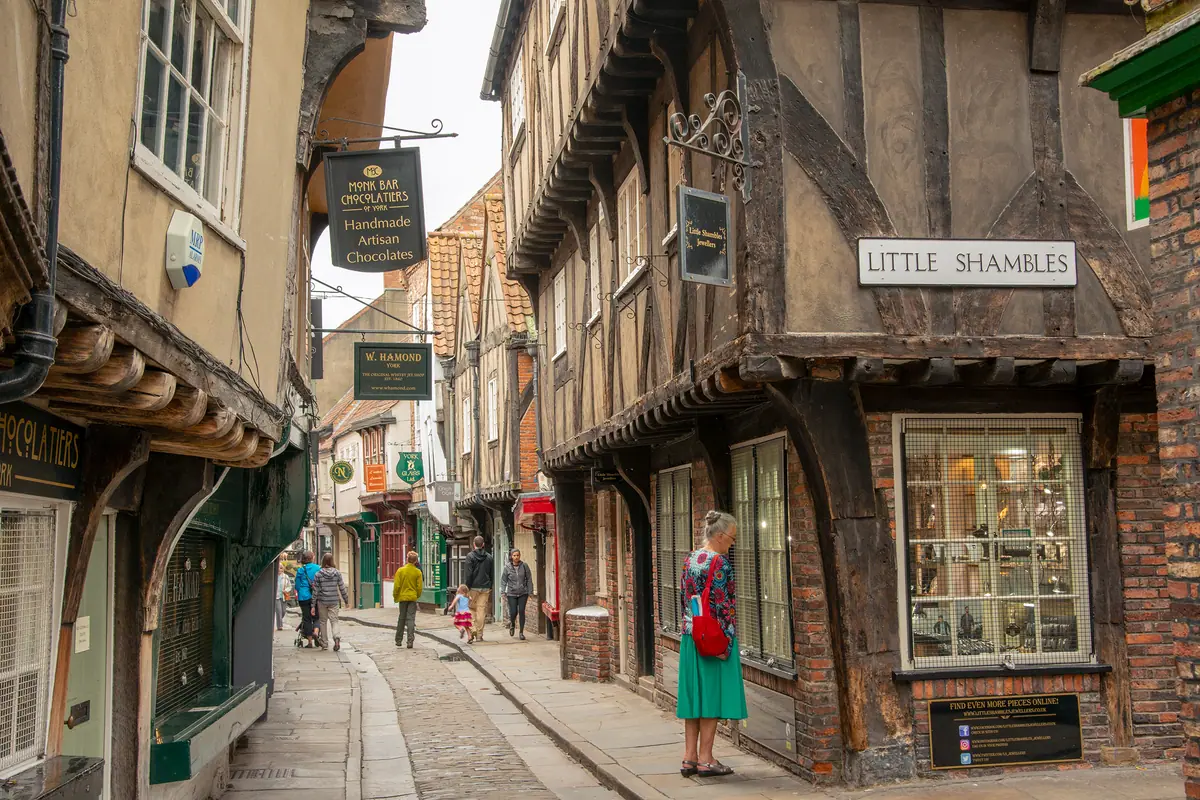
Pub culture carries the calendar. Sunday roast lunches, midweek quiz nights, darts boards in the corner and televised football all anchor the week. In Scotland, whisky bars and ceilidh dances keep evenings lively; in Belfast and Derry, traditional music sessions fill small back rooms; in York, the medieval Shambles leads to old inns that have been pouring ale for centuries. Whatever the town, the pub is where you overhear the local accent at full strength.
Etiquette is gentle. Tipping at the bar is not expected — the traditional gesture is to offer to buy the bartender a drink. Never smoke indoors, dogs are often welcome, and children are usually allowed until early evening in family-friendly pubs. Drink-driving limits are strict, with Scotland's even tighter than England's, so walk, take a bus or choose a designated driver.
Scotland, Wales and Northern Ireland in One Trip
Scotland rewards slow travel. Edinburgh Castle dominates the skyline above the Royal Mile, and Arthur's Seat — an extinct volcano in the middle of the city — takes roughly an hour to climb for a view over the Firth of Forth. August brings the Fringe festival, when the Old Town becomes a stage, while the rest of the year the Highlands, Loch Ness and the Isle of Skye offer lochs, glens and summer daylight that lingers until nearly midnight in June.
Wales is compact and dramatic. Cardiff Castle sits in the middle of the capital, Snowdonia — Eryri in Welsh — offers everything from gentle valley walks to the summit of Yr Wyddfa, and the Pembrokeshire Coast Path strings together cliffs and coves. Edward I's ring of castles at Conwy, Caernarfon and Harlech are among the finest medieval fortresses in Europe. Welsh cakes, bara brith and laverbread are worth seeking out in local bakeries.
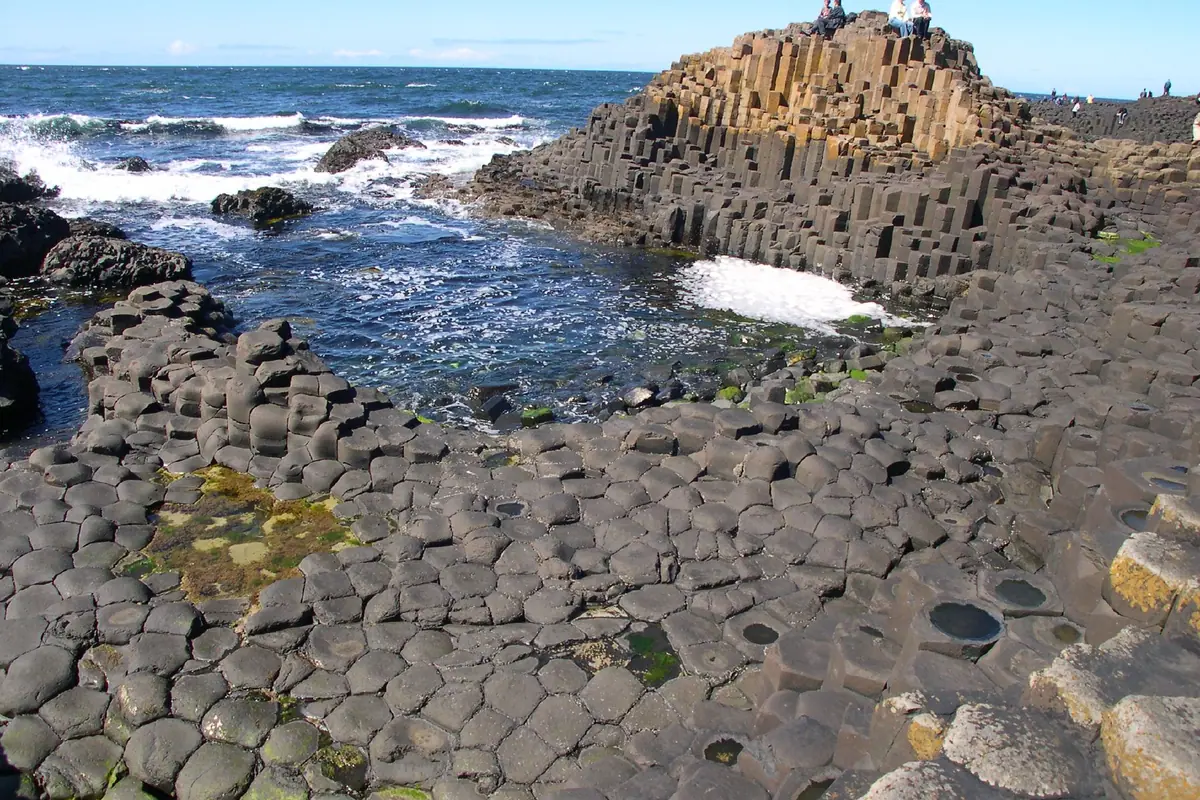
Northern Ireland fits neatly onto a road trip along the Causeway Coastal Route, where the basalt columns of the Giant's Causeway meet the sea and rope bridges and ruined castles dot the cliffs. Belfast's Titanic Quarter and the walled city of Derry reward a full day each. Ferries link Scotland and Wales to Ireland, and there are no border checks between the four nations — though currency and phone networks occasionally shift in ways worth noticing.
Ancient Stones, Cathedral Cities and Wild Landscapes
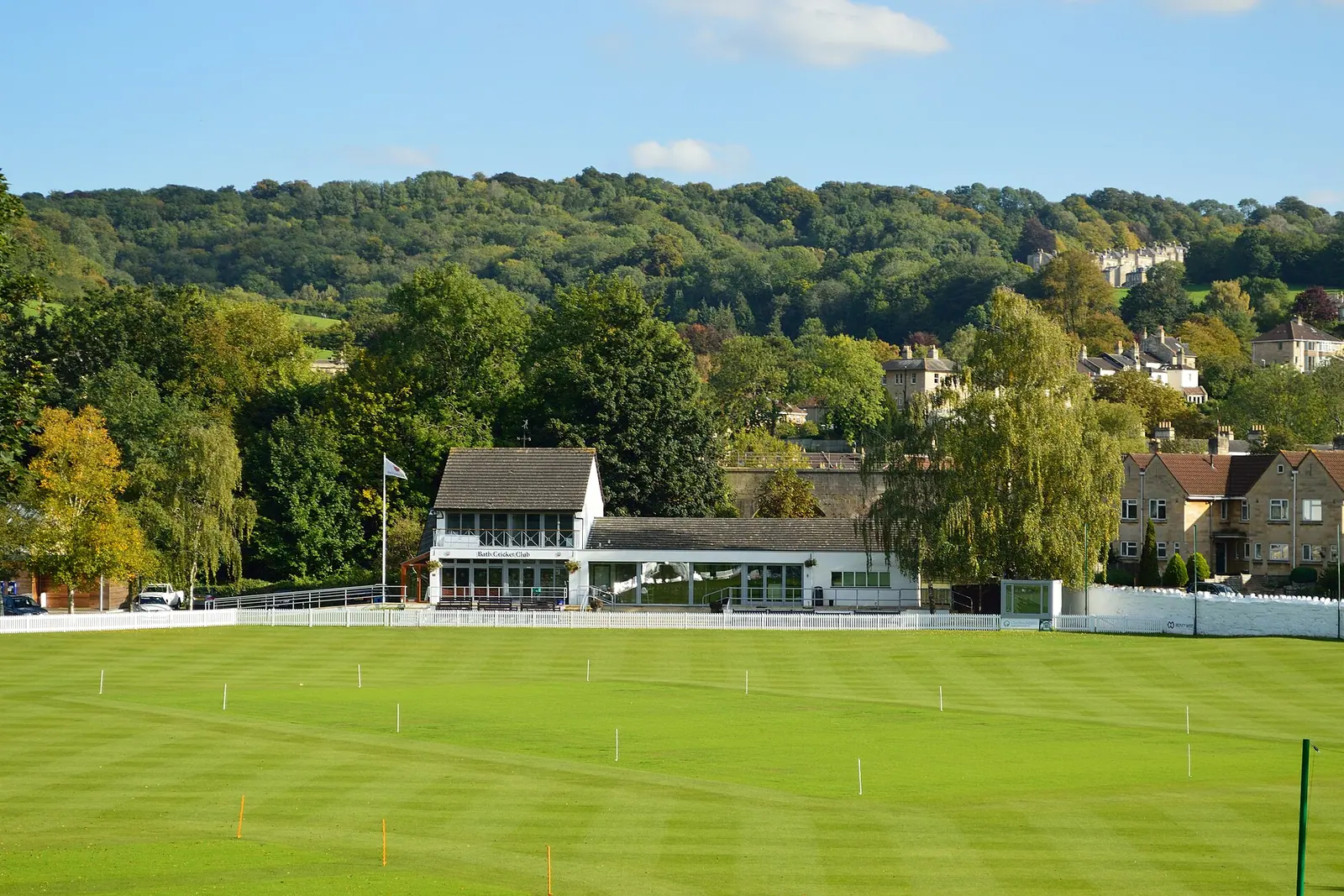
Few sights land quite like Stonehenge, the prehistoric circle standing alone on Salisbury Plain; timed entry slots keep the crowds manageable, and summer solstice sunrise draws a crowd all night long. Nearby Avebury is bigger, quieter and free to wander. An hour west, Bath pairs the remarkably preserved Roman Baths with honey-coloured Georgian streets, the Royal Crescent and Pulteney Bridge — an easy, elegant day.
History stacks up across the north and east. Hadrian's Wall runs for miles through Northumberland moorland, York Minster rises above the Shambles and its snickelways, and Canterbury Cathedral anchors a compact medieval city. University towns like Oxford and Cambridge offer college courtyards, punting on the river and centuries-old pubs. All of these suit a half-day to a full day each.
For landscape, the Lake District delivers fell walks, Windermere's shoreline and the climb up Scafell Pike. The Cotswolds supply stone villages and country footpaths, the Jurassic Coast adds fossil beaches, and the Scottish lochs and glens are a world of their own. Bring waterproofs and grippy shoes whatever the forecast, and note that midges in the Highlands are fiercest on still, damp evenings in midsummer.
When to Go, How Long and How to Get Around
Late May, June and September are the sweet spots: long daylight, manageable crowds and reasonable weather. July and August are warmest but busiest, with school holidays, festival season and the Notting Hill Carnival filling the cities. Autumn brings colour to the national parks, while winter means dark afternoons, Christmas markets and cosy pub afternoons — daylight can fade by four o'clock. Spring delivers bluebells, blossom and lower prices.
As a rule, allow three days for London, a week to ten days for England, and four to five days to do Scotland any justice. Wales suits three days, Northern Ireland two or three. The rail network is excellent between major cities and cheaper if you book ahead, but rural buses are sparse and infrequent. Driving means coping with left-hand traffic, narrow country lanes and expensive city parking.
Practicalities matter less than you would think. The currency is the pound sterling, cards are accepted almost everywhere, and plugs are the three-pin type. Pack layers and a waterproof rather than an umbrella. Restaurant bills usually come with a discretionary service charge of around ten to twelve percent. Book major attractions in advance, keep an eye on bank holiday weekends, and remember that the national museums in London cost nothing to enter.
Frequently asked questions
How many days do you need to tour the United Kingdom?
Allow a week to ten days for England alone, adding three days in London if it is your first visit. Scotland deserves four to five days, Wales about three, and Northern Ireland two to three if you focus on Belfast, the Causeway Coast and Derry. A fortnight covering all four nations is possible but fast; three weeks feels far more comfortable.
What is the best time of year to visit the UK?
Late May, June and September offer the best balance of daylight, weather and crowd levels. July and August are warmest but peak season, with higher prices and busy attractions. Winter is quiet and atmospheric, with Christmas markets and cosy pubs, though it gets dark by late afternoon. Spring brings blossom, bluebells and cheaper accommodation.
Do you tip in the United Kingdom?
Restaurants often add a discretionary service charge of around ten to twelve percent, and if it is not included, leaving a similar amount in cash or on the card is normal. Tipping is not expected at pub bars — offering to buy the bartender a drink is the traditional alternative. Taxi drivers usually appreciate rounding up the fare.
Is it easy to travel between England, Scotland, Wales and Northern Ireland?
Yes. Frequent trains connect London with Edinburgh, Glasgow, Cardiff and other major cities, and there are no border checks between the four nations. Northern Ireland is reached by ferry from Scotland or England, or by a short flight. Rural areas are less well served, so check bus and rail timetables before planning a remote itinerary.
Which British foods should a first-time visitor try?
Start with a full cooked breakfast, then work through a Sunday roast with Yorkshire pudding, fish and chips by the coast, a Cornish pasty, afternoon tea with scones and clotted cream, Scottish haggis with neeps and tatties, Welsh cakes and an Ulster fry. Seek out regional curry houses in Birmingham, Bradford and Manchester for a staple of modern British eating.
Plan it — tours in United Kingdom
Live search, booked directly with trusted providers.
Sort the rest of your trip
Everything for United Kingdom, in one place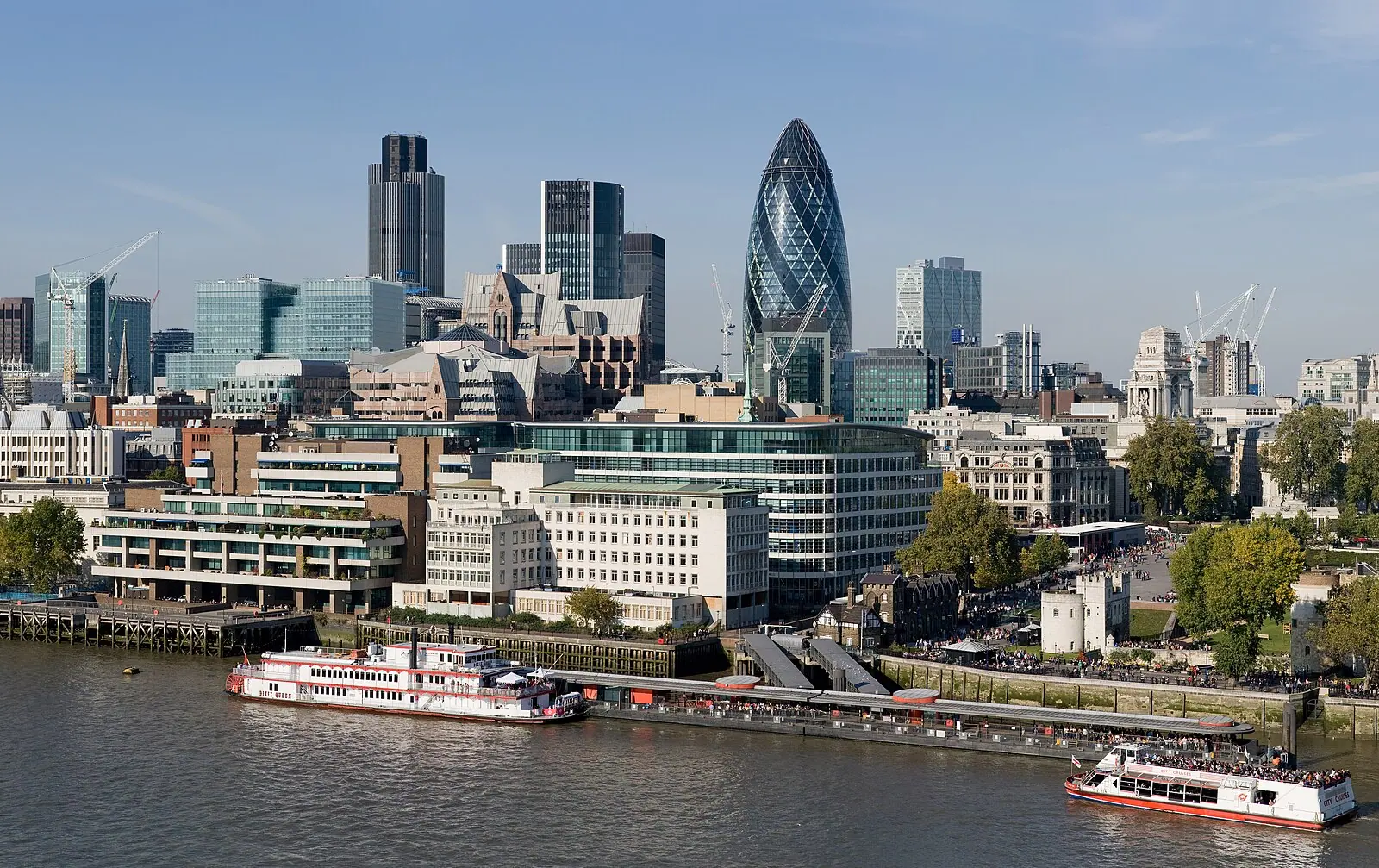
Stay in United Kingdom
Hotels, guesthouses and apartments — compared in one search.
Search hotels
Transfer in United Kingdom
Private driver waiting on arrival — no queues, no surprises.
Book a transfer
Stay online in United Kingdom
Travel eSIM — data the moment you land, no roaming bills.
Get an eSIMMore guides in United Kingdom
Where to Stay in the United Kingdom: Top Cities, Hotels and Must-See Sights
The Best Time to Visit the United Kingdom: A Season-by-Season Hotel Guide
One Week in the UK by Plane: A 7-Day Itinerary Through England, Scotland, Northern Ireland and Wales
Best Places to Visit in the United Kingdom: Where to Go and What to Do
Where to Stay in Bath on a Budget: Cheap Hotels, Guesthouses and Hostel Alternatives