Few countries change character as dramatically from month to month as the United Kingdom: cherry blossom on a Bath terrace in April, near-midnight daylight over Edinburgh Castle in June, and a roaring pub fire in the Cotswolds by November. Choosing when to go decides not only what you'll see but how much you'll pay — and how far ahead you'll need to reserve your room.
How the British Year Sets Your Hotel Calendar
In the UK, hotel demand is ruled less by the thermometer than by the school term. Prices and availability swing around three big holiday blocks: the Easter break, the late-May half-term week, and the long summer holiday that runs roughly from mid-July to the first week of September. Add public bank holidays — New Year's Day, Good Friday and Easter Monday, the early-May and late-May Mondays, the August Monday (the first Monday in August, with a separate date in Scotland), Christmas and Boxing Day — and you have the days when seaside towns and country inns across Cornwall, the Lake District and the Cotswolds fill up months in advance.
The result is a reliably useful pattern: the shoulder windows of late April to early June and September to mid-October often deliver the sweet spot of mild weather, open attractions and rates that drop noticeably below peak. Day length matters too. In midwinter, London dims by about 4pm and northern Scotland even earlier, which pushes visitors indoors to museums, galleries and theatres. In a Scottish midsummer, by contrast, it can still be light close to 10pm in Edinburgh and Inverness — wonderful for late walks, but worth remembering if you're booking a room with thin curtains.
Spring (March to May): Blossom, Longer Days and Softer Rates
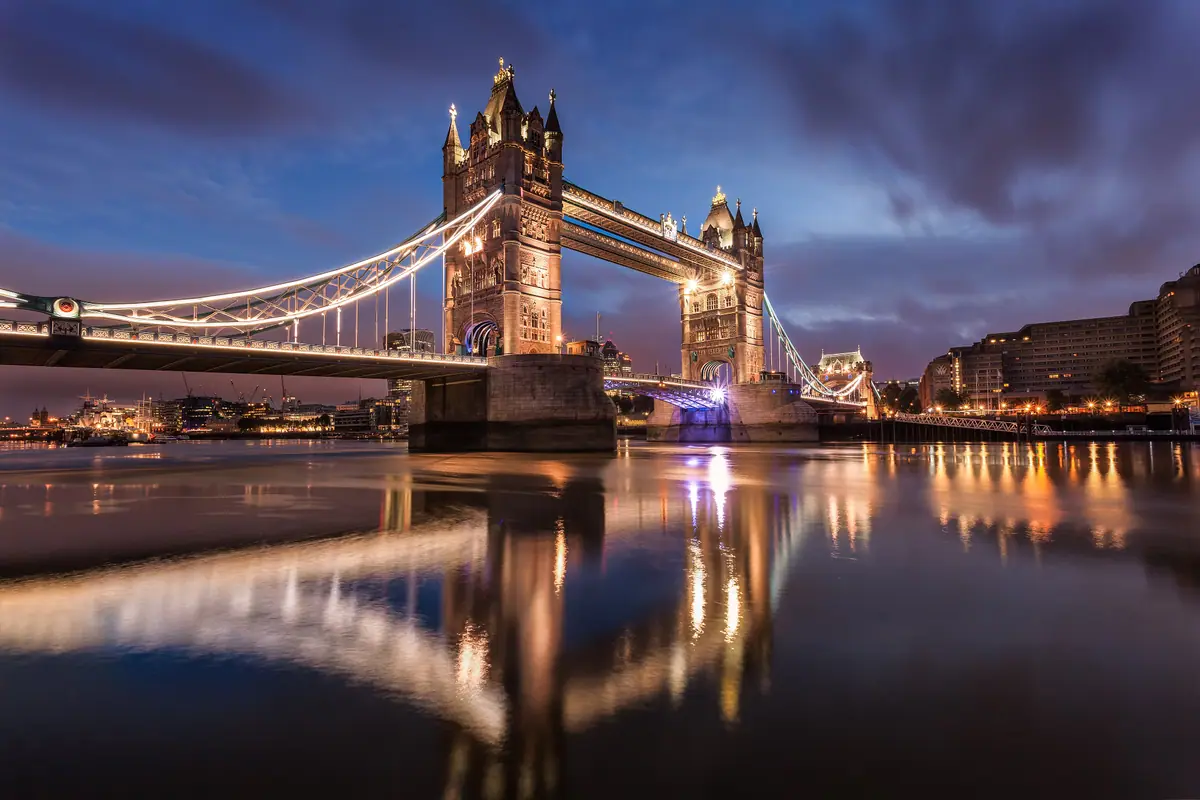
Spring arrives unevenly. The southwest and southeast warm first, so Bath, Oxford and Cambridge feel pleasant from late March, while the Scottish Highlands can still hold snow into April. This is the season to build a trip around gardens and historic towns: blossom in the Royal Botanic Gardens at Kew, daffodils along the Lake District's shores, and quieter streets in York before the summer coaches arrive. Punting on the River Cam at Cambridge is at its best on a dry May afternoon, and the Roman Baths in Bath are far more enjoyable without a July queue shuffling behind you.
Late May brings the first serious price spike of the year, driven by half-term family travel. If you want a Cotswolds village inn or a room overlooking the harbour in St Ives, book two to three months out. Earlier in the season, flexibility pays: midweek stays in cities such as Manchester, Bristol and Newcastle are often markedly cheaper than Friday and Saturday nights, and many country hotels offer lower midweek rates in March and early April before the Easter rush.
Wales rewards an early visit too. Snowdonia's mountain paths are quiet in April and May, and the coastal path around Anglesey is at its freshest. Expect rain at any time — a waterproof jacket and a willingness to change plans are more useful than any forecast.
Summer (June to August): Peak Season, Festivals and the Case for Booking Early
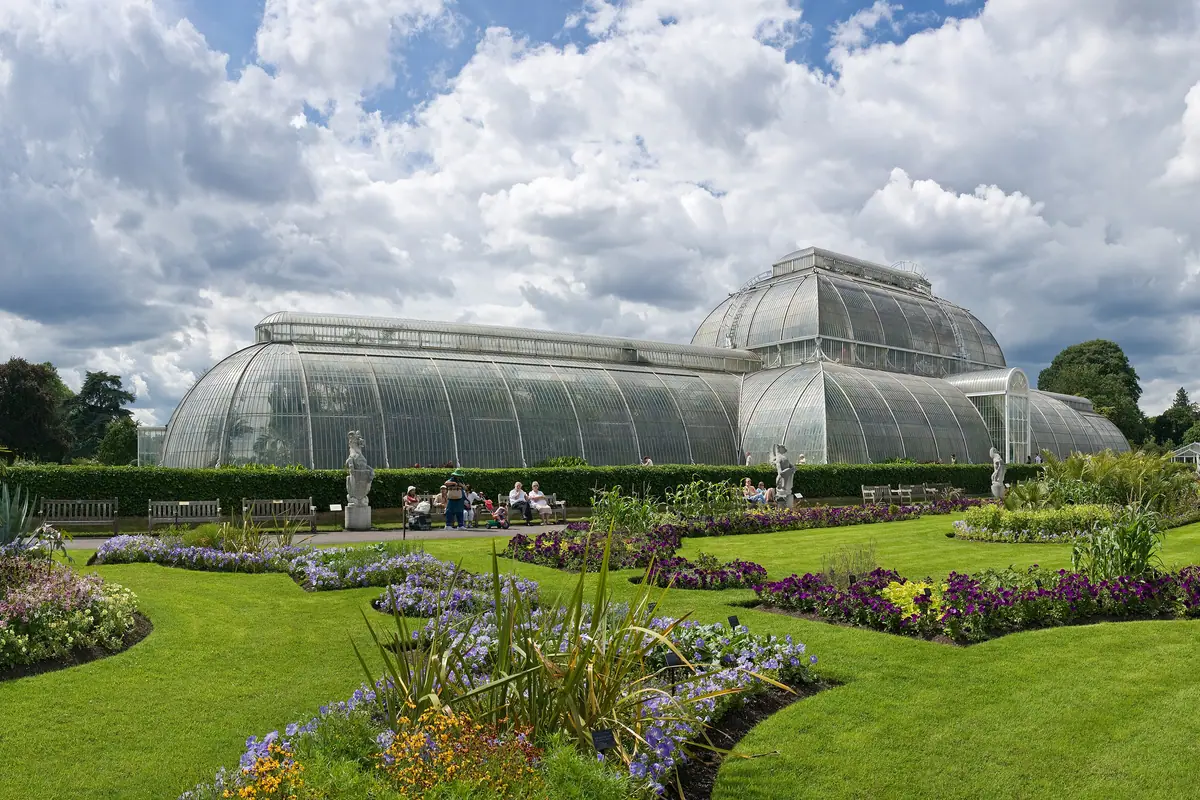
Summer is the UK's busiest and most expensive season, and nowhere more so than Edinburgh in August, when the Festival Fringe transforms the city. Every spare room from the Royal Mile to Leith is taken, and rates for even modest guesthouses can double or triple. If Edinburgh Castle, Arthur's Seat and the National Museum of Scotland are on your list, reserve accommodation six to twelve months ahead, or shift your stay to late June or early September for the same sights with far more breathing space.
In London, summer opens the doors that stay shut the rest of the year: the State Rooms at Buckingham Palace typically admit visitors from late July into September, while the Tower of London, Westminster Abbey and the South Bank are all best tackled early in the morning before the crowds thicken. Late June and early July also bring the tennis championships at Wimbledon, which pushes hotel prices across the capital upward.
Beyond the cities, this is coastal and national park season. Cornwall, Pembrokeshire, the Norfolk Broads and the Lake District all hit capacity, and popular campsites and seafront hotels sell out weeks in advance. Stonehenge draws crowds around the summer solstice, when access to the stones is unusually open, and the Scottish islands enjoy their warmest, brightest weeks. Book transport and beds together, because ferries and rural buses fill just as fast as rooms.
Autumn (September to November): Golden Light, Fewer Crowds and City Culture
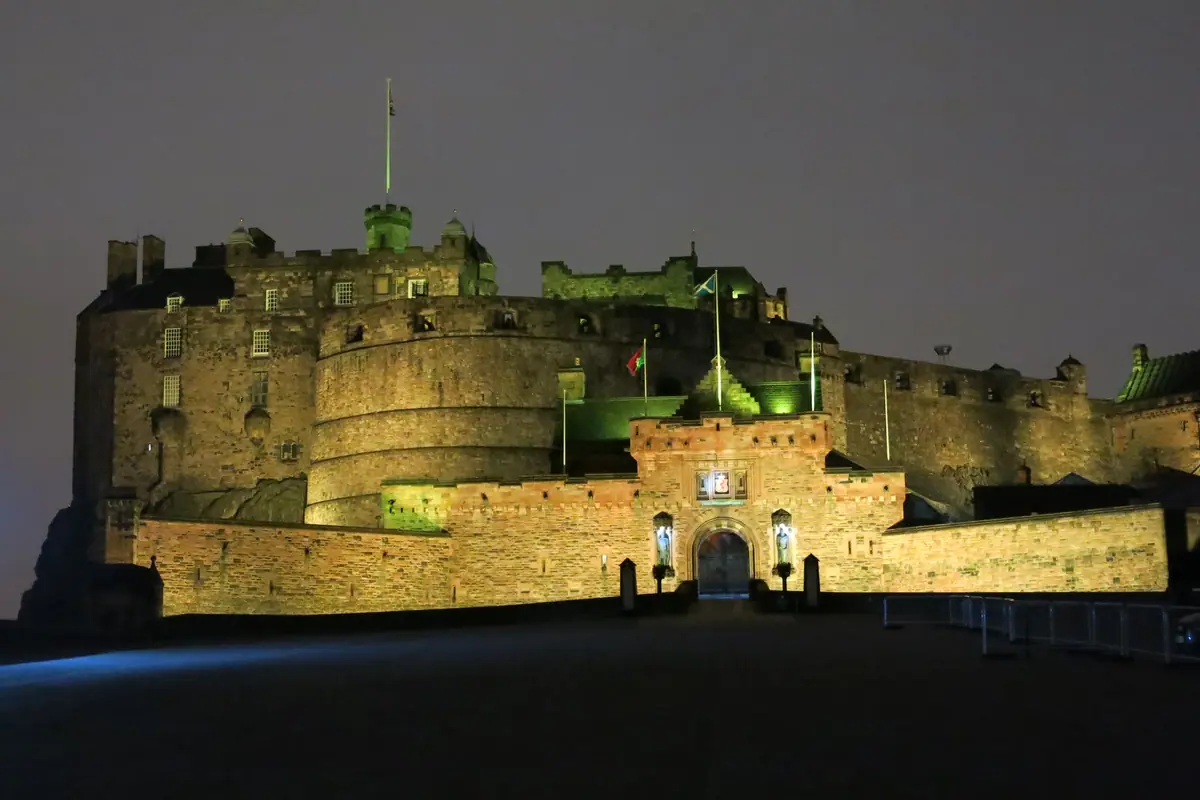
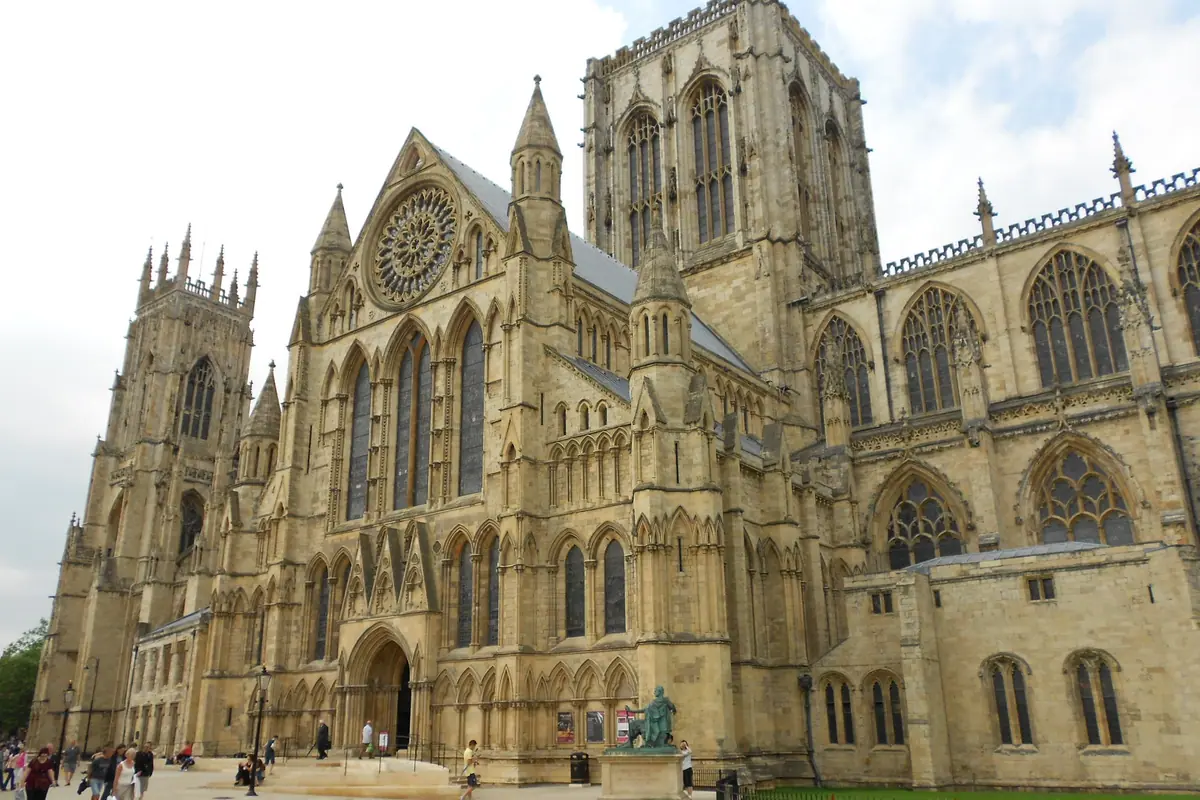
September and early October are arguably the finest weeks of the British year. The light turns golden, the heather is out on the moors, and the summer crowds have thinned without the attractions closing. York Minster, Durham Cathedral and the walled city of Chester are all pleasanter to explore now, and the Peak District and the Yorkshire Dales offer crisp walking weather with far quieter trails. In Scotland, Loch Ness and the Cairngorms take on a moody beauty that suits a slow stay in a country house hotel.
Mid-October brings a second half-term surge, particularly in family-friendly destinations like Center Parcs-style lodges, Cornwall and the Cotswolds. The last week of October and the first two of November are among the quietest and cheapest of the whole year outside the big cities — a fine time for a spa weekend in the Chilterns or a food-focused break in Ludlow or Padstow. Bonfire Night on 5 November adds a festive spark to towns across the country, with fireworks lighting up places as varied as Bristol's harbourside and the hills above Belfast.
One caution: rural pubs and seasonal hotels in coastal areas sometimes close from November until spring. Check opening dates before committing to a remote stay.
Winter (December to February): Christmas Lights, Cosy Inns and the Lowest Rates
From late November, Britain leans into Christmas. London's Oxford Street and Regent Street glow with lights, the South Bank hosts a riverside market, and Hyde Park's Winter Wonderland draws vast crowds. Bath, York, Winchester and Edinburgh all stage traditional markets, and Edinburgh's Hogmanay celebration is one of Europe's biggest street parties. Prices peak sharply between roughly 20 December and 2 January, and many city hotels impose minimum-night stays over the holiday — so book by early autumn if a festive break is the plan.
Once the decorations come down, the bargain window opens. January and February are the cheapest months for UK hotels almost everywhere except ski-focused corners of the Cairngorms, and short breaks in London, Manchester, Glasgow and Cardiff become genuinely affordable. Culture is the draw: the British Museum, Tate Modern, the National Gallery and the Natural History Museum are all free to enter and blissfully uncrowded on a wet Tuesday. Burns Night on 25 January brings ceilidhs and suppers across Scotland, and the Giant's Causeway in County Antrim is dramatic in winter squalls — just time your visit to daylight, which fades by mid-afternoon.
Pack layers, waterproof boots and an umbrella you don't mind losing. Snow is unpredictable but rarely heavy in the south; the Scottish Highlands and Snowdonia see the most reliable falls.
Matching the Season to the Right Kind of Stay
The UK rewards a mixed itinerary, and the best time to visit depends on which Britain you want. Cities — London, Edinburgh, Glasgow, Manchester, Liverpool, Cardiff and Belfast — work year-round, with winter offering the sharpest hotel rates and summer the liveliest street life. Countryside hotels and gastropubs in the Cotswolds, the Lake District and the Yorkshire Dales shine from May to September, when gardens are open and walking trails are dry. Coastal stays in Cornwall, Devon, Pembrokeshire and Northumberland have a narrow window of roughly May to early October, with August the priciest and June often the most reliable.
Booking strategy matters as much as timing. Reserve six months ahead for August in Edinburgh, Christmas in London, or any bank-holiday weekend. Three to four months is comfortable for a July coastal trip or a spring city break. For spontaneous travel, January, February, November and early December are the safest bets, and Sunday nights are consistently the cheapest across the country because business travellers have gone home.
Finally, remember the small print: many historic properties lack air conditioning, so a heatwave week in July can be stuffy, while older buildings can be draughty in January — a detail worth checking before you book a charming 17th-century inn.
Frequently asked questions
What is the cheapest time of year to book a UK hotel?
January and February are the cheapest months almost everywhere except Highland ski areas, followed by November and the first half of December. Midweek nights in these windows, especially Sundays, offer the deepest discounts in cities such as London, Manchester and Glasgow.
When is the best time to visit London for decent weather and smaller crowds?
Late April to mid-June and September to mid-October give the best balance: mild temperatures, long daylight, and noticeably thinner queues at the Tower of London, Westminster Abbey and Buckingham Palace. Avoid the late-May half-term week and the Wimbledon fortnight in late June and early July if you want lower room rates.
How far ahead should I book accommodation for the Edinburgh Festival Fringe?
Six to twelve months ahead for August. Festival Fringe dates fill every hotel, guesthouse and hostel from the Royal Mile to Leith, and prices can double or triple. Staying in late June or early September instead lets you see Edinburgh Castle and Arthur's Seat with far less competition.
Is the UK worth visiting in winter?
Yes, if you plan around short days. Christmas markets in Bath, York and Edinburgh, London's illuminated streets and free national museums make December magical, while January and February bring the year's lowest hotel rates. Daylight fades by around 4pm in the south and earlier in Scotland, so front-load outdoor sights like the Giant's Causeway into the morning.
Does the weather vary much between England, Scotland, Wales and Northern Ireland?
Considerably. Southeast England is the driest and warmest, while western Scotland, Snowdonia and the Antrim coast are wetter and windier year-round. Summer temperatures are rarely extreme anywhere, so layers, a waterproof jacket and flexible plans matter more than the forecast.
Plan it — hotels in United Kingdom
Live search, booked directly with trusted providers.
Sort the rest of your trip
Everything for United Kingdom, in one place
Transfer in United Kingdom
Private driver waiting on arrival — no queues, no surprises.
Book a transfer
Things to do in United Kingdom
Skip-the-line tickets, guided tours and standout experiences.
See experiences
Stay online in United Kingdom
Travel eSIM — data the moment you land, no roaming bills.
Get an eSIMMore guides in United Kingdom
Where to Stay in the United Kingdom: Top Cities, Hotels and Must-See Sights
One Week in the UK by Plane: A 7-Day Itinerary Through England, Scotland, Northern Ireland and Wales
Tours in the United Kingdom: Food, Culture and Local Experiences Guide
Best Places to Visit in the United Kingdom: Where to Go and What to Do
Where to Stay in Bath on a Budget: Cheap Hotels, Guesthouses and Hostel Alternatives