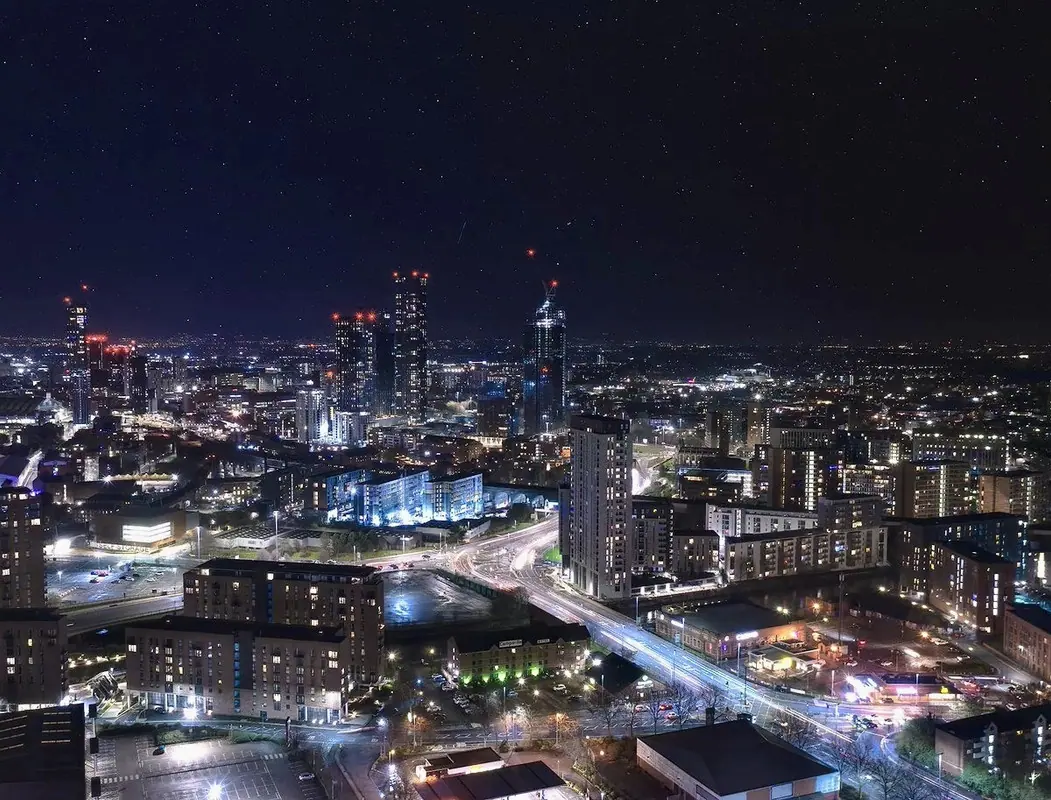
Four nations, three short flights and one week — the United Kingdom fits together surprisingly well from the air, where a 90-minute hop replaces a seven-hour drive. This itinerary uses domestic flights as the spine of the trip, then slows right down on the ground to walk castle walls, basalt coastlines and Georgian streets.
Days 1–2: London — The Essential First Act
Land at Heathrow or Gatwick and resist the urge to sleep. Drop your bags and walk the South Bank from Westminster Bridge, where Big Ben and the Houses of Parliament rise across the Thames and Westminster Abbey squats behind them in honey-coloured stone. Cross to Trafalgar Square, duck into the National Gallery for an hour of free art, then drift through Covent Garden as the street performers pack up. An early dinner and an early night will buy you two full days later in the week.
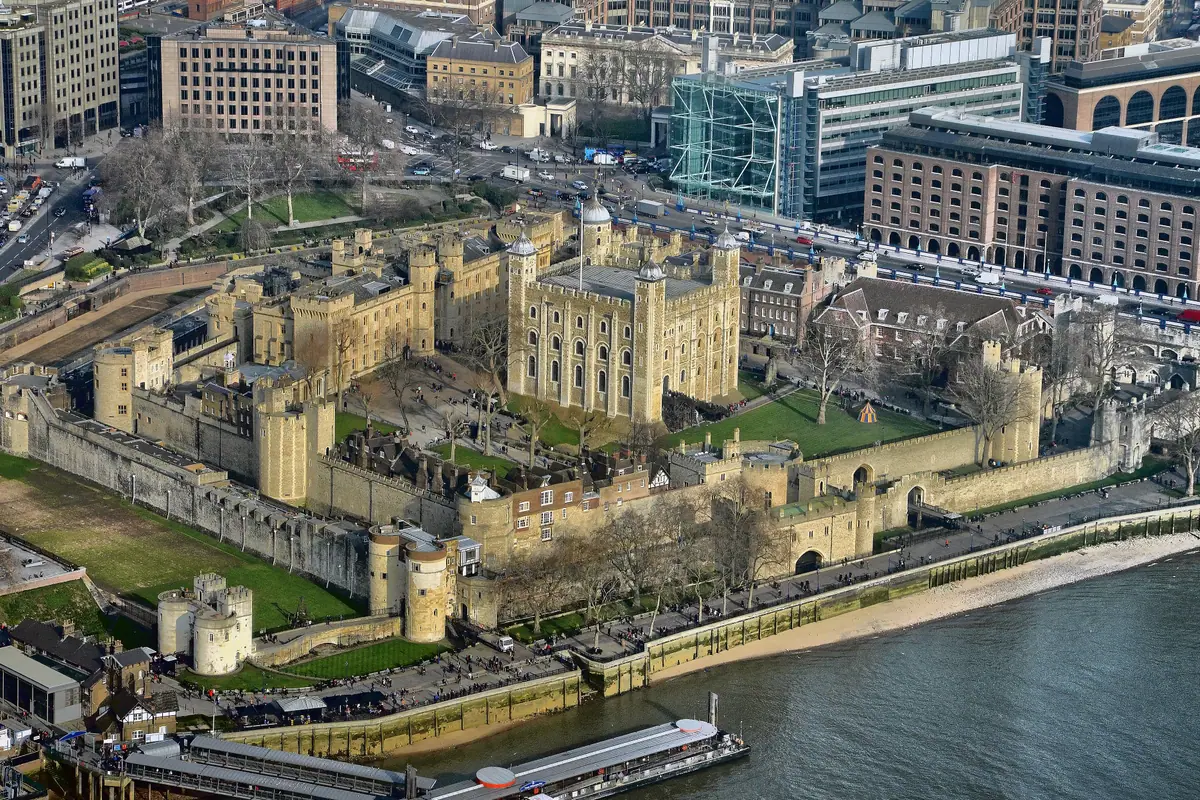
Give day two to the Tower of London, arriving at opening time to see the Crown Jewels before the queues thicken — allow three hours for the ravens, the medieval White Tower and the bloody history along Tower Green. Walk five minutes to Tower Bridge, then ride the Tube to the British Museum in Bloomsbury, where the Rosetta Stone and the Egyptian galleries justify another two or three hours. If your visit falls on a scheduled morning, the Changing of the Guard at Buckingham Palace (usually around 11am) pairs neatly with a wander through St James's Park.
London rewards walking, but the Underground and red buses are what make a two-day visit possible; buy a contactless travel card and treat the Tube map as your timetable. Base yourself near a Zone 1 interchange such as King's Cross, Waterloo or Paddington — the last of these also serves the Heathrow express trains and the westward rail lines you may want later in the week.
Day 3: A Short Hop North to Edinburgh
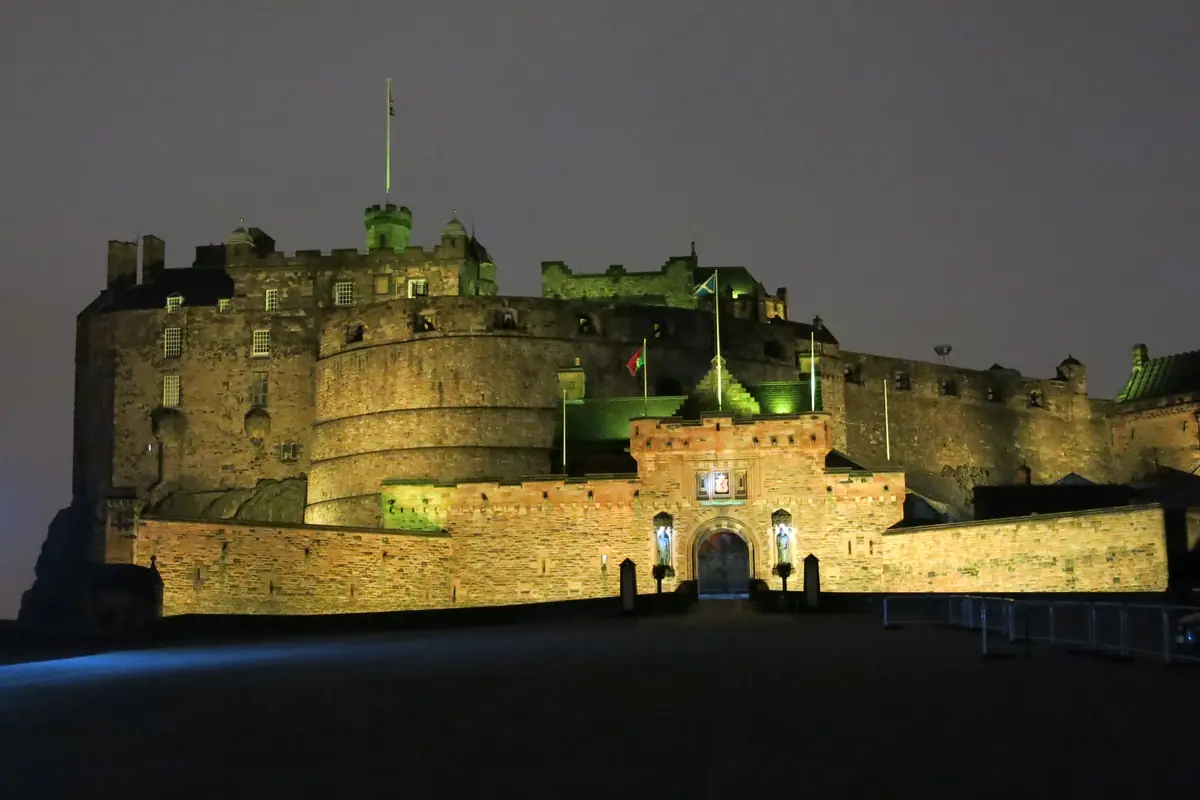
A morning flight from London to Edinburgh takes roughly an hour and twenty minutes — barely enough time to finish a coffee before the Firth of Forth slides beneath the wing. From Edinburgh Airport, the tram or the Airlink bus drops you in the city centre in about half an hour. Check in, then start climbing: Edinburgh Castle sits on its volcanic crag at the top of the Royal Mile, and two to three hours inside covers St Margaret's Chapel, the Great Hall and Mons Meg, with views across the entire city from the ramparts.
Work your way downhill along the Royal Mile past St Giles' Cathedral and the closes and wynds that thread off it, ending at the Palace of Holyroodhouse and the Scottish Parliament. If you have energy left, the free National Museum of Scotland on Chambers Street is one of the best in Britain, with Dolly the sheep and an airy rooftop terrace. Finish in the Grassmarket or Stockbridge, where old stone pubs serve ale and live fiddle music.
Sunrise seekers should set an alarm for day four and hike Arthur's Seat, the extinct volcano in Holyrood Park — 45 minutes to the summit, an hour and a half round trip, and the best free view in Scotland. Then it's back to the airport for the shortest flight of the trip.
Pack a light waterproof regardless of the forecast; Edinburgh's weather changes its mind several times a day.
Day 4: Across the Water to Belfast and the Causeway Coast
The flight from Edinburgh to Belfast City takes under an hour, and you can be standing in the Titanic Quarter by late morning. Titanic Belfast, the shimmering aluminium museum built on the slipway where the ship was designed and launched, needs two to three hours and earns every minute. Beside it, the restored tender SS Nomadic and the vast yellow cranes of the shipyard give the neighbourhood its unmistakable silhouette.
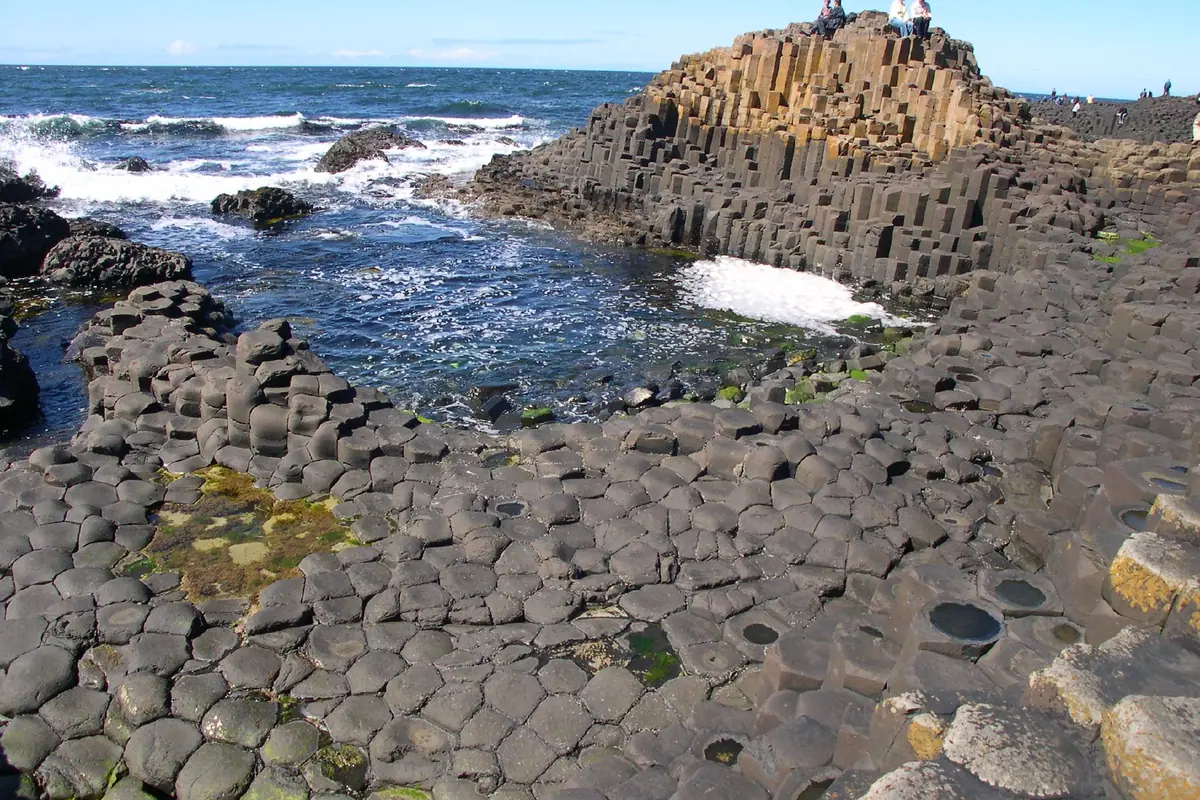
Spend the afternoon on the Antrim coast, either by rental car or a guided day tour. The Giant's Causeway, about 90 minutes from the city, is the star: 40,000 interlocking basalt columns stepping into a grey-green sea, wrapped in legends about a giant named Finn McCool. Nearby you can cross the Carrick-a-Rede rope bridge above a 30-metre drop or walk the beech avenue of the Dark Hedges. Allow four to five hours for the round trip.
Back in Belfast, the Cathedral Quarter's Victorian pubs and the sandstone bulk of Belfast City Hall make for a fine evening. Northern Ireland uses pounds sterling, so change any euro left over from elsewhere before you arrive.
Day 5: Cardiff and the Welsh Coast
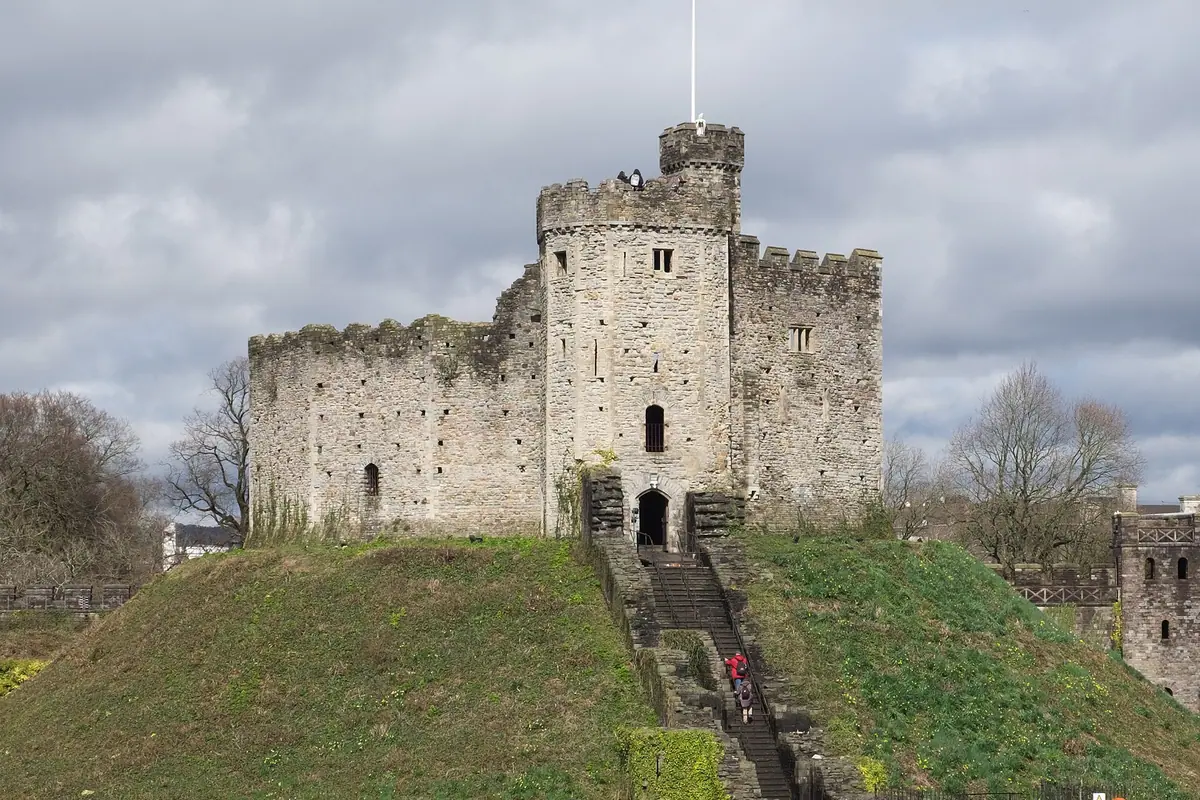
Belfast to Cardiff is another short hop, around an hour and fifteen minutes across the Irish Sea. Cardiff Castle sits in the middle of the city, a Norman keep wrapped in an outrageously opulent Victorian Gothic mansion — a two-hour visit that swings from dungeon to gilded banqueting hall. Fifteen minutes away, the National Museum Cardiff holds one of Europe's finest impressionist collections, and it's free.
Then head for Cardiff Bay, a regenerated waterfront of locks and promenades anchored by the Wales Millennium Centre, and walk out to the Norwegian Church where Roald Dahl was christened. If you have a car, the Brecon Beacons are less than an hour north; the four-hour circular walk up Pen y Fan rewards with sweeping ridgelines and, on clear days, views to the Bristol Channel. Caerphilly Castle, with its leaning tower and moat, is a satisfying half-day alternative closer to the city.
Book your Cardiff accommodation early if you're travelling during a rugby international weekend — the whole city fills and prices jump. Otherwise, the centre is compact and walkable, with the castle, arcades and market all within twenty minutes of each other.
Days 6–7: Stonehenge, Bath and Windsor
Return to London for the final stretch — either a short flight into the capital or the two-hour rail run from Cardiff, which is often the smoother option. Use day six for Stonehenge, the Neolithic circle of sarsen and bluestone on Salisbury Plain, where the timed-entry shuttle from the visitor centre and a two-hour stop is about right; the stones are roped off, so the experience is about scale and sky rather than touching them.
Pair it with Bath, 50 minutes away, where the Roman Baths steam below street level beside the great abbey and the honey-stone sweep of the Royal Crescent. Two to three hours in Bath covers the baths and a wander; add an hour if you want the Jane Austen Centre or a soak in the modern thermal spa.
Keep day seven for Windsor Castle, the oldest occupied castle in the world and a 45-minute trip from central London. Allow three hours for St George's Chapel, the State Apartments and the Long Walk. Check opening days before you go — parts of the castle close when royal business intervenes — and leave a buffer for the return journey to Heathrow, which is only 20 minutes away.
Making the Flights Work: Practical Rhythms for a UK Week
Three domestic flights is the sweet spot for seven days: London to Edinburgh, Edinburgh to Belfast, Belfast to Cardiff. Each is under 90 minutes in the air, but budget two hours at the airport for bag drop and security, plus 30 to 60 minutes at each end for transfers. Book cabin-baggage-only fares where you can, since short-haul UK carriers enforce strict size and weight limits and liquids still need to be decanted into small bottles. Carry photo ID for every sector, even when no passport is legally required.
Timing matters more than most people expect. May, June and September give the best combination of long daylight, manageable crowds and reasonable weather; July and August are busiest and priciest, especially in Edinburgh, where the festival season sends hotel rates soaring. June in Scotland brings daylight until nearly 11pm, which is glorious for sightseeing and brutal for sleep unless you pack an eye mask. Winter is cheap and atmospheric but dark by 4pm, which shrinks every outdoor plan.
Pack for four climates in one bag: layers, a waterproof shell, comfortable broken-in walking shoes and one smarter outfit for a West End show or a Belfast pub dinner. Build in a spare half-day somewhere — UK weather, rail signals and airport queues all have a habit of rearranging even the best-planned week.
Frequently asked questions
How many flights do I need for a one-week UK itinerary?
Three internal flights works well: London to Edinburgh, Edinburgh to Belfast, and Belfast to Cardiff, before returning to London. Each hop is under 90 minutes, which frees up the bulk of each day for sightseeing rather than transit.
Is it better to fly or take the train between UK cities?
Flights win on the long north-south and cross-sea routes — London to Edinburgh, or anywhere to Belfast. Trains are better for shorter, city-centre-to-city-centre runs such as Cardiff to London or Bath to London, where there's no airport transfer and no baggage restriction. Mixing both is often the most efficient approach.
What is the best month to do a UK itinerary by plane?
Late May, June and September are ideal: long daylight hours, moderate crowds and the most reliable weather. July and August bring the warmest days but peak prices and heavy demand in Edinburgh. October to March is cheaper but daylight ends around 4pm in the north.
Do I need a passport for domestic flights within the UK?
Photo identification is required for every domestic flight, but it doesn't have to be a passport for British and Irish citizens. Most airlines accept a driving licence, a national ID card or a provisional licence. Always check your specific carrier's rules, since accepted documents vary.
Can I do this itinerary without renting a car?
Yes. Edinburgh, Belfast, Cardiff and central London are all easily navigated on public transport, and guided tours run from Belfast to the Giant's Causeway and from London to Stonehenge and Bath. A car only becomes genuinely useful around the Antrim coast and the Brecon Beacons, where buses are sparse.
Plan it — flights in United Kingdom
Live search, booked directly with trusted providers.
Sort the rest of your trip
Everything for United Kingdom, in one place
Stay in United Kingdom
Hotels, guesthouses and apartments — compared in one search.
Search hotels
Transfer in United Kingdom
Private driver waiting on arrival — no queues, no surprises.
Book a transfer
Travel insurance
Medical cover, delays and lost baggage — sorted before you go.
Get coveredMore guides in United Kingdom
Where to Stay in the United Kingdom: Top Cities, Hotels and Must-See Sights
The Best Time to Visit the United Kingdom: A Season-by-Season Hotel Guide
Tours in the United Kingdom: Food, Culture and Local Experiences Guide
Best Places to Visit in the United Kingdom: Where to Go and What to Do
Where to Stay in Bath on a Budget: Cheap Hotels, Guesthouses and Hostel Alternatives