Tanzania is the rare country where you can stand on the roof of Africa at dawn, watch half a million hooves churn across a river by afternoon, and be eating spiced fish on a Swahili coast terrace by nightfall. It is a country built on scale — the widest plains, the deepest crater, the tallest free-standing mountain — yet the moments that stay with you are small: a leopard's tail flicking in the fig shade, a dhow sail catching the wind off Stone Town.
The Serengeti and the Great Migration
The Serengeti National Park is the anchor of any Tanzanian journey, some 14,750 square kilometres of grassland, acacia woodland and granite kopjes rolling north to the Kenyan border. It is best known for the Great Migration, the endless loop of wildebeest and zebra that follows the rains across the ecosystem. Between roughly July and October the herds mass in the northern Serengeti near the Mara River, where the famous crossings happen — chaotic, dust-choked, and utterly unpredictable from one hour to the next. From December to March the animals drift south into the short-grass plains around Ndutu, and that is when the calving season fills the plains with wobbly newborns and the predators that shadow them.
Beyond the migration, the Serengeti rewards slow travel. The Seronera Valley in the centre holds resident lion prides and leopards draped along the Seronera River's sausage trees, while the Moru Kopjes to the west hide rock art and black rhinos. Book at least three nights inside the park rather than day-tripping from the boundary — the park gates are far apart, and the golden hours at dawn and dusk are when the plains are most alive.
A balloon flight at first light is the classic splurge, drifting over dew-soaked grass as hippos wallow below and the horizon turns amber. Otherwise, choose a camp in a quieter sector and let your guide read the day rather than chasing a checklist of species.
Ngorongoro Crater and the Northern Circuit Parks
Ngorongoro Crater is the single most reliable place in Tanzania to see the Big Five in one morning. The caldera is roughly 19 kilometres across and its rim sits around 2,200 metres above sea level, with a flat, walled floor where some 25,000 large animals live year-round. Descend the steep track at first light and you enter a world that feels almost enclosed: bull elephants with enormous tusks, black rhinos browsing in the Lerai Forest, hippo pools glinting near the Ngoitokitok Springs, and vast herds of wildebeest and zebra spread across the grass like static. Because the crater is a conservation area rather than a national park, access is by permit and time-limited, so most visitors spend a single half or full day below the rim.
The wider Northern Circuit deserves more time than most itineraries give it. Tarangire National Park, south of Arusha, is baobab country — elephant herds gather along the Tarangire River in the dry months from July to October — while Lake Manyara National Park packs groundwater forest, flamingo-lined shallows and tree-climbing lions into a narrow strip beneath the Rift Valley escarpment. Arusha National Park, close to the city, offers walking safaris and views of Mount Meru.
If you have room, add the Empakaai Crater hike or a night at Lake Natron, where lesser flamingos breed and Ol Doinyo Lengai, the Maasai's 'Mountain of God', rises black against the sky. These detours trade big-game density for emptiness, which is exactly the point.
Climbing Mount Kilimanjaro and Trekking Mount Meru
Mount Kilimanjaro, at 5,895 metres the highest point in Africa, is the continent's most attainable summit — no technical climbing skills required, but a serious test of altitude tolerance and willpower. There are several routes: Machame and Lemosho are the scenic favourites, winding through rainforest, moorland and alpine desert before the final push across scree to Uhuru Peak; Marangu is the oldest and offers hut accommodation; Rongai approaches from the drier north. Most operators run six to nine days, and longer itineraries have noticeably better summit success because they allow acclimatisation.
Altitude, not fitness, is what turns people back. Steady pacing, generous hydration, a rest day on the mountain and a reputable guide who carries oxygen and a pulse oximeter matter far more than gym hours at home. Nights are well below freezing near the summit, so layer properly: thermal base, fleece, down, shell, plus a hat, gloves and a headlamp for the 2 a.m. start.
If Kilimanjaro feels too much, Mount Meru in Arusha National Park is a superb three- to four-day alternative with a dramatic crater-rim sunrise and frequent wildlife on the lower slopes. Either way, budget a couple of recovery days afterwards — and consider spending them on Zanzibar rather than in transit.
Zanzibar, Pemba and the Swahili Coast
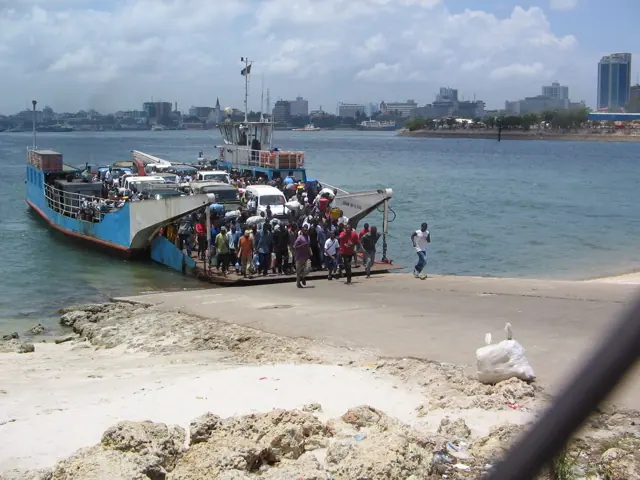
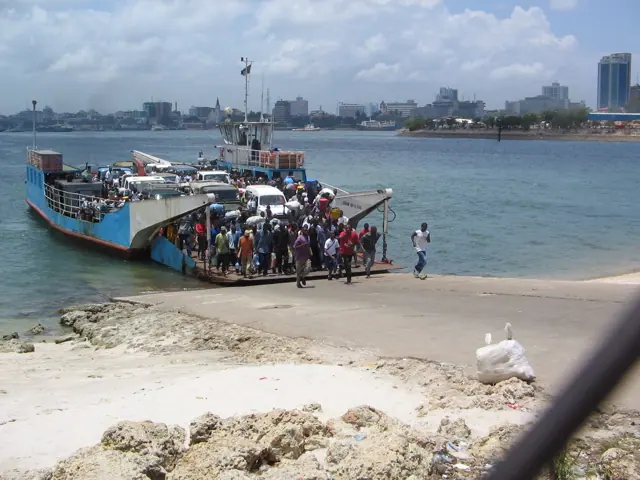
Zanzibar is where Tanzania's safari dust washes off. The main island pairs powder-white beaches at Nungwi, Kendwa and Paje with a UNESCO-listed old quarter in Stone Town, a maze of coral-rag houses, carved doors and spice-scented lanes that grew rich on the clove and ivory trade. Walk the waterfront at sunset where dhows tack across the harbour, tour the former slave market site and the Anglican cathedral built over it, and lose an hour in the Darajani Market's fruit and spice stalls.
Inland, the Jozani Forest protects endemic red colobus monkeys in mangrove and groundwater forest, and the spice farms around Kizimbani still grow cloves, vanilla, cinnamon and black pepper. Around the north coast, dive sites off Nungwi and Mnemba Atoll offer reefs and turtles, while the south's Paje and Jambiani combine kitesurfing with tidal flats that stretch to the horizon at low water.
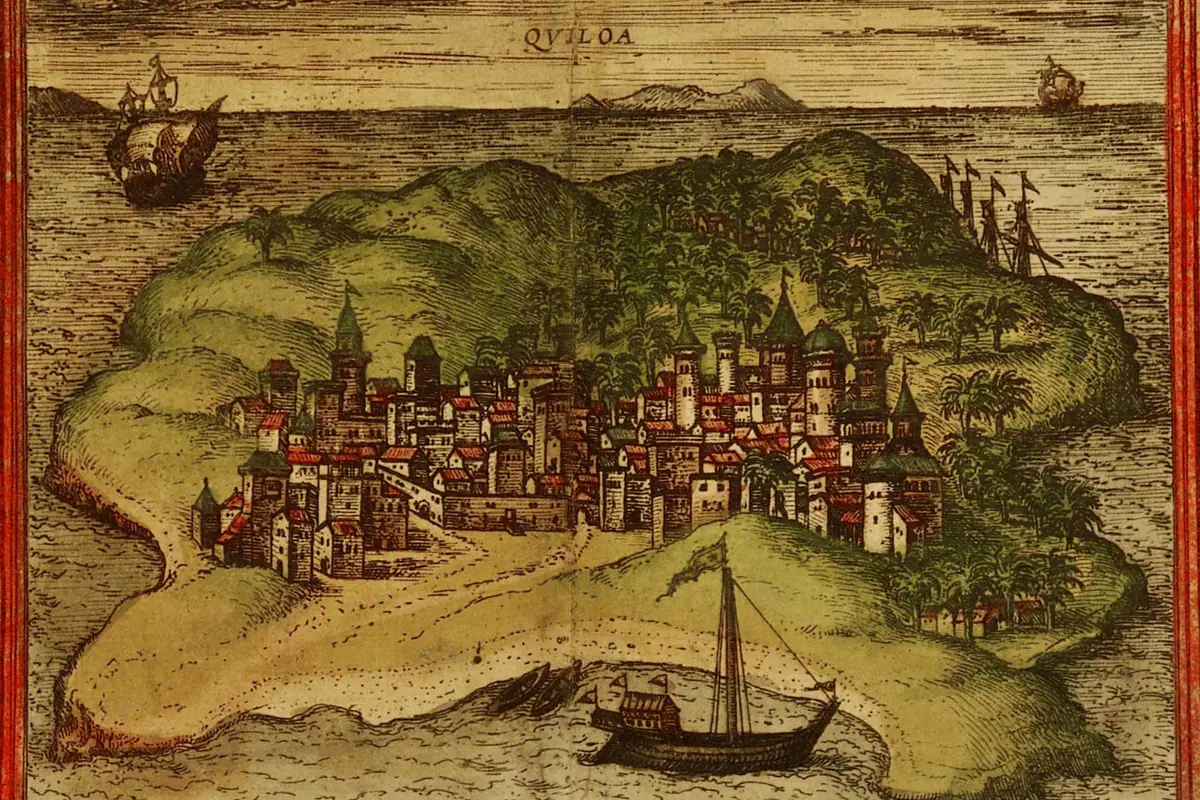
For a quieter coast, look to Pemba — hilly, green and barely developed — or to Mafia Island further south, where whale sharks cruise the plankton-rich channels between October and March. On the mainland, the old German-era town of Bagamoyo and the Swahili ruins of Kilwa Kisiwani, once a great Indian Ocean trading port, add history to the sand.
The Southern and Western Wildernesses
Most visitors never leave the north, which is precisely why the south feels like a private country. Ruaha National Park, Tanzania's largest, is a rugged landscape of red sand rivers, baobabs and rocky escarpments where elephant herds, kudu, roan antelope and healthy lion and wild dog populations thrive. The dry season from June to October concentrates wildlife along the Great Ruaha River, and visitor numbers are a fraction of the Serengeti's.
Further south, Nyerere National Park (the former Selous Game Reserve) is a vast, riverine wilderness best explored by boat as well as vehicle — sandbanks crowded with crocodiles and hippos, and elephant families crossing the Rufiji. It is one of the few Tanzanian parks where walking safaris and multi-day fly-camping are genuinely part of the experience.
On the far western edge, the Mahale Mountains and Gombe Stream national parks protect chimpanzees in forests above Lake Tanganyika, reached by light aircraft and explored on foot. Trekking here is intimate and physically demanding — steep, humid trails — but tracking habituated chimps through the canopy is one of Africa's great wildlife encounters. Combine either with a few days on Lake Tanganyika's clear, cichlid-filled shallows.
Cultural and Historic Landmarks Worth Planning Around
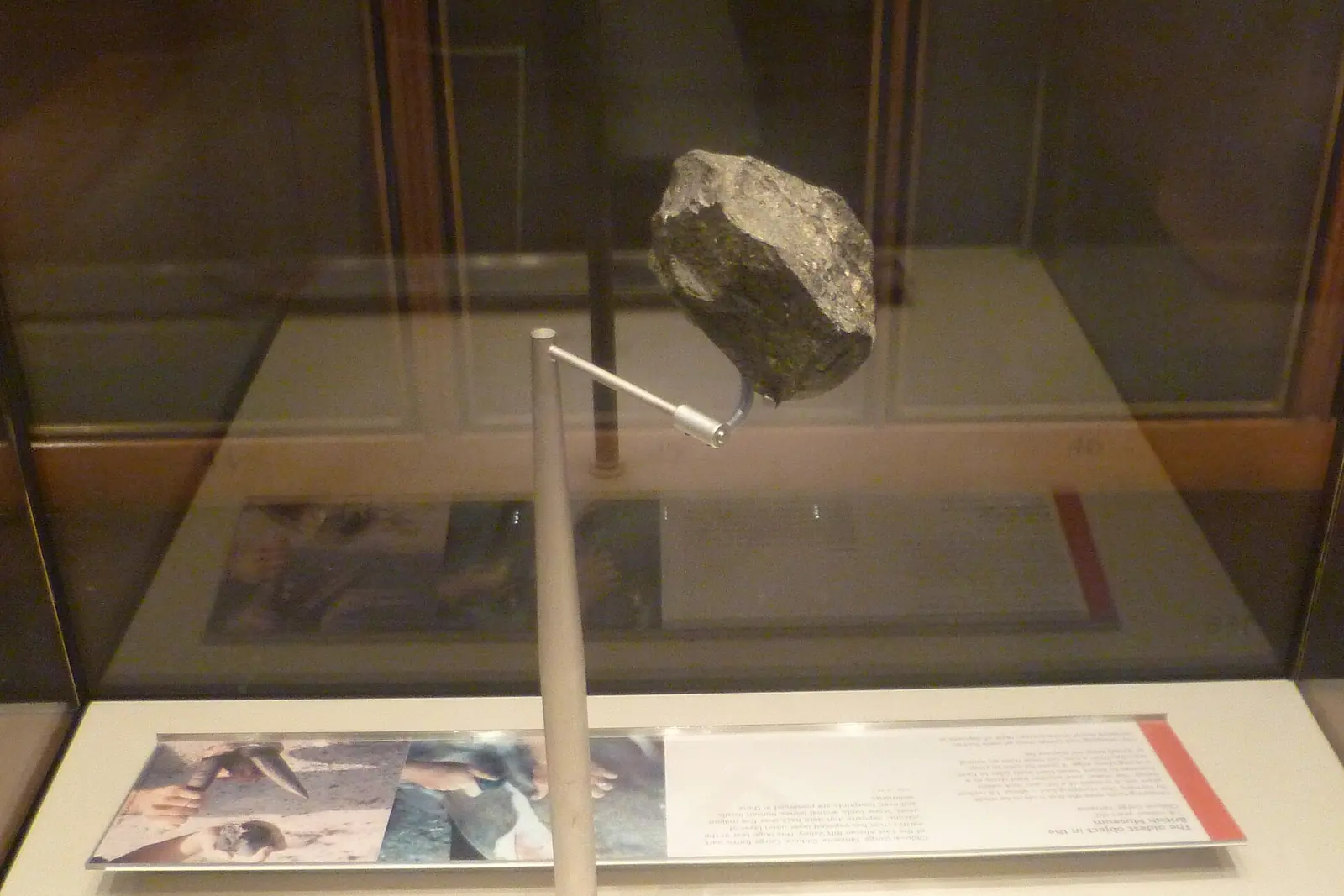
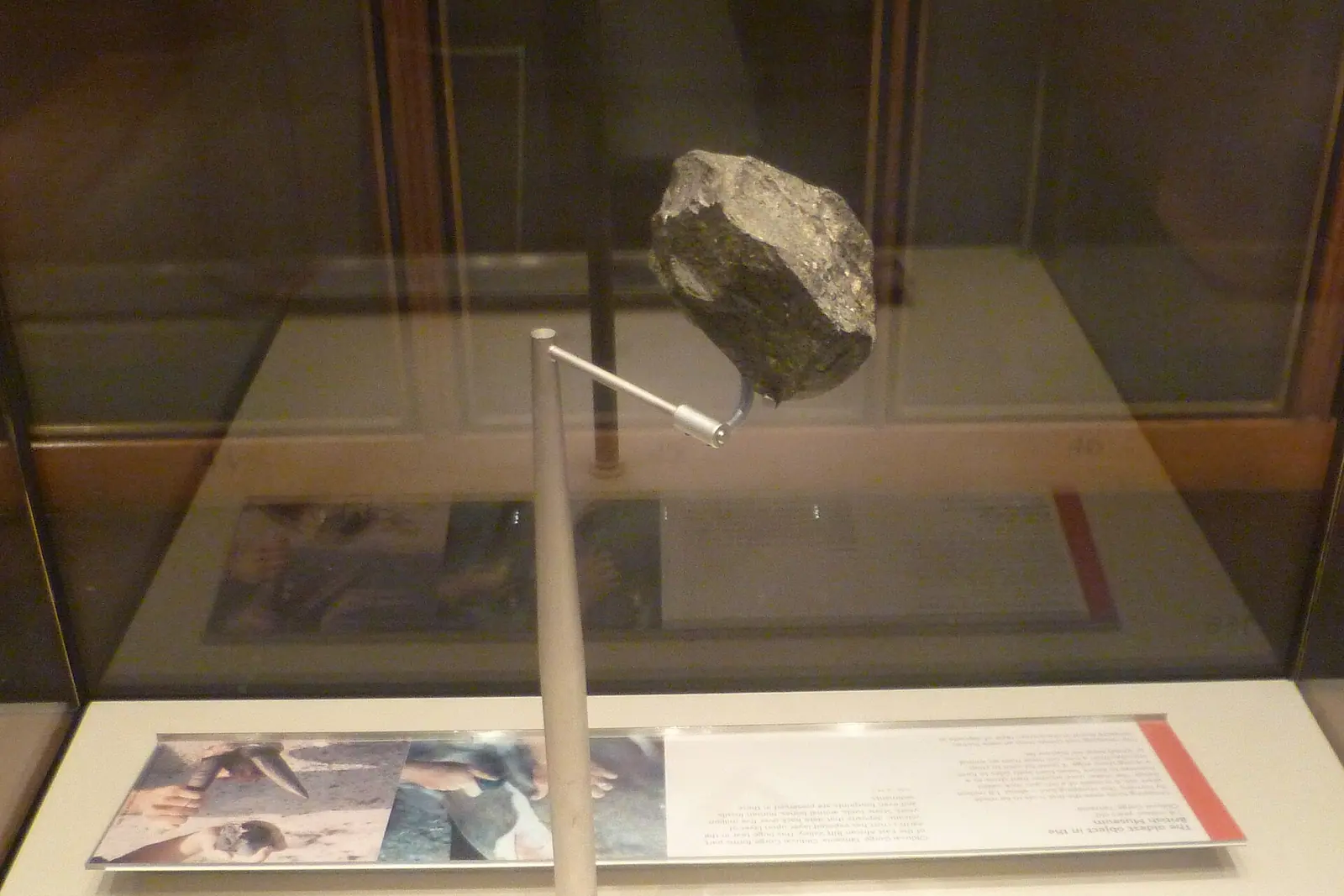
Olduvai Gorge, on the road between Ngorongoro and the Serengeti, is one of the world's most important palaeoanthropological sites, where hominin fossils dating back millions of years were unearthed from the Rift Valley sediments. A small museum and a viewpoint over the gorge put the landscape in context, and a guide makes the layers of time legible. Nearby, the shifting sand dunes and the Laetoli footprints add another dimension to a northern circuit itinerary.
Maasai communities around Ngorongoro, Longido and the Rift Valley escarpment offer cultural visits — but choose carefully and go with operators who pay communities directly and respect village rules about photography and dress. A genuine visit involves cattle enclosures, beadwork, and conversation rather than a staged performance.
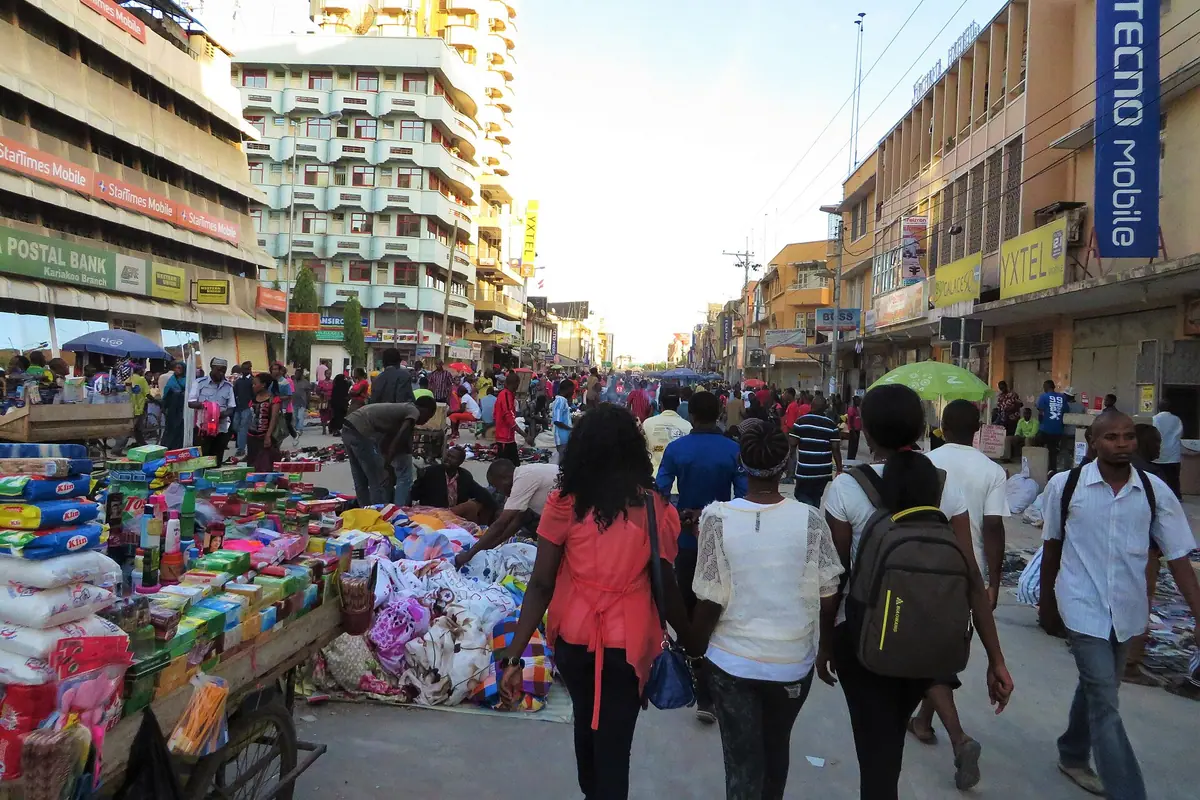
In the towns, Arusha's markets and the Cultural Heritage Centre give a sense of the country's craft traditions, while Dar es Salaam's Kariakoo Market and the National Museum round off a trip that has been mostly about wilderness. Stone Town, Kilwa Kisiwani and Bagamoyo together tell the story of the Swahili coast and the Indian Ocean world that shaped Tanzania long before safari existed.
Frequently asked questions
What is the best time of year to visit Tanzania?
For wildlife, the dry season from late June to October is the most reliable: vegetation thins, animals gather at rivers and waterholes, and the risk of rain disrupting game drives is low. December to February is hot and mostly dry, and the southern Serengeti's calving season happens then. March to May brings the long rains, when many camps close and roads turn muddy — but prices drop and the landscape is green and dramatic.
How many days do I need for a Tanzania trip?
A classic northern circuit safari needs at least seven to ten days: two or three nights in the Serengeti, one in Ngorongoro, and a night or two in Tarangire or Lake Manyara. Adding Zanzibar calls for another four to six days. Climbing Kilimanjaro takes six to nine days on the mountain plus travel days, so a combined safari-and-summit trip realistically needs two and a half to three weeks.
Can I combine a safari with Zanzibar?
Yes, and it is the most popular way to structure a Tanzania trip. Fly from Arusha or the Serengeti to Zanzibar in a couple of hours, then spend four to six days on the coast recovering from early starts. Book the beach portion last so you are not carrying safari gear to the sand.
Do I need vaccinations or malaria precautions?
Check current requirements with a travel health clinic well before departure — yellow fever vaccination may be required if you are arriving from certain countries, and malaria prophylaxis is generally recommended for safari areas and much of the coast. Pack repellent, long sleeves for evenings and a basic first-aid kit. Tap water is not for drinking; stick to sealed bottled or filtered water.
How do I get around between parks?
Most safaris use light aircraft between airstrips, which saves long, bumpy drives — the flight from Arusha to the Serengeti takes under two hours. Road transfers work well for the Ngorongoro and Tarangire areas. Self-driving is possible but demands a 4x4, good maps and patience; hiring a driver-guide is usually better value once you factor in park fees and navigation.
Plan it — experiences in Tanzania
Live search, booked directly with trusted providers.
Sort the rest of your trip
Everything for Tanzania, in one place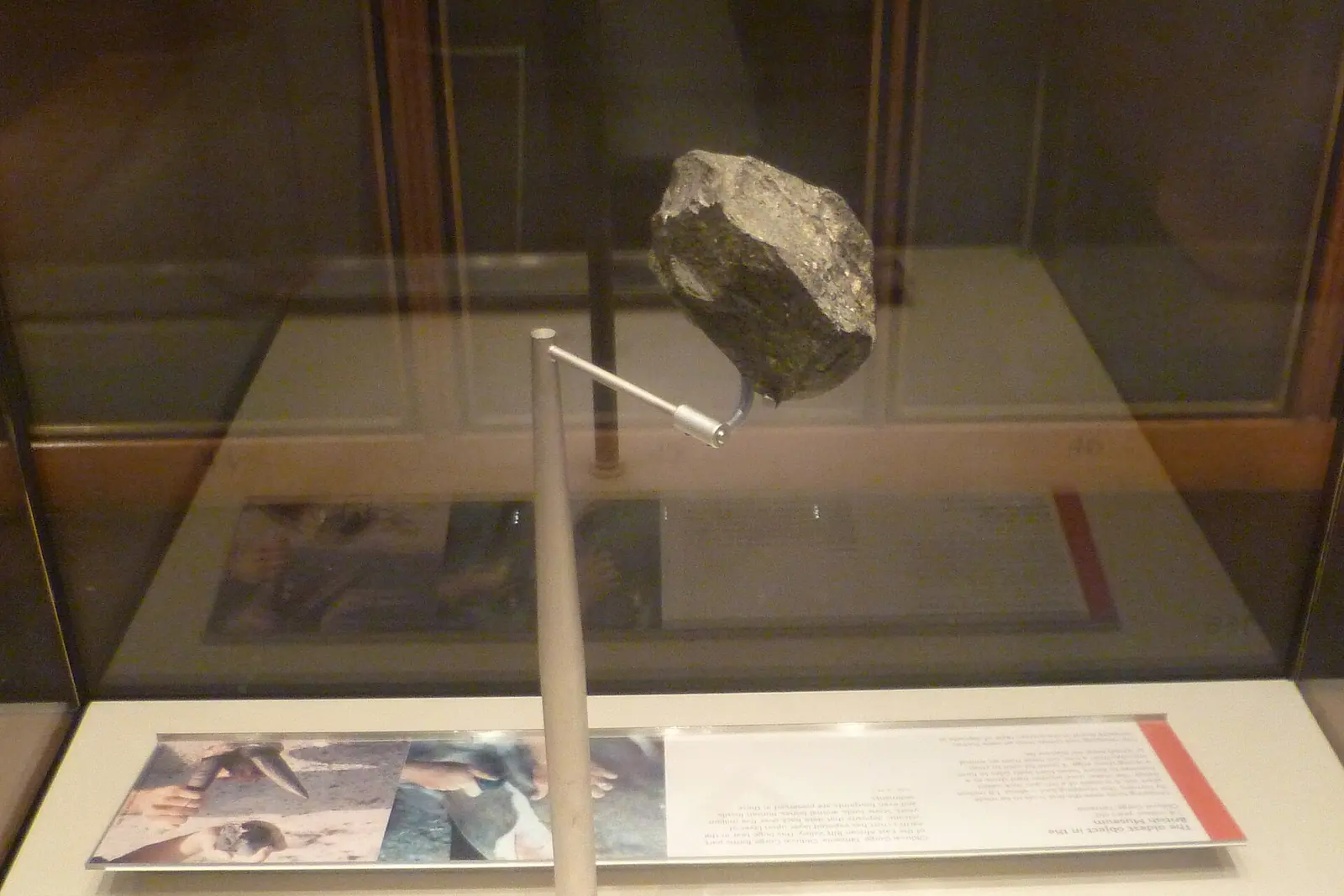
Stay in Tanzania
Hotels, guesthouses and apartments — compared in one search.
Search hotels
Transfer in Tanzania
Private driver waiting on arrival — no queues, no surprises.
Book a transfer
Stay online in Tanzania
Travel eSIM — data the moment you land, no roaming bills.
Get an eSIMMore guides in Tanzania
Best Time to Visit Tanzania: Safari Seasons, Kilimanjaro and Beach Hotels
Best Places to Visit in Tanzania: Serengeti, Kilimanjaro & Zanzibar
Where to Stay in Tanzania: Hotels, Lodges and Camps for the Top Cities and Must-See Attractions