Tanzania is a country where your bed decides your day: sleep on the rim of a collapsed volcano and you wake to a flooded caldera of grazing wildebeest; sleep in Stone Town and the call to prayer drifts over a harbour that once traded cloves and ivory. Choosing the right base matters here more than almost anywhere, because the country is vast, the distances are long, and the highlight of your trip is usually visible from the veranda.
Choosing Your Base: How Tanzania's Geography Shapes Where You Sleep
Tanzania splits into three rough travel worlds, and most first-time visitors mix two of them. The northern circuit fans out from Arusha and takes in Tarangire National Park, Lake Manyara, the Ngorongoro Crater and the Serengeti, all linked by a ring road that is drivable but slow: Arusha to the crater rim is a half-day of driving, and the crater to the central Serengeti is another four to six hours of dusty, corrugated track. That is why sensible itineraries use small light aircraft to hop between airstrips rather than trying to cover the north by road in a week.
The second world is the coast and the islands — Dar es Salaam, Bagamoyo, and Zanzibar with its satellite islands of Pemba and Mafia. The third is the south and west: the enormous Nyerere National Park along the Rufiji River, remote Ruaha and Udzungwa, plus the chimpanzee forests of Gombe Stream and Mahale Mountains on Lake Tanganyika. The south is where you go for solitude and lower seasonal rates; the north is where you go for the classic set pieces.
Base yourself where the wildlife or the beach actually is, not where the airport is. Staying in Arusha is convenient for one night before or after a flight, but nobody travels to Tanzania to spend three nights in a city. Similarly, on Zanzibar the difference between a hotel in Stone Town and a hotel at Nungwi or Paje is the difference between a cultural stay and a beach holiday — and they are two hours apart by road.
Arusha and the Northern Gateway: Where to Sleep Before the Safari
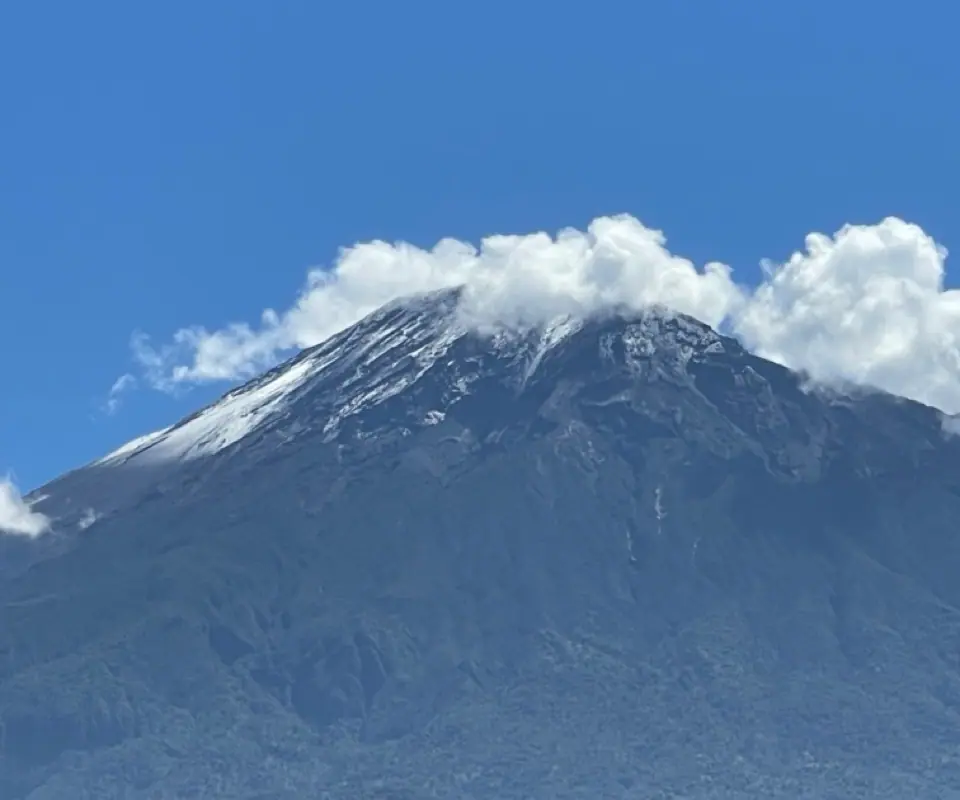
Arusha is the working town that most northern safaris run through, and its better hotels sit on the greener edges of the city, with views of Mount Meru, Africa's fifth-highest peak, rising to 4,566 metres behind the rooftops. A night or two here is a gentle landing after a long flight, and it puts Arusha National Park within easy reach — a small, underrated park of crater lakes, the Momella Lakes with their flamingos, and forest full of black-and-white colobus monkeys. Kilimanjaro International Airport, between Arusha and Moshi, is the other common arrival point.
Drive west and the properties change character fast. Around Karatu and the Ngorongoro highlands you find coffee-farm guesthouses and small lodges set in dense green gardens, a cool, quiet contrast to the dusty plains. This is the natural spot for a night on either side of the Ngorongoro Crater so you can enter the crater at dawn, when the light is best and the vehicles are fewest.
Between Arusha and the crater, two parks deserve a night each in their own lodges. Tarangire National Park is famous for its elephant herds and for the silhouettes of ancient baobabs along the Tarangire River, and its camps sit in the bush well away from the gate. Lake Manyara National Park, pressed against the Rift Valley escarpment, is a thin strip of groundwater forest where lions famously rest in the trees and thousands of flamingos gather on the shallow soda lake.
Serengeti and Ngorongoro: Sleeping Inside the Great Migration
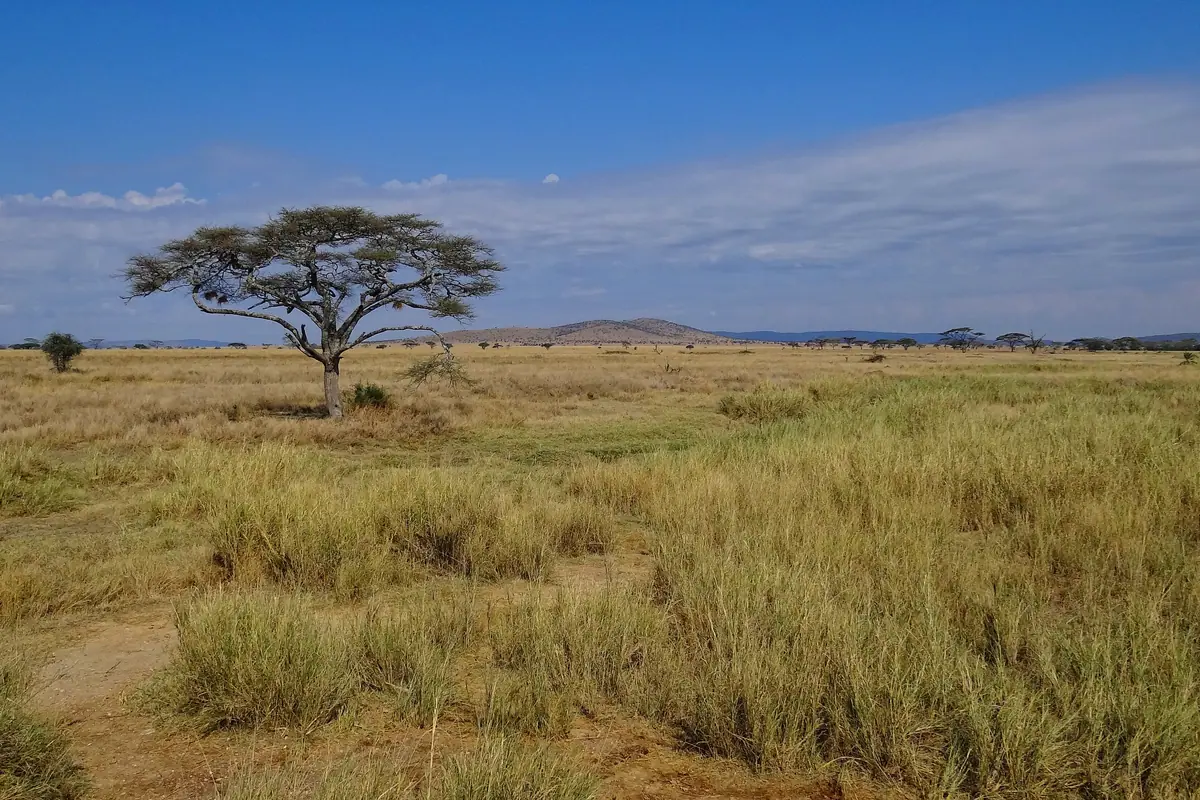
The Serengeti is not one place but a shifting stage, and where you book determines what you see. The central Serengeti around Seronera has the densest concentration of camps and lodges and reliable year-round wildlife, including leopard in the Seronera Valley. The Western Corridor towards the Grumeti River suits the May-to-July river crossings, while the far north around Kogatende is where the herds surge across the Mara River, usually from July to October. Tented camps here are seasonal, dismantled when the herds move on, and they put you minutes from the action rather than an hour away.
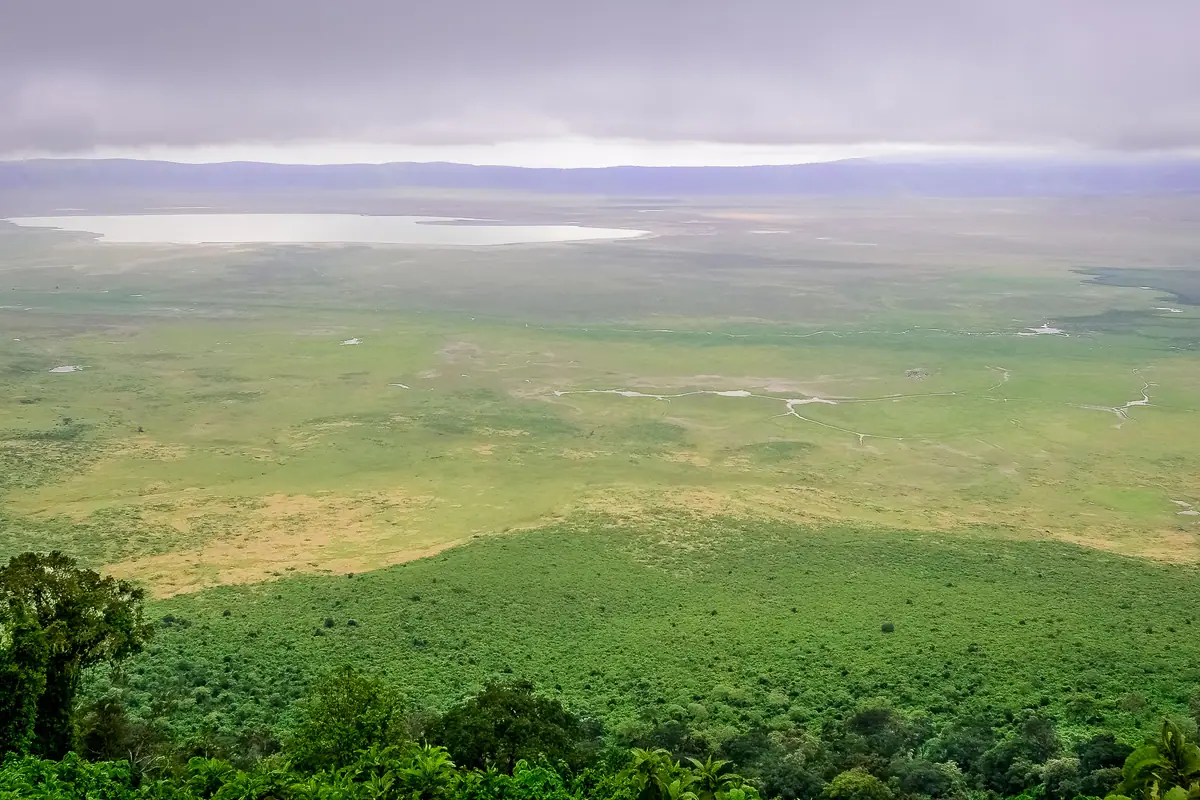
The Ngorongoro Crater is the other unmissable set piece: a UNESCO-listed caldera roughly 19 kilometres across and 600 metres deep, holding around 25,000 large animals, including the densest lion population in Africa and a resident population of black rhino. Lodges on the rim are cool, misty and often booked a year ahead; the reward is being on the crater floor by 6.30am, before the day-trippers arrive from Karatu.
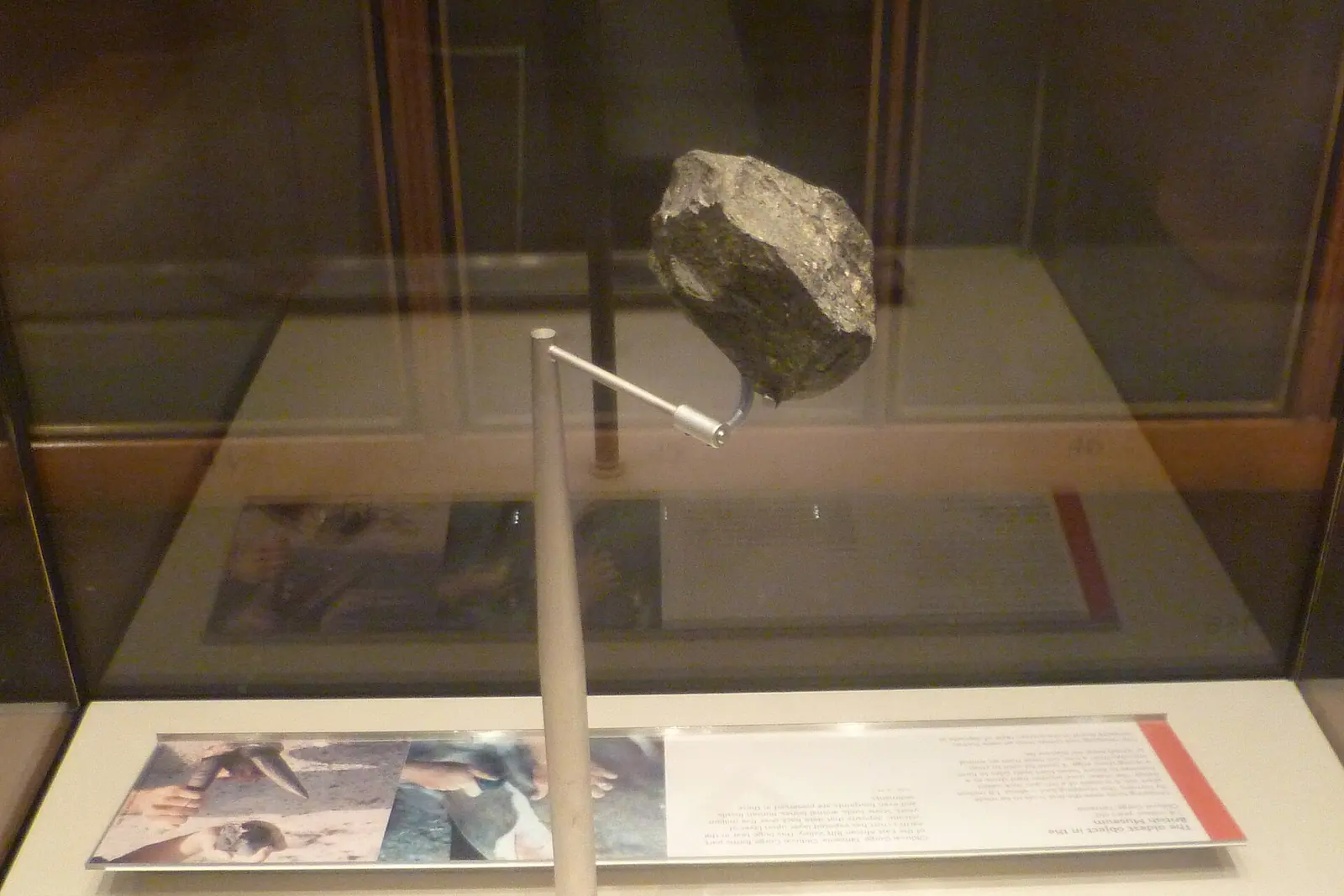
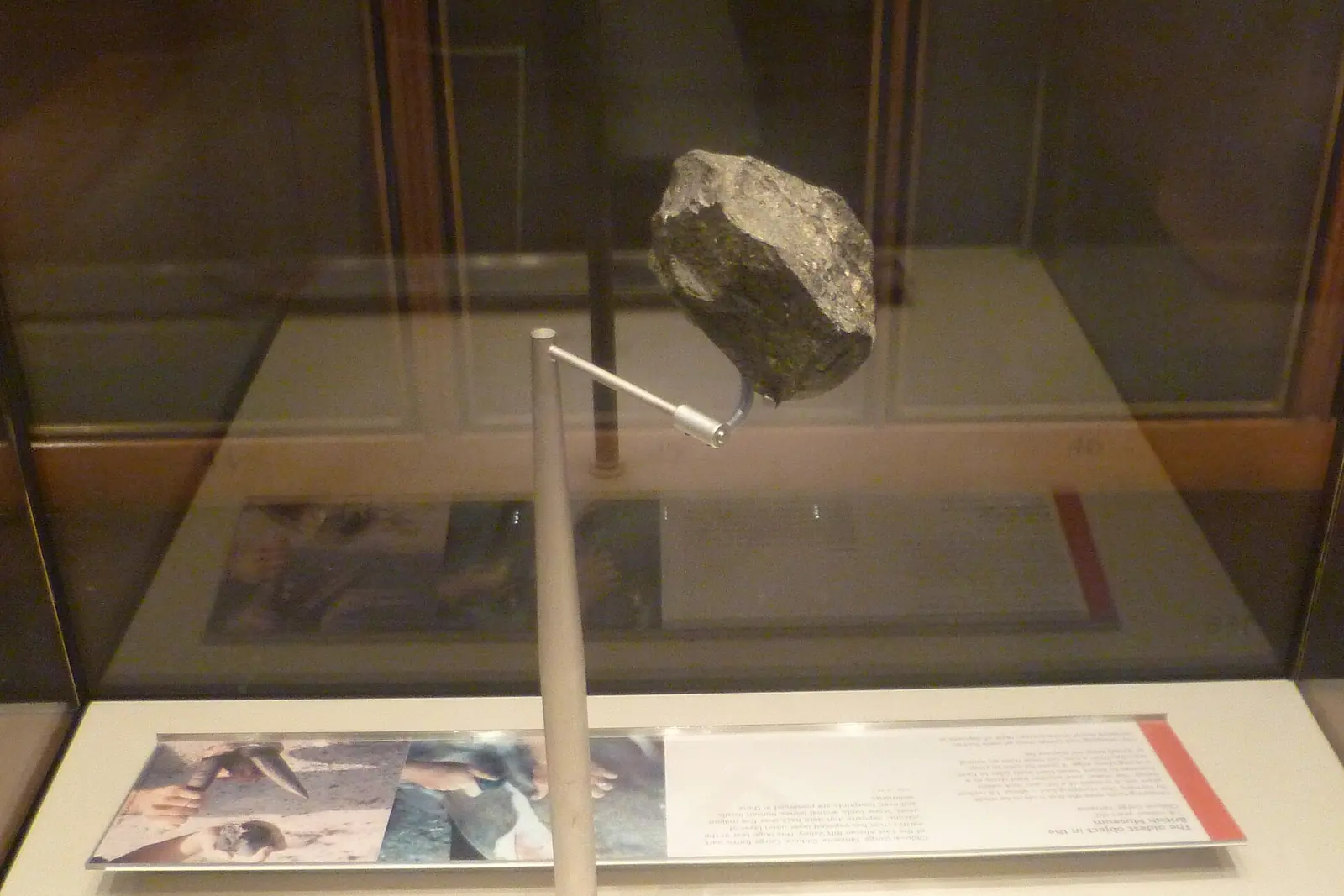
On the road between the two, stop at Olduvai Gorge, the ravine where some of the earliest hominin fossils were unearthed, and at Laetoli, where fossilised footprints record three early humans walking across volcanic ash some 3.6 million years ago. A small museum and a guide make the geology legible, and the stop takes about an hour — an easy, worthwhile interruption to a long transfer day.
Zanzibar and the Coast: Stone Town, Spice Farms and the Beaches
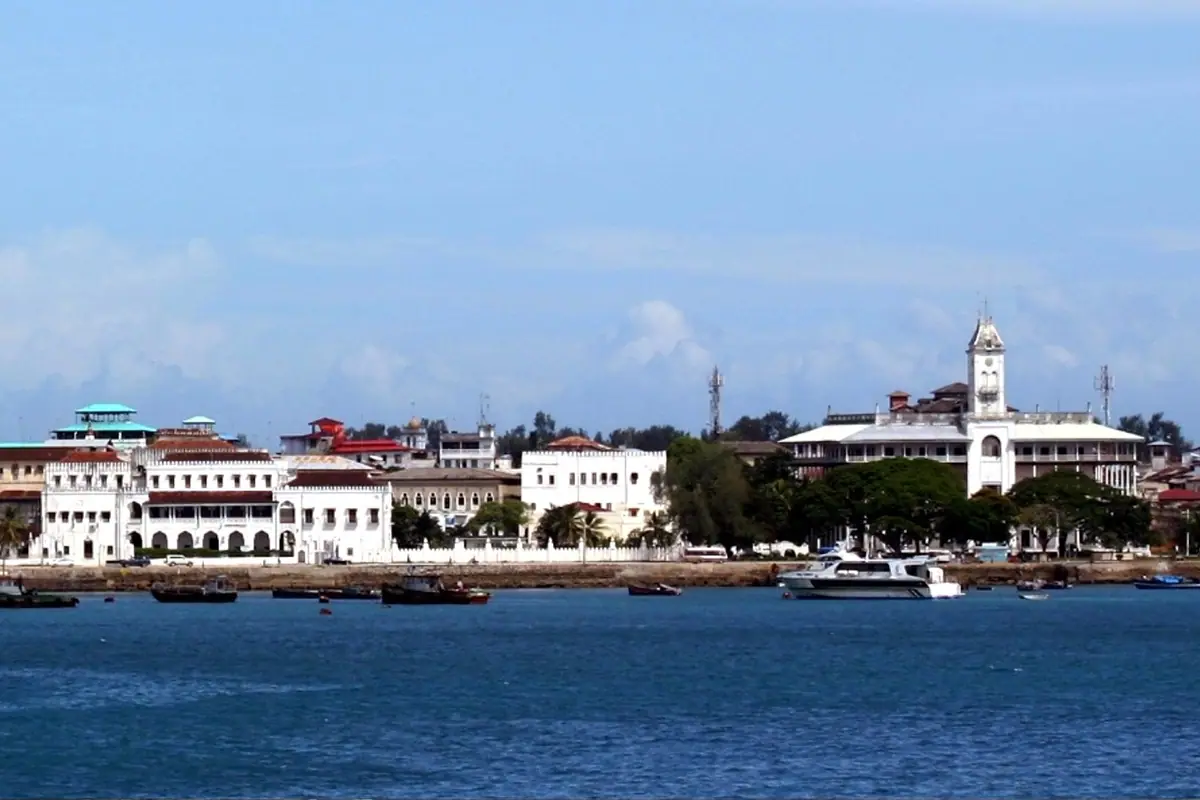
Zanzibar rewards a split stay. Begin in Stone Town, the UNESCO-listed maze of coral-stone houses, carved doors and narrow lanes where boutique hotels occupy restored merchant mansions. Walk the waterfront at Forodhani Gardens in the evening when food stalls fire up, look in on the Old Fort and the House of Wonders, and take a spice tour out to the Kidichi area to smell cloves, cinnamon and vanilla growing where the old plantations once supplied the world. Day trips by boat reach Chumbe Island's protected coral reef and the sandbank off Mnemba Atoll.
Then move to the sand. Nungwi and Kendwa in the north have the widest beaches and the least dramatic tides, which matters because Zanzibar's east coast swings wildly between high and low water. Matemwe faces Mnemba Atoll and is superb for diving and snorkelling. On the southeast coast, Paje and Jambiani are the kite-surfing and slow-living options, with long white flats and reliable wind from roughly June to September.
Inland, don't skip Jozani-Chwaka Bay National Park, home to the endemic Zanzibar red colobus monkey, an easy half-day from either coast. On the mainland, Bagamoyo's ruined slave-trade buildings and the beaches south of Dar es Salaam around Kigamboni make an interesting extra night if you are driving between the city and the coast rather than flying.
Dar es Salaam and the Southern Parks: The Quieter Half of the Country
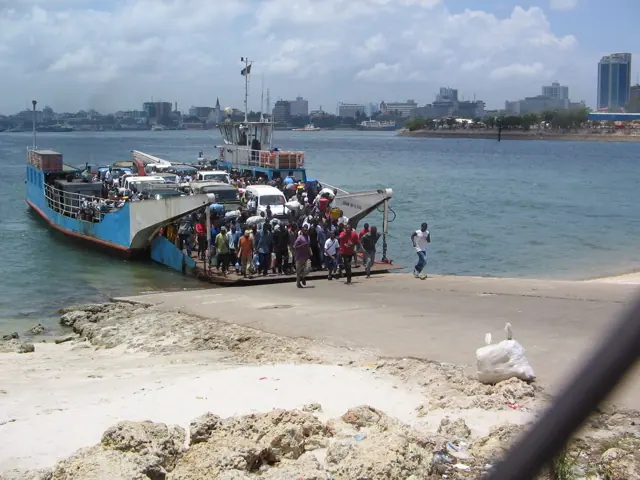
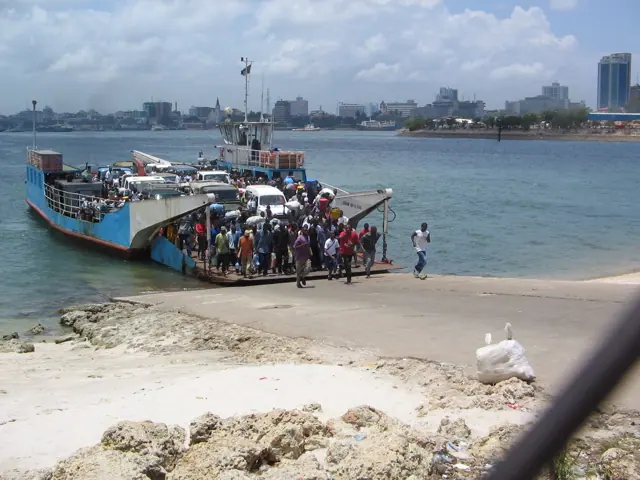
Dar es Salaam is Tanzania's largest city and most travellers treat it as a transit hub, but a night here is worthwhile: the Kariakoo market district, the National Museum, and the waterfront at Kivukoni Front give a taste of Swahili urban life. Hotels cluster around the Msasani peninsula and the city centre, convenient for the ferry to Zanzibar or for flights south.
The southern circuit is where crowd-averse travellers end up, and it is superb. Nyerere National Park, formed from the old Selous Reserve along the Rufiji River, is one of the largest protected areas in Africa, with boat safaris, walking safaris and good wild dog sightings. Ruaha National Park, further inland, is rugged, baobab-studded and almost empty of visitors, while the Udzungwa Mountains offer forest walks and waterfalls and Mikumi is the easy, drivable option from Dar es Salaam. On the coast, the ruins of Kilwa Kisiwani recall a medieval Swahili trading empire.
Far west, on Lake Tanganyika, Gombe Stream and Mahale Mountains national parks protect habituated chimpanzee communities. Reaching them takes a flight and a boat, accommodation is limited to a handful of simple camps and lodges, and trekking permits are restricted — but for many travellers this is the single most memorable stay in the country.
When to Go, What to Pack and How to Choose a Hotel
The dry season from late June to October is the most reliable window for wildlife: vegetation thins, animals gather at water, and the northern Serengeti river crossings peak between July and October. It is also the busiest and most expensive period, so camps book out six to twelve months ahead. The short rains in November and December bring greener landscapes, newborn animals in the southern Serengeti calving grounds from January to February, and lower rates. The long rains of March to May turn tracks to mud and close some seasonal camps, but reward those who come with dramatic skies and excellent value. For climbing Mount Kilimanjaro, the clearest conditions fall in January to February and July to September.
Pack for three climates in one trip: hot, humid coast; cool, misty crater rim where nights can drop near freezing; and dusty, sun-baked plains. Neutral colours — khaki, olive, beige — are expected on walking safaris, and a light fleece, a wide-brimmed hat, high-factor sunscreen, insect repellent and a head torch cover most eventualities. Binoculars transform the experience. Most national parks are malarial, so take medical advice before you travel, and check current entry requirements for yellow fever certification well in advance.
Choose your accommodation by what you want to wake up to. A city hotel in Arusha or Dar es Salaam is a functional stopover. A crater-rim lodge buys you the crater at dawn. A mobile tented camp in the Serengeti buys you the migration. A beach hotel at Nungwi or Matemwe buys you a reef and a hammock. Book park fees and permits as part of a package through a licensed local operator, carry some cash for tips and small purchases, and allow more travel time than the map suggests — a 200-kilometre drive on Tanzanian roads can comfortably take five hours.
Frequently asked questions
What is the best area to stay in Tanzania for a first safari?
Base yourself in the northern circuit: a night or two near Arusha or Karatu, a rim lodge at the Ngorongoro Crater, then three or four nights in the central or northern Serengeti depending on the season and where the herds are. This combination covers the crater, Tarangire, Lake Manyara and the Serengeti with the least wasted travel time.
Should I stay in Stone Town or on the Zanzibar beaches?
Do both. Two nights in Stone Town lets you explore the old town, Forodhani Gardens and the spice farms on foot, then move to the coast for four or more nights. Nungwi and Kendwa have the calmest swimming, Matemwe is best for diving near Mnemba Atoll, and Paje and Jambiani suit kite surfers.
When is the best time to visit Tanzania for the Great Migration?
The herds are usually in the southern Serengeti calving grounds from January to February, move north through the central and western Serengeti from roughly April to June, and cross the Mara River in the far north between July and October. Book seasonal camps in those specific areas rather than assuming any Serengeti lodge will place you near the herds.
How far in advance should I book hotels and safari camps in Tanzania?
For peak dry-season travel from July to October, book six to twelve months ahead, and up to a year for the best crater-rim lodges and mobile migration camps, which have very limited capacity. The green season between March and May offers far more last-minute availability and noticeably lower rates.
What should I pack for a Tanzania trip that includes safari and beach?
Layers are everything. Bring neutral-toned clothing for walking safaris, a warm fleece and trousers for cold crater-rim and Serengeti nights, light cotton and swimwear for Zanzibar, plus a hat, sunscreen, insect repellent, a head torch and binoculars. A soft-sided duffel is easier to fit into small safari aircraft than a hard suitcase.
Sort the rest of your trip
Everything for Tanzania, in one place
Transfer in Tanzania
Private driver waiting on arrival — no queues, no surprises.
Book a transfer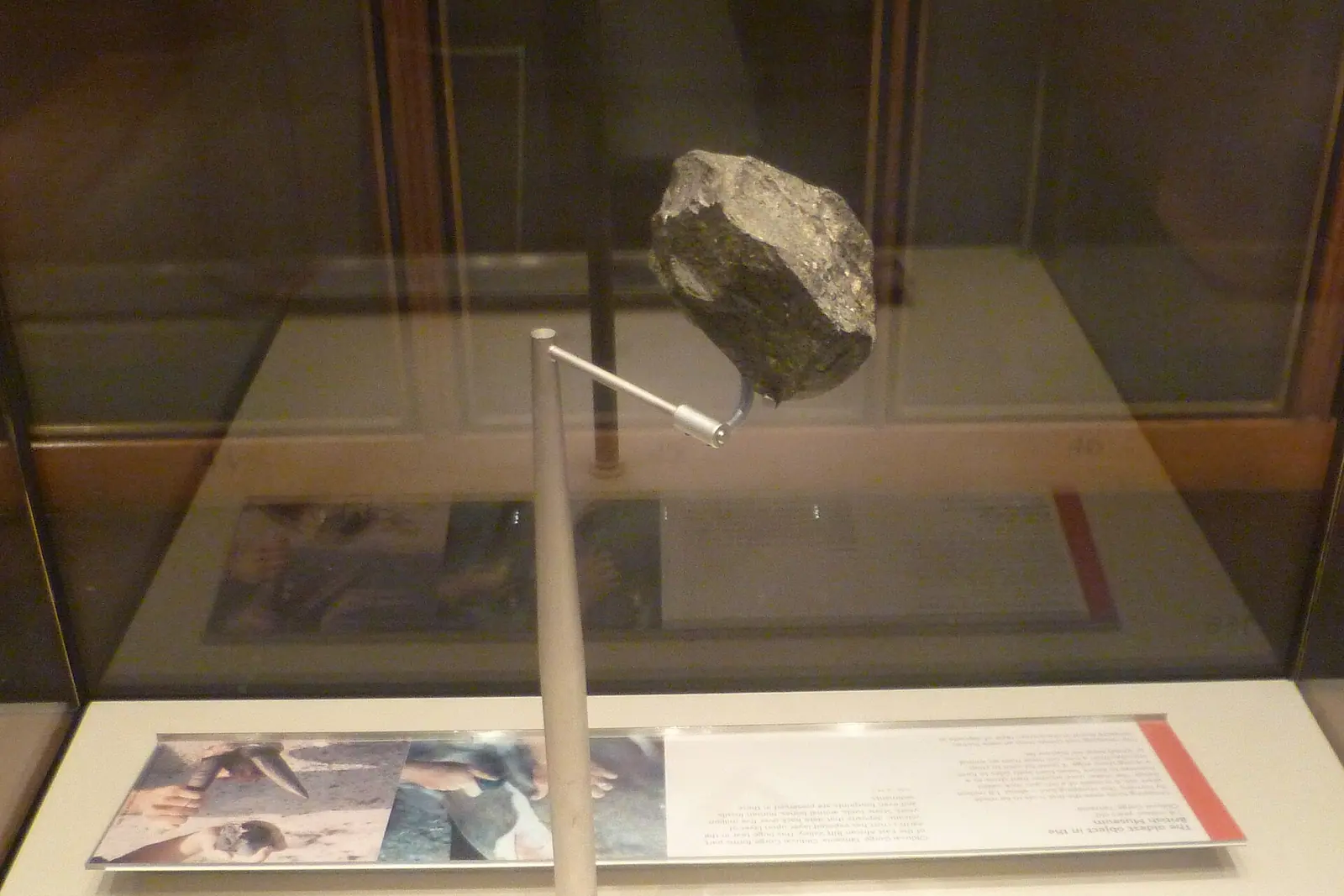
Things to do in Tanzania
Skip-the-line tickets, guided tours and standout experiences.
See experiences
Stay online in Tanzania
Travel eSIM — data the moment you land, no roaming bills.
Get an eSIM