Tanzania does not have one season — it has several running at once, from dust-gold plains in the Serengeti to humid monsoon afternoons in Stone Town. Choosing the right month decides whether you watch wildebeest thunder across the Mara River or simply watch rain hit the canvas of your tented camp. Here is how the year actually unfolds, and how it shapes where you sleep.
Tanzania's Seasons at a Glance: Reading the Rains Before You Book
Tanzania's year divides into a long dry season from roughly June to October, a short dry spell in January and February, and two wet periods — the short rains of November and December and the heavy long rains of March, April and May. The long dry season is the classic window: grass thins, water sources shrink and animals gather predictably around rivers and dams, which makes game viewing less of a gamble. Days are warm, nights on the high plateau around Ngorongoro can drop close to freezing, and the dust is part of the deal.
The long rains are not a washout, but they are a genuine reset. Tracks turn to mud, some small bush camps and walking safari operations close entirely, and the coast becomes hot and sticky. What you gain is space, dramatic green landscapes, newborn animals and hotel rates that can fall by a third or more. If you are flexible and mainly want birds, butterflies and empty roads, April and May can be quietly wonderful.
The short rains in November and December are more of a nuisance than a barrier — usually an hour of afternoon downpour followed by steam rising off the plains. This is one of the most underrated windows of the year: lush scenery, fewer vehicles at the big sights and reasonable lodge availability before the Christmas rush pushes prices back to peak.
The Great Migration Calendar: Where to Sleep in the Serengeti
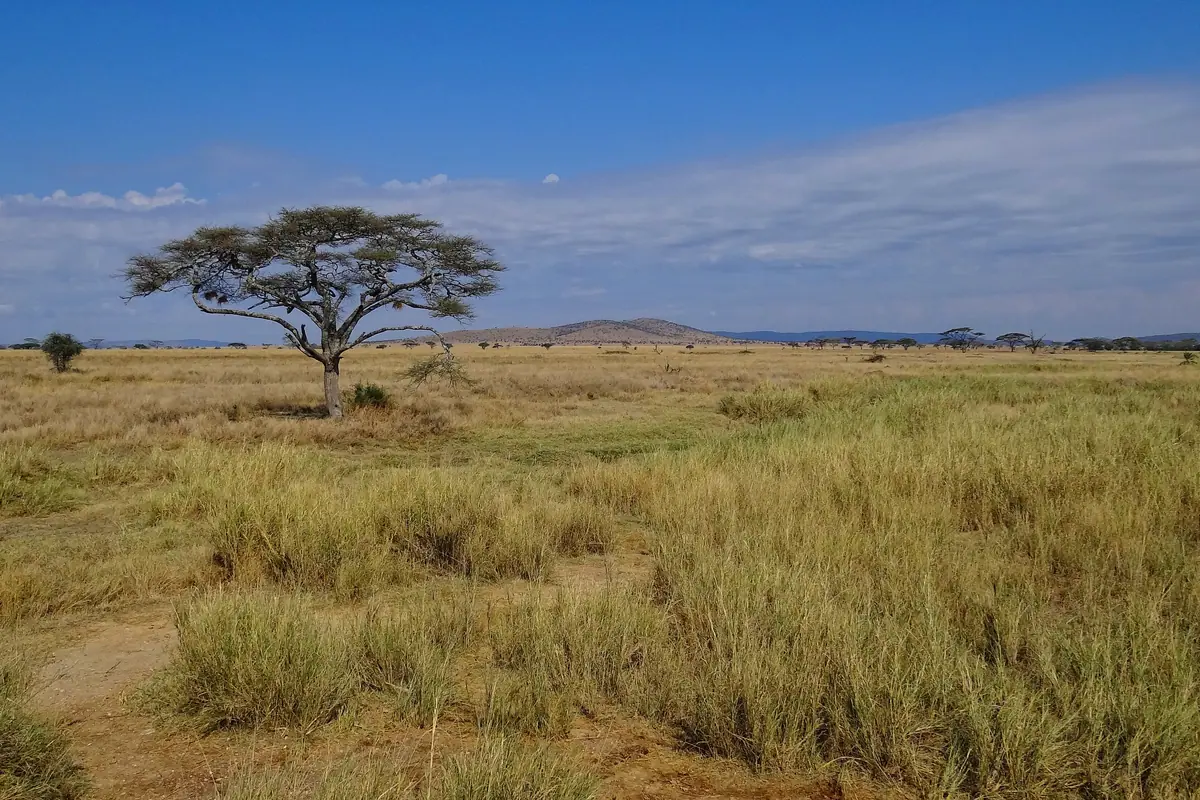
The herds that make the Serengeti famous are not in one place; the whole point is that they move, and your lodge should move with them. From about January to March the wildebeest gather on the short-grass plains of the southern Serengeti and the Ndutu area, where hundreds of thousands of calves are born within a few frenzied weeks. Camps here put you in the middle of predator action, with cheetah and lion working the newborn herds.
By late spring and early summer the animals drift north and west through the central Serengeti, and the Seronera Valley becomes the practical base — it is the most reliable area for leopard and lion sightings at any time of year. From roughly July to October the migration splits into northern Serengeti and the river crossings, where herds plunge into crocodile-filled water in scenes that draw the year's biggest crowds.
Because of this, Serengeti accommodation is best thought of in two categories: permanent lodges, which suit travellers who want certainty and comfort, and mobile tented camps, which follow the herds and are repositioned several times a year. Book mobile camps six to twelve months ahead for July, August and September — those months are the most competitive in the country, and the best-placed camps sell out first.
Ngorongoro Crater, Tarangire and Lake Manyara: The Northern Circuit's Dry-Season Magic
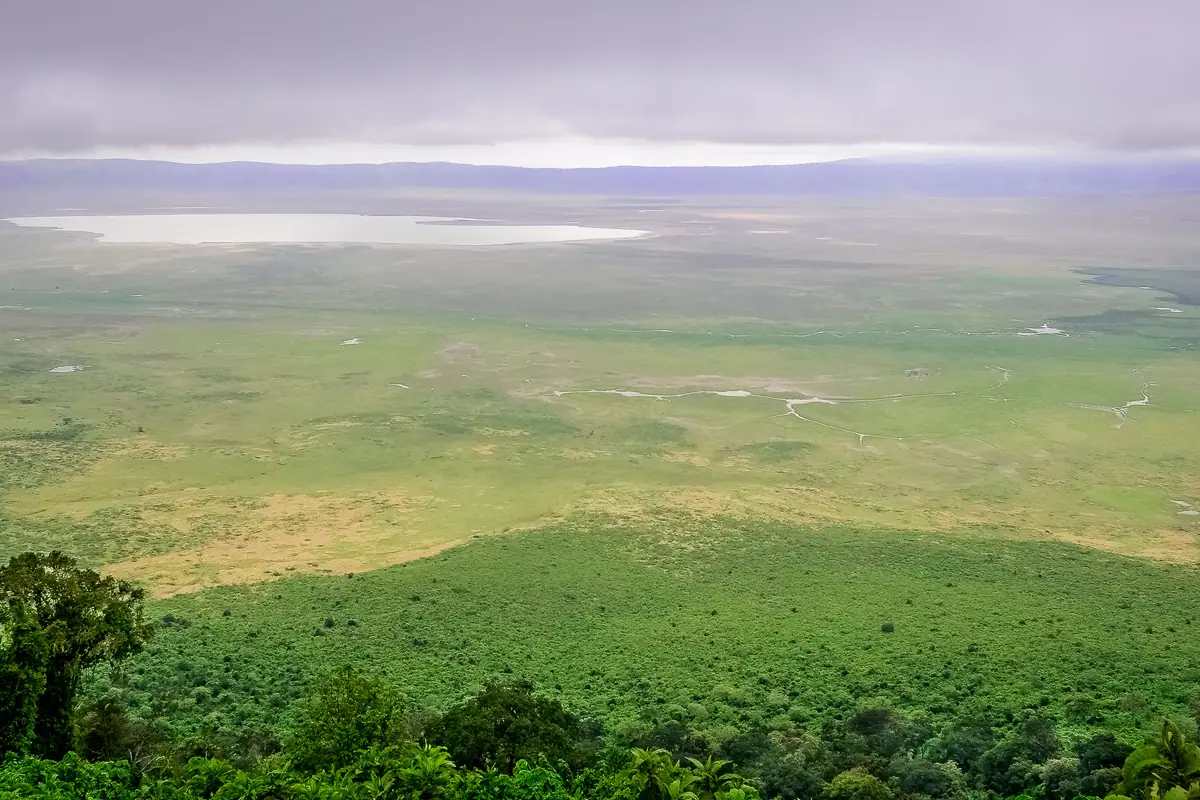
The Ngorongoro Crater is Tanzania's great year-round spectacle. This collapsed volcanic caldera holds a dense resident population of lion, elephant, buffalo, hippo and the black rhino that many visitors come specifically to see. Because the wildlife rarely leaves, the crater delivers in almost any month, though the rim gets cold and misty in June and July and the crater floor can be dusty by September. Staying on the rim means you descend at dawn, ahead of the vehicles climbing up from Karatu.
Tarangire National Park is a dry-season park by nature. From about June to October, when the surrounding plains dry out, elephants converge on the Tarangire River in enormous herds, threading between ancient baobabs that look like they were planted by giants. In the wet months the park empties out and becomes a birdwatcher's paradise, with migratory species filling the woodland.
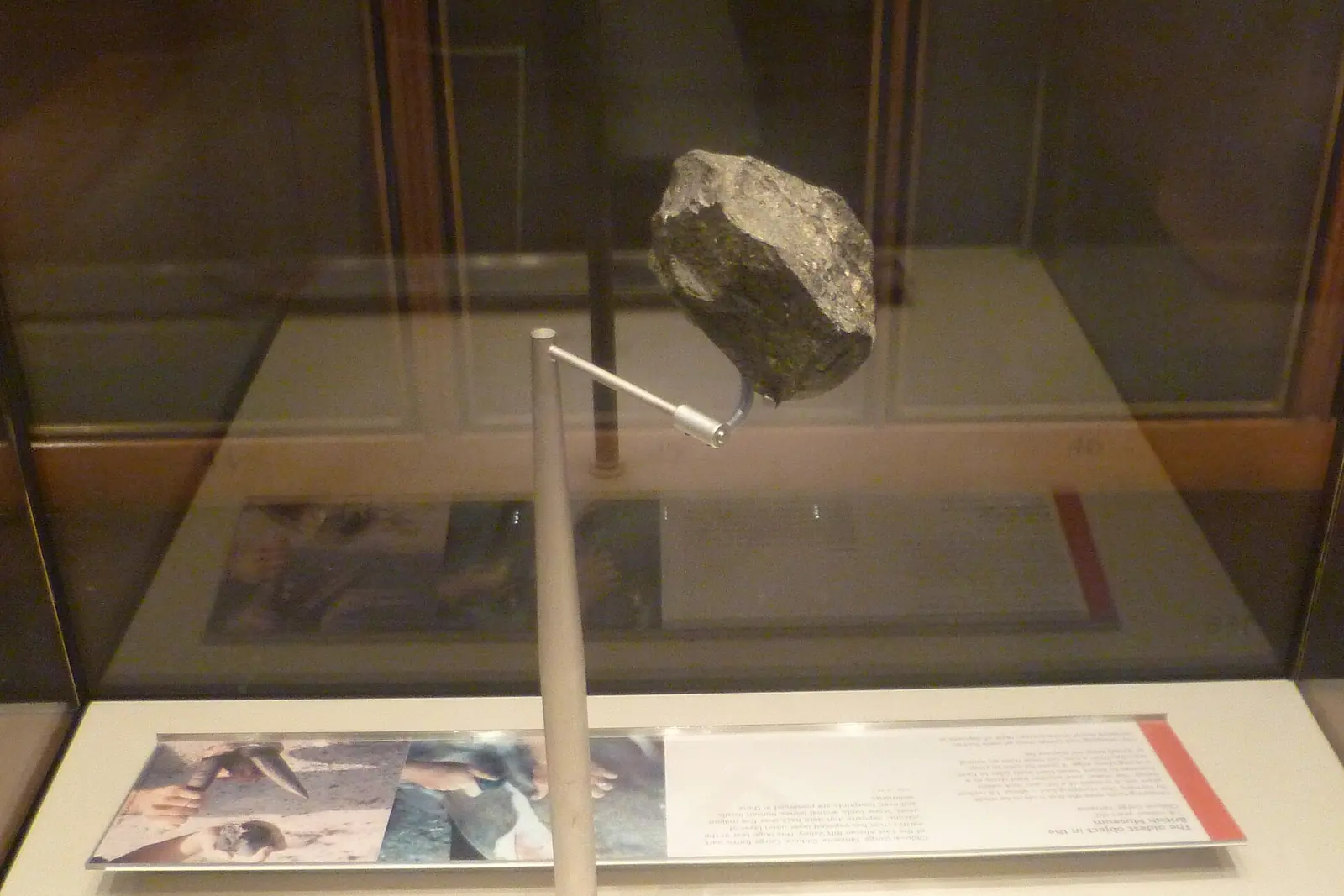
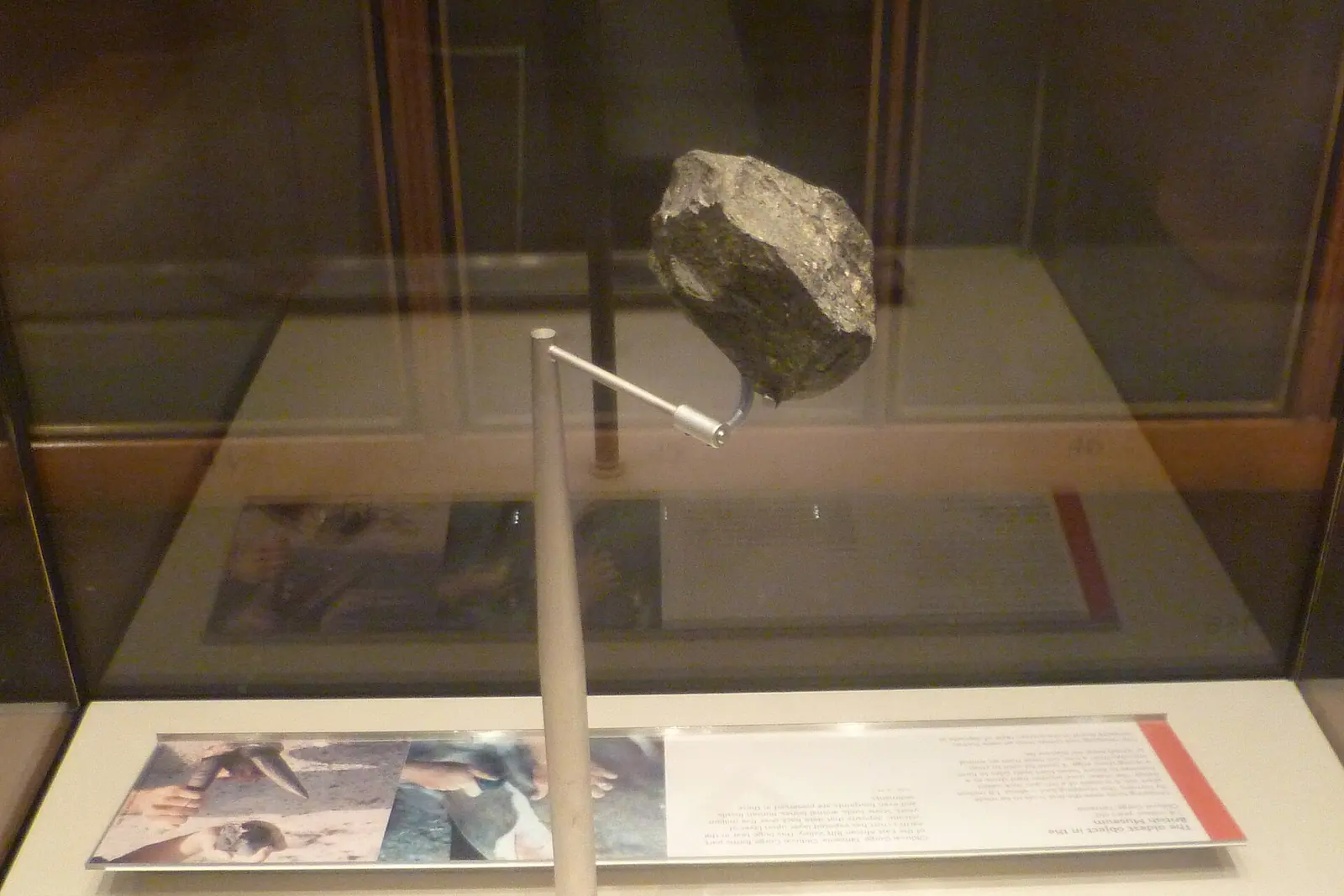
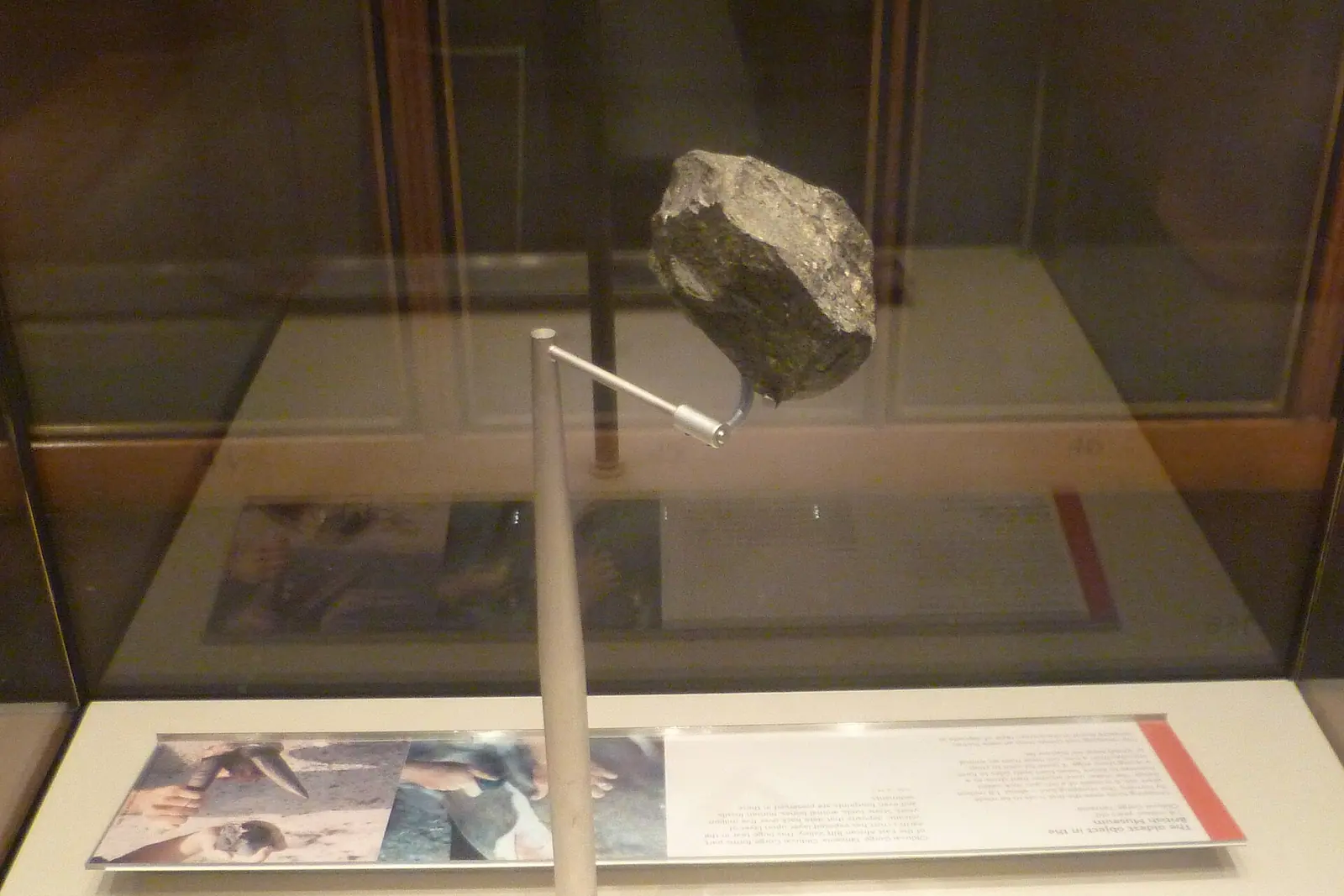
Lake Manyara National Park, on the same circuit, is small enough to see in half a day but packed with variety: groundwater forest, flamingo-lined shallows and the famous tree-climbing lions that drape themselves along acacia branches. Pair it with a stop at Olduvai Gorge on the road to the Serengeti, where the layers of sediment have yielded some of the most important early-human fossils ever found. Dry-season mornings here are clear, and the escarpment views from the Rift Valley rim are sharpest from June through September.
Climbing Mount Kilimanjaro: Months That Reward the Effort
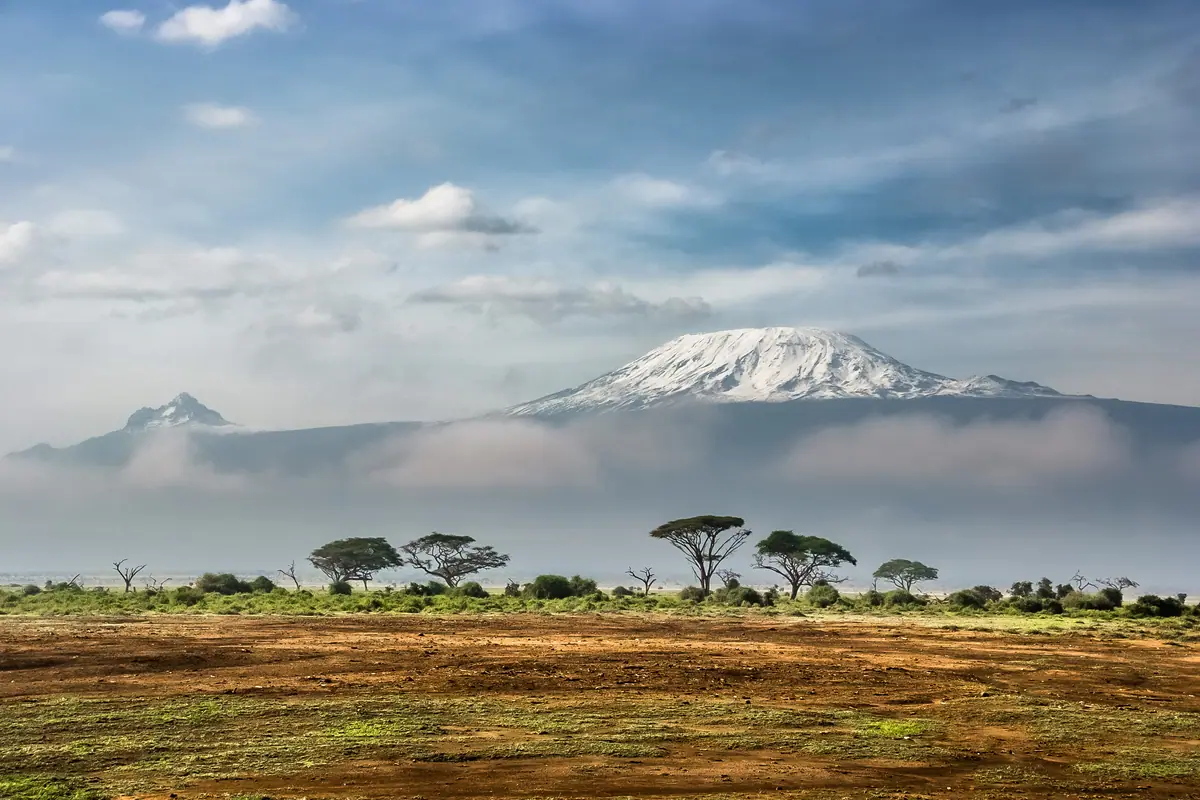
Mount Kilimanjaro can be climbed year-round, but the weather decides how much you enjoy it. The most dependable windows are January to mid-March and June to October, when the trails are drier, the summit views clearer and the rainforest section less slippery. The long rains of April and May bring heavy snow and rain on the upper routes, and many operators run reduced schedules.
Summit night is brutally cold whatever the month — expect well below freezing at Uhuru Peak — so the real difference is in the approach days. A full-moon summit is a popular choice for the light and the photograph at the sign, and those dates book out early. Most climbers take five to eight days depending on the route, and adding a few days on Mount Meru in Arusha National Park first is a sensible way to acclimatise and see a quieter, greener side of the north.
For the days either side of a climb, Arusha makes a comfortable base, with day trips to Arusha National Park, the Momella Lakes and the Usa River area. If you are travelling in the June-to-October window, plan your Kilimanjaro dates before you book safari lodges — the mountain sets the spine of the itinerary and everything else can be built around it.
Zanzibar, Pemba and Mafia: Timing the Coast and Stone Town
Zanzibar is where most Tanzania trips end, and the timing that works for safari does not always work for the beach. The driest, breeziest and most comfortable months on the islands are roughly June to October, when humidity drops and the sea is calm enough for diving around Mnemba Atoll. December to February is the second good window: hot, bright and busy over the holidays, with excellent visibility underwater.
The long rains of April and May bring seaweed on some beaches, choppy water and closed dive shops, though Stone Town remains rewarding — the alleys of the old quarter, the carved doors, the former slave market and the waterfront at sunset are atmospheric in any weather. March and November are shoulder months: cheaper rooms, occasional showers and easy availability at the boutique guesthouses that fill up fast in high season.
Further afield, Mafia Island is the place to swim with whale sharks, best from around October to March, while Pemba offers quieter diving and a more traditional island rhythm. Wherever you stay, remember that tides govern everything on the Swahili coast — a beach that looks perfect at noon can be a mile of flats by late afternoon, so check the tide before choosing your hotel.
The Southern and Western Wilds: Ruaha, Nyerere, Mahale and Gombe
Tanzania's southern circuit is the answer for anyone who finds the northern parks busy. Ruaha National Park, reached via Iringa, is at its best in the dry season from June to October, when the Great Ruaha River pulls elephant, kudu, lion and wild dog into view and the landscape turns rust and amber. Nyerere National Park, the vast southern reserve on the Rufiji River, offers something the north cannot: boat safaris and walking safaris, best from June through October when the water levels and game concentrations align.
On the far western edge, the Mahale Mountains and Gombe Stream national parks protect habituated chimpanzee communities on the shores of Lake Tanganyika. Trekking is most reliable in the dry months from about June to October, when trails are firmer and the chimps stay lower on the slopes. Access is by light aircraft or boat, so these trips need more planning — and more budget — than a standard safari.
The Swahili ruins of Kilwa Kisiwani, a UNESCO-listed island off the southern coast, are also best visited in the dry season, when boat crossings are calm and the coral-stone mosques, palaces and forts can be explored without wading through mud. Southern Tanzania rewards travellers who accept longer drives, simpler lodges and fewer other vehicles — and who time their visit for the dry months.
Frequently asked questions
What is the best month for a first-time safari in Tanzania?
Late June through September is the safest all-round choice: dry tracks, thinning vegetation, concentrated wildlife and the northern Serengeti river crossings. If you want fewer crowds and lower rates, late January and February are excellent — the southern Serengeti calving season is in full swing and the weather is generally clear.
When are hotels and safari lodges cheapest in Tanzania?
The long rains of April and May bring the lowest rates, often 30–50% below peak, and some smaller camps close altogether. November is another value window, sitting between the short rains and the December holidays, with lush scenery and good availability before peak-season pricing returns.
Can I combine Mount Kilimanjaro with a Zanzibar beach stay?
Yes, and it is one of Tanzania's classic pairings. Climb in the January–March or June–October dry windows, then fly from Kilimanjaro or Arusha to Zanzibar for the coast. Allow a few rest days after the summit before flying, and remember the islands are hottest and most humid from December to March.
When can you see the Great Migration river crossings?
The famous Mara River crossings in the northern Serengeti usually happen between roughly July and October, with late August and September often the most reliable. The herds' exact timing shifts each year with rainfall, so book a flexible mobile camp and let your guide follow the animals rather than a fixed schedule.
How far ahead should I book Tanzania accommodation for peak season?
For July, August, September and the Christmas period, aim to book six to twelve months ahead — the best-positioned Serengeti mobile camps and Ngorongoro rim lodges sell out first. For the shoulder months of November, February and early June, three to four months is usually enough, though small boutique properties on Zanzibar still fill quickly.
Sort the rest of your trip
Everything for Tanzania, in one place
Transfer in Tanzania
Private driver waiting on arrival — no queues, no surprises.
Book a transfer
Things to do in Tanzania
Skip-the-line tickets, guided tours and standout experiences.
See experiences
Stay online in Tanzania
Travel eSIM — data the moment you land, no roaming bills.
Get an eSIMMore guides in Tanzania
Top Things to Do in Tanzania: Serengeti, Kilimanjaro & Zanzibar Landmarks

Best Places to Visit in Tanzania: Serengeti, Kilimanjaro & Zanzibar
Where to Stay in Tanzania: Hotels, Lodges and Camps for the Top Cities and Must-See Attractions