Tanzania is enormous — bigger than most first-time visitors imagine — and the smartest way to see its headline sights in seven days is to let a small plane do the driving. This itinerary strings together Kilimanjaro, Tarangire, the Serengeti, the Ngorongoro Crater and Zanzibar on a chain of short bush hops, so you spend your hours watching elephants instead of tarmac.
How Tanzania's Flying Safari Circuit Actually Works
Almost every flying safari begins at Kilimanjaro International Airport, the low-slung gateway sitting roughly halfway between Arusha and Moshi, with the snow-capped summit of Mount Kilimanjaro rising to 5,895 metres on clear mornings. From there, travellers bound for the northern parks transfer to the much smaller Arusha Airport, where Cessna Caravans and Twin Otters wait on the apron, or connect onward to Julius Nyerere International in Dar es Salaam and Abeid Amani Karume International on Zanzibar for the coastal half of the trip.
The park network is served by dirt-and-gravel airstrips: Kuro and Lake Manyara for Tarangire and Lake Manyara, Seronera and Moru in the central Serengeti, Kogatende and Lamai in the far north, Ndutu in the south, and Kiba for Ruaha if you extend west. Flights are short — Arusha to Seronera runs about an hour, Seronera to the northern Mara River country roughly 45 minutes, Kilimanjaro to Zanzibar around an hour and twenty — but they follow a milk-run pattern, touching down two or three times to drop and collect passengers, so a 'one-hour' hop can stretch to two.
Luggage is the thing that catches people out. Light aircraft are strictly limited, usually to 15 kilograms per person in a soft-sided bag that can be squashed into a pod, with hard suitcases left in storage at your hotel in Arusha. Flights are most reliable in the morning, when the air is cool and still; afternoon buildups over the Crater Highlands can delay or reroute aircraft, so plan long connections for the end of the day rather than the middle of it.
Days 1–2: Arrive at Kilimanjaro, Ease In Around Arusha
Land at Kilimanjaro International, clear immigration, and take the 45-minute transfer to a lodge on the forested slopes outside Arusha. The first day should be deliberately slow — Tanzania runs on 'pole pole' time, and your body will thank you for acclimatising gently to 1,400 metres before you climb higher into the Crater Highlands. Spend the afternoon in the gardens watching silvery-cheeked hornbills and blue monkeys, with Mount Meru, Tanzania's second-highest peak at 4,566 metres, framed at the end of the lawn.
Day two is for Arusha National Park, a compact 137-square-kilometre reserve that most travellers skip and shouldn't. A guided walk with an armed ranger across the Ngurdoto Crater rim, a canoe paddle past hippos on the Momella Lakes, and a game drive through fig forest alive with black-and-white colobus monkeys fill a satisfying half-day, and the views back towards Kilimanjaro from the park's northern edge are some of the finest in the country. Giraffe, buffalo, zebra and flamingo are all but guaranteed; the park has no lions, which is precisely why walking is permitted.
Use the evening to reorganise your kit into soft bags, charge batteries and cameras, and confirm your onward flight times. If you have a spare morning, a coffee-farm walk on the slopes of Mount Meru near Usa River gives a good introduction to the Chagga smallholder culture that shapes this fertile belt between the two great peaks.
Day 3: Tarangire and Lake Manyara by Air
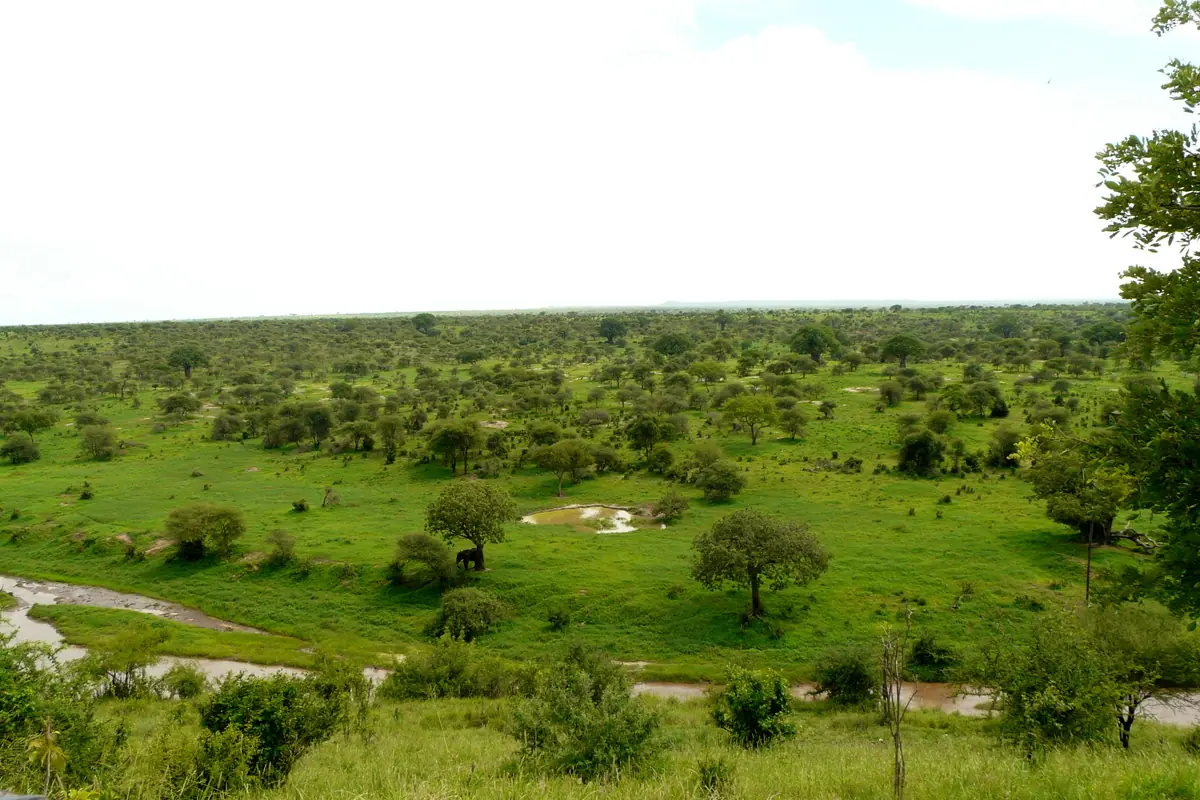
A short morning flight from Arusha drops you at Kuro airstrip on the edge of Tarangire National Park, a landscape of golden grass, termite mounds and some of the densest concentrations of African elephant in East Africa. The Tarangire River is the park's spine and its lifeline in the dry months from June to October, when herds of several hundred elephants converge on the remaining waterholes alongside wildebeest, zebra, eland and oryx. The park is also famous for its baobabs — bulbous, ancient trees that look as though they were planted upside down — and for the swampy Silale area, where lions loaf in the shade and flocks of lappet-faced vultures and bateleurs gather overhead.
By early afternoon, another short hop — or a drive up the Rift Valley escarpment — brings you to Lake Manyara National Park, squeezed between a soda lake and a 600-metre cliff wall. Manyara is small and scenic rather than vast, best known for its tree-climbing lions, its thousands of pink flamingos feeding along the shallows, and forests of groundwater fig and mahogany where baboon troops move noisily through the canopy. The park takes a half-day to see properly, which makes it an ideal soft landing before the Serengeti.
Stay the night on the escarpment above the lake, where the views stretch across the Rift Valley to the volcanic highlands you'll enter next. Best months for this stretch are June through October and again in the short dry window of January and February; in the long rains of April and May, many camps here close and the tracks turn to chocolate-coloured mud.
Days 4–5: The Serengeti by Bush Plane
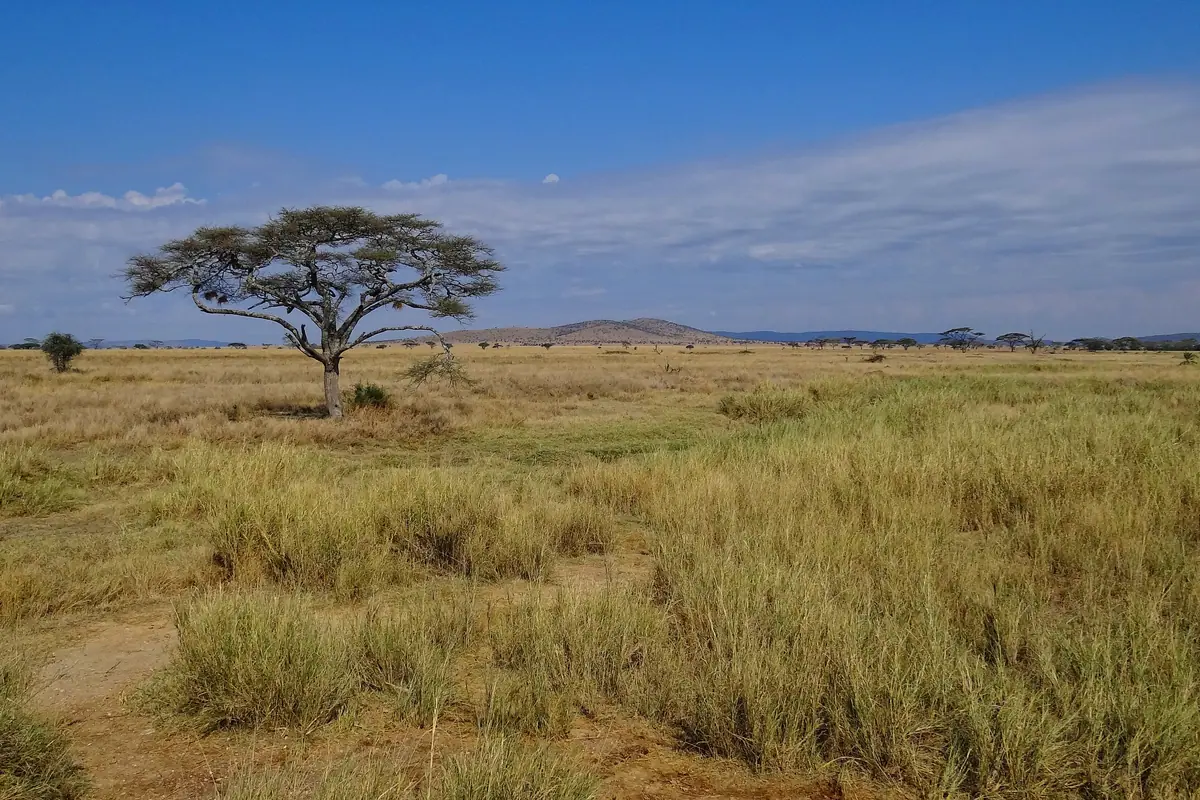
Fly into Seronera in the heart of the Serengeti and you land in the middle of the most famous wildlife spectacle on earth. The Seronera Valley's year-round water draws leopard draped along the Seronera River's fig branches, lions on the kopjes, cheetah on the short-grass plains, and enormous pods of hippo at the Retina Hippo Pool. The Serengeti Visitor Centre near Seronera is worth an hour for its clear explanations of the ecosystem, and the Moru Kopjes to the south hide Maasai rock paintings and the park's remaining black rhino.
From July to September or October, push north to Kogatende and the Lamai Wedge, where the wildebeest migration funnels across the Mara River in chaotic, dust-churning crossings watched by crocodiles and marabou storks. Between roughly December and March, the herds move to the southern Ndutu plains, where half a million calves are born within a few frantic weeks and predators follow. Whichever season you choose, a dawn hot-air balloon over the plains — followed by a bush breakfast under an acacia — is the single most memorable add-on the Serengeti offers.
Aim for at least two nights. Game drives work around the golden hours: leave camp at first light with coffee and return for brunch, rest through the midday heat, then head out again from 4pm until sunset. Nights are cold on the plains in June and July, so pack a fleece and a beanie even though you're on the equator — you're at around 1,500 metres, and mornings can dip close to 10°C.
Day 6: Ngorongoro Crater and Olduvai Gorge
Fly from Seronera to Lake Manyara airstrip, then climb the Rift Valley escarpment by road to the rim of the Ngorongoro Crater — a collapsed volcanic caldera roughly 19 kilometres across, one of the largest intact calderas on the planet and a UNESCO World Heritage Site. The rim sits at about 2,300 metres, so the air is noticeably thin and the mornings genuinely cold. Descend early via the Lerai Forest road onto the crater floor at 1,700 metres, where almost every East African animal you can name lives within a single walled amphitheatre: black rhino, the park's famous big-tusked elephants, black-maned lions, flamingos massed on the soda flats of Lake Magadi, and enormous herds of wildebeest and zebra.
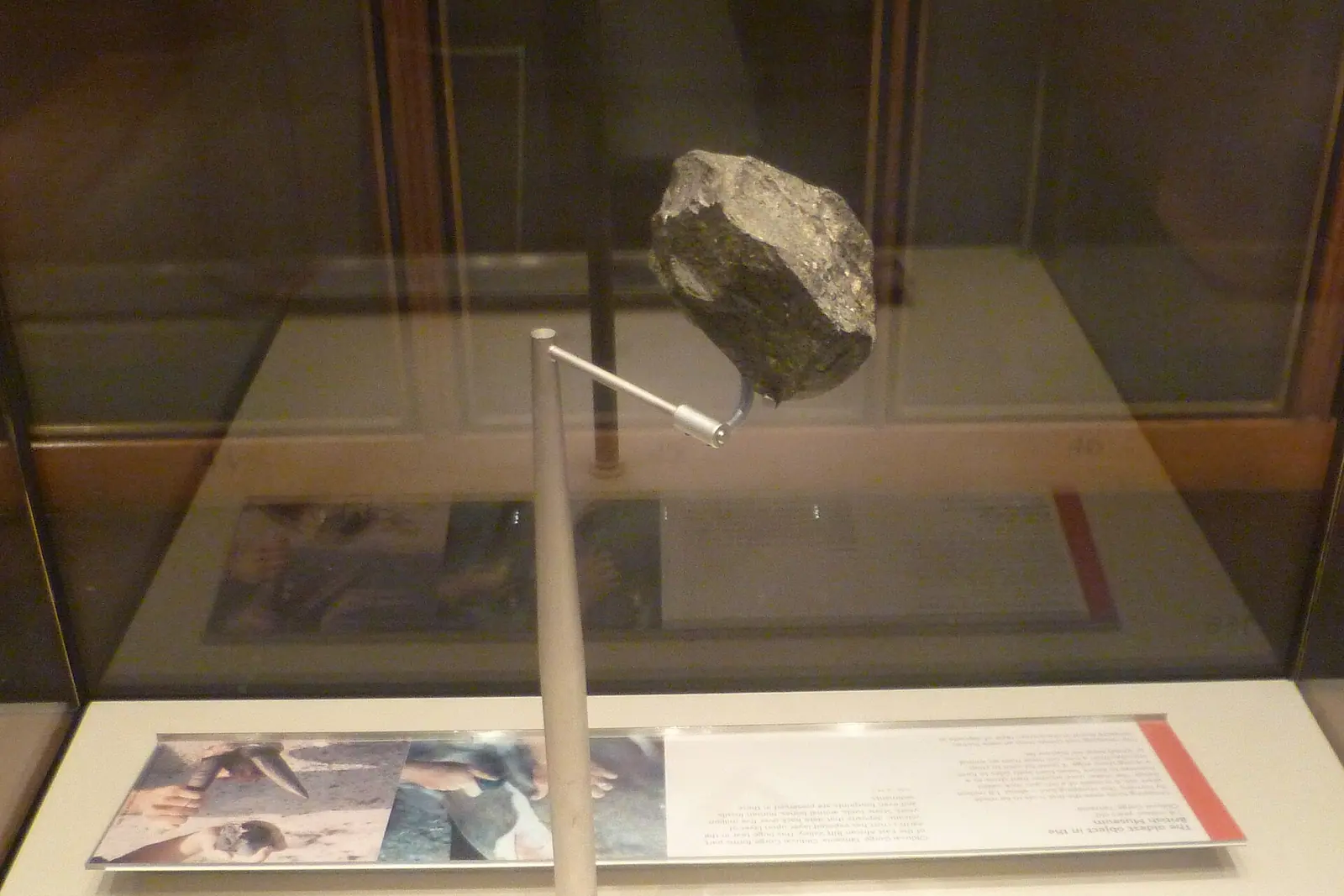
It's a full day down on the floor, and rules limit how long vehicles may linger, so an early start matters. On the way out — or on the drive between the crater and the Serengeti — detour to Olduvai Gorge, the layered ravine where some of the earliest evidence of human ancestors was unearthed. A small museum on the rim overlooks the dig sites and the shifting dunes nearby, and the drive across the short-grass plains between here and the Serengeti's Naabi Hill gate is one of the most photogenic stretches of road in Tanzania.
Spend the night on the crater rim if you can — the sunset from the western edge, with the caldera glowing below, justifies the cost. Beware the altitude if you're prone to headaches, and don't underestimate the cold: layers, gloves and a warm hat are essential at dawn here even in the dry season.
Day 7: Fly to Zanzibar and Unwind in Stone Town
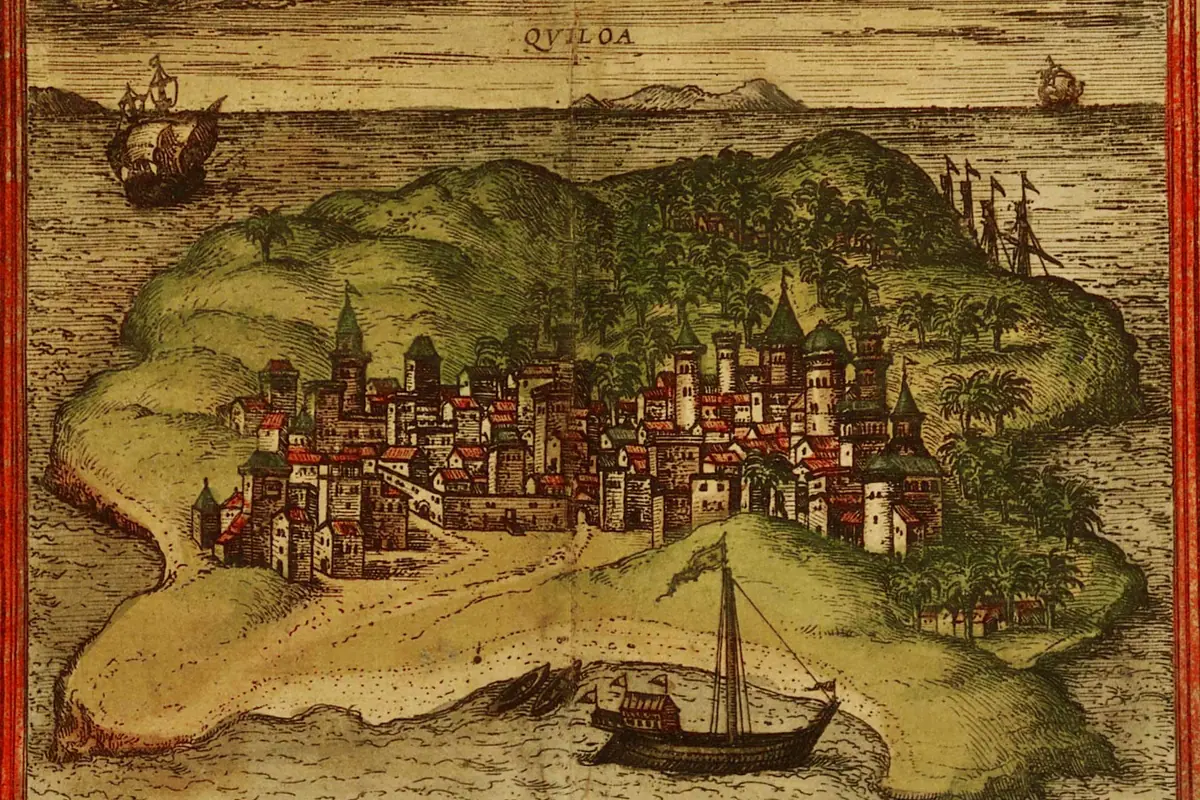
Finish with a flight from Lake Manyara or Kilimanjaro to Zanzibar, a hop of roughly an hour to an hour and a half that swaps dust for humidity and baobabs for coconut palms. Base yourself in Stone Town for the last day — a labyrinth of coral-rag houses, carved doors and narrow alleys that is itself a UNESCO World Heritage Site. Walk through the old slave market site and its Anglican cathedral, the Arab Fort, the House of Wonders on the seafront, and the shaded paths of Forodhani Gardens, which fill with food stalls at dusk selling grilled seafood, urojo and sugar-cane juice.
The town rewards aimless wandering: spice shops perfumed with clove and nutmeg, dhow hulls being repaired on the beach at low tide, and merchants who have traded across the Indian Ocean for centuries. If you have a second day to spare, head north to Nungwi or Kendwa for swimmable beaches and a sunset dhow cruise, or south to the Jozani-Chwaka Bay forest to see the endemic red colobus monkeys, and take a boat out to see the giant tortoises on Prison Island.
The best months for Zanzibar are June to October, when the trade winds blow and the air is cooler, and January and February, when the sea is calm and clear. Avoid the long rains of April and May, when many beach hotels shut and the diving season pauses. Then it's a short flight back to Kilimanjaro or Dar es Salaam for your onward journey — a week, six flights and a lifetime of landscapes packed into seven days.
Frequently asked questions
How much luggage can I take on a bush flight in Tanzania?
Most light-aircraft operators on the safari circuit limit each passenger to around 15 kilograms, sometimes 20, in a soft-sided duffel or rucksack that flexes into a small baggage pod. Hard-shell suitcases and excess items can usually be stored at your hotel in Arusha. Bring a daypack for camera gear and medication, and pack layers rather than volume — you'll be in vehicles and tents, not dressing for dinner.
What is the best time of year to fly the Tanzania safari circuit?
June to October is the classic dry season: game concentrates around water, tracks are firm and the Mara River crossings occur in the northern Serengeti from roughly July to September. January to March brings the calving season on the southern Ndutu plains and hot, clear days on Zanzibar. April and May are the long rains, when many camps close and light aircraft schedules thin out considerably.
Can I fly directly between the Serengeti and Zanzibar?
Yes. Scheduled light-aircraft services link Seronera, Kogatende and Ndutu with Zanzibar during the season, though many routings include a stop in Arusha or at Kilimanjaro to drop and collect passengers. Plan on a journey of two to three hours door to door rather than the one-hour flying time, and always allow a full day between your last bush flight and an international departure.
Do I need a yellow fever certificate or malaria tablets for this itinerary?
Yellow fever vaccination certificates are generally required if you're arriving from a country with yellow fever transmission, and some travellers choose the vaccine regardless. Malaria prophylaxis is sensible for Zanzibar and the lowland parks such as Tarangire and Manyara; the highlands around Ngorongoro and Arusha carry far lower risk. Check current health and visa requirements with your own government and travel clinic well before departure.
Are small bush planes in Tanzania safe and reliable?
The operators serving the safari circuit fly well-maintained turbine aircraft with experienced commercial pilots, often with thousands of hours in these conditions. The main variable is weather rather than safety: afternoon heating creates turbulence and thunderstorms over the Crater Highlands, so morning departures are smoother and far less likely to be delayed. Keep your heaviest travel days flexible and don't book a tight international connection the same afternoon as a bush flight.
Sort the rest of your trip
Everything for Tanzania, in one place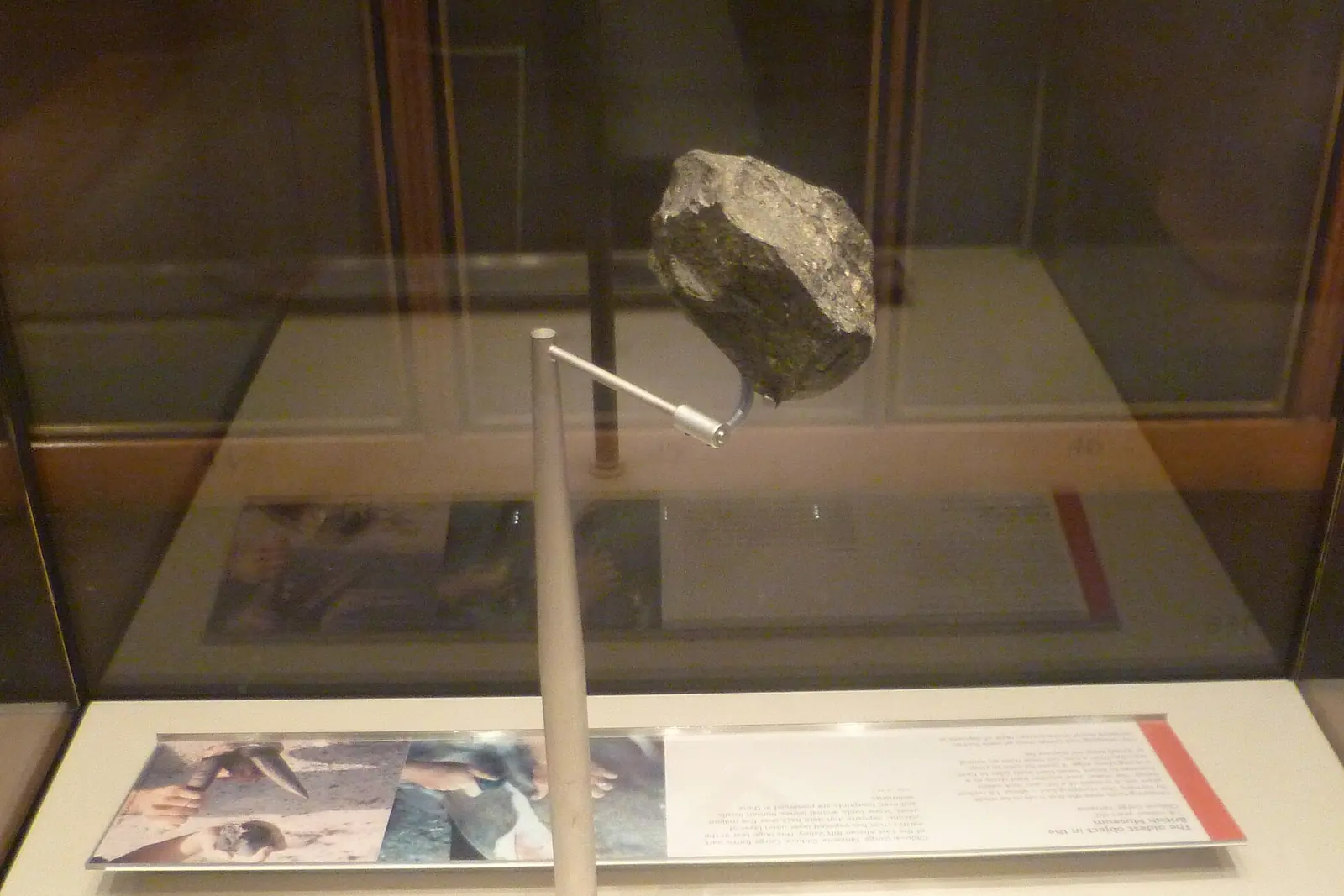
Stay in Tanzania
Hotels, guesthouses and apartments — compared in one search.
Search hotels
Transfer in Tanzania
Private driver waiting on arrival — no queues, no surprises.
Book a transfer
Travel insurance
Medical cover, delays and lost baggage — sorted before you go.
Get coveredMore guides in Tanzania
Best Time to Visit Tanzania: Safari Seasons, Kilimanjaro and Beach Hotels
Top Things to Do in Tanzania: Serengeti, Kilimanjaro & Zanzibar Landmarks
Best Places to Visit in Tanzania: Serengeti, Kilimanjaro & Zanzibar