Tanzania is the rare country that gives you three holidays in one: a wildlife theatre of plains and craters, a snow-capped volcano you can actually stand on, and a Swahili coast of carved doors, spice farms and turquoise water. These are the places worth building a trip around — and the seasons that make each one sing.
Serengeti National Park: The Great Migration and the Endless Plains
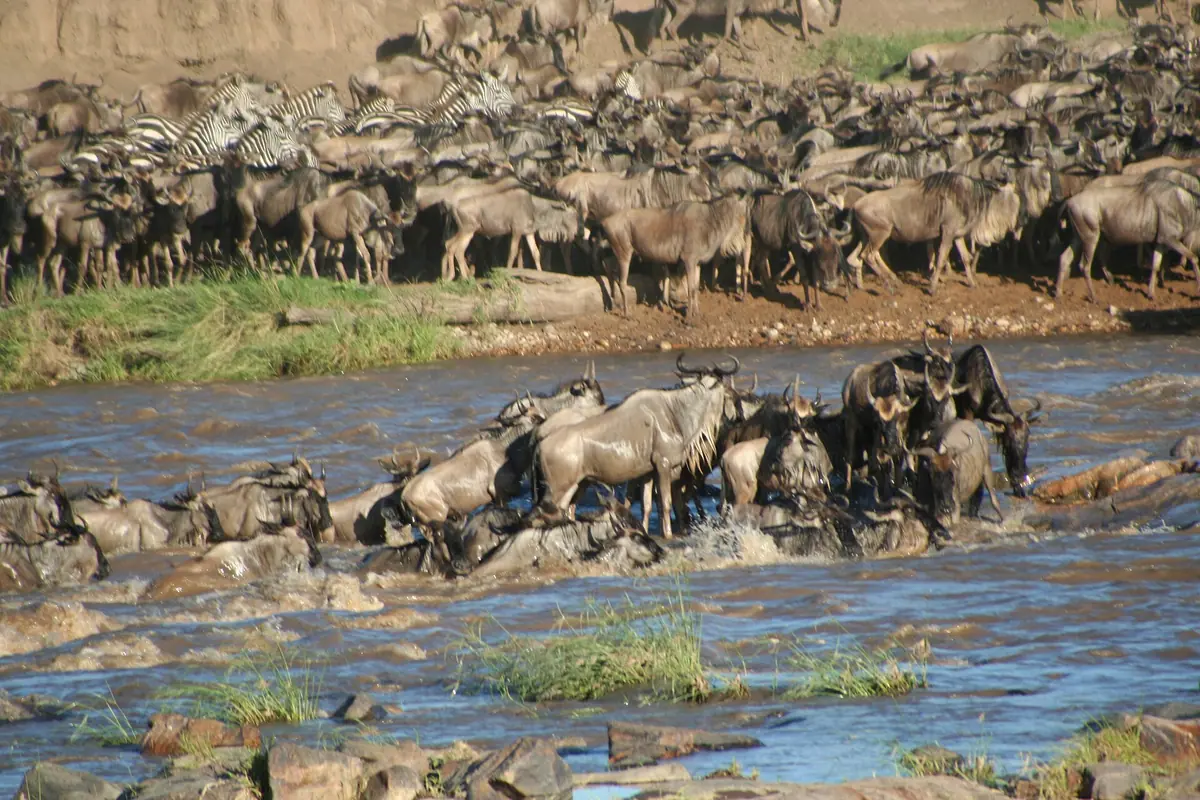
Nothing prepares you for the sheer scale of the Serengeti. It runs for roughly 14,750 square kilometres of grassland, kopjes and riverine forest, and its name comes from a Maasai phrase meaning 'endless plains' — an accurate description when you are standing on a rise near Seronera watching horizon after horizon fold into heat haze. This is the stage for the Great Migration, the year-round circuit of more than a million wildebeest and hundreds of thousands of zebra and gazelle that follows the rains across the ecosystem.
Timing is everything here. From roughly December to March, the herds spread across the southern short-grass plains around Ndutu, where wildebeest calve in a synchronised burst in late January and February — predator activity is intense and the plains are green and photogenic. From June the animals push west and north, and between roughly July and October they mass along the Mara River in the far north around Kogatende, where crossing points can produce hours of tense waiting followed by sudden, chaotic drama. The central Seronera Valley, meanwhile, delivers excellent year-round sightings of leopard, lion and cheetah.
The classic way to experience it is a dawn game drive, when cats are still active and the light is gold, followed by a long siesta and an afternoon drive. Staying inside the park rather than commuting from outside lets you be out before the gates open to day visitors. A hot-air balloon launch at first light, floating silently over herds that scatter below you, is the splurge most travellers remember longest. Book camps and crater-rim beds six to twelve months ahead for the peak migration months.
Ngorongoro Crater and the Rift Valley Escarpment
The Ngorongoro Crater is the world's largest intact volcanic caldera, a 260-square-kilometre bowl whose walls rise 600 metres above a floor of grassland, swamp and soda lake. Descending into it in the early morning, through mist and forest, is one of Africa's great wildlife experiences: the crater holds an unusually dense resident population, including black rhino, huge-tusked elephant bulls, buffalo, hippo at the Ngoitokitok springs and flamingos crowding the shallows of Lake Magadi. Because the animals do not migrate out, sightings are close to guaranteed — a full day on the floor, with a picnic stop, is the standard approach.
On the rim, Maasai communities graze cattle alongside the viewpoints, and the drive in from the Rift Valley escarpment passes Lake Manyara National Park, where groundwater forest gives way to a shallow alkaline lake famous for its pink flamingo flocks and its tree-climbing lions. Further east, Tarangire National Park is the quiet achiever of the northern circuit: baobabs standing like ancient sentinels, and dry-season elephant herds that gather along the Tarangire River in numbers few other parks can match, along with oryx, greater kudu and prolific birdlife.
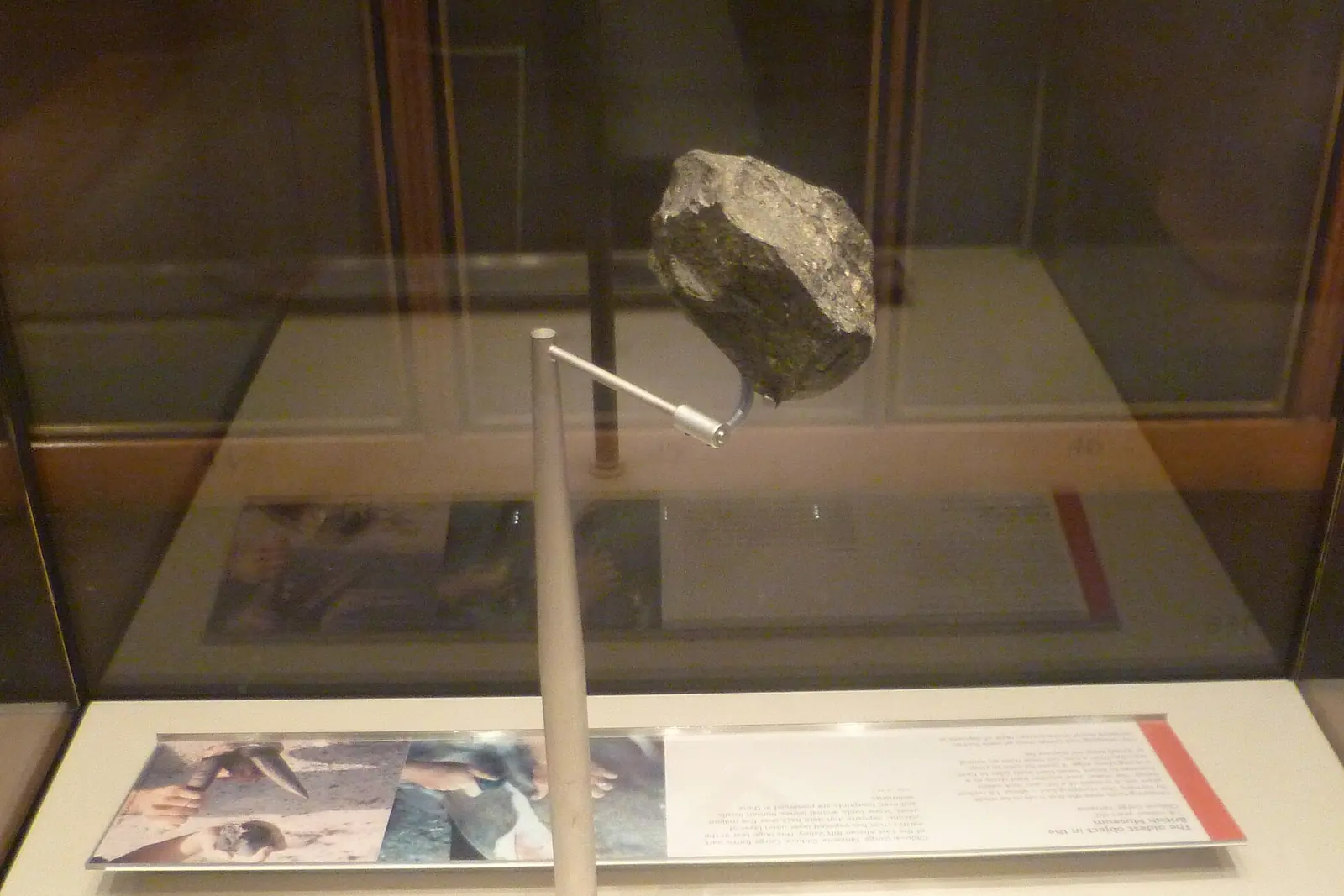
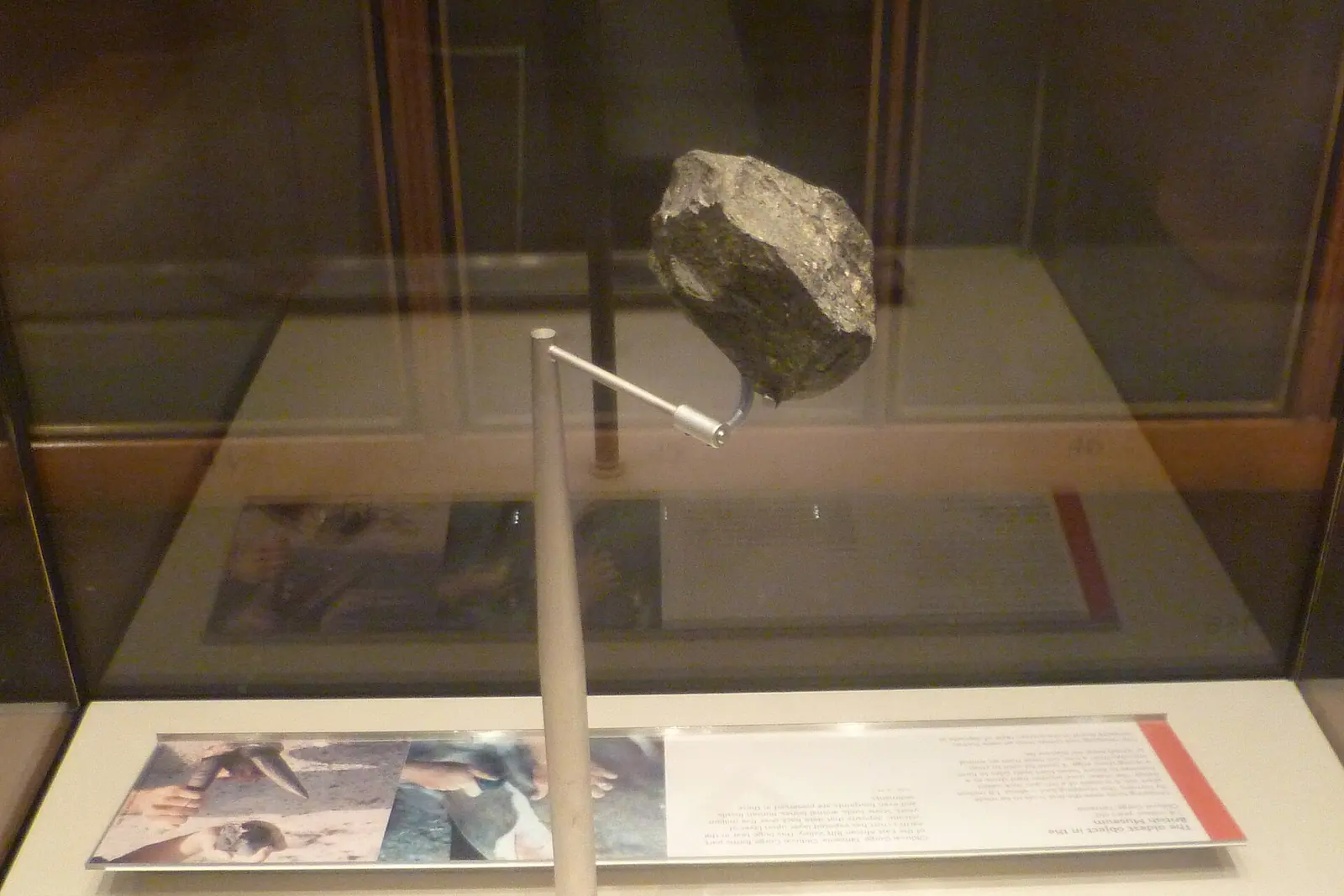
Between the crater and the Serengeti lies Olduvai Gorge, a steep-sided ravine in the volcanic plains where some of the earliest known hominin fossils and stone tools were found, and where a small on-site museum and guided viewpoint talk make sense of the layers. Nearby are the Laetoli footprints, fossilised tracks preserved in volcanic ash. Combine the crater, Manyara, Tarangire and Olduvai over three or four days at a relaxed pace, and you will have seen the northern circuit's greatest hits without ever feeling rushed.
Mount Kilimanjaro: Standing on Africa's Highest Point
Kilimanjaro is the highest free-standing mountain on Earth and the only one of the Seven Summits that requires no technical climbing — which is exactly why it draws everyone from seasoned trekkers to determined first-timers. Uhuru Peak sits at 5,895 metres, and the reward is a sunrise from the roof of Africa with the glaciers of the crater rim glowing below you and the plains stretching away into haze. The climb itself is less about scrambling than about patience: you walk slowly, you drink constantly, and you give your body time to adjust.
Route choice matters more than fitness. Machame is the most popular scenic route, usually done in six or seven days through rainforest, moorland and alpine desert; Lemosho is longer and quieter with better acclimatisation; the Northern Circuit offers the most solitude; Rongai approaches from the drier north; and Marangu is the only route with hut accommodation, though its rapid ascent profile gives it lower summit success. Whichever you pick, add at least one extra day on the mountain — statistics consistently favour slower itineraries — and consider climbing Mount Meru in Arusha National Park first as an acclimatisation warm-up.
The best windows are the drier months: roughly late June to October, and January to early March. April and May bring heavy rain, snow on the upper slopes and muddy forest trails. Nights are bitterly cold above 4,000 metres, so pack a proper down layer, thermal base layers, a good headlamp, and broken-in boots. Porters carry the bulk of the kit, and tipping is an expected and important part of the mountain economy. Finish with a day or two in Moshi or Arusha to recover before transferring to Zanzibar or a safari.

Zanzibar and the Swahili Coast
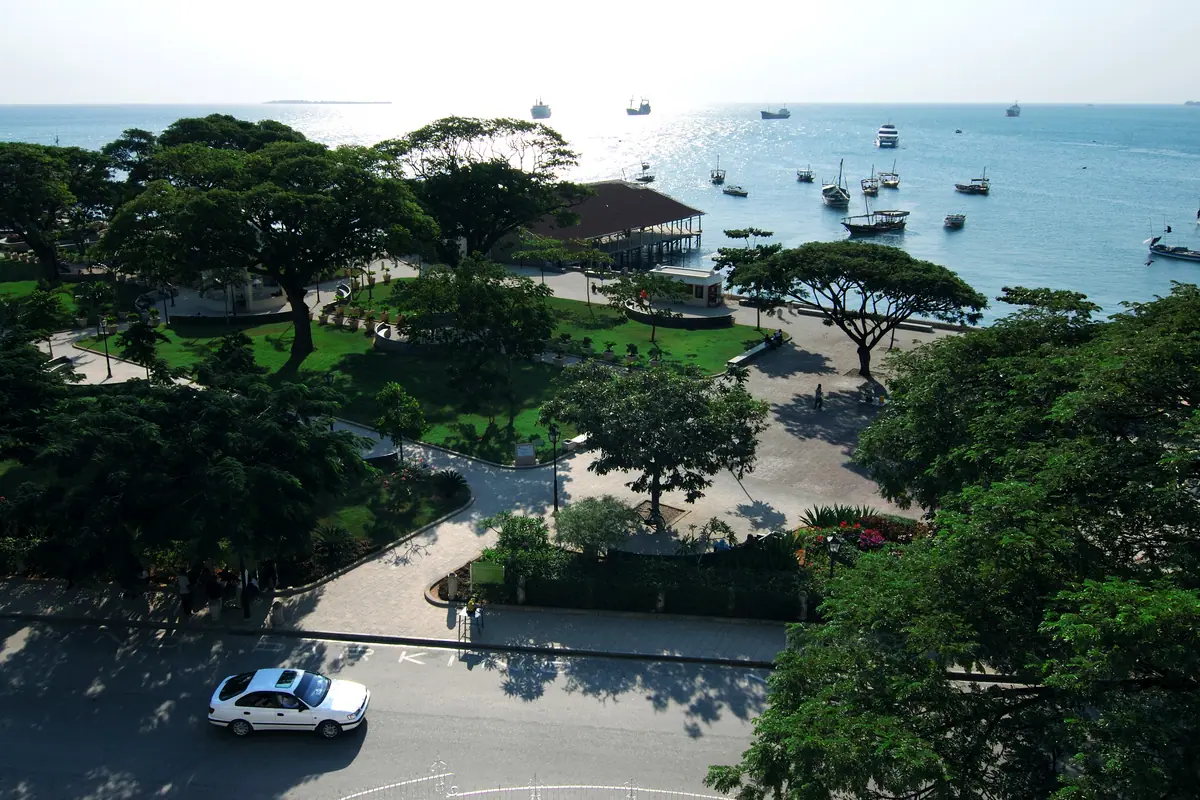
Zanzibar's Stone Town is a labyrinth of coral-rag houses, carved Indian doors, shuttered balconies and narrow lanes that open unexpectedly onto small squares. Wander the old quarter on foot, visit the former sultan's palace and the old fort, and time your evening for Forodhani Gardens, where the seafront fills with grills, sugarcane juice stalls and families as the sun drops behind the dhows. Inland, spice farms growing clove, vanilla, cinnamon and nutmeg offer a fragrant half-day tour, and the Jozani Chwaka Bay forest protects the endemic Zanzibar red colobus monkey, found nowhere else on Earth.
The beaches divide neatly. Nungwi and Kendwa in the north have deep water at all tides, making them the best bet for swimming and sunset dhow cruises; the east coast at Paje, Jambiani and Matemwe has dramatic tidal flats, seaweed farms and reliable wind for kitesurfing from roughly June to September and December to February. Offshore, Mnemba Atoll is the standout snorkelling and diving spot, with reef fish, turtles and the occasional dolphin pod, while Kizimkazi in the south runs boat trips to see resident dolphins at dawn.
For something wilder, Pemba Island rewards divers with plunging walls and untouched reefs, and Mafia Island's protected marine park draws whale sharks between roughly October and March. The best months for the coast are June to October, when it is dry and breezy, and December to February, when it is hot and calm; the long rains of April and May shut down many small hotels and dive shops. Ferries and short flights connect the islands with Dar es Salaam, and the historic ruins at Kilwa Kisiwani on the mainland coast make a fascinating detour for anyone following the old trading routes south.
Southern and Western Tanzania: Chimpanzees, Rivers and Empty Parks
Most visitors never leave the northern circuit, which is precisely why the south and west feel so extraordinary. Nyerere National Park, the vast reserve along the Rufiji River, is best explored by boat: gliding past sandbanks crowded with crocodile and hippo, kingfishers darting ahead of you, and elephant herds drinking at the water's edge. Inland from the river, miombo woodland hides wild dog, sable antelope and lion. Ruaha National Park, centred on the Great Ruaha River, is a rugged, baobab-studded landscape with strong predator numbers and a fraction of the traffic. Remote Katavi, reachable only in the dry months, is famous for its dry-season concentrations of hippo and crocodile crammed into shrinking pools.
For chimpanzees, head west to the Mahale Mountains on the shore of Lake Tanganyika, where habituated groups are tracked on foot through forested slopes — a sweaty, magical hour spent watching them groom, squabble and feed — followed by swimming in the clearest water in Africa. Further north, Gombe Stream National Park offers shorter, steeper treks and a long research history. Both are reached by light aircraft and are best between roughly May and October, when trails are drier.
Inland Tanzania also holds quieter cultural treasures: the painted rock shelters of Kondoa, with ochre figures and animals layered over centuries, and the Swahili stone ruins of Kilwa Kisiwani on the southern coast, once a wealthy trading city. Plan on fly-in, fly-out logistics and be prepared for simple camps and limited road access — the reward is wilderness with almost nobody in it.
When to Go, How Long to Stay, and How to Piece It Together
Tanzania is a year-round destination, but the experience changes month by month. The long dry season from June to October is the most reliable: sparse vegetation, animals concentrated at water, comfortable temperatures and the northern migration in the Serengeti. January and February bring the calving season on the southern plains, warm days and clear skies on Kilimanjaro. The short rains of November and December turn the parks green and lush with excellent birding, while the long rains from March to May bring heavy afternoon downpours, muddy roads, some closed camps — and dramatically lower rates and empty landscapes for travellers who do not mind getting wet.
As a rough rhythm, allow three to four days for Tarangire, Manyara, the Ngorongoro Crater and Olduvai, then three to five more in the Serengeti depending on whether you are chasing the migration in the north or staying central. Add four to six days on Zanzibar to decompress. A serious south-and-west itinerary — Nyerere, Ruaha, Mahale or Gombe — wants at least ten days on its own. Fly-in safaris between Arusha, Seronera and Kogatende save long, dusty drives; road transfers suit shorter hops.
Practically, book high-season camps and crater-rim lodging far in advance, expect early starts and big temperature swings between dawn and midday, and pack neutral colours — dark blue and black attract tsetse flies. Bring binoculars, a wide-brimmed hat, dust-proof bags for cameras and a power bank, since charging points are shared. Check visa and vaccination requirements well ahead, including yellow fever certification if you are arriving from a risk country, and take malaria precautions. Finally, treat your guides and porters well, ask before photographing people, and carry small notes for tips — the people who make these journeys possible are part of what makes Tanzania unforgettable.
Frequently asked questions
When is the best time to visit Tanzania?
For wildlife, the dry season from June to October is the most dependable, with thin vegetation and animals gathered at rivers and waterholes — this is also when the northern Serengeti migration reaches the Mara River. January and February are ideal for the calving season on the southern plains and for clear Kilimanjaro views. November to December is greener and quieter with great birding, while March to May brings heavy rain, some closed camps and the lowest prices.
How many days do you need for a Tanzania safari and Zanzibar?
A comfortable northern circuit — Tarangire, Lake Manyara, the Ngorongoro Crater and the Serengeti — runs seven to ten days including travel between parks. Add four to six days on Zanzibar for Stone Town and the beaches. If you want the southern or western parks such as Ruaha, Nyerere or the Mahale Mountains, budget at least ten days for that region alone because access is by light aircraft.
Can a beginner climb Mount Kilimanjaro?
Yes. Kilimanjaro is a trek, not a technical climb, so most reasonably fit walkers can attempt it. The main obstacles are altitude and cold. Choose a longer route such as Lemosho or the Northern Circuit, add an extra acclimatisation day, walk slowly, drink plenty of water and consider climbing Mount Meru first. Aim for the drier months of late June to October or January to early March.
Where can you see chimpanzees in Tanzania?
The two main places are the Mahale Mountains on Lake Tanganyika, where habituated groups are tracked on foot through forest and you can swim afterwards, and Gombe Stream further north, which offers steeper, shorter treks. Both are reached by light aircraft and are best visited in the drier months from roughly May to October, when forest trails are less muddy.
Do you need a visa or vaccinations for Tanzania?
Most visitors need a visa, which can usually be arranged online in advance or on arrival, and passports should be valid for at least six months beyond your stay. A yellow fever certificate is required if you are arriving from a country with transmission risk. Malaria prophylaxis is strongly recommended for almost all safari and coastal areas, plus routine travel vaccinations and a check on altitude precautions for Kilimanjaro.
Plan it — experiences in Tanzania
Live search, booked directly with trusted providers.
Sort the rest of your trip
Everything for Tanzania, in one place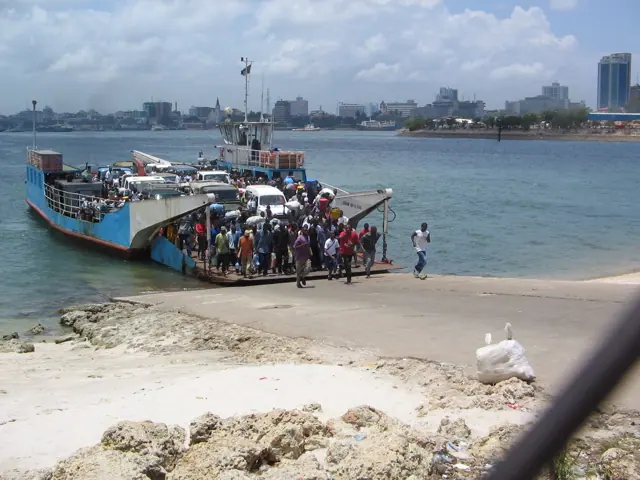
Stay in Tanzania
Hotels, guesthouses and apartments — compared in one search.
Search hotels
Transfer in Tanzania
Private driver waiting on arrival — no queues, no surprises.
Book a transfer
Stay online in Tanzania
Travel eSIM — data the moment you land, no roaming bills.
Get an eSIMMore guides in Tanzania
Best Time to Visit Tanzania: Safari Seasons, Kilimanjaro and Beach Hotels
Top Things to Do in Tanzania: Serengeti, Kilimanjaro & Zanzibar Landmarks
Where to Stay in Tanzania: Hotels, Lodges and Camps for the Top Cities and Must-See Attractions