Sweden stretches so far north that its landscape changes character completely between the Baltic south and the Arctic circle, which is why one trip rarely feels like enough. You can wander a medieval island of ochre townhouses in the morning and stand under green aurora light the same week. This guide gathers the landmarks and experiences genuinely worth building an itinerary around.
Gamla Stan and the Royal Heart of Stockholm
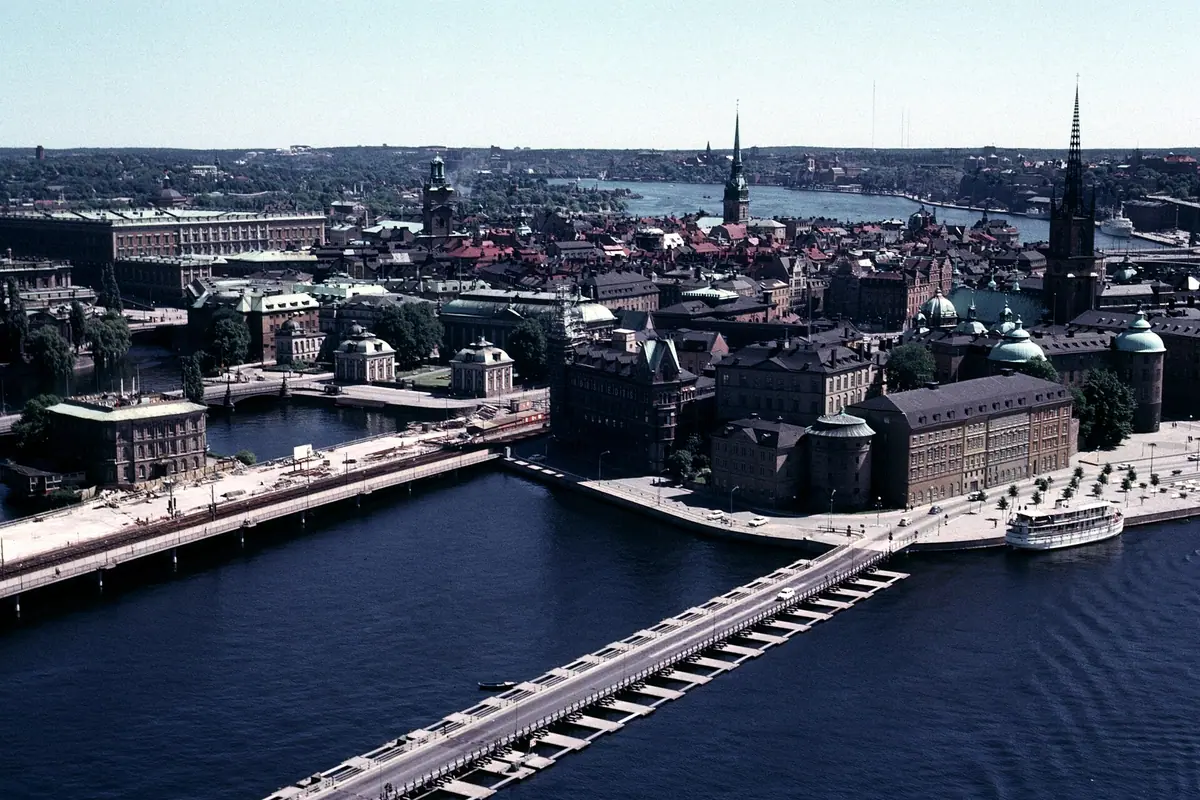
Start where Sweden itself starts to make sense: Gamla Stan, the old town that occupies its own island in the middle of Stockholm. Its lanes are narrow enough to feel like corridors, lined with buildings in shades of rust, mustard and faded rose that date back to the 17th and 18th centuries. At the centre sits Stortorget, the cobbled square where you'll find the colourful gabled houses that appear on almost every postcard of the city, along with the Nobel Prize Museum in the old stock exchange building. Arrive before nine in the morning if you want the square to yourself — by midday in July it belongs to tour groups and wedding photographers.
The Royal Palace, Kungliga Slottet, dominates the northern edge of Gamla Stan and remains one of the largest working royal residences in Europe, with more than 600 rooms and several museums inside its walls. The changing of the guard ceremony draws crowds on weekdays and Sundays, but the real reward is the treasury and the state apartments, which stay surprisingly calm. A few steps away, Storkyrkan cathedral holds a dramatic wooden sculpture of Saint George and the Dragon, and the narrow alley of Mårten Trotzigs Gränd — barely 90 centimetres wide at its tightest — is a test of both nerve and camera angles.
Wear shoes with grip: the cobbles are polished smooth and turn treacherous in rain or winter slush. If you only have one day in Stockholm, this is the district to give it to.
Djurgården: The Vasa Museum, Skansen and ABBA
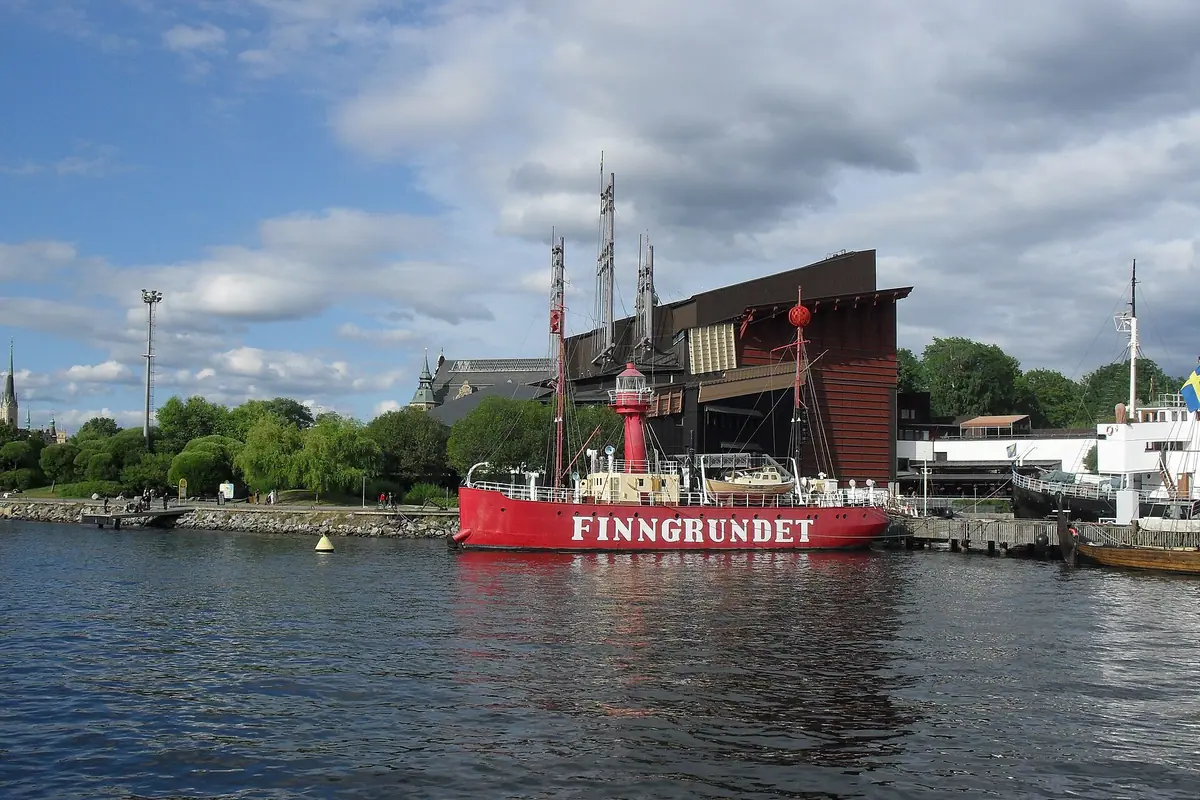
A short ferry ride or tram journey from the city centre brings you to Djurgården, an island that packs more world-class attractions per square kilometre than anywhere else in Scandinavia. The headline act is the Vasa Museum, built around a warship that sank on its maiden voyage in 1628 and was raised from the harbour floor more than three centuries later. Seeing the hull — almost fully intact and impossibly ornate — is the single most memorable indoor experience in Sweden. Go straight there at opening time; queues lengthen dramatically by late morning in summer.
Skansen, next door, is the world's oldest open-air museum, a sprawling park where historic farmsteads, workshops and manor houses from across Sweden have been reassembled and staffed by craftspeople in period dress. It doubles as a zoo for Nordic wildlife, so you can see elk, lynx, wolverines and reindeer without leaving the city. Allow at least half a day, more if you're travelling with children.
Then there's the ABBA Museum, a joyfully loud interactive shrine to the band, and Gröna Lund, the vintage amusement park with wooden roller coasters right on the water. If you need quiet, walk to Rosendal Palace and its gardens instead — a formal 19th-century summer retreat that feels a world away from the crowds.
The Stockholm Archipelago and Drottningholm Palace
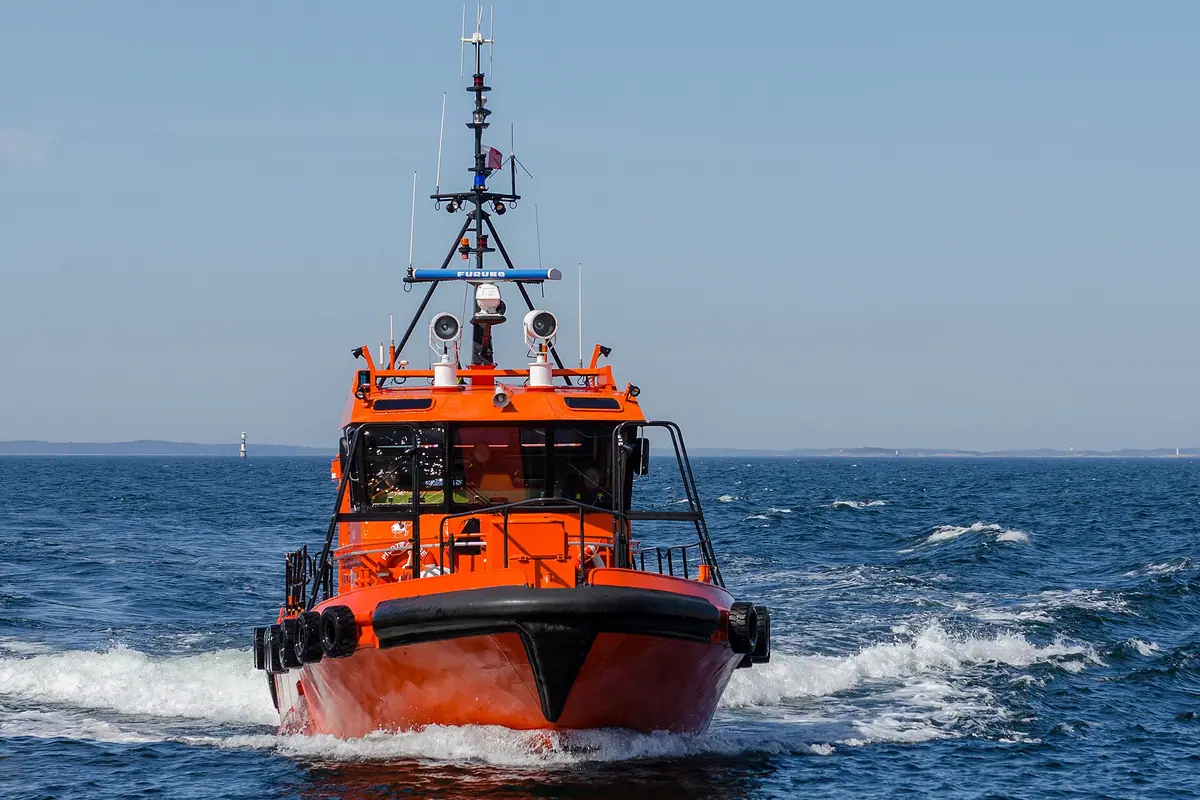
Stockholm's archipelago is made up of something close to 30,000 islands, skerries and rocks spilling east into the Baltic, and it is the city's greatest natural asset. Regular ferries and commuter boats run from the centre to places like Vaxholm, with its island fortress, and Sandhamn, a sailing village of white wooden houses and sandy coves at the outer edge. In summer the water is warm enough for a genuine swim, the light stays until nearly midnight, and the pace drops to bicycles, jetties and smoked fish.
An hour west of the city by boat or bus, Drottningholm Palace is the royal family's permanent residence and a UNESCO World Heritage Site. Its 18th-century court theatre still stages opera with original hand-cranked stage machinery — an experience almost impossible to replicate anywhere else. The formal baroque gardens and the Chinese Pavilion are worth the walk, particularly in late spring when the grounds are at their greenest.
Bear in mind that outer-island services thin out sharply from October to April, when many cafés and guesthouses close. May through August is the sweet spot; September still delivers good light and far fewer visitors.
Swedish Lapland: Icehotel, Aurora Skies and Sami Culture
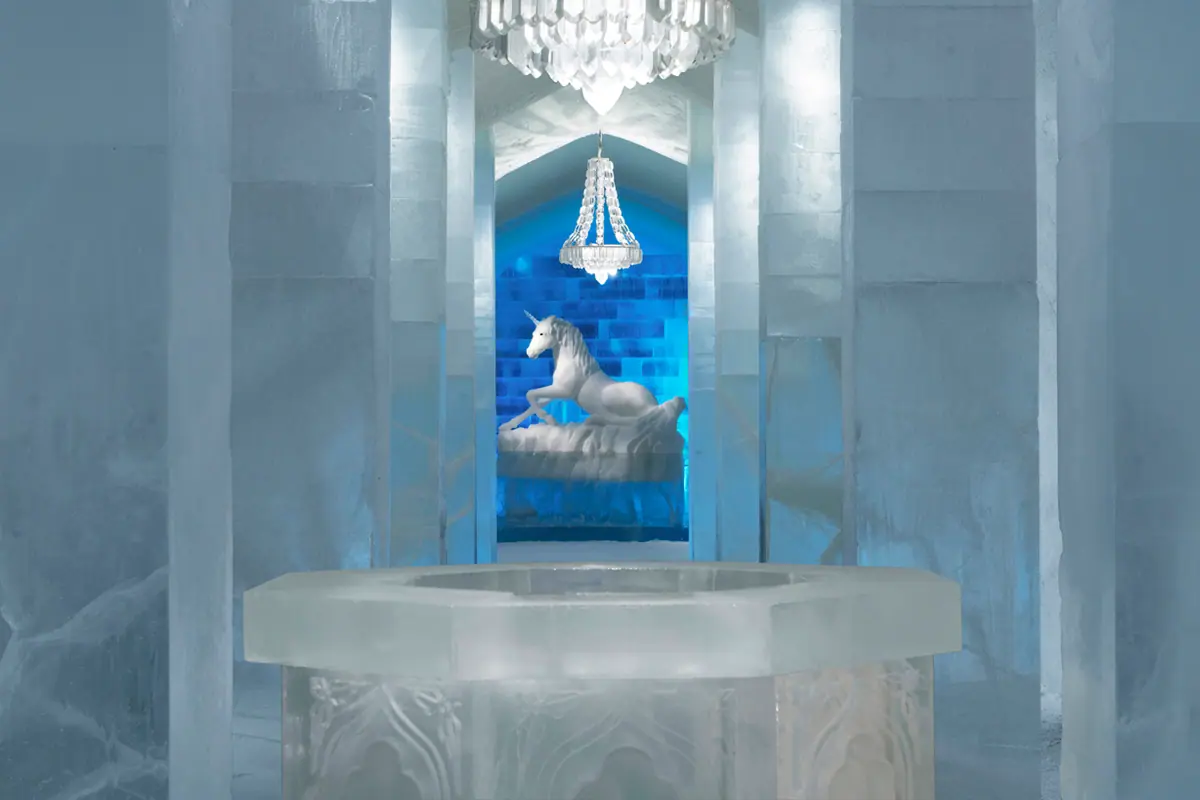
Cross the Arctic Circle and Sweden becomes something else entirely. In Jukkasjärvi, near Kiruna, the Icehotel is rebuilt from scratch every winter using blocks harvested from the Torne River — each suite carved by a different artist, each one melting back into the river in spring. You can sleep in a thermal sleeping bag on an ice bed, or visit on a day tour to walk the corridors and have a drink in the ice bar. Even if you stay in a warm cabin nearby, seeing it is worth the journey north.
Abisko National Park is arguably the most reliable place in the country to see the northern lights, thanks to a rain-shadow microclimate that keeps skies unusually clear. The season runs from roughly September to late March, with the deepest darkness and best odds from November through February. Days are short then — a few hours of blue twilight around midday — so plan activities like dog sledding, snowshoeing or ice fishing rather than sightseeing.
Kebnekaise, Sweden's highest mountain, anchors the region, and the Kungsleden trail begins nearby, running roughly 440 kilometres through fjäll landscape that stays light all night in June and July. Sami communities across Lapland continue reindeer herding, and guided visits — done with respect and through local operators — offer the most meaningful way to understand the north. Summer here means midnight sun, mosquito repellent and mountains you can hike at 11pm.
Gothenburg, the West Coast and the Öresund Bridge
Sweden's second city, Gothenburg, is a harbour town with a distinctly relaxed streak. Liseberg, one of Europe's best-loved amusement parks, sits right in the middle of it, while the Haga district offers wooden houses, cosy cafés and the giant cinnamon buns the city is quietly famous for. Head to Feskekôrka, the covered fish market hall shaped like a church, for shrimp sandwiches and pickled herring, and stroll the leafy avenue of Kungsportsavenyn in the evening.
North of the city, the Bohuslän coast is a landscape of smooth granite, fishing villages and some of the best seafood in Scandinavia. Smögen's long wooden boardwalk, Marstrand's island fortress and the Kosterhavet marine national park — Sweden's first — are all reachable in a day or two by car or bus. This is a place to eat oysters, rent a kayak and let the schedule dissolve.
In the far south, Malmö is joined to Copenhagen by the Öresund Bridge, an 8-kilometre engineering spectacle you can cross by train in about 35 minutes. The twisted Turning Torso tower defines the skyline of the Västra Hamnen district, and Malmö's old town and castle keep the city grounded in history. The surrounding region of Skåne, with its flat farmland, beaches and castle estates, is ideal for a cycling day trip.
Gotland, Uppsala and Sweden's Historic Inland
The island of Gotland, reached by ferry or a short flight from Stockholm, holds one of the best-preserved medieval towns in Europe. Visby's ring wall, more than 3 kilometres of it, encircles a warren of rose-covered cottages, church ruins and cobbled lanes — and it's a UNESCO World Heritage Site. In summer the island becomes a holiday destination for Swedes themselves, with long beaches, raukar (weathered limestone sea stacks) and the wild, windswept peninsula of Fårö just to the north. Book accommodation months ahead for July.
Inland and just north of Stockholm, Uppsala pairs a towering Gothic cathedral — the largest in Scandinavia — with Gamla Uppsala, the ancient burial mounds that featured in Norse sagas. Further south in Småland, the glass-blowing studios of the Kingdom of Crystal offer workshops and factory visits, while Vimmerby celebrates the world of Astrid Lindgren at a theme park devoted to her stories. Kalmar Castle, on the southeast coast, is one of the best-preserved Renaissance fortresses in the Nordic countries.
If you want a slower, more scenic route between Stockholm and Gothenburg, the Göta Canal cuts across the country through locks and lakes, best experienced by bicycle or canal boat between June and August. Wherever you go, remember that Swedes embrace the outdoors in every season — and that fika, the ritual coffee break with something sweet, is not optional.
Frequently asked questions
What is the best time of year to visit Sweden?
It depends entirely on what you want. June to August delivers long daylight hours, warm archipelago swimming and lively cities, with Stockholm and Gotland at their best. September to late March is aurora season in Lapland, with the clearest skies usually from November to February. May and early September are excellent compromises: fewer crowds, mild weather and everything still open.
How many days do you need in Stockholm?
Three full days lets you cover Gamla Stan, the Vasa Museum and Djurgården, plus a half-day boat trip into the archipelago. Add a fourth if you want Drottningholm Palace or a proper island stay. Stockholm is compact and walkable, and the metro, trams and ferries make getting around straightforward.
Where is the best place to see the northern lights in Sweden?
Abisko National Park in Swedish Lapland is widely considered the most reliable spot, thanks to the surrounding mountains creating clearer skies. Kiruna, Jukkasjärvi and the areas around Kebnekaise also offer good odds. Give yourself at least three or four nights, since aurora viewing depends heavily on cloud cover and solar activity.
Can you visit the Icehotel without staying overnight?
Yes. The Icehotel in Jukkasjärvi runs daytime guided tours through the art suites and the ice bar, and you can book a single cold night alongside warmer accommodation if you want the experience without committing to a full stay. It is rebuilt each winter, so visits are only possible roughly from December to April.
How do you get around Sweden without a car?
Very easily. Long-distance trains connect Stockholm, Gothenburg, Malmö and Uppsala, regional buses reach most smaller towns, and ferries serve Gotland and the archipelago. A car is genuinely useful in rural areas like Bohuslän, Skåne and inland Lapland, but for a city-and-coast itinerary you can manage comfortably on public transport.
Plan it — experiences in Sweden
Live search, booked directly with trusted providers.
Sort the rest of your trip
Everything for Sweden, in one place
Stay in Sweden
Hotels, guesthouses and apartments — compared in one search.
Search hotels
Transfer in Sweden
Private driver waiting on arrival — no queues, no surprises.
Book a transfer
Stay online in Sweden
Travel eSIM — data the moment you land, no roaming bills.
Get an eSIM