Sweden is a country you sleep your way through — a medieval cellar room under Gamla Stan's cobbles, a red timber cottage beside a Bohuslän inlet, a bed of ice above the Arctic Circle. Where you stay shapes what you see, because the good addresses sit within walking distance of the sights that define each region.
Why Sleeping Well in Sweden Is Its Own Kind of Sightseeing
Sweden's accommodation is unusually varied for a country of ten million. Within a single trip you can sleep in a design hotel behind a 19th-century Stockholm facade, a manor house ringed by Skåne rapeseed fields, a converted boathouse on the west coast, a wooden cabin in a Småland forest or a heated glass suite staring up at the aurora. The country's right-to-roam tradition means wild camping is legal on most open land, so a hotel room here is a deliberate choice rather than a necessity — and Swedes take that choice seriously.
Expect a few consistent traits. Rooms run smaller than in North America, and double beds are often two twins pushed together, so ask for a true double if it matters. Breakfast is almost always included and rarely an afterthought: dark rye bread, cheese, boiled eggs, herring, cured salmon, yoghurt and unlimited coffee. Many properties have a sauna, sometimes bookable by the hour, and most operate on keycards with self check-in for late arrivals. Sweden is close to cashless, so bring a card rather than a wallet of notes.
Stockholm: Gamla Stan, Södermalm and the Djurgården Museums
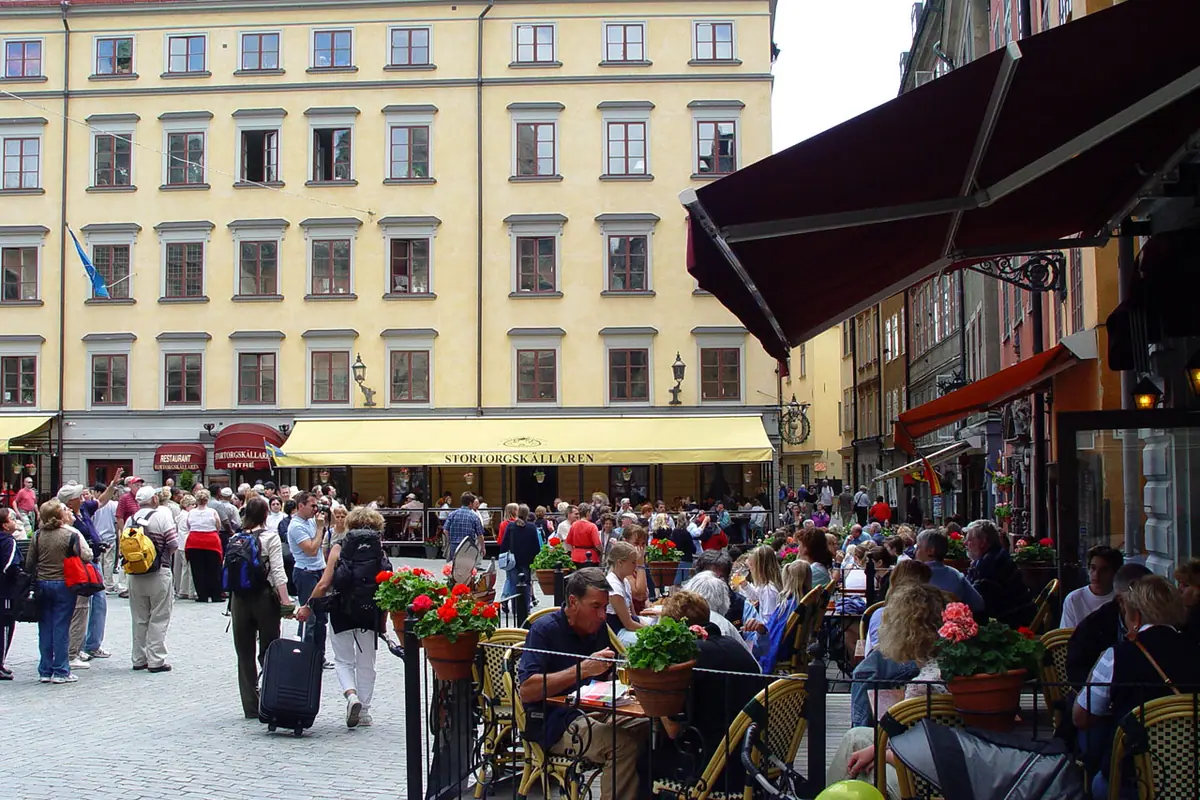
Stockholm rewards staying in the right district. Gamla Stan puts you on cobbles between the Royal Palace and Stortorget, the old market square with its leaning gabled houses — atmospheric, but noisy in summer. Södermalm is the local favourite: boutique hotels near Monteliusvägen, the cliffside viewpoint over Lake Mälaren, and the boutiques of SoFo. Norrmalm suits early trains and airport transfers around the central station, while leafy Vasastan and museum-lined Östermalm, home to the marble halls of Östermalms Saluhall, trade buzz for calm.
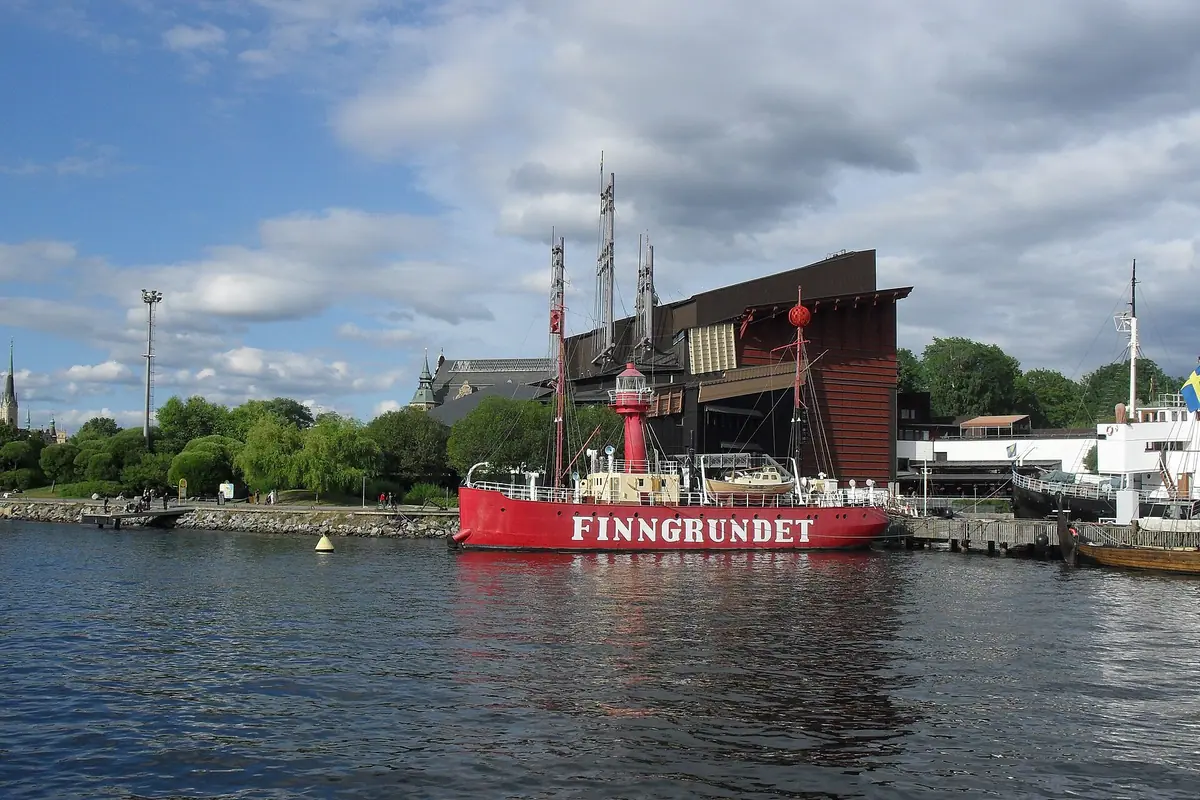
The city's headline sights concentrate on Djurgården, reachable by tram, bus or a short ferry ride. The Vasa Museum displays a warship that sank on its maiden voyage in 1628 and was raised almost intact; Skansen next door is an open-air museum of transplanted farmsteads, crafts and Nordic animals. Nearby sit the ABBA Museum and the Nordic Museum, while Fotografiska fills a waterfront warehouse on Södermalm with photography, and Stadshuset, the brick city hall where the Nobel banquet is held, offers tower tours with wide views.
Gothenburg and the Bohuslän Coast
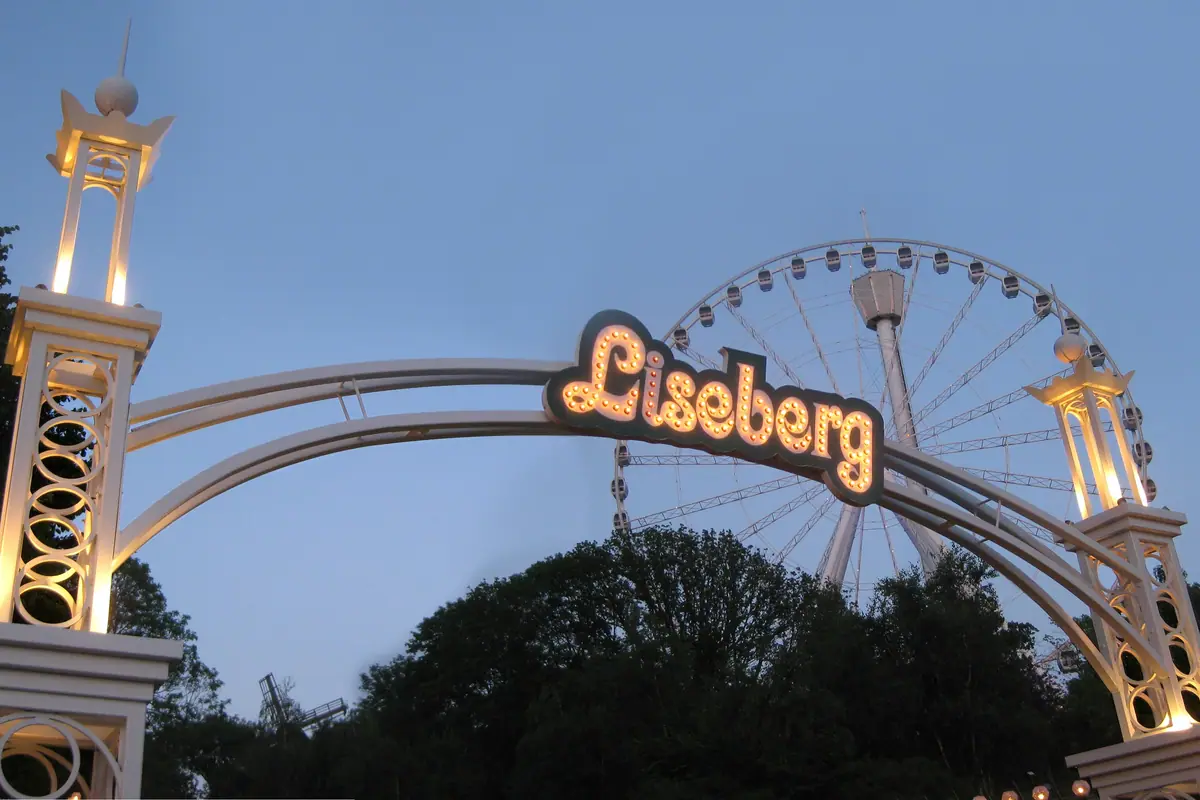
Sweden's second city is a working port with a warm, unpolished charm, and its hotels cluster around the leafy avenues of Vasastan and Linnéstaden. Base yourself here for Liseberg, the century-old amusement park with its wooden roller coaster and summer concerts, and for the Feskekôrka fish market hall, a church-shaped building on the canal. The Haga district's wooden-fronted lanes are made for a slow morning of cardamom buns and coffee, and the city's museums cover art, maritime history and design.
The real draw, though, is west. Ferries from Saltholmen hop through the Gothenburg archipelago to car-free islands with granite bathing slabs and small guesthouses. Further north, the Bohuslän coast runs through Marstrand and its island fortress, the boardwalk village of Smögen, and Fjällbacka's clifftop views. Accommodation here skews to seaside hotels, converted boathouses and cottages, and the Kosterhavet marine park offshore is Sweden's first marine national park, with cold, clear water and seals.
Autumn is a local obsession: the lobster season opens in late September, and along the coast you can join shellfish safaris or simply eat well in harbourside dining rooms. The season for salt-water swimming and island hopping runs from late May to early September, with July the busiest and priciest month. Book coastal hotels well ahead for that window.
Arctic Lapland: Ice Rooms, Treehouses and the Northern Lights
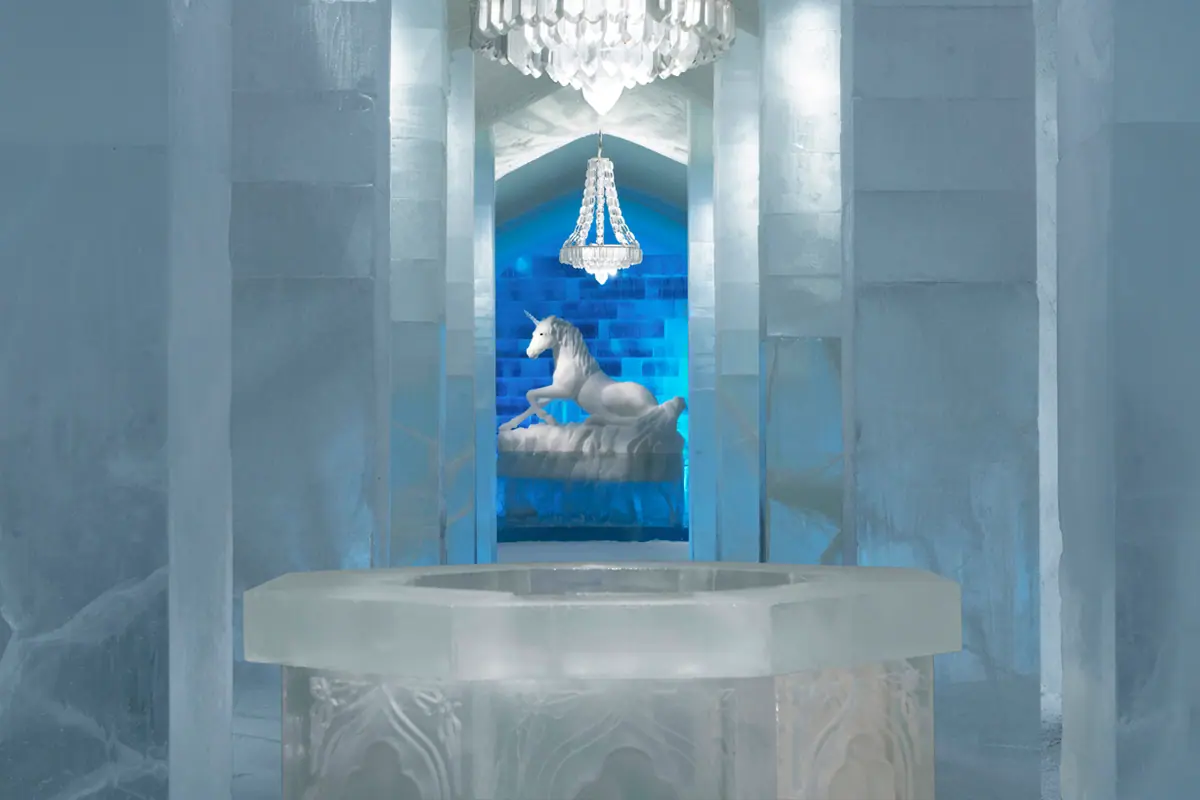
Swedish Lapland is where accommodation becomes the attraction. In Jukkasjärvi, near Kiruna, a hotel of ice and snow is rebuilt every winter from blocks harvested from the Torne River, with sculpted art suites, a chapel and cold rooms where guests sleep in thermal sleeping bags on reindeer hides; warm cabins and saunas stand alongside for those who prefer a normal bed. The season there runs roughly from December to April, and it books out months in advance. Outside Harads, a cluster of architect-designed treehouse rooms elevates forest living a few metres above the moss.
Above the Arctic Circle the light is the itinerary. Abisko National Park, on the shore of Torneträsk, sits in a rain shadow that gives it some of the clearest winter skies in Europe, and the cable-car ascent to the Aurora Sky Station is a classic way to watch the aurora between September and late March. Nearby Kiruna, Sweden's iron-ore town, is being moved building by building to escape subsidence, and its distinctive wooden church is worth an hour. Further south, Gammelstad outside Luleå preserves a UNESCO-listed church town of hundreds of red cottages.
Winter here means short days, deep cold and a need for layered wool, proper boots and a headlamp; December brings polar night, when the sun barely clears the horizon. Summer flips entirely, with midnight sun from roughly late May to mid-July, and the mountains around Kebnekaise, Sweden's highest peak, fill with hikers. Book aurora-season rooms six months out, and ask hotels about dog sledding, snowmobile tours and Sami-run experiences rather than assuming they're included.
Southern Sweden: Skåne, Gotland and the Glass Villages
Malmö is the easy entry point to the south, linked to Copenhagen by the Öresund Bridge, which you can see from the Western Harbour's seafront hotels. The twisted Turning Torso tower dominates that skyline, while Malmöhus Castle, the cobbled squares of Lilla Torg and the beach at Ribersborg give the city a relaxed rhythm. From here, Skåne opens into farmland dotted with manor-house hotels, spa retreats and B&Bs in half-timbered farmsteads.
Coastal Skåne is best explored by car. The standing stones of Ales Stenar perch on a cliff above the sea near Kåseberga, the Kullen peninsula offers cliffs and lighthouses, and the apple farms and galleries of Österlen make a gentle summer circuit. Ystad, with its medieval streets, is a pleasant base for the region. Inland, the forests of Småland conceal glass-blowing workshops where you can watch furnaces roar and buy pieces straight from the makers, and small lakeside cottage villages are ideal for families.
Gotland, reached by ferry from Nynäshamn or Oskarshamn or by a short flight, is the summer jewel. Visby's UNESCO-listed ring wall and rose-covered lanes fill with visitors in July, so book accommodation months ahead; the rest of the island is quieter, with rauks — strange limestone sea stacks — at Langhammars and empty beaches. Öland to the south offers windmills and royal estates, and Kalmar Castle guards the mainland crossing.
How to Choose and Book: Seasons, Room Types and Small Print
Timing drives both price and availability. Stockholm and Gothenburg are priciest in July and during the December Christmas-market weeks, when Gamla Stan's Stortorget fills with stalls. April to May and September to October are the sweet spots for cities: mild weather, lower rates, fewer crowds. Ski weeks in Åre and Sälen peak in February and March, aurora stays run September to March, and Midsummer in late June empties the cities while filling the archipelagos — reserve that weekend a year ahead if you want an island hotel.
Read the room type carefully. Single rooms are common, genuinely small and often the best value; family rooms usually have bunk beds; and "vandrarhem" means hostel, "stugby" a village of self-catering cottages. Breakfast is nearly always included, but dinner service is often limited outside cities, so check whether your rural hotel has a restaurant or whether the nearest village is a drive away. Many properties are eco-certified and many have a sauna — ask about booking times, since it's often shared.
Getting around is straightforward without a car if you stay in cities: fast trains link Stockholm, Gothenburg and Malmö in three hours or less, and overnight trains run north to Lapland. In the countryside, a car transforms the trip. Wherever you stay, expect quiet hours after 22:00, shoes off in some smaller guesthouses, and no tipping culture — service is included. If you need step-free access, confirm directly, as older buildings frequently lack lifts.
Frequently asked questions
When is the best time of year to book a hotel in Sweden?
It depends on the trip. Visit Stockholm or Gothenburg in May or September for mild weather and easier rates. Choose December to March for aurora stays and ice hotels in Lapland, and late June to early August for island hopping and midnight sun. Book city hotels two to three months ahead, aurora and ice accommodation about six months ahead, and archipelago hotels for Midsummer almost a year in advance.
Are hotels in Sweden expensive?
Sweden is not a cheap destination, and rates rise sharply in July, at Midsummer and during December's Christmas markets. You get real value from the fact that breakfast is nearly always included, and from staying slightly outside the centre — Stockholm's metro and Gothenburg's trams make a suburban hotel perfectly practical. Hostels, cottage villages and countryside B&Bs bring costs down considerably.
Do Swedish hotels include breakfast, and what is it like?
In the vast majority of hotels, yes. Expect a generous cold buffet with rye and sourdough bread, cheese, cold cuts, herring, cured salmon, boiled eggs, yoghurt, fruit and plenty of coffee, plus porridge or hot dishes in larger properties. Rural hotels may serve a smaller spread, so check if breakfast matters to you.
Where should I stay to see the northern lights in Sweden?
Aim for Swedish Lapland between September and late March. Abisko National Park is prized for its clear winter skies, with aurora viewing from the mountain station above town, while Jukkasjärvi near Kiruna combines ice-hotel nights with easy access to guides and sledding. Kiruna itself works as a practical base with the widest choice of hotels and the best flight connections.
Can I explore Sweden without a car?
Yes, if you stick to the cities. Fast trains connect Stockholm, Gothenburg and Malmö in around three hours, and overnight trains reach Lapland; ferries serve Gotland and the archipelagos. Once you head into Skåne's countryside, the Småland forests or the Bohuslän coast, a car makes life far easier — many country hotels sit well away from bus and rail lines.
Sort the rest of your trip
Everything for Sweden, in one place
Transfer in Sweden
Private driver waiting on arrival — no queues, no surprises.
Book a transfer
Things to do in Sweden
Skip-the-line tickets, guided tours and standout experiences.
See experiences
Stay online in Sweden
Travel eSIM — data the moment you land, no roaming bills.
Get an eSIMMore guides in Sweden
Sweden Food, Culture and Local Experiences: A Tour Through Fika, Midsummer and the Midnight Sun
One Week in Sweden Itinerary: Flying from Stockholm to Lapland
Best Places to Visit in Sweden: Must-See Sights from Stockholm to Lapland