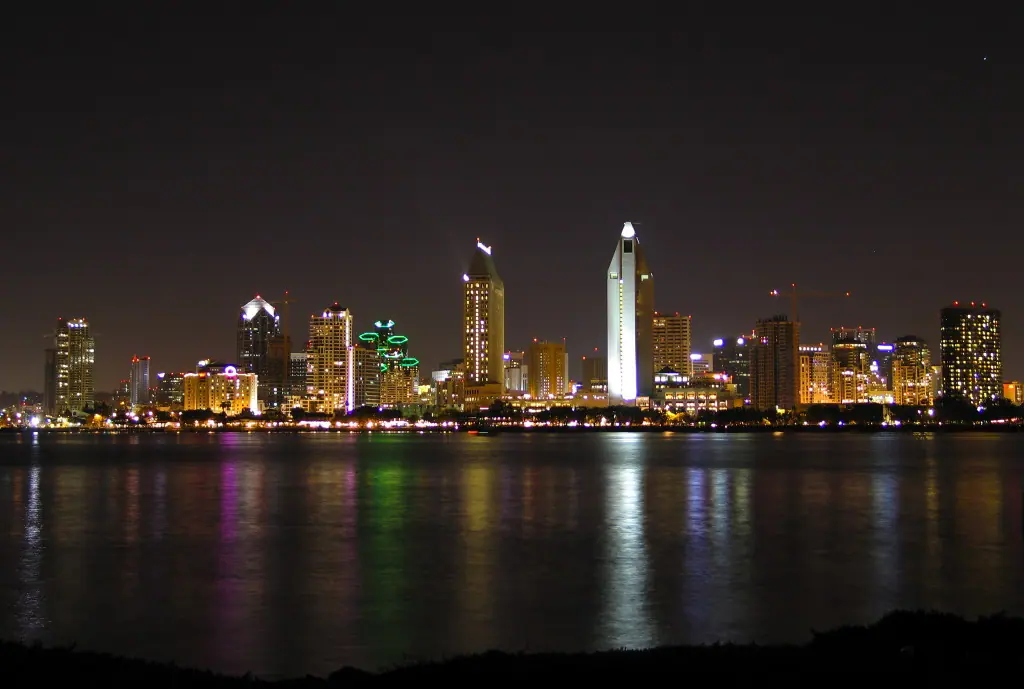
Sweden is a country of extremes that somehow feels calm: a morning can start with cinnamon buns in a medieval alley and end with a sauna on a granite island in the Baltic. Between the Arctic north and the sandy southern coast lie 30,000 islands, cathedral towns, castle ruins and forests so quiet you can hear snow land on pine. This guide covers the places a first-time visitor should genuinely not miss.
Stockholm: A Capital Spread Across Fourteen Islands
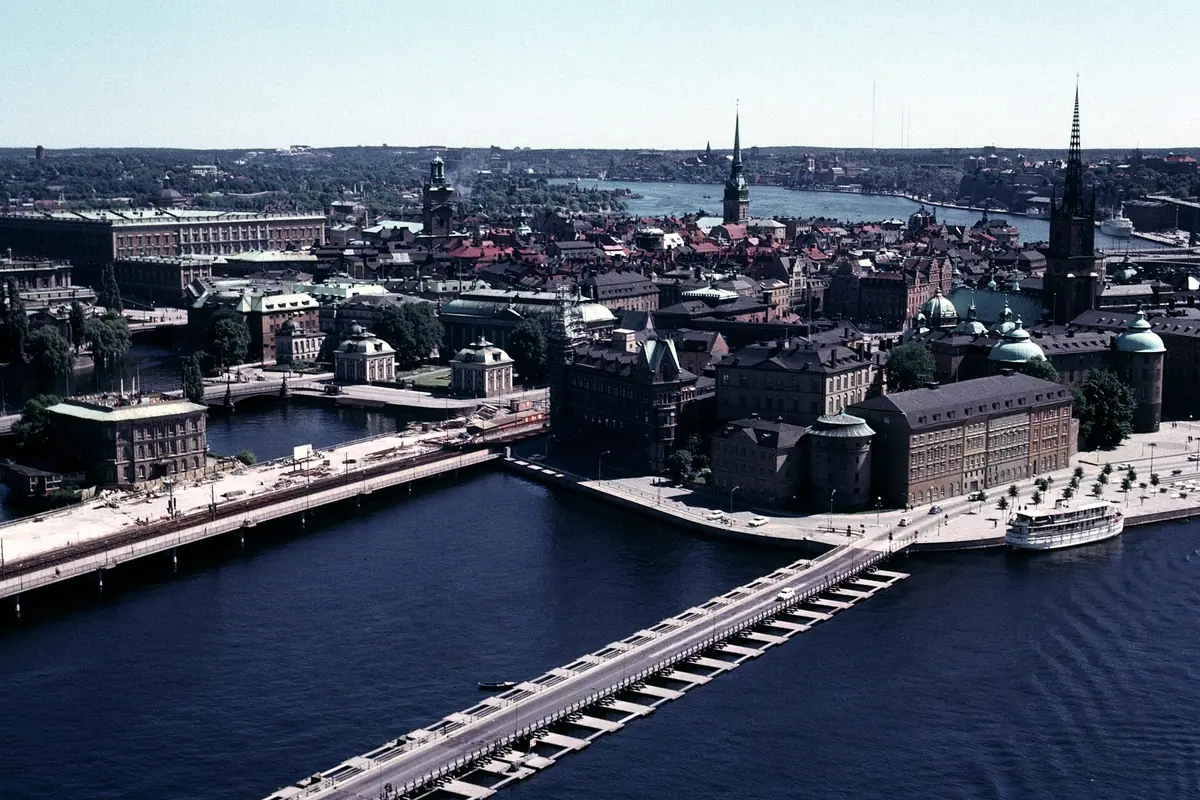
Stockholm is built where Lake Mälaren meets the Baltic, and its centre is a maze of bridges between fourteen islands. Begin in Gamla Stan, the medieval old town, where ochre and terracotta houses lean over cobbled lanes around Stortorget, the main square, and the Royal Palace (Kungliga slottet) still guards the waterfront with its daily changing of the guard. Wander down to Riddarholmen for the church spire rising straight out of the water, then cross the short bridge to Södermalm for the skyline view from Monteliusvägen — best about an hour before sunset.
Djurgården, the green island just east of the centre, is where Stockholm keeps its showpieces. The Vasa Museum displays a 17th-century warship that sank on its maiden voyage in 1628 and was raised almost intact from the harbour floor in 1961 — allow two hours, because the scale of it stops people in their tracks. Next door, Skansen is the world's oldest open-air museum, a hillside village of relocated historic farmsteads, workshops and a Nordic wildlife park where you can see elk, lynx, wolves and bears. Give Djurgården a full day.
For the classic city panorama, climb the tower of Stadshuset, the brick city hall on the water, or simply take a ferry from Slussen and watch the skyline slide past. Swedish coffee culture, fika, is a genuine daily ritual — a proper pause for coffee and something sweet — and the city's metro doubles as an art gallery, with painted caves at Rådhuset and Kungsträdgården stations. Three to four days is a comfortable minimum for Stockholm alone.
The Stockholm Archipelago and Gotland: Island Hopping at Scale
East of the capital, roughly 30,000 islands and skerries scatter into the Baltic like spilled gravel. The closest, Vaxholm, is an easy day trip with a 16th-century fortress and a harbour full of wooden boats. Further out, Sandhamn is a sailing village of white picket fences and long summer evenings, while Utö hides old iron mines and a windblown beach. Public ferries and local archipelago boats connect them all year, though guesthouses fill fast between late June and mid-August — book weeks ahead if you want a specific island.
This is kayaking, sauna and cold-swim country. Rent a kayak for a half day and paddle between uninhabited rocks, or take a longer overnight trip with a tent under the right of public access, which lets you camp on open land for a night or two as long as you leave no trace. The water is bracingly cold even in August, which is precisely the point.
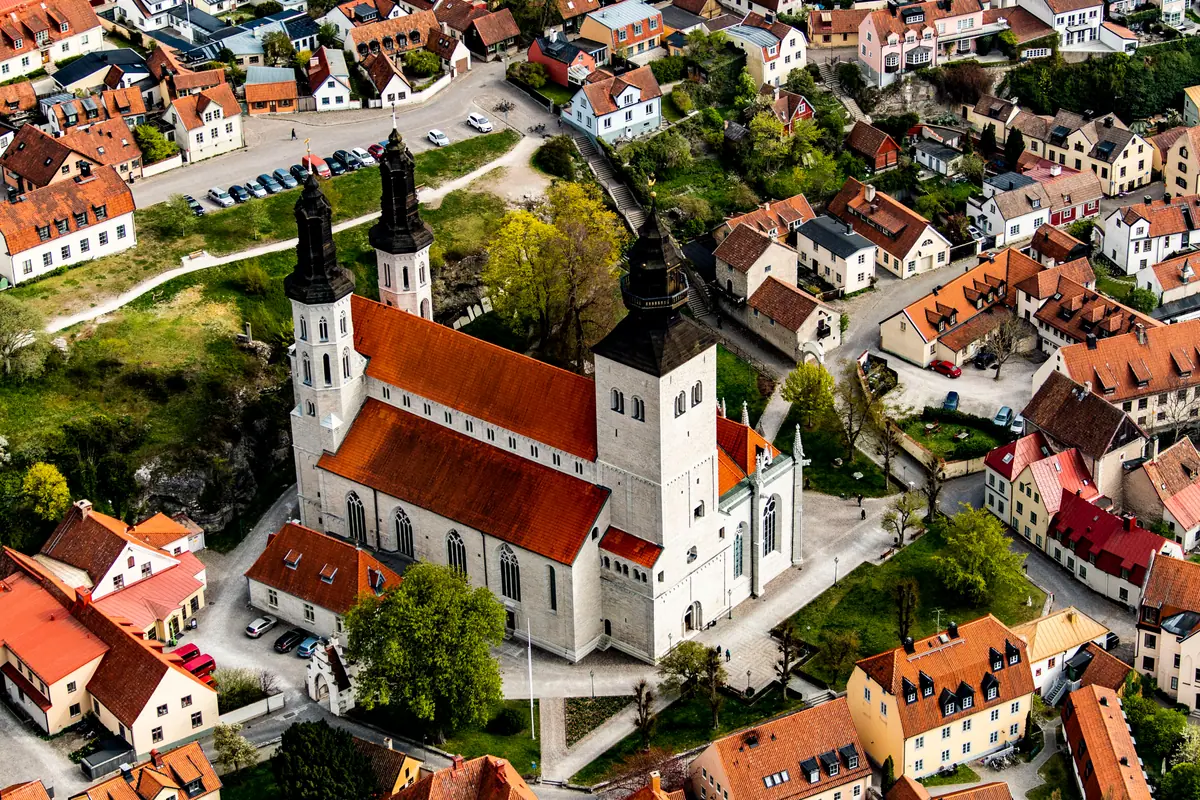
The archipelago's grand finale is Gotland, a limestone island in the middle of the Baltic with its own dialect and light. Visby, its walled Hanseatic town, is a UNESCO World Heritage Site: a 3.4-kilometre medieval ring wall, ruined churches, and lanes of low cottages smothered in roses. Hire a bike and ride north to Fårö for the raukar — bizarre limestone sea stacks shaped by wind at Langhammars — and the long, empty beach at Sudersand. Ferries take around three hours from the mainland; flights from Stockholm take under an hour. June to August is the season, and Visby's medieval week in early August turns the whole town into a living festival.
Swedish Lapland: Ice, Aurora and the Midnight Sun
Above the Arctic Circle, Sweden changes character entirely. In Jukkasjärvi, near Kiruna, the ice hotel beside the Torne River is rebuilt every winter from blocks of river ice, with suites, a church and a bar carved afresh each season; day visitors can walk through the sculpted rooms before the overnight guests take over. It is the single most photographed structure in Swedish Lapland, and it melts back into the river every spring.
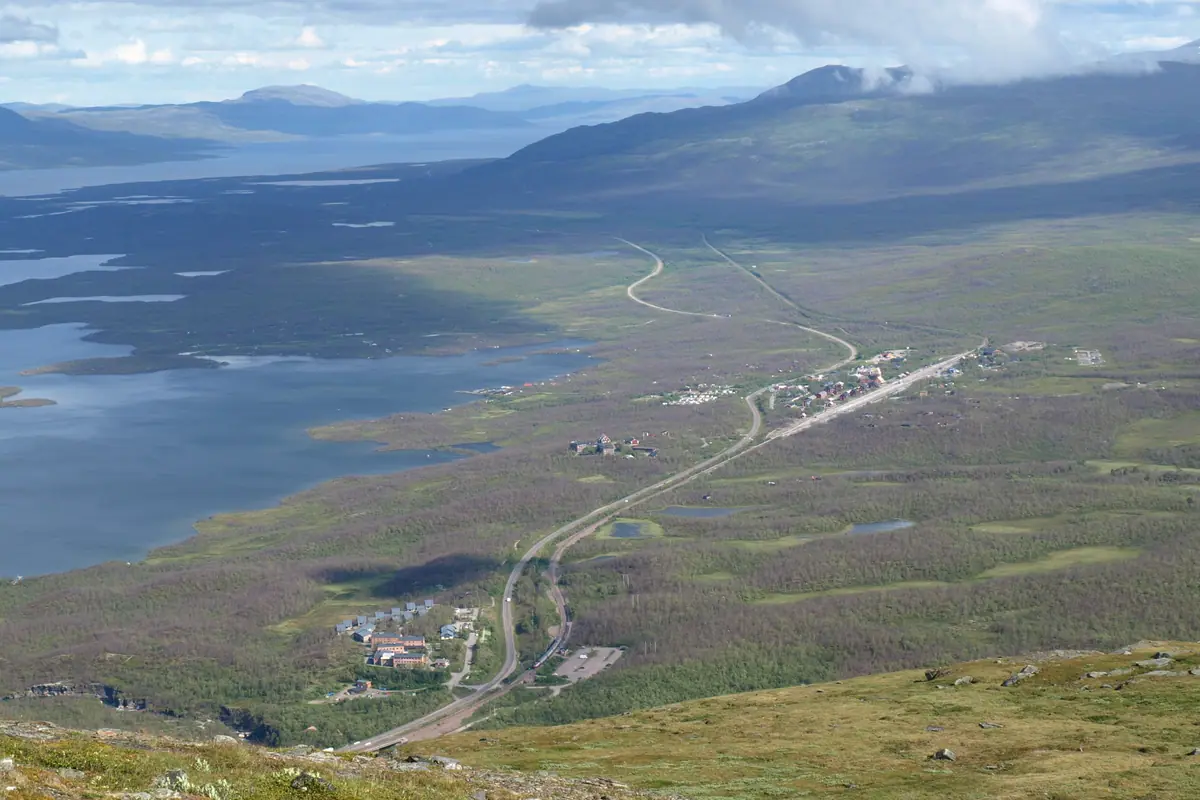
Abisko is the northern lights capital for good reason: the surrounding mountains create a rain shadow, so skies here are statistically among the clearest in Scandinavia. A chairlift climbs Mount Nuolja to a viewing station above the tree line, and the aurora season runs from early September to late March, with the weeks around the spring and autumn equinoxes often the most active. Bring more layers than you think you need and a tripod; a phone camera on a steady rock works better than you would expect.
Summer flips the script. North of the Arctic Circle the sun does not set from roughly mid-June to early July — in Kiruna you can hike at midnight in daylight. Kebnekaise, Sweden's highest mountain at just over 2,090 metres, draws climbers and day hikers from the trailhead at Nikkaluokta, while the Kungsleden long-distance path runs about 440 kilometres from Abisko south to Hemavan through birch forest, alpine plateau and glacier-fed valleys, with staffed mountain huts along the way. Sarek National Park, next door, is roadless and reserved for experienced backcountry travellers. Sámi culture is alive throughout the region — reindeer herding, joik singing and the Jokkmokk winter market in early February, one of the oldest gatherings in the north.
Gothenburg and the Bohuslän Coast
Sweden's second city is its most relaxed. Gothenburg grew around a Dutch-designed canal grid, and the Haga district still has its wooden workers' cottages, now filled with cafés and vintage shops. The Feskekôrka, a fish market hall from 1874 that looks like a church inside, is the place to eat shrimp sandwiches and pickled herring, and Liseberg, the city's century-old amusement park, has been voted among the best in Europe. Canal boats, a strong craft-beer scene and a lively student population keep it casual rather than polished.
North of the city, Bohuslän is a coastline of bare granite islands and fishing villages. Marstrand has a 17th-century fortress you reach by small ferry, Smögen has a famous boardwalk lined with colourful boathouses, and the Kosterhavet marine national park protects cold-water coral and seal colonies around the Koster islands. Inland, the Bronze Age rock carvings at Tanum, a UNESCO World Heritage Site, cover smooth rock faces with ships, animals and human figures up to 3,000 years old. Order oysters in Grebbestad, where they are pulled from the fjord.
Continue south into Skåne and the mood softens again. Malmö's Turning Torso twists nine degrees above the harbour, and the 16-kilometre Öresund Bridge links the city to Denmark — a genuinely strange and wonderful sight from the water. Further along the coast, Kullaberg's cliffs at Mölle drop into some of Sweden's cleanest water, and Ales stenar, a 59-stone ship setting on a clifftop near Ystad, is a favourite for sunset. Skåne has the country's earliest spring and its best beaches.
Cathedrals, Castles and the Historic Heartland
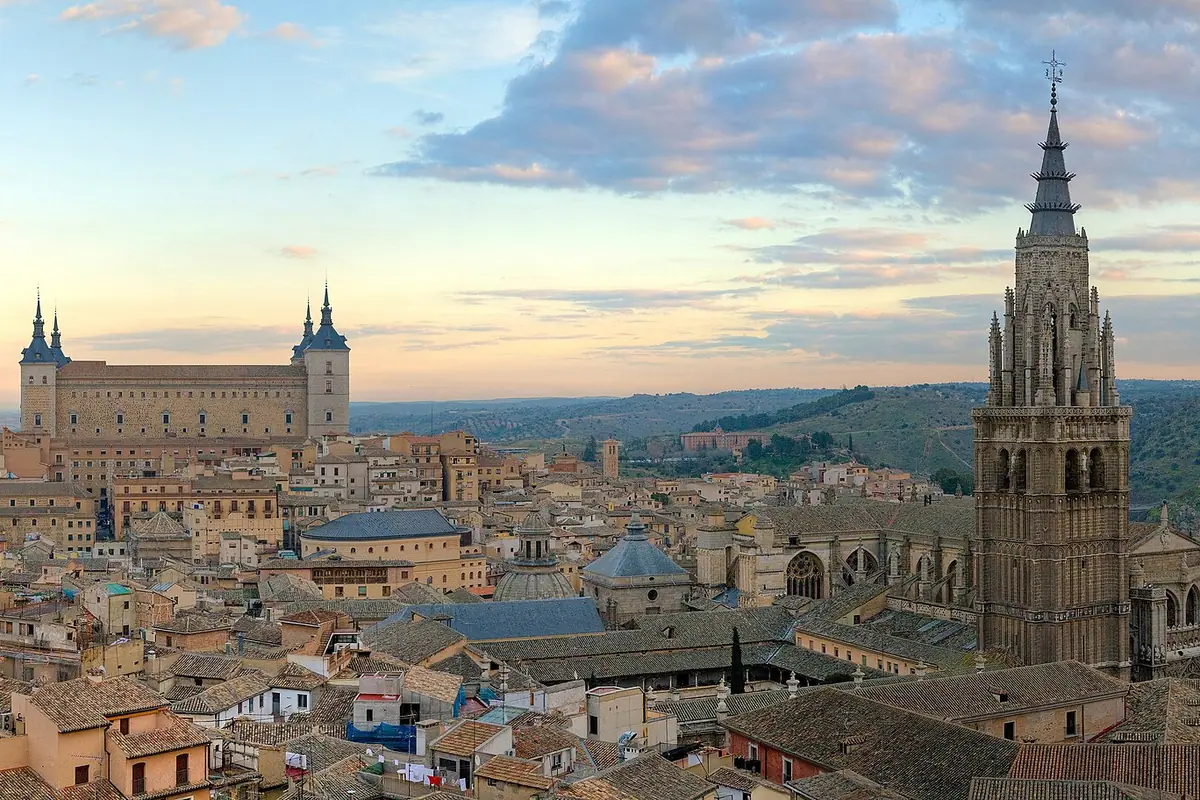
Uppsala, an hour north of Stockholm, pairs a lively student town with some of the country's oldest monuments. The cathedral, consecrated in the 13th century, is the tallest church in Scandinavia, its brick towers visible for kilometres across the flat plain. A few kilometres north, the royal burial mounds at Gamla Uppsala rise from the fields like buried ships — the ceremonial heart of pre-Christian Sweden and still an eerie, powerful place on a misty morning.
Further south, the Baltic coast is castle country. Kalmar Castle, with its Renaissance façade and water-filled moats, stands where the medieval Kalmar Union was signed, and the island of Öland just across the bridge offers Borgholm Castle's vast ruin, dozens of windmills, and the limestone steppe of Stora Alvaret, a UNESCO-listed landscape that looks more like a Mediterranean garrigue than Scandinavia. Vadstena Castle and the Göta Canal, whose locks and towpaths cross the country east to west, are both easy additions by train or bike.
Inland Dalarna is the Sweden of postcards: red cottages, Lake Siljan, and the painted wooden Dala horse sold in every souvenir shop. Mora sits at the lake's northern tip, where the 90-kilometre Vasaloppet cross-country ski race finishes on the first Sunday in March, and Falun's Great Copper Mountain, a UNESCO World Heritage Site, tells the story of the mine that once funded a kingdom. In Småland, Astrid Lindgren's World in Vimmerby brings Pippi Longstocking's village to life and is a hit with children.
When to Go and How to Move Around
Sweden's seasons are dramatic and each suits a different trip. Late June to August brings the warmest weather, the longest days and the Midsummer celebrations of dancing and flower crowns, but also peak crowds in Stockholm, Gotland and Bohuslän. May and September are quieter and often lovely. Winter means snow and darkness in the north — with aurora, dog sledding and the ice hotel — while the south stays grey and mild, brightened by Christmas markets in Gamla Stan and Gothenburg.
The national rail network is comfortable and reliable, with overnight trains running up to Lapland and fast services linking Stockholm, Gothenburg and Malmö. Domestic flights cut the trip to Kiruna or Luleå to under two hours, and ferries serve Gotland from the east coast. For Dalarna, Bohuslän and the deep north, a car makes life far easier: distances are long, buses are sparse on weekends, and many of the best viewpoints sit at the end of a gravel road.
Two practical things to know. Allemansrätten, the right of public access, lets anyone walk, swim, forage berries and mushroom-pick, and camp a night on open land — provided you keep clear of houses, crops and nature reserves and leave nothing behind. And Sweden is close to cashless: cards and phone payments work almost everywhere, tipping is not expected, and fika is a protected national habit. Pack layers, waterproof shoes, and in winter something to cover your ears.
Frequently asked questions
How many days do you need in Stockholm?
Three to four days covers Gamla Stan, Djurgården's Vasa Museum and Skansen, the city hall and a Södermalm walk at an unhurried pace, with time left for a day trip into the archipelago. Add another two days if you want to reach Sandhamn or Utö.
When is the best time to see the northern lights in Sweden?
The aurora season runs from early September to late March, with the clearest odds in the far north around Abisko and Kiruna, where mountain rain shadows keep skies clearer. Dark, moonless nights between 9pm and 2am are best, and activity often peaks around the equinoxes in September and March.
Can you visit Swedish Lapland in summer?
Yes, and it is completely different. From roughly mid-June to early July the sun never sets north of the Arctic Circle, so you can hike the Kungsleden or climb Kebnekaise in daylight at midnight. Mosquito repellent and a head net are essential in the birch forest.
Is Sweden expensive for travellers?
It is one of Europe's pricier destinations, particularly for alcohol, restaurants and accommodation in Stockholm and during peak summer. Budget travellers can keep costs down with supermarket meals, hostel or campsite stays, public transport passes and the free right of public access, which allows wild camping on open land.
What is allemansrätten?
It is the right of public access, a long-standing custom that allows anyone to walk, ski, swim, forage berries and mushrooms, and camp for a night on open land. The trade-off is responsibility: stay away from houses, gardens and cultivated fields, respect nature reserves and reindeer herding areas, and leave no trace.
Plan it — experiences in Sweden
Live search, booked directly with trusted providers.
Sort the rest of your trip
Everything for Sweden, in one place
Stay in Sweden
Hotels, guesthouses and apartments — compared in one search.
Search hotels
Transfer in Sweden
Private driver waiting on arrival — no queues, no surprises.
Book a transfer
Stay online in Sweden
Travel eSIM — data the moment you land, no roaming bills.
Get an eSIMMore guides in Sweden
Sweden Food, Culture and Local Experiences: A Tour Through Fika, Midsummer and the Midnight Sun
Where to Stay in Sweden: Hotels from Stockholm to the Arctic Circle
One Week in Sweden Itinerary: Flying from Stockholm to Lapland