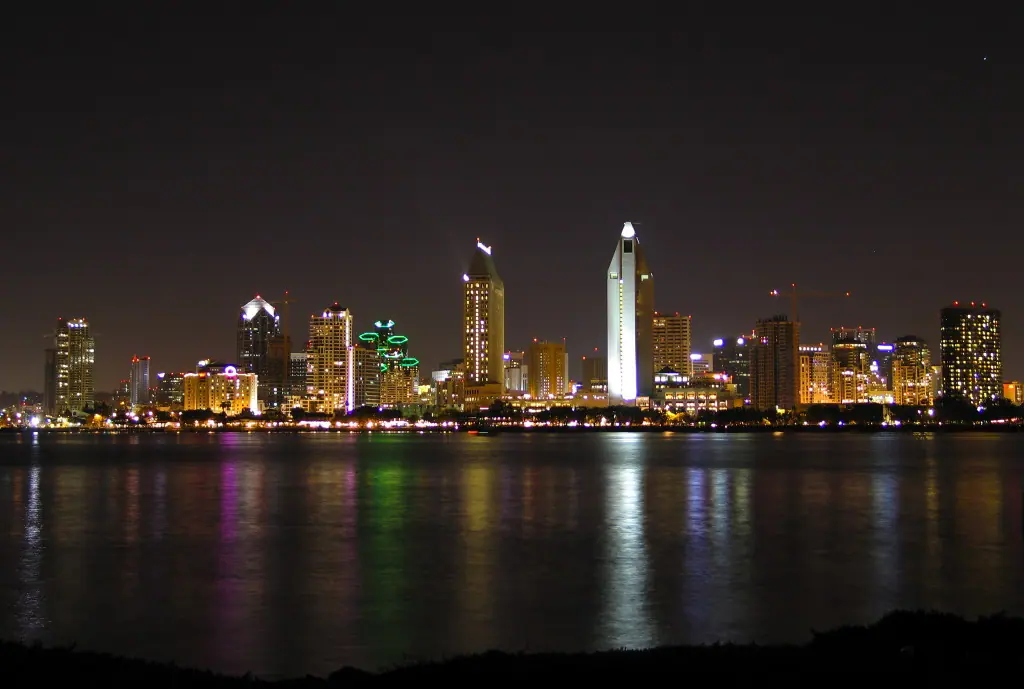
Sweden stretches nearly 1,600 kilometres from the sandy shores of Skåne to the Arctic fells above the treeline, and few countries reward flying quite so much. In seven days you can eat cinnamon buns in a medieval alley, cross the Arctic Circle before lunch and fall asleep under a green curtain of aurora. The secret is to pick two or three flight-linked hubs instead of trying to see the whole country by rail.
Days 1–2: Stockholm on Foot — Gamla Stan, the Royal Palace and the Vasa
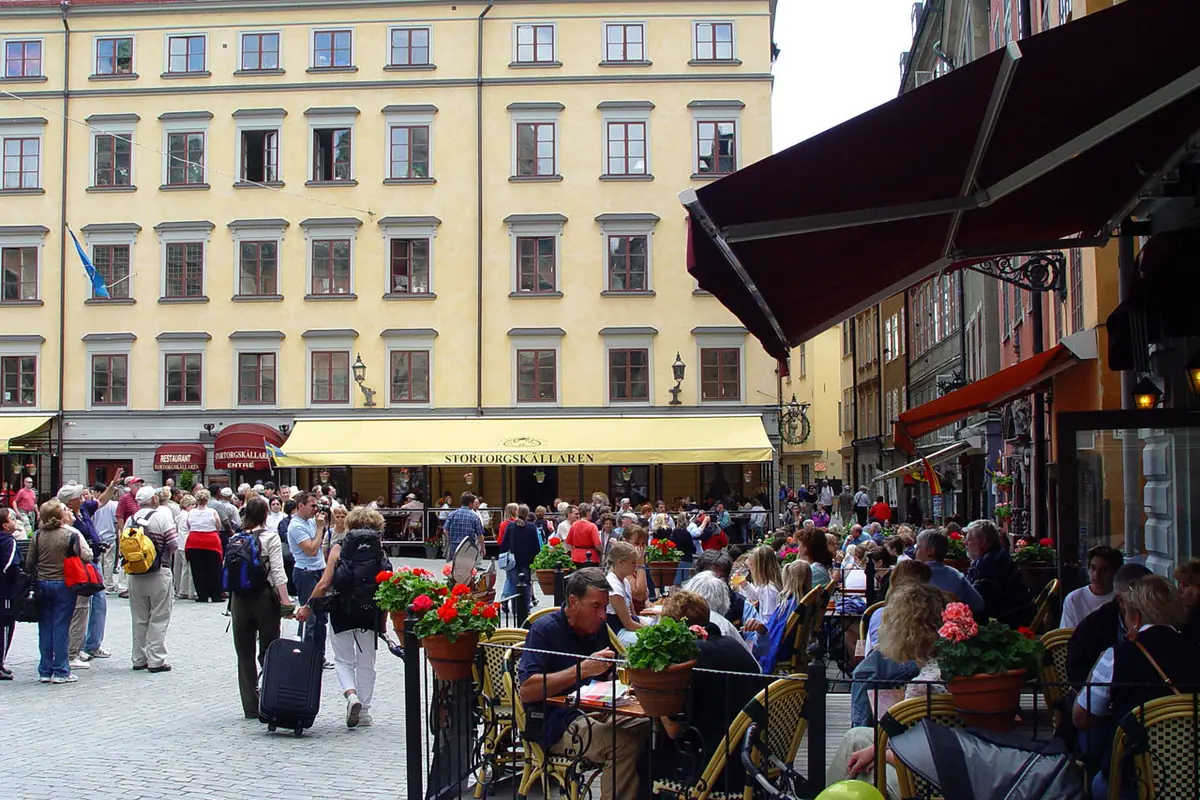
Land at Stockholm Arlanda, about twenty minutes from the centre on the fast airport train or forty by taxi, and drop your bags in Gamla Stan or on leafy Södermalm. Spend the first afternoon getting lost in the old town: Stortorget, the photogenic square where the city's history began, the Royal Palace with its changing-of-the-guard ceremony, and Storkyrkan, the cathedral where Swedish monarchs have been crowned. Squeeze through Mårten Trotzigs Gränd, the city's narrowest alley at barely 90 centimetres wide, then cross to Riddarholmen for the church spires and a sunset view over the water.
Day two belongs to Djurgården, the island of museums a short tram or ferry ride from the centre. The Vasa Museum is the unmissable stop: a 64-gun warship that sank on her maiden voyage in 1628 and was raised almost intact in 1961, now displayed in dramatic half-light — allow a good two hours. Nearby, Skansen is the world's oldest open-air museum, a hilltop village of relocated farmsteads where elk, lynx, wolverines and reindeer live in Nordic enclosures. Wander down to Rosendal's gardens for coffee and a pastry.
Finish on Södermalm: walk the Monteliusvägen cliff path for the classic skyline shot across Lake Mälaren, then visit the photography museum on the waterfront, open late most evenings. If you have energy left, guided tours of Stockholm City Hall (Stadshuset) reveal the Blue Hall and the shimmering Golden Hall used for the annual Nobel banquet. Two nights here, no more, before the country opens up.
Day 3: Drottningholm Palace, Uppsala and the Archipelago
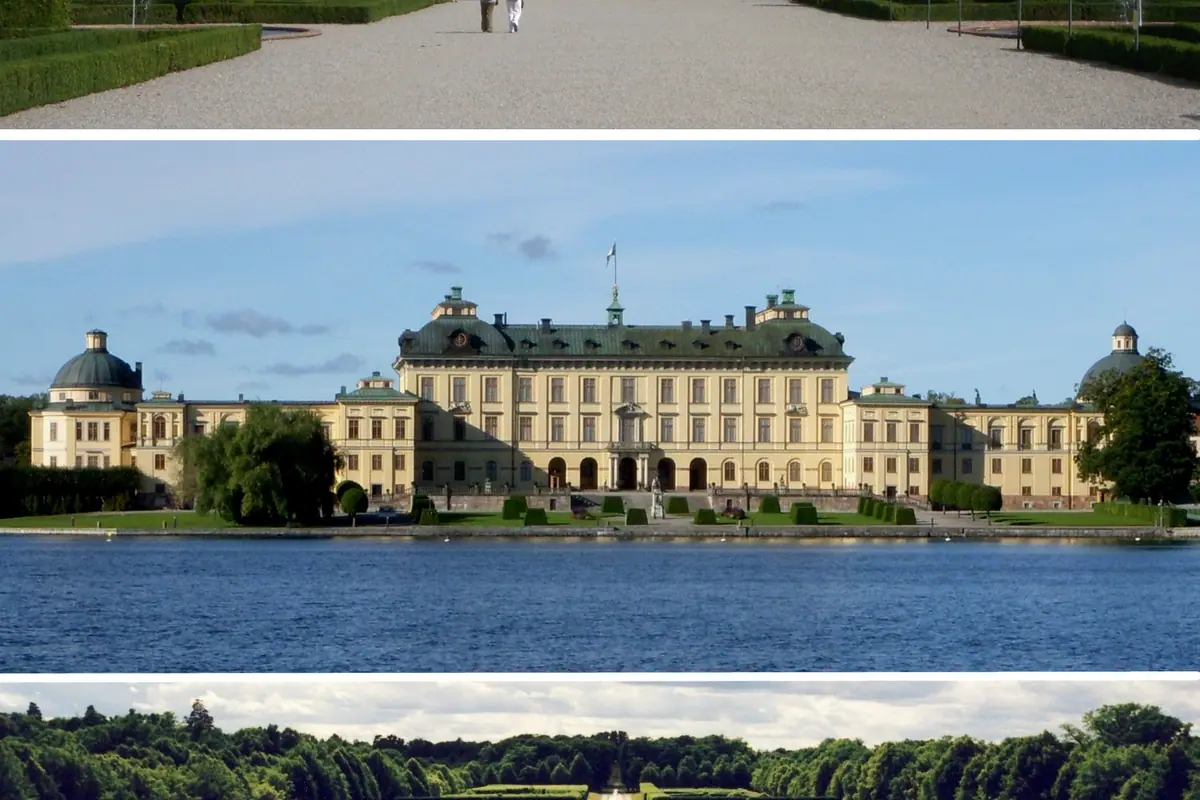
Start the day at Drottningholm Palace, a UNESCO World Heritage site and the royal family's actual residence, so parts of it close without warning. The draw is the 18th-century Court Theatre, still working with its original hand-cranked stage machinery, plus formal Baroque gardens that slip into a wilder English landscape park. In summer a boat from the city centre takes about an hour; the rest of the year, metro to Brommaplan and a bus gets you there in half that. Budget half a day.
Then take the 40-minute train north to Uppsala, Sweden's old university town. Uppsala Cathedral is the largest church in Scandinavia at 119 metres, Gothic brick rising above a town of bicycles and students. Walk or ride out to Gamla Uppsala, where three vast royal burial mounds date from the 6th century and a pagan temple once stood, and detour to the Linnaeus garden where the botanist catalogued the natural world. The city's café culture is legendary — this is the place to learn the ritual of fika properly.
If the weather is fine, trade Uppsala for the Stockholm archipelago, a scatter of some 30,000 islands and skerries reachable by public boat from the city quays. Vaxholm makes an easy hour-long hop, while Sandhamn and Grinda offer swimming, saunas, kayaking and cold dips off granite rocks. June to August is the season; in deep winter, locals trade boats for ice skates and guided tours on the frozen bays of Lake Mälaren.
Days 4–5: Fly North to Kiruna — Ice, Sami Culture and the Aurora
A one-hour-forty flight from Arlanda puts you in Kiruna, comfortably above the Arctic Circle. The town is being moved, building by building, to escape subsidence from the iron-ore mine that created it — an oddity worth a walk, along with Kiruna Church, a 1912 wooden landmark shaped like a Sami tent. Twenty minutes away sits Jukkasjärvi and its famous ice hotel, rebuilt from Torne River ice every winter from around December to April, complete with an ice church and an ice bar. Book one night in a cold room for the experience and the rest in a warm cabin.
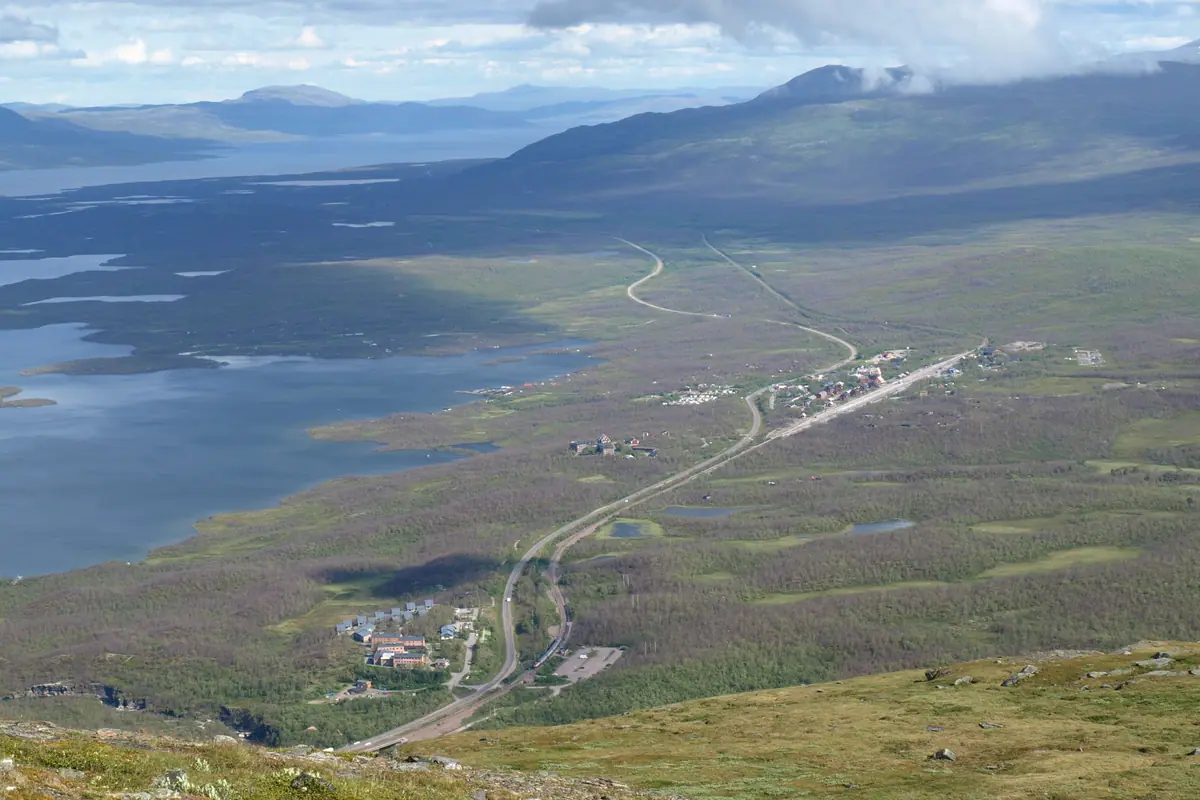
Base yourself here and day-trip west to Abisko National Park, roughly an hour by train, one of the driest and clearest corners of Scandinavia. A chairlift climbs Mount Nuolja to the Aurora Sky Station for night-time viewing, the Lapporten valley frames the horizon in a perfect U, and the Kungsleden long-distance trail starts at the park's edge. Keen hikers push further to Kebnekaise, Sweden's highest peak at 2,096 metres, approached from the trailhead at Nikkaluokta. Between excursions there's dog sledding, snowmobiling and cross-country skiing straight from the village.
Season decides everything. Aurora season runs from early September to late March, with the equinox weeks and dark-moon nights the strongest bets — allow three nights to outlast cloud. Expect minus 20 to minus 35 Celsius in January and only a few twilight hours of daylight in December; June and early July flip to 24-hour daylight. Whenever you come, spend an afternoon with a Sami family learning about reindeer herding, and note that the Jokkmokk winter market in early February is the north's biggest gathering.
Day 6: Gothenburg and the West Coast
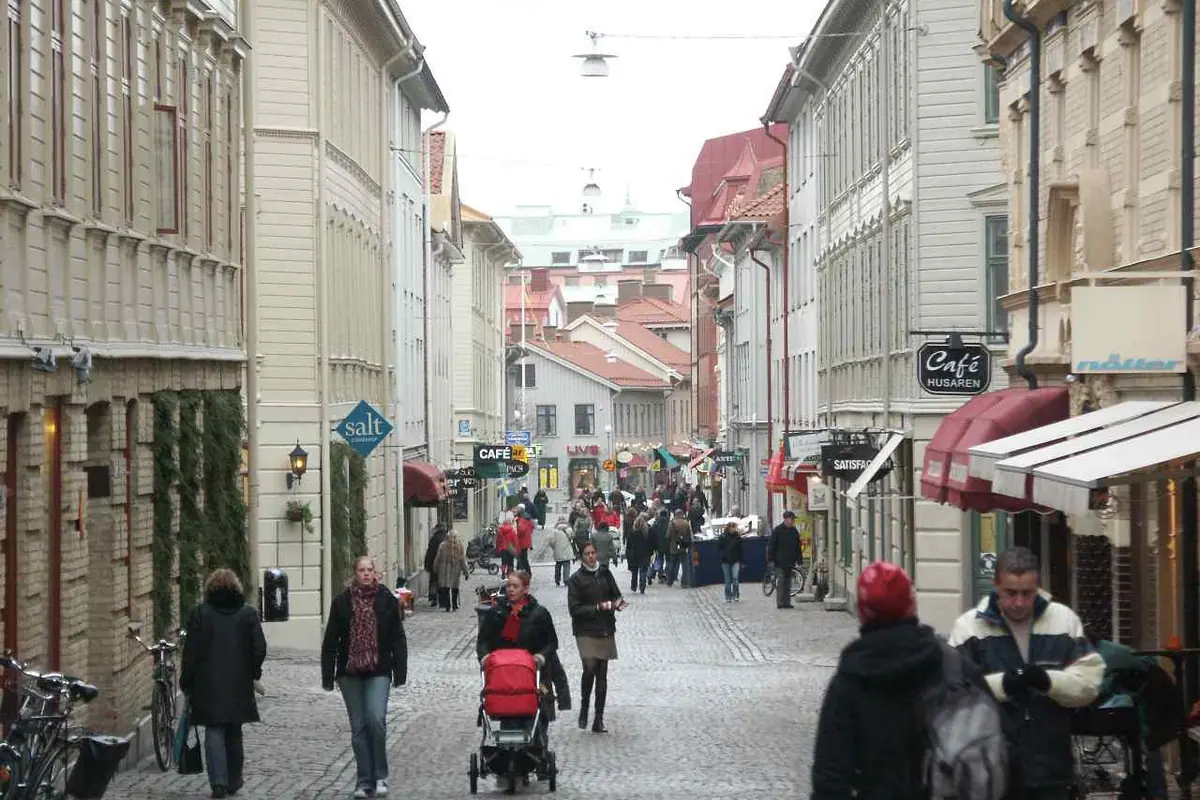
Fly back south to Gothenburg, usually connecting through Stockholm in around four hours door to door, and set aside the afternoon for Sweden's second city. Haga is the postcard district: 19th-century wooden workers' houses turned into cafés, vintage shops and bakeries selling the giant, cardamom-scented cinnamon buns the city claims as its own. Climb to the Skansen Kronan fortress for the view, browse the Feskekörka fish hall for shrimp sandwiches, and see the collection at the Museum of Art before an evening canal boat slips under the city's 17 bridges.
South of the centre, a tram to Saltholmen connects with ferries into the southern archipelago — Styrsö and Vrångö are car-free, granite-and-thrift islands with swimming coves and simple seafood. Families often spend the whole day here, and in high summer it feels like the whole city has decamped. If you have a car, push north along the Bohuslän coast instead: the boardwalk at Smögen, the fishing village of Fjällbacka and the Bronze Age rock carvings at Tanum, another World Heritage site. Winter visitors get the same coastline emptied of crowds and lit by low, silvery light.
Day 7: Visby and Gotland — or Malmö and the Öresund
For a final day that feels nothing like the rest of the trip, fly 45 minutes from Stockholm to Visby on Gotland, or take the three-hour ferry from Nynäshamn. Visby's ring wall is the best-preserved medieval town wall in Scandinavia: 3.4 kilometres of stone, more than 40 towers and gates dating from the 12th century, wrapped around rose-covered cottages and church ruins. Inside it you'll find St. Mary's Cathedral, the leafy park of Almedalen, a well-tended botanical garden and the Gotland Museum with its Viking silver hoards and carved picture stones. North of the island, Fårö delivers rauks — weird limestone sea stacks — and a windswept, cinematic emptiness.
The alternative ending is Malmö, 35 minutes by train from Copenhagen across the Öresund Bridge, and a smart choice if you're flying home from Danish soil. The twisting Turning Torso tower anchors the Western Harbour, Malmöhus Castle covers 600 years of regional history, and the old town squares are full of coffee bars. If time allows, hire a car for an hour east to Ales Stenar near Kåseberga, a 59-stone ship setting on a cliff above the Baltic that rivals anything in the north for atmosphere at sunset.
Whichever you choose, keep the last evening loose. Swedish domestic flights are punctual but the north can throw fog or snow at short notice, and a night in Stockholm before an international departure is cheap insurance.
Flying Around Sweden: Practical Logistics and Timing
Domestic flying is the backbone of this itinerary. Stockholm Arlanda is the main hub, with Bromma closer to the city, and secondary airports at Gothenburg Landvetter, Malmö, Kiruna, Luleå and Visby. Internal hops run one to two hours on narrow-body jets and turboprops, with several departures a day on the busiest routes. Book four to eight weeks ahead for the best fares and choose light hand-luggage tickets if you can — northern services often use smaller aircraft with tighter cabin limits, and checked bags cost extra on the cheapest fares.
Timing shapes the whole trip. May to September suits Stockholm, the archipelago and the west coast; September to March is aurora season in Lapland; June and early July bring the midnight sun. Light levels swing wildly — Stockholm enjoys 18-plus hours of daylight in June and barely six in December, while Kiruna has true polar night around the winter solstice. Build in slack for weather delays in the north and remember that Swedish domestic flights are effectively cashless, so keep a card handy.
Finally, respect the freedom that makes Sweden so pleasant to travel through. Allemansrätten, the right to roam, lets you walk, camp a night and pick berries on uncultivated land as long as you leave no trace — a privilege locals guard closely. Pack layers rather than one heavy coat, add a windproof shell and waterproof boots for the north, and bring a sleep mask for June and a head torch for December. Both will earn their place in your bag.
Frequently asked questions
How many internal flights do I need for one week in Sweden?
Three or four is comfortable: fly into Stockholm, take a return hop to Kiruna for Lapland, then one more to Gothenburg or Visby before flying home. Each internal flight is only one to two hours, so the travel itself never eats a full day.
When is the best time to see the northern lights in Sweden?
Aurora season runs from early September to late March, with the clearest odds around Abisko and Kiruna. Aim for a week near the equinoxes or a dark-moon period and plan at least three nights in the north, because a single cloudy evening can wipe out one attempt.
Is a week enough time to see Sweden?
Enough to see it well if you accept how long the country is — roughly 1,600 kilometres from south to north. Two days in Stockholm, a day trip to Drottningholm or Uppsala, two days in Arctic Lapland and a final day in Gothenburg, Visby or Malmö makes a realistic, unhurried week.
Do I need a car to get around Sweden?
Not for this itinerary. Airports, city centres, the Kiruna–Abisko rail link and island ferries are all reachable by train, tram, bus and boat. A rental car only really pays off on the Bohuslän coast, in rural Skåne or if you want to explore Gotland properly.
What should I pack for Arctic Sweden in winter?
Think layers: a thermal base, fleece or down mid-layer and a windproof shell, plus insulated boots, mittens, a hat and a head torch for the short daylight hours. Temperatures of minus 20 to minus 35 Celsius are normal in January, and operators usually lend or rent heavier outerwear for sled and snowmobile trips.
Sort the rest of your trip
Everything for Sweden, in one place
Stay in Sweden
Hotels, guesthouses and apartments — compared in one search.
Search hotels
Transfer in Sweden
Private driver waiting on arrival — no queues, no surprises.
Book a transfer
Travel insurance
Medical cover, delays and lost baggage — sorted before you go.
Get coveredMore guides in Sweden
Sweden Food, Culture and Local Experiences: A Tour Through Fika, Midsummer and the Midnight Sun
Where to Stay in Sweden: Hotels from Stockholm to the Arctic Circle
Best Places to Visit in Sweden: Must-See Sights from Stockholm to Lapland