Senegal greets you with warm salt air, the thud of sabar drums and a stretch of Atlantic coast that swings from surf beaches to mangrove labyrinths. It is a country small enough to cross in a long day's drive, yet packed with World Heritage-listed islands, pink lakes, colonial river towns and bird-filled wetlands. This is where West Africa's music, wrestling and teranga — the art of hospitality — all meet the sea.
Dakar: Monuments, Markets and the Westernmost Edge of Africa
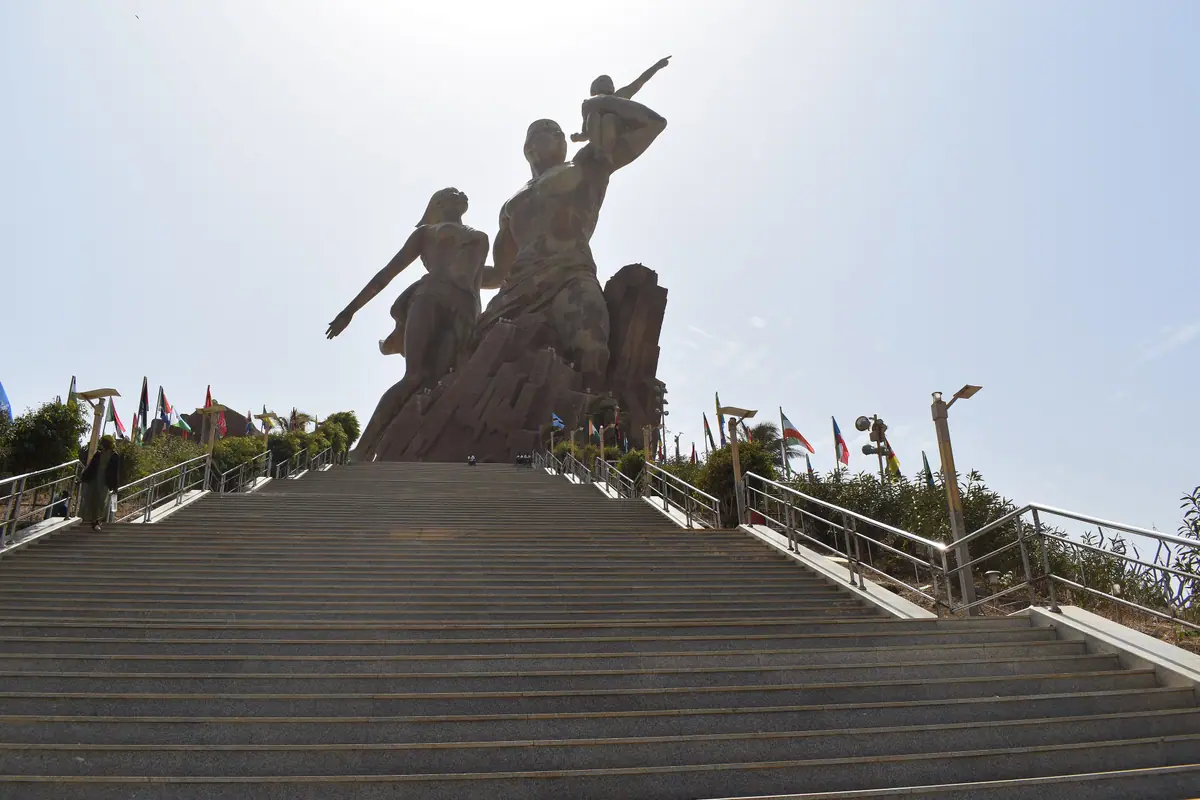
Begin in the capital, where the African Renaissance Monument rises 52 metres above the Colline des Mamelles, its bronze-and-copper figures gazing out over the peninsula. Climb the internal lift for a sweeping view of Dakar's rooftops and the Atlantic beyond, then follow the corniche west to Les Almadies, the westernmost point of mainland Africa, where fishing pirogues crowd the rocks and grilled fish shacks fill the evening air. Budget half a day for this western loop, and go early to beat both the heat and the crowds at the monument.
The Plateau, Dakar's old administrative quarter, is best explored on foot. Place de l'Obélisque marks the city's ceremonial heart, the Presidential Palace sits behind wrought-iron gates, and the grid of streets around Marché Sandaga turns into a sensory assault of fabric stalls, tailors and traders. The Musée Théodore Monod, set in a leafy compound, holds one of West Africa's strongest collections of masks, drums and textiles — a useful primer before you start buying anything.
Finish at Île de Ngor, a 20-minute pirogue ride from Ngor beach. The island is car-free and small, with sandy lanes, a couple of low-key beaches and a surf break that draws boarders to the nearby Virage when the swell is up. November to May is the sweet spot for Dakar: dry, breezy and reliably sunny, with December to February the coolest months.
Île de Gorée: A Small Island with an Enormous History
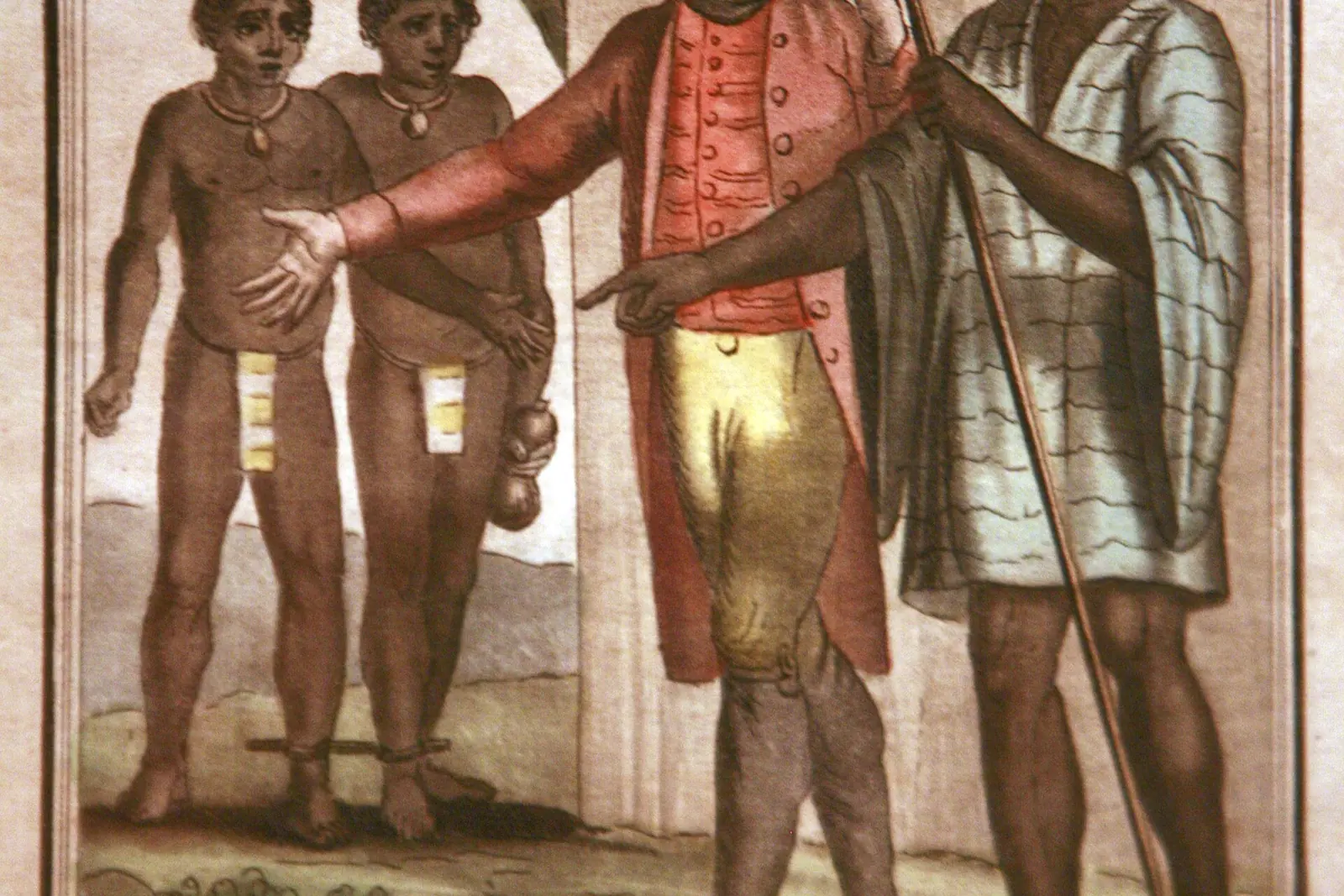
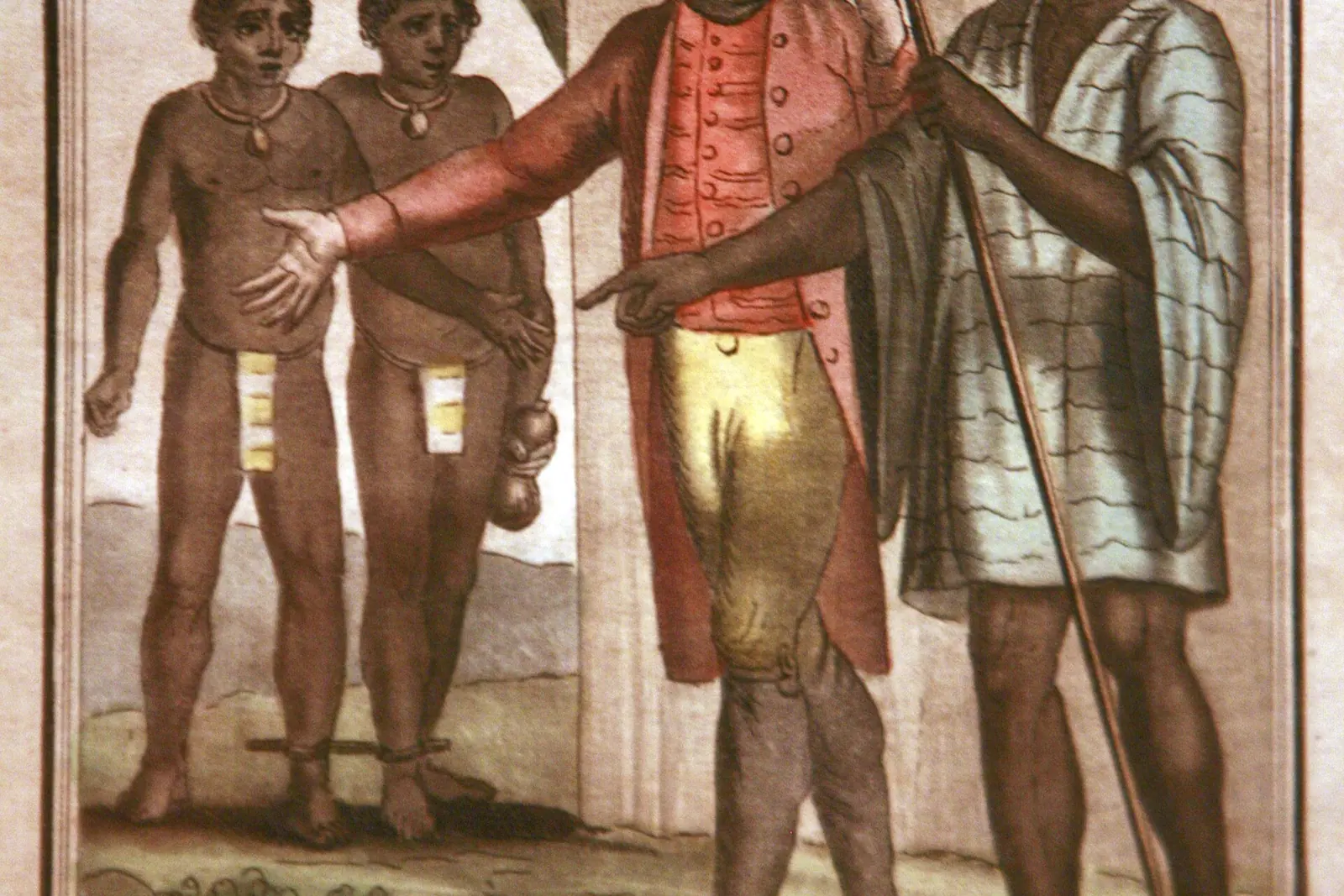
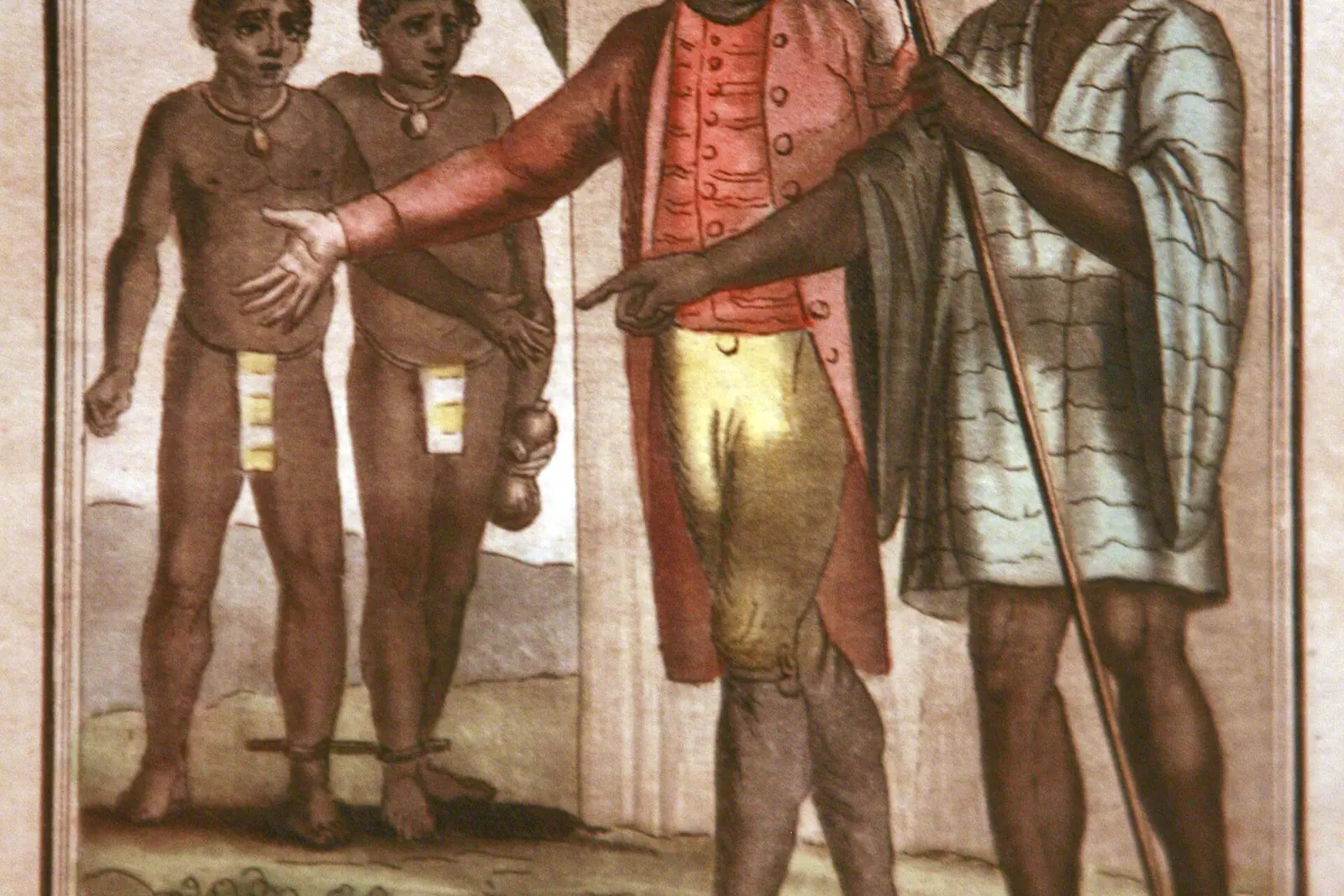
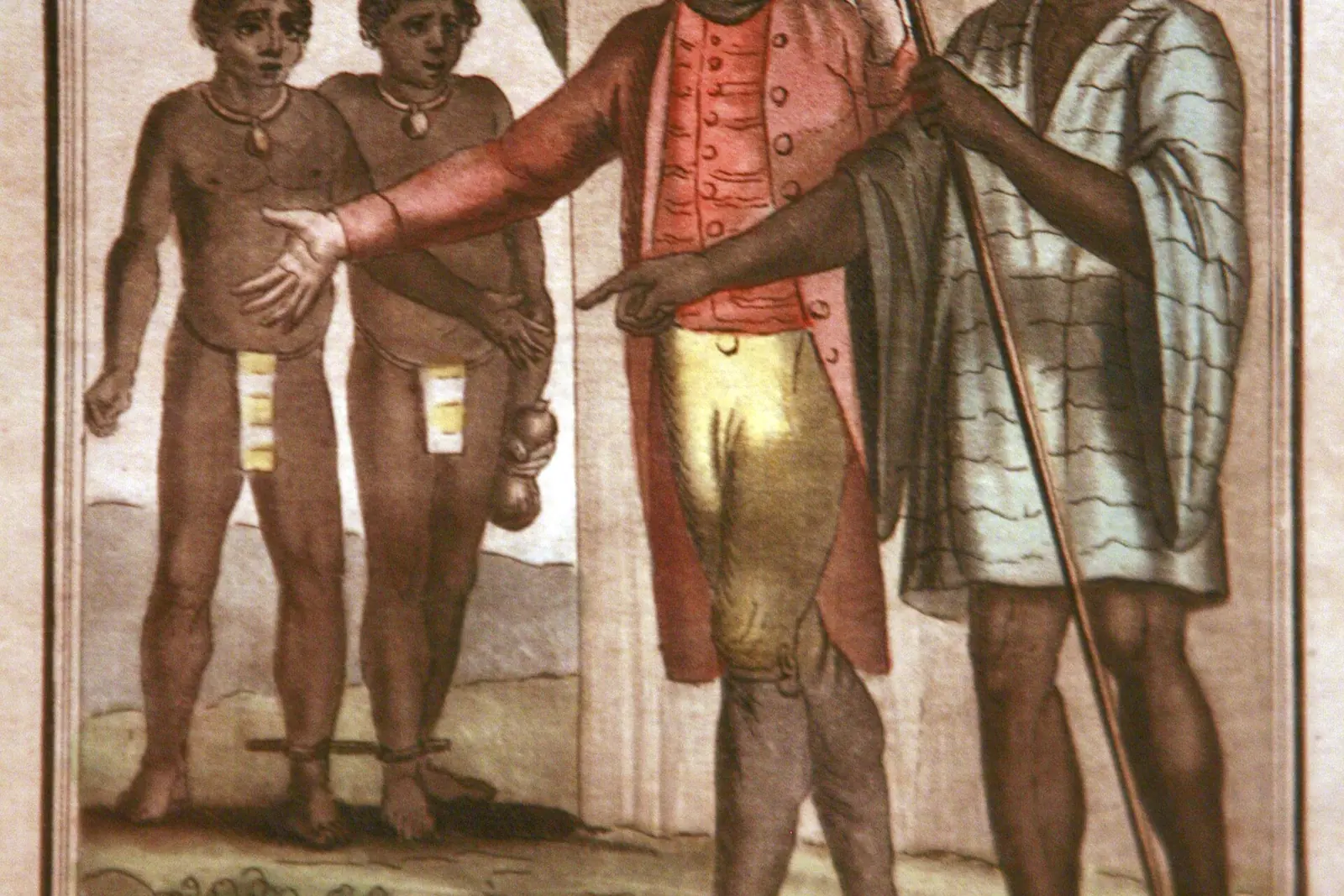
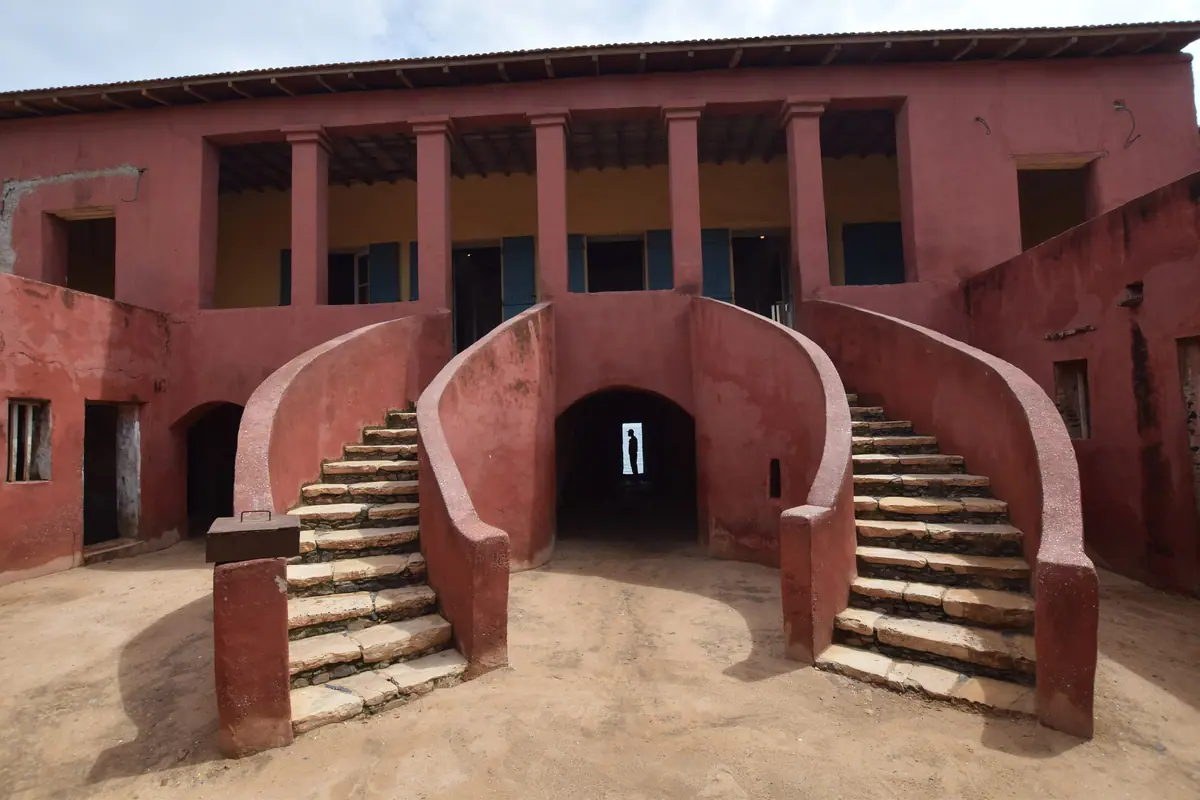
A short ferry hop from Dakar's port brings you to Île de Gorée, a car-free island of ochre and pink colonial houses, flame trees and bougainvillea spilling over narrow lanes. Its place in history is heavy: for centuries this was a trading post on the Atlantic slave routes, and the House of Slaves, built in the late 1700s, is now a museum. Visitors file through its low stone rooms to the Door of No Return, which opens directly onto the sea — a moment that stays with people long after they leave.
Beyond the museum, climb to the Castel, a hilltop fort with panoramic views back toward Dakar, and wander past the church of Saint-Charles-Borromée and the island's small museums and artists' studios. Vendors sell jewellery, paintings and textiles around the ferry landing; a polite refusal is always enough. Gorée rewards slow walking rather than ticking off sights.
Allow at least half a day, ideally arriving on an early crossing and leaving in the late afternoon when the day-trippers thin out and the island returns to its quiet rhythm. There are small guesthouses on Gorée if you want the island almost to yourself after dark — one of the more memorable overnight stays in the country.
Lac Rose and the Petite Côte: Salt, Shells and Wildlife
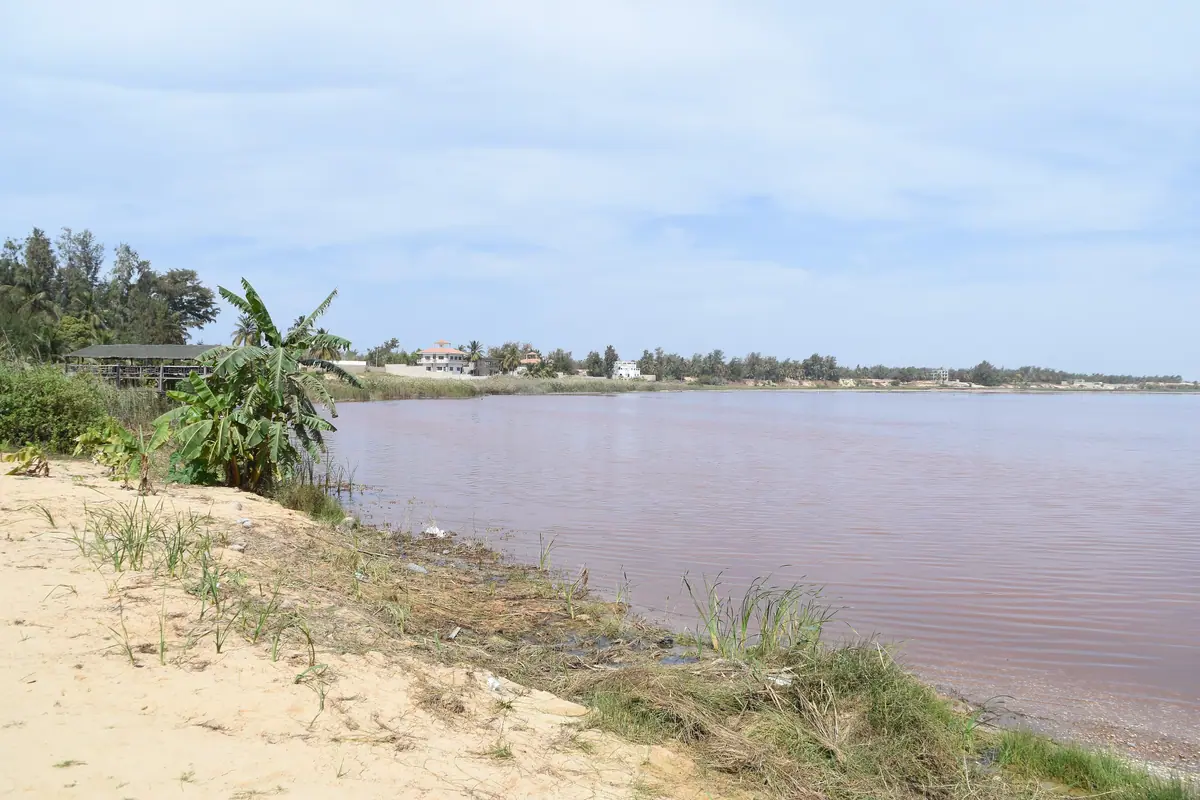
An hour northeast of Dakar, Lac Rose — Lake Retba — glows pink in the strong sun, the colour produced by salt-loving algae that thrive in its briny water. Men and women paddle dugout canoes out to harvest salt by hand, heaping it into cones along the shore, and the salinity is high enough that swimmers float effortlessly. The colour is at its most intense in the dry season, roughly November to May, and around midday when the light is overhead; in the rainy months the lake can turn a muted grey-brown.
Nearby, the Bandia Reserve offers a two- to three-hour drive through acacia woodland where giraffes, white rhinos, antelopes and ostriches roam. It is not a substitute for a true wilderness park, but it is an easy, rewarding introduction to West African wildlife and a good fit for families with limited time.
Continue south along the Petite Côte to Saly, then to the Somone Lagoon, a protected reserve where local guides pole pirogues through bird-filled channels. Popenguine's red cliffs and pilgrimage church make a peaceful stop, and at Joal-Fadiouth you walk a long wooden bridge onto an island built almost entirely of shell middens, where Christian and Muslim cemeteries sit quietly side by side. Two or three relaxed days covers this stretch well, and beach guesthouses are plentiful.
Saint-Louis and the Djoudj Bird Sanctuary
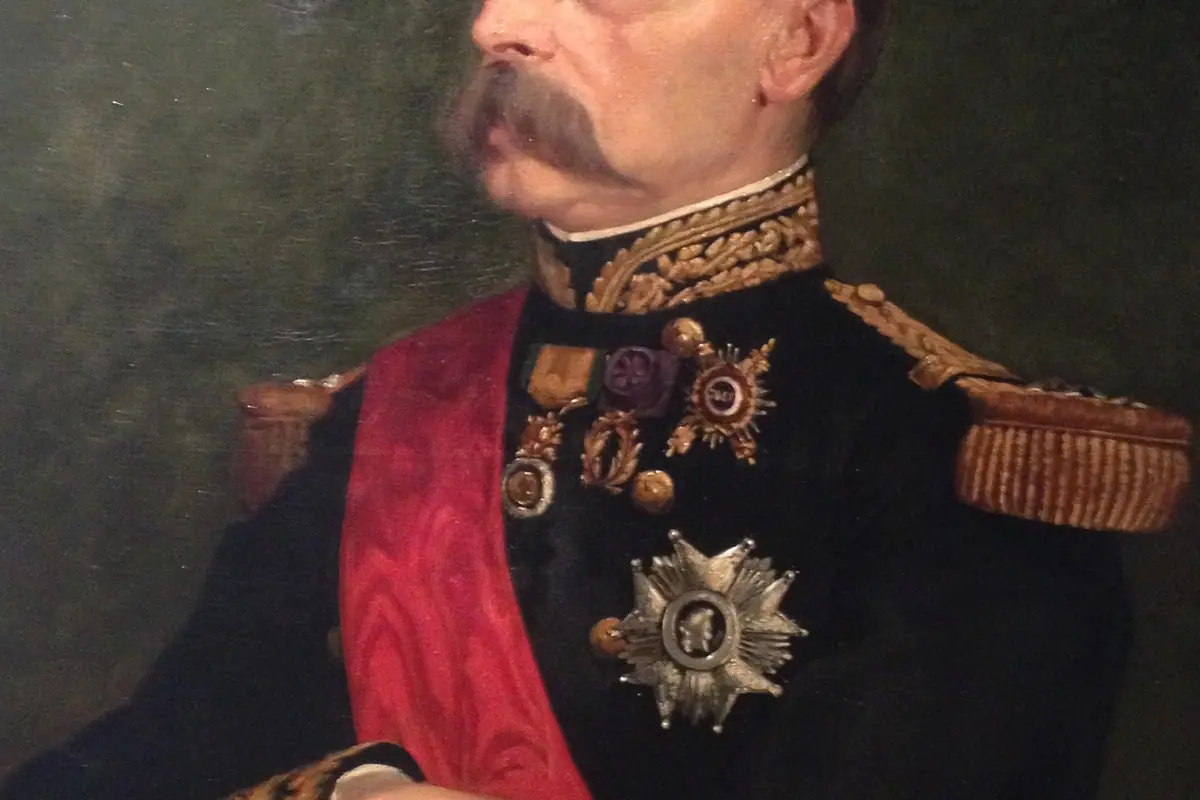
North of Dakar, Saint-Louis was once the capital of French West Africa, and its World Heritage-listed island centre still feels like a faded film set. The Pont Faidherbe, a long steel bridge from the 1890s, links the grid of pastel colonial houses to the fishing quarter of Guet Ndar, where hundreds of painted pirogues ride the surf. Horse-drawn carts still clatter through the streets, and the crumbling balconies and shuttered windows give the town a melancholy beauty best appreciated in the cooler hours of early morning or late afternoon.
An hour's drive away, the Djoudj wetland is one of the great bird spectacles of West Africa. Between November and April, pelicans, cormorants, herons, spoonbills and flamingos gather in enormous numbers across the waterways and lakes. Local guides take visitors out by pirogue through the channels, often with a short 4x4 approach to the water's edge.
Bring binoculars, a hat and plenty of water — the sun is fierce and mosquitoes are persistent near the water. Combine Saint-Louis and Djoudj over two days, staying in a guesthouse inside the old town. Outside the dry season, parts of the sanctuary may be inaccessible, so plan this leg for the winter months.
The Sine-Saloum Delta and Casamance: Mangroves and Green South
South of the Petite Côte, the Sine-Saloum Delta opens into a maze of mangroves, bolongs and low islands, recognised for both its ecology and its archaeological shell mounds. Bases like Toubacouta and Ndangane make good launching points for pirogue trips to Mar Lodj and other islands, where you can paddle beneath herons, watch oyster and cockle gatherers at work, and sleep in simple eco-lodges that run on solar power. The delta is best between November and May, when the water is clear and the birdlife is at its busiest.
Further south, Casamance is Senegal at its lushest — rice paddies, palm groves, mangroves and a slower pace. Ziguinchor, the regional capital, is a good first stop; from there, the Île de Karabane and the beaches around Cap Skirring offer some of the country's best coastal scenery, and villages such as Enampore and Oussouye are known for their distinctive architecture and animist traditions.
Getting to Casamance takes commitment: a short domestic flight from Dakar, or a very long road journey. Once there, river trips, cycling and beach time fill several days easily. Rain falls heavily from July to October, so aim for December through May, and expect humidity even then.
Interior Parks, Bassari Country and a Taste of Senegalese Life
In the southeast, Niokolo-Koba National Park spreads across more than 9,000 square kilometres of savannah, gallery forest and riverine floodplain. Wildlife is shy and dense vegetation makes sightings less predictable than in East African parks, but patient travellers may find hippos, baboons, warthogs, antelope and buffalo, with lions and elephants rare. The dry months from January to May are the most practical for game drives, which require a 4x4 and a local guide.
Closer to the Guinean border, the Kédougou region holds the Dindéfélo waterfall, a green oasis with a swimming pool at its base, and the Bassari Country, a cultural landscape of cliff-top villages such as Iwol and Bandafassi, home to the Bassari and Bedik peoples. This is trekking country rather than beach country — a stark, beautiful contrast to the coast.
Back in the cities, don't overlook the everyday culture. A wrestling bout in a Dakar arena is a thrilling evening of drumming and ceremony, mbalax music fills clubs late into the night, and the national dish, thieboudienne — rice cooked in tomato and fish — appears on tables everywhere. Wash it down with bissap, a deep-red hibiscus drink, or a small glass of strong café Touba.
Frequently asked questions
When is the best time to visit Senegal?
The dry season from November to May is the most comfortable, with December to February bringing the coolest temperatures and clear skies. The rainy season runs roughly July to October, when the south — especially Casamance — becomes humid and some tracks and parks are hard to reach. Birdwatching at Djoudj peaks between November and April.
How many days do I need in Senegal?
A week covers Dakar, Gorée Island and the Petite Côte comfortably. Ten days lets you add Saint-Louis and the Djoudj wetlands or the Sine-Saloum Delta. Two weeks or more is needed to do justice to Casamance or the southeastern parks, since both involve long journeys from the capital.
Is Gorée Island worth visiting, and how long does it take?
Yes — it is one of the most historically significant sites in West Africa. The ferry from Dakar takes about 20 minutes, and half a day is the minimum. Arrive on an early crossing, visit the House of Slaves and the Castel, then wander the lanes before heading back in the late afternoon.
What should I eat and drink in Senegal?
Look for thieboudienne (fish and rice in tomato sauce), yassa (onion and lemon chicken or fish), mafé (peanut stew) and grilled fish along the coast. Drinks worth trying include bissap, a hibiscus infusion, bouye from baobab fruit, and café Touba, a spiced coffee. Street food is generally safe if it is freshly cooked and busy.
How do I get around Senegal, and is it safe?
Shared seven-seat cars and minibuses link most towns cheaply but slowly, while domestic flights and private drivers save time. In Dakar, use licensed taxis and agree the fare first. Senegal is a notably welcoming country, but take the usual precautions: avoid isolated beaches after dark, watch for strong Atlantic currents when swimming, and carry a yellow fever certificate if you are arriving from a risk area.
Plan it — experiences in Senegal
Live search, booked directly with trusted providers.
Sort the rest of your trip
Everything for Senegal, in one place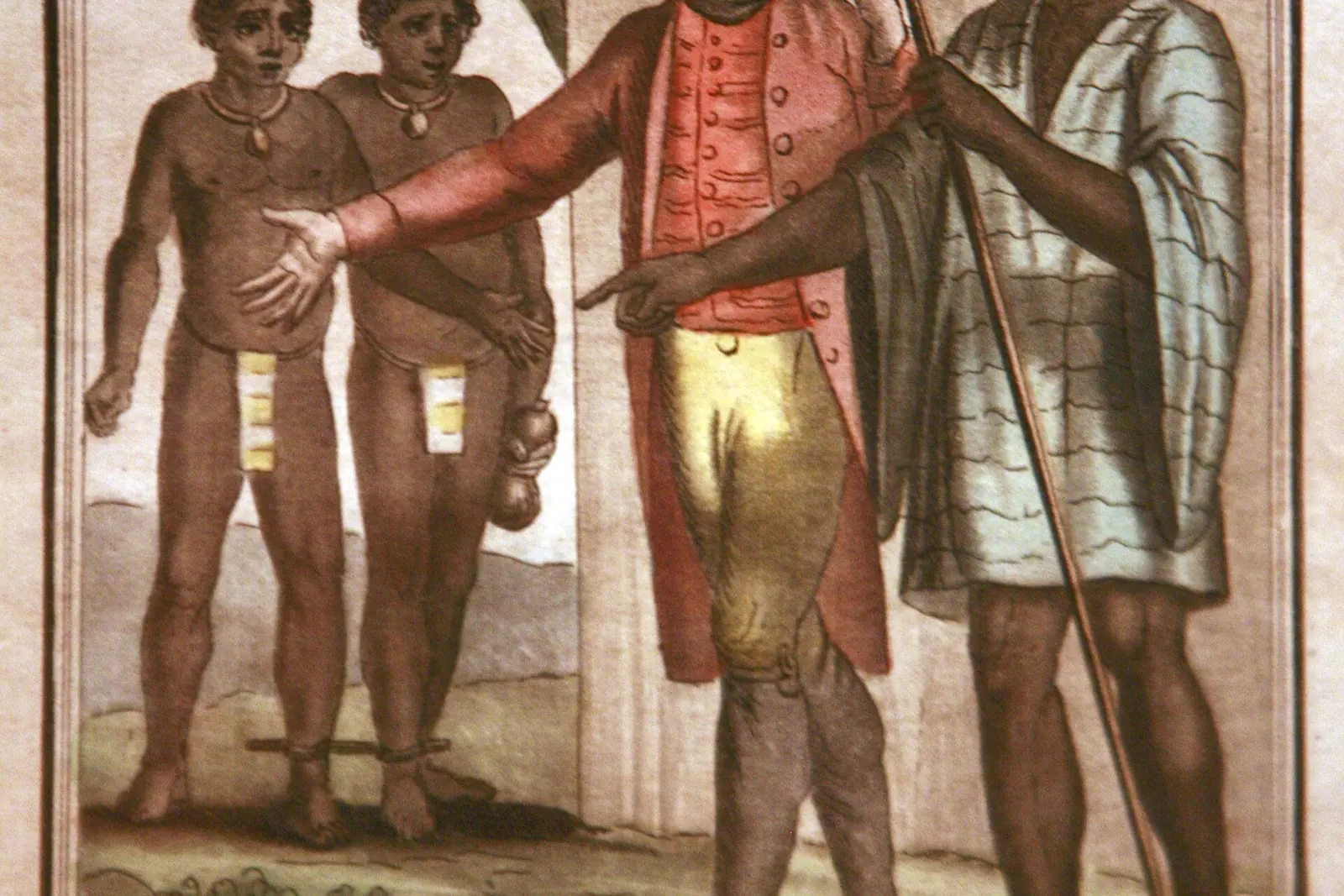
Stay in Senegal
Hotels, guesthouses and apartments — compared in one search.
Search hotels
Transfer in Senegal
Private driver waiting on arrival — no queues, no surprises.
Book a transfer
Stay online in Senegal
Travel eSIM — data the moment you land, no roaming bills.
Get an eSIM