Senegal squeezes an astonishing range of places to sleep into a country you can cross in a single day: Atlantic beach resorts, mangrove eco-lodges reached by pirogue, restored colonial townhouses and desert camps under orange dunes. Where you base yourself shapes the whole trip, so it pays to match your hotel to the landscape you actually came for.
Where to Stay in Senegal: How the Country Splits Into Hotel Regions
Senegal reads like four separate holidays stitched together. The Cap-Vert peninsula holds Dakar, a big, breezy capital of markets, monuments and ocean cliffs. South-east of it runs the Petite Côte, a near-continuous ribbon of sand through Toubab Dialaw, Popenguine, Somone, Saly, Mbour and Joal-Fadiouth. Further south lies the Sine-Saloum Delta and then Casamance, all mangroves, bolongs and palm islands. In the north, Saint-Louis and the Senegal River delta sit at the edge of the desert, with Lac Rose and the Lompoul dunes on the way.
Distances are forgiving: Saly is roughly 80 km from Dakar, Saint-Louis about 265 km north along good tar, and Cap Skirring a short domestic hop or a long, scenic drive from the capital. Because of that, most travellers split their stay rather than move every night — three nights in Dakar, four on the coast, three in the delta or Casamance is a classic rhythm.
Hotel styles change sharply with the map. Dakar offers city hotels and boutique conversions; the Petite Côte is resort country with pools, gardens and family apartments; the delta and Casamance are dominated by small, owner-run lodges, often quoting half-board; the north mixes colonial-era guesthouses with simple desert camps. In the busy window from December to February, and around Easter, good small places fill weeks ahead — book the character stays first, then build the trip around them.

Dakar Hotels: Staying Near the African Renaissance Monument, Gorée and the Plateau
Start with what you want to walk to. The Plateau, Dakar's old grid, puts you minutes from Marché Sandaga, the Grand Mosque, the Museum of Black Civilisations and the ferry terminal for Gorée Island, where the House of Slaves and its door of no return are the emotional heart of any Senegalese itinerary. Hotels here are mostly practical, air-conditioned mid-range properties — excellent for two nights of sightseeing or a business trip, less so for lounging.
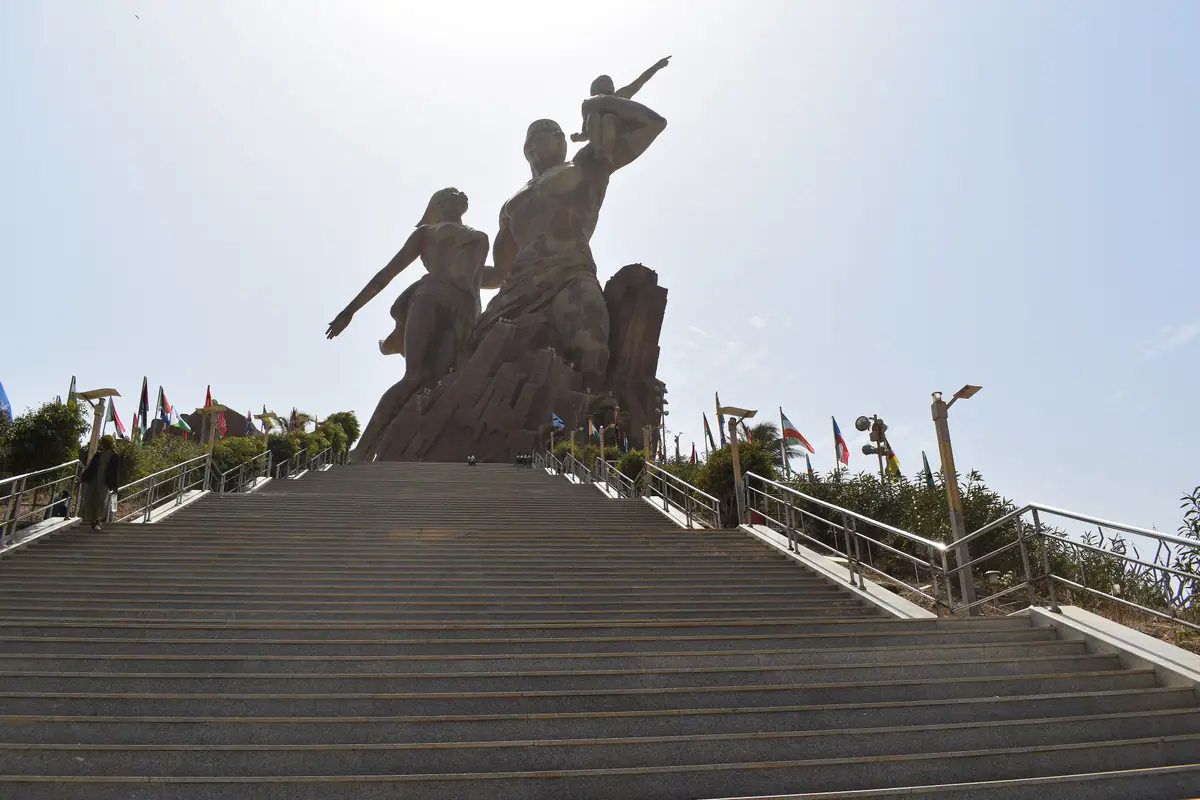
For sea air, head west to the Almadies and Ngor, where boutique hotels and seafront rooms look out over surf breaks and fishing pirogues. The African Renaissance Monument stands on the Mamelles hills above this coast, a colossal bronze figure you can climb for one of the city's best panoramas; the Îles de la Madeleine marine park and Ngor beach are close by. A handful of tiny guesthouses on Gorée itself let you stay after the day-trippers have gone — book far ahead, and remember the island is car-free and quiet after dark.
Practical notes for the capital: the international airport lies roughly 45 km east of the city at Diass, so allow an hour or more depending on traffic, and the run between Plateau and Almadies can take 45 minutes in the morning rush. If your hotel offers airport transfers, take them — it is the least stressful way to arrive.
Petite Côte Hotels: Beach Bases for Saly, Somone Lagoon and Bandia
The Petite Côte is where Senegalese families and European winterers go for sand. Saly is the resort capital, with the widest choice of hotels on the coast: pool-and-garden establishments, self-catering apartments, quiet boutique places set back from the beach road, and a lively strip of restaurants and bars. Neighbouring Mbour is a working fishing town, noisier and more authentic, with a handful of simple hotels near the harbour.
Somone, a little further south, is calmer and prettier, built around a tidal lagoon where you can paddle a kayak between mangroves and watch herons and kingfishers at low tide. North of Saly, Popenguine combines red cliffs, a nature reserve and a pilgrimage church, while Toubab Dialaw offers clifftop guesthouses popular with artists and surfers. Inland, Bandia Reserve delivers a half-day of giraffes, rhinos, antelope and monumental baobabs, an easy add-on from any hotel along this stretch.
Joal-Fadiouth, with its shell-strewn island and cemetery, makes a rewarding cultural counterpoint and is best visited from a base in the south of the coast. One local quirk to plan around: from Friday to Sunday Dakar empties onto these beaches, so weekend rates rise and beachfront rooms vanish. Saly is about 90 minutes by road from the capital in light traffic, and the dry months from November to May are when the sea is calmest and the skies clearest.
Sine-Saloum Delta and Casamance: Eco-Lodges Among Mangroves and at Cap Skirring
South of the Petite Côte, the Sine-Saloum Delta — a labyrinth of bolongs, sandbanks and palm islands around Ndangane, Foundiougne, Toubakouta and Mar Lodj — is the country's most atmospheric place to sleep. Accommodation is almost entirely small eco-lodges: thatched bungalows, solar power, candlelit dinners of grilled fish, and arrival by motorised pirogue rather than car. Days fill with birdwatching, kayaking, visits to shell middens and fishing villages; near the delta's southern edge, Fathala Reserve offers walking safaris with giraffe, rhino and buffalo.
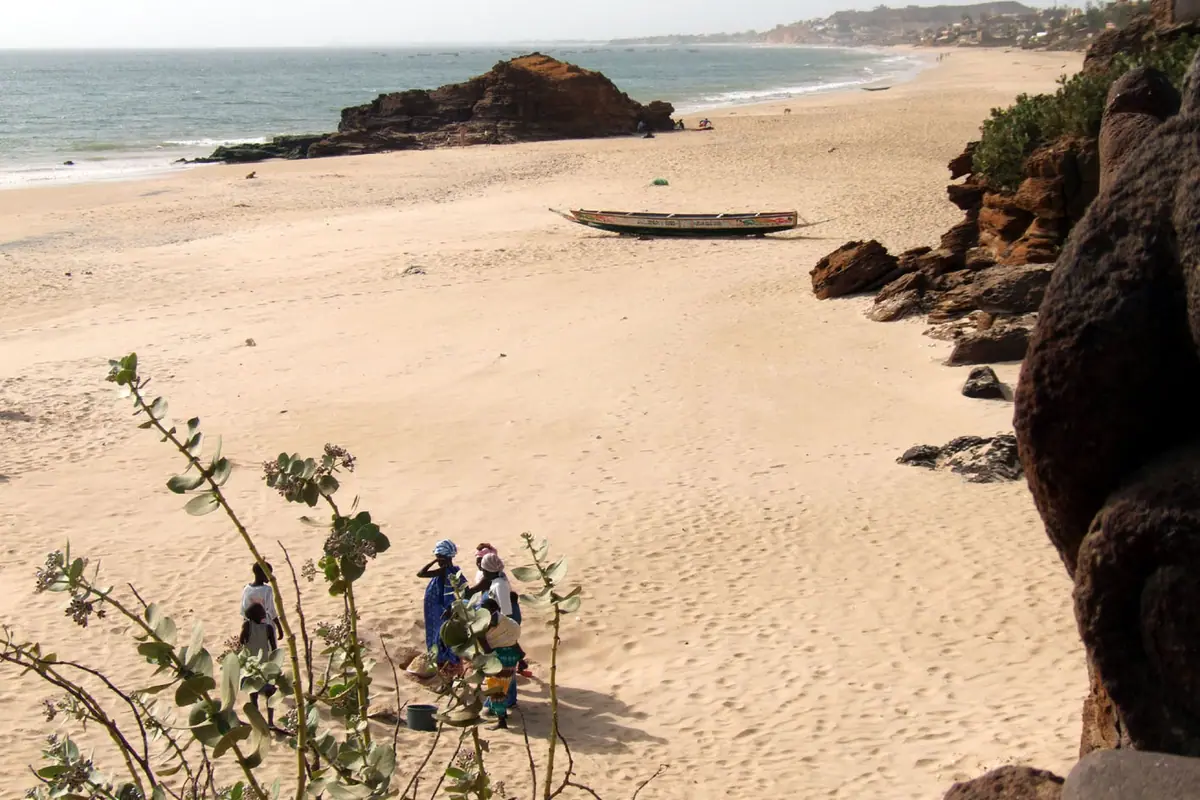
Casamance, further south and cut off from the rest of the country by The Gambia, is greener, wetter and slower. Ziguinchor has straightforward city hotels useful for a night; Cap Skirring is the best-known beach destination in Senegal, with broad sand, warm water and resorts of every standard. Between them, small lodges cluster at Abéné, Kafountine, Enampor and on Île de Karabane, where life moves by canoe and the evenings are soundtracked by cicadas.
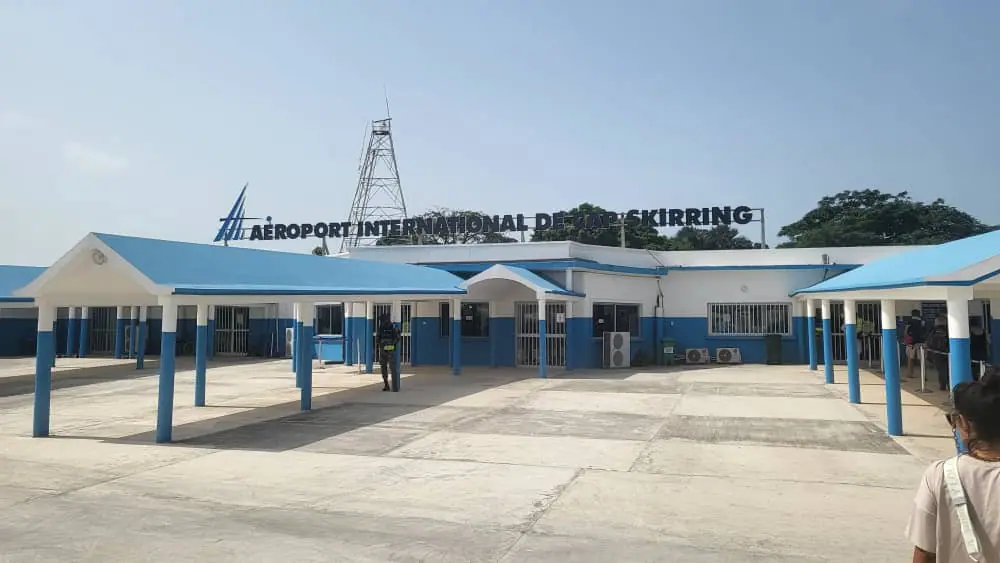
Getting there shapes the plan. You can fly to Cap Skirring in about 50 minutes from Dakar, or take the long overnight ferry to Ziguinchor, which is an adventure in itself. Because the region rewards lingering, most travellers pick one base and stay four nights or more rather than rushing between towns. The rainy season, roughly June to October, turns Casamance lush but humid and can make laterite roads slippery — many lodges close entirely in September.
Saint-Louis and the Far North: Colonial Guesthouses, Lac Rose and the Djoudj
Saint-Louis is the most romantic place to stay in Senegal. The old colonial capital occupies an island at the mouth of the Senegal River, linked to the mainland by the iron Faidherbe Bridge and flanked by the Langue de Barbarie, a thin spit where the fishing quarter of Guet Ndar teems with brightly painted pirogues. Hotels are mostly restored merchant houses and small guesthouses inside the island: high ceilings, shuttered windows, wrought-iron balconies and breakfast in a courtyard. Rooms are charming rather than luxurious, and the best ones sell out during the dry-season cultural festivals.
North of town, Djoudj National Bird Sanctuary is one of the great wetland spectacles of West Africa. Between November and April, pelicans, flamingos, cormorants, herons and spoonbills pack the waterways in staggering numbers, and guided pirogue trips leave from the sanctuary entrance. It is a half-day excursion from Saint-Louis and the single best reason to keep a spare morning in the north.
On the way between Dakar and Saint-Louis, two landscapes deserve a night of their own. Lac Rose, also called Lac Retba, glows pink from salt-loving algae and is ringed by salt harvesters at work; a few simple camps and guesthouses sit nearby. Further north along the Grande Côte, the Lompoul Desert offers tented camps among orange dunes, with camel rides, drumming and star-heavy skies about an hour inland from the coast road.
When to Go, What a Night Costs and How to Book Well
The dry season from November to May is the classic window across the whole country. December to February is coolest, driest and busiest, though a dusty harmattan haze can soften coastal sunsets; the salt flats at Lac Rose and the dunes at Lompoul are at their most photogenic in these months. April and May turn hot inland. The rains arrive in the south first, from around June, reach Dakar by July and September, and bring lower rates, green landscapes, dramatic skies and, in Casamance, genuine humidity and occasional transport headaches.
Budgeting is easier in broad bands than in exact figures. Very simple rooms with a fan in the interior start around 15,000 to 25,000 CFA francs a night; comfortable air-conditioned mid-range doubles generally run 35,000 to 70,000; beach resorts and boutique hotels sit between 70,000 and 150,000 and upward. Remote eco-lodges often quote per person with dinner and breakfast included, so always ask what the rate covers — meals, local tourist tax, transfers by boat or 4x4 — before comparing. Cash in CFA francs is essential outside the capital, cards work in larger hotels, and tipping around five to ten per cent is appreciated for good service.
Two habits make a Senegal trip smoother. First, choose your transport before your hotel: shared sept-place taxis and minibuses are cheap and frequent on main routes, but a car with a driver transforms a multi-stop itinerary, especially in the delta and Casamance. Second, ask practical questions when booking — mosquito nets, air-conditioning or reliable fans, whether power runs all night, and how far the nearest beach or ferry really is. That single email separates a memorable stay from a sweaty one.
Frequently asked questions
Which part of Senegal is best for a first hotel stay?
Most first-timers base themselves in Dakar for two or three nights to see Gorée Island, the African Renaissance Monument and the Plateau markets, then move to the Petite Côte around Saly or Somone for beach time. If you have a fortnight, add Saint-Louis in the north or a small lodge in the Sine-Saloum Delta for contrast.
When is the best time to book a hotel in Senegal?
The dry season from November to May is the peak, with December to February the busiest and most comfortable. Reserve small guesthouses, island stays and delta eco-lodges two to three months ahead for that window, and expect lower rates and greener scenery if you travel during the rainy months from July to September.
Are hotels in Senegal expensive?
There is a stay for almost every budget. Simple fan-cooled rooms in the interior are inexpensive, mid-range air-conditioned doubles are moderate, and beach resorts or boutique hotels in Dakar and Cap Skirring cost considerably more. Remote lodges often quote per person with meals included, so check what the rate covers.
Do I need to book ahead for Casamance or the Sine-Saloum Delta?
Yes, more than you would expect. These regions are dominated by small, owner-run lodges with a handful of rooms, many closed during the heaviest rains, and some reachable only by pirogue. Booking well ahead also lets you confirm boat transfers, meal plans and arrival times before you commit to a long drive or ferry.
Is it safe to stay outside Dakar?
Senegal is generally a welcoming and calm country, and rural areas around Saly, Saint-Louis, the delta and Casamance see plenty of independent travellers. Use normal precautions, arrange transport for late arrivals, keep valuables secure, and take malaria precautions in the south, particularly during and just after the rainy season.
Sort the rest of your trip
Everything for Senegal, in one place
Transfer in Senegal
Private driver waiting on arrival — no queues, no surprises.
Book a transfer
Things to do in Senegal
Skip-the-line tickets, guided tours and standout experiences.
See experiences
Stay online in Senegal
Travel eSIM — data the moment you land, no roaming bills.
Get an eSIM