Senegal stretches from the dusty Sahel edge of the Sahara down to the humid, mango-heavy forests of the Casamance, and the two halves keep very different calendars. Pick your months well, and you get cool, dry days, empty surf breaks and bird-filled wetlands; pick them badly, and you get 40°C heat or a mangrove delta in full downpour. Here is how the seasons actually work — and how they should shape where you sleep.
Understanding the Seasons That Shape Your Hotel Choice
Senegal sits at Africa's westernmost edge, where the Sahel meets the Atlantic, and its climate splits along a diagonal line running roughly from Dakar towards the southeast. The north — Dakar, Saint-Louis, the Ferlo — is dry and dusty for much of the year. The south, especially the Casamance, is humid, green and soaked by far heavier rainfall. For a traveller this means one country with two quite different calendars, and your choice of hotel should follow the weather rather than the other way around.
Broadly there are two seasons: a dry season from about November to May, and a rainy season from June to October. Within the dry months, however, sits a second, subtler divide. December to February brings cool nights and comfortable days; March to May turns fiercely hot inland, where Tambacounda and the hills around Kedougou regularly nudge 40°C, while Dakar stays bearable thanks to a sea breeze that never quite stops.
That variation matters when you book. Coastal resorts and city hotels operate year-round, but the small eco-camps scattered through the Sine-Saloum delta and the Casamance bush often close entirely at the height of the rains, and the desert camps near Lompoul are only truly enjoyable when the night air turns cool. Read the season first, then the map.

November to February: The Dry-Season Sweet Spot
If you have only one window, take this one. From late November through February, Senegal is at its most forgiving: dry, sunny and mild, with coastal daytime temperatures around 25–29°C, sea water pleasant for swimming and evening air cool enough to eat dinner outdoors without breaking a sweat. The harmattan — a dry, dusty wind blowing down from the Sahara — arrives in January and February, thickening the sky into a soft haze. It flattens photographs, but it also keeps mosquitoes largely at bay.
This is peak season and the country knows it. Dakar fills with diaspora returning for the holidays, and beach hotels from Ngor to Saly sell out around Christmas, New Year and the European half-term breaks. Book two to three months ahead if you want a specific room or a sea view. The payoff is a full calendar of things to do: the ferry across to car-free Île de Gorée and its sobering House of Slaves, the colossal African Renaissance Monument on the Mamelles hills, and the wildlife of Bandia Reserve, an easy half-day from the capital.
It is also prime birdwatching. The Djoudj National Bird Sanctuary, roughly an hour north of Saint-Louis, hosts enormous flocks of pelicans, flamingos, cormorants and herons between November and March, with numbers peaking in January. To be there at first light, base yourself on the UNESCO-listed island of Saint-Louis — and book early, because the town's small guesthouses are limited in number.
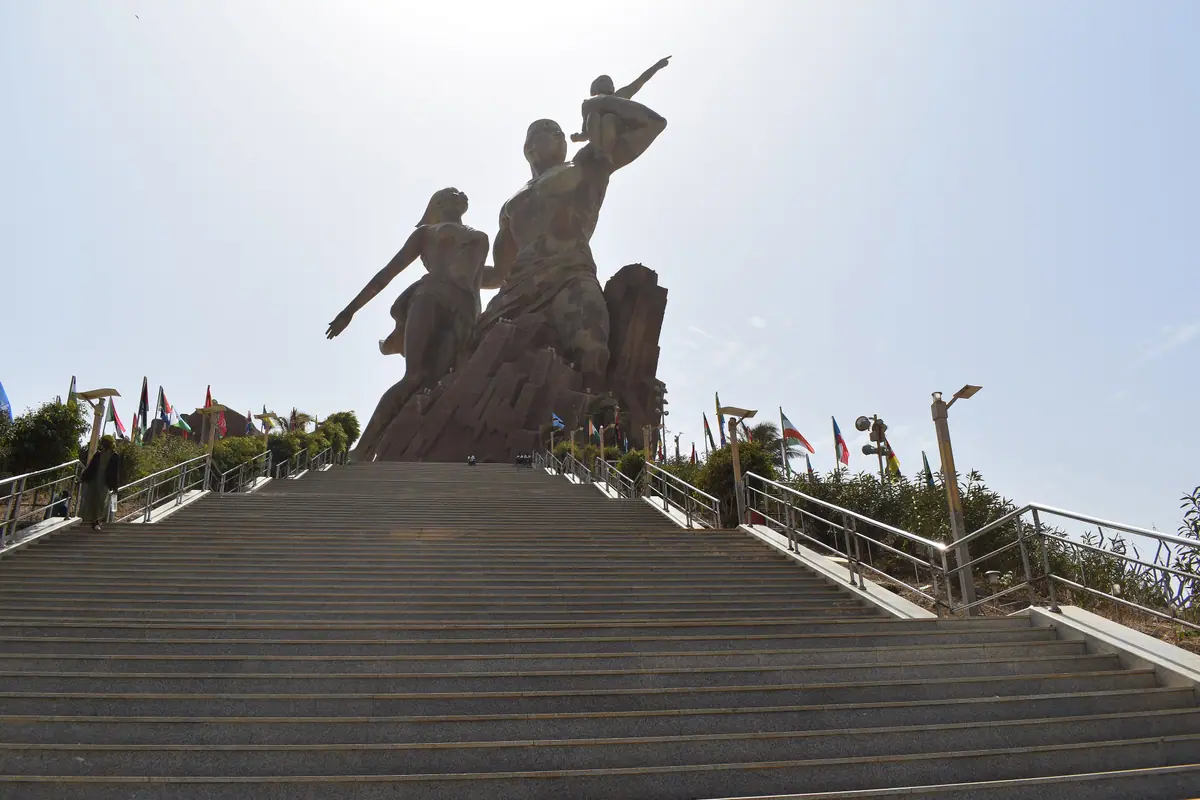
March to May: Heat, Surf and a Packed Festival Calendar
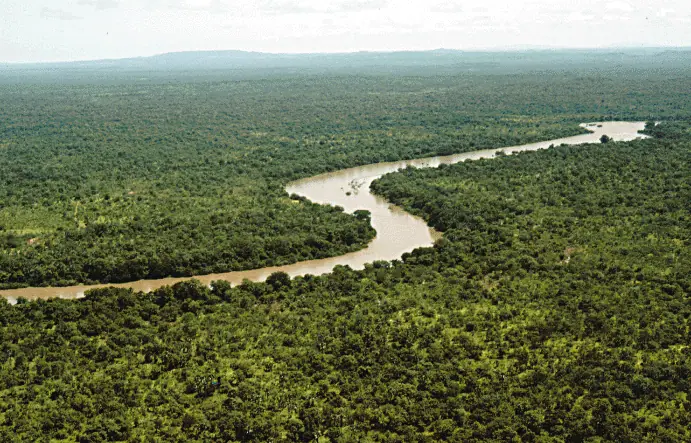
March and April are transition months. The coast remains warm and mostly rain-free, but humidity climbs and inland temperatures soar. If you plan to visit Niokolo-Koba National Park or the wooded hills near Kedougou, do it early in this window, before the heat truly bites. The upside is thinner crowds at the big sights: Gorée, Lake Retba and the Saloum delta all feel noticeably calmer than they do in January.
This is the best time to be on a surfboard. The Atlantic swell that made Dakar's peninsula a surfing destination builds from November and runs through to April, with the breaks around Ngor, Ouakam and the Almadies drawing a steady international crowd. The water is at its most comfortable in March and April, once the sea has warmed through months of sunshine.
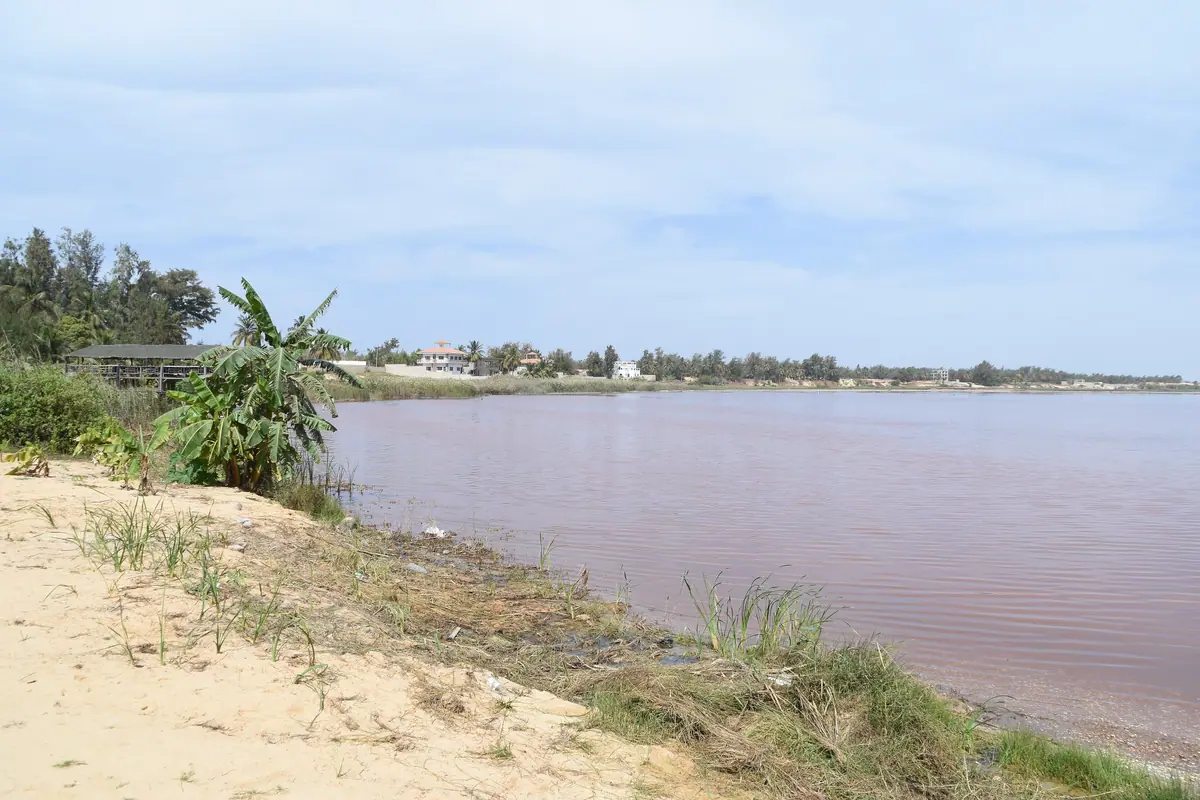
May belongs to culture. Saint-Louis hosts its long-running jazz festival, when the island's colonial streets fill with music, while Dakar stages its contemporary art biennale in alternate years, turning galleries and public buildings into exhibition spaces. Lake Retba, the pink lake northeast of the capital, is at its most photogenic in the dry months, when salt harvesters wade through mineral-thick water and the colour intensifies.
June to October: The Green Season and Its Trade-Offs
The rains arrive from the south, generally reaching the Casamance in June and the Dakar region by July. They rarely fall all day, every day — typically heavy bursts in the afternoon or overnight — but they change everything. The landscape explodes into green, the baobabs leaf out, rice paddies flood and the air stays thick and humid. If you accept the trade-off, this is Senegal at its most beautiful.
The trade-offs are real. Casamance takes the heaviest rainfall, up to around 1,500 mm across a season, and unpaved roads to villages such as Abéné and Kafountine turn slippery; several lodges simply shut between July and September. Mosquitoes multiply, so pack repellent and check that your room has a net. Niokolo-Koba, in the southeast, becomes difficult to reach and is best left for the dry season.
What you gain is value and solitude. Room rates fall sharply outside July and August, when school holidays briefly push prices back up, and you can often negotiate on the spot. Late in the season, September and October, the roads firm up again, waterfalls in the Kedougou region run strong, and the sky delivers spectacular evening light. It is also a rewarding time to explore the Saloum delta's mangrove channels and shell-island villages.
Where to Sleep, Region by Region
Dakar is the obvious first base. The Plateau and Almadies have polished city hotels; Ngor and Ouakam offer smaller seaside places within walking distance of the surf. From here you can reach the African Renaissance Monument, the Museum of Black Civilisations, the markets and the ferry to Île de Gorée, whose ochre lanes and House of Slaves make it the country's most visited site. City hotels barely notice the seasons — they are busy year-round.
South of the capital, the Petite Côte strings together Somone Lagoon, the cliffs at Popenguine and Saly, the country's main resort strip, all comfortable from November to May. Further south again, the Sine-Saloum delta and the shell island of Joal-Fadiouth reward slow stays in eco-lodges and river camps; they are lovely in the dry season and sweltering but lush during the rains.
Saint-Louis deserves its own night or three — sleeping inside the UNESCO-listed colonial grid, near the iron Faidherbe Bridge, is the best way to experience it and puts the Djoudj wetlands within day-trip distance. In the Casamance, Cap Skirring's long beach is the classic winter escape, with Abéné and Kafountine for something quieter. Choose Casamance accommodation carefully in the wet months, since many beach camps close.
Festivals, Holidays and the Smart Booking Window
Senegal's calendar is full of dates that fill beds. The Grand Magal de Touba, a vast pilgrimage, moves with the Islamic lunar year, as do Korité and Tabaski, when families travel and coastal hotels fill with domestic visitors. Late December brings the Abéné festival in Casamance, January and February the European winter escape, and May the jazz and art crowds in Saint-Louis and Dakar.
The practical rhythm is simple: book December to March two to four months ahead, especially for Dakar hotels near the Gorée ferry, Saint-Louis guesthouses and Saly resorts with pools. In the rainy season you can usually decide a fortnight out. Ask about air conditioning — plenty of coastal hotels rely on sea breeze alone — as well as mosquito nets and whether hot water is guaranteed.
One final tip: the shoulder works in your favour. Late November and late May sit either side of the extremes, with dry weather, reasonable rates and space on the beach. Aim there first, and keep the green season in reserve for a cheaper, lusher, quieter trip.
Frequently asked questions
When is the best time to visit Senegal overall?
Late November to February is the sweet spot: dry, sunny and mild, with coastal days around 25–29°C and cool evenings. The whole dry season from November to May works well, but March to May turns very hot inland.
What is the rainy season like, and should I avoid it?
Rains run from roughly June to October, heaviest in the Casamance and lighter around Dakar. Downpours usually come in short, heavy bursts. It is not a reason to avoid Senegal — you get green landscapes, low hotel rates and quiet beaches — but expect humidity, mosquitoes and some closed lodges in the south.
Which months are best for birdwatching and wildlife?
November to March is prime time for birds, especially at the Djoudj National Bird Sanctuary near Saint-Louis, where pelican and flamingo numbers peak in January. For larger mammals and savannah wildlife, the dry months from December to April are best in Niokolo-Koba.
Do I need to book hotels in advance?
For December to March and around Christmas, New Year and school holidays, book two to four months ahead, particularly in Dakar, Saint-Louis and Saly. In the rainy season you can often book a week or two before arrival and still find rooms, sometimes at a discount.
Is March to May too hot for a holiday?
On the coast it is manageable, with sea breezes keeping Dakar and the Petite Côte warm rather than unbearable, and it is the best window for surfing. Inland, temperatures can reach 40°C, so save Kedougou and the deep southeast for earlier in the dry season.
Sort the rest of your trip
Everything for Senegal, in one place
Transfer in Senegal
Private driver waiting on arrival — no queues, no surprises.
Book a transfer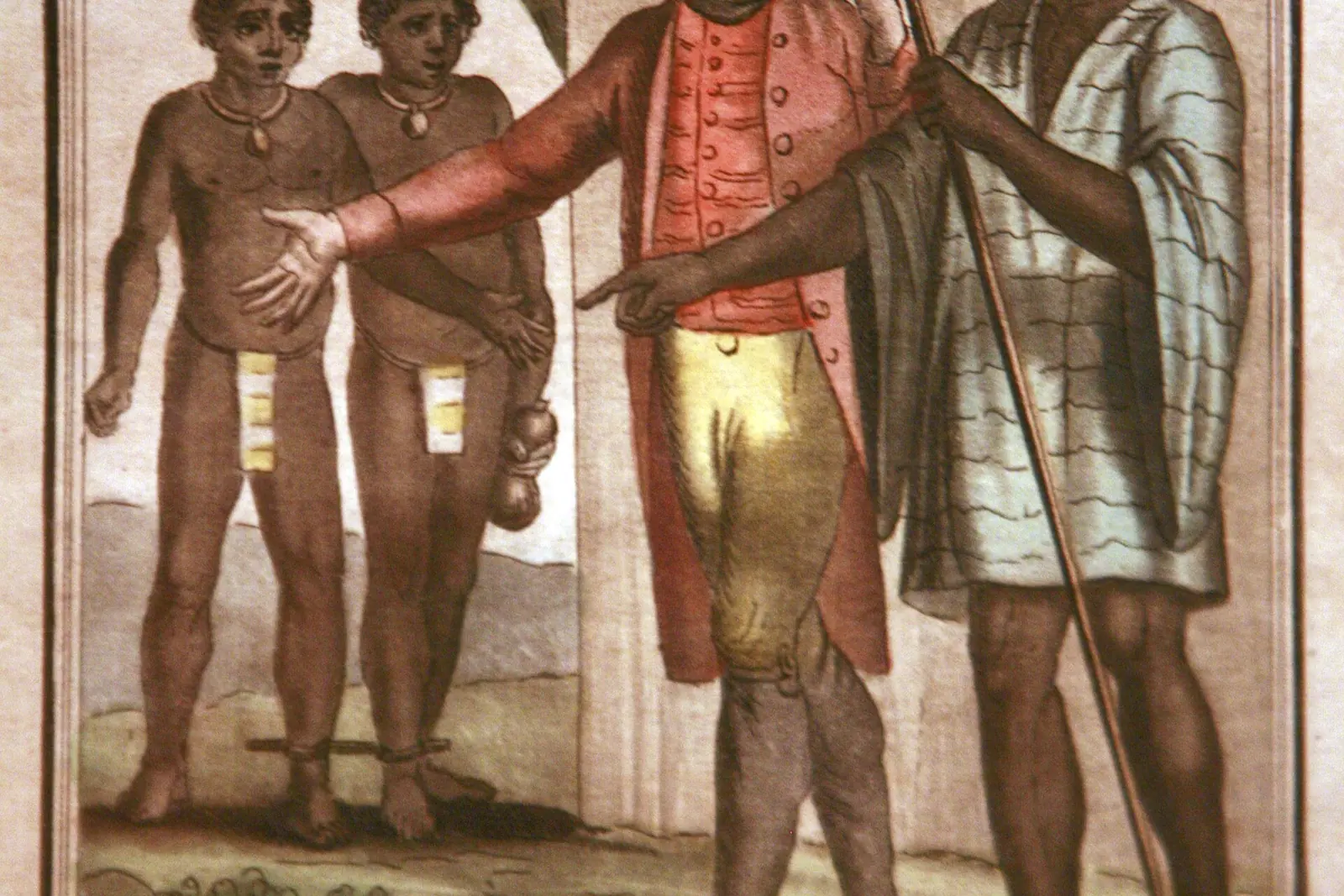
Things to do in Senegal
Skip-the-line tickets, guided tours and standout experiences.
See experiences
Stay online in Senegal
Travel eSIM — data the moment you land, no roaming bills.
Get an eSIM