In Senegal a stranger is fed before a stranger is questioned, and the country's famous teranga — hospitality as a point of honour — shapes every market stall, tea round and shared rice bowl. This guide follows the food, music and landscapes that make a tour here feel less like sightseeing and more like being welcomed into a family courtyard.
Why Senegal Rewards the Slow Traveller
Senegal sits at the westernmost bulge of Africa, where the Sahel turns green and the Atlantic arrives in warm, steady swells. It is a country of several worlds squeezed into a manageable shape: a buzzing capital on a peninsula, a UNESCO-listed colonial island a twenty-minute ferry ride away, mangrove deltas, bird-filled wetlands, and a greener, more tropical south that feels like a different nation altogether. What ties it together is teranga, the Wolof word for hospitality that functions as a social contract — you greet before you ask, you share what you have, and you never let a visitor eat alone.
Timing matters more here than in most destinations. The dry season runs roughly November to May: December and February bring the coolest, most comfortable days, when Dakar evenings call for a light jacket and the desert harmattan haze can soften the light. From March the heat climbs, pushing past 35°C inland before the rains break in July. The wet season, July to October, turns the Casamance into dense green rice country, fills the Dindefelo falls and drops prices — but also brings humidity heavy enough to slow any itinerary.
Practically, ten days covers Dakar, the Île de Gorée, Lac Rose and a couple of nights in the Sine-Saloum Delta. Give it two to three weeks and you can add Saint-Louis in the north, the beaches and forests of the Casamance, or the Bassari highlands near the Guinean border. French is the official language, Wolof the everyday one, and the CFA franc is king — bring cash, because card machines are rare once you leave the capital. Distances are covered in sept-places, the seven-seat station wagons that leave when full, or in the rust-and-bright-paint car rapides that rattle through Dakar.
Thieboudienne and the Senegalese Table
If you learn one word of Wolof food vocabulary, make it thieboudienne — rice and fish, the national dish, and arguably the most complete plate in West Africa. It was born in Saint-Louis, where cooks stuffed a whole grouper with herb paste, simmered it in tomato and tamarind, then cooked broken rice in the resulting broth with cassava, carrot, cabbage, aubergine and okra. The result arrives on a single vast platter, fish in the middle, vegetables arranged around it, and everyone eats from the same bowl with the right hand, shaping small balls of rice. Accept the invitation; it is the fastest route into a Senegalese kitchen.
Beyond the national dish, the repertoire is built on slow-simmered sauces: yassa, where chicken or fish is marinated in lemon, mustard and a mountain of onions; mafé, a peanut stew rich enough to stain the rice; soupou kandia, okra and palm oil cooked down with fish; and caldou, the Casamance speciality where fresh fish is bathed in lime, oil and onion and served with white rice. In the south, look for chere — steamed millet couscous — while thiakry, millet couscous folded into sweetened yoghurt, is the dessert you will keep ordering. Street snacks fill the gaps: fataya and pastels, fried pastries stuffed with spiced fish; accara, black-eyed-pea fritters; and beignets sold from bicycle baskets at dusk.
Drinks are a ritual in themselves. Bissap, deep red hibiscus juice, is tart and refreshing; bouye, made from baobab fruit, tastes faintly of caramel; gnamakoudji brings a ginger burn. Then there is café Touba, spiced with djar pepper and sold from thermoses on every corner, and the attaya ceremony — three rounds of green tea, the first bitter as death, the second sweet as life, the third sweet as love. Sit through all three. It takes an hour and tells you everything about how time works here.
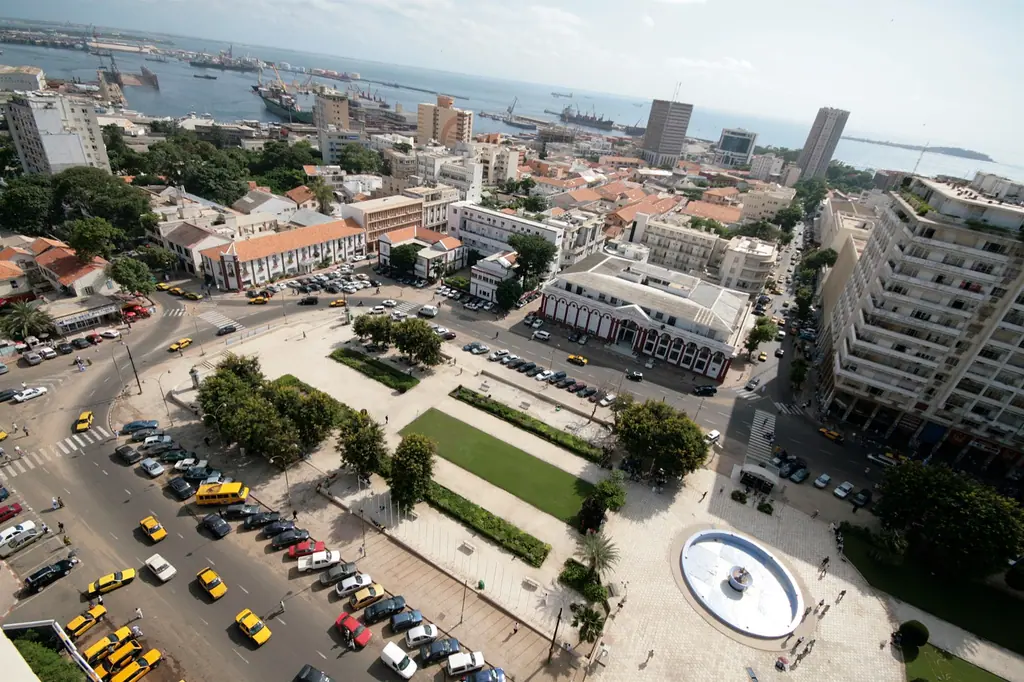
Dakar and Gorée: Monuments, Markets and a Ferry Crossing
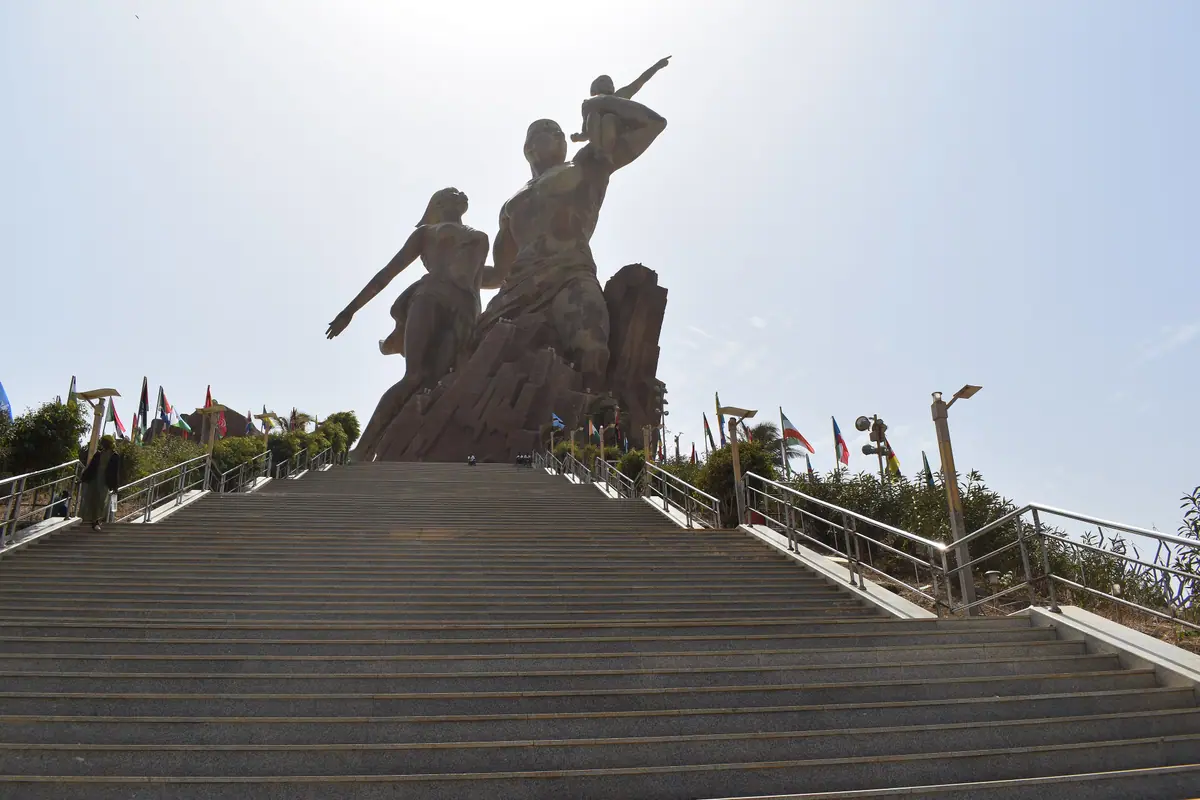
Dakar is loud, layered and endlessly walkable in parts. Start high: the African Renaissance Monument, a 52-metre bronze figure on the Mamelles hills, delivers the best panoramic view of the peninsula and the Atlantic beyond. Then drop down to the Musée Théodore Monod in the Plateau, one of West Africa's oldest museums, where masks, textiles and musical instruments lay out the country's ethnic map. The Marché Sandaga and the streets of the Médina behind it are the sensory overload you came for — fabric, leather, spice, tailors working treadle machines — while the Soumbédioune market, near the fishing beach of the same name, is where carvings, drums and jewellery are sold beside boats unloading the morning catch. Finish at the Grand Mosque, its minaret candy-striped in green and white.
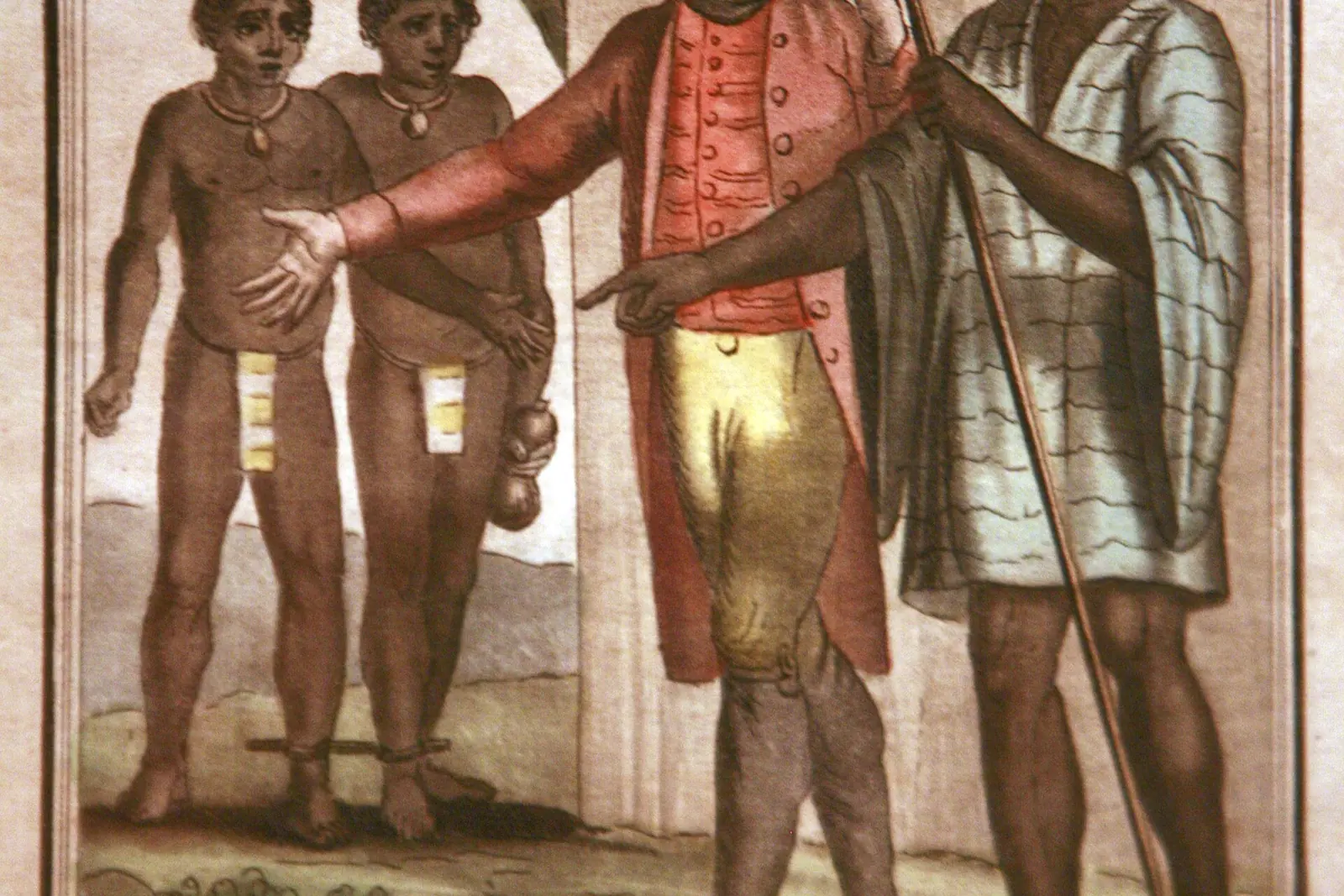
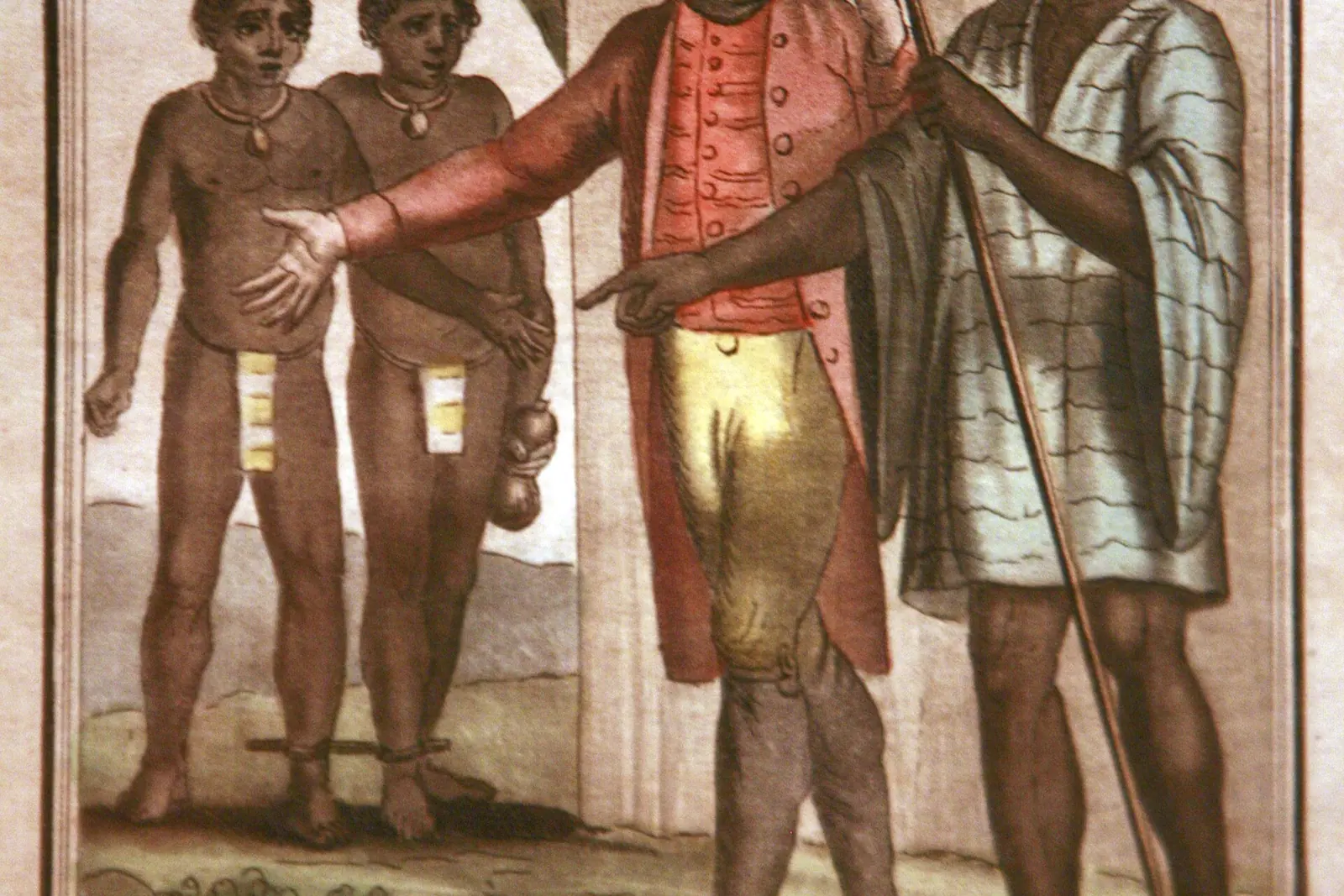
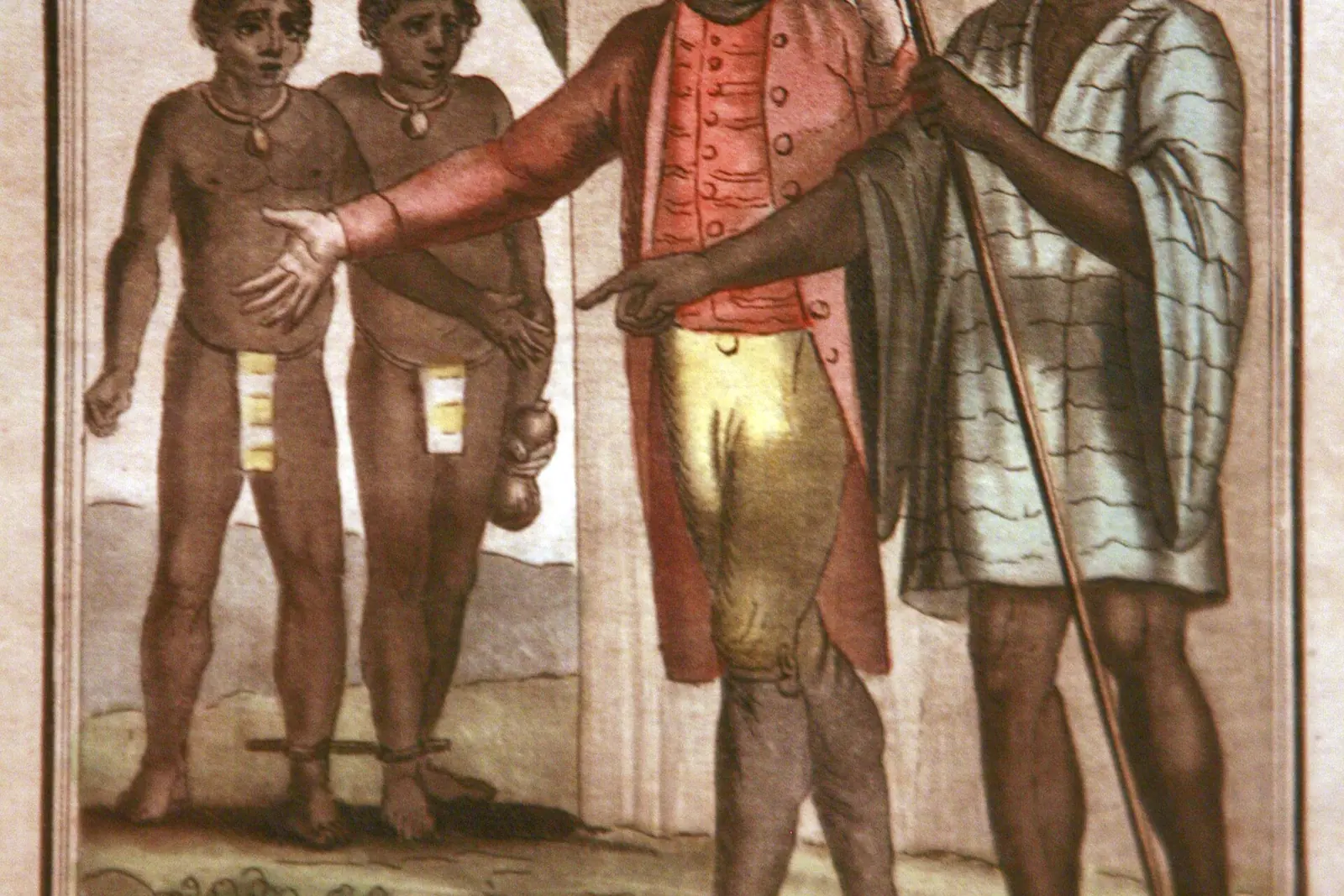
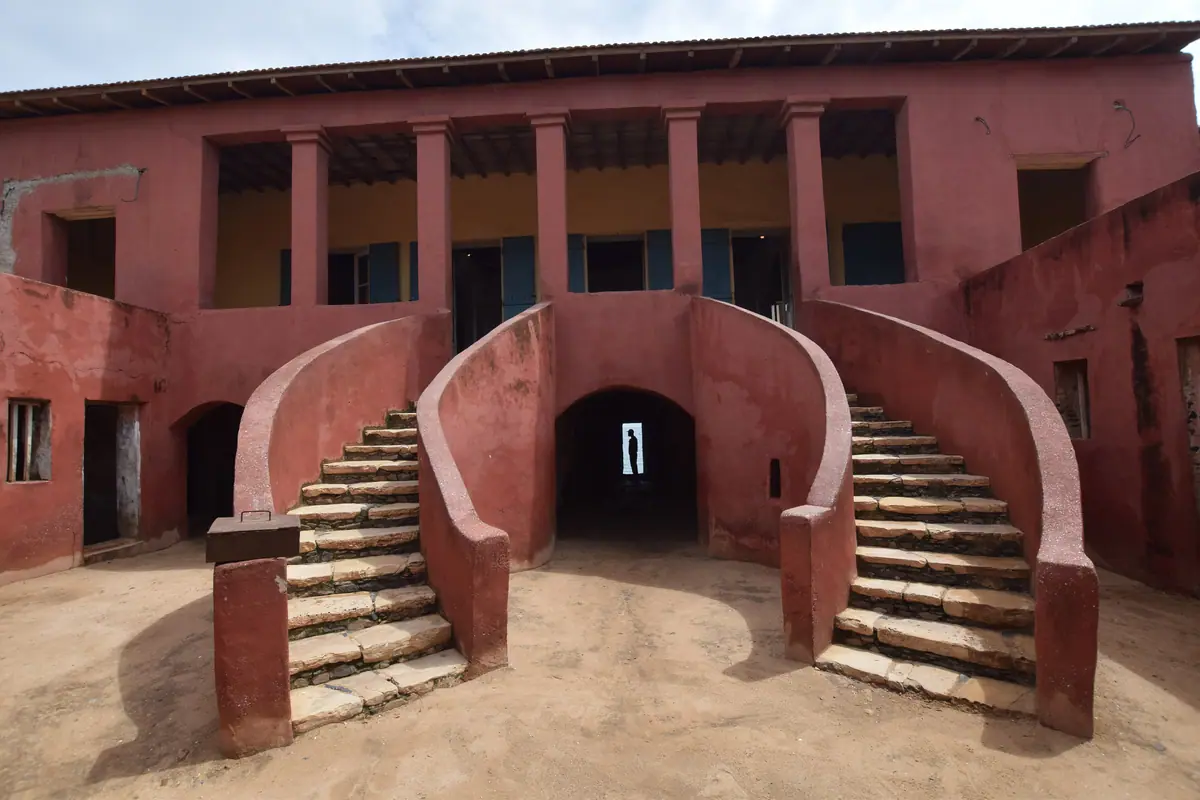
Twenty minutes by ferry from the downtown terminal lies the Île de Gorée, car-free, painted in faded ochres and pinks, and small enough to circle in an hour. Its weight is concentrated in the House of Slaves, where the door facing the sea — the Door of No Return — is the most sobering sight in the country. Go early; the island is quietest before the mid-morning boats, and staying overnight, when day-trippers leave and the lanes fall silent, is a different experience entirely.
With time to spare, escape the city heat at Ngor Island, reachable by a short pirogue hop from the beach, or head about 35 kilometres northeast to Lac Rose, where salt harvesters pole flat-bottomed boats across water turned pink by the algae that thrive in its brine. Swimming is possible and buoyant; the surrounding dunes are ideal for a sunset.
Saint-Louis, the Sine-Saloum Delta and the Shell Island of Joal-Fadiouth
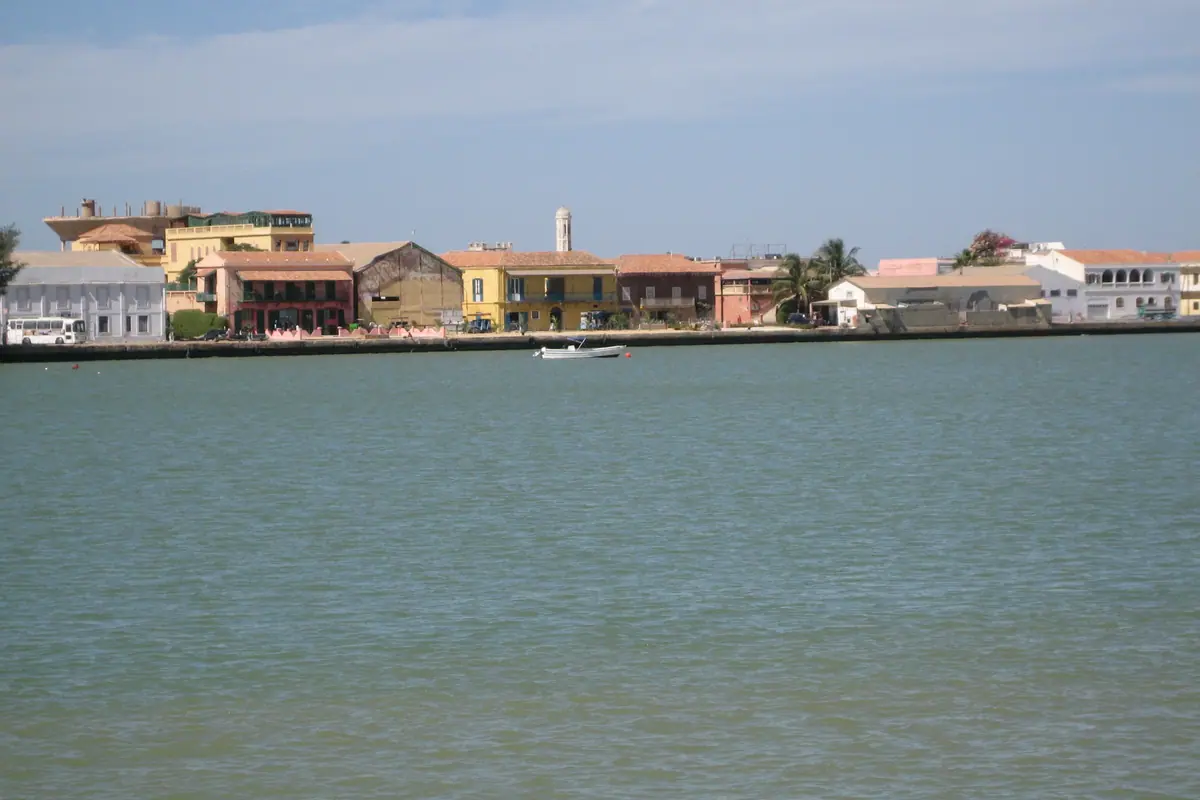
North of Dakar, Saint-Louis was once the capital of French West Africa, and its UNESCO-listed island grid still carries the bones of that era: wrought-iron balconies, shuttered townhouses and the elegant Faidherbe Bridge linking the island to the mainland. Walk across to Guet Ndar, the fishing quarter on the Langue de Barbarie sandspit, at dawn or late afternoon, when hundreds of painted pirogues ride the surf and the catch is auctioned on the beach. If you are a birdwatcher, continue north to the Djoudj National Bird Sanctuary, a wetland of pelicans and cormorants best visited by boat between November and April. In May, the city fills with brass and rhythm for its long-running jazz festival.
South of Dakar, the Sine-Saloum Delta is a labyrinth of mangrove channels — bolongs — where pirogue trips glide past heron, kingfisher and oyster beds. Base yourself in Palmarin for quiet and birdlife, or in Saly if you want resorts and a beach scene. Further down the coast, Joal-Fadiouth is one of the country's oddities: Fadiouth is a small island built almost entirely of discarded shells, connected to Joal by a wooden bridge, with granaries on stilts above the water and a cemetery where Muslim and Christian graves lie side by side.
This stretch is where Senegal's seafood is at its best. Ask for thiof, the grouper that anchors thieboudienne, grilled simply with lime and onion; and try the oysters and cockles gathered by women in the delta, often served in a sharp vinaigrette at roadside shacks. Travel here is slow — a sept-place from Dakar, then shared taxis or a hired car with a driver — so build in slack rather than trying to tick off three towns in a day.
Casamance, Kedougou and the Bassari Country
The Casamance, cut off from the rest of Senegal by the Gambia and greener than anywhere else in the country, feels like a separate trip. Ziguinchor is its languid capital, but the rewards lie beyond: the beaches and warm sea at Cap Skirring, the haunting island of Carabane, the carved wooden posts and stilt houses of Élinkine, and the remarkable painted walls of Mlomp. Rice is grown in the paddies, palm wine is tapped and drunk fresh each evening, and the local caldou — fish in lime and oil — is a different dish from anything you will eat in Dakar. The best months are January to May, after the rains have drained away.
In the far southeast, around Kedougou, the country tilts into hills and forest. Dindefelo Falls tumbles about 100 metres into a swimming pool worth the sweaty walk in, and the surrounding villages belong to the UNESCO-listed Bassari Country, where Bassari, Bedik and Fula communities preserve their own architecture, initiation traditions and language. Nearby, Niokolo-Koba National Park is Senegal's greatest wilderness — lions, hippos, baboons and, in the extreme south, chimpanzees — best explored in a 4x4 during the dry season, roughly December to April.
This region demands effort: long drives, basic guesthouses, and flexibility when a vehicle breaks down or a road floods. It also delivers the experiences people remember longest — a drumming lesson in a village courtyard, a shared bowl of millet couscous, a valley of cliffs at golden hour with no one else in sight.
Traditions to Join: Drums, Tea, Wrestling and Holy Cities
Senegal's cultural life is participatory, and most of it happens in public. Sabar drumming — played with one hand and a stick, the rhythm driving dance and, increasingly, mbalax pop — echoes out of courtyards and rehearsal yards in Dakar; ask at a music school or community centre and you will usually be handed a drum within an hour. Griots, the hereditary storytellers and musicians, still carry oral history across generations, and a kora performance in a Casamance village can be arranged with local guides. Add competitive wrestling, laamb, which fills stadiums and neighbourhood arenas on weekends with a roar you can hear blocks away.
Religious life is the other window into the country. Senegal is overwhelmingly Muslim, and the Mouride city of Touba, home to the Great Mosque, draws millions during the Grand Magal pilgrimage, while Tabaski — Eid al-Adha — empties towns and fills streets with sheep fattened for months. Korité, marking the end of Ramadan, is a family feast of thiakry and rich sauces. Dress modestly, ask before photographing anyone, and in Touba follow the local rules on footwear, smoking and photography without argument.
Finally, learn the greetings. "Salaam aleekum" opens the door; "Nanga def?" follows, along with a string of enquiries about family and health that must be answered before business begins. Markets reward the patient: bargaining is expected but should be cheerful, and the price stops moving once you shake hands. Take the tea when it is offered, take seconds even if you are full, and you will find that in Senegal the itinerary matters far less than the people you eat it with.
Frequently asked questions
When is the best time to visit Senegal?
November to May is the dry season and the most comfortable window, with December to February the coolest months and March to May noticeably hotter inland. July to October is the rainy season: the Casamance becomes lush and green, the Dindefelo falls are at full flow, and prices drop, but humidity and muddy roads slow travel considerably.
What food should I not leave Senegal without trying?
Start with thieboudienne, the fish-and-rice national dish, ideally eaten communally from one platter. Then work through yassa with its lemon-onion sauce, mafé peanut stew, soupou kandia with okra, and caldou if you reach the Casamance. For snacks, look for fataya, pastels and accara, and finish with thiakry, bissap juice and the three rounds of attaya tea.
How long do I need for a Senegal tour, and what should I prioritise?
Ten days comfortably covers Dakar, the Île de Gorée, Lac Rose and two nights in the Sine-Saloum Delta. Two to three weeks lets you add Saint-Louis and the Djoudj wetlands in the north, or travel south to the Casamance and the Bassari Country near Kedougou. Trying to combine both the far north and far south in under two weeks means spending most of your trip in a vehicle.
Is Senegal easy to travel around, and is it safe?
Senegal is generally calm and welcoming, with petty theft in busy Dakar markets the main concern. Travel is slower than map distances suggest: shared sept-place wagons, car rapides and taxis cover most routes, with a hired car and driver the most efficient option outside the capital. Carry cash in CFA francs, as cards are widely accepted only in Dakar's larger hotels and restaurants.
Can vegetarians and cautious eaters manage in Senegal?
Yes, with a little planning. Yassa and mafé are frequently made without meat on request, chere with a vegetable sauce is naturally meat-free, and rice, beans, plantain, cassava and grilled fish are everywhere. If you eat fish, you will eat extremely well. Bottled water is widely available, and avoiding raw salads and unpeeled fruit outside reputable restaurants is a sensible habit.
Sort the rest of your trip
Everything for Senegal, in one place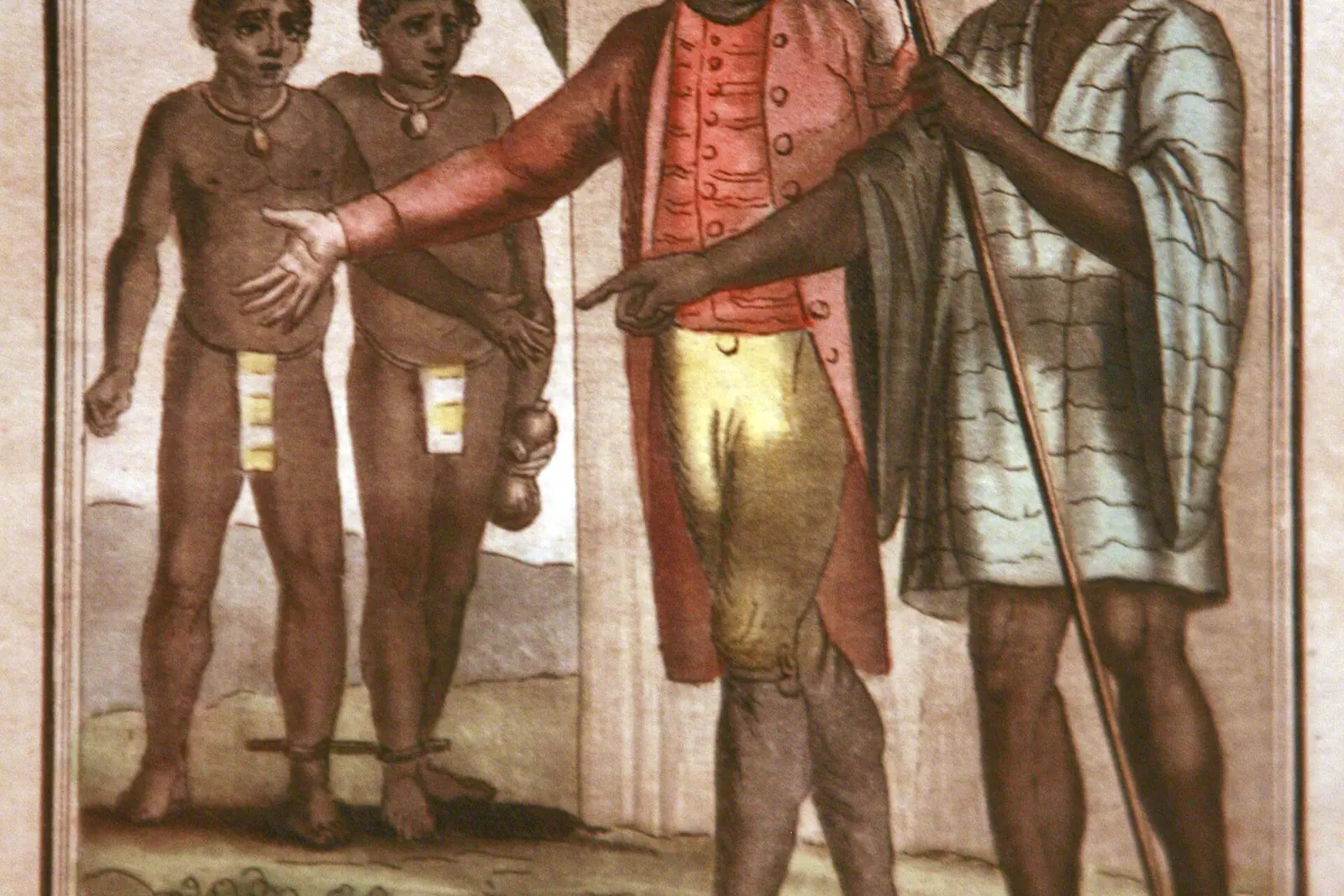
Stay in Senegal
Hotels, guesthouses and apartments — compared in one search.
Search hotels
Transfer in Senegal
Private driver waiting on arrival — no queues, no surprises.
Book a transfer
Stay online in Senegal
Travel eSIM — data the moment you land, no roaming bills.
Get an eSIM