Rwanda compresses an extraordinary amount of landscape into a country you can cross in a day: volcanic peaks wrapped in cloud forest, tea-green hills that fold into one another for hours, and a savanna of acacia and papyrus swamp where the Big Five have returned. It is also a place that asks something of you — few destinations combine such gentle beauty with such a heavy history, and travelling here thoughtfully is part of the experience.
Tracking Mountain Gorillas in Volcanoes National Park
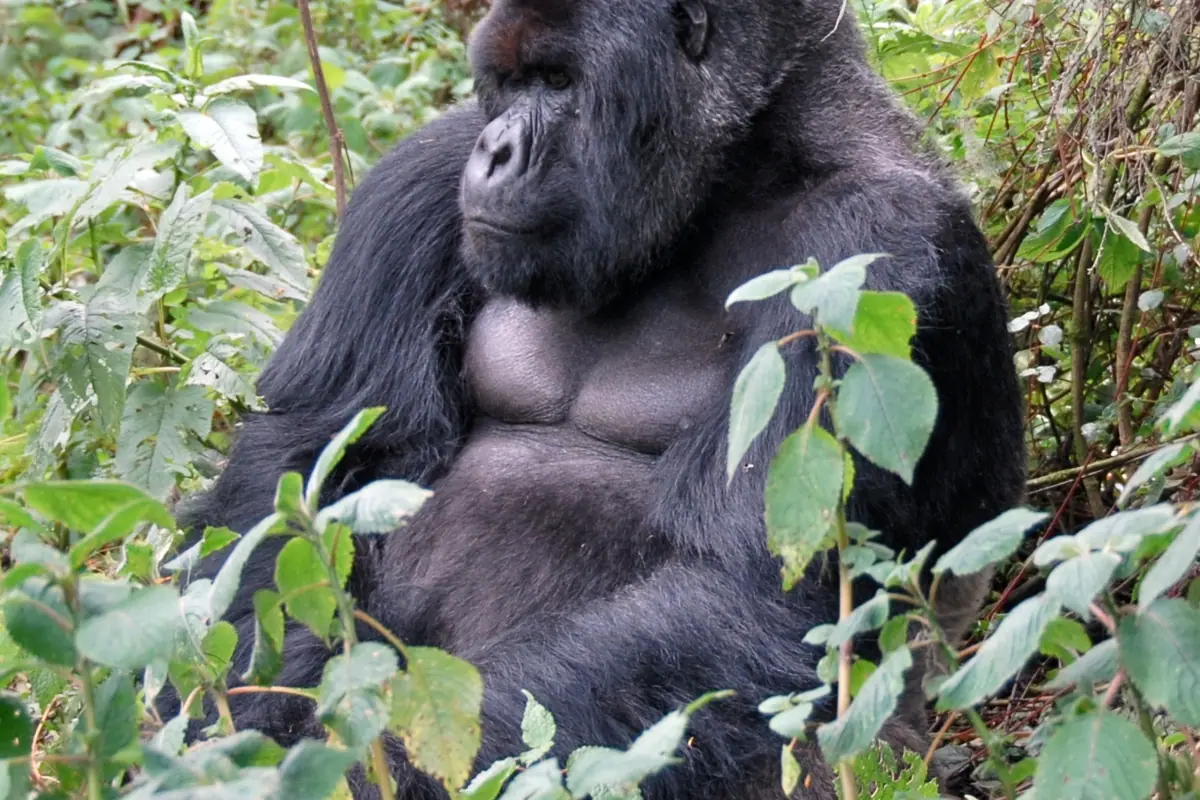
The Virunga volcanoes rise in a dark green wall along Rwanda's northern border, and somewhere in the bamboo and nettle of their lower slopes live habituated mountain gorilla families. The day begins early at the park headquarters in Kinigi, where visitors are briefed and split into small groups of no more than eight before setting off with trackers and guides. How long you walk varies enormously — anything from forty minutes to several hours — because the gorillas move overnight and the altitude sits between roughly 2,500 and 3,000 metres, so the climb feels steeper than it looks on a map.
What follows is the reward: an hour in the presence of a family, watching a silverback shift his weight, infants tumble out of the vegetation, and the whole group feed with a calm that makes the effort dissolve. Come prepared for mud and cold mornings — long trousers tucked into socks, gardening gloves for the nettles, sturdy boots, gaiters and a waterproof shell — and consider hiring a porter, who will carry your bag and haul you up the slickest slopes.
The same massif offers excellent reasons to stay longer. Golden monkey tracking is a gentler morning, the day hike up Mount Bisoke ends at a crater lake on the summit, and the two-day ascent of Mount Karisimbi is the highest trek in the country. A short walk to the old Karisoke site, where the grave of Dian Fossey sits among the forest she fought to protect, gives the whole region its context. The dry seasons from June to September and December to February give the best trails, and permits sell out months ahead in peak periods, so plan flights around availability rather than the other way round.
Nyungwe Forest: The Canopy Walkway and Africa's Oldest Rainforest
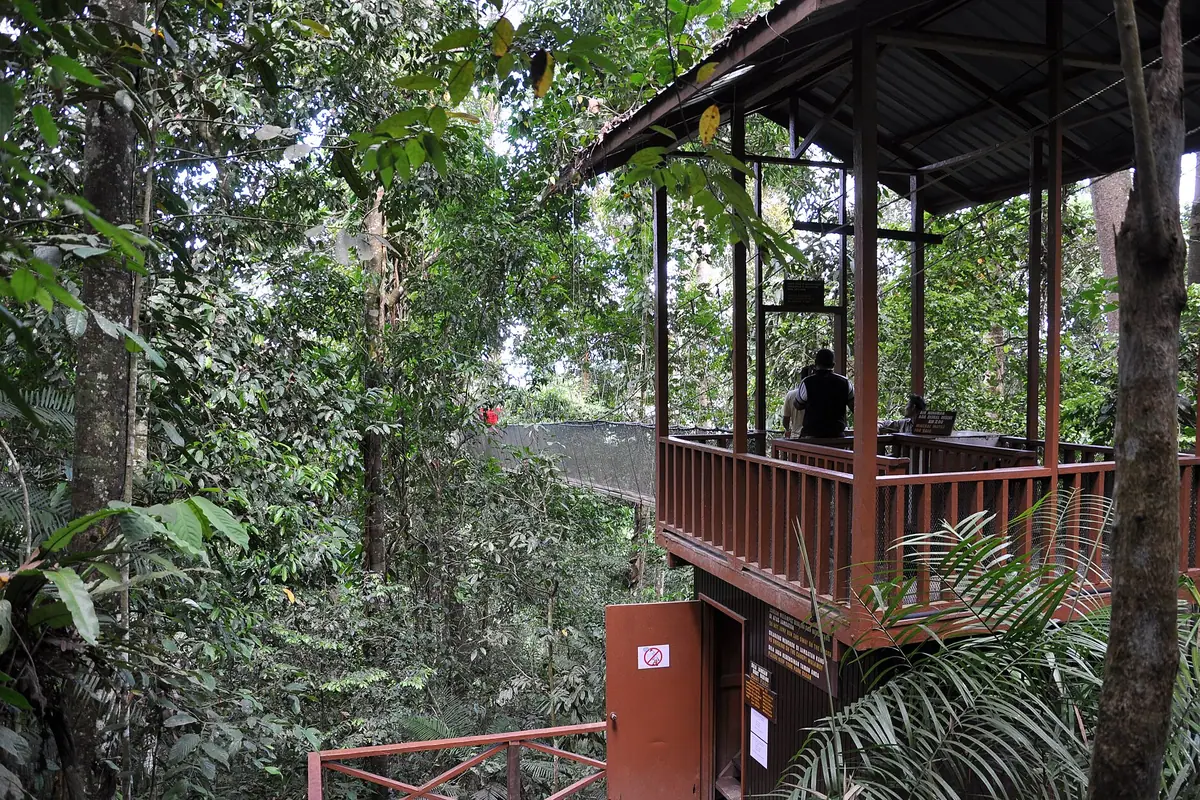
In south-western Rwanda, Nyungwe spreads across a ridge of mountains as one of the oldest and most intact montane rainforests on the continent. Its signature experience is the canopy walkway at Uwinka — a suspended bridge strung roughly seventy metres above the forest floor, swaying gently as you cross, with views straight down into a tangle of moss, fern and orchids. It is not for anyone uneasy with heights, but the perspective on the forest is unmatched, and the metal grid gives you a clear sightline down through the layers of vegetation.
On foot, Nyungwe's trails range from easy waterfall walks to full-day routes that climb ridges and drop into valleys where troops of colobus monkeys crash through the trees. Chimpanzee tracking requires an early start and a good deal of luck, but the forest also holds L'Hoost's monkeys, grey-cheeked mangabeys and hundreds of bird species, many of them found only in this Albertine Rift chain. Serious birders tend to spend several days here rather than one hurried stop.
The forest is a five to six hour drive from Kigali along good roads, and most travellers pair it with Lake Kivu rather than attempting a return trip in the same day. Bring a fleece and rain jacket whatever the season — this is cloud forest, and a clear morning can turn wet by early afternoon — plus a decent pair of binoculars. Staying overnight in or beside the park, rather than driving in and out, is what turns a hurried visit into a proper one.
Akagera National Park: Big Five Safari on the Eastern Plains
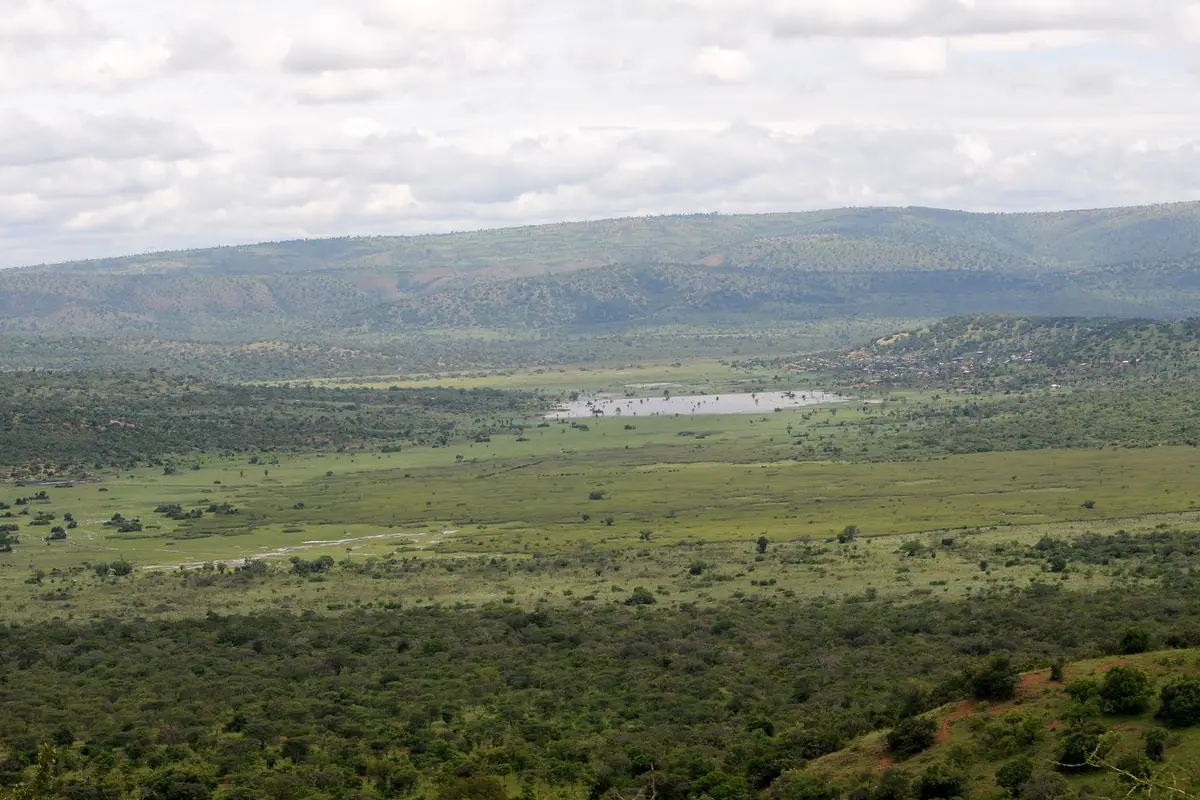
Akagera is the Rwanda that surprises people: a mosaic of rolling savanna, wooded hills and a chain of lakes and papyrus swamps strung along the Kagera River on the eastern border. Lion and rhino have been reintroduced here, joining elephant, buffalo and leopard, so the Big Five are once again all present in a park that had been reduced to a fraction of its former self a generation ago. Because the park is relatively compact and the terrain open, sightings often come quickly.
The classic day involves a self-drive or guided game drive through the northern plains, where zebra, giraffe, topi and eland graze in the mornings and predators are most active in the cool first hours. The boat safari on Lake Ihema is the other unmissable hour: hippos packed shoulder to shoulder, crocodiles on the banks, fish eagles calling overhead, and for the very fortunate the shoebill stork standing motionless in the reeds. Adding a night drive opens up genet, civet and bushbaby sightings that daytime visitors never see.
Akagera lies about two and a half hours by road from Kigali, which makes it feasible as a long day trip — but two nights in one of the tented camps inside the park is far better, giving you dusk, dawn and the middle of the day at your own pace. The dry months from June to September are best for game viewing because the bush thins and animals concentrate around water; the green season brings dramatic skies, newborn animals and excellent birding at lower prices.
Lake Kivu and the Congo Nile Trail
Lake Kivu is Rwanda's holiday coast, a vast freshwater lake along the western border where the hills drop steeply into water that is, unusually for this part of Africa, safe to swim in. The main towns on the Rwandan shore — Rubavu in the north, Karongi and Rusizi further south — each have a different character: Rubavu is the busiest, with beaches and watersports, while Karongi is quieter, with a long peninsula, coffee farms on the slopes behind it and a string of islands just offshore.
Boat trips are the easiest way to see the lake properly. From Karongi you can reach Napoleon Island, where a colony of fruit bats hangs in the trees and the walk to the summit takes in sweeping views of the bay, or the smaller Amahoro Island with its population of monkeys. Kayaking, paddleboarding and sunset cruises are all easy to arrange on the spot, and the hot springs at Nyamyumba near Rubavu are a pleasant, slightly sulphurous soak after a long hike.
For walkers and cyclists, the Congo Nile Trail traces roughly 227 kilometres down the lake's eastern shore, linking Rubavu with Rusizi through fishing villages and tea and coffee country. Very few people ride or walk the whole thing; most sample a section or two, which is the sensible approach given the steep, hot climbs and the mud in the rainy months. Small guesthouses and homestays along the route make multi-day sections possible without carrying much.
Kigali: Memorials, Markets and Hilltop Views
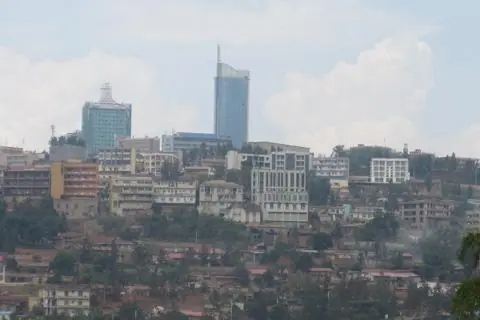
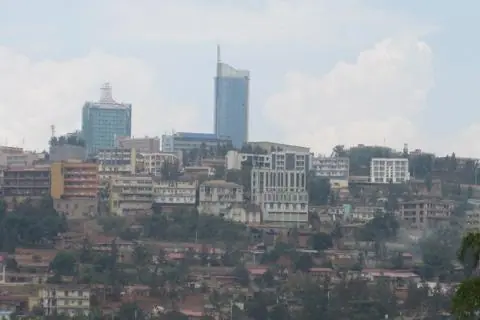
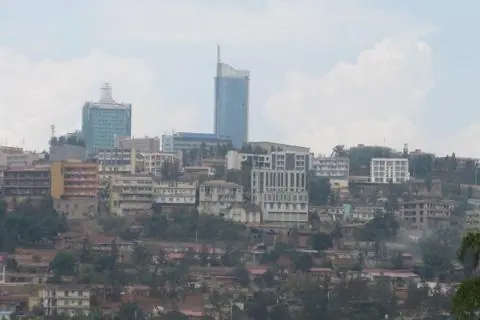
Kigali is one of the most orderly capitals in Africa, spread across a series of hills with wide clean streets and a calm that belies its history. Nearly every visitor begins at the Kigali Genocide Memorial at Gisozi, where the mass graves, the wall of names and the carefully curated exhibition explain what happened in 1994 with a directness that is difficult but essential. Allow two to three hours, take the audio guide, and leave time to sit in the gardens afterwards rather than rushing straight back into the city.
Beyond the memorial, the city rewards a day or two of wandering. Kimironko Market is the place to watch everyday commerce at full volume — produce, fabric, baskets, second-hand clothing — while the Kimihurura and Kiyovu neighbourhoods hold small galleries and studios showing contemporary Rwandan painting, sculpture and design. The Kandt House Museum tells the story of the city before independence, and the viewpoint on Mount Kigali gives you the whole quilt of ridges and rooftops at sunset.
Practical details matter here. On the last Saturday morning of each month, Rwanda holds its national community work day, and much of the city shuts for a few hours — plan museum visits and departures around it. Moto taxis are the fastest way across town, metered taxis are plentiful, and the roads out to the national parks are good enough that a self-drive car is a realistic option. Note also that single-use plastic bags are not allowed into the country, so pack accordingly before you fly.
Royal Palaces, Museums and Culture in the Southern Hills
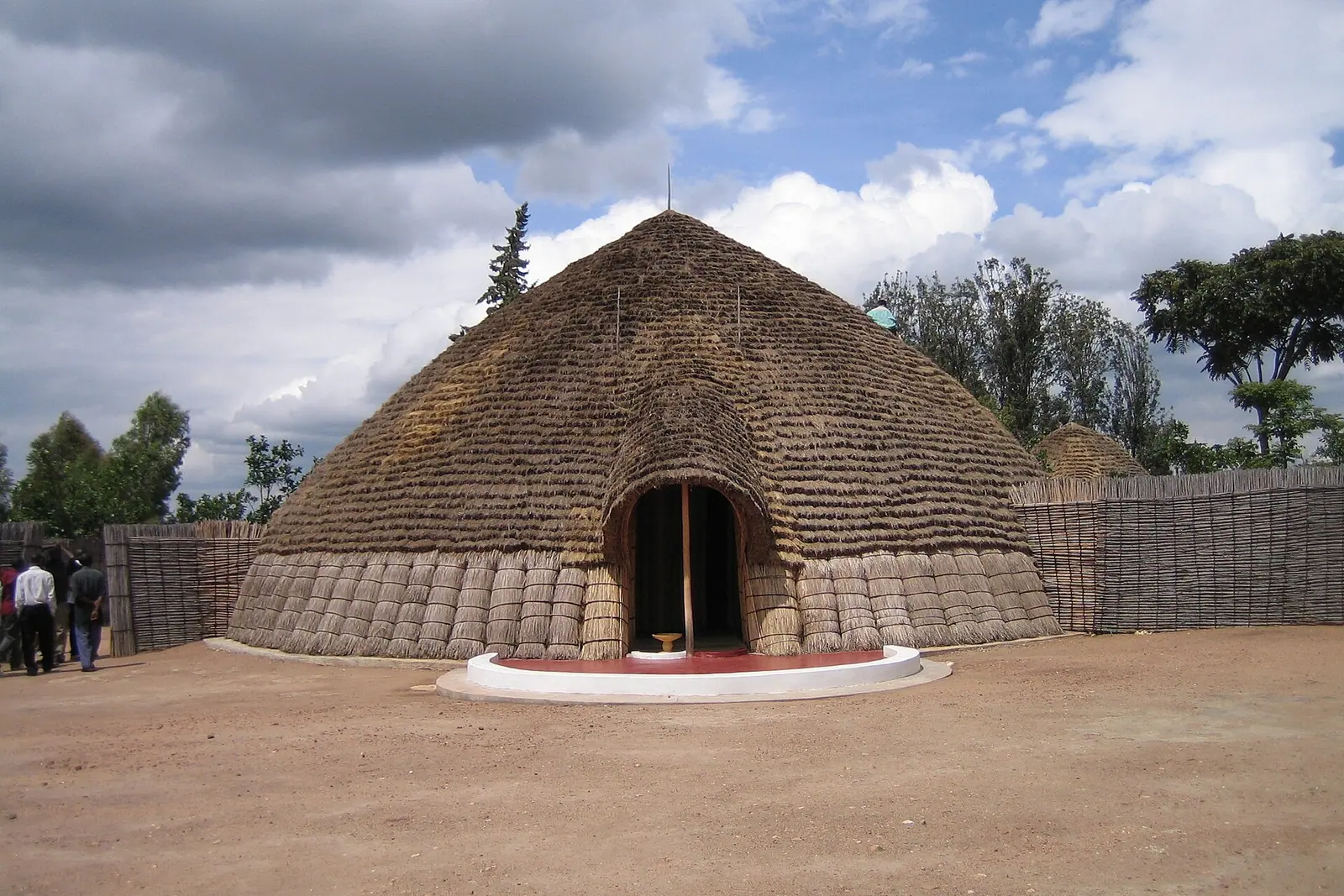
Southern Rwanda holds the country's deepest cultural sites. At Nyanza, the King's Palace Museum reconstructs the traditional royal compound of the Rwandan monarchy, complete with the vast domed hut built from woven reeds and the sacred Inyambo cattle — long-horned animals bred for ceremonial beauty and still tended by herders who sing to them. The adjacent Rwesero Art Museum, on a hill with wide views, shows contemporary Rwandan work in a building originally intended as a royal residence.
Further south in Huye, the Ethnographic Museum holds one of the richest collections in the region, covering weaving, basketry, hunting, music and the everyday crafts of Rwandan life across centuries. It is an easy, absorbing half-day that pairs well with the drive between Kigali and Nyungwe. East of Kigali, in the Bugesera district, the memorial churches at Ntarama and Nyamata preserve a different kind of heritage — quiet, shocking, and worth the detour for anyone trying to understand the country properly.
For living culture, look for Intore dance performances: the drumming, the woven headdresses and the high leaps of the dancers are Rwanda's most recognisable art form, and community-run cultural villages near Kinigi stage them alongside storytelling, banana beer brewing and traditional medicine demonstrations. In Kigali, the national heroes' site at Remera and the craft cooperatives around town offer quieter ways to support local makers. If you have room in your itinerary for one more stop, the new Gishwati-Mukura forest park in the west is Rwanda's youngest conservation area and still sees very few visitors.
Frequently asked questions
When is the best time to visit Rwanda?
The dry seasons from June to September and December to February are the most comfortable and give the firmest trails for gorilla trekking and the best game viewing in Akagera. The long rains fall roughly from March to May and the short rains in October and November; trails get muddy, but the hills are at their greenest, birding is excellent and rates are lower. Gorilla trekking operates year-round provided permits are available.
How far ahead should I book gorilla trekking permits?
Permits are limited and allocated per gorilla family per day, so book as early as you can — three to six months ahead for the June-to-September and December-to-February peaks, and often longer for the Christmas period. Because availability drives everything, it is usually wiser to secure permits first and then book flights and lodges around those dates.
How many days do I need in Rwanda?
Five to seven days covers the highlights comfortably: a night or two in Kigali, two or three nights for gorilla trekking around Kinigi, and two nights for Nyungwe Forest or Lake Kivu. Ten days lets you add Akagera and the southern cultural sites without feeling rushed. Trying to see gorillas, Nyungwe and Akagera in three days means spending most of your time in a vehicle.
What should I pack for gorilla trekking?
Long trousers tucked into socks, a long-sleeved shirt, gardening gloves for stinging nettles, waterproof hiking boots and gaiters, and a light rain jacket are all essential, along with layers for cold mornings at altitude. Bring a small daypack, plenty of water and a camera without a flash. Porters are available at the trailhead to carry bags and steady you on steep ground. Do not pack single-use plastic bags — they are not permitted into the country.
Is Rwanda easy to travel around independently?
Yes. Roads between Kigali, the Volcanoes region, Lake Kivu and Nyungwe are generally well surfaced and signposted, and self-drive rentals are straightforward. Public buses and shared minivans connect the main towns cheaply, while private drivers are affordable for park transfers. Distances are short on paper but the hills make them slow, so allow more time than a map suggests.
Plan it — experiences in Rwanda
Live search, booked directly with trusted providers.
Sort the rest of your trip
Everything for Rwanda, in one place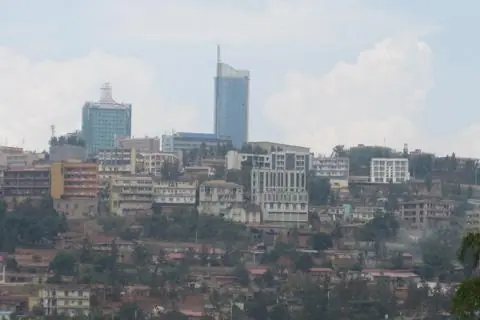
Stay in Rwanda
Hotels, guesthouses and apartments — compared in one search.
Search hotels
Transfer in Rwanda
Private driver waiting on arrival — no queues, no surprises.
Book a transfer
Stay online in Rwanda
Travel eSIM — data the moment you land, no roaming bills.
Get an eSIM