Rwanda packs volcanoes, rainforest, savanna and lakeshore into a country you can cross in a day, but where you sleep decides how much of it you actually see. Pick the right base in Kigali, the Virunga foothills, the southwestern forest or the eastern plains, and the country's greatest sights sit minutes from your door.
Finding the Right Base in Kigali
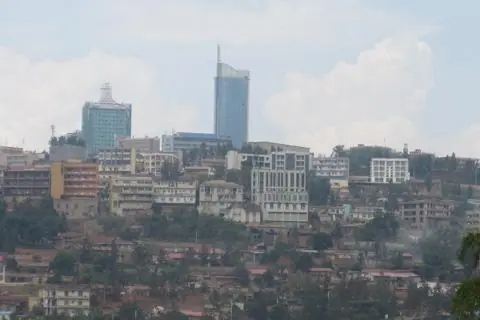
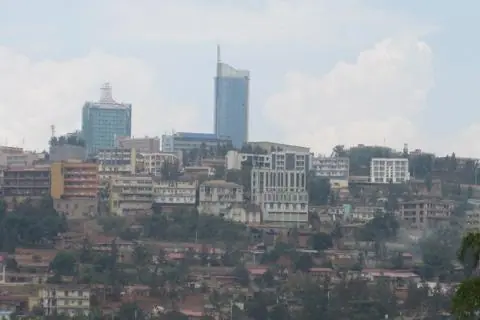
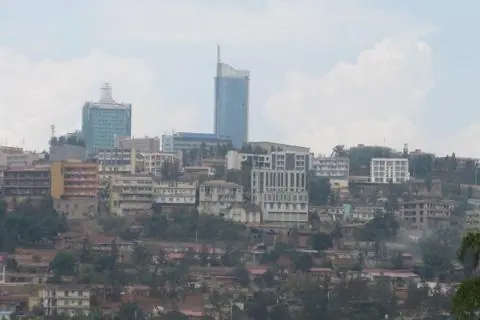
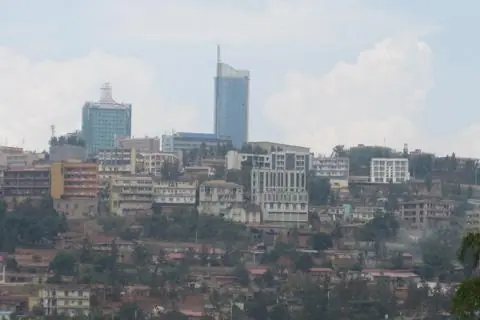
Almost every Rwanda itinerary starts and ends in Kigali, and the city rewards more than one night's sleep. The international airport sits a short drive east of the centre, so your choice of neighbourhood shapes both the first and last day of the trip. Kiyovu and Nyarutarama are leafy and quiet, with embassies, old gardens and a golf course nearby. Kimihurura and Kacyiru hum with coffee bars, galleries and small boutique guesthouses, while Remera and Nyamirambo offer cheaper rooms, evening music and the best street food — brochettes, grilled tilapia, fried plantain.
Accommodation spans everything from hostels and family-run bed-and-breakfasts to glass-fronted business hotels clustered around the domed convention centre. Mid-range guesthouses are the sweet spot: expect a garden, reliable Wi-Fi, breakfast and airport transfers for a fraction of international rates. Rates climb sharply during major conferences, so it is worth checking the city's event calendar before you lock in dates.
Give Kigali two full days. One goes to the Kigali Genocide Memorial in Gisozi and to Nyamirambo's lively streets or the Inema Arts Centre; another to Kimironko Market and the Caplaki craft stalls for woven baskets, imigongo panels and woodwork. Sitting at roughly 1,500 metres, evenings are cool enough for a light jacket, and a hotel with a rooftop or garden makes the most of them.
Sleeping Beneath the Virungas: Volcanoes National Park
Musanze, still widely called Ruhengeri, is the gateway to Volcanoes National Park and the base for gorilla trekking. The town sits about two hours north of Kigali on a good paved road, with the park headquarters at Kinigi a further twenty minutes up the hill. Lodges range from forest-edge properties with fireplaces and volcano views to straightforward guesthouses in town, plus community-run homestays in nearby villages where your money stays local.
Position matters more here than anywhere else in Rwanda. Treks assemble at dawn, and staying near Kinigi spares you a pre-dawn drive on winding roads. Afternoons are free for the twin lakes Burera and Ruhondo, the northern end of the Congo Nile Trail, or a cultural village with Intore dancers and banana-beer brewing.
Add a second activity if your budget allows: golden monkey tracking, the steep climb up Mount Bisoke to its crater lake, or the trail to Dian Fossey's Karisoke research site. At 1,850 metres and above, mornings are cold and mud is guaranteed in the rainy months — pack layers, a rain shell and boots with real grip. Permits are limited and sell out months ahead during the June to September and December to February dry seasons.
Nyungwe Forest, Huye and the Shores of Lake Kivu
The southwestern circuit rewards anyone with more than a week. Nyungwe Forest National Park protects one of Africa's oldest rainforests, home to thirteen primate species including chimpanzees, and a suspension canopy walkway that sways above the treetops. Stay at eco-lodges on the forest edge near Kitabi or Nyamagabe, or in guesthouses a short drive from the park's Uwinka reception, and plan at least two nights if you want both chimpanzee tracking and the canopy walk.
South of the forest, Huye — the old colonial town of Butare — holds the Ethnographic Museum, one of the finest collections of Rwandan artefacts anywhere. Nyanza, roughly two hours from Kigali, preserves the reconstructed King's Palace with its long-horned Inyambo cattle. Both make comfortable overnight stops with modest hotels and guesthouses, and both break up an otherwise long drive.
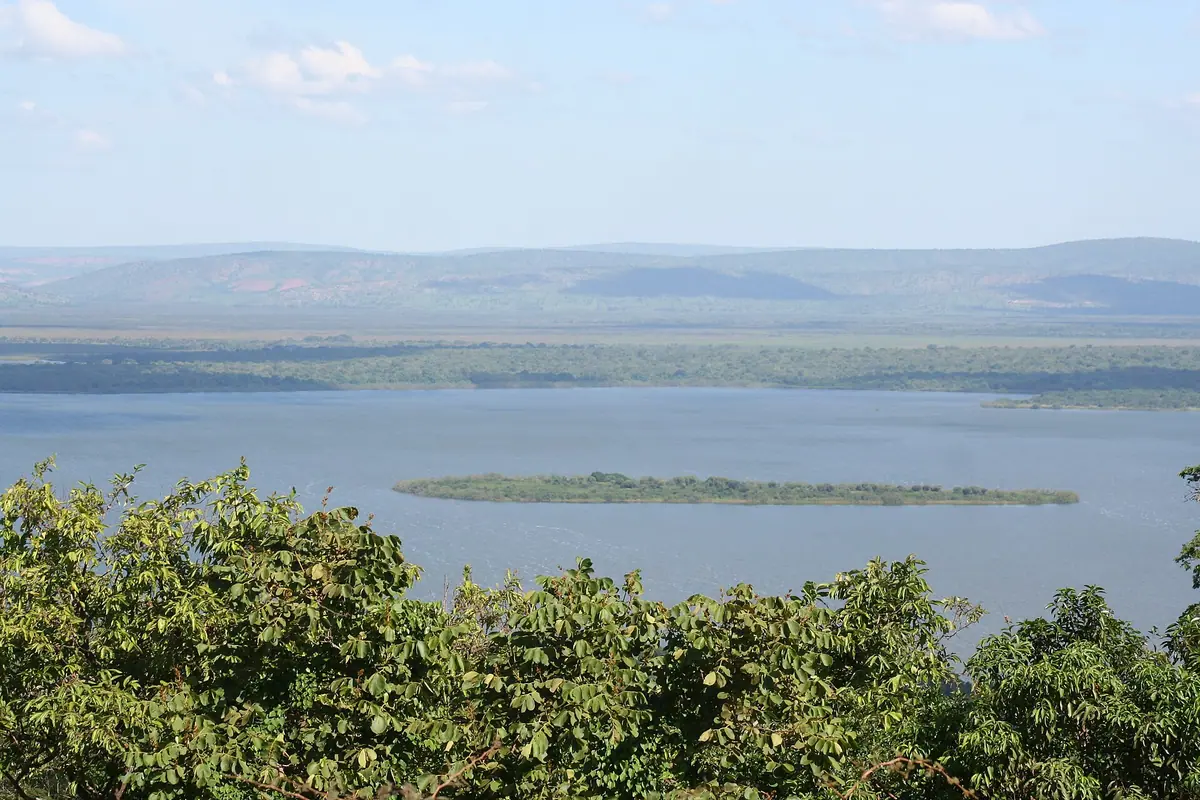
Lake Kivu is where Rwandans go to rest. Rubavu, formerly Gisenyi, in the north has sandy bays and the Nyamyumba hot springs; Karongi, once Kibuye, in the middle has terraced hills and boat trips to island bat colonies; Rusizi in the south pairs naturally with Nyungwe. Lakeside resorts, guesthouses and camps line the shore, and most bays are calm enough for a swim. Try a cup of single-origin coffee from a local washing station before you leave.

Akagera National Park: Eastern Safari Stays
Akagera National Park stretches along the eastern border with Tanzania, about two and a half hours from Kigali on tarmac. It is the country's only big-game destination, with lions, elephants, buffalo, rhinos and growing herds of giraffe and zebra spread across papyrus wetlands and rolling savanna. Because a fence protects the western boundary, wildlife is concentrated and easy to find even on a short visit.
Accommodation falls into two groups: fenced tented camps and lodges inside the park, and cheaper guesthouses in Kayonza or Rwamagana outside the gate. Sleeping inside means you are on the road at first light, when cats are active and the light is at its best. Campers can self-cater at basic sites, while mid-range options offer full board and guided game drives.
The boat safari on Lake Ihema is the park's quiet highlight — hippos, crocodiles and fish eagles at eye level, usually an hour or two on the water. Two nights is ideal: one for the northern lakes circuit, one for the southern plains. Book park entry and in-park beds well ahead for the dry seasons.
Must-See Landmarks and Attractions Across Rwanda
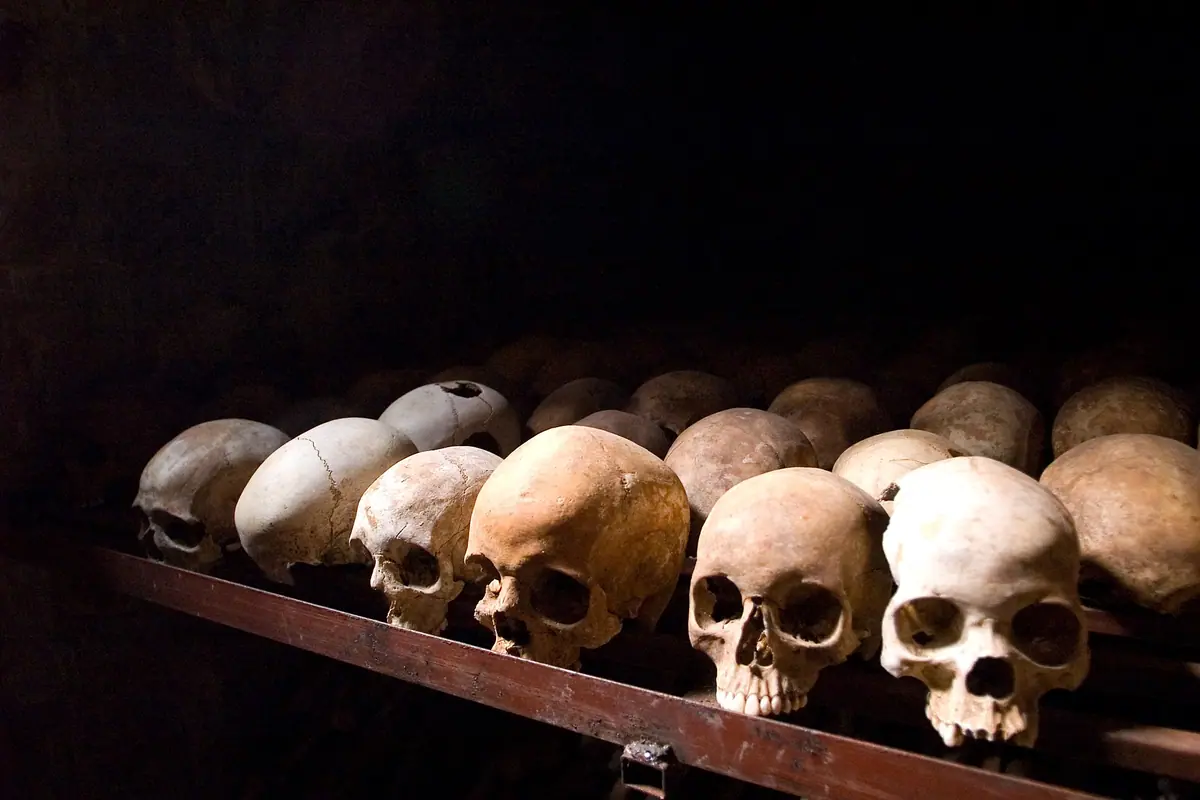
The Kigali Genocide Memorial at Gisozi is the country's most important site; set aside two to three hours for the exhibits and the rose-planted burial gardens. Further south, the memorial churches at Nyamata and Ntarama stand as stark reminders of the same history, easily combined with a drive toward Huye. In Kigali itself, the Inema Arts Centre and Kimironko Market offer a warmer counterpoint.
The headline attraction is undeniably the mountain gorillas of Volcanoes National Park, sharing the Virunga massif with the peaks of Bisoke, Karisimbi and Sabyinyo. Beyond the gorillas, Rwanda's natural set pieces include the Nyungwe canopy walkway, the waterfalls and orchid-filled swamps of that same forest, and Akagera's lakes and plains. Around Rubavu, boat trips reach Napoleon Island's bat colony; near Musanze, the twin lakes Burera and Ruhondo glow at sunset.
Cultural landmarks round out the map: the King's Palace Museum at Nyanza with its Inyambo cattle, the Ethnographic Museum at Huye, and smaller royal sites dotted across the south. Distances are short by African standards — no day involves much more than six hours of driving — so a well-planned loop can tick off most of these without ever feeling rushed.
When to Go, How Long to Stay and Other Practical Notes
Rwanda has two dry seasons. June to September is the long dry spell, the best all-round window and peak season for gorilla permits. December to February is shorter, with warm days and easier trails. March to May brings heavy rain, low rates and vivid green hills, but slippery forest paths; October and November are gentler, wetter shoulder months. Whatever the month, highland weather changes fast, so carry a rain shell.
Typical drives: Kigali to Musanze around two hours; to Rubavu three; to Akagera's gate two and a half; to Huye two; to Nyungwe five to six. A 4x4 helps inside the parks in the wet months, though most main roads are sealed. Many travellers hire a driver-guide for the whole trip, which is often cheaper than paying for transfers leg by leg and lets you stop at viewpoints along the way.
A few practical points: the currency is the Rwandan franc, larger hotels take cards, and mobile money is used almost everywhere, but carry cash for markets and park extras. Plastic bags are banned at entry. Pack long trousers and gardening gloves if you are trekking gorillas, plus layers for cool evenings at altitude. Book permits and in-park beds months in advance, and avoid single-night hops — three nights split across two bases beats three one-night stands every time.
Frequently asked questions
Where should I stay for gorilla trekking in Rwanda?
Musanze and the village of Kinigi, at the foot of Volcanoes National Park, are the standard bases. Forest-edge lodges near Kinigi put you minutes from the dawn briefing, while guesthouses in Musanze town cost far less at the price of a short early-morning drive. Book four to six months ahead for the dry seasons, when limited permits disappear fastest.
How many days do I need in Rwanda?
Five to seven days covers the essentials: two nights in Kigali for the memorial and markets, then three around Musanze for gorillas and the twin lakes. For a fuller loop that adds Nyungwe Forest, Lake Kivu and Akagera National Park, allow ten days to two weeks so you are not spending every second day in a vehicle.
What is the best time of year to visit Rwanda?
June to September is the long dry season and the most reliable window for gorilla trekking, safari and hiking, with the trade-off of peak demand. December to February is a shorter dry spell with warmer days. March to May is the heaviest rainy season, offering lush scenery and lower rates but muddy trails and regular downpours.
Do I need to hire a car in Rwanda?
Not necessarily. Most visitors use a driver-guide or arrange transfers between bases, and Kigali has plentiful shared taxis and moto-taxis for short hops. If you prefer independence, a 4x4 is worth the extra cost for park roads in the wet months, though the main highways between Kigali, Musanze, Huye and Rubavu are sealed and easy to drive.
Can I combine Kigali, Akagera and the gorillas in one trip?
Yes, and many travellers do it in about a week. A sensible order is two nights in Kigali, one or two in Akagera to the east, then three near Musanze for gorilla trekking before returning to the capital. Road times are modest — roughly two and a half hours to Akagera's gate and two hours to Musanze — so the loop never feels punishing.
Sort the rest of your trip
Everything for Rwanda, in one place
Transfer in Rwanda
Private driver waiting on arrival — no queues, no surprises.
Book a transfer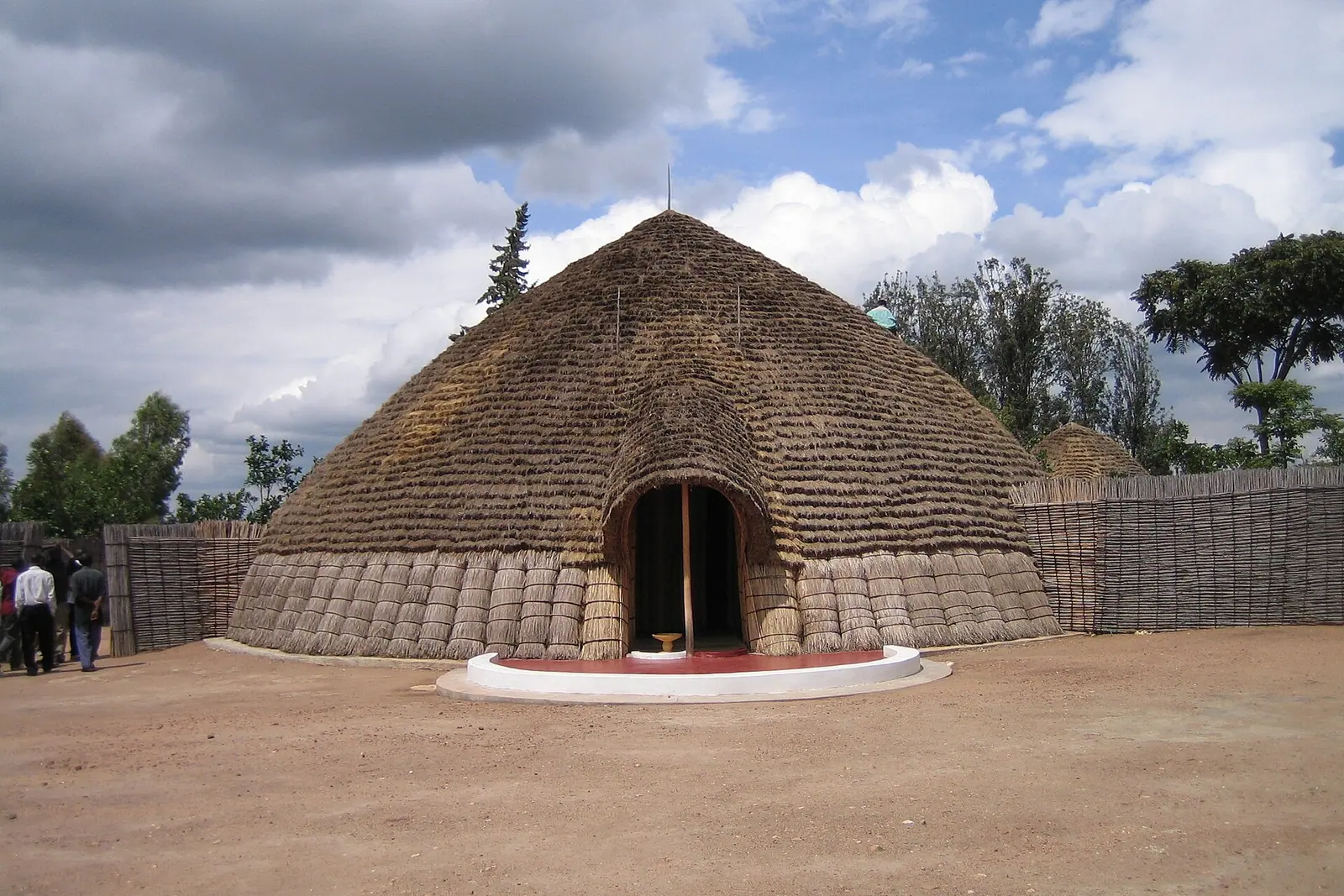
Things to do in Rwanda
Skip-the-line tickets, guided tours and standout experiences.
See experiences
Stay online in Rwanda
Travel eSIM — data the moment you land, no roaming bills.
Get an eSIM