Rwanda packs an improbable amount into a country you can drive across in a single, ridge-hugging day: volcanic peaks cloaked in cloud forest, a rainforest so old it drips with moss and orchids, savanna lakes patrolled by hippos, and one of Africa's great inland seas. It is the kind of place where you spend a morning crouched a few metres from a wild gorilla family and an afternoon drinking single-origin coffee above a turquoise bay.
Volcanoes National Park: The Virungas and Mountain Gorillas
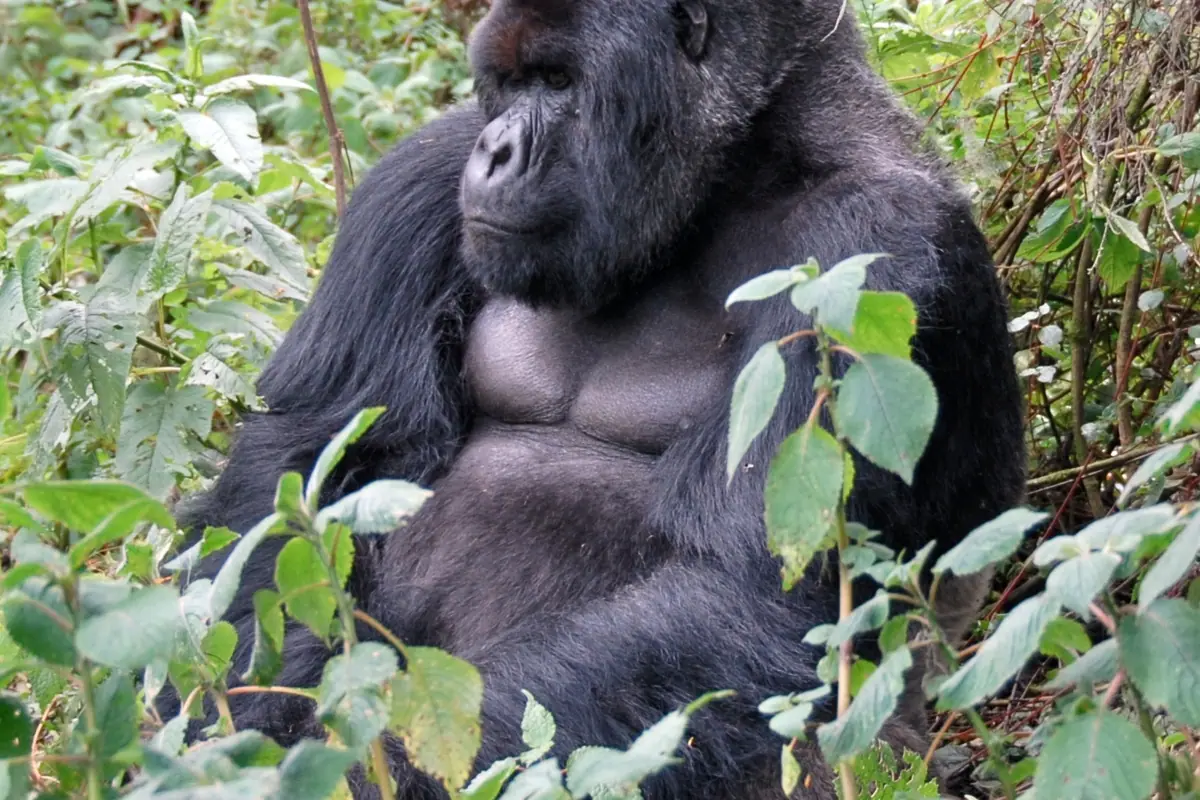
Volcanoes National Park wraps its five volcanoes in bamboo, hagenia and dense montane forest, and it is the single reason most travellers come to Rwanda. Treks start early at the edge of the park near the town of Musanze, where visitors are grouped into parties of no more than eight, each assigned to one habituated gorilla family. From there come the hours in the green: through nettles and bamboo groves, up through potato fields and into the cloud, following trackers who have been out since dawn. The hike can take anywhere from one to six hours depending on how far the family has moved, and at altitudes between roughly 2,500 and 3,000 metres it is the thin air, not the distance, that reminds you where you are.
The reward is an hour with the family — silverback, mothers, tumbling juveniles — and the rules matter: a seven-metre distance, no flash, no trekking if you are unwell, and a strict limit on how many people may visit each group each day. Because those permits are capped, they sell out months ahead in the dry seasons, and the busiest windows are June to September and December to February. Stay overnight in or near Musanze for a 5am start rather than trying to drive from Kigali in the dark.
The Virungas are not only about gorillas. Golden monkey tracking is gentler and almost as magical, Mount Bisoke can be climbed in a half day to a crater lake that sits in a bowl of green, and the long hike to Mount Karisimbi, Rwanda's highest peak, takes two days with a night in a hut. Nearby, the lava tunnels of Musanze Cave and the twin lakes of Burera and Ruhondo offer a lower-effort afternoon, and the site around Dian Fossey's grave and the old Karisoke research clearing draws those who want the human story behind the mountain.
Nyungwe Forest National Park: Canopy Bridges and Chimpanzees
In the south-west, Nyungwe Forest National Park spreads across a chain of hills as one of the oldest and most biodiverse montane rainforests in Africa. It is a world of hooting chimps, thirteen recorded primate species — including very large troops of black-and-white colobus — and more than 300 bird species, some of them found nowhere else on earth. The forest is damp, dark and alive; the mist arrives most afternoons as reliably as a tide.
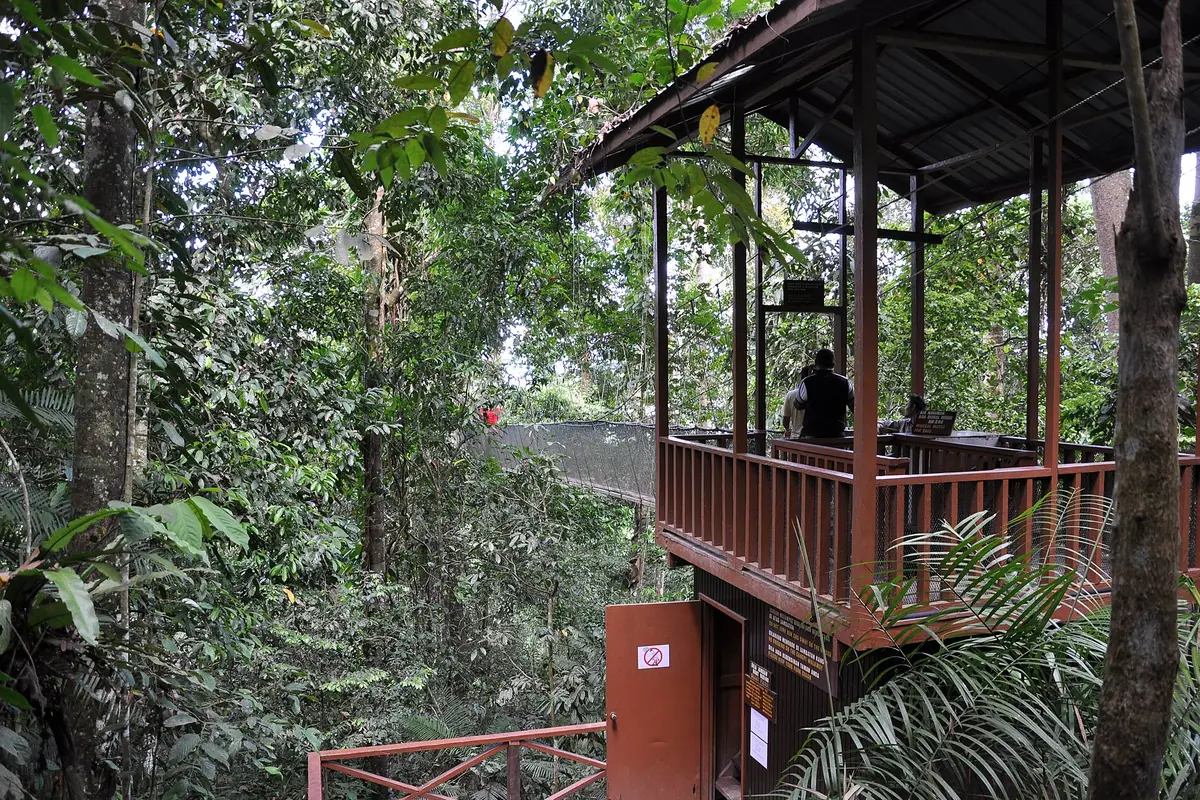
The signature experience is the canopy walkway, a suspended bridge that hangs around 70 metres above the forest floor and swings slightly underfoot as you look down on the crowns of ancient trees. It is a short, well-marked walk from the main trailhead and pairs beautifully with a waterfall hike to Kamiranzovu Marsh or a longer trek to the Isumo waterfall. Chimpanzee tracking leaves at dawn, since the odds of finding the community drop sharply as the day warms; some visitors also take the longer hike to see colobus troops, which is easier going and often more rewarding than the chimps themselves.
Base yourself in Gisovu or near the park's main entrance, and allow two nights if you want both the canopy and primates without rushing. Nights are cool at this altitude and rain is possible in any month, so a light waterproof layer earns its place in your bag. On the way in or out, the tea plantations around Gisovu roll out in bright green terraces that make an easy, photogenic stop.
Akagera National Park: Big Five Safari in the East
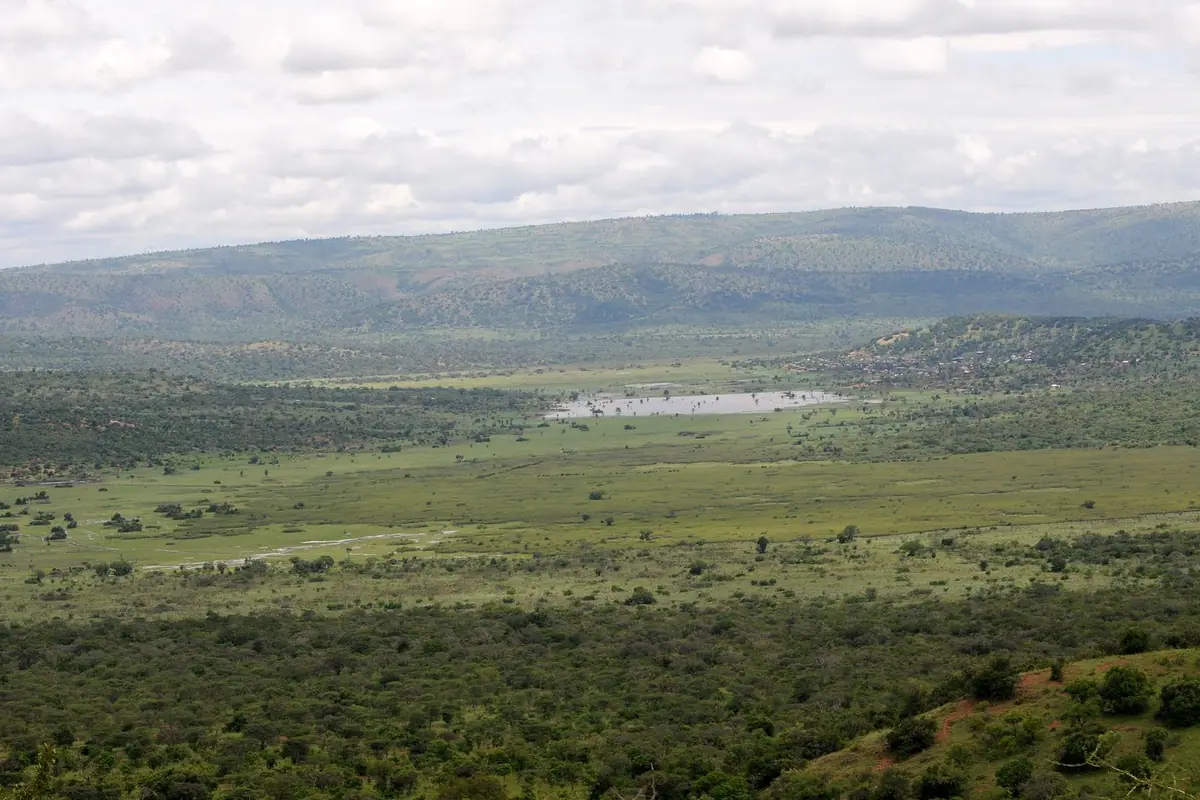
Akagera National Park is Rwanda's savanna counterpoint — roughly 1,100 square kilometres of rolling grassland, acacia scrub, papyrus swamp and a chain of shallow lakes along the eastern border. It is a genuine Big Five park, with lions and rhinos reintroduced after decades of absence, and it rewards slow, patient game driving rather than a tick-list sprint. Elephant herds move through the north, buffalo graze the open plains, and the lakes are thick with hippos and crocodiles.
The best way to see it is a full day of guided game drives plus a boat trip on Lake Ihema, where you drift within metres of hippo pods and watch fish eagles and kingfishers work the shoreline. Birders do well here — the wetland edges and papyrus hold hundreds of species, including the striking shoebill for the very lucky or very persistent. Because the park is a comfortable three-hour drive from Kigali, many visitors do it as an overnight, though two nights gives you a morning and an evening drive at the best hours.
Accommodation runs from simple campsites to comfortable tented lodges inside and just outside the boundary. Bring binoculars, a hat and plenty of water; the eastern lowlands are noticeably warmer and drier than the rest of the country, and the dry months from June to September give the cleanest game viewing when the bush thins out.
Lake Kivu: Beach Towns, Islands and the Congo Nile Trail
Lake Kivu forms Rwanda's entire western edge, a vast freshwater body so clear and calm that it reads more like a sea than a lake. Its shores are dotted with towns that each have a distinct mood: Rubavu, in the north, where warm springs bubble up at the water's edge and the volcanoes sit on the horizon; Karongi, in the middle, a green peninsula of bays and coffee terraces; and Rusizi in the far south, the gateway to Nyungwe. Rubavu is the easiest to reach from Kigali and the liveliest, with kayaks, paddleboards, boat trips and seafood grills along the sand.
Island-hopping is the classic afternoon. Napoleon Island is famous for its colony of fruit bats, which lifts off in a rustling cloud at dusk, while Amahoro and the smaller islands offer quiet swimming spots and a chance to see fishermen working the water in triple-hulled outrigger canoes at first light. Coffee lovers should detour to a washing station on the slopes above the lake — this is some of the best high-grown coffee in Africa, and the cupping sessions are informal and genuinely interesting.
For those with time, the Congo Nile Trail runs roughly 227 kilometres along the shoreline between Rubavu and Rusizi, walked or cycled over several days and broken into stages that pass through villages, banana groves and fishing bays. Even a single day on one section gives you a very different Rwanda from the one seen through a vehicle window. Water temperatures stay swimmable year-round, though the evenings can be breezy and the rain heaviest between March and May.
Kigali: Markets, Memorials and Rooftop Views
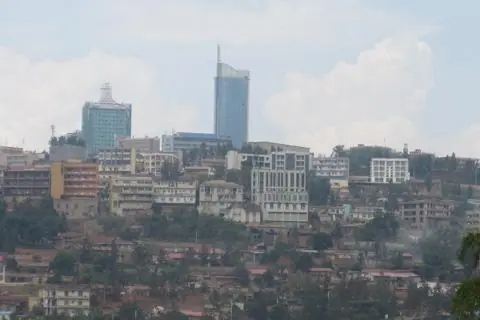
Kigali is often treated as a transit city, which is a mistake. Spread across a series of hills, it is clean, walkable in parts and surprisingly creative, with a compact centre around the Kigali Convention Centre and the palm-lined boulevards of Kacyiru and Nyarutarama. Give it at least a full day, ideally two.
The essential stop is the Kigali Genocide Memorial at Gisozi, a deeply moving site where a quarter of a million people are buried and where the permanent exhibition traces the history and aftermath of the 1994 genocide against the Tutsi. Allow two to three hours; the audio-guided rooms are difficult and important in equal measure. Further out of town, the churches at Nyamata and Ntarama stand as smaller, even more visceral memorial sites, and can be visited on the road south towards Nyungwe.
For the lighter side of the city, Kimironko Market is a sprawling, noisy, wonderful place to buy fabrics, baskets and produce, and the workshops and galleries of the Nyamirambo and Kacyiru neighbourhoods sell contemporary Rwandan art, jewellery and clothing directly from the makers. Climb or drive up Mount Kigali for sunset views over the city's rooftops, eat grilled tilapia and brochettes at a local restaurant, and finish with a cocktail above the lights of the convention centre dome. Around Kigali, the crafts villages and pottery studios make easy half-day excursions.
The Southern Cultural Circuit: Palaces, Museums and Memorials
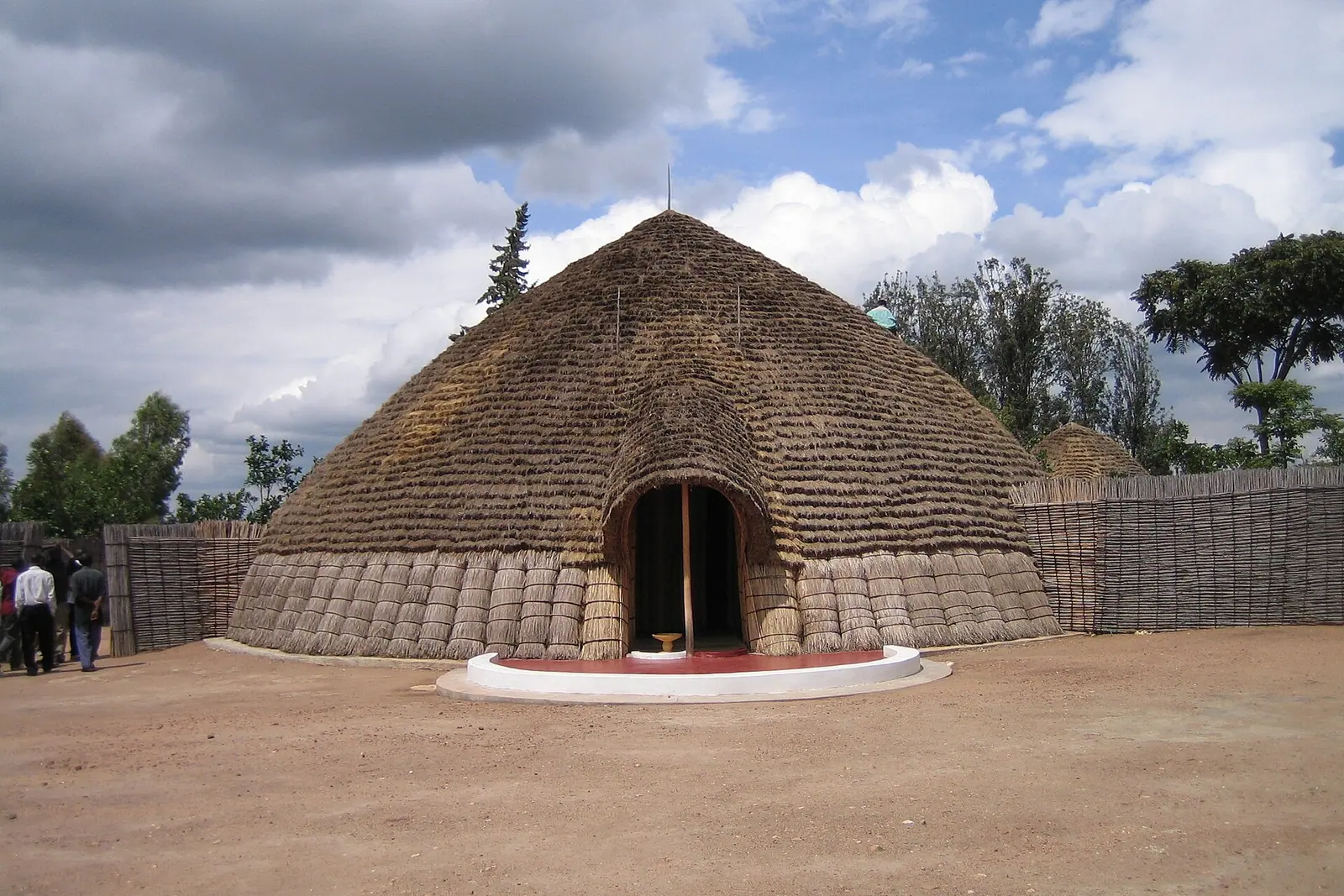
The road south from Kigali towards Huye — the old colonial town of Butare — is the country's cultural spine, and it is best done slowly over a day or two. At Nyanza, the King's Palace Museum reconstructs the traditional royal compound of the Rwandan monarchy, complete with the long-horned Inyambo cattle tended by singers, a tradition kept alive for visitors. It is one of the few places where the pre-colonial kingdom is presented in physical form rather than in glass cases.
In Huye itself, the Ethnographic Museum holds one of the finest collections of its kind in the region, covering everything from basketry and weaving to hunting, healing and royal ritual. The town's wide, tree-lined streets and mild highland air make it a pleasant stop, and it is an easy base for visiting the memorial sites at Murambi and Nyamata further afield. These are solemn places, and they are worth the detour for anyone wanting to understand the country rather than just see it.
Combine the south with Nyungwe if you are heading west, or loop back to Kigali if not. The highlands here are cool and wet, with rain likely from March through May, so pack layers. Driving times are short on the map but longer in practice — winding roads, market traffic and photo-worthy tea-country views conspire to slow you down in the best way.
Frequently asked questions
When is the best time to visit Rwanda?
The dry seasons from June to September and December to February suit most travellers: trails are firmer for gorilla trekking, game viewing in Akagera is easier, and roads to Nyungwe are less muddy. The long rains from March to May bring lush scenery, lower demand and dramatic light, but expect wet, slippery forest paths. Gorilla trekking runs year-round in any weather.
How many days do you need in Rwanda?
Five to seven days covers the highlights comfortably: two nights in Musanze for gorillas and the Virungas, a day or two in Kigali, and time in Akagera or on Lake Kivu. If you want to add Nyungwe and the southern cultural circuit without rushing, plan for nine to ten days. A gorilla-only trip can be done in three days, but it feels hurried.
Do I need to book gorilla permits in advance?
Yes. Only a limited number of visitors may trek to each habituated gorilla family per day, and permits for the peak months of June to September and December to February are often taken months ahead. Book as early as your plans allow, especially if you have specific dates, and confirm whether your permit covers a private trek or a shared group.
Is Rwanda easy to travel around independently?
It is one of the more straightforward countries in the region for independent travel. Roads between Kigali, Musanze, Rubavu and Huye are generally good and well signposted, distances are short, and self-drive is possible, though you drive on the right and should avoid travelling after dark on rural routes. Shared minibuses and coach services link the main towns, and private drivers are easy to arrange for park days.
What should I pack for gorilla trekking and Nyungwe?
Long trousers tucked into socks, sturdy waterproof boots, gardening gloves for nettles, gaiters, a light rain jacket and a fleece for cold mornings. Carry one to two litres of water, a packed lunch, and a camera without a flash. Porters at the trailhead can carry bags and lend a hand on steep ground. Trekking at altitude is strenuous, so a reasonable level of fitness helps.
Plan it — experiences in Rwanda
Live search, booked directly with trusted providers.
Sort the rest of your trip
Everything for Rwanda, in one place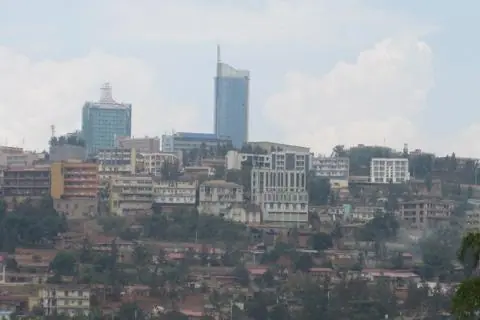
Stay in Rwanda
Hotels, guesthouses and apartments — compared in one search.
Search hotels
Transfer in Rwanda
Private driver waiting on arrival — no queues, no surprises.
Book a transfer
Stay online in Rwanda
Travel eSIM — data the moment you land, no roaming bills.
Get an eSIM