Rwanda sits high on the shoulder of the Great Rift Valley, where cool mornings, misty volcanoes and warm lake shores change character from month to month. The right window decides whether you trek gorillas under crisp blue skies or share misty forest trails with almost nobody — and whether your lodge rate feels like a bargain or a splurge.
Rwanda's Four Seasons at a Glance — and What They Mean for Your Hotel
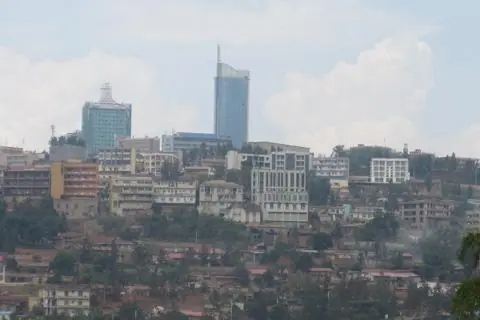
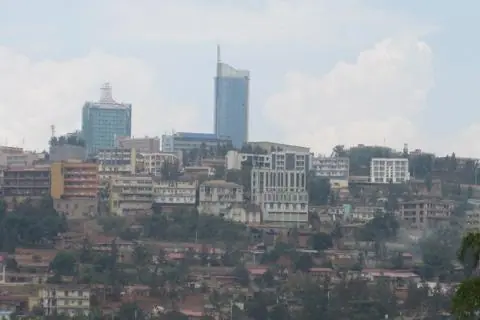
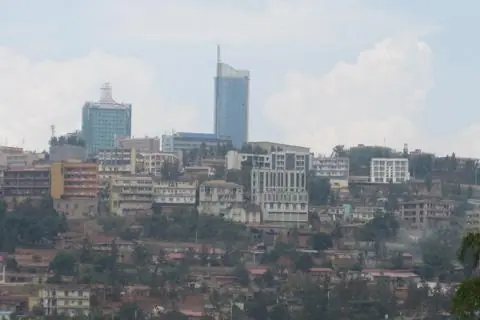
Rwanda runs on two dry seasons and two rainy seasons rather than the classic four-season calendar. The long dry stretch from June to September is the country's headline window, followed by a short dry season from December to February. In between come the long rains, roughly March to May, and the shorter, gentler rains of October and November. Altitude does the rest of the work: Kigali sits around 1,500 metres and stays pleasantly mild all year, with warm afternoons and cool evenings, while the volcanic north around Musanze climbs past 1,800 metres and turns genuinely cold at night.
That altitude spread matters enormously when you book accommodation. A hotel in Kigali is a comfortable base in any month, whereas a lodge near Volcanoes National Park needs proper blankets, heating and hot water — and you should ask about them before you commit during the June-to-September cold snap or the damp green season. Around Lake Kivu, at a lower elevation and tempered by water, evenings stay soft even in the rainy months.
Availability follows the weather. From June through September and again over the Christmas and New Year period, rooms in Musanze and the park fringe fill first and rates climb steeply; in March, April, May and November you can often secure the same properties with far more flexibility, sometimes at noticeably lower rates. If your dates are fixed by a gorilla permit rather than by choice, build the hotel booking around the permit, not the other way round.
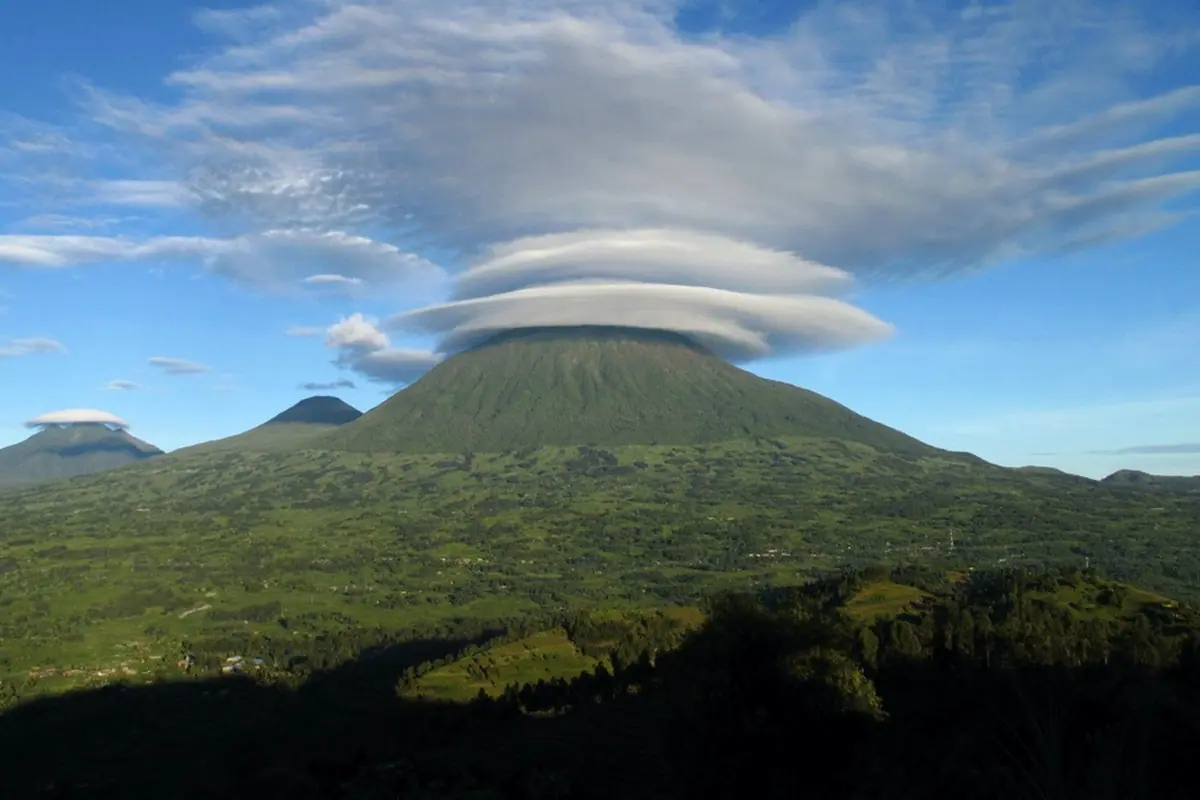
June to September: The Long Dry Season and Peak Gorilla Trekking
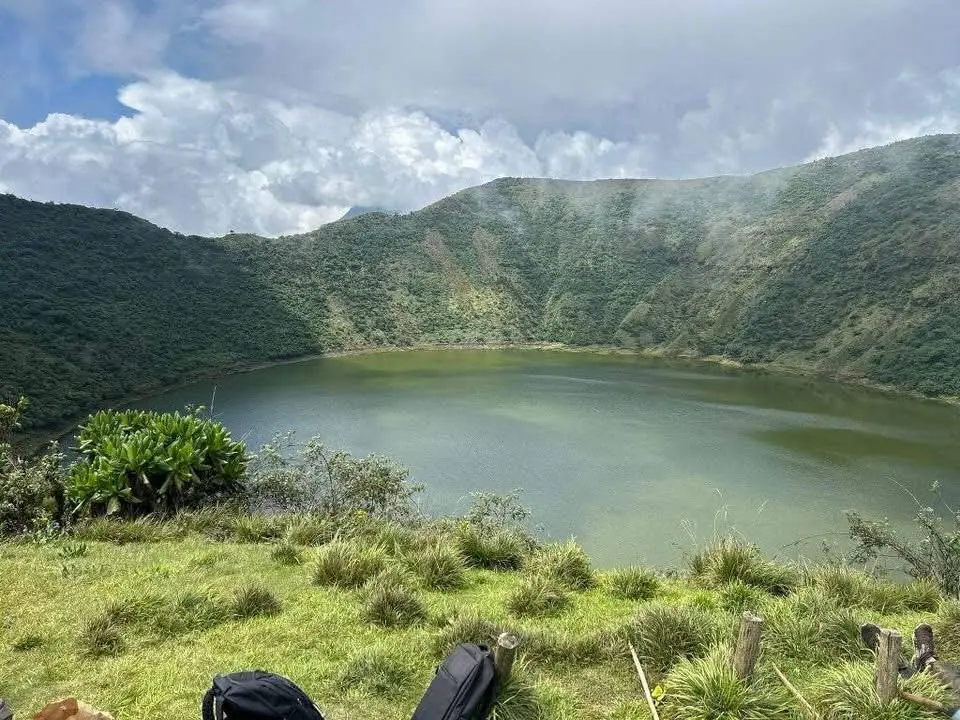
This is the season most travellers picture. Trails through Volcanoes National Park dry out, the bamboo and hagenia forest is easier to walk, and the volcanoes — Bisoke, Karisimbi, Muhabura and their neighbours — stand sharp against the sky. Gorilla families are tracked daily from the park headquarters near Kinigi, and the same dry window is the best time for golden monkey tracking, the steep climb up Mount Bisoke with its crater lake, and the gentler hike to Diane Fossey's former research camp on Karisimbi's slopes.
Because demand peaks, hotels in Musanze, Kinigi and the surrounding foothills should be reserved as early as your plans allow. Lodges range from simple guesthouses in Musanze town to high-end forest retreats with fireplaces and volcano views; the closer you sleep to the park gate, the earlier your trek briefing and the shorter your pre-dawn drive. September brings an extra draw, the gorilla naming ceremony held near the park, which packs out accommodation in the north for several days around the event.
The dry season also opens up Akagera National Park in the east, where thinning vegetation makes wildlife easier to spot along the lakes and papyrus swamps, and where safari camps and tented lodges are best booked well ahead for weekends. Evenings in the north are cold — expect single-digit temperatures at higher lodges — so pack a fleece, a hat and gloves alongside your rain shell.
December to February: The Short Dry Season, Warm Lakes and Clear Views
Rwanda's second dry window is shorter but no less rewarding. Skies clear, roads in the south and west are at their most reliable, and Kigali basks in warm, easy days that suit city sightseeing. This is a fine time to spend a couple of nights in the capital visiting the Kigali Genocide Memorial, wandering the craft stalls of Kimironko Market, exploring the contemporary art spaces of Kiyovu and Kacyiru, or eating your way through Nyamirambo's lively restaurant streets.
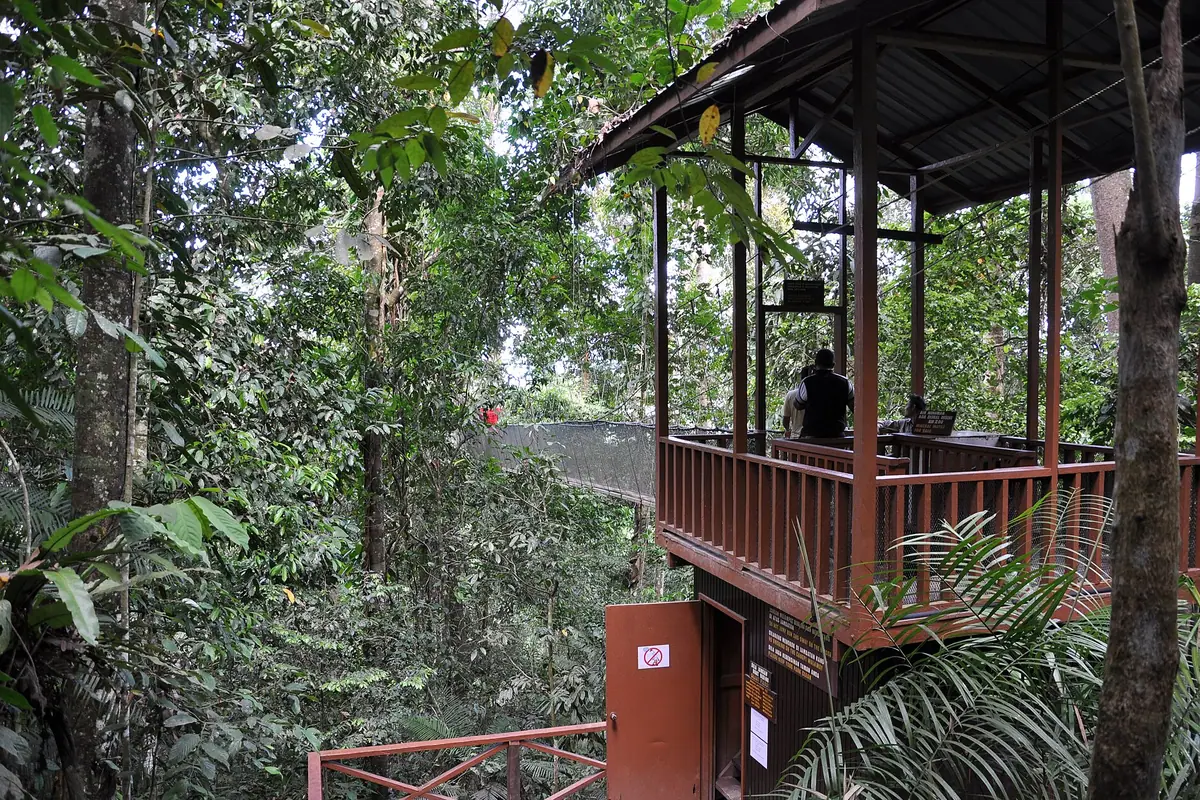
West of the capital, Lake Kivu's resort towns of Rubavu and Karongi come into their own, with boat trips to coffee islands, kayaking, and lakeside hotels that make the most of long, warm evenings. Further south, Nyungwe Forest National Park is at its most accessible for the canopy walkway suspended above the treetops, chimpanzee tracking and the waterfall trails, though the forest keeps its own damp microclimate and short showers remain possible even in a dry month.
The catch is festive-season pricing. Mid-December to early January is the busiest domestic holiday period of the year, and lakeside resorts and Kigali business hotels both raise rates and tighten cancellation policies. Book by early autumn if you want a specific property, and expect minimum-stay rules around Christmas and New Year.
March to May and October to November: Green Season, Lower Rates, Fewer Trekkers
The long rains arrive around March and linger into May, typically delivering heavy afternoon downpours rather than all-day drizzle, with misty mornings and spectacular light when the clouds break. October and November repeat the pattern in a shorter, softer form. For hotel guests this is the value season: rates soften, lodges are quieter, guides have more time, and permits are easier to secure at short notice.
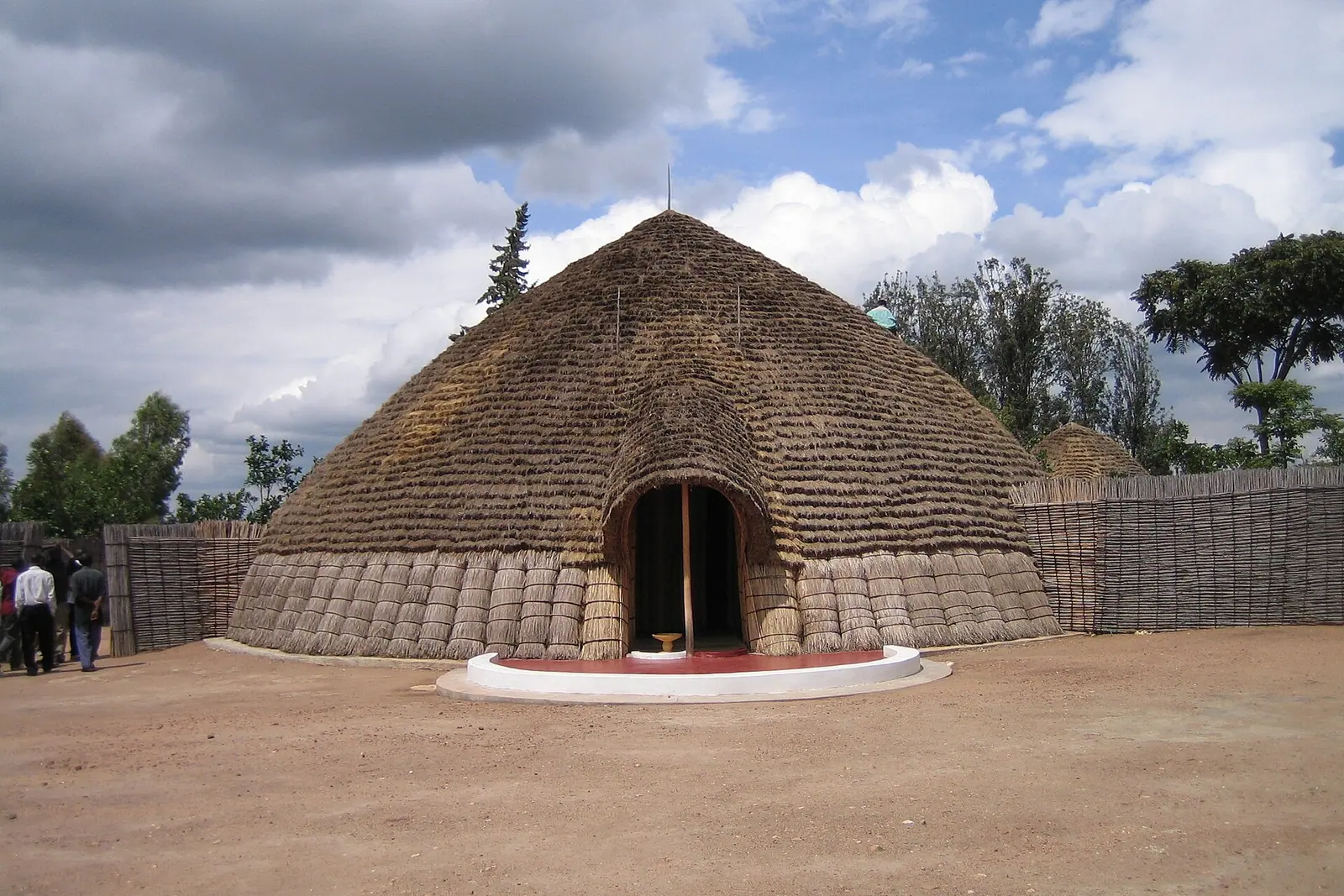
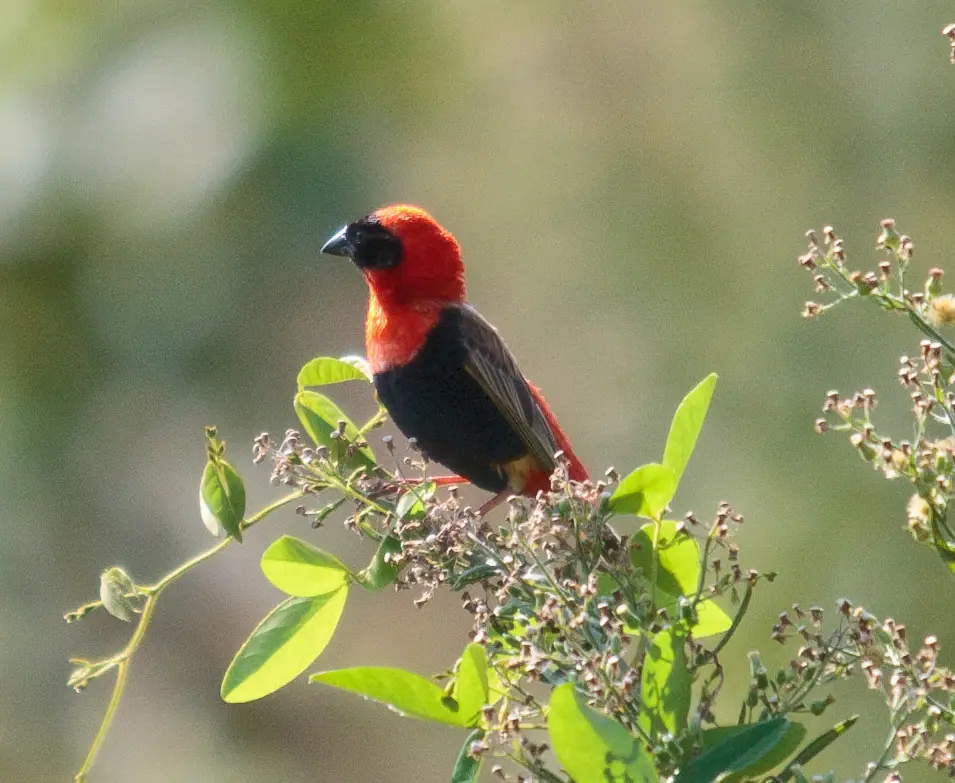
The landscape is the reward. Hills turn electric green, waterfalls in Nyungwe Forest National Park thunder at full volume, and birdlife is abundant across the country, from the forest specialists of the southwest to the waterbirds and raptors of Akagera National Park. Photographers often prefer these months for the drama of shifting cloud and the absence of crowds at viewpoints like the King's Palace Museum in Nyanza or the Ethnographic Museum in Huye, both worthwhile rainy-afternoon stops.
Practical trade-offs are real. Forest trails become slick and muddy, so waterproof boots and gaiters matter more than camera gear; gorilla trekking continues year-round but the walk can be longer and harder. Some rural roads and lakeside tracks deteriorate, and a 4x4 with a reliable driver is worth the extra cost. Choose a lodge with good drying rooms, log fires and covered terraces, and the green season becomes the most atmospheric time to be in Rwanda.
Which Base, Which Season: Kigali, Musanze, Nyungwe, Lake Kivu and Akagera
Kigali works in every month. The city never gets uncomfortably hot, rains rarely last long, and its hotel stock — from boutique guesthouses in Kiyovu to large conference-oriented properties near the convention centre — keeps airports, restaurants and the memorial within easy reach. If you are transiting to the parks or the lakes, one or two nights here at either end of the trip is the sensible structure.
Musanze and the Volcanoes National Park fringe are the north's trekking bases and the most season-sensitive hotels in the country: cold, misty and quiet in the rains, booked solid in the dry months. Nyungwe's forest lodges suit the green season, when the canopy walkway and primate trails are lush but rain-prone. Lake Kivu's Rubavu, Karongi and Rusizi towns are lovely in the December-to-February and June-to-September windows, with swimming, boat trips and sunset terraces. Akagera's safari camps peak in the long dry season, when animals concentrate around water and the bush is thin.
A neat itinerary plays the seasons against each other: gorillas in the north during a dry window, a few city days in Kigali whenever it suits, and a lakeside unwind in a shoulder month when resort rates dip but the water is still warm.
Practical Pointers for Timing Your Rwanda Hotel Stay
Gorilla permits are limited and issued for specific dates, so lock in the permit before you finalise accommodation. Dry-season slots disappear first, which is why June to September and December to February bookings need the longest lead time. If you are flexible, aim for late May, early June, late September or November, when the weather is transitioning, rates ease and the parks are calmer.
Remember the last Saturday of every month, when the national community work morning closes many shops and businesses until around midday — a good day for travel between regions rather than for city errands or market browsing. Pack for layers rather than heat: mornings in the highlands can be near freezing, afternoons in Kigali warm enough for short sleeves, and evenings on the lakes mild. A light rain shell belongs in your bag in every month of the year.
Finally, let the altitude and the distances shape your hotel choices. Volcanoes National Park sits a few hours' drive from Kigali, Nyungwe considerably further, and Akagera a half-day east; breaking the journey with overnight stops at Lake Muhazi or in Huye turns long transfers into part of the trip rather than a chore. Book early for the dry seasons, stay flexible in the green months, and Rwanda will reward you in any weather.
Frequently asked questions
What is the best month to visit Rwanda for gorilla trekking?
The long dry season from June to September offers the firmest trails and clearest volcano views, with December to February a close second. Trekking runs year-round, but the green months of March to May and October to November bring muddier paths, longer walks and a higher chance of rain.
Are hotels in Rwanda cheaper in the rainy season?
Generally yes. From March to May and in November, lodges near Volcanoes National Park and lakeside resorts around Lake Kivu often drop their rates and relax minimum-stay rules, while permits are easier to secure at short notice. Kigali hotels vary less, since the city hosts business travellers all year.
How far in advance should I book accommodation near Volcanoes National Park?
For June to September and the Christmas period, book several months ahead — the lodges closest to the park gate sell out first, and the gorilla naming ceremony in September fills the Musanze area quickly. In the green season, a few weeks' notice is often enough for a good choice of rooms.
Is December a good time to visit Rwanda?
Yes. December to February is a short dry season with clear skies, reliable roads and warm days around Lake Kivu and in Kigali. The trade-off is festive-season pricing and minimum stays over Christmas and New Year, so reserve early if you have a specific hotel in mind.
What should I pack for Rwanda's changing seasons?
Layers work best everywhere: a warm fleece, hat and gloves for cold highland mornings near Volcanoes National Park, light clothing for Kigali afternoons, and a waterproof shell plus sturdy boots for the rainy months and forest trails in Nyungwe. Sun protection and insect repellent are useful year-round, especially near the lakes.
Sort the rest of your trip
Everything for Rwanda, in one place
Transfer in Rwanda
Private driver waiting on arrival — no queues, no surprises.
Book a transfer
Things to do in Rwanda
Skip-the-line tickets, guided tours and standout experiences.
See experiences
Stay online in Rwanda
Travel eSIM — data the moment you land, no roaming bills.
Get an eSIM