Rwanda rewards travellers who look past the gorilla headline and sit down at the table: a bowl of isombe, a skewer off a roadside grill, a calabash of fermented milk and a drumbeat rising over the hills. This guide maps the dishes, markets, museums and community rituals that turn a Rwanda tour into something you remember by taste and sound.
Eating Rwanda: The Dishes That Anchor Every Table
Rwandan cooking is built on the land — cassava, maize, plantain, beans, sweet potato and pumpkin — and it arrives generously. Ubugali, a dense, smooth porridge of cassava or maize flour, is the daily anchor, torn by hand and used to scoop up whatever sits beside it. Beside it you will almost always find isombe, pounded cassava leaves slow-cooked with palm oil, and often greens such as dodo, plus igitoki: grilled or stewed cooking bananas that taste faintly of the soil they grew in. Sweet potatoes, known as ibijumba, and beans in various forms round out a plate that costs very little and fills you completely.
Street and roadside food is where a tour of Rwanda becomes sensory. Brochettes — skewers of beef, goat or sometimes chicken, rubbed with salt and grilled over charcoal — appear at dusk on nearly every corner, served with thick-cut fried potatoes and a squeeze of lime. Agatogo, a hearty mash of plantain, beans and cassava often spooned up with a little grilled meat, is the dish to order when you want to eat like the person next to you. Around Lake Kivu, order sambaza, the tiny silver fish fried whole and eaten head, tail and all, alongside tilapia grilled with tomato and onion.
Two flavours finish the picture. Akabanga, the fierce local chilli oil, is on every table and should be treated with respect — one drop is plenty. And ikivuguto, a tangy fermented milk served cold in small bars across the country, is the drink Rwandans reach for mid-afternoon. Adults will also be offered urwagwa, banana beer drunk from a communal pot through long straws in rural bars, and ikigage, a sorghum brew that is drier and stronger. Both are worth trying once, in the company of people who know what they are doing.
Kigali: Markets, Memory and a Fast-Moving Kitchen
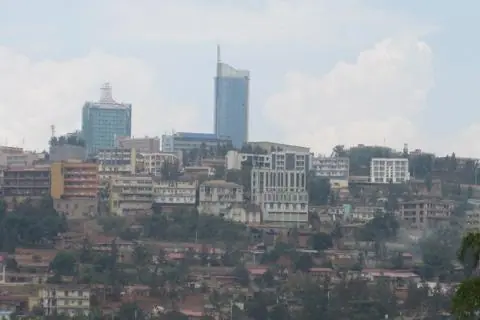
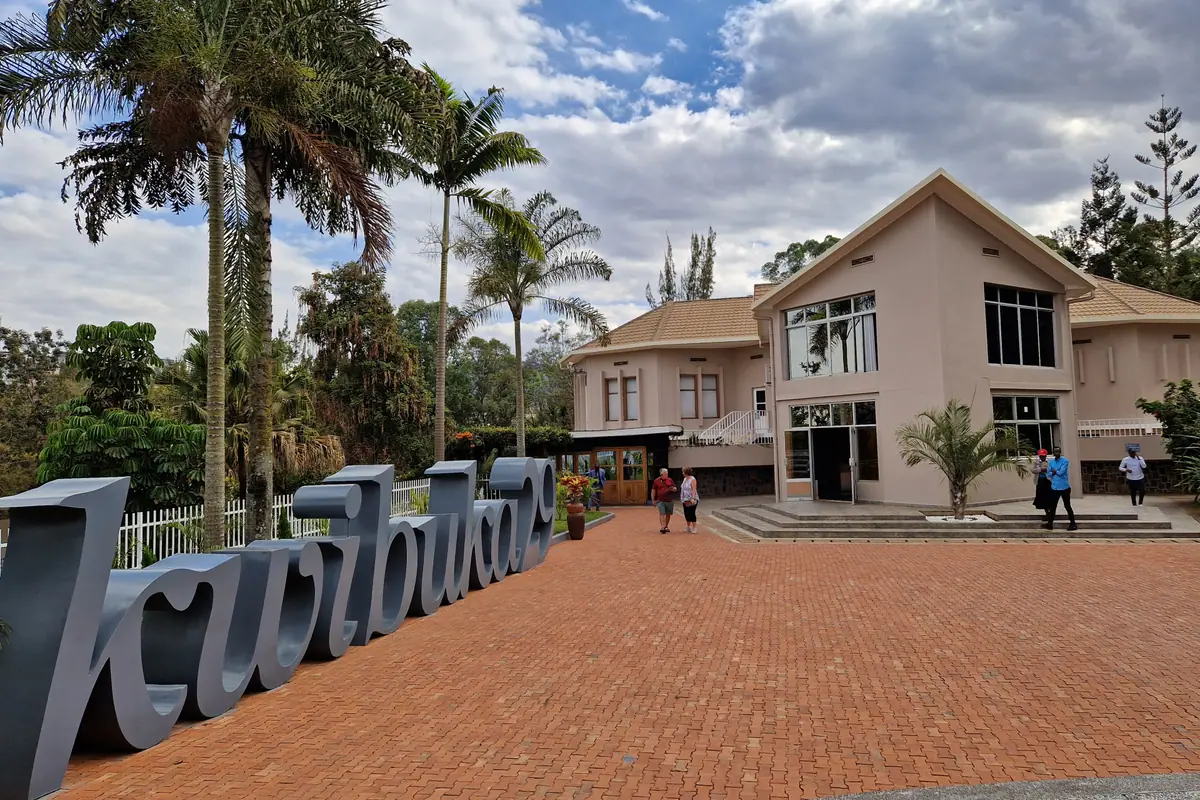
Kigali is a city of steep ridges, and it is best understood on foot and by moto. Start at the Kigali Genocide Memorial at Gisozi, the essential stop on any tour of the country — a calm, deeply considered place with gardens, a documentation centre and a children's memorial. Give it two to three hours, dress respectfully, and expect to be quiet for a while afterwards; almost every Rwandan you meet has a connection to what happened in 1994. Further out, the churches at Nyamata and Ntarama, preserved as they were left, add another layer of understanding.
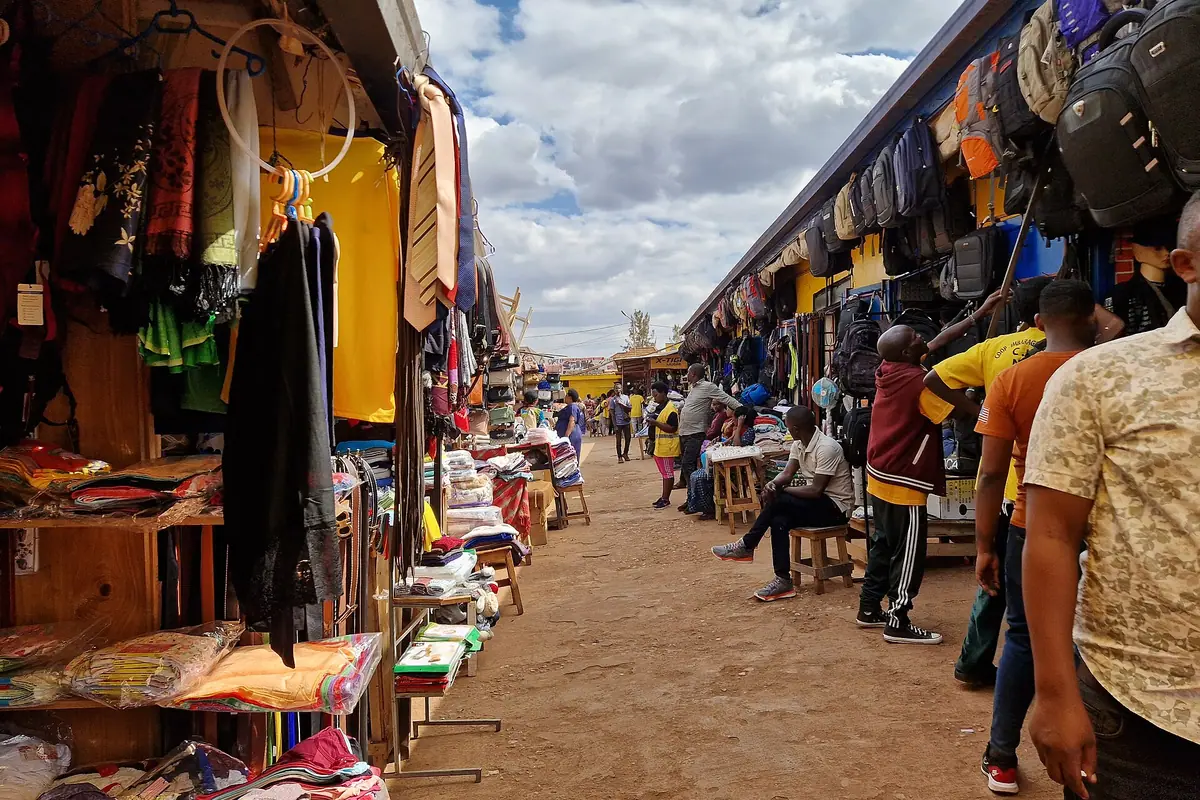
Kimironko Market is Kigali's loudest and most complete market, a sprawl of stalls where women sell avocados, tree tomatoes, passion fruit and tiny green chillies, and where you can buy the woven agaseke baskets Rwanda is known for at far better value than in hotel shops. Nyarugenge Market in the city centre is the place to watch dried fish, cassava flour and beans change hands in bulk. The Muslim quarter of Nyamirambo, a few streets of mosques, tailors and evening grills, is the city's best neighbourhood for a slow wander and a plate of brochettes after sunset.
The city's arts side is worth a half-day too: Inema Arts Centre in Kacyiru shows contemporary painting and sculpture by young Rwandan artists, while the Kandt House Museum adds context on the natural history of the region. If you have an afternoon spare, walk or take a moto up Mount Kigali for a view over the whole valley, then settle in for a long lunch of grilled meat, plantain and cold drinks. Kigali is small enough to cover in a day or two, and rich enough that most travellers wish they had allowed three.
Culture in Motion: Drums, Inyambo Cows and Community Days
Rwandan performance is not staged for tourists in its original form; it belongs to ceremonies, harvests and homecomings. The Intore dancers — originally a warrior corps — stamp, leap and spin with grass headdresses flying, while the ikinimba is a slower, more graceful dance of women's arms and shoulder movements. If you hear a line of cowhide drums being beaten in unison, stay: the ingoma drumming tradition is intense, physical and one of the great sound experiences of East Africa. Ask your hosts where local performances are happening; they often take place at weddings, Umuganura harvest celebrations in early August, and the annual gorilla naming ceremony, Kwita Izina, near the volcanoes in September.
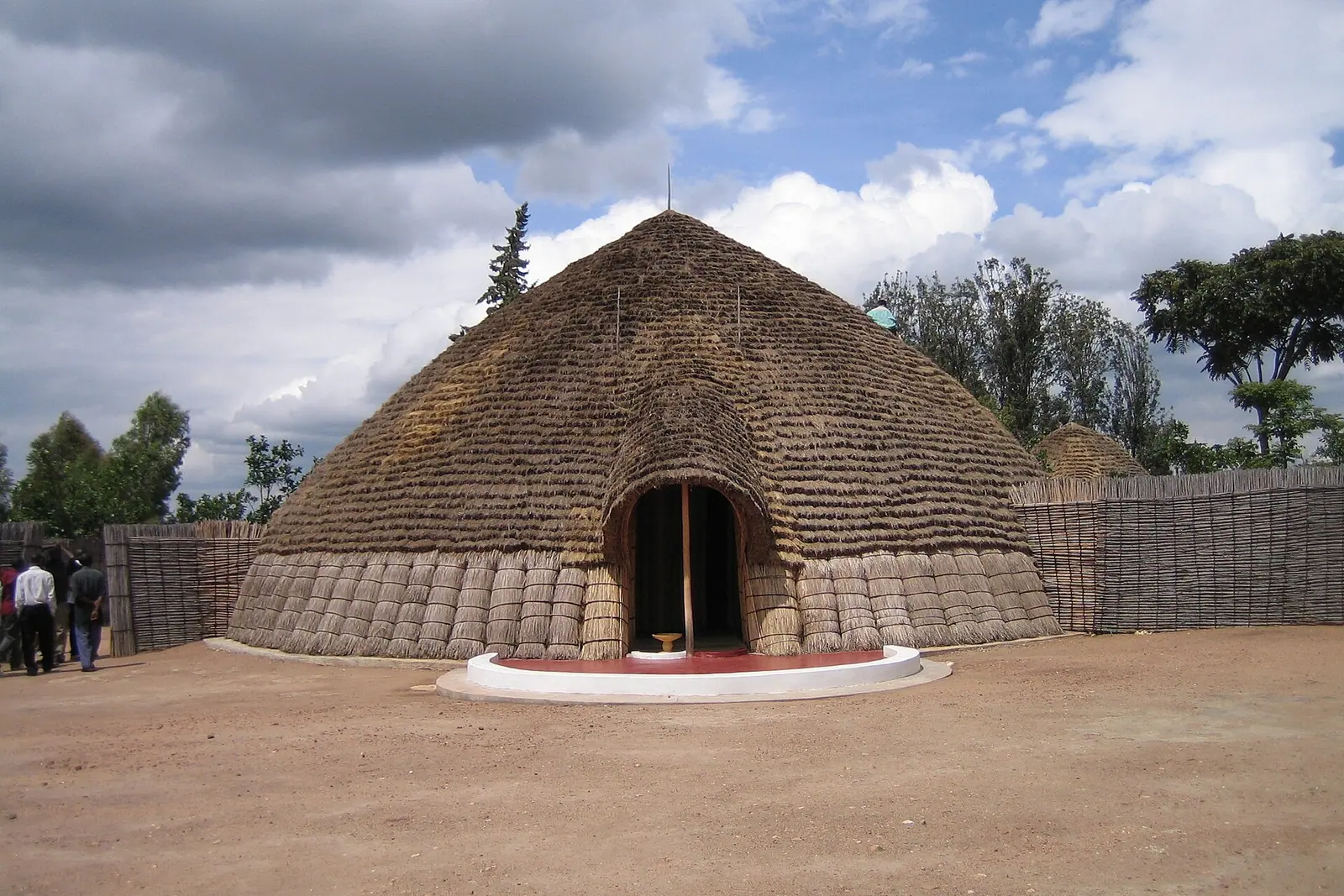
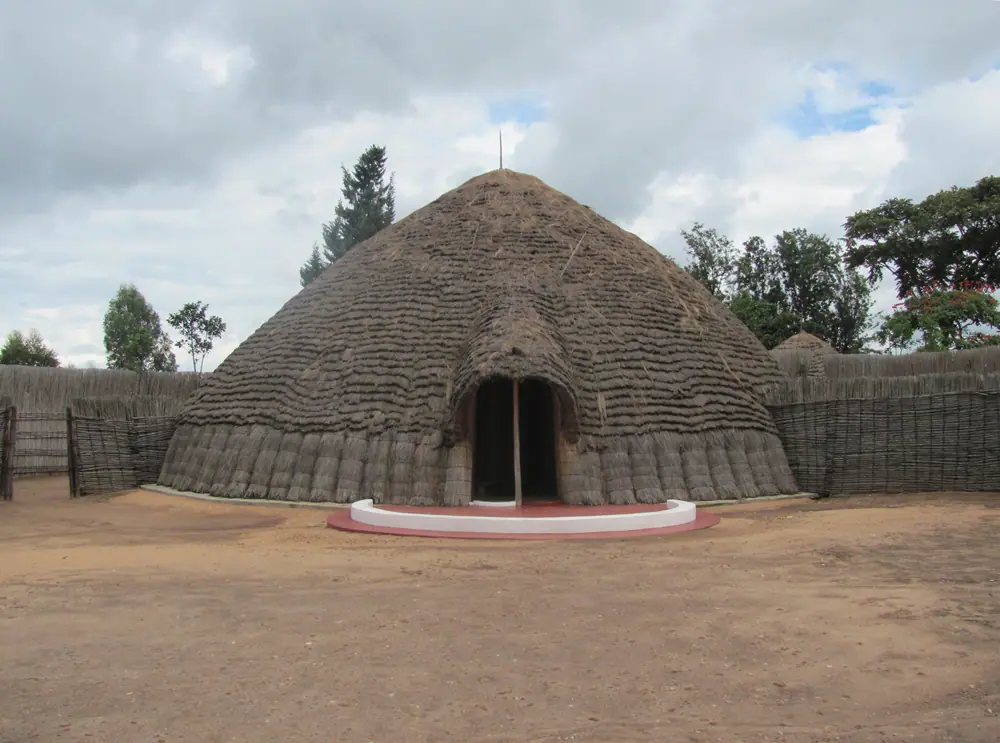
For the royal side of the story, head south to Nyanza and the King's Palace Museum, a reconstruction of a traditional royal compound where the sacred Inyambo cattle — long-horned, elegantly kept, sung to by their herders — are the star attraction. Nearby, in Huye, the Ethnographic Museum is the country's finest collection of baskets, tools, dress and musical instruments, and gives you the vocabulary to understand everything you have seen. Both are easy to pair with a slower drive between Kigali and the forests.
One of the most genuine experiences on offer happens once a month: on the last Saturday morning, Rwandans of every walk of life stop work for Umuganda, communal work for a few hours. In Kigali you will see streets being swept, trees planted and ditches cleared. Visitors are welcome to join in, and doing so will tell you more about how this country rebuilt itself than any museum. Afterwards, join the crowd for tea and chapatis — you will not be a stranger for long.
Volcanoes National Park: Gorillas, Golden Monkeys and Highland Villages
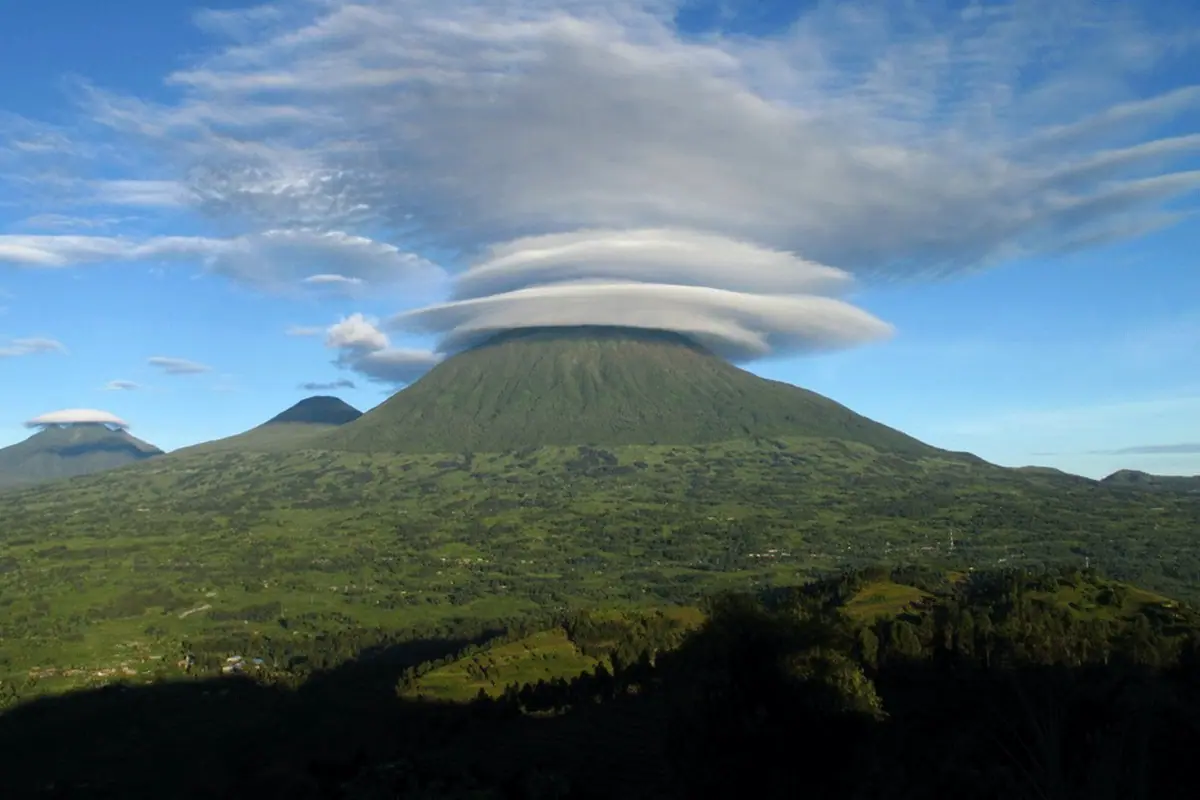
Volcanoes National Park, in the far northwest around Kinigi and Musanze, is the reason many people fly to Rwanda at all. Mountain gorilla trekking here is the country's signature experience: groups of eight visitors per habituated family, walking through bamboo and nettles and volcanic forest for anything from one to four hours before spending a strict, extraordinary hour with the animals. Permits are limited and should be secured months ahead, especially between June and September, when conditions are driest and the trekking is most comfortable. Golden monkey tracking, easier and gentler, makes a good second morning if you have the time.
Non-gorilla walking here is underrated. Mount Bisoke is a demanding but achievable day hike to a crater lake at the summit, and the climb up to the Karisoke area brings you to the grave of Dian Fossey, the researcher who fought to protect these forests. Below the park, the Musanze caves are a vast lava tube you can explore by torchlight, and the twin lakes of Burera and Ruhondo, with their steep green shorelines, are perfect for a quiet afternoon boat ride.
Culturally, the villages around Kinigi are generous with their time. Community-run visits in the area show you the traditional highland homestead, introduce you to the Inyambo-style cow-keeping traditions of the north, and let you try your hand at grinding and cooking. Musanze and Kinigi both have a good choice of guesthouses and lodges, from simple brick rooms to high-end forest villas, and every kitchen serves the local potatoes — the region grows the country's best, and they are boiled, fried, roasted and offered to you at every meal.
Akagera, Nyungwe and Lake Kivu: Wildlife, Canopy and Coffee
Akagera National Park, along the eastern border, is a classic savannah experience of papyrus swamps, lakes and rolling woodland where elephants, buffalo, zebra, giraffe and hippos are all regularly seen, with lions and rhinos restored to the park in recent years. A boat trip on Lake Ihema at dawn, gliding past yawning hippos and fish eagles, is one of the most beautiful half-hours you can spend in Rwanda. Allow two or three nights inside or on the edge of the park; the southern reaches are quiet and full of game.
In the southwest, Nyungwe Forest National Park protects one of the oldest rainforests in Africa and offers a different kind of day: chimpanzee tracking at dawn, troops of black-and-white colobus moving overhead, and a suspended canopy walkway some 70 metres above the forest floor that sways gently underfoot. On the forest's edge, the Gisakura tea estates run walks through the green rows where you can pluck leaves with the pickers and taste the tea freshly fired. The drive between Kigali and Nyungwe, through the terraced hills and the museum town of Huye, is a highlight in itself.
Lake Kivu is where Rwanda exhales. The lakeside towns of Rubavu and Karongi offer swimming, kayaking and island trips — Napoleon Island, with its colony of fruit bats, and the quiet coves around Amahoro and Peace islands — as well as sunset cruises past the fishing canoes that paddle out in threes at night with lanterns, singing to coordinate their nets. Because of that fishing tradition, sambaza is better here than anywhere else in the country. Round off the trip with Rwandan coffee: a cupping session at one of the washing stations around Nyamasheke explains why this small country's Bourbon-variety beans are so prized, and why a bag of it makes the best souvenir you can bring home.
Practical Rhythms: Seasons, Timings and Travelling Respectfully
Rwanda has two dry seasons and two wet ones. June to September is the long dry stretch and the best all-round time to travel: gorilla trekking trails are firmer, Akagera's animals gather near water and the roads are reliable. December to February is a shorter dry window, hotter and excellent for birds. The long rains from March to May turn trails to mud and make forest hiking harder but bring spectacular green landscapes and lower lodge rates, while the short rains of October and November produce brief afternoon downpours you can plan around. Whatever the month, mornings in the highlands are cool — bring a fleece and a waterproof for the volcanoes and Nyungwe.
A comfortable circuit takes seven to ten days: two in Kigali, two or three at Volcanoes National Park, a night or two on Lake Kivu, two at Nyungwe and two in Akagera, with the long drives broken up by tea estates, markets and roadside brochettes. Roads are generally good on the main routes, and a car with a driver is the most relaxed way to link everything. Allow extra time for the drive between Kivu and Nyungwe, which is slow and unforgettable in equal measure.
Small courtesies go a long way. Greet people with 'Muraho' and ask 'Amakuru?' — the reply, 'Ni meza', opens doors everywhere. Thank people with 'Murakoze'. Dress modestly at memorial sites and in rural areas, never photograph people without asking, and note that single-use plastic bags are not allowed into the country. Unusually for the region, litter and discipline are taken seriously here, and quiet respect — at the memorial, in the village, on the trail — will mark you out as the kind of visitor Rwanda genuinely welcomes.
Frequently asked questions
What is the best time of year to visit Rwanda?
June to September is the best all-round window: firmer trekking trails around the volcanoes, wildlife concentrated near water in Akagera and dependable roads. December to February is also dry and good for birding. March to May brings heavy rain and mud, and October to November brings short afternoon showers, though both offer greener scenery and better value.
How far ahead should I book gorilla trekking in Volcanoes National Park?
As early as you can — ideally three to six months ahead, and even further for the June-to-September dry season. The number of visitors allowed with each habituated gorilla family is strictly limited, so permits for peak dates sell out. Once you have a confirmed date, build the rest of your itinerary around it.
Which Rwandan dishes should I try first?
Start with isombe and ubugali, then move on to roadside brochettes and agatogo. On Lake Kivu, order sambaza and grilled tilapia. Try ikivuguto, the fermented milk sold in small local bars, and use akabanga chilli oil sparingly. If you are offered urwagwa banana beer from a communal pot, accept — it is one of the country's oldest social rituals.
How many days do I need for a Rwanda tour?
Seven to ten days lets you see the country properly: two days in Kigali, two or three at Volcanoes National Park, a night or two on Lake Kivu, two in Nyungwe Forest and two in Akagera. If you only have a few days, concentrate on Kigali plus the volcanoes — that pairing alone justifies the trip.
What should I know about local etiquette in Rwanda?
Greet before you ask for anything: 'Muraho' and 'Amakuru?' go a long way, and 'Murakoze' means thank you. Dress modestly at memorial sites, ask permission before photographing people, and avoid single-use plastic bags, which are not permitted in the country. If you are there on the last Saturday of the month, joining the morning community work is a genuine privilege, not a tourist performance.
Sort the rest of your trip
Everything for Rwanda, in one place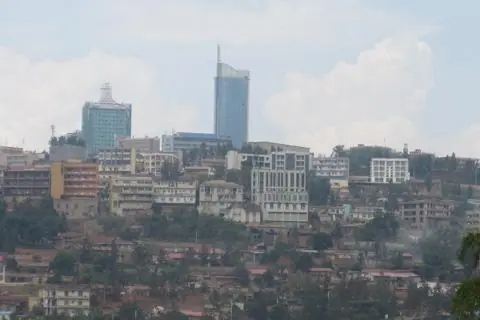
Stay in Rwanda
Hotels, guesthouses and apartments — compared in one search.
Search hotels
Transfer in Rwanda
Private driver waiting on arrival — no queues, no surprises.
Book a transfer
Stay online in Rwanda
Travel eSIM — data the moment you land, no roaming bills.
Get an eSIM