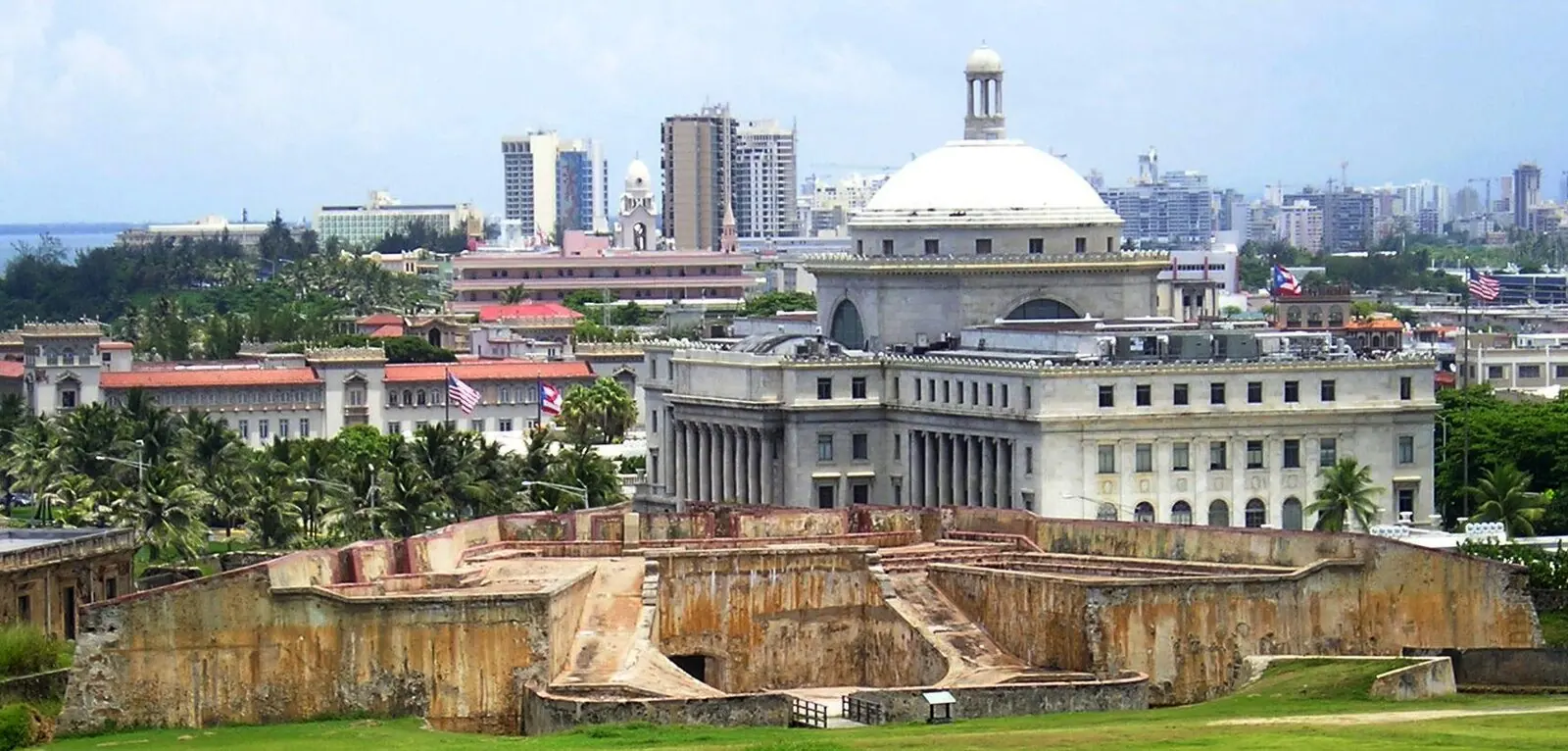
Puerto Rico packs a continent's worth of scenery into an island you can cross in a single afternoon: 16th-century ramparts above the Atlantic, a cloud-soaked rainforest loud with frogs, salt flats turned pink at dusk and a bay that glows blue when you trail your hand through it. The trick is knowing which corners deserve your days — and how to string them together without spending all your time behind the wheel.
Old San Juan: A Walled City Built for Wandering
Start where the island's story is most physical. The blue cobblestones of Old San Juan, poured as ballast in Spanish galleons and worn smooth over five centuries, lead uphill past pastel facades and wrought-iron balconies to Castillo San Felipe del Morro, the six-level fortress begun in 1539 that guards the mouth of San Juan Bay. Its lawn is the city's front porch: locals fly kites on the wind that whips off the ocean, and the ramparts give you a 180-degree view of the Atlantic, the bay and the cemetery below the walls. Half a mile east, Castillo San Cristóbal sprawls across 27 acres and ranks as the largest fortification the Spanish ever built in the Americas, complete with tunnels, a moat and the much-photographed sentry box known as the Devil's Sentry Box. One admission ticket covers both forts for 24 hours, so buy it once and split your visit across two days.
Then surrender to the streets. Calle Fortaleza, draped year-round in a canopy of bright umbrellas, is the most photographed block in the Caribbean, but the quieter rewards lie uphill: Plaza de Armas, the 16th-century Catedral de San Juan Bautista with its marble tomb of Juan Ponce de León, and La Fortaleza, the oldest continuously occupied governor's residence in the Western Hemisphere. Walk the Paseo de la Princesa at golden hour, when the city wall glows ochre and street vendors set up beside the fountain, then pass through the red-and-white San Juan Gate — the old ceremonial entrance to the city — down to the waterline.
Give Old San Juan two full days and start early, ideally by 8am. The cobblestones are uneven and the hills are real, so comfortable shoes matter more than style, and midday heat between June and September is punishing. Evenings belong to salsa bars, rum cocktails and the floodlit walls; if your timing lands in mid-January, the Fiestas de la Calle San Sebastián fills these same streets with four days of music, parades and crowds.
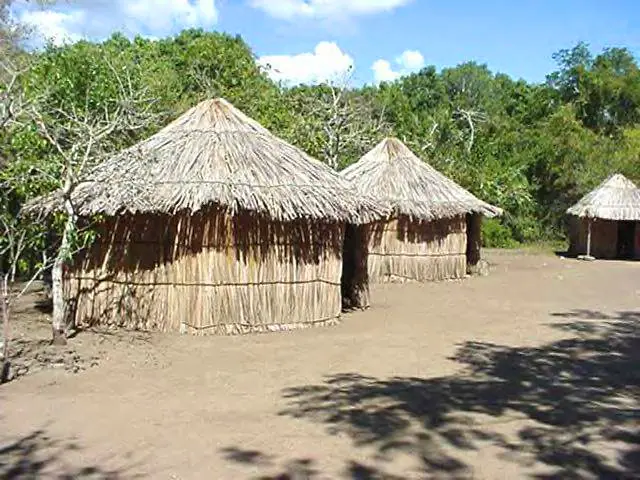
El Yunque: Hiking the Only Tropical Rainforest in the United States
An hour east of the capital, the road climbs into El Yunque National Forest, roughly 28,000 acres of cloud-draped peaks, tree ferns and waterfalls that turn the air 10 degrees cooler. This is the only tropical rainforest within the United States, and it behaves like one: rain can arrive within minutes, sun can return just as fast, and the soundtrack is a wall of coquí frogs that starts at dusk and doesn't quit. La Coca Falls splashes right beside the main road, making it the easiest waterfall to reach, while Yokahú Tower — a stone observation deck with a spiral staircase — delivers a panoramic view over the entire canopy. The most rewarding trails climb toward El Yunque Peak and Mount Britton Tower for ridge-top views that reach the coast on clear mornings.
Note that the forest never fully recovered from a series of devastating hurricanes; some trails, including the path to La Mina Falls, have reopened slowly or remain closed, so treat any map you find online as a starting point and confirm current conditions when you arrive. During busy months, timed-entry permits are required for the main recreation corridor and they sell out days in advance, especially on weekends and during school holidays. Go on a weekday, arrive by 7am, and carry grippy shoes, a rain shell and more water than you think you need.
Pair the rainforest with the coast it drains into. The beach at Luquillo, a long arc of calm, palm-backed water, sits 20 minutes from the trailheads, and the roadside kiosks along Route 3 nearby grill skewers of chicken, pork and seafood all afternoon. Farther east, Fajardo's mangroves hide one of the island's three bioluminescent bays — a natural way to end a hiking day once the sun is gone.

Glowing Bays and Island Escapes: Vieques, Culebra and the Islets
Puerto Rico's offshore islands are a different trip entirely, and the brightest of them is Mosquito Bay on Vieques, widely considered the most luminous bioluminescent bay on earth. On moonless nights, every stroke of a kayak paddle ignites a trail of blue-green light as millions of microscopic dinoflagellates react to movement. Two other bays offer a milder version of the same magic: Laguna Grande in Fajardo, reachable through mangrove channels, and La Parguera on the southwest coast, where you can swim in the glow rather than just watch it. Book tours well ahead — permits are limited, slots vanish around the new moon, and sparkling is weakest under a full moon, so check the lunar calendar before you lock in dates.
Vieques itself rewards more than one night. Wild horses roam the roads, Sun Bay offers a mile of gentle swimming, and the former naval land turned wildlife refuge hides Playa Negra, a rare black-sand beach reached by a short walk. Culebra, a short ferry or puddle-jumper hop away, is home to Flamenco Beach, a horseshoe of white sand and turquoise shallows with a rusting military tank sitting on the sand like a piece of accidental sculpture. Snorkelers should head to the reef off Carlos Rosario; on calm days, the tiny uninhabited islets of Icacos and Palomino are the kind of empty, palm-fringed sandbars people assume only exist in photographs.
Logistics matter here. Ferries from the mainland fill up fast and are far more reliable if you reserve ahead, and inter-island flights cost more but save hours. Bring cash, reef-safe sunscreen and a tolerance for island time — schedules bend, and the reward is water so clear you can count fish from a standing position.
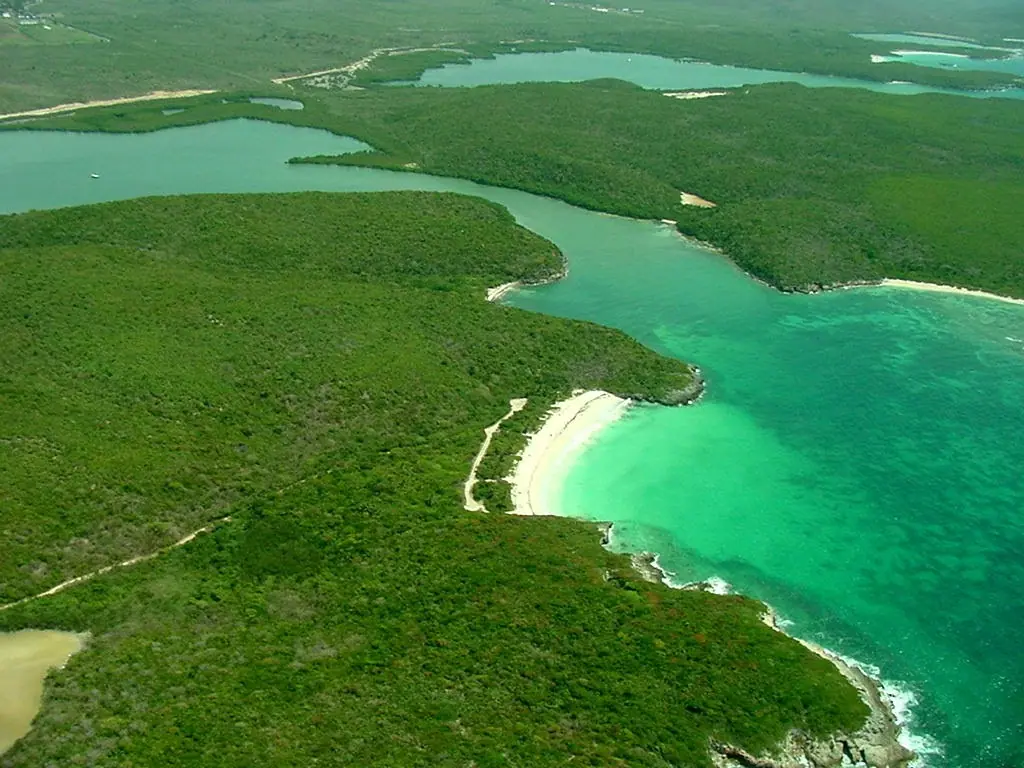
The Wild West: Rincón Surf, Cabo Rojo Cliffs and Salt Flats
Drive three hours west and the island turns rugged. Rincón is Puerto Rico's surf capital, and between November and February the North Atlantic swell rolls in big enough to draw international competitions to beaches like Domes Beach and María's, named for the reef the waves break over. Even in summer, when the surf softens for beginners, the sunsets from the lighthouse at Punta Higüera are worth the trip alone — and from January through March, humpback whales pass offshore and can sometimes be spotted from the cliffs.
South of Rincón, Cabo Rojo is the island's most dramatic coastline. A dirt road winds past the salt flats, where shallow evaporation ponds turn pink and draw flamingos and other wading birds, before ending at Faro Los Morrillos, a weathered lighthouse perched on limestone cliffs above water so blue it looks filtered. Just beyond lies Playa Sucia, also called La Playuela, a crescent of sand backed by a lagoon and connected to the lighthouse by a short cliffside trail. Farther north, Crash Boat Beach in Aguadilla offers calm swimming, a pier good for jumping and a string of seafood shacks that fire up around lunchtime.
Base yourself in Rincón or Cabo Rojo for two or three nights rather than day-tripping from San Juan — the drive is long and the west coast's best moments happen at sunrise and sunset. A rental car is essential here; public transport along this coast is minimal, and roads are narrow, winding and occasionally potholed, so plan shorter driving days than a map suggests.
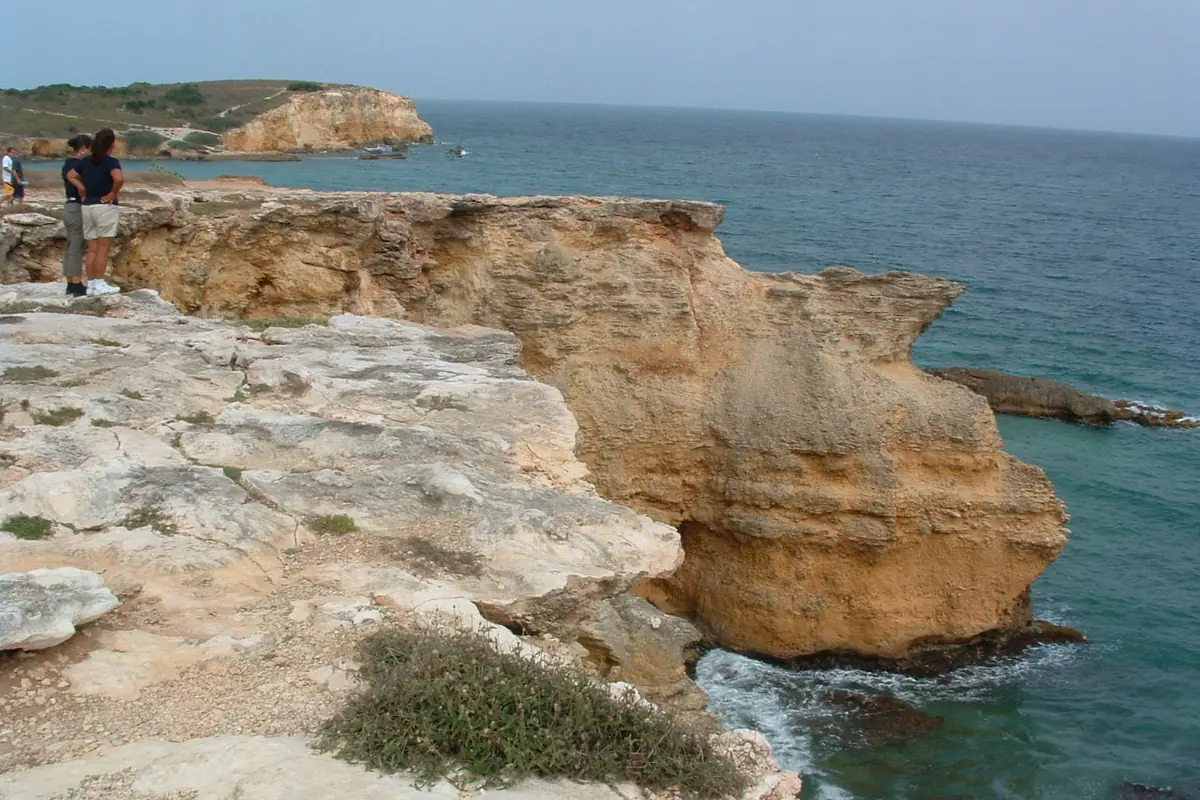
Caves, Karst and Ziplines: Puerto Rico's Adventure Circuit
Inland, the island's limestone karst country rises into steep, rounded hills called mogotes, and beneath them runs one of the largest cave systems in the Western Hemisphere. Parque de las Cavernas del Río Camuy lets you descend by trolley and on foot into cathedral-sized chambers, past stalactites, sinkholes and a river that vanishes underground and reappears miles away. Nearby in Arecibo, Cueva Ventana — the "window cave" — is a short, steep hike that ends at a natural rock opening framing a dizzying view over the Río Grande de Arecibo valley; go early to beat both the heat and the crowds, and expect to sign a waiver and follow a guide for the final stretch.
For adrenaline, head to the mountains of Orocovis, where Toro Verde Adventure Park strings a headline-grabbing zipline across a forested valley at speeds that leave your stomach somewhere behind you; shorter, gentler lines and a canopy tour make it workable for nervous first-timers too. Closer to San Juan, the mangroves of the Condado Lagoon are an easy paddle by kayak or stand-up board, often with manatees and turtles slipping beneath the surface.
Underwater, Puerto Rico holds its own. The wall dives and coral gardens off La Parguera and Guánica on the southwest coast suit both beginners and experienced divers, while Desecheo Island, a rocky speck between Rincón and Mona, is a marine protected area known for visibility that can exceed 100 feet on a good day. Bring your certification card, book through a local dive shop, and keep at least one flexible day in your itinerary — wind and swell decide the schedule, not you.
Ponce and the South: Where Island Culture Slows Down
Puerto Rico's second city, Ponce, feels like a different island: grand, formal and proudly southern. Start at Parque de Bombas, the 1880s firehouse painted in buzzing red-and-black stripes right on the main plaza, and the twin-towered cathedral just behind it. The Museo de Arte de Ponce holds one of the finest art collections in the Caribbean, and the city's 19th-century mansions, tiled and iron-laced, hint at the wealth that sugar and shipping once brought here. Ten minutes south, the boardwalk at La Guancha fills with families, fishermen and food stands on weekend evenings.
Culture on this island is lived rather than staged, and the most memorable days often involve eating. In the hills of Cayey, the roadside lechoneras along the so-called pork highway roast whole pigs over charcoal and serve them with rice, beans and plantains to crowds that spill out of open-air halls on Sundays. Coffee lovers should detour into the Cordillera Central around Adjuntas and Jayuya, where family-run haciendas offer tastings of beans grown on slopes that catch the mountain mist.
The south also holds Puerto Rico's driest landscapes: the Guánica Dry Forest, a UNESCO biosphere reserve, protects cactus, scrub and quiet trails that end at coves most visitors never find. Give the region a full day, ideally midweek when the plazas and museums are calm, and finish with a sunset drive along the Caribbean coast back toward San Juan.
Frequently asked questions
How many days do you need to see Puerto Rico properly?
Seven days is a comfortable minimum. That allows two days exploring Old San Juan and its forts, one full day in El Yunque with a beach stop at Luquillo, two or three days on the west coast for Rincón and Cabo Rojo, and one or two nights on Vieques or Culebra. With only four or five days, base yourself in San Juan and pick El Yunque plus one west-coast or island excursion.
When is the best time to visit Puerto Rico?
December through April brings the driest, sunniest weather and the heaviest crowds, with peak prices over the winter holidays. Hurricane season runs June through November, and September and October are the wettest, quietest and cheapest months. For the bioluminescent bays, time your visit around a new moon — the glow is faintest under a full moon, and bay tours sell out days in advance.
Do I need a rental car in Puerto Rico?
In San Juan, no — Old San Juan is walkable and rideshares cover the metro area. Everywhere else, yes. Attractions like El Yunque, Rincón, Cabo Rojo, the caves at Camuy and the lechoneras in Cayey are not served reliably by public transport. Expect toll roads on main highways, narrow winding roads in the mountains, and driving times about 30 percent longer than a map suggests.
Do US citizens need a passport to visit Puerto Rico?
No. Puerto Rico is a US territory, so US citizens travel there without a passport, use US dollars, and get US mobile coverage. International visitors follow the same entry rules that apply to entering the United States mainland, so bring whatever visa or documentation that requires.
Do El Yunque and the bioluminescent bays require reservations?
Often, yes. El Yunque uses timed-entry permits for its main recreation corridor during busy periods, and they can disappear days ahead, especially on weekends. Bioluminescent bay kayak tours run in limited numbers and are regulated, so book several days out — earlier if your trip falls around the new moon, when demand peaks.
Plan it — experiences in Puerto Rico
Live search, booked directly with trusted providers.
Sort the rest of your trip
Everything for Puerto Rico, in one place
Stay in Puerto Rico
Hotels, guesthouses and apartments — compared in one search.
Search hotels
Transfer in Puerto Rico
Private driver waiting on arrival — no queues, no surprises.
Book a transfer
Stay online in Puerto Rico
Travel eSIM — data the moment you land, no roaming bills.
Get an eSIMMore guides in Puerto Rico
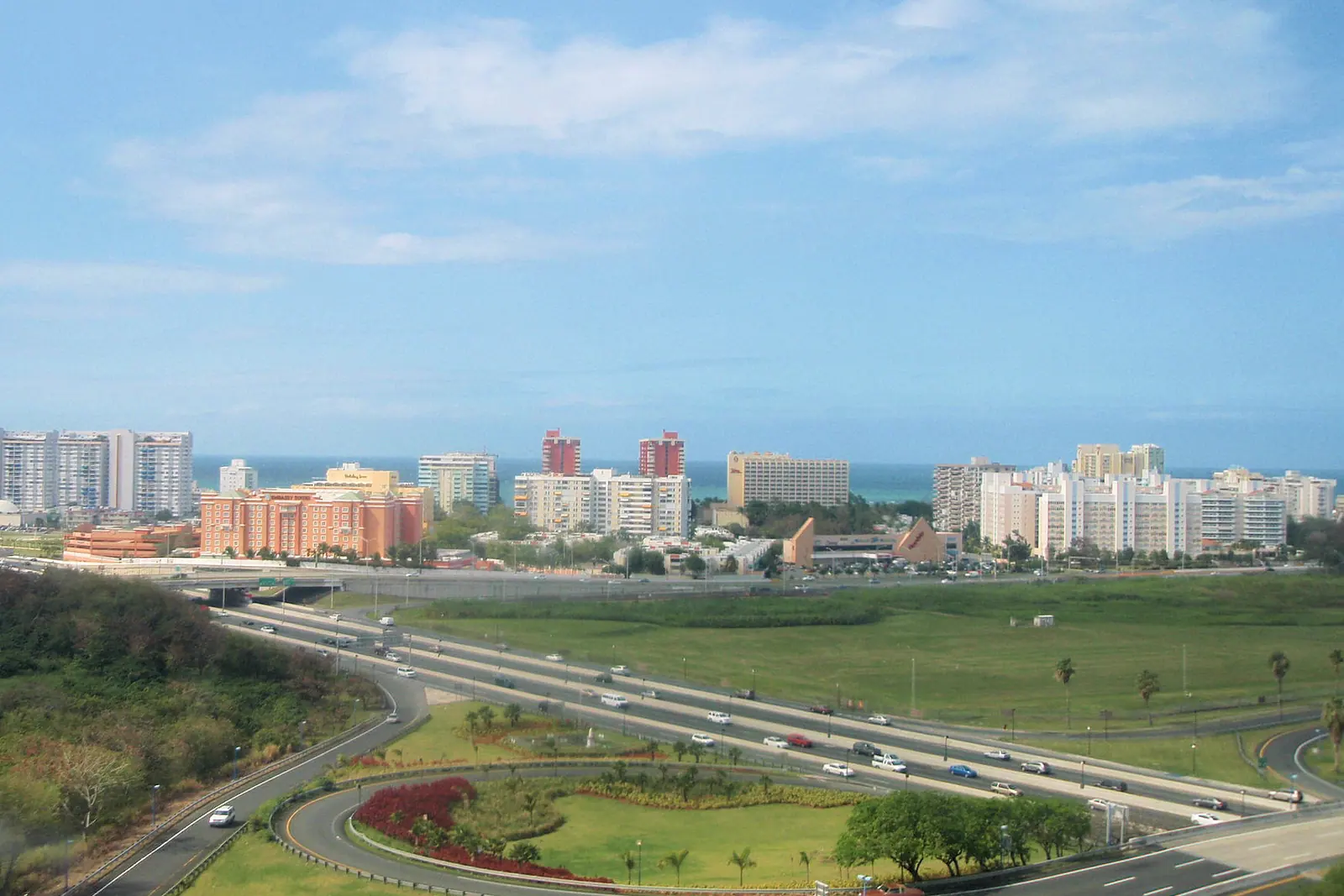
1 Week in Puerto Rico: An Island-Hopping Itinerary by Air, Sea and Road
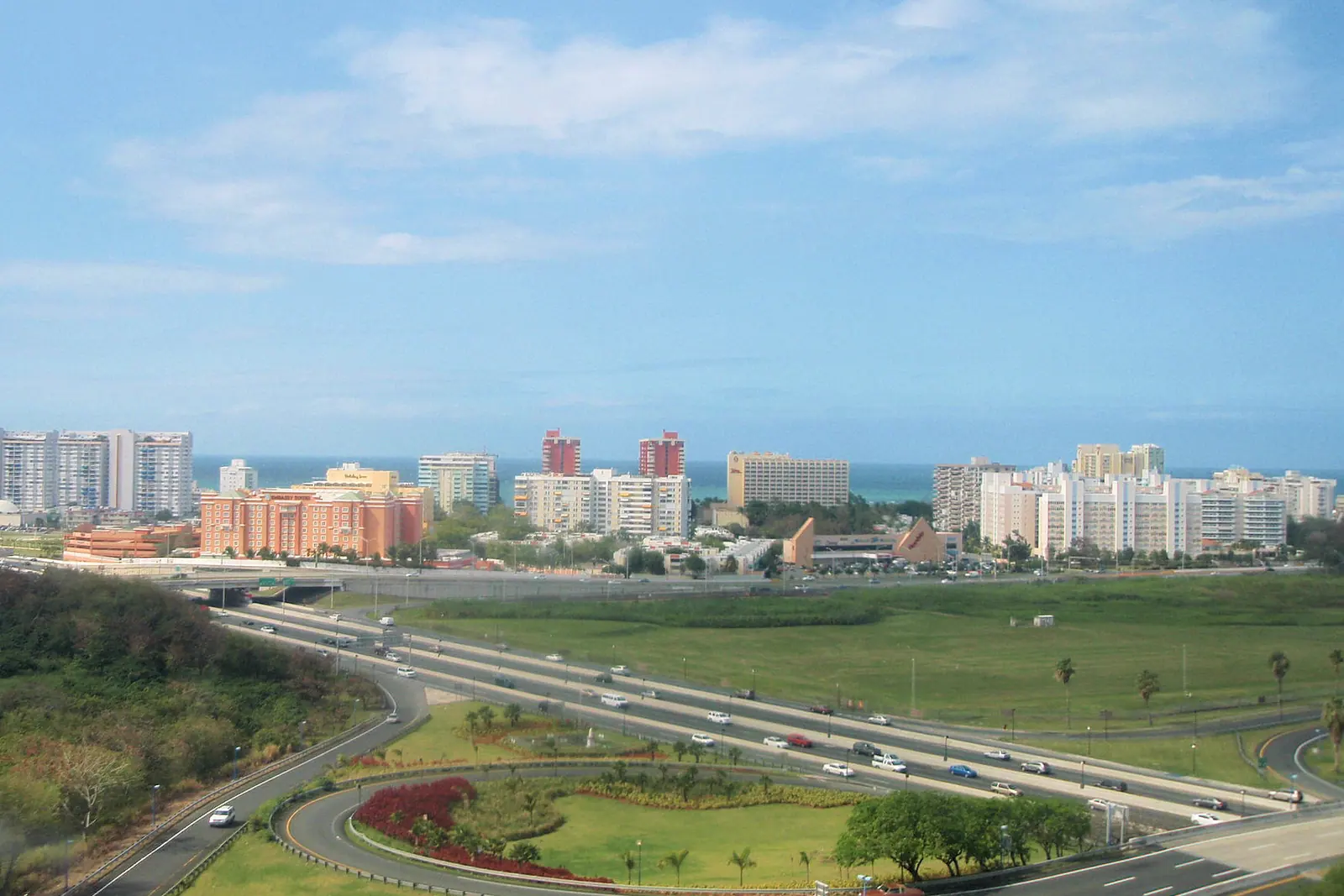
Where to Stay in Puerto Rico: Top Areas, Hotels and Must-See Sights
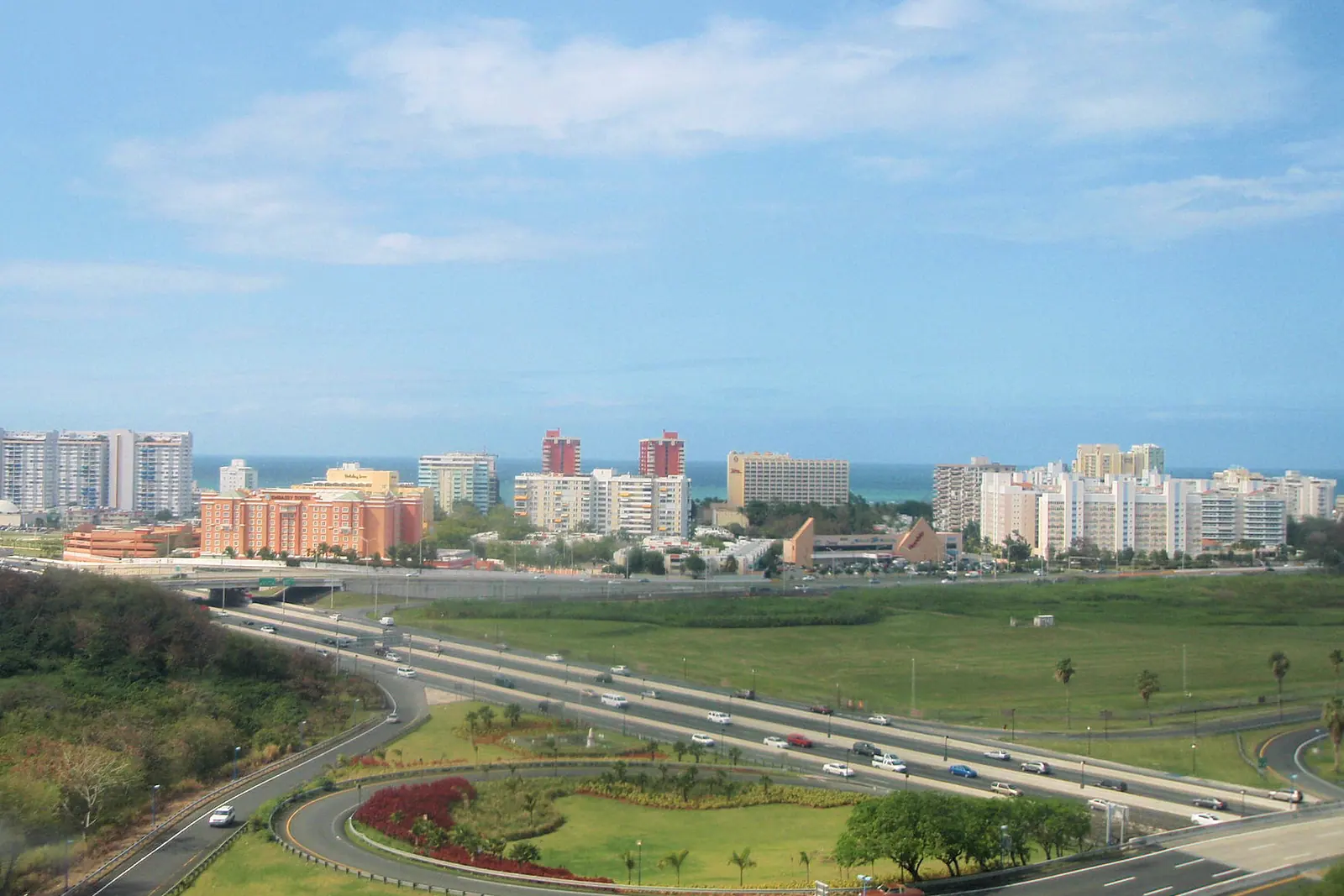
Best Places to Visit in Puerto Rico: Forts, Rainforest, Glowing Bays and Surf Coast
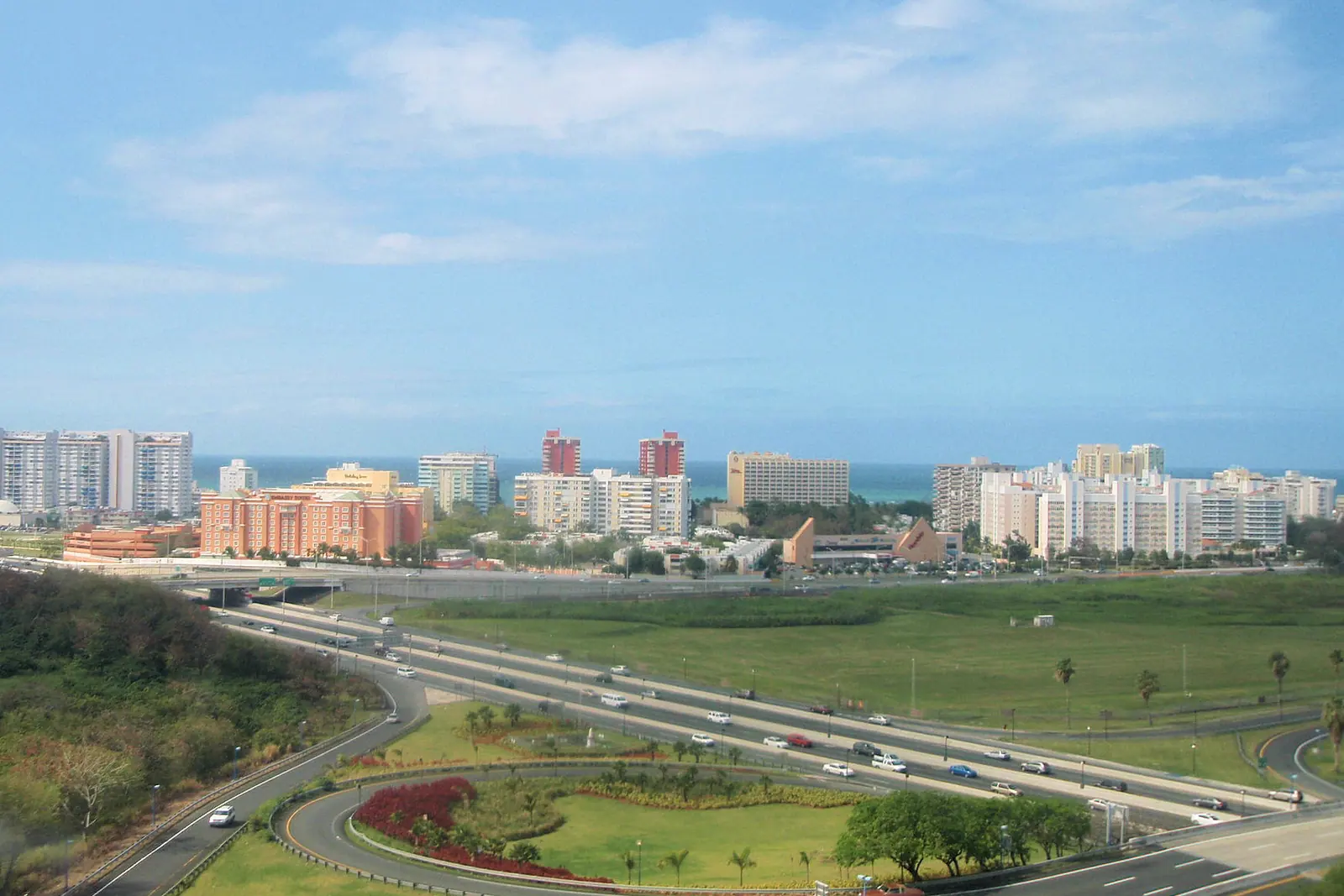
Best Time to Visit Puerto Rico: A Season-by-Season Guide to Booking the Right Hotel