Puerto Rico packs a rainforest, a colonial walled city, a desert-dry lighthouse coast and two offshore islands with glowing bays into an area smaller than Connecticut. This week-long loop leans on short domestic hops to skip the long drives, so you spend your days swimming at Flamenco Beach or standing on the ramparts of El Morro instead of stuck in traffic.
Days 1–2: Land in San Juan and Walk the Blue Cobblestones of Old San Juan
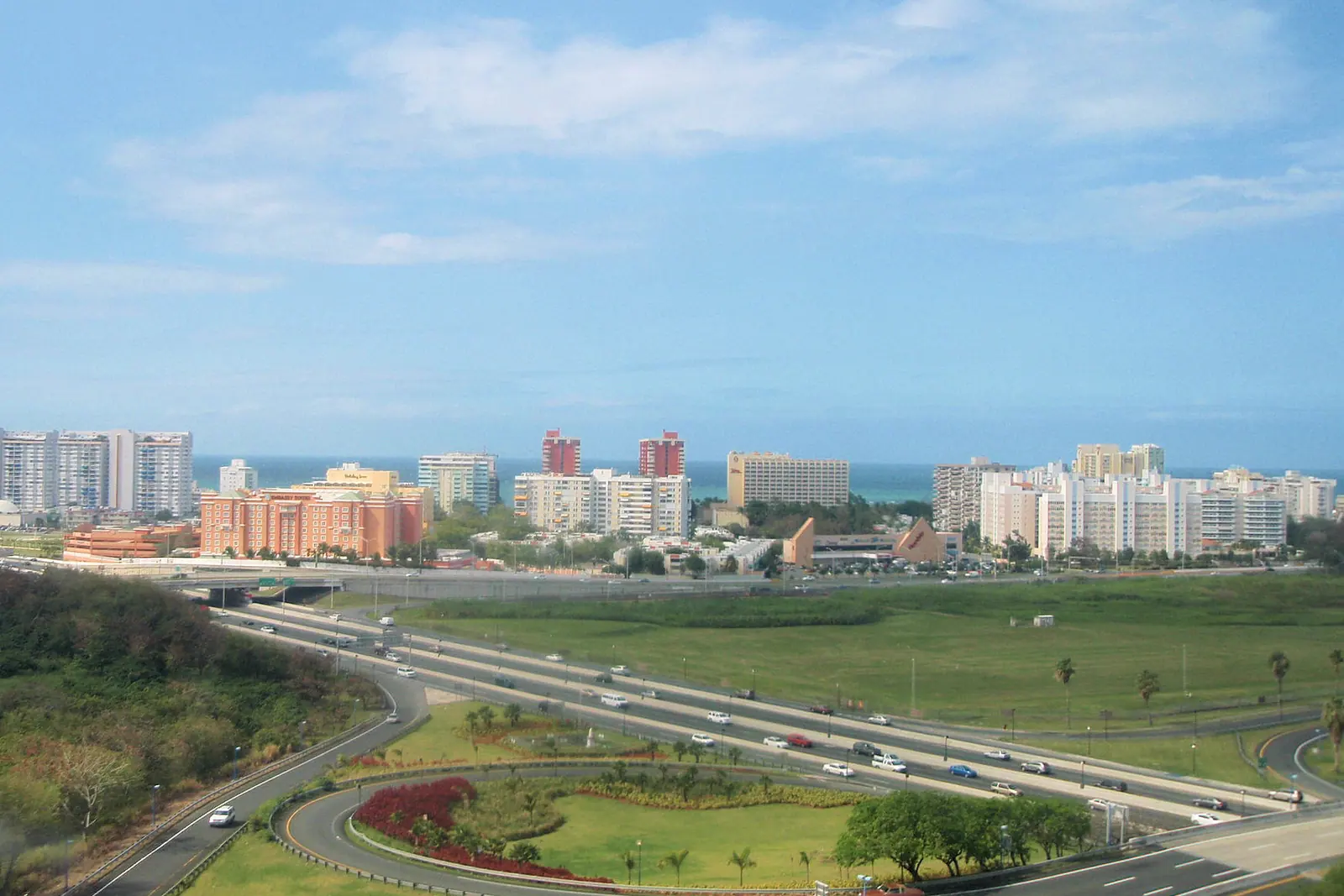
Most trips begin at Luis Muñoz Marín International Airport (SJU), the island's main gateway, where the trade winds hit you the moment you step outside the terminal. Book two nights in Old San Juan if you want atmosphere, or in Condado and Isla Verde if you'd rather wake up a block from the sand. Arrival day is best kept light: a swim at Ocean Park or Isla Verde beach, a cold drink, and an early dinner of mofongo to reset your clock.
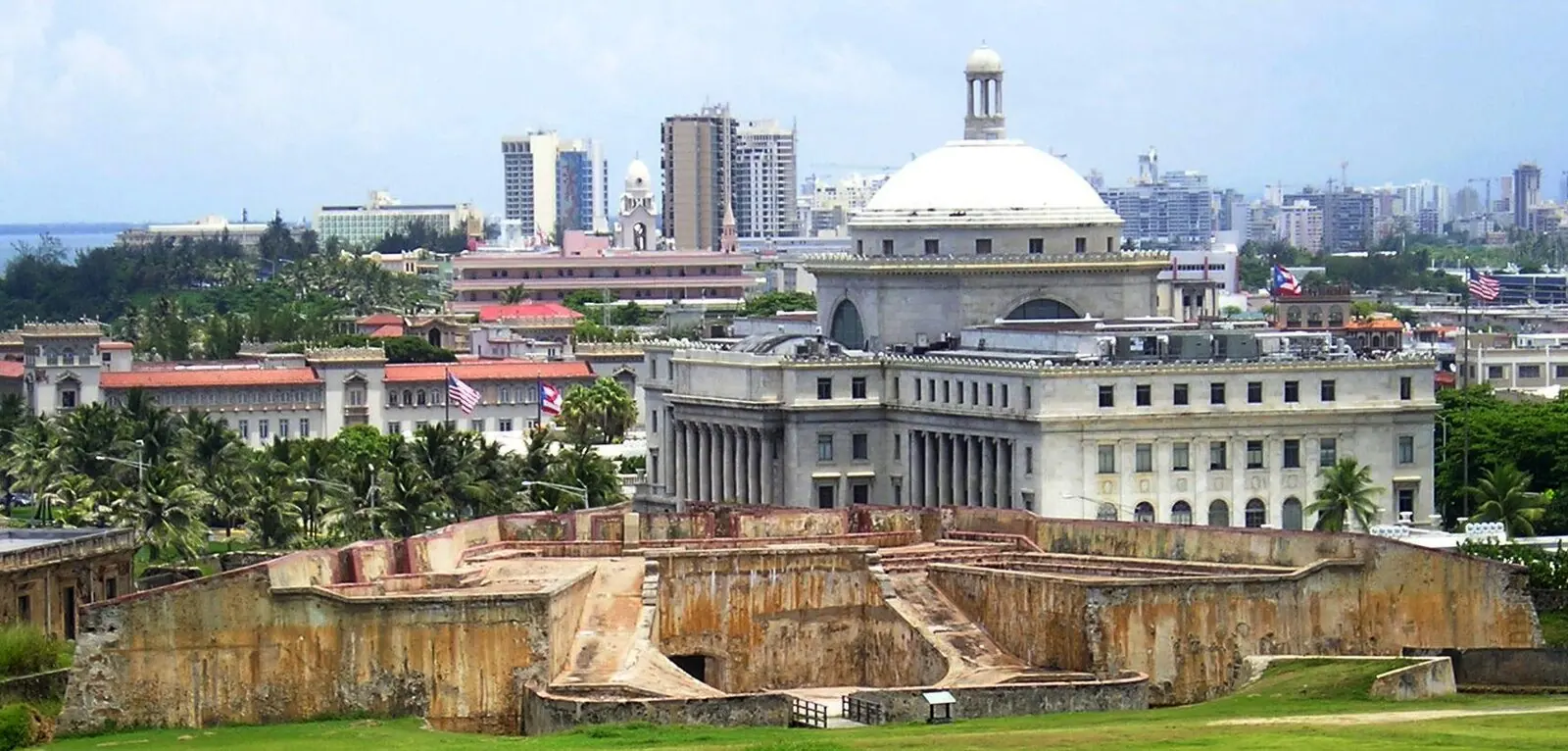
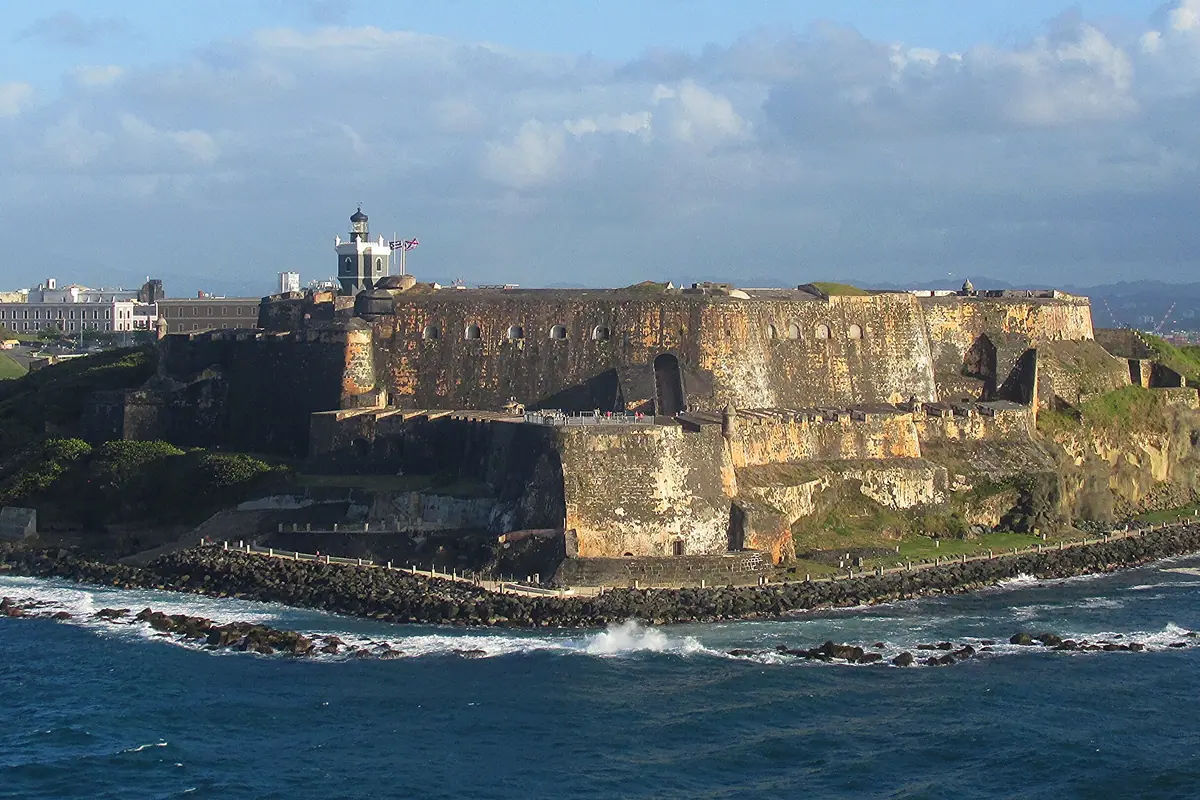
Give day two entirely to the old city. Start at Castillo San Cristóbal, the largest fort the Spanish built in the Americas, then follow the Paseo de la Princesa along the bay to the great green lawn in front of Castillo San Felipe del Morro, the six-level citadel that has guarded the entrance to San Juan Bay since the 16th century. Kite flyers, iguanas and cruise ships all share the view.
Wander back through the grid of pastel facades: the blue cobblestones of Calle San Sebastián, the umbrella-shaded Calle Fortaleza, the Cathedral of San Juan Bautista with the tomb of Ponce de León, and La Fortaleza, the governor's mansion and the oldest continuously used executive residence in the hemisphere. Finish at the Paseo del Morro at sunset, when the walls turn gold and the lighthouse at El Morro starts to glow.
Day 3: El Yunque Rainforest and the Northeast Coast
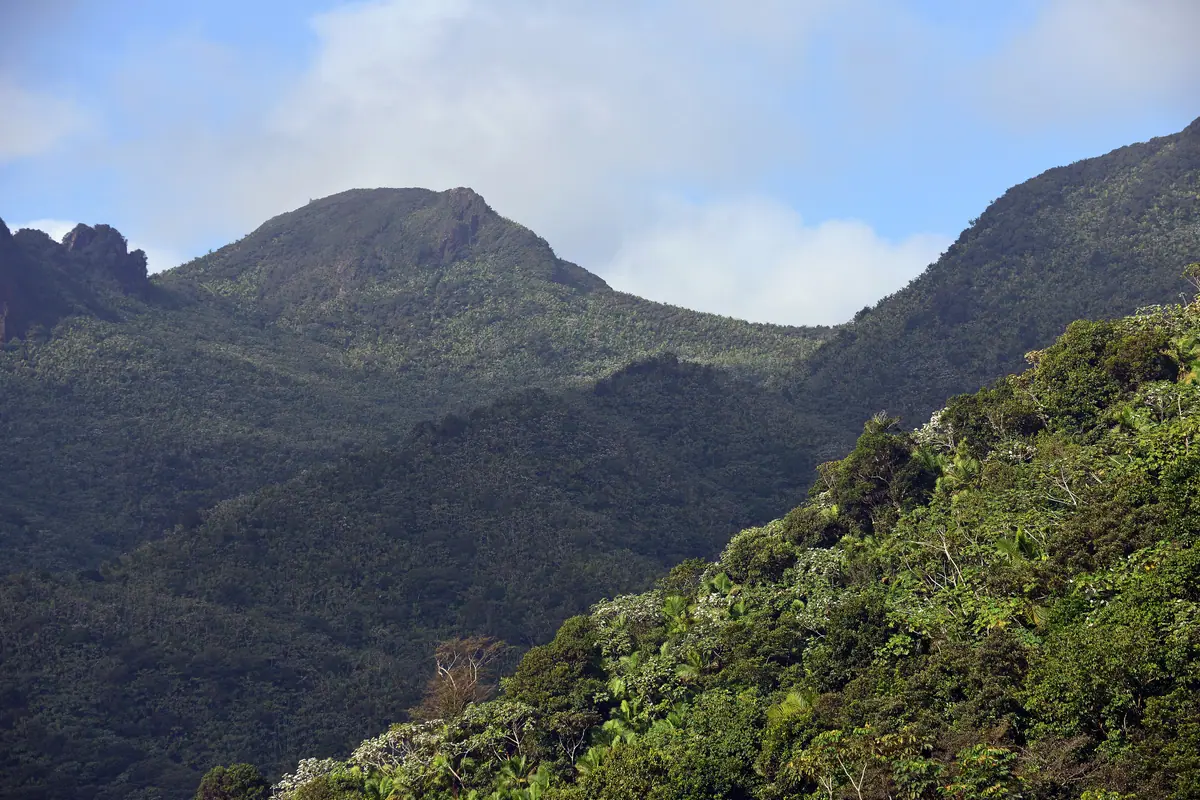
Rent a car for this stretch — the island's highways are good, and you'll want the freedom. El Yunque National Forest, about 45 minutes east of San Juan, is the only tropical rainforest in the U.S. forest system. Arrive early, because timed entry reservations are required and parking fills fast. The drive up passes La Coca Falls and the Yokahú Tower, a stone observation point with sweeping views to the coast.
Hike to Mount Britton Tower for cloud-forest mist and dwarf palms, or take an easier paved trail to a river pool where you can cool off. Afternoon is for the coast below: the long curve of Luquillo Beach, backed by a row of roadside kiosks selling skewered meats, fried snacks and cold coconut water.
If the moon is dark or close to it, book a night kayak or boat trip into the bioluminescent lagoon at Fajardo, where every paddle stroke sets off sparks of blue-green light. Plan this early in the week so you have a backup night if weather cancels it.
Day 4: A Short Flight to Culebra and Flamenco Beach
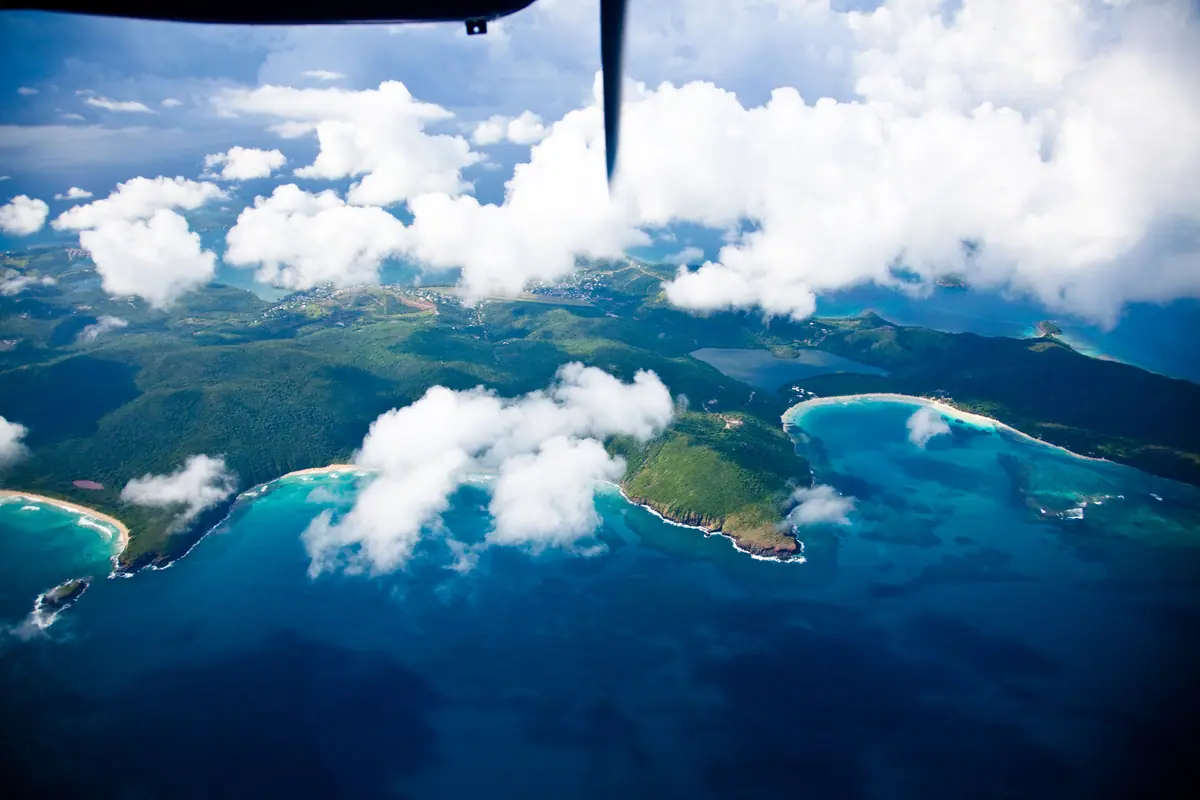
Culebra is where you cash in on the island's small-plane network. Ten-seater aircraft leave from the airfields at Isla Grande and Ceiba throughout the day, and the hop takes under half an hour — long enough for a low pass over turquoise water, short enough that you'll be on the beach before your coffee cools. Pack light: these flights enforce strict per-person weight limits, usually around 30 to 50 pounds including carry-on.
Flamenco Beach is the headline, and it earns it: a crescent of pale sand with calm, shallow water, a wrecked tank rusting at the eastern end, and camping under palm trees if you've booked a spot in advance. Snorkelers should head to Tamarindo Beach on the north shore, where green sea turtles graze on seagrass.
If you have the energy, arrange a water taxi to the uninhabited islet of Culebrita for the day, climbing to the old lighthouse and soaking in the natural tide pools. Sleep in Culebra or fly back at dusk — either works, but staying means you get the beach at sunrise, before the day-trippers arrive.
Day 5: Vieques, Mosquito Bay and the Wildlife Refuge
Cross to Vieques, either by another short flight from Ceiba or San Juan or by the passenger ferry from Ceiba, and pick up a jeep — the island's taxis are limited and its best beaches sit at the end of rough tracks. Base yourself in Esperanza, a low-key strip of guesthouses and seafood joints on the Caribbean side.
Start with the Vieques National Wildlife Refuge, which covers more than half the island. Sun Bay is the easy, postcard-perfect swim; Playa Negra on the south coast has genuinely black volcanic sand; and the old military roads on the western end lead to empty coves you may have entirely to yourself. Above Esperanza, the small Fortín Conde de Mirasol museum tells the island's layered history.
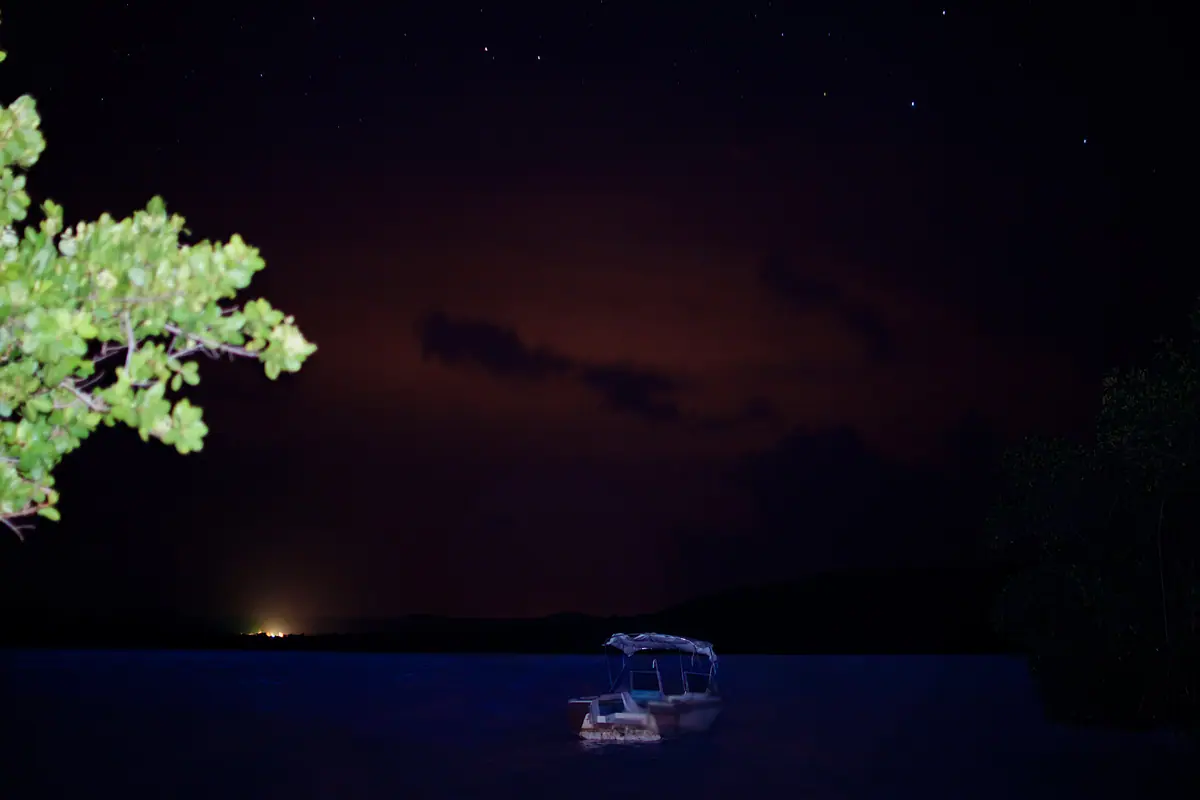
The finale is Mosquito Bay, the brightest bioluminescent bay on the planet on a moonless night. Tours go out by kayak or electric boat, and the effect — fish darting like tracer rounds, water glowing around your hands — is worth planning your whole trip around. Check a lunar calendar and book well ahead for the darkest nights.
Day 6: Fly West to Ponce and the Dry Southern Coast
Fly or drive west to Ponce, the island's elegant second city, where the architecture turns neoclassical and the pace slows. Plaza Las Delicias is the heart of it, flanked by the red-and-black striped Parque de Bombas, a former firehouse turned museum, and the Cathedral of Our Lady of Guadalupe. The Castillo Serrallés mansion, perched on a hill above town, explains how sugar and rum money built the south.
From Ponce, the Ruta Panorámica snakes up into the central cordillera, a slow, switchbacked road through coffee country with roadside stands selling freshly picked beans. Further southwest, Cabo Rojo is a different Puerto Rico altogether — arid scrub, salt flats that flush pink with brine shrimp, and the stone Faro Los Morrillos lighthouse standing on a cliff above Playa Sucia's crescent of sand.
End the day at La Parguera, a fishing village on the southwest coast where boats run out to another glowing bay, this one smaller and calmer than Vieques'. It's a mellow, inexpensive alternative if Mosquito Bay is booked out.
Day 7: Caves, Surf Towns and the North Coast Back to San Juan
Loop back north along the west coast. Near Arecibo, the Río Camuy Cave Park drops visitors into a vast limestone sinkhole with a river still carving its way through, while a short walk from the roadside leads to Cueva Ventana, a cave mouth framing a sheer window onto the valley below. Both reward an early start before tour buses arrive.
Surfers and sunset chasers should detour to Aguadilla's Crash Boat Beach, where the water is glassy and piers are full of local kids jumping in, then continue to Rincón — Domes Beach, María's Beach and the lighthouse point are the classic sunset spots on the island's west tip. Winter swells here are serious; summer is beginner-friendly.
If your flight home leaves from Aguadilla (BQN) or Ponce (PSE), you can skip the drive back. Otherwise, give yourself three hours to return to San Juan, fill the rental car, and grab one last plate of lechón on the Guavate pork highway before you go. The dry season, December through April, is the most reliable window for this itinerary; September and October are the height of hurricane season, when flights and ferries are most likely to be disrupted.
Frequently asked questions
When is the best time to visit Puerto Rico?
December through April brings the driest, most reliable weather, with sunny days in the low 80s and breezy evenings. May and November are quieter shoulder months with lower prices. September and October sit in the peak of hurricane season, when rain is heaviest and flight and ferry schedules are most likely to be interrupted.
Do I need a passport to fly to Puerto Rico?
U.S. citizens don't need a passport — Puerto Rico is a U.S. territory, so a standard driver's license or state ID works for domestic flights. Travelers from other countries should check U.S. entry requirements, since the same rules that apply to the mainland apply here.
How do flights between Puerto Rico's islands work?
Small carriers operate frequent short hops between San Juan or Ceiba and the islands of Vieques and Culebra, with flight times of roughly 15 to 30 minutes. Seats are limited, luggage is tightly capped by weight (often 30–50 pounds per person), and booking a few weeks ahead is wise in high season. Passenger ferries from Ceiba are a cheaper but slower alternative.
Do I need a rental car in Puerto Rico?
You can cover Old San Juan and Condado on foot and by taxi, but a car opens up El Yunque, the southern coast, Rincón and the west. Rent from the airport, book well ahead for peak season, and skip the car entirely on Vieques and Culebra by reserving a jeep locally instead.
How far ahead should I book the bioluminescent bay tours?
Mosquito Bay on Vieques is the most sought-after and sells out days or weeks in advance, especially around new moon when darkness is deepest. Book as soon as your dates are fixed, aim for a night within a few days of a new moon, and keep a backup evening free in case wind or clouds cancel the trip.
Plan it — flights in Puerto Rico
Live search, booked directly with trusted providers.
Sort the rest of your trip
Everything for Puerto Rico, in one place
Stay in Puerto Rico
Hotels, guesthouses and apartments — compared in one search.
Search hotels
Transfer in Puerto Rico
Private driver waiting on arrival — no queues, no surprises.
Book a transfer
Travel insurance
Medical cover, delays and lost baggage — sorted before you go.
Get coveredMore guides in Puerto Rico
Where to Stay in Puerto Rico: Top Areas, Hotels and Must-See Sights
Best Places to Visit in Puerto Rico: Forts, Rainforest, Glowing Bays and Surf Coast
Best Time to Visit Puerto Rico: A Season-by-Season Guide to Booking the Right Hotel

Top Things to Do in Puerto Rico: Landmarks, Beaches and Rainforest Adventures