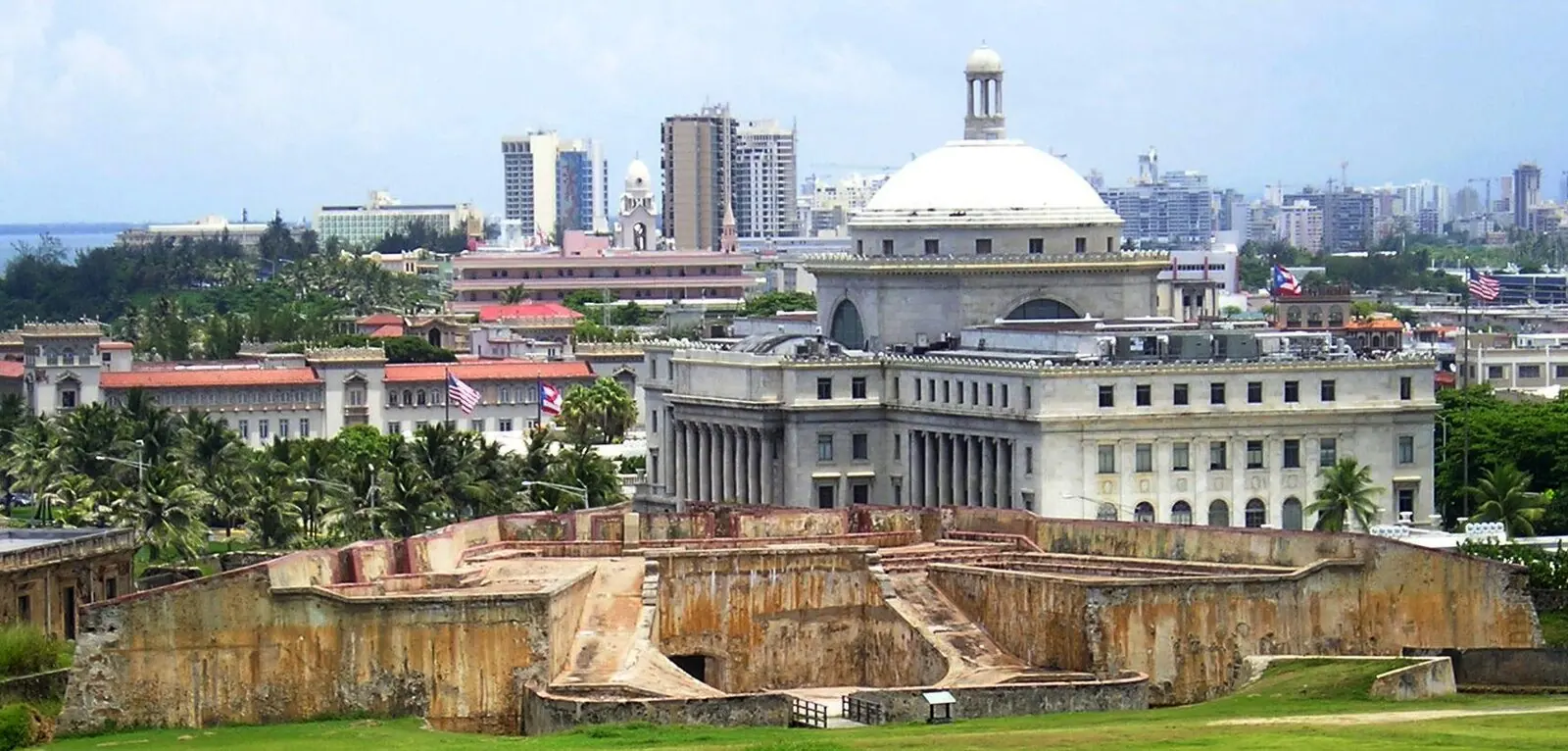
Puerto Rico is small enough to drive across in a morning and varied enough to feel like several islands stitched together — and the season you pick decides which version you get. Choose well and you'll have El Morro almost to yourself, a room in Old San Juan at a sane rate, and warm water in January. Choose blindly and you'll pay peak prices for a rainy week in a shuttered beach town.
The Short Answer: Puerto Rico's Three Travel Seasons
Puerto Rico runs warm year-round — coastal highs sit between roughly 78°F and 88°F in every month — so the question is not whether it will be beach weather, but how much rain, wind and crowds you're willing to trade for a lower rate. The island divides into three practical seasons: the dry, busy stretch from mid-December through April; a sweet-spot shoulder from late April into June; and the long, hot, storm-watch months from July through November, which hide both the cheapest rooms and the greatest risk.
The single best window for most travellers is the first three weeks of May. The winter crowds have gone home, hotel rates in Condado, Isla Verde and Old San Juan drop noticeably, the sea is bath-warm, and the heavy rains that soak the island from August onward haven't fully arrived. If you want guaranteed blue skies and don't mind paying for them, aim for February or March — but book three to six months out, because Puerto Rico's peak season is short and the good rooms sell out first.
Peak Season: December to April, Sun Guaranteed
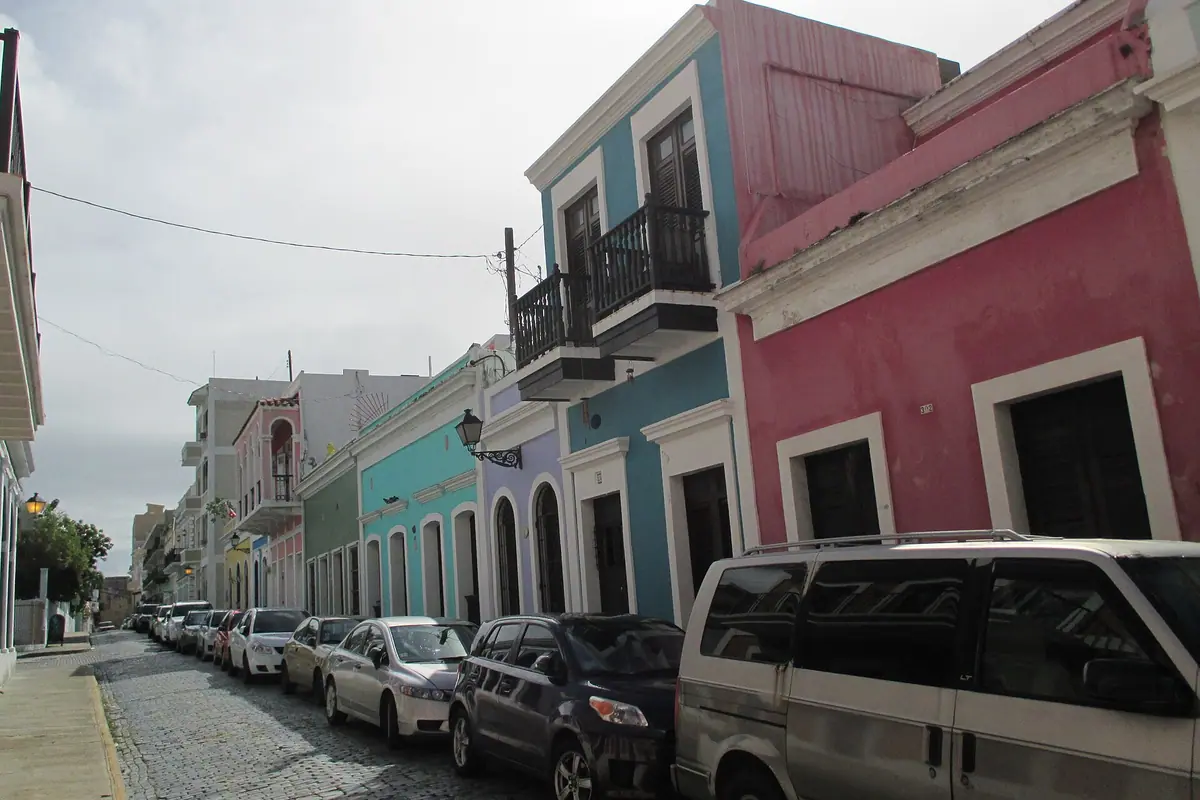
This is the island at its most reliable. Trade winds keep the north coast comfortable, the Atlantic is calm enough for swimming at Luquillo and Ocean Park, and rain showers tend to be brief afternoon affairs rather than all-day washouts. It is also when Puerto Rico celebrates hardest. The Christmas season here is famously long, running from late November into mid-January, and the Fiestas de la Calle San Sebastián turn the blue cobblestones of Old San Juan into four days of music, artisans and street food each January. Ponce's Carnival, with its vejigante masks and parades, lands in February.
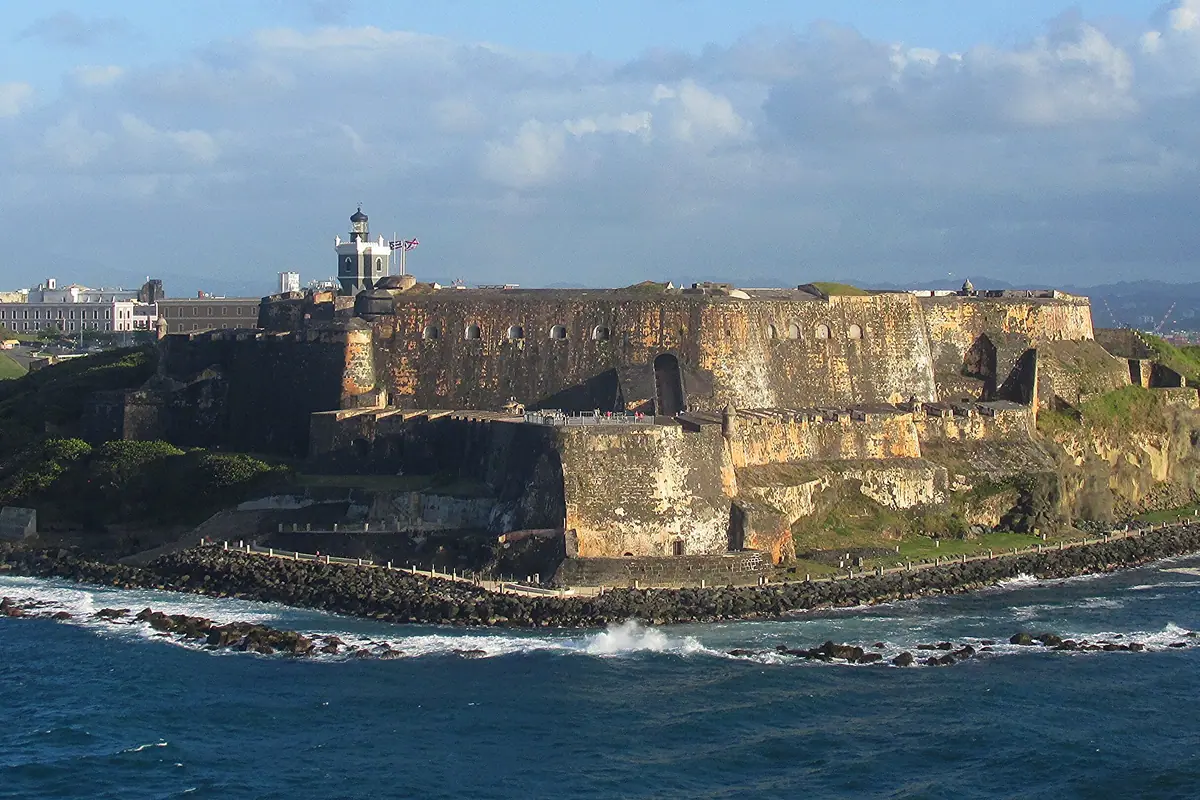
Base yourself in Old San Juan if you want to walk to the action: the cathedral, the Paseo de la Princesa, the brightly painted facades of Calle Fortaleza and both forts — Castillo San Felipe del Morro with its lighthouse and vast green lawn, and Castillo San Cristóbal, the largest fortification the Spanish built in the Americas — are all on foot from the historic quarter's small inns and boutique hotels. Families and resort-goers tend to prefer Condado, Isla Verde or the golf-and-beach complexes around Río Grande, an hour east, where the rainforest edge begins.
Be aware of the calendar's pressure points. The weeks around Christmas and New Year, the San Sebastián festival weekend, and the Easter run-up are the three moments when inventory vanishes and rates spike; a modest guesthouse can cost more than a beachfront suite in September. Reserve refundable rates early, and if you're dreaming of a small guesthouse on Vieques or Culebra — the islands of Mosquito Bay's glowing water and Playa Flamenco — book the ferry-friendly dates and your room in the same sitting, because both fill months ahead.
The Value Window: Late April Through June
Late spring is when Puerto Rico quietly becomes the bargain it never quite is in winter. Air and sea temperatures are at their most pleasant, the trade winds still blow, and the afternoon showers that build over the central mountains are short. Hotel rates in San Juan fall by a third or more compared with February, and the resorts along the northeast coast start offering packages precisely because they're no longer full.
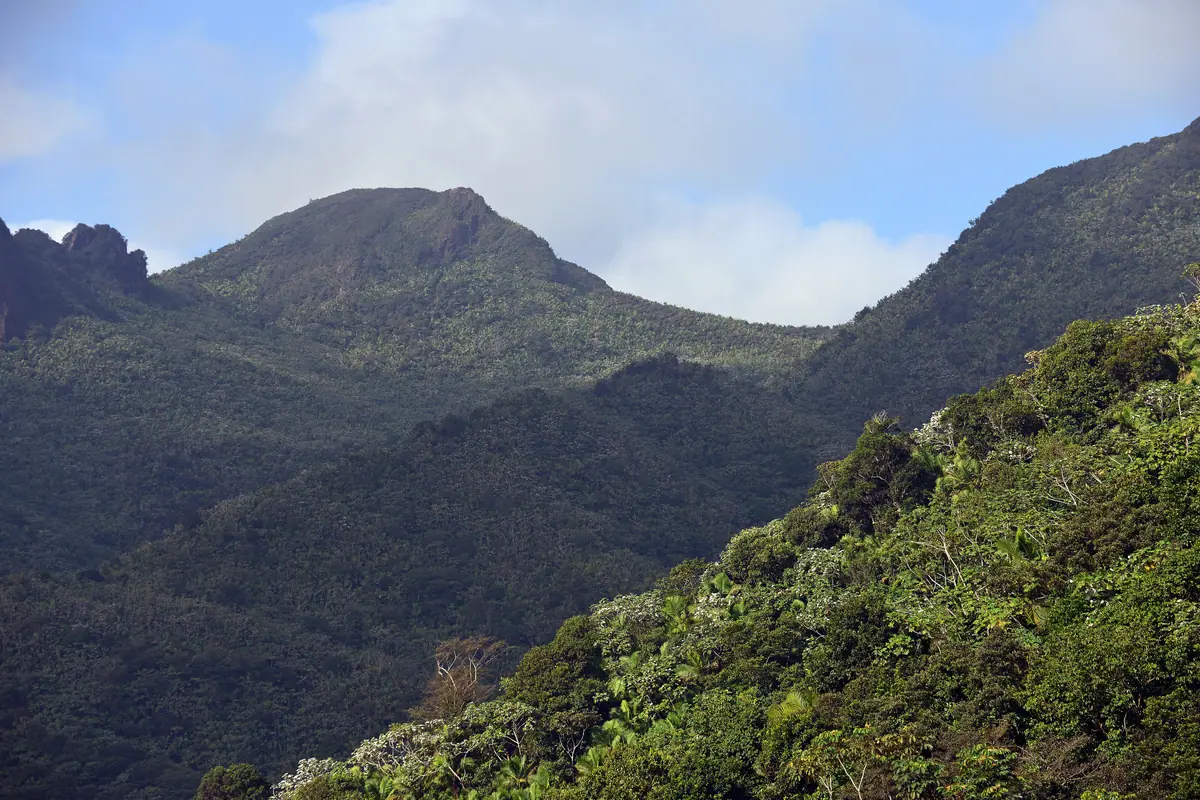
It's also the ideal season for the island's outdoor landmarks. El Yunque National Forest, the only tropical rainforest in the U.S. forest system, is lush and loud with coquí frogs after spring rain, and its trails to La Mina Falls and the Yokahú Tower are far less crowded than in January. This is the moment for the drive west to Cueva Ventana in Arecibo, where a cave mouth frames a sheer green valley, or for a zipline run over the karst hills near Toro Verde. Surfers should note that the big winter swells on the west coast at Rincón have faded by now — beginners actually get friendlier waves at Jobos and Maria's in spring.
One caveat: this is also the season when sargassum seaweed can drift onto exposed east- and south-facing beaches. If you're booking a hotel specifically for its patch of sand, ask whether the property rakes daily, or choose a north-coast or bay-side address where the weed is rarely an issue.
Summer and Storm Season: July to November
Summer in Puerto Rico is hot, humid and full of local life — beach festivals, bomba and plena drumming, and the island's own holiday crowds rather than visitors'. It is also the cheapest time to stay somewhere lovely, with rates at their annual low from September through early November. The trade-off is the Atlantic hurricane season, which officially runs from June 1 to November 30 and statistically peaks from mid-August through October.
If you travel in these months, build your trip around flexibility. Book refundable rates, take travel insurance that covers weather disruption, and keep an eye on forecasts in the week before you fly — the island's infrastructure has improved enormously, but a direct hit can still mean cancelled flights and closed ferries to Vieques and Culebra. Choose a hotel with a generator and a backup water supply if you're visiting in September or October.
Summer has genuine rewards, though. This is prime time for the south and southwest, which stay noticeably drier than the north coast: the colonial streets of Ponce and its Museo de Arte de Ponce, the lighthouse and salt flats of Cabo Rojo, the dry forest at Guánica, and the mangrove channels and glowing waters around La Parguera. The bioluminescent bays at Mosquito Bay on Vieques and Laguna Grande in Fajardo are at their most dazzling on dark, moonless nights, so plan around the new moon rather than the calendar month.
How Your Choice of Base Changes the Season
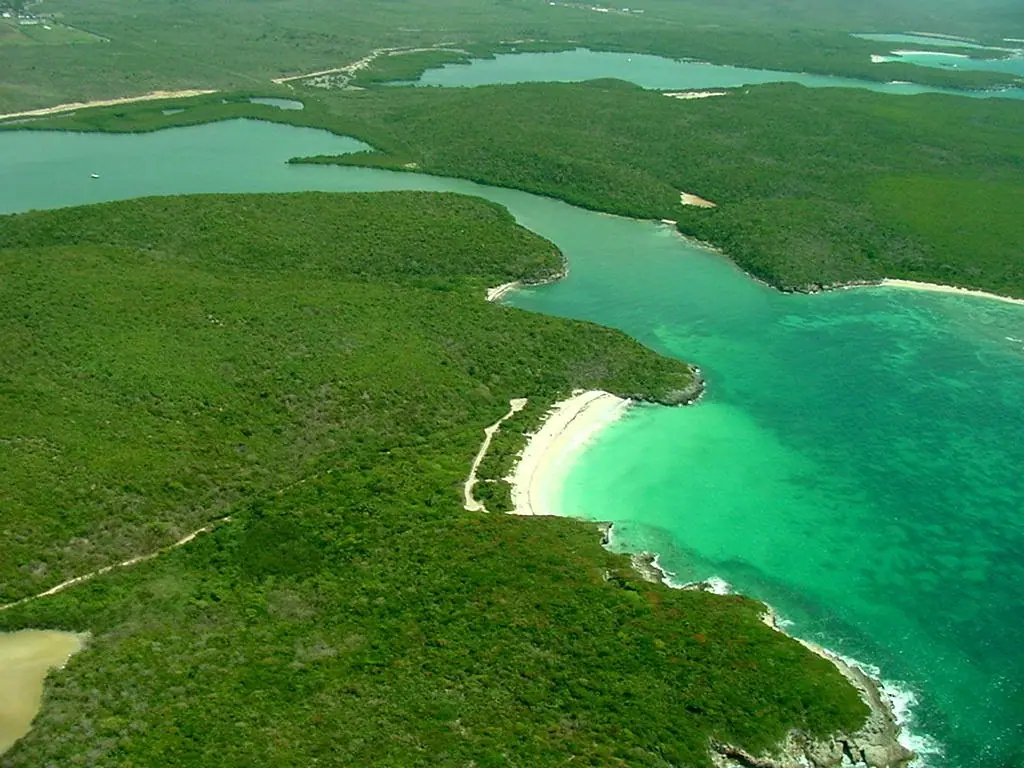
Puerto Rico packs several microclimates into 100 miles, and where you sleep matters as much as when you go. The north coast — San Juan, Dorado, Luquillo, the approach to El Yunque — is the wettest, catching moisture-laden trade winds year-round; rain here is frequent but usually brief. The south coast around Ponce and Guánica is distinctly drier and sunnier, which makes it a smart winter alternative when the north is drizzling.
The west coast marches to a different rhythm entirely. Rincón, Aguadilla and Isabela live for the winter swell, roughly November through February, when surfers descend and clifftop guesthouses fill with them; by June the same beaches at Crash Boat and Jobos are calm, family-friendly and cheap. The offshore islands have their own patterns too: Culebra and Vieques are breeziest and most pleasant from December to April, though wind can occasionally scrub a ferry crossing.
In practice, this means the 'best' month depends on your itinerary. A rainforest-and-fort city break works beautifully in May. A pure beach-and-surf trip belongs in winter on the west coast or in the dry south. A budget-conscious escape that mixes colonial towns with mangroves and reefs is best saved for September or early October, when you accept some weather risk in exchange for half-price rooms.
Month-by-Month Cheat Sheet and Booking Tactics
January and February bring the finest weather, the highest rates and the biggest festivals; March and April stay dry but begin to soften in price, with Easter week as the last real spike. May and June are the connoisseur's months — warm sea, low crowds, moderate prices — while July and August are hot, busy with local holidaymakers and increasingly wet. September, October and November are the cheapest and quietest, with the greatest storm risk, and early December offers a short, underrated lull before the Christmas rush begins.
A few practical notes that save real money and frustration. Puerto Rico is a U.S. territory using the U.S. dollar, so travellers from the mainland need no passport and no currency exchange, and phones work as normal; the island keeps Atlantic Standard Time year-round and does not observe daylight saving, which means it sits an hour ahead of U.S. Eastern Time in winter. Rental cars are scarce and expensive in peak season, so reserve one with your room rather than on arrival, and if your plans include Vieques or Culebra, book ferry or small-aircraft seats the moment your dates are fixed.
Finally, match your hotel to your reason for coming. Old San Juan rewards walkers who want forts, cathedral bells and nightlife at the doorstep. Condado and Isla Verde suit people who want a beach across the road and restaurants a short stroll away. The northeast resort belt around Río Grande is for families and golfers who want rainforest and El Yunque on the doorstep. And the small inns of Rincón, Ponce and the offshore islands reward anyone willing to plan a season ahead.
Frequently asked questions
What is the best month to visit Puerto Rico?
Early to mid-May offers the best balance: warm seas, low rainfall compared with late summer, thinner crowds and hotel rates well below the December-to-April peak. February and March have the most reliable sunshine if budget is less of a concern.
When is hurricane season in Puerto Rico, and should I avoid it?
The Atlantic hurricane season runs from June 1 to November 30 and peaks from mid-August through October. Many travellers still visit in September and October for the lowest room rates, but you should book refundable reservations, carry weather-covering insurance and stay flexible about ferry crossings to Vieques and Culebra.
Is Puerto Rico worth visiting in the summer?
Yes, particularly the south and west. Ponce, Cabo Rojo, Guánica and La Parguera stay drier than the north coast, and the bioluminescent bays at Mosquito Bay and Laguna Grande glow brightest on dark, moonless summer nights. Expect heat, humidity and lower hotel prices.
How far ahead should I book a hotel in Puerto Rico?
For the December-to-April high season, especially the Christmas period, the San Sebastián festival in Old San Juan and Easter week, book three to six months ahead. Shoulder-season trips in May, June and early December can often be booked a few weeks out, though small guesthouses on Vieques, Culebra and Rincón still fill early.
Which part of Puerto Rico is best for a winter beach holiday?
The northeast around Luquillo and Río Grande and the San Juan districts of Condado and Isla Verde are the classic winter choices, while the west coast at Rincón and Isabela draws surfers from November to February. Culebra's Playa Flamenco and Vieques are breeziest and most enjoyable between December and April.
Plan it — hotels in Puerto Rico
Live search, booked directly with trusted providers.
Sort the rest of your trip
Everything for Puerto Rico, in one place
Transfer in Puerto Rico
Private driver waiting on arrival — no queues, no surprises.
Book a transfer
Things to do in Puerto Rico
Skip-the-line tickets, guided tours and standout experiences.
See experiences
Stay online in Puerto Rico
Travel eSIM — data the moment you land, no roaming bills.
Get an eSIMMore guides in Puerto Rico
1 Week in Puerto Rico: An Island-Hopping Itinerary by Air, Sea and Road
Where to Stay in Puerto Rico: Top Areas, Hotels and Must-See Sights
Best Places to Visit in Puerto Rico: Forts, Rainforest, Glowing Bays and Surf Coast
Top Things to Do in Puerto Rico: Landmarks, Beaches and Rainforest Adventures