Palau arrives in fragments: a jungle-capped limestone peak sliding past the boat, a stingless jellyfish drifting like a slow heartbeat, a coral wall dropping away into indigo. This scatter of several hundred islands in the western Pacific manages to fit world-class diving, a World War II battlefield, ancient stone monuments and one of the planet's strangest swims into a country you can drive across in an afternoon.
The Rock Islands Southern Lagoon: Mushroom Islets, Hidden Lagoons and Clam Gardens
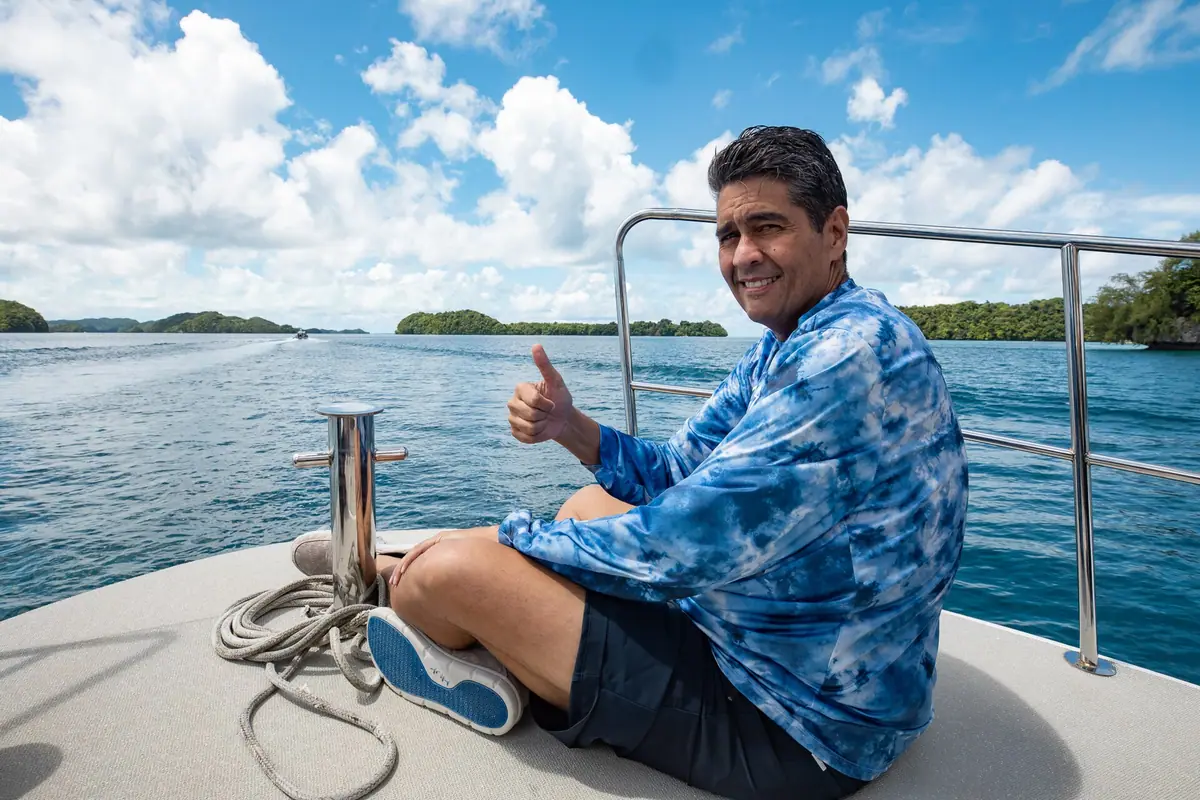
The signature image of Palau is the Rock Islands: several hundred uninhabited limestone islets, undercut by tide and weather until they look like green mushrooms floating on turquoise. The southern half of this maze was inscribed as a World Heritage site in 2012 for its reefs, lagoons and the sheer density of marine life. Almost everything worth seeing here is reached by boat, which means most travellers base themselves in Koror and take day trips that leave the marinas around 8 or 9am and return by late afternoon — six to eight hours on the water, with three or four snorkel stops built in.
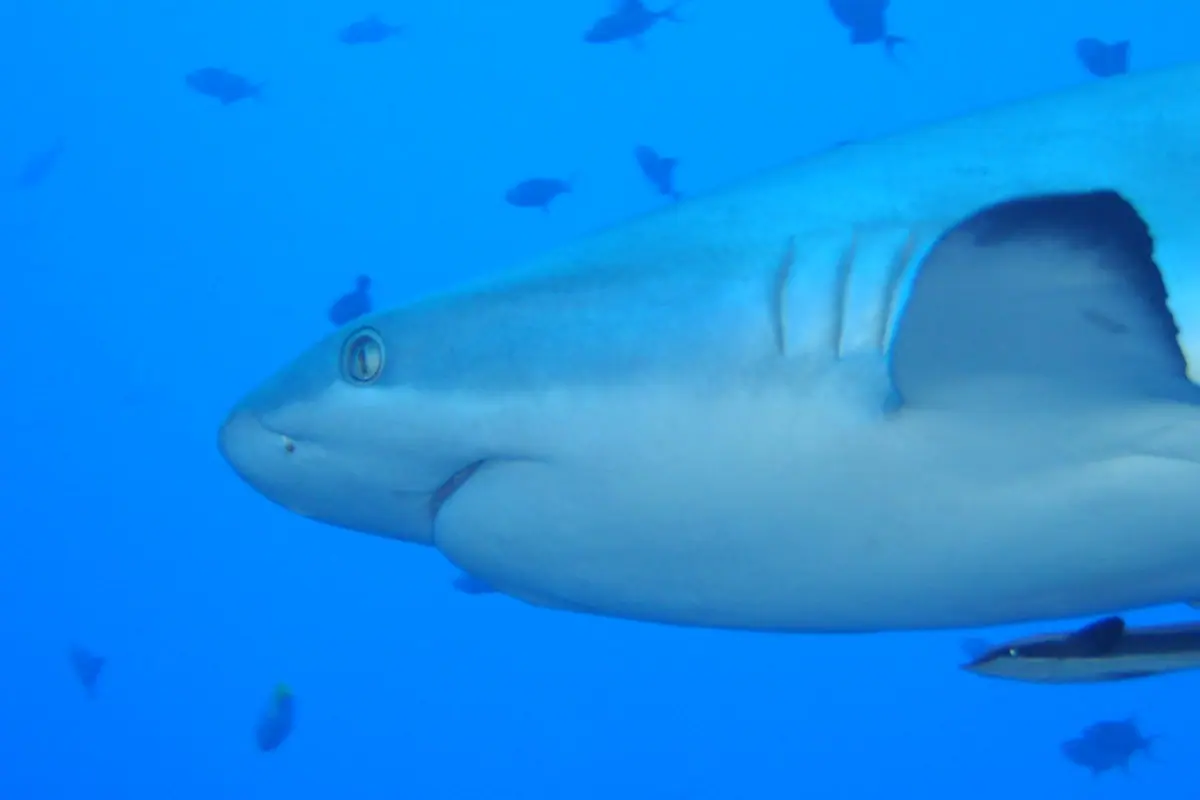
Where you stop matters. Clam City is a shallow coral garden scattered with giant clams whose mantles flash electric blue and green. Shark City delivers exactly what its name promises, with whitetip and blacktip reef sharks cruising the sandy bottom in water shallow enough to stand in at low tide. Soft Coral Arch and Lighthouse Channel are gentler reef stops, while the shallow plateau of the Big Drop Off lets snorkellers hover above a wall that plunges far beyond anything they can see.
Kayaking turns the same scenery into something quieter. Rentals and guided paddles launch from Koror and from liveaboard boats, threading through Nikko Bay and the inlets around Ngeruktabel, where frigatebirds nest and the only sound is water slapping against rock. Note that a Rock Islands permit, bought in Koror, is required for most of these sites and is checked by rangers on the water; buy it before you leave town rather than assuming your boat operator has sorted it.
Blue Corner, Blue Holes and German Channel: Palau's Legendary Dive Sites
Blue Corner is the dive that pulls people across the world. A coral plateau at roughly 15 to 20 metres ends in a sheer drop into open ocean, and divers hook onto the reef edge and hang there while grey reef sharks, Napoleon wrasse, big-eye trevally and tornadoes of barracuda sweep past in the current. It is an advanced site — the current can rip, and you need a reef hook and a surface marker — but the payoff is one of the great pelagic spectacles of the Pacific. The action peaks between January and April, when spawning aggregations draw sharks and snappers in numbers.
A short swim away, the Big Drop Off starts in knee-deep water and falls away for hundreds of metres, its wall furred with soft corals and patrolled by hawksbill turtles. German Channel, dredged during the German colonial era, is the country's manta cleaning station: station yourself on the sandy floor near the coral heads and wait for mantas to glide in on the incoming tide, most reliably from December through April. Blue Holes opens into the same wall system via four caverns and vertical shafts, and the nearby Siaes Tunnel is a coral-encrusted tube that spits divers out onto a sheer corner.
Two more add variety. Chandelier Cave is a cavern dive with four air chambers where you can surface inside the rock and look up at dripping stalactites. For wreck fans, the shallow Japanese supply ship Iro Maru sits inside the lagoon with its deck within easy reach of open-water divers. Visibility typically runs 20 to 40 metres, water stays around 27 to 30°C all year, and a 3mm suit is plenty.
Jellyfish Lake and the Milky Way: Palau's Strangest Swimming Holes
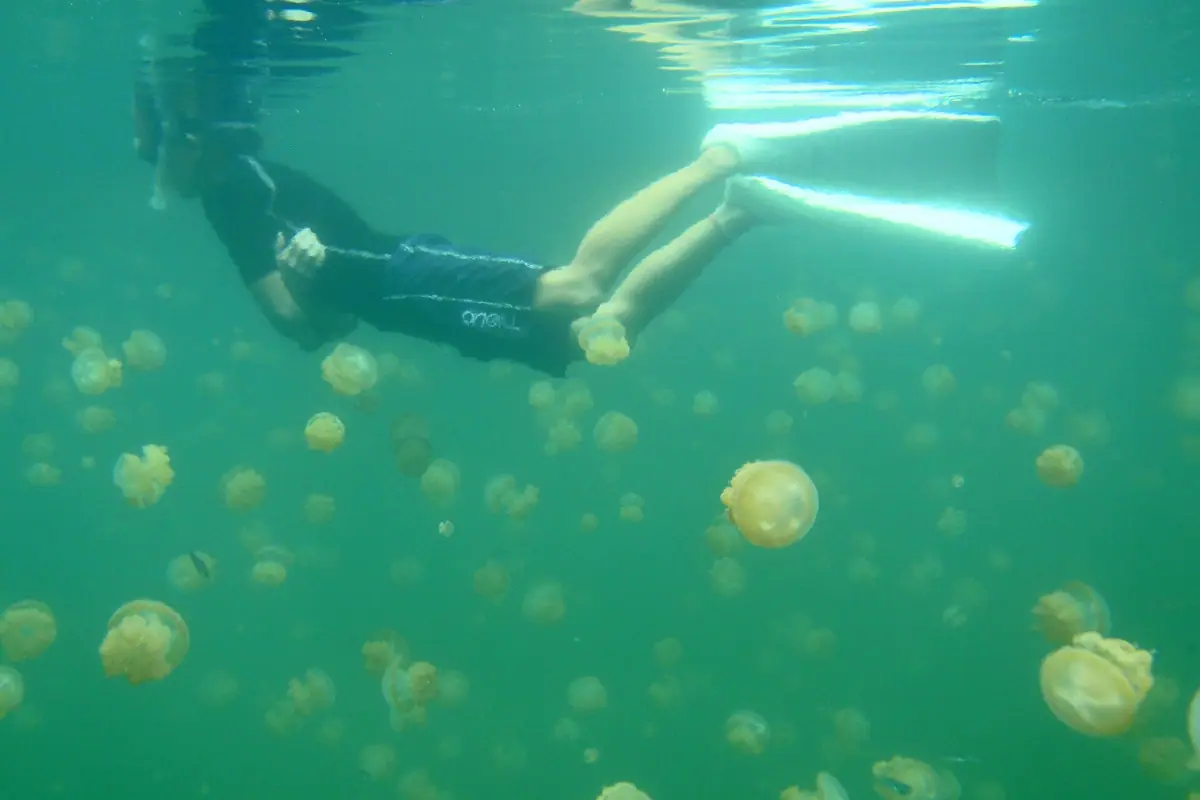
Jellyfish Lake — Ongeim'l Tketau — on Eil Malk island is the one experience that even non-divers talk about. A 45-minute boat ride from Koror, then a 10- to 15-minute uphill trail over the ridge, brings you to a marine lake cut off from the sea long ago, where golden jellyfish have evolved to be essentially harmless. They migrate across the lake each day, following the sun from one shaded edge to the other, and snorkelling among them while they pulse around you is genuinely otherworldly.
The rules here are strict and enforced: snorkelling only, no scuba, no fins, life jackets on, and never lift a jellyfish out of the water. Below about 15 metres the water turns anoxic and lifeless, which is why tanks are banned. The population rises and falls with drought and temperature cycles, so numbers vary from year to year, but the experience of drifting through the swarm remains.
The Milky Way is the second oddity, a shallow lagoon in the Rock Islands where boats stop for a natural mud bath. You scoop white limestone mud from the bottom and coat yourself in it, let it dry while you float, then rinse off in the surrounding water. It sounds gimmicky and is enormous fun. Both sites sit under the same Rock Islands permit system, and both sit under Palau's fierce sun, so bring reef-safe sunscreen — certain reef-toxic ingredients have been banned here since 2020.
Babeldaob by Road: Stone Monoliths, Ngardmau Waterfall and the Friendship Bridge
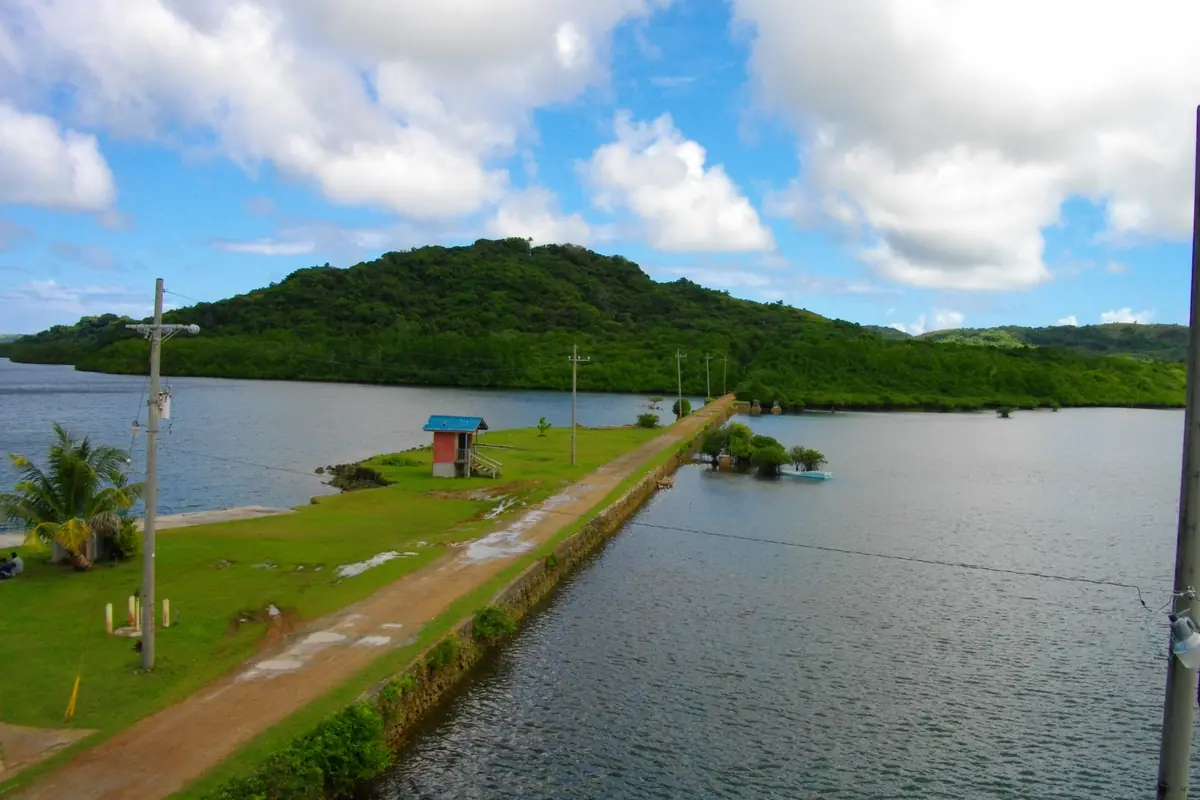
Babeldaob, the country's largest island, is the half of Palau most visitors skip, and it rewards anyone who rents a car. The Japan-Palau Friendship Bridge carries the road across from Koror in a single graceful span. Just on the far side, in Airai State, the restored Airai Bai is a traditional men's meetinghouse with a painted gable and storyboards, one of the best places to understand how Palauan villages were organised before the twentieth century rearranged everything.
At the northern tip, in Ngarchelong, the Badrulchau stone monoliths stand in a grassy clearing: 37 basalt pillars, several carved with faces, dated to roughly the first century. Nearby, Ngardmau Waterfall is the tallest in Palau at around 30 metres, reached by an hour's walk through forest or by a small hillside tram, with a cold plunge pool at the base that is exactly what you want after the humidity. In Melekeok, the domed Capitol complex at Ngerulmud sits on a hill above the coast — the country's capital, and a startling piece of architecture in a landscape of taro patches and palms.
The coastal highway loops right around Babeldaob and takes two to three hours to drive without stops, passing Long Beach in Ngaraard, a three-kilometre ribbon of white sand that is usually empty. Fill the tank in Koror before you set off, carry water, and remember that much of the land is clan-owned — stay on marked trails and ask before wandering onto someone's property.
Peleliu: Walking the Ridges of the Pacific War
Peleliu is the quietest battlefield you will ever visit. In 1944 it was the scene of one of the bloodiest campaigns of the Pacific War, fought over an airfield and a spine of coral ridges that soldiers nicknamed Bloody Nose Ridge. Today the Umurbrogol ridges are still honeycombed with bunkers, and rusted landing craft and artillery sit where they were left, half-swallowed by jungle. Walking the ridge trails in the heat, with ruins underfoot and no crowds, is a sobering few hours.
The main stops are the landing beaches — Orange Beach and White Beach — the old Japanese airfield, the Japanese command post, a small wartime museum, and the Peleliu Peace Memorial, which commemorates the dead of all sides. Sturdy shoes, plenty of water and a hat are essential; the limestone rubble is unforgiving and shade is scarce. Boats and small ferries cross from Koror's Malakal harbour, a trip of roughly an hour to an hour and a half, but schedules are limited, so most visitors either join a guided day trip or stay overnight and take their time.
Underwater, Peleliu is just as compelling. The island's outer walls — Peleliu Express and Peleliu Corner among them — deliver fast drift diving with sharks and big schools, while shallower sites offshore hold wartime wreckage in clear water. A separate Peleliu permit is required, and it is simplest to arrange it in Koror before you cross.
Koror Town, Culture and How to Plan Your Days in Palau
Koror is where everything begins and ends, and it deserves more than a transit stop. The Belau National Museum, founded in 1955, is the oldest of its kind in this part of the Pacific, with a traditional bai, carved storyboards and exhibits on Palau's matrilineal clan system and its colonial and wartime past. The Etpison Museum concentrates on Palauan craft and natural history, and the Palau International Coral Reef Center near Malakal pairs a small aquarium with reef research displays — a smart first stop before you get in the water.
Practicalities shape any itinerary. Every arriving visitor signs the Palau Pledge, a commitment to act respectfully toward the islands, and it is stamped into your passport — take it seriously, because the reef rules that follow (no standing on coral, no touching wildlife, no litter) are enforced. The country uses the US dollar, drives on the right, has no public bus system, and taxis are concentrated in Koror, so a rental car pays for itself if you plan a Babeldaob day.
Timing is everything. December through March brings the driest, calmest weather and the clearest water; January to April is the window for shark and snapper activity at Blue Corner and the most reliable manta sightings at German Channel. July to October is wetter, choppier and greener, with afternoon downpours but thinner crowds. Five to seven days is the sweet spot: three or four for the lagoon and diving, one for a Babeldaob loop, and one for Peleliu.
Frequently asked questions
How many days do you need in Palau?
Five to seven days covers it comfortably: three or four days of boat trips, snorkelling or diving in the Rock Islands, one full day driving around Babeldaob, and one long day on Peleliu. Divers often stretch to ten days to reach the outer walls and wrecks.
What is the best time of year to visit Palau?
December through March offers the driest weather, calmest seas and clearest visibility. If you want the big pelagic action, aim for January to April, when spawning aggregations concentrate sharks and snappers at Blue Corner and mantas visit German Channel more reliably.
Do I need permits to visit the Rock Islands or Peleliu?
Yes. A Rock Islands permit, purchased in Koror, covers Jellyfish Lake, the Milky Way and most snorkel and dive sites in the lagoon. Peleliu requires its own separate permit, also easiest to arrange in Koror before you cross.
Is Palau worth visiting if you don't dive?
Absolutely. Snorkelling in the Rock Islands, kayaking Nikko Bay, swimming in Jellyfish Lake and Ngardmau Waterfall, the stone monoliths on Babeldaob and the battlefield trails on Peleliu fill a week without a single tank.
What should I know before I go?
Expect to sign the Palau Pledge on arrival, use reef-safe sunscreen, and pay in US dollars. Bring cash for small villages, pack sturdy shoes for Peleliu, and remember that much of the land is clan-owned, so ask before leaving marked trails.
Plan it — experiences in Palau
Live search, booked directly with trusted providers.
Sort the rest of your trip
Everything for Palau, in one place

More guides in Palau
Palau in One Week: A 7-Day Itinerary of Flights, Rock Islands and Peleliu
The Best Time to Visit Palau: Seasons, Dive Windows and When to Book a Hotel
Best Places to Visit in Palau: Top Activities, Dives and Islands
Where to Stay in Palau: Hotels, Islands and Must-See Attractions