Palau rewrites the rules of a beach holiday: here the calendar is measured in wind direction, swell and rain squalls rather than in degrees, because the sea decides what you see. Choose your weeks well and the Rock Islands turn glassy, Blue Corner pulses with sharks, and your room in Koror costs a fraction of what it does over New Year.
Palau's Seasons at a Glance: Wind, Rain and the Water You'll Be In
Palau sits barely seven degrees north of the equator, so the thermometer hardly moves all year. Air temperatures hold in the high twenties to low thirties Celsius, the sea stays a bath-like 28–29°C, and humidity is high in every month. What actually shifts is wind, rainfall and swell — and those three determine whether your boat reaches Blue Corner, whether the crossing to the Rock Islands is silky or bone-jarring, and whether you spend your afternoons watching a downpour from a balcony.
The drier stretch runs roughly December through April, when steady northeast trades keep the heaviest cloud away and the lagoon flattens out. May to November is wetter, with the most intense rain from July to October. Palau lies outside the main typhoon belt, so monstrous storms are rare, but wet-season downpours are short, loud and frequent.
Where you sleep shapes how much weather matters. Most rooms cluster in Koror and on causeway-linked Malakal, minutes from dive shops and a short boat ride from the Rock Islands Southern Lagoon. Fewer sit in Babeldaob's jungle, and a handful on Peleliu in the far south. A Koror base is brilliantly convenient in the dry season and a smart shelter in the wet, letting you switch between dives, museums and waterfall hikes when the sea turns grey.

December to April: The Prime Window for the Rock Islands and Blue Corner
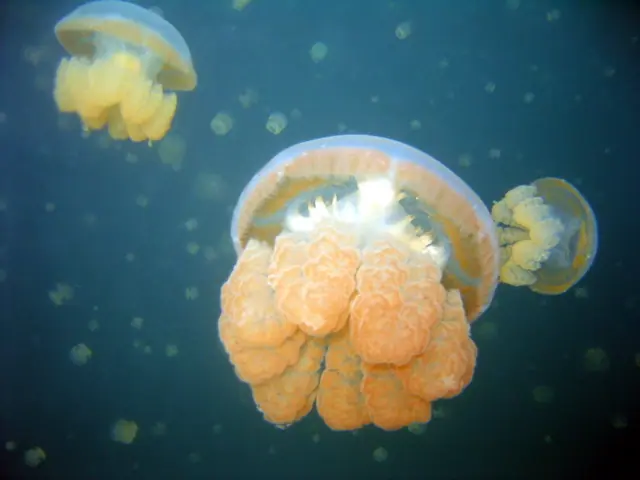
This is the classic Palau season and the one most first-time visitors should aim for. Calm seas, visibility that regularly stretches past 30 metres and long sunny days make it the best time for the headline sights: the mushroom-shaped islets of the Rock Islands Southern Lagoon, the milky limestone shallows of the Milky Way, the stingless jellyfish of Jellyfish Lake on Eil Malk, and the drift dives at Blue Corner, Blue Holes and the Big Drop Off. Mantas glide into cleaning stations near the German Channel, and Ulong Channel's coral gardens are at their most photogenic.
The trade-off is crowds and rates. Christmas and New Year, spring holiday weeks in Japan and Korea, and school breaks push waterfront rooms in Koror and Malakal to their yearly peak. For late December and early January, book three to six months ahead. Late January, February and March are calmer than the holidays yet still firmly dry — February is arguably the single best month for a first trip.
On land, the dry months are also the kindest for Peleliu's Second World War sites, including Bloody Nose Ridge, Orange Beach and the island's memorials, which are easier to reach when the boat crossing from Koror is smooth. Peleliu has only a small number of beds, so lock in both your southern stay and your Koror base early if you plan to combine them.
May to November: Lower Rates, Green Babeldaob and Waterfall Days
The wet season is not a washout. Rain tends to arrive as heavy afternoon or overnight bursts, leaving mornings bright enough for boats and beaches. Diving continues year-round, but exposed outer reefs and channels get choppier, so operators pivot to sheltered sites inside the lagoon, the wreck dives off Malakal and caverns such as Chandelier Cave. Hotel rates drop noticeably and you can often book only weeks ahead.
This is the season for Babeldaob, the big island that most visitors speed through on the airport road. Rain turns it lush: the jungle trail and plunge pool at Ngardmau Waterfall, the weathered basalt faces of the Badrulchau stone monoliths, the hilltop capitol at Melekeok, the quiet shore of Lake Ngardok and the long empty sand of Long Beach all reward a rental car and a slow day. Rooms near Airai and in the island's interior offer genuine quiet, though it pays to confirm a property is running at full service in the quietest weeks.
The true sweet spots are the shoulder months: late April to early June, and October to November. Seas are often settling as the winds change, rates sit below their peak, and the Rock Islands remain within easy reach. One caution for Jellyfish Lake — the jellyfish population has fluctuated sharply after drought years, so ask locally about current conditions before you commit to that permit.
Choosing Your Base: Koror, Malakal, Babeldaob or Peleliu
Koror is the country's hub and the default base for good reason. Hotels, guesthouses, dive shops and restaurants line its main street, the Belau National Museum and the Etpison Museum hold the country's finest storyboards and artefacts, and the Palau International Coral Reef Center sits right on the waterfront. Tour boats, ferries and liveaboard departures all leave from here, which matters when you are juggling tides and dive schedules.
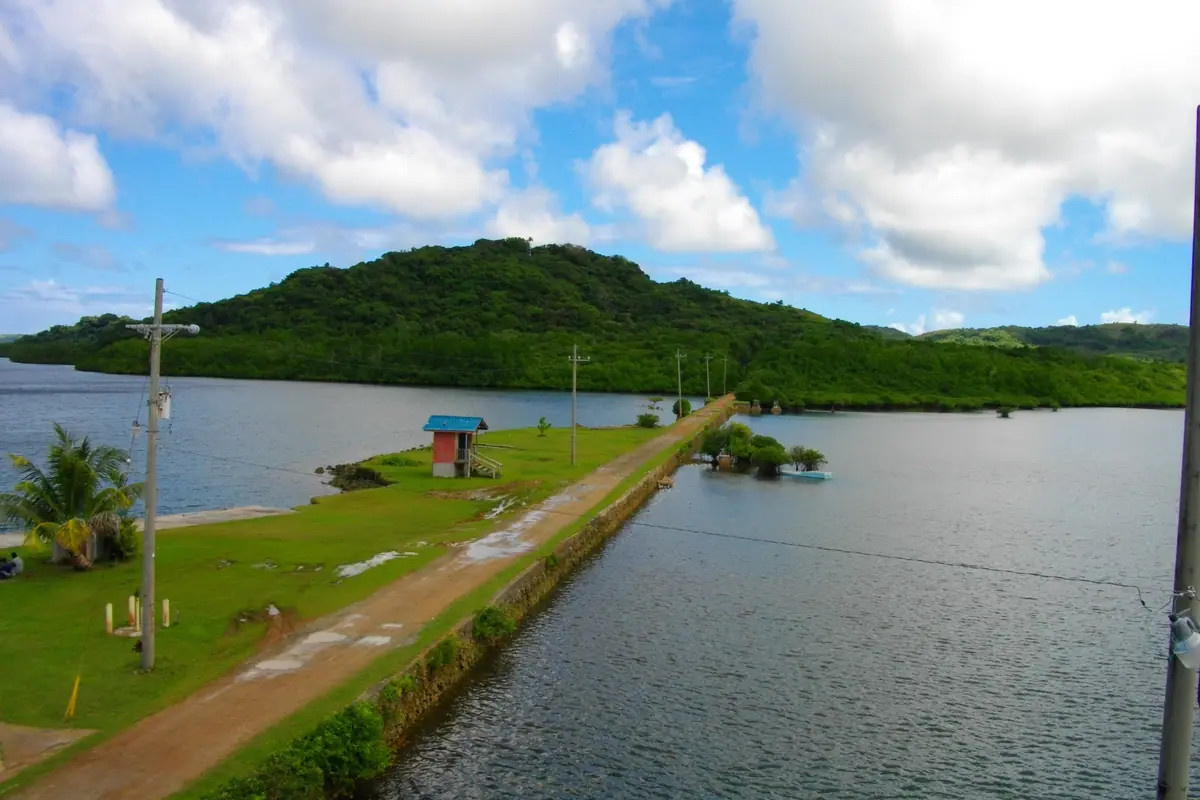
Malakal, joined to Koror by a causeway, is where many of the deepest-water resorts and harbours sit, with sunset views straight across the lagoon and quick access to liveaboard piers. Stay here if you want to wake up looking at water and don't mind a short drive for dinner, or if your trip revolves around wreck diving and night crossings.
Babeldaob suits travellers with a rental car, a taste for jungle and an interest in Palauan culture — it is also closest to the airport. Peleliu is a different trip entirely: reached by a roughly 45-minute boat ride or a short flight south, it offers Bloody Nose Ridge, Orange Beach and the Peleliu Peace Memorial, plus very few rooms. Two nights there, booked well ahead, add real depth to a Palau itinerary.
Festivals, Dive Calendars and the Weeks That Fill Every Room
National holidays add spikes to an already seasonal market. Constitution Day on 9 July and Independence Day on 1 October bring parades, canoe races and cultural fairs to Koror, filling local guesthouses with visiting families. Mid-September sees commemorations of the 1944 Battle of Peleliu, when historians, divers and descendants of veterans converge on the south, straining the island's limited lodging.
Underwater conditions move with tides and moon phases rather than months. Blue Corner's currents are strongest on a running tide, which is exactly when the reef sharks and trevallies show up; Jellyfish Lake is at its best in flat morning light; German Channel's manta activity is most dependable through the dry season. Liveaboard berths are limited, so the December–April window sells out unusually early.
There is no truly bad month for hotels, but the choice is really between two moods. Pick February or March for the calmest crossings, clearest water and easiest access to the outer reefs. Pick August or September for the lowest rates, the greenest landscapes and the freedom to change plans when a squall rolls through.
Booking Smart: Timing, Permits and What to Pack
Match your booking window to your season. For December through April and any holiday week, reserve four to six months out; for shoulder months, two to three months is usually enough; in the wet season you can often decide a few weeks ahead. Rooms range from air-conditioned low-rise hotels with lagoon views to simple island bungalows where fans and rainwater are the norm, so read the details rather than assuming resort-style comfort everywhere.
Permits are part of the planning. Every arriving visitor signs the Palau Pledge, a promise to tread lightly that is stamped into your passport. The Rock Islands Southern Lagoon requires a permit, and Jellyfish Lake a separate one, both normally arranged through your tour or dive operator. An environmental fee is bundled into inbound airfares, and only reef-safe sunscreen formulations are allowed — leave the chemical stuff at home.
Pack a light rain shell rather than an umbrella, quick-drying clothing, a 3mm shorty or rash guard for long dives, reef shoes for the muddy Ngardmau trail and insect repellent for Babeldaob evenings. Bring a dry bag: the speedboat run from Koror into the Rock Islands takes roughly 30 to 45 minutes, and spray is guaranteed at least one way.
Frequently asked questions
What is the best month to visit Palau?
February and March offer the best balance: calm seas, visibility often beyond 30 metres, reliable sunshine and easier access to outer reefs like Blue Corner. Late January and early April are close behind, with slightly quieter hotels than the December holidays.
How far ahead should I book a hotel in Palau?
For December through April, and especially the New Year period and Japanese or Korean spring holidays, book four to six months ahead because Koror and Malakal waterfront rooms sell out. Shoulder months need two to three months, and the wet season can often be booked a few weeks in advance.
Is the rainy season a bad time to dive in Palau?
No. Diving runs all year, but from roughly June to October the exposed outer reefs and channels get choppier, so operators favour sheltered lagoon sites, the Malakal wrecks and caverns such as Chandelier Cave. You trade some visibility and calm seas for lower rates and emptier dive boats.
Where should I stay to visit the Rock Islands and Jellyfish Lake?
Koror and Malakal are the practical bases, since almost all boats to the Rock Islands Southern Lagoon, the Milky Way and Jellyfish Lake on Eil Malk leave from their harbours, and the ride takes only around 30 to 45 minutes.
Is an overnight stay on Peleliu worth it?
Yes, if Second World War history interests you. Bloody Nose Ridge, Orange Beach and the Peleliu Peace Memorial deserve unhurried time, and a night or two lets you see them outside the day-trip rush. Lodging is very limited, so book months ahead, particularly around mid-September commemorations.
Sort the rest of your trip
Everything for Palau, in one place
Transfer in Palau
Private driver waiting on arrival — no queues, no surprises.
Book a transfer
Things to do in Palau
Skip-the-line tickets, guided tours and standout experiences.
See experiences
Stay online in Palau
Travel eSIM — data the moment you land, no roaming bills.
Get an eSIMMore guides in Palau

Palau in One Week: A 7-Day Itinerary of Flights, Rock Islands and Peleliu

Top Things to Do in Palau: Rock Islands, Blue Corner and Peleliu

Best Places to Visit in Palau: Top Activities, Dives and Islands

Where to Stay in Palau: Hotels, Islands and Must-See Attractions