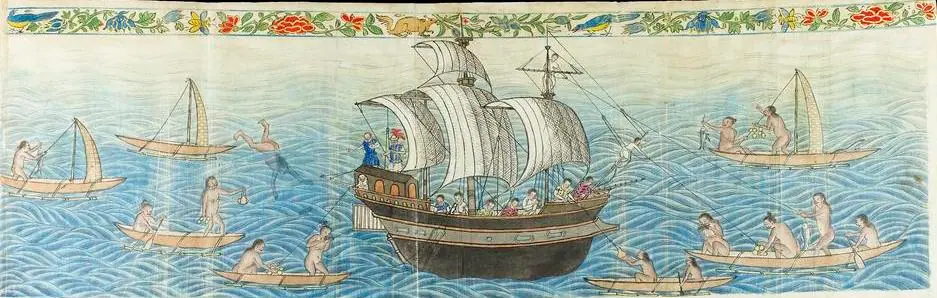
Palau is a scatter of more than 300 limestone islands and coral reefs in the western Pacific, small enough to cross by propeller plane in twenty minutes and rich enough to fill a week without a dull hour. This itinerary moves from the jungle runway of Babeldaob to the emerald Rock Islands and the battle-scarred beaches of Peleliu, mixing short island flights with long, slow days on the water.
Day 1: Land at Roman Tmetuchl Airport and Settle into Koror
Almost every visit to Palau begins the same way: wheels down at Roman Tmetuchl International Airport, the country's only international gateway, on the big island of Babeldaob. The terminal is small, warm and fringed with jungle, and arrivals move quickly. On entry you'll be handed the Palau Pledge, a stamped promise in your passport to treat the islands' culture and environment with care — a small ritual that sets the tone for the week. Within half an hour of clearing customs you can be in Koror, the country's commercial hub, after crossing the bridge that links Babeldaob to Koror Island.
Resist the urge to sleep off the flight. The Belau National Museum in Koror, the oldest museum in Micronesia, is the best single introduction to Palauan storyboards, bai architecture and the country's long history from a German and Japanese mandate era to independence. A short drive away, the Etpison Museum fills in the cultural detail with woven mats, shell money and model canoes, while the Palau Aquarium at the coral reef centre explains the reef system you're about to spend three days inside. Each takes an hour, and together they make the lagoon a much more legible place the next morning.
Finish the day gently: a walk through Long Island Park, where local families fish off the causeway at sunset, and a first dinner of reef fish, taro and coconut. Palau runs on United States dollars, English is widely spoken alongside Palauan, and clocks sit nine hours ahead of UTC, so an early night genuinely helps.
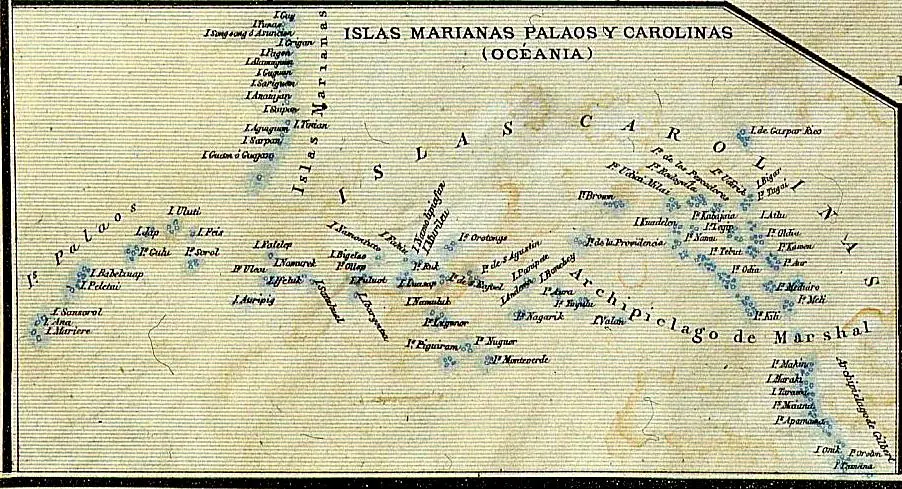
Days 2–3: The Rock Islands Southern Lagoon by Boat and by Air
The Rock Islands Southern Lagoon is the reason most travellers come, and it deserves at least two full days. Boats leave from the docks on Malakal Island, and every visitor needs a Koror State permit, checked at the jetty before departure. The classic day threads through mushroom-shaped limestone islets topped with dense green forest, stopping at the Milky Way, where swimmers smear white limestone mud over their skin, and at Clam City, a shallow garden of giant clams that grow here for decades. Ulong Island, one of the few where landing is allowed, hides ancient rock art and a superb beach for a picnic lunch.
The headline stop is Jellyfish Lake — Ongeim'l Tketau in Palauan — on the uninhabited island of Eil Malk. Snorkellers float among golden jellyfish that have evolved without stingers strong enough to harm humans; diving is forbidden, and the population visibly rises and falls with rainfall and drought cycles, so ask locally what the numbers are like this season. Nearby, the Seventy Islands form the Ngerukewid Islands Wildlife Preserve, a strictly protected cluster you can only view from the water, and Turtle Cove and Nikko Bay offer calm, bright snorkelling when the outer reef is choppy.
For a completely different read on the archipelago, take a scenic flight — a helicopter or a light aircraft — over the lagoon. Twenty to forty-five minutes in the air shows you the whole shape of the place: German Channel cut straight through the reef, the pale blue shallows of Blue Corner, and Jellyfish Lake folded into its island like a hidden bowl. Morning departures give the calmest air and the sharpest light.
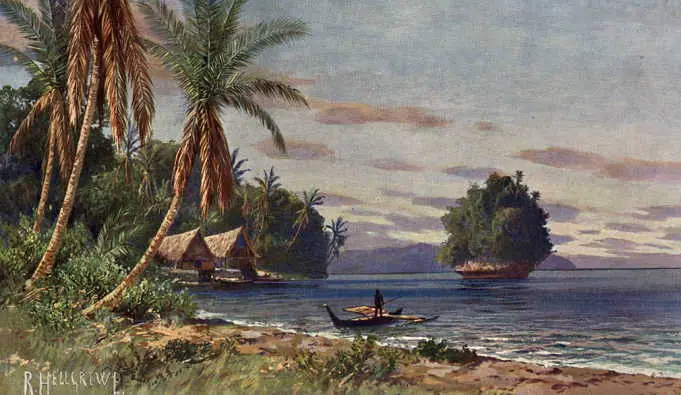
Day 4: A Twenty-Minute Flight to Peleliu
Peleliu is the one island most visitors reach by air, and the hop is part of the experience: a five- to eight-seat propeller plane lifting off from the main airport and circling south over reef flats before settling onto the old Japanese-era airstrip at the northern tip of the island. The flight takes roughly twenty to twenty-five minutes, luggage is limited to a soft bag of around ten to fifteen kilograms, and departures are usually in the morning. Strong crosswinds occasionally scrub flights, so build in flexibility — or take the one- to one-and-a-half-hour boat from Malakal instead, which is slower but rarely cancelled.
Peleliu is a place of extraordinary beauty and heavy memory. In 1944 it was the site of one of the Pacific war's bloodiest battles, and the island still holds the trenches, bunkers, coral-block ruins and rusting amphibious vehicles that tell that story. Walk Bloody Nose Ridge in the Umurbrogol hills, stand on Orange Beach and White Beach where landings took place, and visit the Japanese headquarters building and the memorials raised by both sides. The Peleliu Battlefield is a designated historic landmark, and the reef offshore is famously clear — a stark contrast to what happened on land.
Base yourself in Kloulklubed, the main village in the southwest, where small guesthouses and family-run eateries keep things simple. Afternoon boat trips reach Long Beach on the east coast, and if scheduled services are running, a further short flight lands you on Angaur, a quiet, low-lying island with phosphate-mining ruins and a Japanese cemetery.
Day 5: Babeldaob by Road — Waterfalls, Monoliths and the Capitol
Babeldaob holds more than two-thirds of Palau's land, and it is far emptier than most visitors expect. Rent a car in Koror, cross the bridge, and drive the ring road north through savannah, forest and villages where a bai — a traditional men's meeting house — still stands at Airai. The island is roughly an hour end to end, but the stops are what fill the day: a short, muddy trail into the jungle leads to Ngardmau Waterfall, the country's tallest, where you can wade in the pool beneath the cascade.
In the far north, in Ngarchelong, the Badrulchau Stone Monoliths stand in a grassy clearing facing the sea — carved basalt pillars, some with mysterious faces, left by an earlier culture. Nearby ridges climb to Mount Ngerchelchuus, the country's highest point, with views back across the reef to the Rock Islands. Further east in Melekeok, the domed Capitol building at Ngerulmud perches on a hilltop like a small capitol dropped into the jungle, an oddly grand sight in an island of a few hundred people.
Keep the pace slow. Roads are mostly paved but can flood after heavy rain, and rental agreements often exclude certain tracks, so ask before you turn off. A packed lunch, plenty of water and reef-safe sunscreen — the only kind sold locally — will carry you through the day.
Day 6: Diving and Snorkelling Palau's Famous Sites
Palau's reputation in the water rests on a handful of sites that even experienced divers arrive with high expectations for. Blue Corner is the classic: a submerged coral promontory where grey reef sharks, Napoleon wrasse and swirling schools of trevally ride a strong current that requires a reef hook and a bit of nerve. Down the reef, the German Channel's cleaning stations attract manta rays, and Blue Holes, Siaes Tunnel and Ulong Channel offer dramatic swim-throughs and coral gardens in calmer conditions.
Non-divers are not short-changed. Big Drop Off, Coral Gardens and the shallow reefs around Ulong and Ngerchong are excellent snorkelling, and Chandelier Cave, accessible to certified divers, is a submerged limestone cavern with stalactites and air chambers you can surface inside. The clearest water typically arrives in the dry season from December to April, when winds drop and visibility stretches far; the wetter months from May to October bring afternoon showers but also fewer boats and lush green islands.
Honest advice: currents here are real, and many of the marquee sites suit confident swimmers. If you're new to it, spend your first day in the lagoon with an instructor, build up, then save Blue Corner for the end of the week. Whatever you do, don't touch the coral and don't stand on the reef — this is a country that takes its marine protection seriously enough to have banned harmful sunscreens.
Day 7: Last Morning in Koror and the Flight Home
Departure days in Palau are slow by necessity: most international flights leave in the evening or late at night. Use the morning for what you skipped. Koror's Icebox Park is a scruffy, likeable waterfront spot to watch fishing boats come and go, the Palau International Coral Reef Center adds context to everything you've seen underwater, and the museum shops and carving stalls are the place to buy a storyboard or a carved turtle rather than an airport trinket.
If your flight is late, a half-day kayak or boat trip into Nikko Bay, with its maze of sheltered channels and limestone arches, is the perfect final taste of the lagoon — no current, no crowds, just green water and birdsong. Leave at least two hours of buffer for the drive to the airport on Babeldaob, check-in and the environmental departure formalities, which are usually bundled into the cost of your ticket.
Then comes the best parting gift Palau offers: the takeoff. From the window you get the entire map at once — the bridge to Koror, the scattered Rock Islands, the reef line where the lagoon drops into deep blue, and Peleliu sitting on the horizon. A week covers the essentials; ten days lets you add Angaur, more time on Babeldaob and a second pass at the outer reefs.
Frequently asked questions
Do I need to book internal flights in Palau?
Only if you're visiting Peleliu or Angaur. The Rock Islands, Jellyfish Lake and the main dive sites are all reached by boat from Koror, and Babeldaob is driven via the bridge and ring road. Flights to Peleliu take about twenty to twenty-five minutes from the main airport and are usually morning departures with strict baggage limits, so book ahead and keep your plans flexible for wind cancellations.
What is the best time of year to visit Palau?
December to April is the dry season, with calmer seas, the best underwater visibility and the most reliable boat schedules. May to October is wetter and more humid, with frequent short downpours but fewer visitors and still excellent diving. Palau sits largely outside the main typhoon belt, though storms can occur, so travel insurance is worth having year-round.
Which permits and fees do I need for Palau?
A Koror State permit is required for the Rock Islands and Jellyfish Lake and is checked at the dock before you board. Peleliu charges its own state entry fee, and individual sites such as Ngardmau Waterfall have small admission charges. A national environmental departure fee is normally collected as part of your international airfare rather than in cash at the airport.
Is Jellyfish Lake still worth visiting?
Yes, when the population is healthy. The golden jellyfish numbers rise and fall with rainfall and drought cycles, so ask at the jetty or your guesthouse what conditions are like during your stay. Snorkelling is allowed, scuba diving is not, and you must stay on the surface and keep a gentle distance from the jellies.
How many days do you need in Palau?
Seven days is enough for Koror, two full days in the Rock Islands lagoon and an overnight on Peleliu. Ten days to two weeks lets you add Angaur, explore Babeldaob's waterfalls and stone monoliths properly, and spend several days diving the outer reef sites such as Blue Corner and the German Channel without rushing.
Sort the rest of your trip
Everything for Palau, in one place

More guides in Palau

Top Things to Do in Palau: Rock Islands, Blue Corner and Peleliu

The Best Time to Visit Palau: Seasons, Dive Windows and When to Book a Hotel

Best Places to Visit in Palau: Top Activities, Dives and Islands

Where to Stay in Palau: Hotels, Islands and Must-See Attractions