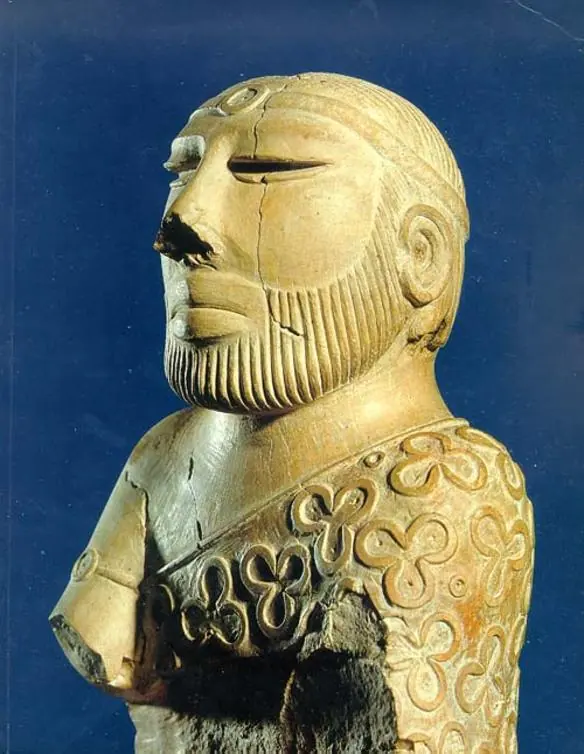
Pakistan compresses an improbable amount of world into one country: glazed Mughal mosques, drowned silk-road valleys beneath 7,000-metre peaks, and cities that were ancient when Rome was young. It rewards travellers who come for the mountains and stay for the hospitality, the fort-lined deserts and the food streets that only come alive after dark.
Lahore: Mughal Masterpieces and the Walled City
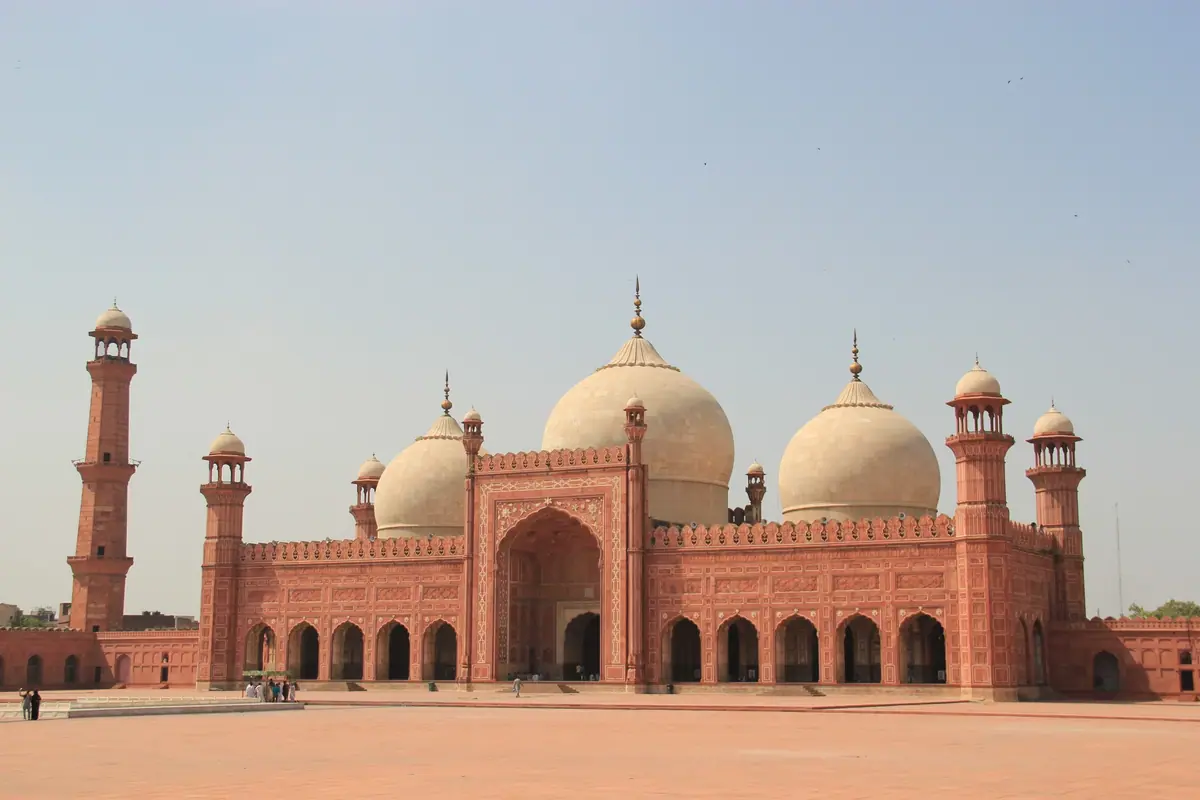
Lahore is where most travellers' love affair with Pakistan begins, and the Badshahi Mosque is the reason. Built from red sandstone and inlaid with white marble under the Mughal emperor Aurangzeb, its courtyard can hold tens of thousands of worshippers and feels almost like a plaza with a horizon. Come in the late afternoon, when the light turns the sandstone to honey and the call to prayer rolls across the old city, then walk the few steps to the Lahore Fort next door. Inside the fort, do not rush past the Sheesh Mahal, whose mirrored ceilings once threw candlelight around entire rooms, or the Naulakha Pavilion and the Alamgiri Gate facing the mosque across the lawns.
The walled city itself is the second act. Wazir Khan Mosque, hidden at the end of a bazaar lane near Delhi Gate, wears the finest tilework in the country, a mosaic of cypress trees, calligraphy and Persian blues that rewards a slow half-hour of looking. From there, wander Anarkali Bazaar for embroidered fabrics and brass, and Minar-e-Pakistan in Iqbal Park, the petal-shaped tower marking the site of the 1940 resolution that shaped modern Pakistan. A short ride east brings you to the Shalimar Gardens, a UNESCO-listed Mughal pleasure garden laid out in three descending terraces of water channels and fountains.
Plan at least two full days here, and keep an evening free for the Wagah border ceremony outside the city, where soldiers from both sides of the frontier stage a closing-of-the-gates ritual that is part theatre, part spectacle; arrive an hour or two early for a seat. Best months for Lahore are October to March, when the plains cool and the food streets of Gawalmandi and the old city serve nihari, paya and grilled meats late into the night. Summer heat from May to July is brutal, and monsoon humidity follows it.
Islamabad, Rawalpindi and the Buddhist Ruins of Taxila
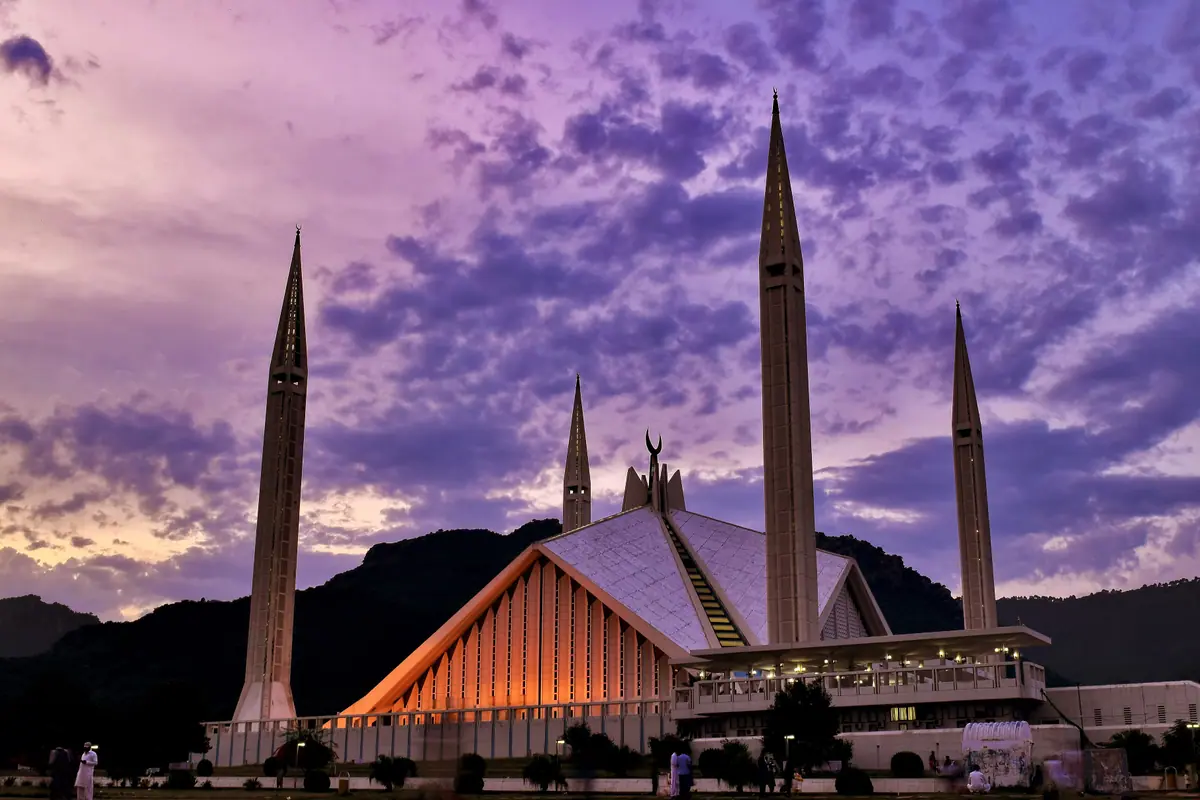
Islamabad is a young capital with an unusually photogenic centrepiece. The Faisal Mosque, designed as a desert tent with four slender minarets, sits against the Margalla Hills and is open to non-worshipping visitors outside prayer times as long as you dress modestly and remove your shoes. Above the city, the viewpoints at Daman-e-Koh and Pir Sohawa look out over the whole grid, and the Margalla Hills trails, especially the popular Trail 5, offer a genuine half-day hike with monkeys, buzzards and a café at the top. The Pakistan Monument and the adjoining folk museum on Shakarparian hill are an easy, worthwhile pairing.
Rawalpindi, Islamabad's older twin, is where the capital gets its grit: Raja Bazaar is loud, crowded and endlessly interesting, good for a morning of wandering with a local guide. But the real historical draw near the city is Taxila, about a half-hour northwest, where the Gandharan civilisation left stupas, monasteries and a Greek-influenced city plan that together form a UNESCO World Heritage site. See the Dharmarajika Stupa, walk the streets of Sirkap, and drive up to the hilltop Jaulian monastery with its surviving stucco Buddhas; the site museum fills in the rest with coins, reliquaries and sculpture.
If you have an extra day, push west to the Katas Raj Temples, a Hindu temple complex wrapped around a sacred pool, and the vast Khewra Salt Mine, where galleries of pink and white rock salt are lit like a cathedral and a small mosque is built entirely of salt bricks. Spring, from March to April, is the sweet spot here, with wildflowers on the Margallas; October and November are crisp and clear. Monsoon months bring leeches to the forest trails, so wear long trousers and proper shoes if you hike then.
Hunza, Skardu and the Karakoram Giants
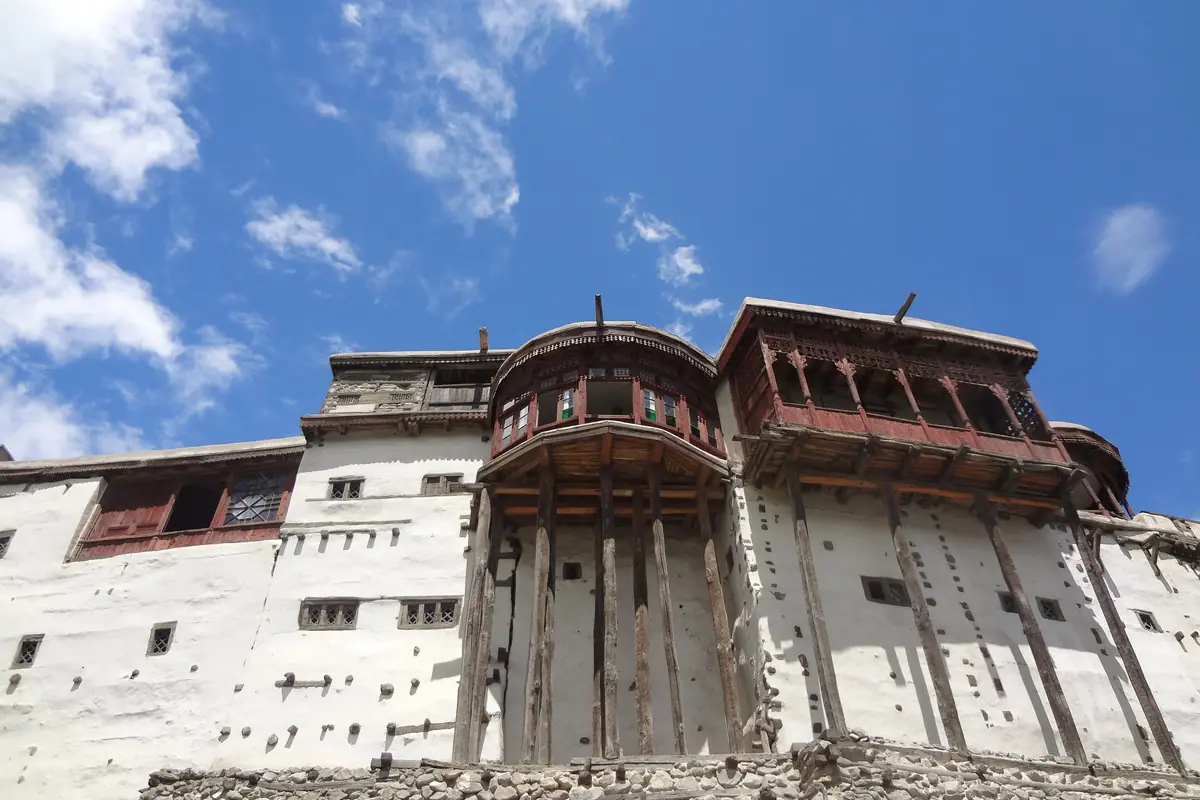
The north is the reason many people cross the world to reach Pakistan. The Karakoram Highway climbs from the plains through Besham and Chilas and eventually reaches Gilgit, a long but spectacular drive; a short domestic flight to Gilgit is faster, though morning departures are far more reliable than afternoon ones because of mountain weather. From Gilgit it is an hour or so to Hunza, whose capital Karimabad sits beneath the white wall of Rakaposhi. Climb to Baltit Fort, a restored Tibetan-style stronghold on the ridge above the bazaar, and walk down through the old settlement to Altit Fort, the older of the two. Sunrise from the Eagle's Nest viewpoint, when Rakaposhi and Ladyfinger Peak turn pink, is one of the great free shows on earth.
Continue north and the scenery keeps escalating: the turquoise water of Attabad Lake, formed when a landslide dammed the Hunza River in 2010; the tower of rock at Passu Cones; and finally the Khunjerab Pass on the Chinese border, one of the highest paved border crossings anywhere. That pass requires a permit arranged in advance and is only open roughly May to October. East of here, around Skardu, the Deosai National Park, known as the Land of Giants, is a rolling plateau above 4,000 metres that erupts into wildflower meadow in July and August, with Sheosar Lake at its heart. Nearby are the cold desert of Sarfaranga, the lakes at Upper Kachura and Shangrila, and the restored Shigar Fort.
For serious trekkers, this is the gateway to Fairy Meadows beneath Nanga Parbat and, for the very experienced, the long walk to Concordia below K2, which takes weeks and should only be attempted with a licensed local guiding outfit. Autumn, from mid-September to late October, is when Hunza's poplars and apricot trees turn gold and the crowds thin; summer is for the high passes. Give yourself time to acclimatise, since Karimabad alone sits at around 2,400 metres.
Swat, Chitral and the Khyber Country
West of the Karakoram, the valleys of Khyber Pakhtunkhwa offer a gentler, greener form of mountain travel. Swat, once a Buddhist heartland, still hides stupas and monastery mounds in its hills, and its main towns, Mingora and the ski slopes at Malam Jabba, make a comfortable base. In winter, Malam Jabba becomes Pakistan's most accessible ski area; in summer, the road pushes on to Kalam, the pine forests at Ushu and the still, cold water of Mahodand Lake. Further east, Saif-ul-Malook near Naran is the country's most photographed alpine lake, reached by jeep from Naran and at its best from July to September once the snow has cleared.
Chitral, further west again, is home to the Kalash people, whose three valleys, Bumburet, Rumbur and Birir, preserve a distinct pre-Islamic culture, colourful dress and seasonal festivals. Chilam Joshi in spring and the autumn festival in the Kalash valleys are the ones most visitors aim for. In July, the Shandur Polo Festival brings teams from Chitral and Gilgit to a grass pitch at roughly 3,700 metres, often described as the highest polo ground in the world. Chitral Fort and the views toward Trich Mir are the other draws.
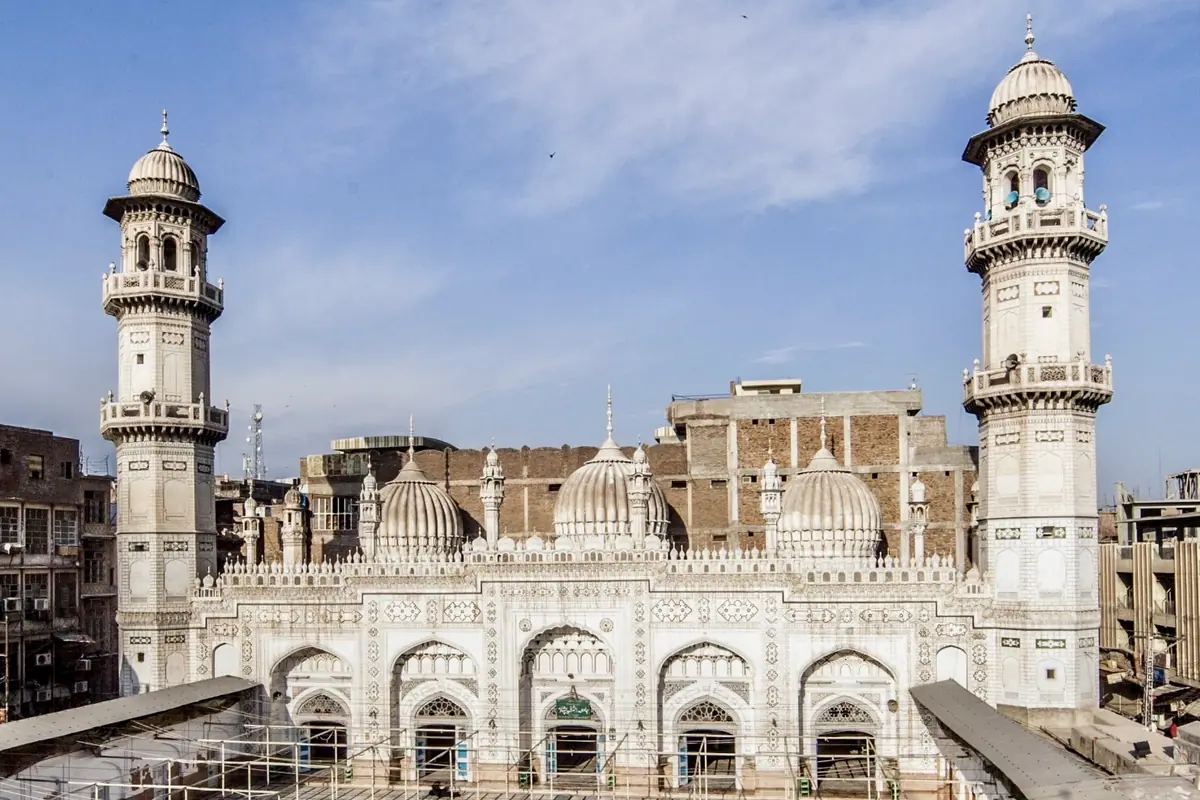
Peshawar, the region's old frontier city, rewards a day of wandering: the Mahabat Khan Mosque, the storied lanes of Qissa Khwani bazaar, and Bala Hisar Fort. Nearby, the Buddhist monastery of Takht-i-Bahi near Mardan is a UNESCO-listed site and one of the best-preserved Gandharan complexes anywhere. Views toward the Khyber Pass from the Michni checkpost are possible with the right permits, arranged in advance. March to May and September to October are the most comfortable months for this region.
Karachi, the Sindh Coast and Mohenjo-Daro
Karachi is Pakistan at full volume: a sprawling, salt-scented port city with a distinct rhythm. Start at the white marble Mazar-e-Quaid, the mausoleum of the country's founder, then head to Frere Hall, whose gallery holds monumental murals, and the pink stone Mohatta Palace. Empress Market and the surrounding Saddar streets are a sensory overload of spices, dried fruit and hardware. In the evening, the city goes to the sea: Sea View at Clifton fills with families and food carts, and boat trips run out to Churna Island for snorkelling and grilled fish.
South and east of Karachi lies the Sindh that predates everything else. The Chaukhandi Tombs, a field of intricately carved sandstone graves, sit just off the highway, and further on at Thatta is the Makli Necropolis, a UNESCO-listed burial ground so vast it is often called a city of the dead, alongside the exquisite tilework of the Shah Jahan Mosque. Rannikot Fort, with walls snaking for kilometres over bare ridges, is the strangest and most atmospheric of the region's ruins, usually visited as a long day trip.
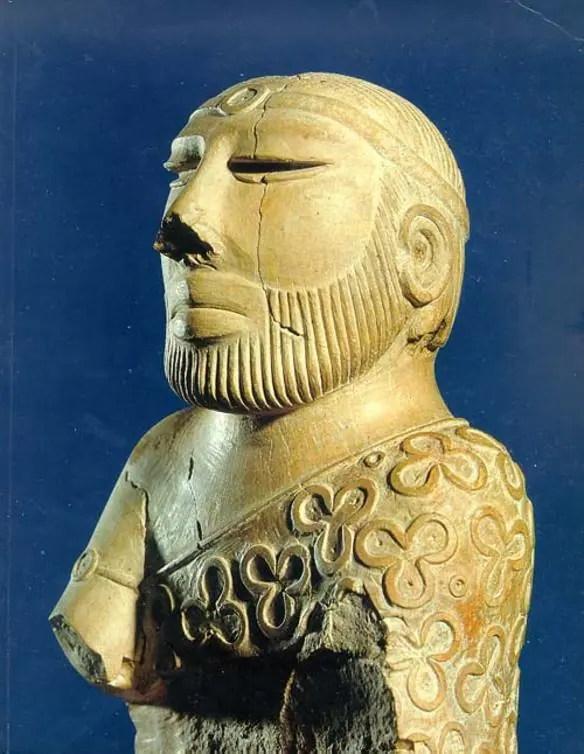
The headline sight, though, is Mohenjo-Daro near Larkana, one of the great cities of the Indus Valley civilisation and a UNESCO World Heritage site. Walk the grid streets, the Great Bath, the granary and the drainage channels, and then visit the site museum, which holds seals, jewellery and figurines that reframe how you think about ancient urban life. November to February is the only sane window for Sindh, when daytime temperatures are pleasant; summer heat is punishing, and monsoon rain can affect coastal roads. Some districts require permits, so check current rules and travel with a licensed guide.
When to Go, How to Move and What to Know
Pakistan is a year-round destination if you follow the seasons rather than fight them. The plains, including Lahore, Islamabad and Karachi, are at their best from October to March, with cold mornings in December and January and blossom in spring. The northern valleys work from late April to June, before the monsoon, and again from September to October, when the colours peak. High passes such as Khunjerab and Babusar are generally open only from May to October, and Deosai is realistically a July and August destination. If you want skiing, head to Malam Jabba in January or February.
Getting around takes patience. Domestic flights link Karachi, Lahore, Islamabad, Gilgit and Skardu, and morning departures are far more likely to run on time in the mountains. Trains connect the main cities of the plains comfortably, while the Karakoram Highway is the classic overland route north. In the valleys, expect shared jeeps, local drivers and long, slow, beautiful drives. Mobile data is patchy in the far north and can be restricted in some border areas, so download maps and confirm bookings before you leave the last big town.
Practical habits make the trip: dress modestly at mosques and shrines, cover your head at religious sites, remove shoes before entering, and ask before photographing people, especially women. Carry cash, since ATMs thin out fast outside the cities. Permits, sometimes called No Objection Certificates, are needed for several restricted zones including the Khunjerab Pass, parts of Chitral and some districts of interior Sindh; arrange these well ahead with a licensed local guide. Finally, buy travel insurance that explicitly covers trekking above 4,000 metres, and build in rest days for altitude. A focused northern trip needs at least ten days to two weeks; a full loop of cities, mountains and Sindh deserves three.
Frequently asked questions
What is the best time of year to visit Pakistan?
October to March suits the plains and Sindh, including Lahore, Islamabad and Karachi. For the northern valleys, aim for late April to June or September to October. High passes such as Khunjerab and Babusar typically open only between May and October, and Deosai National Park is at its best in July and August.
How many days do I need in Pakistan?
Allow at least ten days to two weeks for a focused northern trip covering Hunza, Gilgit and Skardu with travel time. If you also want Lahore, Islamabad, Peshawar and the Sindh sites such as Mohenjo-Daro and Makli, plan on three weeks, and remember that mountain roads and weather can eat into schedules.
Do I need permits to visit Gilgit-Baltistan, Chitral or interior Sindh?
Yes, several regions require permits, often referred to as No Objection Certificates. These apply in areas such as the Khunjerab Pass, parts of Chitral and certain districts of interior Sindh. They are usually arranged in advance through a licensed local tour operator or guide, so sort this out before you book flights.
Is altitude a concern in northern Pakistan?
It can be. Karimabad in Hunza sits around 2,400 metres, Deosai is above 4,000 metres and the Khunjerab Pass is close to 4,700 metres. Add rest days, ascend gradually, drink plenty of water and avoid alcohol at altitude. Choose insurance that covers trekking at high elevation if you plan anything beyond day hikes.
What should I pack and wear in Pakistan?
Pack modest, loose clothing that covers shoulders and knees, a light scarf or shawl for shrines and mosques, comfortable walking shoes and strong sun protection. For the north, add layers, a windproof jacket, a headlamp and a power bank, since electricity can be unreliable in remote valleys. Carry enough cash for the mountains, as card acceptance is limited outside the cities.
Plan it — experiences in Pakistan
Live search, booked directly with trusted providers.
Sort the rest of your trip
Everything for Pakistan, in one place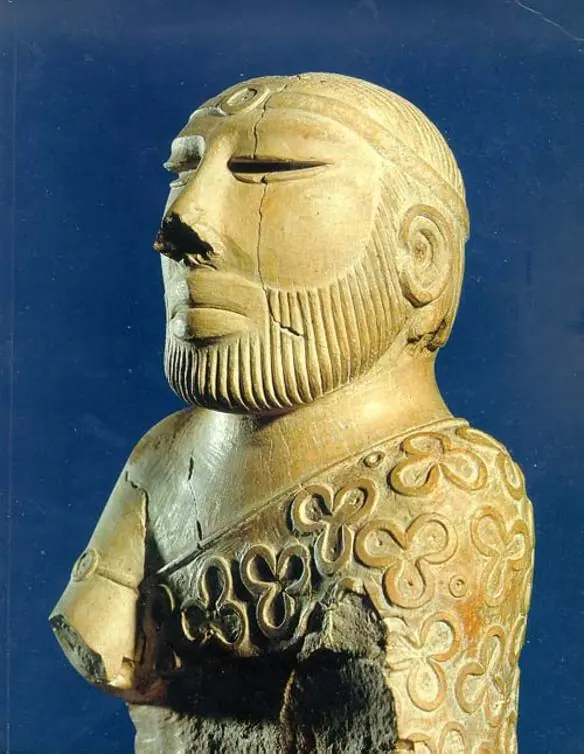
Stay in Pakistan
Hotels, guesthouses and apartments — compared in one search.
Search hotels
Transfer in Pakistan
Private driver waiting on arrival — no queues, no surprises.
Book a transfer
Stay online in Pakistan
Travel eSIM — data the moment you land, no roaming bills.
Get an eSIMMore guides in Pakistan
Pakistan in One Week by Plane: A Flight-Hopping Itinerary from Karachi to the Karakoram
Best Places to Visit in Pakistan: Mountains, Mughal Cities and Adventure Activities
Where to Stay in Pakistan: Top Cities and Must-See Attractions