Pakistan is a country that rewards speed: hop the spine of the country by air and you can breakfast beside the Arabian Sea, lunch under Mughal sandstone in Lahore, and be gazing at a 7,000-metre wall of ice in the Karakoram by the end of the week. This seven-day route strings together the must-see cities of the plains with a hard turn north into Gilgit-Baltistan, using short domestic flights to cover distances that would otherwise eat whole days of your holiday.
Days 1–2: Karachi, the Southern Gateway
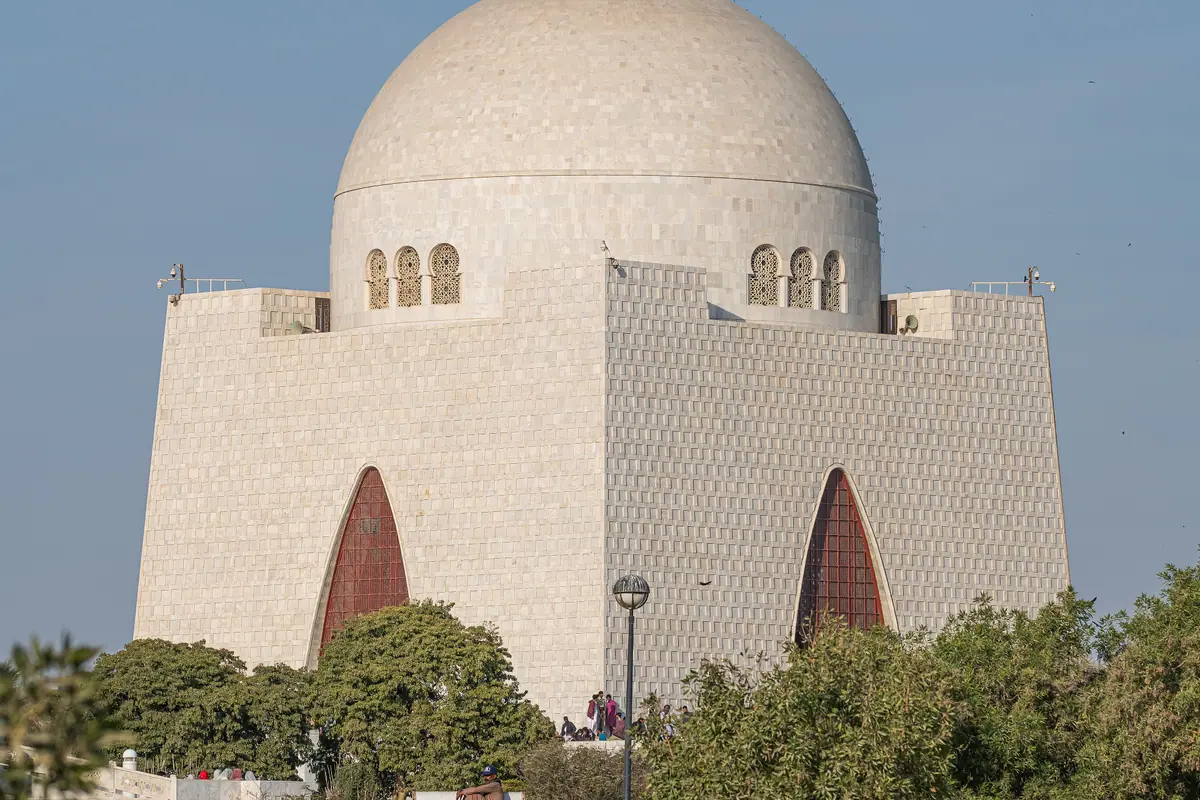
Most long-haul arrivals touch down in Karachi, Pakistan's enormous, humid, endlessly energetic port city on the Arabian Sea. Start with the calmest possible introduction: Mazar-e-Quaid, the white marble mausoleum of the country's founder, a modernist landmark of sharp angles and reflecting pools that glows at dusk. From there, the Frere Hall gardens and the ornate Mohatta Palace Museum give you the city's colonial and Rajput-revival faces, while Empress Market in Saddar remains the loud, spice-scented heart of old Karachi.
Save your second afternoon for the coast and the outskirts. Clifton and Seaview draw crowds at sunset, camel rides and all, but the real prize is a short drive east to the Chaukhandi Tombs, an extraordinary field of carved sandstone graves whose geometric and jewellery-like patterns date back centuries and are unlike anything else in South Asia. Burns Road's food lanes, meanwhile, deliver the city's signature nihari, charcoal-grilled kebabs and dense biryani — eat early, because tomorrow's flight leaves before the heat bites.
Budget a full day for Karachi if you can, and book the short hop to Lahore for the next morning rather than attempting the 17-hour drive on the motorway. Domestic carriers fly the route several times daily in roughly an hour and 45 minutes, which buys you an entire extra afternoon in the Punjab.
Day 3: Lahore and the Mughal Walled City
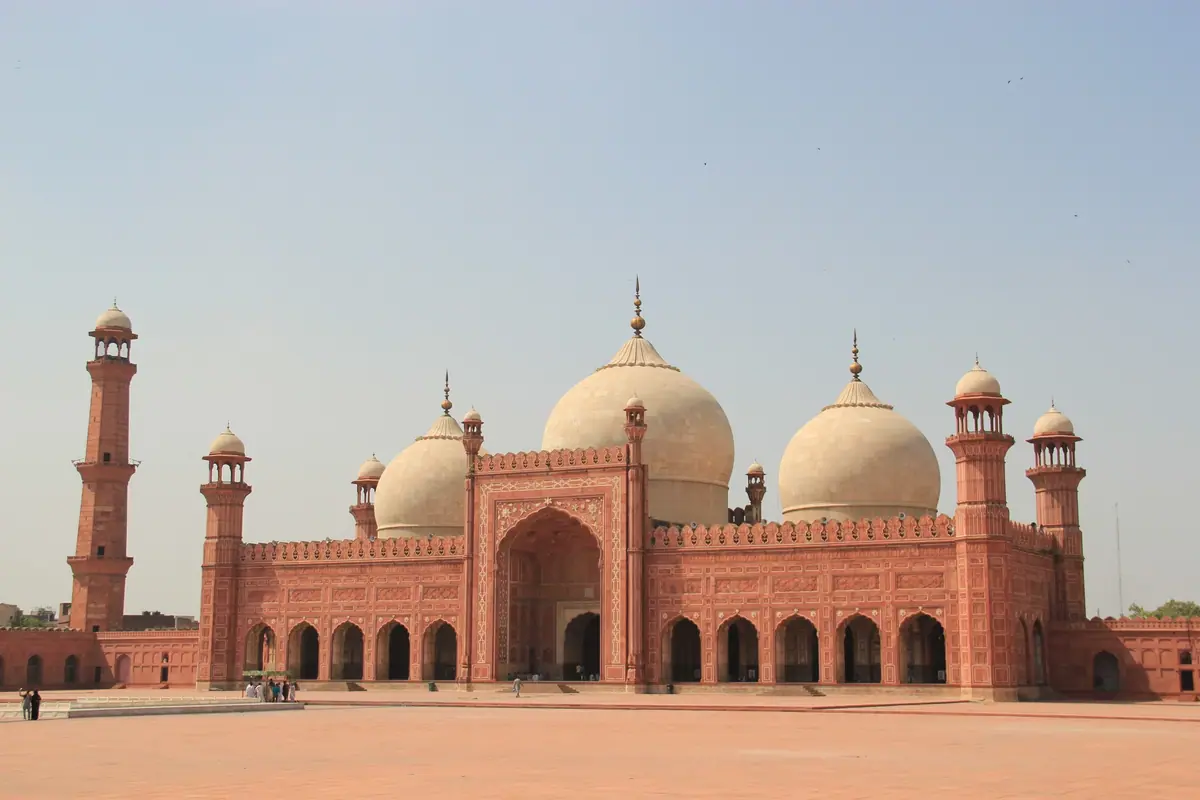
Lahore is Pakistan's cultural capital and the single richest day on this itinerary. Begin at the Badshahi Mosque, completed in 1673 under Aurangzeb and still one of the largest mosques on earth: red sandstone, vast marble courtyards, and a skyline dominated by four towering minarets. It faces the Alamgiri Gate of the Lahore Fort, a UNESCO-listed citadel where the mirrored Sheesh Mahal, the Hall of Public Audience and the terraced gardens reward a slow two-hour wander.
Then step into the Walled City itself. Enter through Delhi Gate, thread the lanes towards the recently restored Wazir Khan Mosque with its extraordinary tilework, and lose an hour in Anarkali Bazaar's fabric and jewellery stalls. If you have energy left, the Shalimar Gardens, laid out in 1641 and also UNESCO-listed, sit a short drive east and show the Mughal love of water, symmetry and shade at its most refined.
Finish the day at the Wagah border crossing, where the evening retreat ceremony draws enormous, flag-waving crowds about 30 minutes out of the city — go early for a decent vantage point. Then eat properly on Fort Road or in Gawalmandi, where Lahore does what it does best: grilled meat, karahi, and conversation that runs long past midnight.
Day 4: Islamabad, the Margalla Hills and Rawalpindi's Bazaars
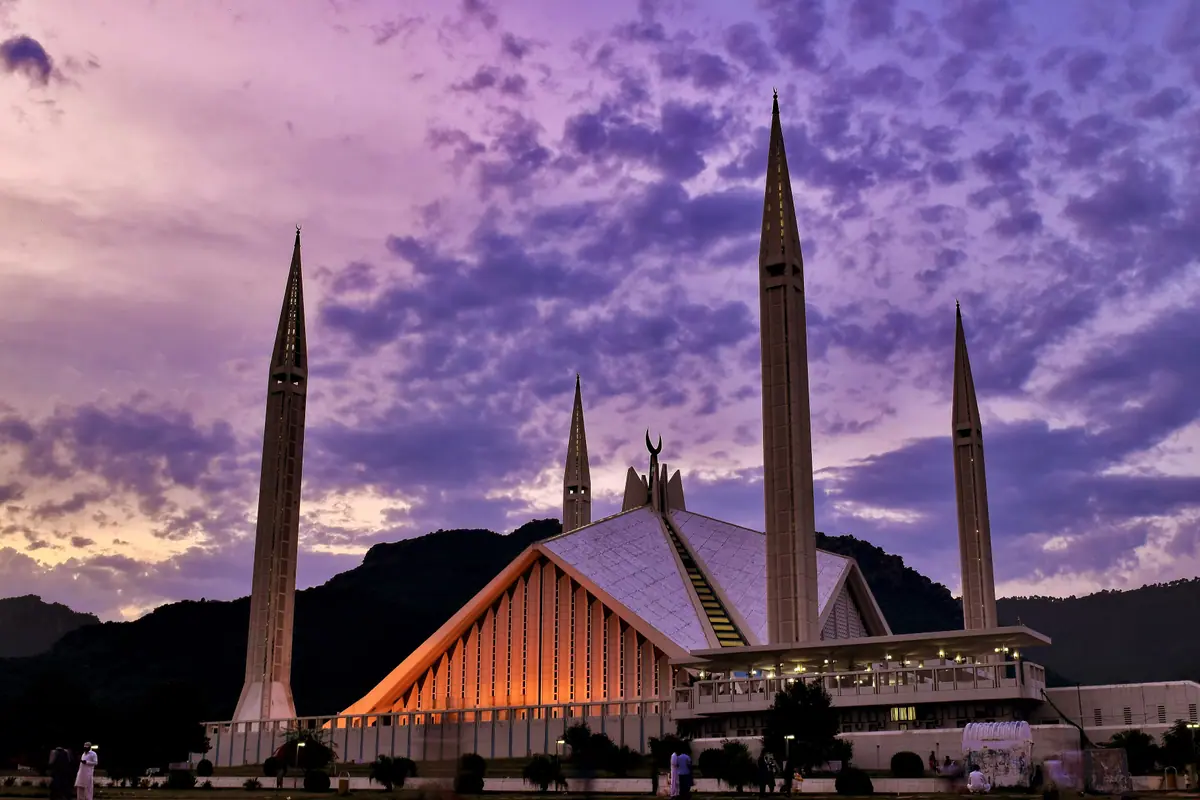
A morning flight or a four-hour motorway run brings you to the capital, a calm, green, planned city tucked against the Margalla Hills. Its defining monument is the Faisal Mosque, an audacious modern tent of white marble and concrete at the foot of the hills, big enough to hold tens of thousands of worshippers and best photographed in late afternoon light. Nearby, on Shakarparian hill, the Pakistan Monument's petal-shaped granite structure and the adjacent folk-heritage museum make a compact, rewarding pair.
For views, drive up to Daman-e-Koh, a viewpoint terrace looking back over the entire city, or earn the same panorama on foot via Trail 5, an easy-going hike into Margalla Hills National Park where monkeys crash through the undergrowth. Drop into Saidpur Village afterwards, a restored Mughal-era hamlet turned craft-and-café quarter, for a gentler version of Pakistani street life.
Spend the evening in neighbouring Rawalpindi, whose Raja Bazaar is a chaos of hardware, textiles and street food that Islamabad conspicuously lacks. Tonight is also the night to repack light: the mountain flights north use small aircraft with tight baggage allowances, so leave the heavy suitcase in a city hotel and carry a soft bag.
Days 5–6: Flying into the Karakoram
The centrepiece of this week is the flight from Islamabad into Gilgit-Baltistan, either to Gilgit (about an hour) or Skardu (a little longer). Both rank among the most dramatic commercial flights anywhere: the aircraft threads between the western Himalayas and the Karakoram, with Nanga Parbat's immense south face filling the windows and Indus gorges unspooling below. Departures are early, and weather cancellations are common — build in a spare day, and if the plane cannot go, the Karakoram Highway offers a long but spectacular overland alternative.
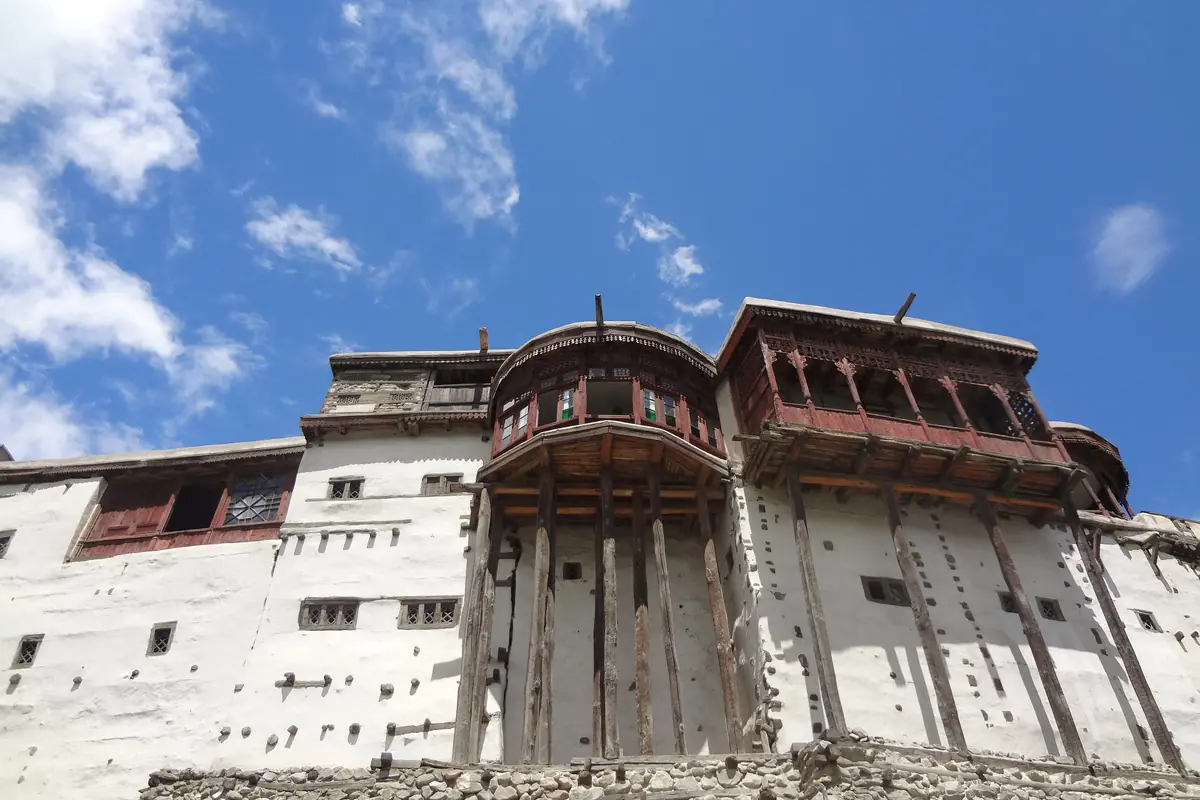
From Gilgit it is roughly a two-and-a-half-hour drive along the Hunza River to Karimabad, the heart of Hunza Valley. Base yourself here for two nights and give the first morning to the 700-year-old Baltit Fort, painstakingly restored and now a museum of Hunza's ruling family, and the smaller Altit Fort with its hanging royal garden below. At sunrise the next day, climb to the Duikar viewpoint for the classic Hunza panorama: Rakaposhi at 7,788 metres, the jagged ridge locals call Ladyfinger, and terraced apricot orchards dropping into the valley.
Spend the rest of the day heading north along the Karakoram Highway. Attabad Lake's unreal turquoise water, formed by a mountainside collapse in 2010, is the photographic highlight, followed by the Passu Cones' sawtooth peaks and the rattling Hussaini suspension bridge. If permits and time allow — and the road is open, usually from around May to October — continue to Khunjerab Pass at 4,693 metres, the highest paved border crossing in the world.
Day 7: Skardu, Deosai and the Road Home
If you flew into Skardu rather than Gilgit, you are already positioned for a different flavour of the north: broader, drier valleys and cold deserts. Spend the morning at Lower Kachura Lake's Shangrila resort, a startlingly pretty bowl of blue water ringed by poplars, then continue to Shigar Fort, a restored 17th-century palace of timber and stone that now houses a small museum and guest rooms. The Katpana cold desert nearby — sand dunes at 2,200 metres — is a strange and memorable contrast to the glaciers on the horizon.
With a full day and the right season (typically July to September, once the snows clear), Deosai National Park is the great detour: a rolling, wildflower-covered plateau above 4,000 metres, home to brown bears and reachable only by jeep. Those chasing a Nanga Parbat view instead should consider the Fairy Meadows route from the Raikot Bridge — jeep, then a steep hour's walk — though it realistically needs an extra night.
Leave the final afternoon or the following morning for the return flight to Islamabad, which retraces the whole spine of the country in about an hour and lands you back where showers, cash machines and reliable Wi-Fi live. If flights are grounded, the drive back down the Karakoram Highway to Islamabad takes the better part of a very long day.
Practical Notes: Seasons, Permits and Mountain Weather
Pakistan really has two travel seasons, and this itinerary straddles both. The plains — Karachi, Lahore, Islamabad — are at their best from roughly October to April, when days are mild and the Punjab greens up after the monsoon. June in Karachi and Lahore is punishing, with temperatures pushing past 40°C, so most travellers plan the city half of the trip for spring or autumn and the mountain half for summer.
In Gilgit-Baltistan, the usable window runs from about May to early October. The Karakoram Highway and Khunjerab Pass close with snow, high passes such as Deosai are only reliably open in midsummer, and even in July the mornings at Hunza can be cold enough for a fleece. Altitude is worth respecting: Hunza sits around 2,400 metres, and a night or two of easy pacing before you climb higher will save you a headache.
On logistics, three or four internal flights cover this route comfortably. Book the northern legs as early as possible, always take the first departure of the day (mountain weather builds by afternoon), and treat any onward plan as flexible. Some border-adjacent zones require a permit and a passport check, while the mainstream tourist valleys do not — carry your passport and national ID card regardless. Finally, bring cash: ATMs thin out dramatically once you leave the cities, and small notes go a long way in the bazaars of Hunza, Skardu and Rawalpindi.
Frequently asked questions
How many domestic flights does a one-week Pakistan itinerary need?
Four is the sweet spot: Karachi to Lahore, Lahore to Islamabad, Islamabad to Gilgit or Skardu, and a return from Skardu or Gilgit back to Islamabad. Each leg is short — one to two hours — which is exactly why flying beats driving on a seven-day trip.
Do flights to Gilgit and Skardu get cancelled often?
Yes, frequently. The northern valleys are ringed by high peaks and the small aircraft used on these routes are highly weather-sensitive, so cancellations and delays are routine. Always book a morning departure, keep one buffer day in your plan, and know that the Karakoram Highway is the fallback.
What is the best time of year for this route?
March to April or October to November for the cities, paired with June to early September for the mountains. If you want one single window that works for both halves, late September and early October are hard to beat, though Khunjerab Pass may already be closing for the season.
Are permits required for Hunza, Skardu or Khunjerab Pass?
Hunza, Karimabad, Attabad Lake and Skardu are open to travellers without special permits. Khunjerab Pass and some zones close to the Chinese border do require permission, usually arranged in Gilgit, so ask locally a day ahead and carry your passport.
How should I pack for a week that starts on the coast and ends at 4,000 metres?
Layers, and a soft bag. Karachi and Lahore call for light cotton and sun protection; Hunza and Deosai need a warm fleece, a windproof shell, broken-in walking shoes and sunblock for the high altitude. Small planes north enforce tight checked-baggage limits, so leave the large suitcase behind in Islamabad.
Sort the rest of your trip
Everything for Pakistan, in one place
Stay in Pakistan
Hotels, guesthouses and apartments — compared in one search.
Search hotels
Transfer in Pakistan
Private driver waiting on arrival — no queues, no surprises.
Book a transfer
Travel insurance
Medical cover, delays and lost baggage — sorted before you go.
Get coveredMore guides in Pakistan
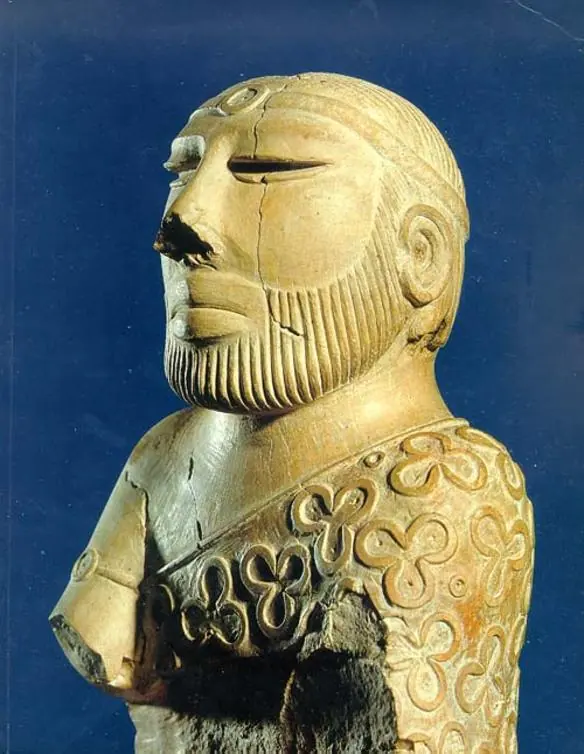
Best Places to Visit in Pakistan: Mountains, Mughal Cities and Adventure Activities
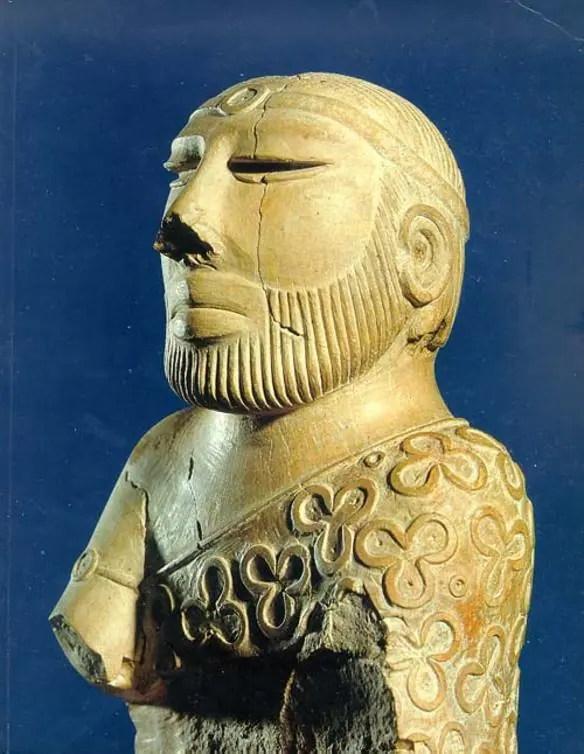
Where to Stay in Pakistan: Top Cities and Must-See Attractions
Top Things to Do in Pakistan: Mughal Cities, Karakoram Peaks and the Ruins of Mohenjo-Daro