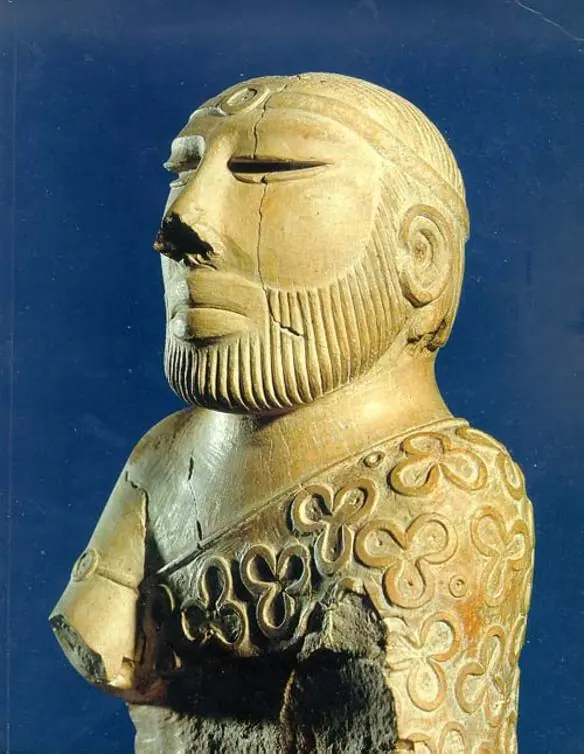
Pakistan reveals itself first through its food — a dawn plate of halwa puri, a glass of cardamom tea poured in a smoky chaikhana, a mountain kitchen perfumed with apricot oil. Travel here and you move between Mughal mosques, Sufi shrines, spice-thick bazaars and the granite giants of the Karakoram, guided at every turn by a hospitality that rarely takes no for an answer.
Chaikhanas, Chaat and the Rhythm of a Pakistani Day
Food is the quickest way into Pakistani culture, and it starts early. Cities wake to halwa puri: puffed, oil-blistered bread torn beside a chickpea curry and a sticky mound of semolina halwa, eaten standing at a roadside stall before the traffic thickens. Tea is the true national clock — milky doodh patti boiled hard with sugar, green kahwa with cardamom in the north-west, and the pink, salted, pistachio-topped Kashmiri chai that warms Gilgit-Baltistan through winter.
Every province cooks differently, and that variety is the pleasure of a long trip. Punjab gives you nihari simmered overnight, haleem pounded to silk, and sarson ka saag with maize-flour roti in the winter months. Sindh brings Sindhi biryani, tangy fish curries and Karachi's seafood grills. Pashtun kitchens specialise in namkeen tikka, chapli kebabs and slow-cooked mutton pulao, while the mountain valleys of the north serve apricot soup, walnut cake, buckwheat bread and chapshuro, a meat-filled pastry folded like a pasty.
Street snacks fill the gaps: gol gappay dunked in tamarind water, papri chaat, samosas, jalebi fried in spirals and dunked in syrup, kulfi and falooda as the evening cools. Eating is communal — dishes land in the middle, bread is used as a scoop, and the right hand does the work. Expect to be fed far more than you planned; refusing a second helping is a negotiation, not a decision.
Lahore: Mughal Monuments by Day, Food Streets by Night
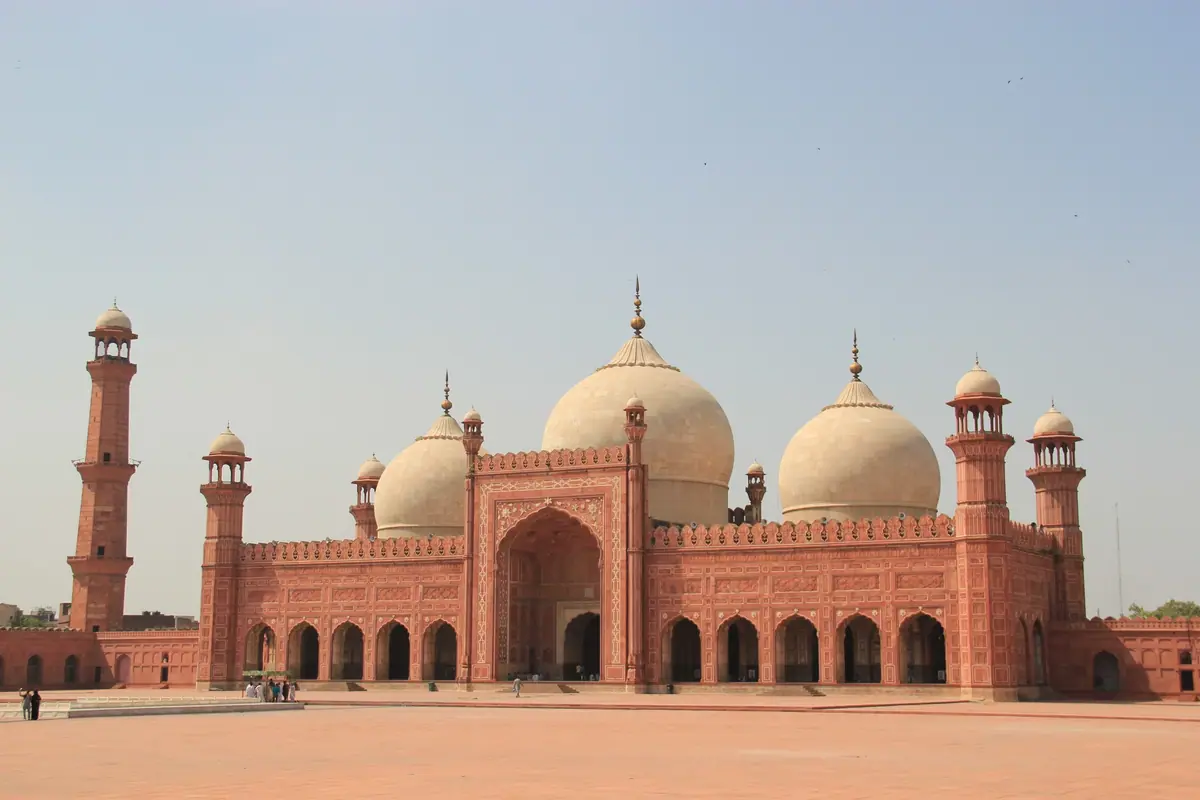
Lahore is where Pakistan's history is easiest to read. The Badshahi Mosque, red sandstone and white marble with a courtyard that swallows crowds, sits opposite the Lahore Fort, whose Sheesh Mahal mirrors and Diwan-e-Aam audience hall reward a slow two-hour wander. Nearby stands the Wazir Khan Mosque, arguably the finest tilework in the country, its walls a mosaic of cobalt and ochre. The Shalimar Gardens, a three-terraced Mughal water garden, lies a short drive east, while the Lahore Museum and the towering Minar-e-Pakistan round out a full day of sightseeing.
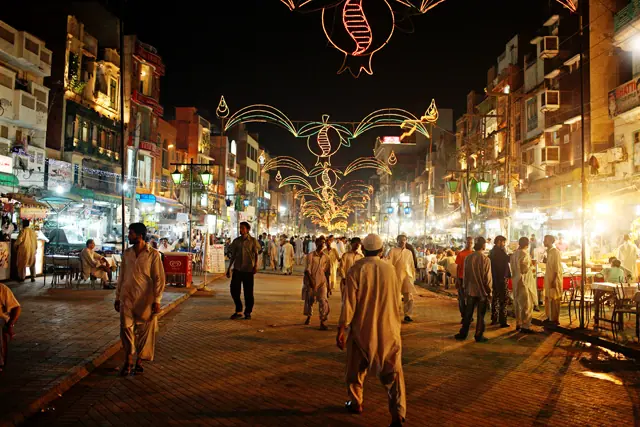
Then the city switches modes. Fort Road Food Street and Gawalmandi fill after dark with grill smoke and family tables, kebabs and karahi arriving in spitting pans within sight of floodlit minarets. Nihari is a breakfast ritual — a slow-cooked beef stew eaten with naan at dawn before work. Anarkali Bazaar, one of the oldest markets in South Asia, is where you shop for embroidered fabric, brass and shoes, and the lanes around it hide甜品 shops selling barfi and gulab jamun by weight.
For a night that feels genuinely local, seek out a Thursday-evening qawwali session at a Sufi shrine, where drummers and harmonium players build a devotional rhythm that can run past midnight. Combine it with the flag-lowering ceremony at the Wagah border crossing, held at sunset and best reached about ninety minutes early for a decent vantage point.
Karachi, Thatta and the Indus: Coastal Bites and Ancient Cities
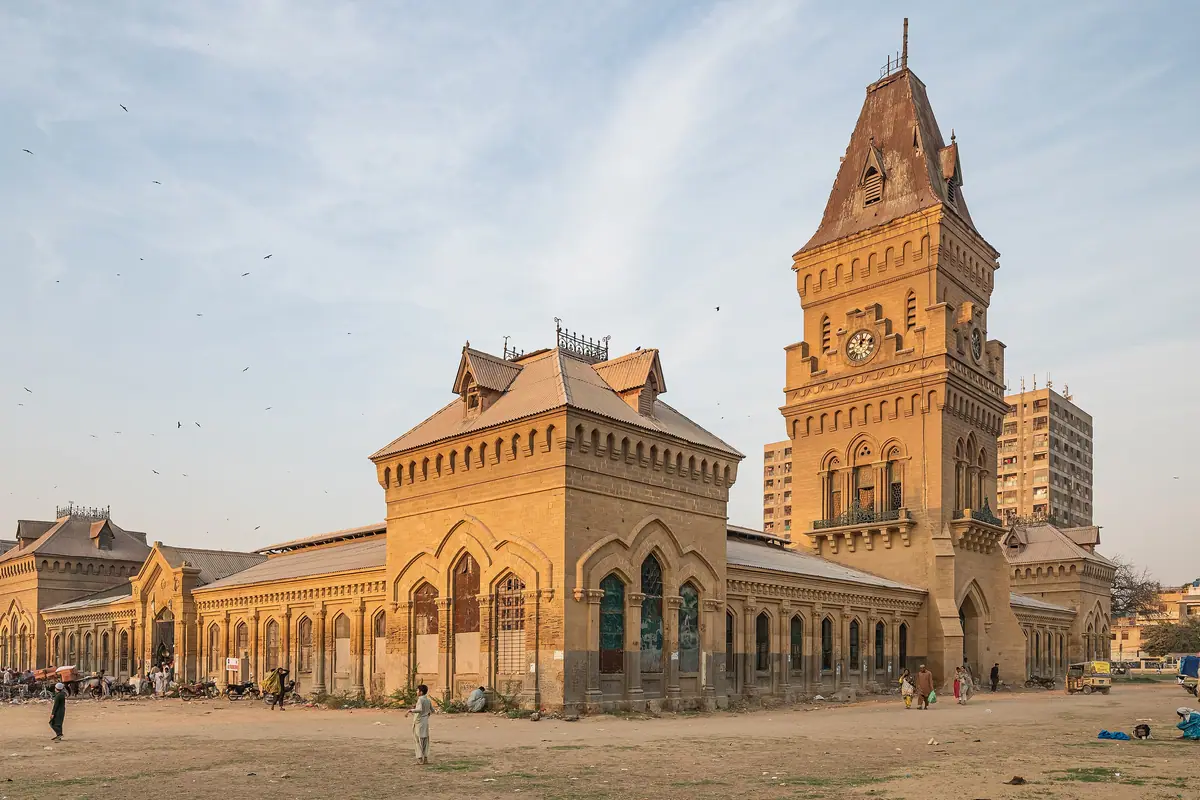
Karachi runs on a different current. Burns Road is the city's beating food artery — biryani, haleem, nihari, grilled seafood and fried snacks served from morning until well after midnight. Nearby, Empress Market's Victorian arcades are stacked with spices, dried fruit and poultry, while Frere Hall, the Mohatta Palace and the white marble Mazar-e-Quaid mausoleum give the city an architectural spine. Clifton's seafront fills at dusk with families, camel rides and corn roasted over coals.
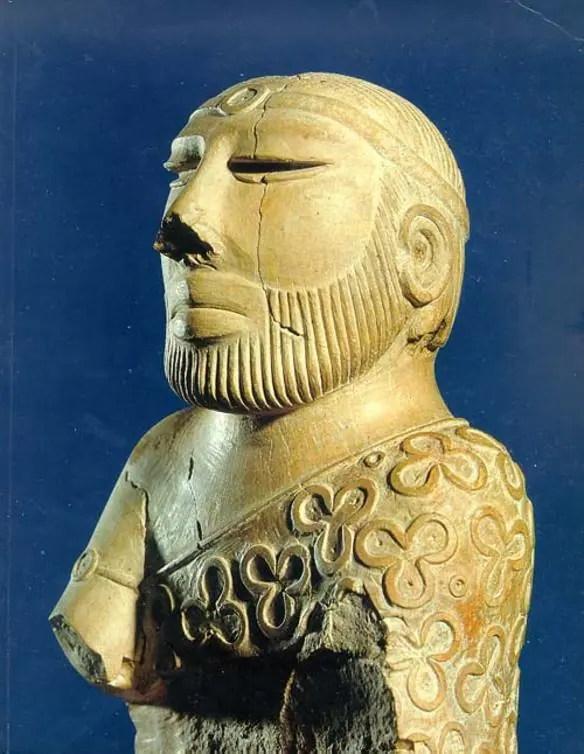
Heading east into Sindh, the rewards deepen. Makli Necropolis outside Thatta is a vast, haunting field of carved sandstone tombs, one of the largest funerary sites in the world, and the Shah Jahan Mosque in Thatta itself is a jewel of blue tilework. Further north, Mohenjo-daro near Larkana opens a window onto the Indus Valley civilisation with its grid streets, Great Bath and brick granaries — go early, as the heat by midday is punishing for most of the year.
Sehwan Sharif hosts the shrine of Lal Shahbaz Qalandar, where the annual urs draws pilgrims and drummers in huge numbers, and Bhit Shah preserves the poetry of Sindh's beloved Sufi poet. Along the Makran coast, the road west toward Gwadar passes Kund Malir beach, the wind-carved formations of Hingol National Park and the natural arch known as the Princess of Hope — a route best done with a local driver and plenty of water.
Peshawar, Taxila and the Gandhara Trail
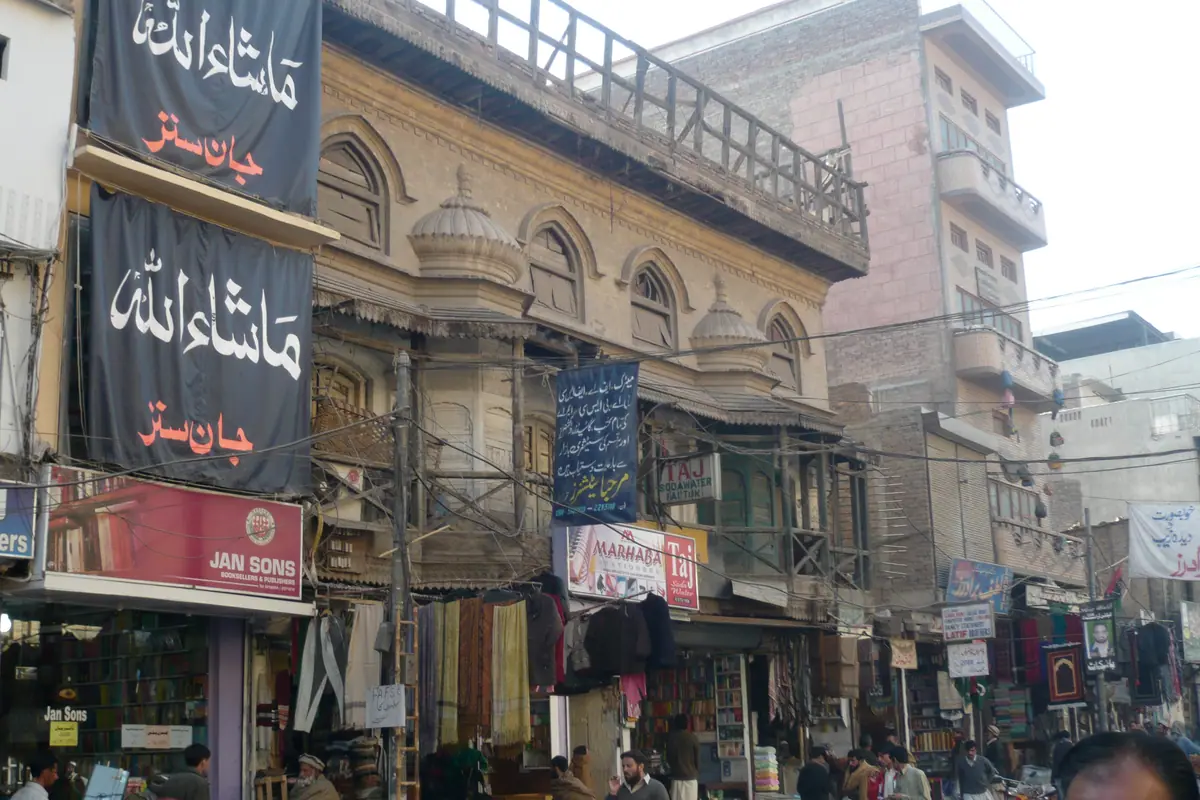
Peshawar is a city of tea and conversation. Qissa Khwani Bazaar, the old storytellers' street, is a maze of cloth, copper and dried fruit where you drink kahwa shoulder to shoulder with traders. Above it rise the Mahabat Khan Mosque with its painted interior and the Bala Hisar Fort, while the Sethi House shows how merchant families once lived. In Namak Mandi, kebabs and namkeen tikka are ordered by weight at long communal tables, and chapli kebabs — flat, spiced, studded with tomato and pomegranate seed — arrive still crackling.
South-east of the city lies the Gandhara heartland. The Taxila ruins spread across several excavated mounds and monasteries, with the Jaulian site's stucco Buddhas and the Peshawar Museum's sculpture gallery giving context to a civilisation that once linked Central Asia, India and the Mediterranean. Further out, Takht-i-Bahi's hilltop monastery is among the best-preserved in the region and a rewarding half-day trip.
Northward, the Kalash valleys of Chitral offer something entirely different: a distinct culture with its own festivals, walnut-and-apricot cooking and brightly woven dress. Chitral Fort and the surrounding bazaars are a good base. Access to parts of Khyber Pakhtunkhwa requires permits or escorted travel depending on the area and the season, so check requirements before you commit to an itinerary.
The Karakoram: Hunza, Skardu and Mountain Kitchens
The Karakoram Highway climbs from the plains through Besham and Chilas to Gilgit, and the landscape changes character entirely. Hunza Valley is the classic introduction: the old forts of Baltit and Altit in Karimabad, the turquoise expanse of Attabad Lake, the jagged Passu Cones and the Rakaposhi viewpoint, where a 7,000-metre peak fills the windscreen. Cherry blossom transforms the terraces in late March and early April; the poplar and apricot trees turn gold in late October.
Mountain food is simple and memorable. Apricot soup, sometimes with dried fruit and dumplings, is a valley staple, as is walnut cake served with tea, buckwheat bread, mulberry, and chapshuro pastries stuffed with minced meat and herbs. Roadside stalls sell apricot oil, dried apricots and preserves. Vegetarians eat well here — lentils, spinach, pumpkin and potato dishes are common, though you should ask for meat to be left out rather than assume.
Further east, Skardu is the gateway to some of the highest ground on earth. Lower Kachura Lake and the Shangrila gardens, the cold desert dunes at Katpana, the restored Shigar Fort and the wildflower plains of Deosai, usually accessible from July to September, all sit within reach. Fairy Meadows and the Nanga Parbat base camp trek, and the alpine lake of Saiful Muluk near Naran, are the other headline detours for walkers.
When to Go, What to Pack and How to Travel Well
Timing shapes everything. The plains — Lahore, Karachi, Islamabad, Multan — are at their best between October and March, when days are mild and weddings fill the calendar. April to October belongs to the north: Hunza, Skardu, Chitral and the high passes, which stay snowbound or landslide-prone well into spring. Monsoon arrives in July and August, drenching Punjab and Khyber Pakhtunkhwa and turning Islamabad's Margalla Hills a brilliant green — beautiful, but heavy going for hill driving.
Festivals are worth planning around. The Shandur Polo Festival in July pits teams from Gilgit and Chitral on the world's highest polo ground. Kalash celebrations mark the seasons in Chitral, most famously in spring and mid-winter. Sufi urs commemorations bring days of drumming and qawwali to shrines such as Sehwan Sharif, and Ramadan rewrites the food calendar entirely — daytime kitchens close, then iftar spreads transform streets after sunset.
Practically, dress modestly: loose clothing covering shoulders and knees, a scarf for mosques and shrines, shoes removed at the door and photos taken only with permission. Carry cash for bazaars and mountain towns, expect rickshaws, ride-hailing apps and shared vans in cities, and book domestic flights to Gilgit, Skardu or Chitral knowing that weather can cancel them at short notice. Build slack into any Karakoram itinerary — a landslide or a closed pass can add a day without warning.
Frequently asked questions
What is the best time of year to tour Pakistan?
October to March suits the plains — Lahore, Karachi, Islamabad, Multan and Sindh's archaeological sites. April to October is the window for the northern valleys, including Hunza, Skardu, Chitral and Deosai, with cherry blossom in late March to early April and autumn colour in late October.
What food should a first-time visitor try in Pakistan?
Start with nihari and halwa puri for breakfast in Lahore, chapli kebabs and namkeen tikka in Peshawar, biryani and seafood in Karachi, and apricot soup, walnut cake and chapshuro in the northern valleys. Tea is a ritual in itself — try doodh patti, green kahwa and, in Gilgit-Baltistan, pink salted Kashmiri chai.
Do I need permits or a guide to travel around Pakistan?
Many areas are open for independent travel, but certain districts near borders and in parts of Khyber Pakhtunkhwa and Gilgit-Baltistan require permits or an approved local escort. Rules change with the security situation, so confirm requirements for your specific route before booking, and always carry ID.
How do I get around between cities and into the mountains?
Domestic flights link the major cities with Gilgit, Skardu and Chitral, though mountain flights are frequently delayed by weather. Long-distance buses and private vans cover the main highways, while the Karakoram Highway is the classic overland route north — allow extra days for landslides, roadworks and closure windows.
Is Pakistan suitable for vegetarians and solo travellers?
Vegetarians manage well on daal, saag, aloo dishes, chana, vegetable curries and fresh breads, though it helps to ask clearly for dishes without meat or stock. Solo travel is feasible in cities and tourist valleys; hiring a local driver or joining a small group is the simplest way to reach remote sites comfortably and respectfully.
Sort the rest of your trip
Everything for Pakistan, in one place
Stay in Pakistan
Hotels, guesthouses and apartments — compared in one search.
Search hotels
Transfer in Pakistan
Private driver waiting on arrival — no queues, no surprises.
Book a transfer
Stay online in Pakistan
Travel eSIM — data the moment you land, no roaming bills.
Get an eSIMMore guides in Pakistan
Pakistan in One Week by Plane: A Flight-Hopping Itinerary from Karachi to the Karakoram
Best Places to Visit in Pakistan: Mountains, Mughal Cities and Adventure Activities
Where to Stay in Pakistan: Top Cities and Must-See Attractions