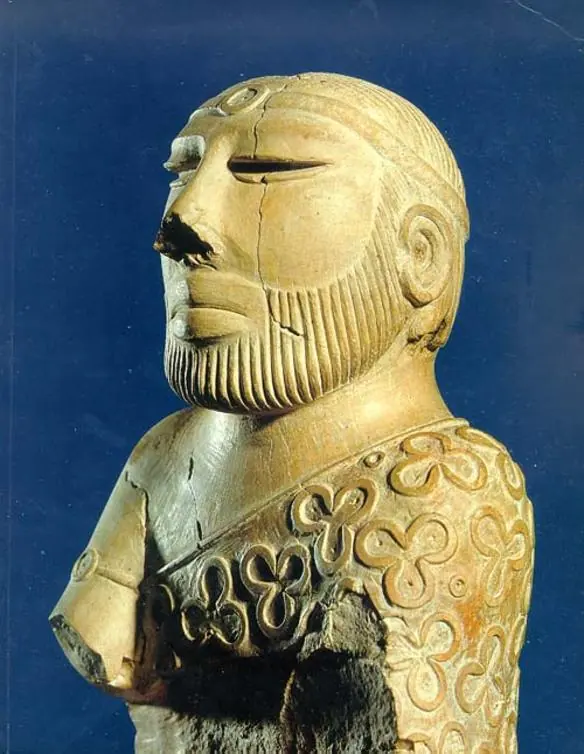
Pakistan packs more drama into one country than most continents manage in a lifetime: 7,000-metre peaks above apricot orchards, Mughal marble reflected in still water, and a coastline where mud volcanoes smoke beside turquoise bays. Whether you want to trek beneath Nanga Parbat, paddle across a glacier-fed lake, or eat your way through a walled city, the itinerary starts here.
Hunza Valley: Forts, Glaciers and the Karakoram Highway
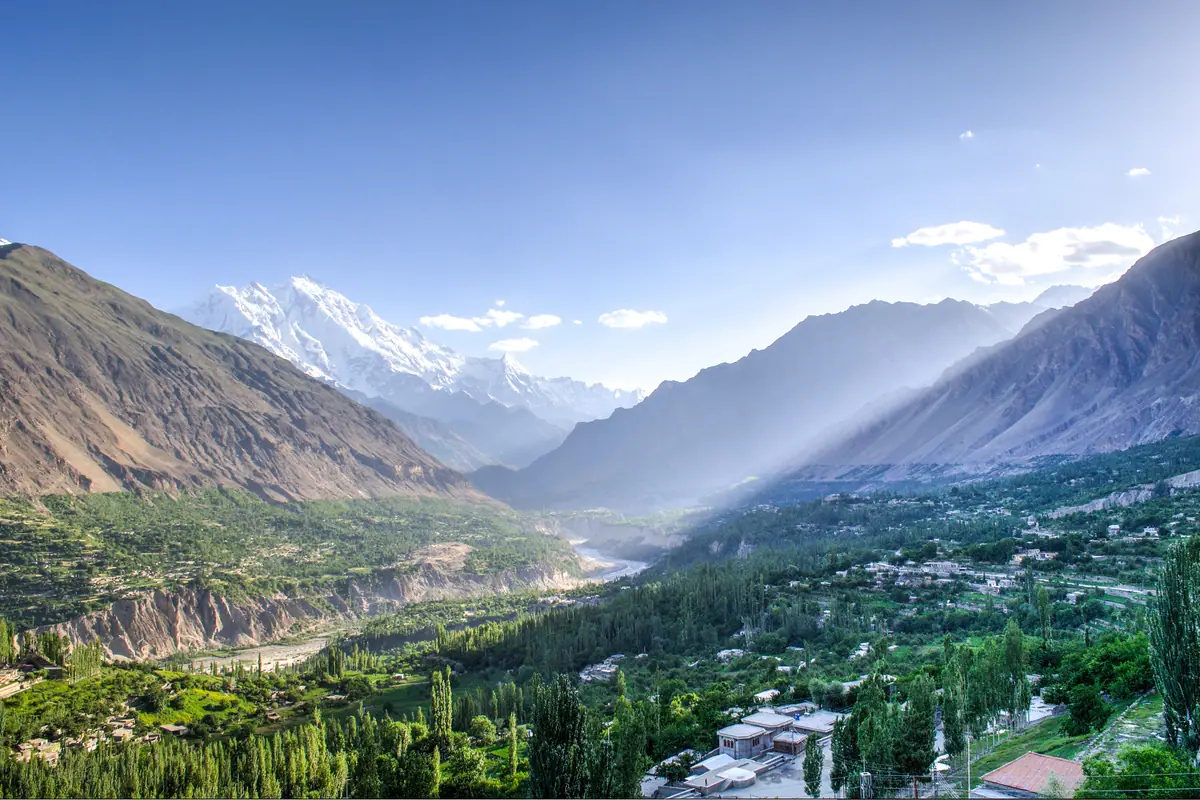
Hunza is where most Pakistan journeys begin in earnest, and it earns the hype. From Karimabad, the valley's terraced capital, you can walk to Baltit Fort, a 700-year-old Tibetan-style stronghold perched above the bazaar, and then down to Altit Fort, the older of the two, whose restored royal kitchens and apricot-drying terraces tell the story of the Mirs of Hunza. Above them, the Eagle's Nest viewpoint at Duikar delivers a 360-degree sunrise over Rakaposhi, Ladyfinger Peak and the white wall of the Ultar range.
The activities are as good as the views. Drive north along the Karakoram Highway to Attabad Lake, a startling blue reservoir created by a landslide, where you can hire a boat or jet ski, then continue to the Passu Cones and cross the swaying Hussaini suspension bridge on foot. Further up, the road climbs to Khunjerab Pass, the high-altitude border crossing with China, usually open from April to November depending on snow.
Timing matters. Cherry and apricot blossom turns the valley pink in late March and early April, while October brings golden poplars and clear mountain skies. Summer is warm and busy; winter is quiet, cold and beautiful, with most guesthouses in Karimabad still open. Give Hunza at least four nights — three if you move fast and skip the side valleys.
Skardu, Fairy Meadows and the Road to K2
Baltistan is the roof of the trip. Skardu, reached by a spectacular mountain flight from Islamabad (weather permitting) or a long but unforgettable drive, is the base for Deosai National Park, a 4,000-metre plateau that blooms with wildflowers in July and August and shelters Himalayan brown bears. Nearby are the cold Katpana Desert dunes, the mirror-still waters of Shangrila and Upper Kachura Lakes, and the restored Shigar Fort and Khaplu Palace, both now heritage guesthouses where you can sleep inside the history.
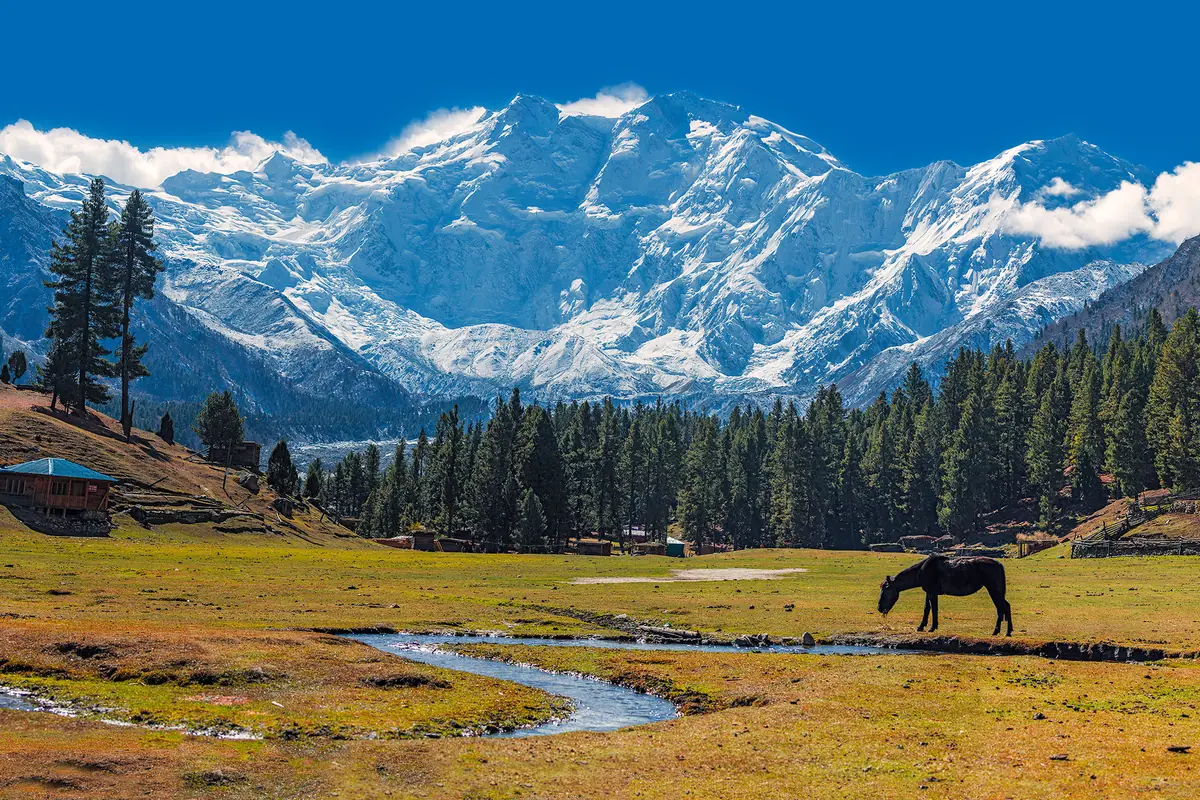
For trekkers, this is the gateway to legends. From the village of Askole, expeditions set off for Concordia and K2 Base Camp — a three-week round trip that demands serious fitness, a licensed guide and permits arranged months ahead. A more achievable goal is Fairy Meadows: a jeep ride from the Raikot Bridge along a cliff-hugging track, followed by an hour's walk to a meadow of wildflowers staring straight at Nanga Parbat, the ninth-highest mountain on earth. From the meadow, fit hikers can push on to Beyal Camp and the Nanga Parbat base camp in a long day.
Build in a buffer. Flights to Skardu are frequently delayed or cancelled by cloud, so plan to fly one way and drive the other, and keep a spare day for the return. Roads over Babusar Pass are generally open from June to September.
Lahore: The Walled City and Its Mughal Masterpieces
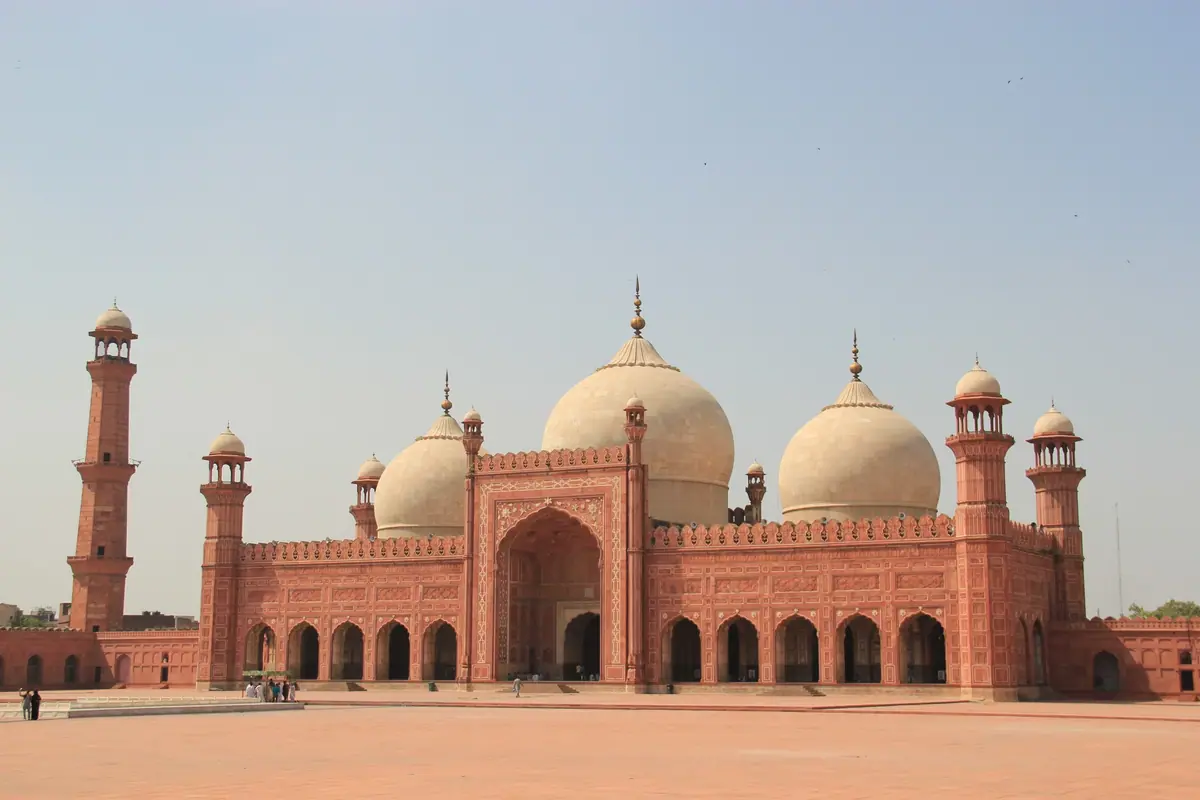
Lahore is Pakistan's cultural heart, and its greatest sights are clustered inside the old city walls. Start at the Badshahi Mosque, an enormous red sandstone prayer hall with room for tens of thousands of worshippers, then walk across to the Lahore Fort, whose Sheesh Mahal — a palace of tiny mirrors — and Alamgiri Gate are the highlight of a sprawling complex. Nearby, the Wazir Khan Mosque hides some of the finest tile work in South Asia at the end of a narrow bazaar lane.
The activities here are urban and delicious. Wander the Delhi Gate to Kashmiri Gate circuit on foot, browse Anarkali Bazaar for embroidered fabrics, then join locals on Fort Road Food Street for grilled meats, sizzling karahi and falooda. South of the centre, the Shalimar Gardens, laid out in the 1600s with tiered water channels, is a calm afternoon stop, while Minar-e-Pakistan rises from Iqbal Park as the country's most recognisable monument.
Squeeze in the evening flag-lowering ceremony at the Wagah border, roughly 30 minutes from the city, which draws huge, noisy, good-humoured crowds — arrive 90 minutes early for a decent spot. Lahore is best from November to March, when days are cool; avoid the pre-monsoon heat of May and June.
Islamabad, Rawalpindi and the Taxila Ruins
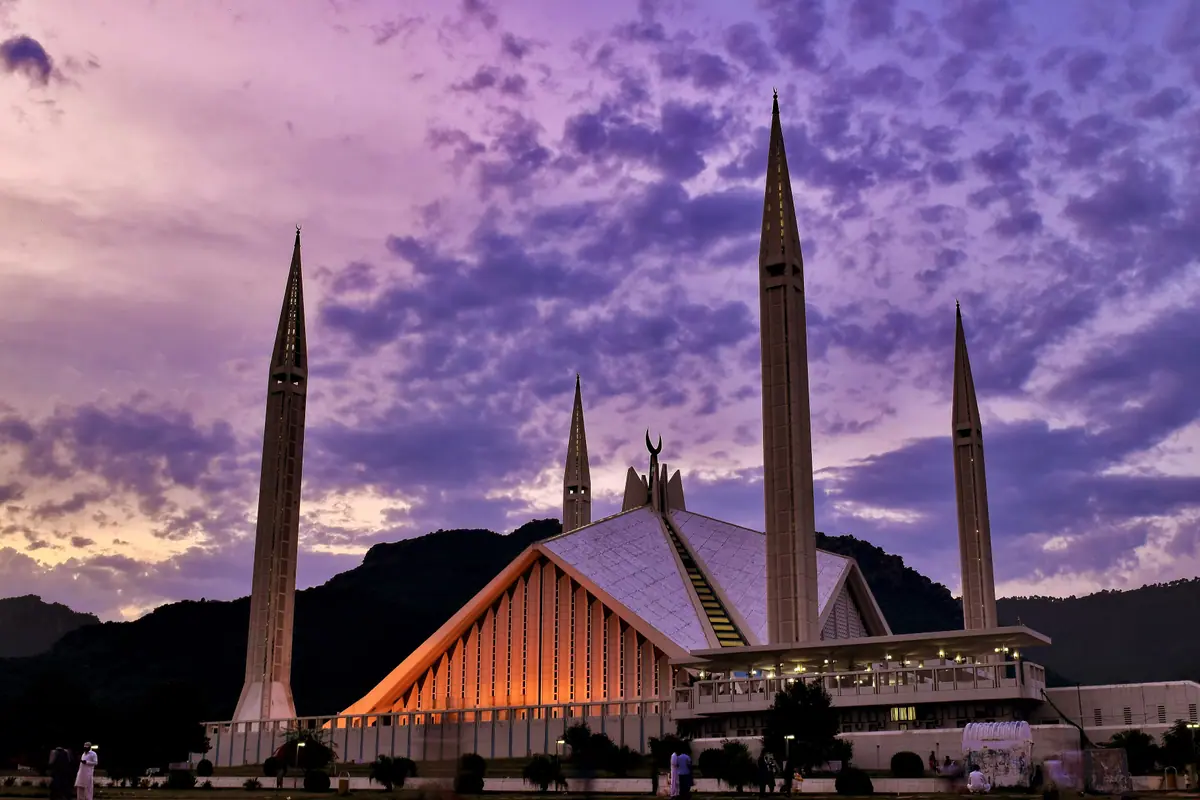
The capital is the most relaxed place to ease into the country. Faisal Mosque, a modern tent-shaped landmark backed by the Margalla Hills, is the first stop for almost everyone, and it is best visited in the late afternoon when the marble glows. From there, head up to Daman-e-Koh and Pir Sohawa for views over the city, or hike one of the marked Margalla trails — Trail 5 is the most popular, and early mornings bring monkeys, birdsong and far fewer people.
Spend an afternoon in Saidpur Village, a restored Mughal-era hamlet of mud-brick lanes and cafés tucked beneath the hills, and visit the Pakistan Monument for a bird's-eye map of the country's provinces shaped in granite. Across town, Rawalpindi's Raja Bazaar offers a rawer, noisier market experience than anything in Islamabad.
For something older, carve out a half day for Taxila, 35 kilometres northwest, where a succession of Buddhist cities, stupas and monasteries — including the well-preserved Jaulian monastery and the Sirkap city grid — span more than a thousand years. Spring and autumn are ideal: March to April and October to November bring mild weather, and the hillsides turn green after the winter rains.
Karachi and the Wild Makran Coast
Karachi is Pakistan's biggest, fastest city, and its coastline is the reason to linger. Clifton and Seaview beaches fill at sunset with camel rides, cricket matches and corn-on-the-cob vendors, while boat operators run day trips to Churna Island for snorkelling and scuba diving over rocky reefs. Inland, see Mazar-e-Quaid's white marble mausoleum, the pink sandstone Mohatta Palace, colonial Frere Hall and the chaotic Empress Market, then eat your way along Burns Road, the city's legendary street-food strip.
Head west and the scenery turns cinematic. The Makran Coastal Highway runs past Kund Malir beach, the sculpted rock formation known as the Princess of Hope, and Hingol National Park, home to ibex, crocodiles and the bubbling Chandragup mud volcano. Keep going to Gwadar for the hammerhead-shaped peninsula, and to Astola Island, Pakistan's largest offshore island, where the diving and coral are the country's best-kept secret.
Coastal trips are best from November to February, when Karachi is pleasantly warm and the interior is not yet furnace-hot. Distances are big — Kund Malir is about four hours from the city — so most travellers hire a car and driver and break the journey overnight.
Kaghan, Swat, Chitral and the Alpine North
Between the Punjab plains and the high Karakoram lies a belt of green valleys that is easy to reach and generous with scenery. Kaghan Valley's centrepiece is Saif-ul-Malook, a sapphire lake below Malika Parbat that you reach by jeep from Naran, with the smaller Lulusar Lake and the Babusar Pass road nearby. Shogran's Siri Paye meadows are a gentler half-day excursion, carpeted with flowers in summer and snow-covered from December to February.
In Khyber Pakhtunkhwa, Swat Valley has rebounded as a family-holiday favourite: Malam Jabba has Pakistan's most established ski slopes, usually skiable from late December to February, while the road up to Kalam and Mahodand Lake winds through pine forest and riverside villages. Further north, Chitral is a different world — the Kalash valleys of Bumboret, Rumbur and Birir preserve a pre-Islamic culture with its own festivals and dress, and Shandur hosts a celebrated polo festival each July on the world's highest polo ground.
Add Azad Kashmir's Neelum Valley if you have time: Keran, Sharda, the hill village of Arang Kel and the turquoise Ratti Gali Lake are reached by jeep and a hike, and are at their finest from May to September. In remote valleys, carry cash, expect patchy mobile signal, and hire a local guide — both for access and for the stories that make the landscape come alive.
Frequently asked questions
When is the best time to visit Pakistan overall?
For the northern mountains, aim for May to early October, with late March to April for blossom in Hunza and Skardu and October for autumn colour. The cities of Lahore, Islamabad and Karachi are most comfortable from November to March. Monsoon rains run roughly July to August in the plains and can trigger landslides on mountain roads.
Do I need permits or a guide for Gilgit-Baltistan and the northern valleys?
Most of Hunza, Skardu and the Kaghan Valley can be visited independently, but restricted zones — including parts of the Kalash valleys, Broghil and the K2 trekking routes — require permits and a registered guide, usually arranged through a local tour operator weeks in advance. Even in open areas, a local driver or guide transforms access to side valleys and viewpoint tracks.
How do I get to Hunza and Skardu?
Domestic flights connect Islamabad with Gilgit and Skardu, but mountain weather causes frequent cancellations, so the standard approach is to fly one way and drive the other. The drive from Islamabad to Hunza along the Karakoram Highway takes roughly 18 to 22 hours, comfortably split over two days with a night in Chilas or Besham.
What should I pack and how should I dress?
Bring layers year-round: T-shirts for the plains, a fleece and windproof shell for the mountains, and a warm hat even in summer at altitude. Dress modestly in towns and villages — loose clothing covering shoulders and legs, plus a scarf for women — and remove shoes before entering mosques. A power bank, cash, sunscreen, rehydration salts and any personal medication are essentials, as ATMs are scarce outside major towns.
How many days do you need for a first trip to Pakistan?
Two weeks is the sweet spot: three or four nights in Lahore, two or three in Islamabad, then a week split between Hunza and Skardu or a Kaghan Valley loop. Ten days works if you limit yourself to one northern region, while three weeks allows a trek such as Fairy Meadows and Nanga Parbat base camp, or a full K2 approach to Concordia.
Plan it — experiences in Pakistan
Live search, booked directly with trusted providers.
Sort the rest of your trip
Everything for Pakistan, in one place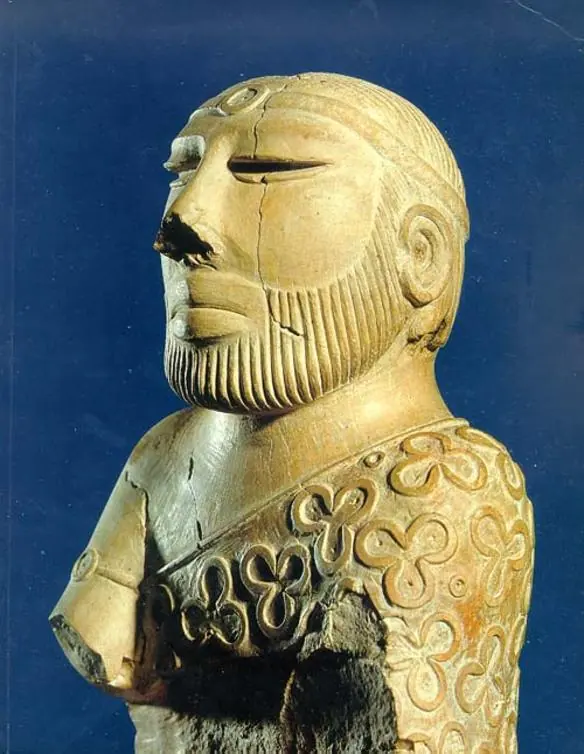
Stay in Pakistan
Hotels, guesthouses and apartments — compared in one search.
Search hotels
Transfer in Pakistan
Private driver waiting on arrival — no queues, no surprises.
Book a transfer
Stay online in Pakistan
Travel eSIM — data the moment you land, no roaming bills.
Get an eSIMMore guides in Pakistan
Pakistan in One Week by Plane: A Flight-Hopping Itinerary from Karachi to the Karakoram
Where to Stay in Pakistan: Top Cities and Must-See Attractions
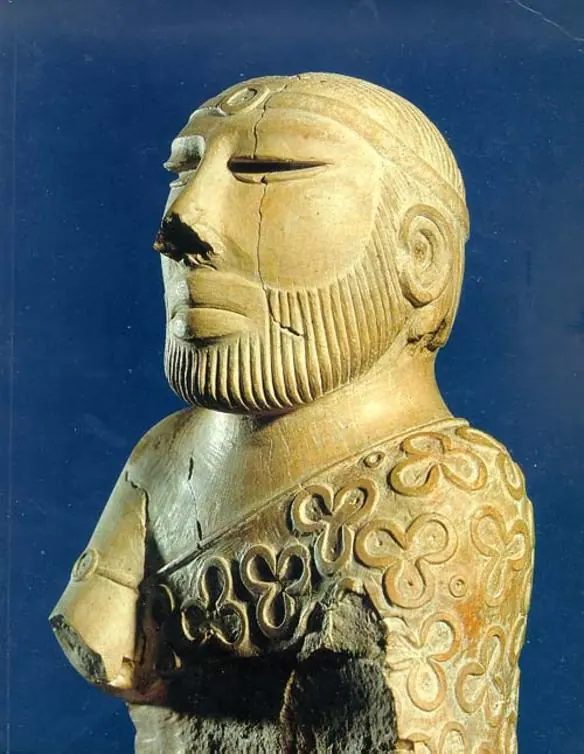
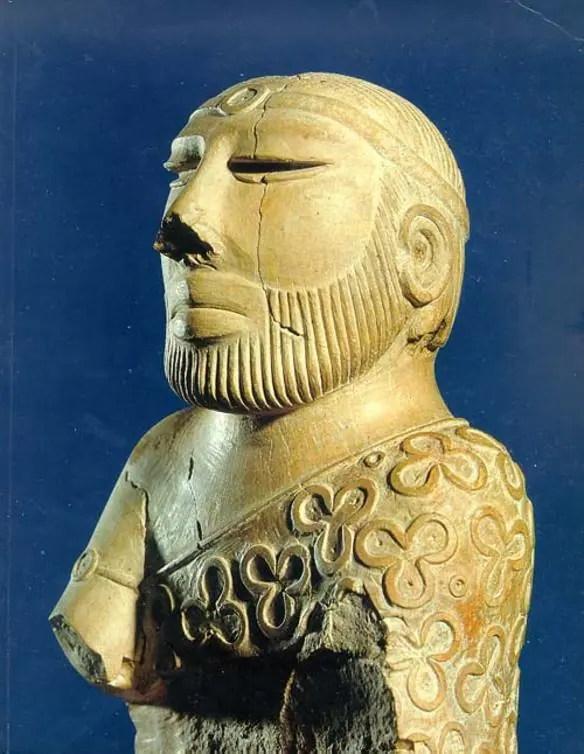
Top Things to Do in Pakistan: Mughal Cities, Karakoram Peaks and the Ruins of Mohenjo-Daro