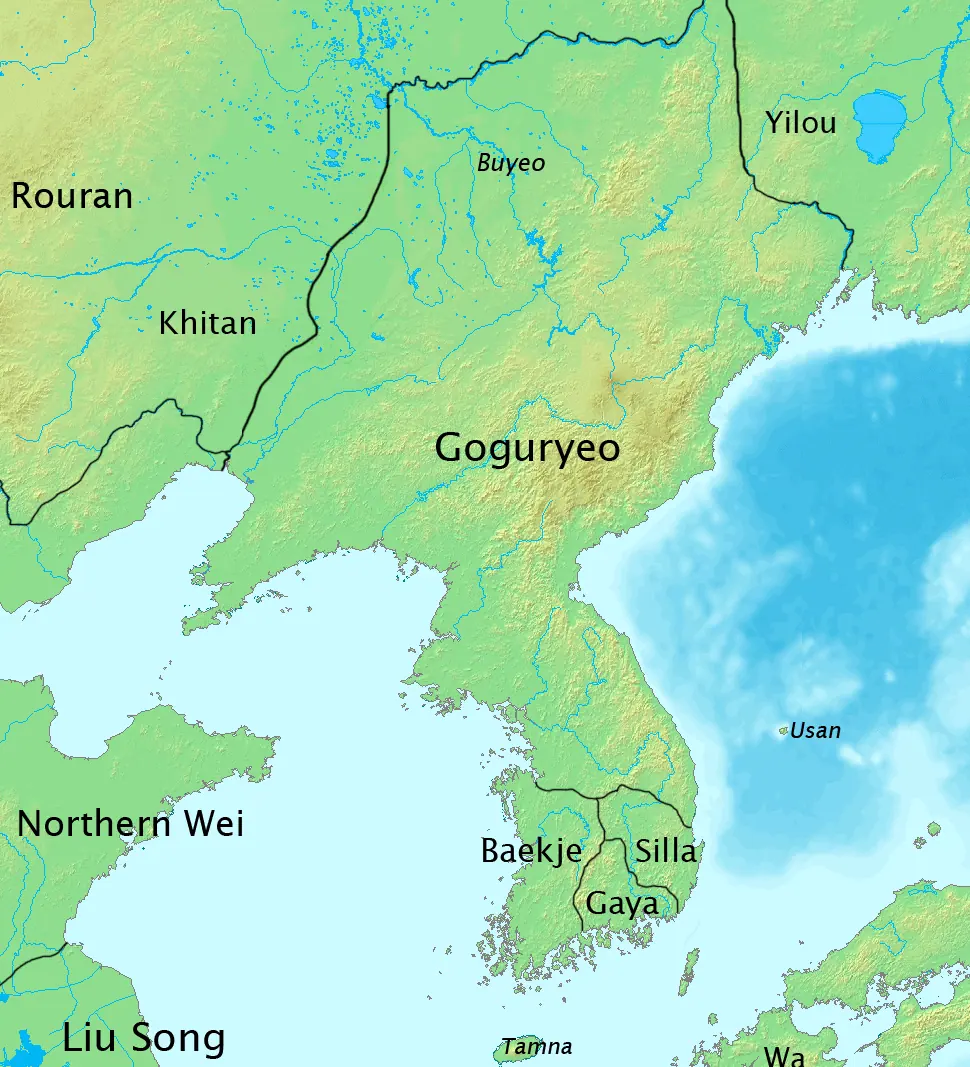
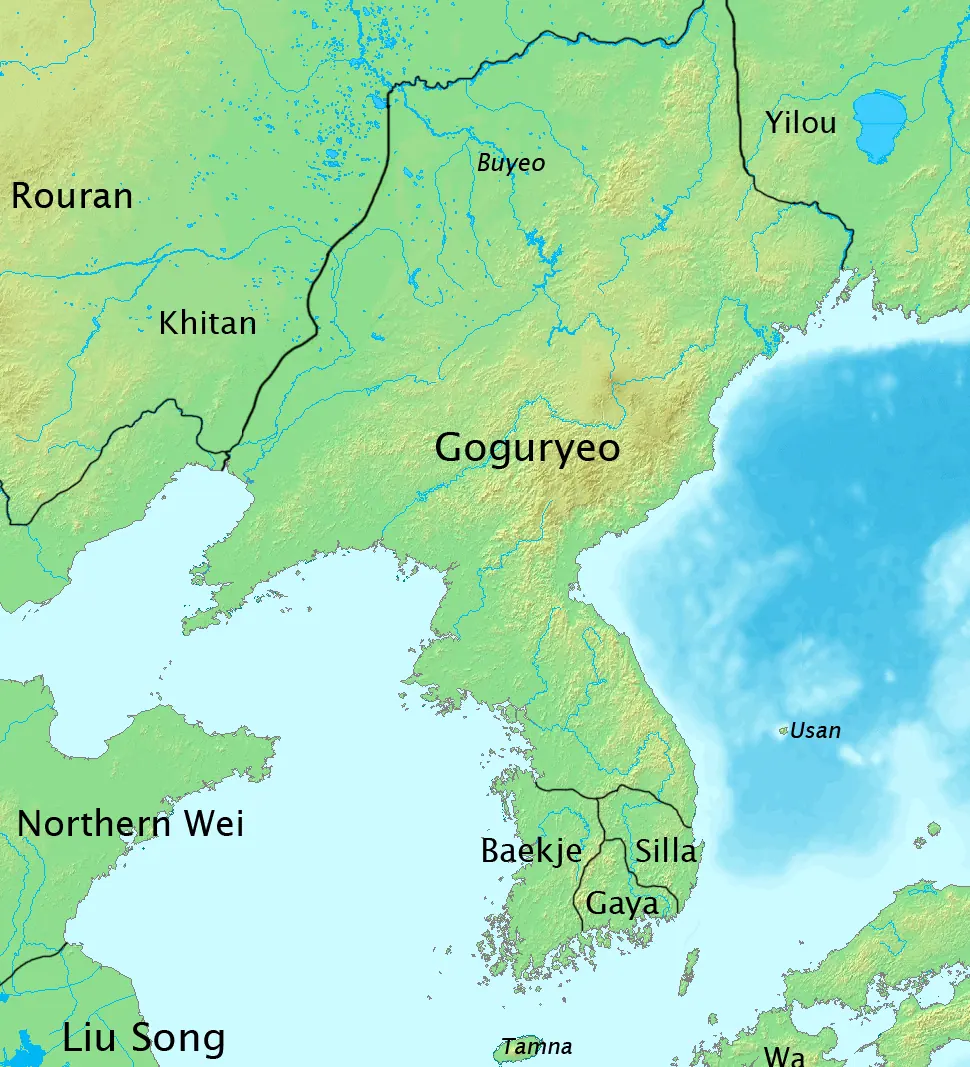
North Korea is not a destination you stumble into — it is a country you are escorted through, one fixed itinerary at a time. What you see is monumental in scale and tightly choreographed in presentation: granite squares the size of airfields, a 170-metre tower of ideology, a mausoleum lit like a cathedral, and mountains that hold the nation's founding myths.
Pyongyang: A Capital Built for Display
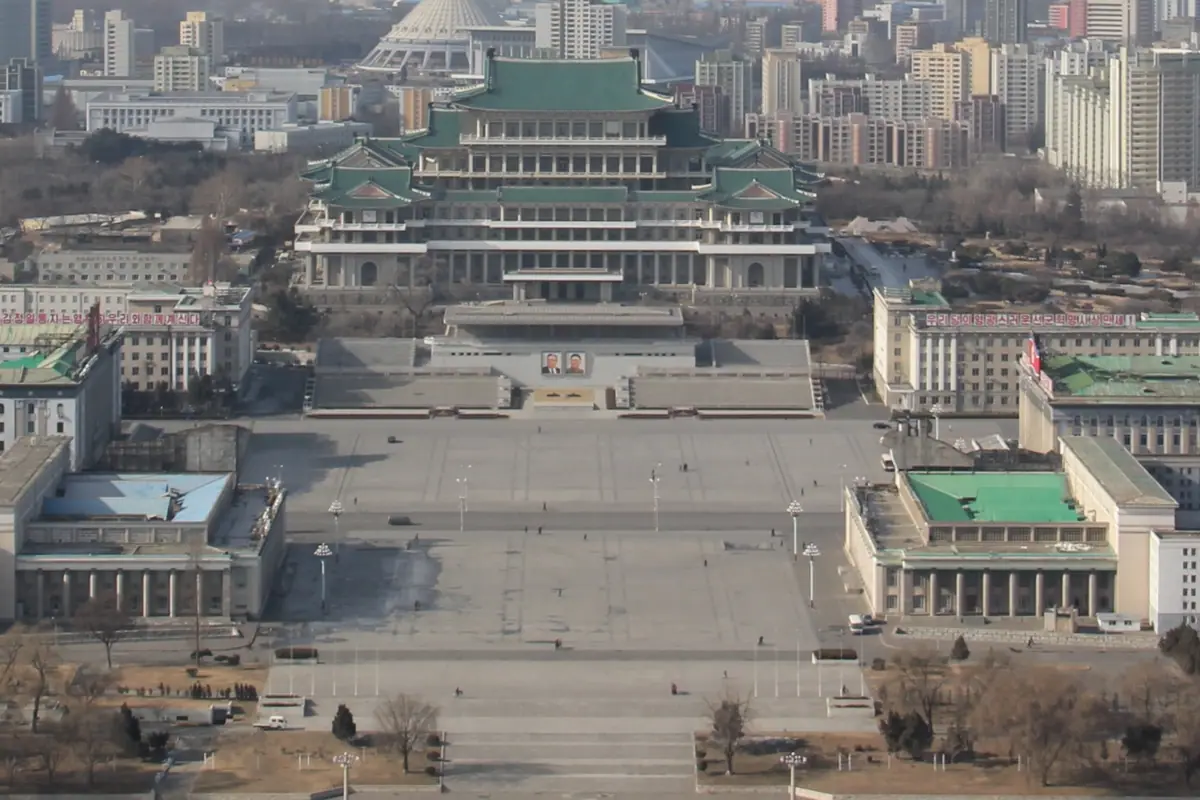
Everything in Pyongyang is arranged around Kim Il-sung Square, a granite expanse on the west bank of the Taedong River measuring some 75,000 square metres — one of the largest public squares anywhere on earth. It is where parades and mass rallies are staged, and from its terrace the city's axes fall into place. Directly across the water rises the Juche Tower, a 170-metre stone pillar topped by a 20-metre metal flame, completed in 1982 and climbable by lift to an observation deck with the best wide view of the capital.
Behind the square, on Mansu Hill, the Grand Monument presents two colossal bronze figures of the nation's first two leaders, roughly 20 metres tall, flanked by 228 smaller figures in a sweeping revolutionary tableau. Visitors are expected to bow and to leave flowers; dress is conservative and photographs are taken facing the statues, never mimicking them. On the north side of the square stands the Grand People's Study House, a vast 1980s education palace with dozens of reading rooms and lecture halls, and a rooftop terrace that gives another framed view down over the plaza.
The Memorial Circuit: Mausoleums, Museums and Monuments
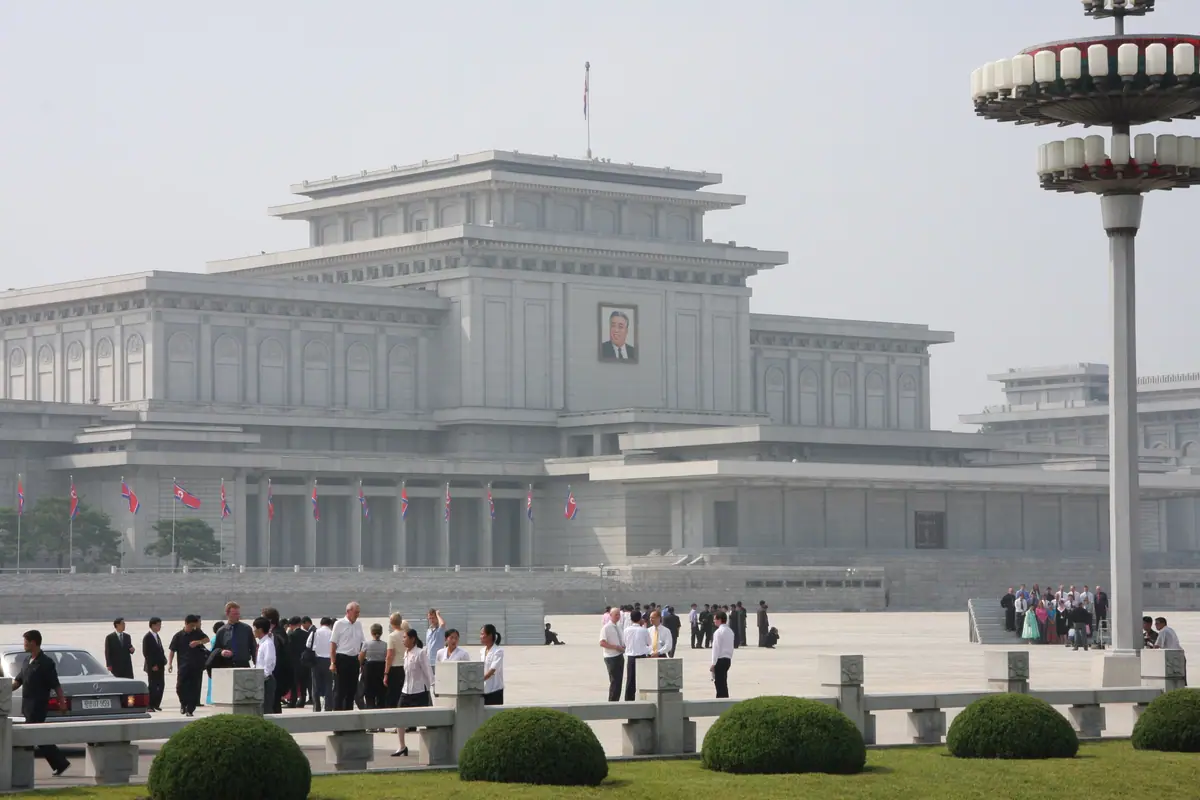
The most solemn stop on any itinerary is the Kumsusan Palace of the Sun, a former presidential residence on the northeastern edge of Pyongyang that became a mausoleum. Visitors pass through security screening, walk along moving walkways between marble halls, and bow at the glass sarcophagi. Jackets and ties or smart dresses are required, jeans are not, and photography is forbidden. It is a hushed, heavily formal two-hour experience that sets the tone for the rest of the trip.
The Victorious Fatherland Liberation War Museum tells the 1950–53 war in the state's own terms, with recreated trenches, captured equipment and huge dioramas. Moored beside it on the Potong River is the USS Pueblo, an American intelligence vessel seized in 1968 and preserved as a trophy — you can walk its decks. Elsewhere in the city, the Arch of Triumph near Kaeson stands 60 metres high, deliberately taller than its Parisian counterpart, and the Monument to the Founding of the Workers' Party raises a hammer, sickle and writing brush in concrete. On the outskirts, Mangyongdae preserves the reconstructed birthplace of the state's founder, complete with thatched cottages and a museum.
Kaesong and Panmunjom: Koryo Tombs and the Guarded Border
Roughly 160 kilometres south of Pyongyang, Kaesong was the capital of the Koryo dynasty from 918 to 1392, and its old core is inscribed as a World Heritage site. The walled Old Town retains its Namdaemun gate, the stone Sonjuk Bridge of 1216 where a loyal official was killed, and the Koryo Museum, housed in the Songgyungwan Confucian academy where Korea's elite were once educated. It is the one place on a standard tour where you feel a pre-modern, non-ideological past.
Nearby, the Tomb of King Kongmin is a 14th-century double burial mound set in rolling hills, guarded by stone figures carved in a distinctly Mongol-influenced style. Eight kilometres further south lies Panmunjom and the Joint Security Area, where blue conference buildings straddle the Military Demarcation Line established by the 1953 armistice. Visitors are escorted by soldiers, given a strict dress code, briefed on where they may and may not photograph, and can step briefly into the conference room that sits directly on the border. It is the single most tense hour of most trips.
Sacred Mountains: Paektu, Myohyang and Kumgang
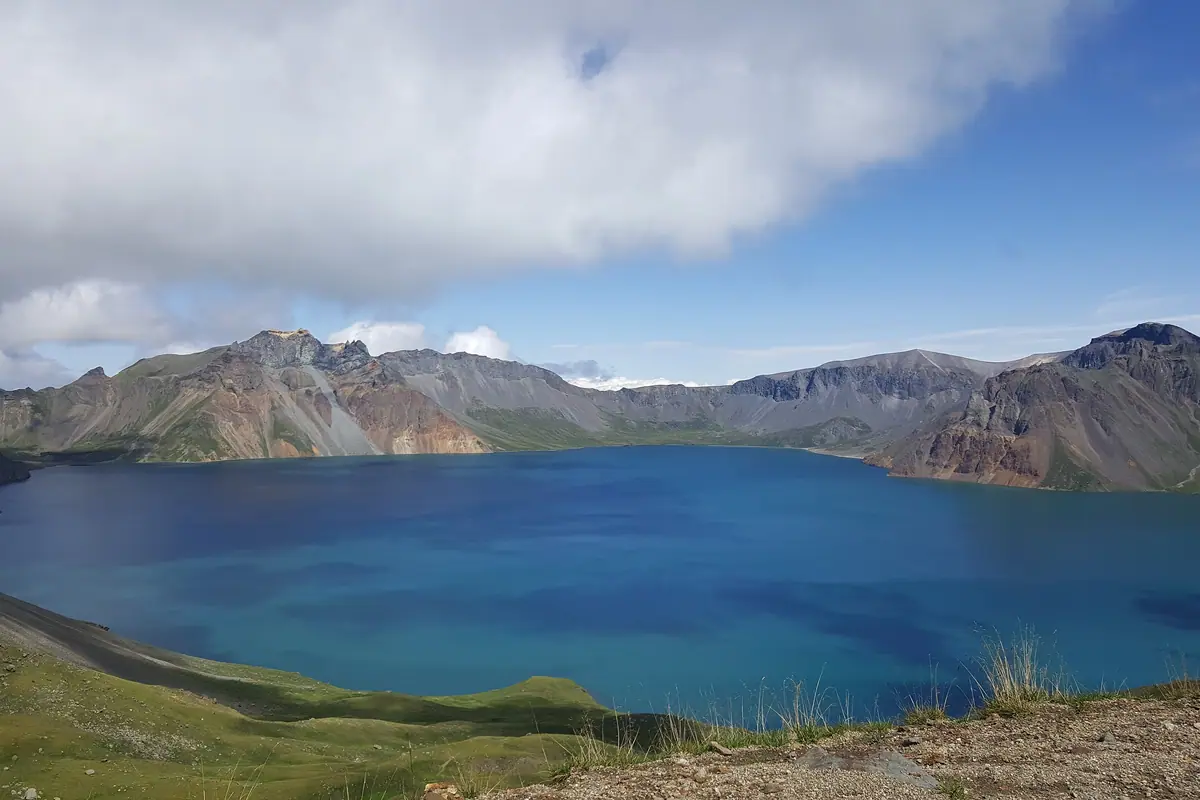
Mount Paektu, at 2,744 metres the highest point on the Korean peninsula, is a volcanic massif on the northern border holding Lake Chon, a vast crater lake that shifts between cobalt blue and grey mist within minutes. The road and a funicular climb to the rim, but weather often closes the view entirely — snow can fall even in midsummer, so patience and layers are essential. Nearby Samjiyon has been rebuilt into a model town, and the mountain carries Korea's deepest foundation myths.
Mount Myohyang rises to 1,909 metres of wooded ridges and waterfalls, with the Pohyon Temple founded in the eleventh century and rebuilt after wartime damage. Deep inside the mountain, the International Friendship Exhibition displays tens of thousands of gifts given to the country's leaders in long subterranean halls — an unexpectedly hypnotic hour. In the southeast, Mount Kumgang's 1,638-metre granite peaks once anchored a resort zone built for southern visitors; that traffic stopped in 2008 and the facilities now stand largely empty, a strange and rather melancholy sight.
Seasonal Spectacles: Marathons, Mass Gymnastics and Ski Slopes
The Pyongyang Marathon, usually run in April, is one of the few events open to ordinary foreign runners. The course loops through the centre of the capital past Kim Il-sung Stadium, with full, half and 10-kilometre options, and the streets are lined with spectators who are genuinely curious rather than hostile. Spring is also when the city's flower festivals fill with blooms named for the country's leaders, and it remains the single best month to visit.
Mass gymnastics performances at the Rungrado 1st of May Stadium — the largest stadium in the world by capacity, sitting on Rungra Island — are the country's signature spectacle. They have been staged intermittently rather than annually, with over 100,000 performers, card-flipping backdrops in the stands and gymnastic routines that have to be seen to be believed. Tickets are expensive and dates are announced late, so flexibility matters. In winter, the Masikryong ski area near Wonsan offers short, well-groomed runs and a hotel, mainly for domestic skiers; the long beaches of the Wonsan-Kalma coastal zone are a summer counterpart. Late April to May and September to October are the sweet spots, with clear light and mild temperatures, while December to February is brutally cold.
The Rules of the Road: What a Visit Actually Involves
Independent travel does not exist here. Every visitor is accompanied by at least one official guide, plus a driver, from arrival to departure. The itinerary is agreed in advance and rarely altered; you stay in designated hotels, cannot wander into the streets alone, and pass through passport checks at checkpoints between provinces. Photography has clear limits — no military sites, no construction, no unflattering scenes — and guides will ask to review images. Devices may be inspected on entry, and internet access is limited to a few hotel terminals.
Practicalities are unusual. Bring cash in euros or Chinese yuan, since foreign cards generally do not work and local currency is not available to visitors. Entry has historically been by train across the Yalu River at Sinuiju, by air into Pyongyang from a small number of Chinese cities, or overland from the Russian Far East into the northeast. Note that borders closed to almost all foreign tourists in early 2020 and have only partially reopened for limited regional groups, so confirm the current situation before making any plans.
It is worth holding the ethical question openly. Money spent on this kind of trip flows to the state, not to ordinary households, and several governments advise against all travel. Detention over seemingly trivial incidents has happened, and consular help is severely limited. If you go, go clear-eyed: this is a guided study of a system, not a holiday.
Frequently asked questions
Can you visit North Korea independently?
No. All foreign visitors are assigned official guides and a driver who stay with them throughout, the itinerary is fixed in advance, and moving around alone — even stepping outside your hotel — is not permitted.
What is the best time of year to visit North Korea?
Late April to May and September to October offer the mildest weather and clearest light. April suits the Pyongyang Marathon, while the mass gymnastics events at the Rungrado 1st of May Stadium have historically fallen in late summer. Winter is bitterly cold, often well below freezing, and July and August bring humid monsoon rain.
Is tourism to North Korea currently operating?
Borders closed to nearly all foreign tourists in early 2020, and reopening has been partial and limited to certain regional groups at times. Check the current status with your own embassy or government travel advisory before planning anything.
What should you pack and wear?
Bring smart, conservative clothing — jacket and tie or a modest dress for the Kumsusan Palace of the Sun, where jeans are refused. Carry cash in euros or Chinese yuan, warm layers even in summer for Mount Paektu, and any medication you need, since supplies are not reliably available locally.
What are the biggest restrictions to know about?
Photography is restricted at military sites, construction areas and anything deemed unflattering, and guides may review your images. You cannot buy local currency, use foreign bank cards, or access the open internet freely. Passport checks occur at checkpoints, and any unapproved deviation from the itinerary is treated seriously.
Plan it — experiences in North Korea
Live search, booked directly with trusted providers.
Sort the rest of your trip
Everything for North Korea, in one place
Stay in North Korea
Hotels, guesthouses and apartments — compared in one search.
Search hotels
Transfer in North Korea
Private driver waiting on arrival — no queues, no surprises.
Book a transfer
Stay online in North Korea
Travel eSIM — data the moment you land, no roaming bills.
Get an eSIM