North Korea is a country of stark contrasts: monumental socialist architecture, pristine mountains, and a travel experience unlike any other. Timing your visit is crucial, not just for comfort but for what you'll be allowed to see and do. From the mass games of spring to the frozen silence of winter, each season offers a distinct window into this enigmatic nation.
Spring (April to May): The Golden Window
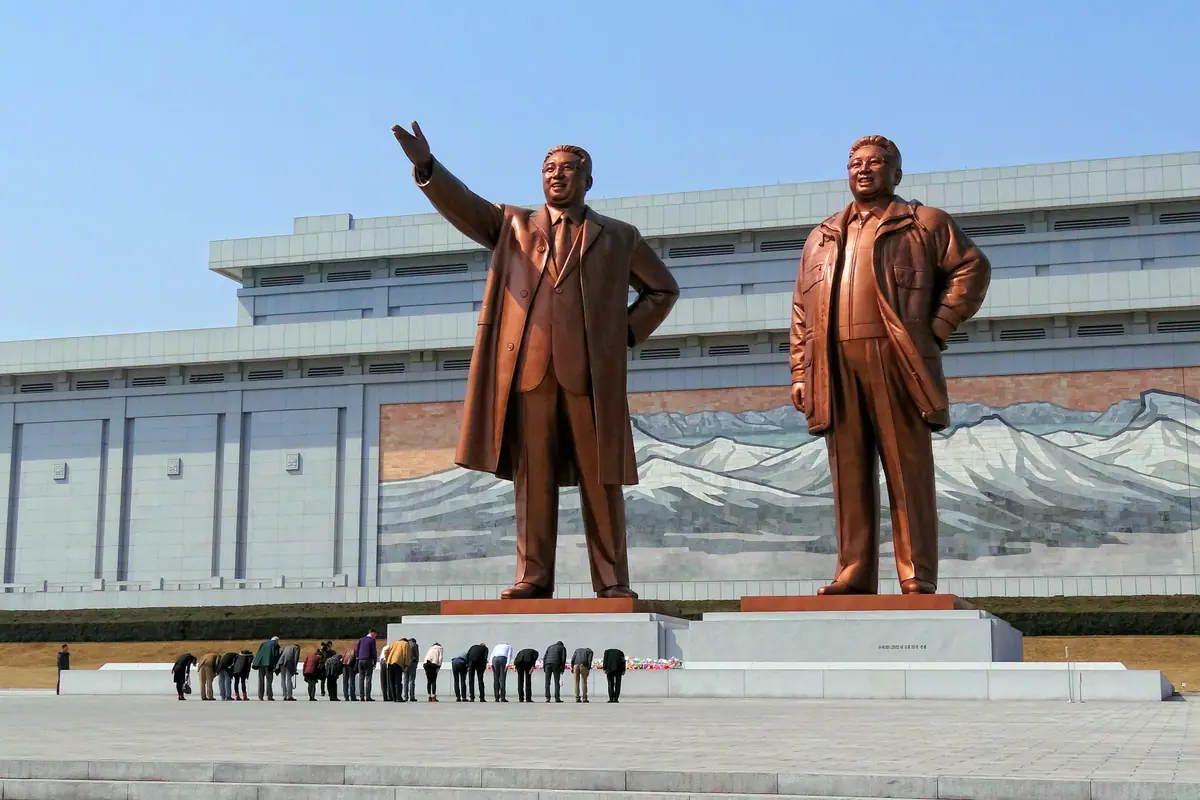
April to May is widely considered the best time to visit North Korea. The harsh winter recedes, leaving mild temperatures (10-20°C) and clear skies. This is also when the country celebrates its most important holidays, including the Day of the Sun on April 15, the birthday of Kim Il-sung. Pyongyang transforms with flowers, and you may witness mass dance performances and military parades. The must-see sights are at their most vibrant: Kim Il-sung Square, the sprawling plaza where national events unfold; Mansu Hill Grand Monument, with its towering bronze statues overlooking the city; and the Juche Tower, a 170-meter spire offering panoramic views of the Taedong River. The Arch of Triumph, taller than its Parisian counterpart, stands proudly in the spring sunshine.
However, spring is also peak season for group tours, so expect larger crowds and higher demand for the best hotels. The deluxe Koryo Hotel and Yanggakdo International Hotel fill up quickly, especially around April 15. Book well in advance through your state-approved tour operator. Also note that some sites may be restricted during official celebrations. The weather is ideal for exploring the Pyongyang Metro, with its ornate stations like Puhung and Yonggwang, which are among the deepest in the world. Evenings can still be chilly, so pack layers.
Autumn (September to October): Crisp Air and Golden Foliage
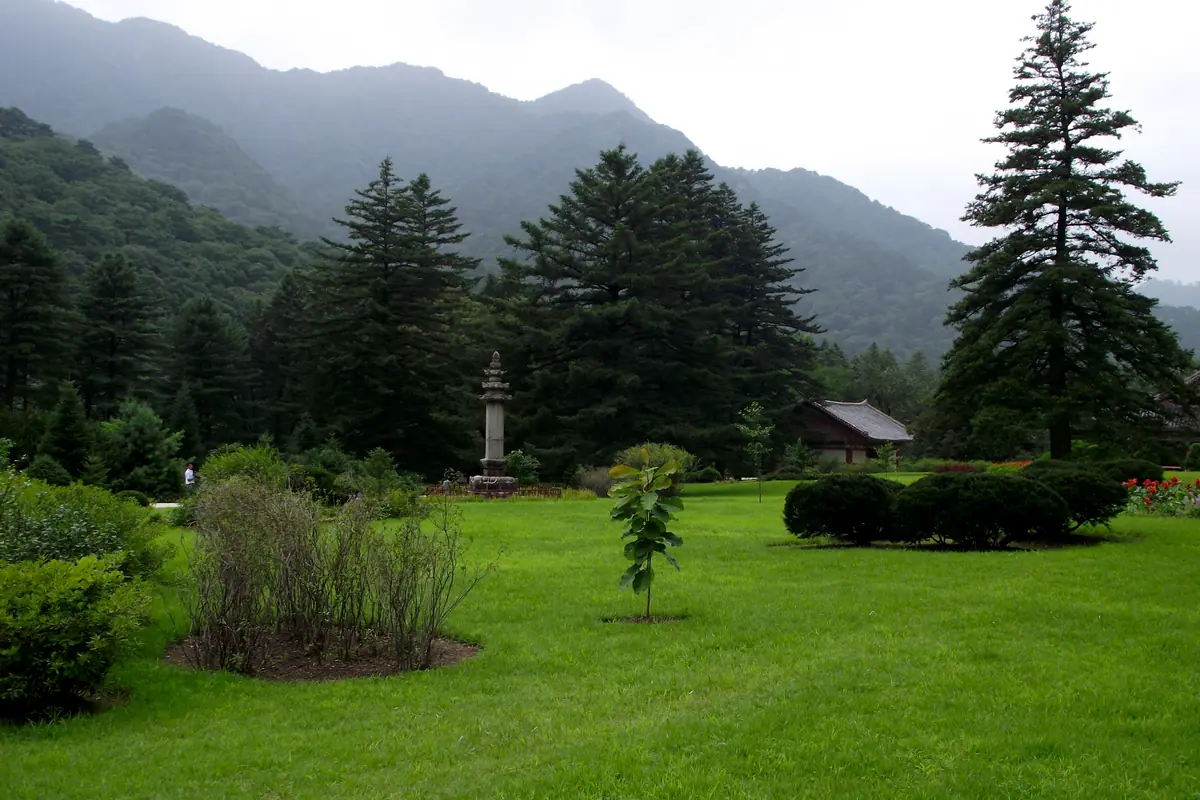
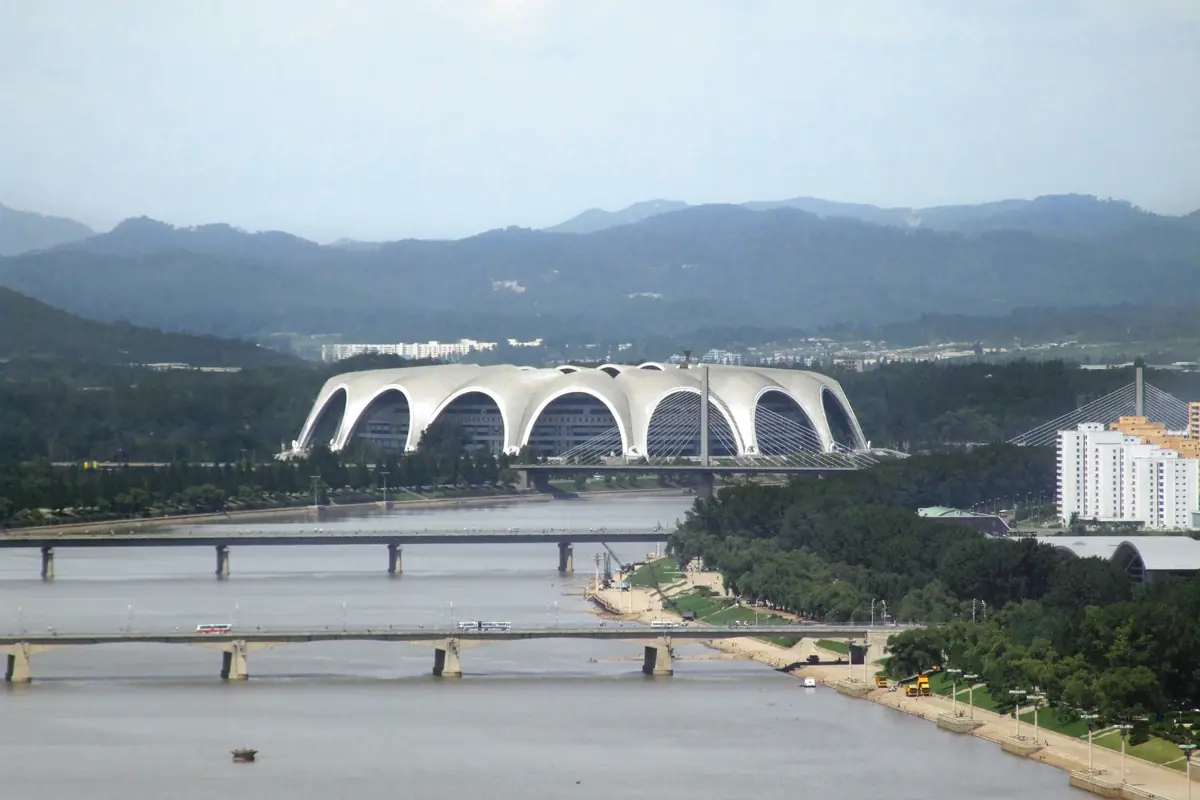
Autumn is a close second for the best time to visit. The summer rains have passed, leaving cool, dry days (15-22°C) and stunning fall colors. September 9 is National Day, marking the founding of the republic, and celebrations include fireworks and performances. This is an excellent time for photography, as the light is soft and the landscapes around Mount Myohyang and Mount Kumgang (when accessible) glow with red and gold foliage. In Pyongyang, the Arch of Triumph and the Rungrado 1st of May Stadium — the largest stadium in the world by capacity — are less crowded than in spring. A trip to Kaesong, near the Demilitarized Zone, is also rewarding; here you can visit Panmunjom, the Joint Security Area where North and South Korean officials meet.
Autumn is also harvest season, and you might see rice fields being worked in the countryside. The International Friendship Exhibition at Mount Myohyang, a vast complex of gifts given to North Korean leaders, is a fascinating indoor attraction if the weather turns. Hotels are still busy but slightly less frantic than April. The Koryo Hotel, with its twin towers and sweeping views, is a popular base. Bring a warm jacket for evenings, as temperatures drop after sunset.
Summer (June to August): Heat, Humidity, and Monsoon
Summer is the least comfortable season for travel in North Korea. From late June through August, the monsoon rains (jangma) bring heavy downpours and high humidity. Temperatures can reach 30°C, and the air feels sticky. However, this is when the countryside is at its greenest, and waterfalls in the mountains are at full force. The Rungrado 1st of May Stadium, with its 150,000 seats, hosts mass games performances during the Arirang Festival in some years (though schedules vary). In Pyongyang, you can escape the heat in the Korean Central History Museum or the Pyongyang Grand Theatre. The Juche Tower is still worth climbing for views, but haze can obscure the panorama.
Hotels may struggle with air conditioning, and power cuts are more common. The Yanggakdo International Hotel, located on an island in the Taedong River, offers a bit of breeze, but don't expect resort-style comfort. Mosquitoes can be a nuisance, so pack repellent. On the plus side, there are fewer tourists, and you may have sites like Kim Il-sung Square almost to yourself. Just be prepared for sudden downpours and muddy paths at outdoor attractions like the Taesongsan Funfair or the Mangyongdae Native House, the birthplace of Kim Il-sung.
Winter (November to March): Bitter Cold and Stark Beauty
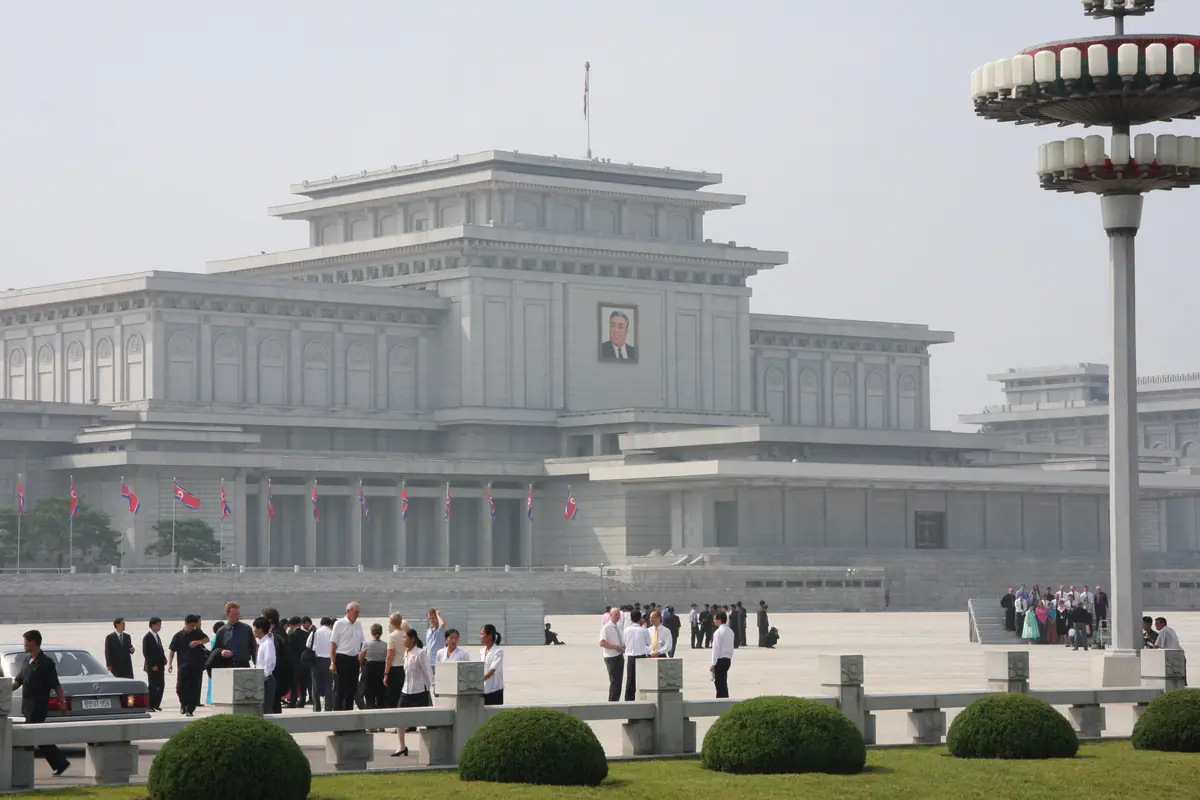
Winter in North Korea is brutally cold, with temperatures in Pyongyang often plunging to -20°C or lower. Snow covers the monuments, turning Kim Il-sung Square and the Mansu Hill Grand Monument into stark, monochrome scenes. This is the domain of dedicated travelers. The Kumsusan Palace of the Sun, the mausoleum where Kim Il-sung and Kim Jong-il lie in state, is a solemn indoor attraction that remains open. The Arch of Triumph and Juche Tower look dramatic against a pale blue sky. However, many outdoor sites and mountain tours are closed or inaccessible due to ice and snow.
Hotels are quiet, and you may find yourself among only a handful of tourists. The Koryo Hotel and Yanggakdo International Hotel have heating, but it can be inconsistent. Pack extreme cold-weather gear: thermal layers, a heavy down jacket, insulated boots, and hand warmers. Days are short, so plan indoor activities like the Pyongyang Metro or the Stamp Exhibition. The lack of crowds means you can linger at sites like the Party Foundation Monument, but be prepared for icy streets and limited mobility.
Where to Stay: Understanding North Korean Hotels
You cannot book hotels in North Korea independently. All accommodation is assigned by your state-approved tour operator, and you'll stay in designated tourist hotels in Pyongyang or other cities. The best-known is the Koryo Hotel, a twin-towered landmark in central Pyongyang with 45 floors, a revolving restaurant, and basic but comfortable rooms. The Yanggakdo International Hotel sits on an island in the Taedong River, offering 47 floors, a casino, and views of the city skyline. The Ryugyong Hotel, the 105-story pyramid-shaped skyscraper, is an iconic landmark but remains unfinished and does not accept guests.
Other options include the Sosan Hotel, a budget-friendly choice, and the Pyongyang Hotel, which is smaller and more centrally located. Expect Soviet-style decor, intermittent electricity, and limited Wi-Fi (if any). Rooms are usually clean but spartan. Bring your own toiletries, snacks, and entertainment. The best hotels are generally reserved for deluxe tours. During peak seasons like spring and autumn, these hotels fill up, so book your tour early. Remember that your hotel is also part of the experience — the Yanggakdo's revolving restaurant on the 47th floor offers a surreal view of Pyongyang's skyline.
Practical Tips for Timing Your Trip
The ideal duration for a North Korea tour is 4 to 7 days, which allows you to see Pyongyang's highlights and take a day trip to Kaesong or Mount Myohyang. Most tours start and end in Beijing, with flights or train rides into Pyongyang. If you want to witness the Arirang Mass Games, check schedules — they typically run from August to October in some years, but are not guaranteed. The best months remain April, May, September, and October. Avoid the monsoon in July and the deep freeze in January.
Must-visit attractions regardless of season include the Juche Tower, Kim Il-sung Square, Mansu Hill Grand Monument, the Arch of Triumph, the Pyongyang Metro, the Kumsusan Palace of the Sun, and the Rungrado 1st of May Stadium. Outside Pyongyang, aim for Mount Myohyang and the International Friendship Exhibition, and if permitted, Panmunjom at the DMZ. Always respect local rules: no independent wandering, no disrespectful photos, and follow your guide's instructions. The weather may dictate what's accessible, so flexibility is key.
Frequently asked questions
What is the best month to visit North Korea?
April, May, September, and October offer the most comfortable weather and the best access to outdoor attractions. Spring brings clear skies and holiday celebrations, while autumn offers crisp air and fall foliage.
Can I book hotels in North Korea independently?
No. All accommodation is arranged through a state-approved tour operator. You cannot book directly with hotels, and you'll stay in designated tourist facilities like the Koryo Hotel or Yanggakdo International Hotel.
What are the must-see attractions in Pyongyang?
Kim Il-sung Square, the Juche Tower, Mansu Hill Grand Monument, the Arch of Triumph, the Pyongyang Metro, and the Kumsusan Palace of the Sun. The Rungrado 1st of May Stadium is also worth seeing.
Is North Korea open for tourism?
Access is highly restricted and has been subject to suspensions. When open, tourism is only possible via guided tours. Check with official sources for current status, as it can change without notice.
What should I pack for a trip to North Korea?
Pack layers, comfortable walking shoes, and any personal medications. In winter, bring extreme cold-weather gear; in summer, rain gear and mosquito repellent. Toiletries and snacks are also recommended, as supplies can be limited.
Plan it — hotels in North Korea
Live search, booked directly with trusted providers.
Sort the rest of your trip
Everything for North Korea, in one place
Transfer in North Korea
Private driver waiting on arrival — no queues, no surprises.
Book a transfer
Things to do in North Korea
Skip-the-line tickets, guided tours and standout experiences.
See experiences
Stay online in North Korea
Travel eSIM — data the moment you land, no roaming bills.
Get an eSIM