North Korea is one of the last places on earth where the whole journey is choreographed from the moment you clear immigration — and that is exactly what makes it so absorbing. You travel with national guides, follow an itinerary agreed months in advance, and see the country through a narrow but fascinating window. The monuments are spectacular, the food is better than almost anyone expects, and the small details of daily life stay with you long after you leave.
How a Tour in North Korea Actually Works
There is no such thing as independent travel here. Every foreign visitor arrives on an organised tour arranged weeks or months ahead through a licensed operator, and from the moment you clear immigration you are accompanied by two national guides and a driver. Most journeys begin with a flight or a long train ride from Beijing or Dandong, or with a land crossing in the far northeast, and nearly all of them funnel into Pyongyang — the only city where you will spend more than one night.
Typical itineraries run four to eight days. Mornings start early, days follow a fixed schedule, and evenings usually end back at a riverside hotel on Yanggakdo Island or in the city centre, where you will find a bar, sometimes a bowling alley, and little or no international internet. Requests — an extra day in the mountains, a run south to Kaesong, a winter ski extension — need to be made when you book rather than when you arrive, because permissions and transport are arranged in advance. Passports are often collected on arrival and handed back at departure.
Money matters more than you would expect. Bring euros, Chinese yuan or clean, unmarked US dollar notes; card payments are effectively impossible outside a few hotel shops and there are no ATMs for foreign cards. Pack any medication, contact lens solution and specific toiletries you rely on, since local pharmacies stock a limited range.

Pyongyang: The Landmarks Every Itinerary Is Built Around
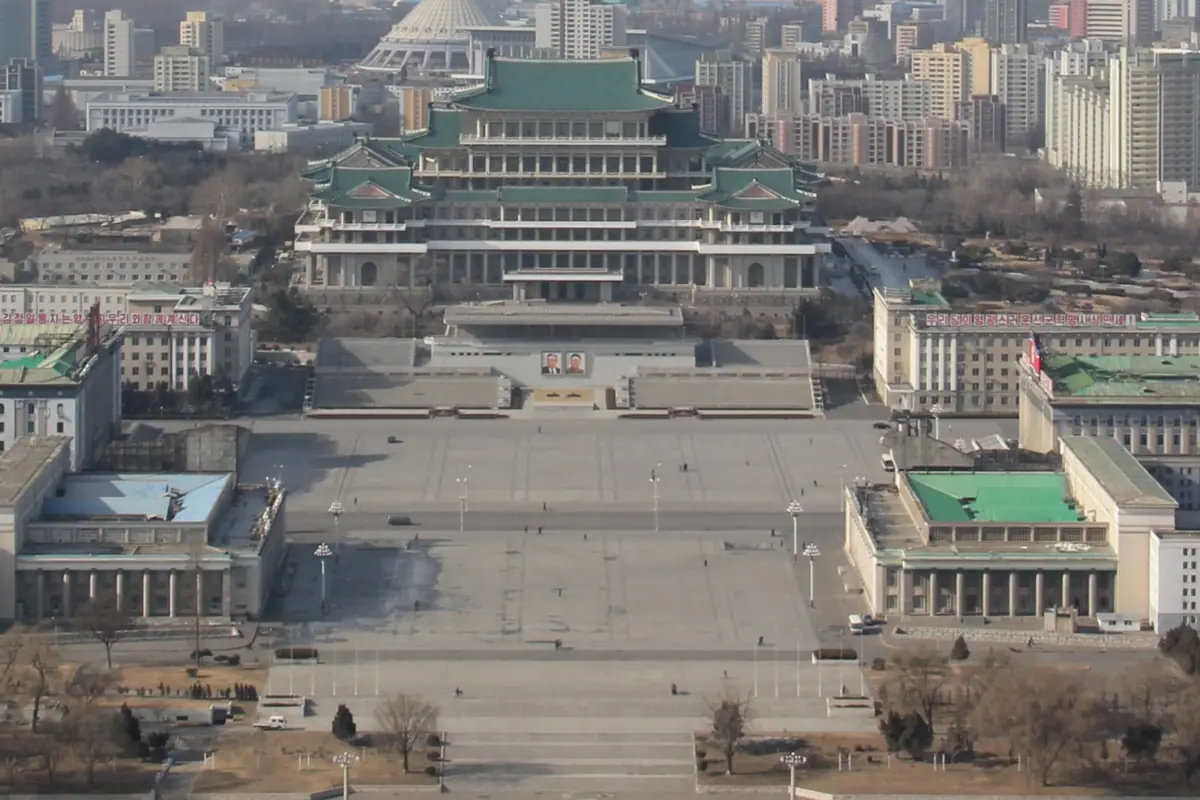
Pyongyang is the stage on which every tour plays out, and its set pieces are the reason most people come. Kim Il-sung Square spreads across the riverbank, a vast granite plain facing the Juche Tower, the 170-metre stone pillar you can ride a lift to the top of for a panorama over the Taedong River. A short drive away, the Mansu Hill Grand Monument presents two towering bronze figures flanked by a sculpted revolutionary crowd, and visitors traditionally lay flowers and bow before them. Elsewhere in the city you will stand beneath the Arch of Triumph, glimpse the unfinished 105-storey pyramid of the Ryugyong Hotel on the skyline, and walk the echoing halls of the Victorious Fatherland Liberation War Museum, where the captured USS Pueblo sits moored on the river outside.
The most solemn stop is the Kumsusan Palace of the Sun, the marble mausoleum where the country's founding leaders lie in state. Dress formally — long trousers, closed shoes, nothing loud — expect airport-style screening, hand over all cameras and phones, and follow the moving walkways through hushed chambers with the rest of your group. The mood shifts entirely underground: a ride on the Pyongyang Metro, among the deepest systems in the world, takes you past chandeliers, mosaics and stained-glass station names between Puhung and Yonggwang, and is one of the few places you will genuinely mix with commuters. Finish the day at the Rungrado 1st of May Stadium, a colossal ring on an island in the river.
Kaesong, Panmunjom and the Road South
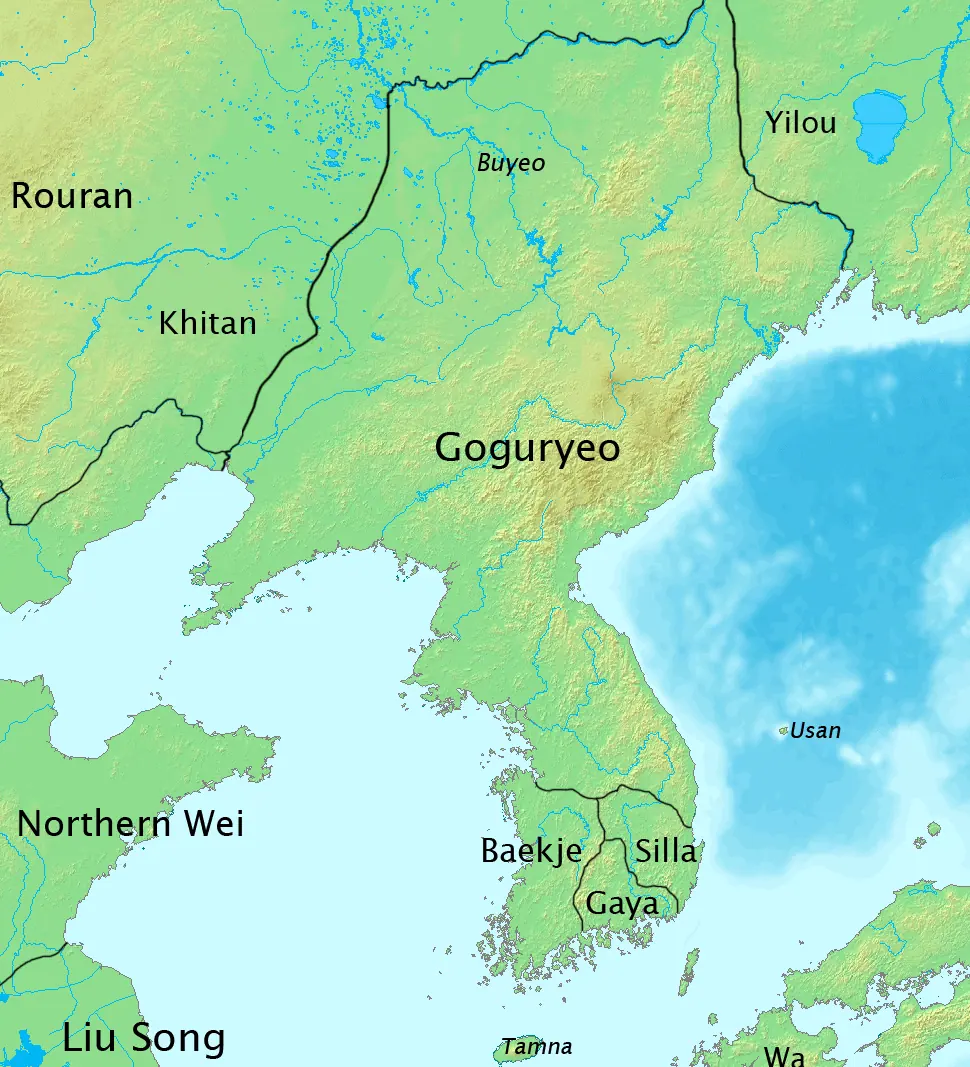
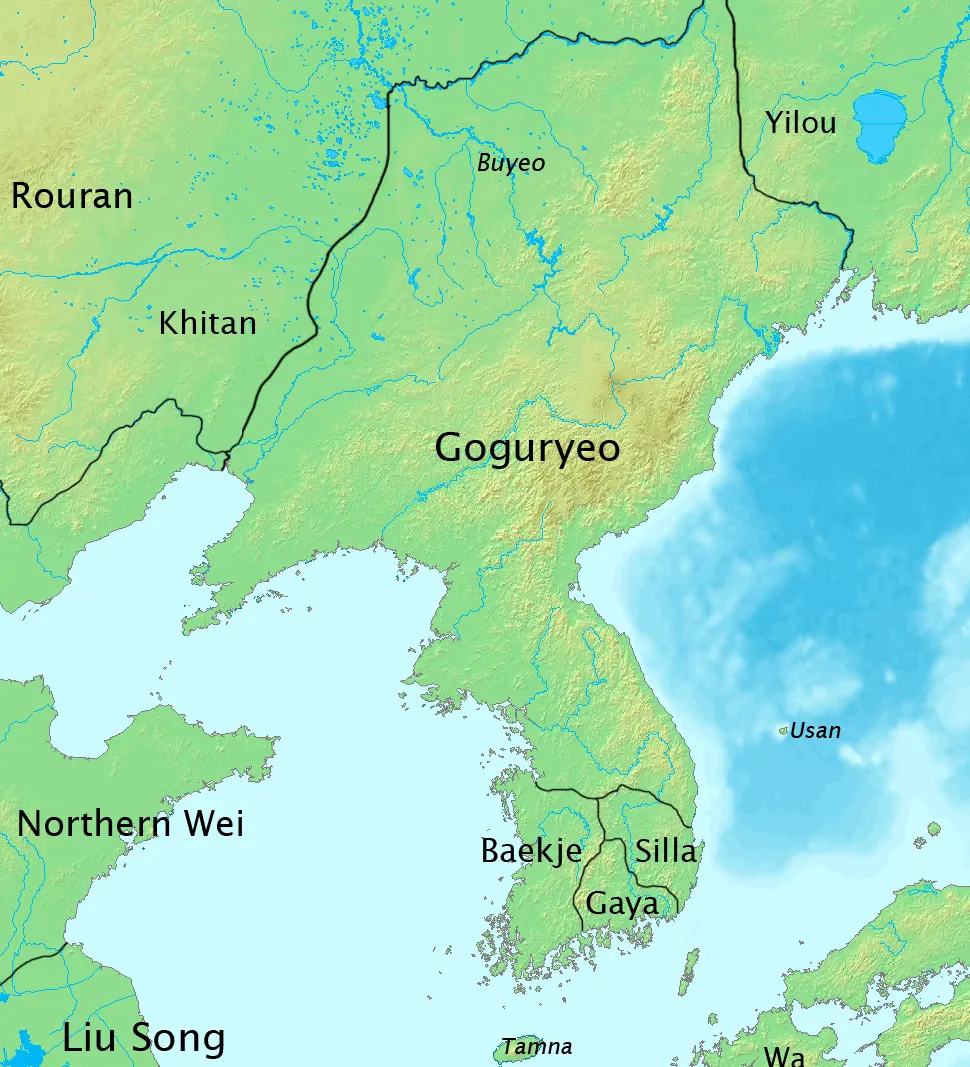
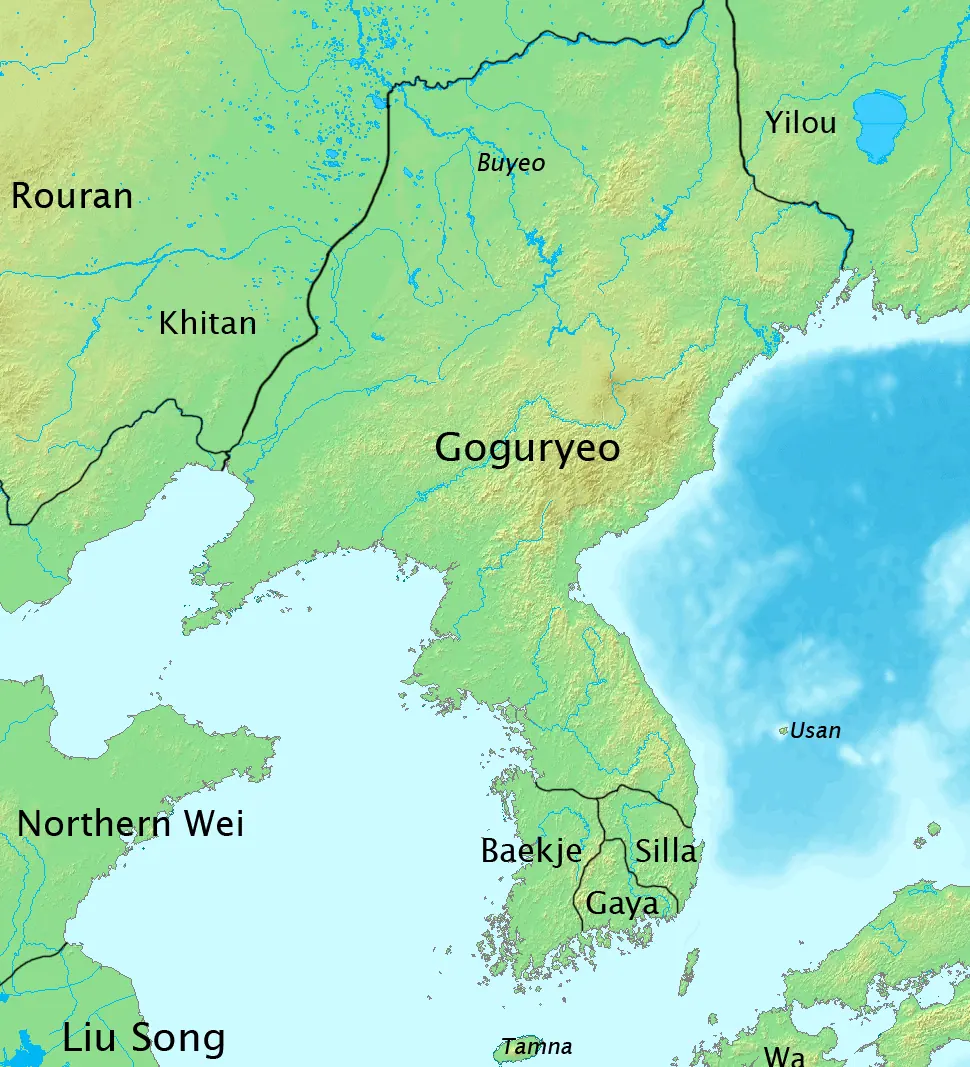
The classic day trip runs about 160 kilometres south to Kaesong, the old capital of the Koryo dynasty, and takes two and a half to three hours each way through flat farmland and low hills. The highlight is the Koryo Museum, set inside a former Confucian academy, where cases of pale green celadon, ginseng roots and metal type tell the story of a dynasty that ruled for nearly five centuries. Nearby, the stone Sonjuk Bridge and the lanes of the old town give a rare glimpse of pre-war Korean architecture in a country where so much was rebuilt after 1953.
Beyond Kaesong lies Panmunjom and the Joint Security Area, where blue negotiation huts straddle the military demarcation line and soldiers stand nose to nose. It is the single most requested stop on any itinerary — and the most unpredictable, because access has been suspended and reinstated at various points in recent years, so confirm the situation before you commit to a booking. If you are travelling by road, the folklore street at Sariwon makes a good halfway pause, with its reconstructed traditional houses, a great wooden swing and stalls selling local liquor and sweets.
Kaesong itself is known for two things you should not skip: ginseng, sold in every form from sweets to wine, and its brassware, still beaten and sold in the market. Both turn up on the lunch table, usually as a ginseng-stuffed chicken soup served in a heavy brass bowl.
What You Will Eat: Naengmyeon, Onban and Cold Pyongyang Lager
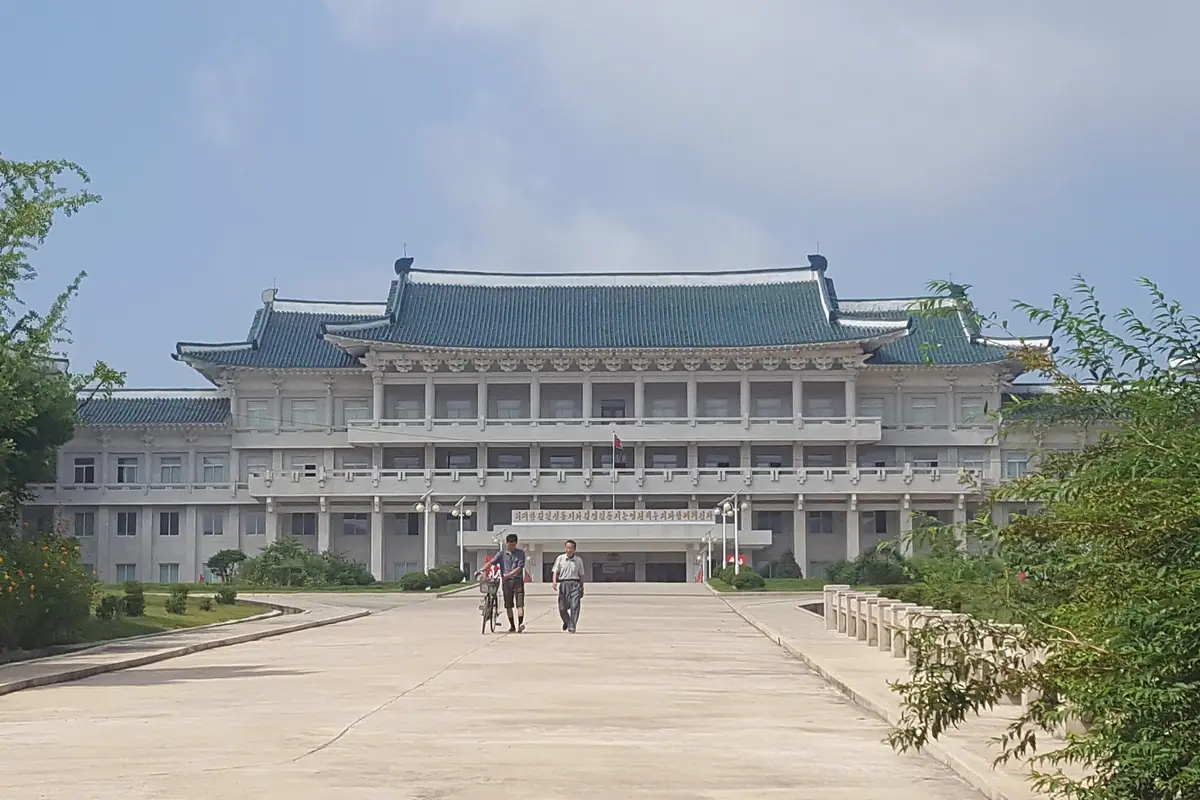
The signature dish is Pyongyang naengmyeon: fine buckwheat noodles in an ice-cold broth, topped with sliced pear, cucumber, half an egg and a scatter of sesame, with vinegar and mustard on the side. It is served at the city's flagship noodle house on Chongchun Street, a cavernous hall with a famous mural and a queue of locals on weekends. Ask your guides to take you; the ritual of cutting the noodles with scissors before you eat them is half the pleasure. In colder months, order onban instead — rice drowned in a hot chicken broth with slivers of mushroom and ginseng — or a bubbling Jeongol hotpot shared between four.
Evenings are better than their reputation. Charcoal grills fire up for pork belly and duck, beer houses along the Taedong serve a clean, crisp pale lager that locals are rightly proud of, and there are specialist restaurants for everything from Korean barbecue to dog soup, a traditional summer dish that guides will happily explain if you ask. Hotel breakfasts are plain but generous, and the buffets on Yanggakdo Island usually include kimchi, mandu dumplings, seaweed and rice porridge.
Two practical notes: vegetarians should flag their needs at the time of booking so dishes can be arranged, and fresh produce is at its best in late summer and autumn, when the harvest comes in. Winter menus lean heavily on pickles, preserved fish and imported tinned goods.
Beyond the Capital: Mountains, Temples and the Countryside
The Myohyang Mountains, roughly three hours north of Pyongyang, are the most rewarding escape. Pohyon Temple, founded in the eleventh century, sits in a wooded valley of stone lanterns and painted eaves, and easy trails lead up through the Manphok valley to hermitages and waterfalls. The same mountain complex holds the International Friendship Exhibition, an extraordinary underground vault of gifts given to the country's leaders by foreign visitors, displayed in a labyrinth of climate-controlled rooms.
On the east coast, Mount Kumgang rises in granite spires above the sea, with the Kuryong waterfall, the Samil lagoon and a network of hiking trails that were developed for South Korean visitors in the 1990s and remain quiet today. Further north-east, Wonsan offers the long sandy sweep of Songdowon beach and, in winter, the Masikryong ski resort, where groomed runs of several kilometres descend to a hotel at the base and the season generally runs from December to March.
The ultimate trip, weather permitting, is Mount Paektu on the Chinese border: a chartered domestic flight to a crater lake sitting at 2,744 metres that is treated as a national shrine. Closer to home, a half-day at a model cooperative farm such as Chongsan-ri shows you village housing, fields, a kindergarten and a glimpse of rural routine — and the West Sea Barrage at Nampo, an eight-kilometre tidal wall across the Taedong estuary, is an engineering spectacle worth the drive.
Seasons, Etiquette and the Details That Shape the Trip
Timing changes everything. Late April to June is the sweet spot: mild, dry and green, with blossom in the capital and comfortable days for walking. September and October are equally good and arguably better for photographers, when the mountains turn gold and the skies are at their clearest. July and August bring heavy monsoon rain, high humidity and the domestic holiday crush, while November to March is bitterly dry and cold, dropping well below freezing in Pyongyang — though it is also ski season and the quietest, cheapest time to travel outside the Lunar New Year period.
Etiquette matters more here than almost anywhere. Dress smartly for the mausoleum and any monument visits, do not photograph soldiers, police, checkpoints, construction sites or people without asking first, and always check with your guides about where a camera is welcome — most will tell you plainly. Never leave the group or hotel unaccompanied, keep your documents with you, and treat statues and memorials with genuine reverence: no joking poses, no turning your back for a selfie, no touching. Ask before photographing guides, too, and remember that they are the ones who make the trip work.
Bring bottled water for the day, cash for souvenirs such as stamps, postcards, ginseng and celadon, and a flexible attitude. The schedule will change; a road may close, a museum may shut, a train may run late. Travellers who accept that rhythm and stay curious tend to come home with far more than photographs.
Frequently asked questions
Can I travel around North Korea independently?
No. All foreign visitors travel on organised tours with national guides who accompany the group throughout, and the itinerary is fixed in advance. You cannot book hotels, trains or restaurants on your own, and you should not leave your group or hotel unaccompanied.
How long are typical tours, and what do they usually include?
Most trips run four to eight days and generally include arrival and departure transport, hotels, all meals, a car or coach with driver, guides and entry fees to the sites on the schedule. Extensions to Kaesong, the east coast, the mountains or a winter ski resort can often be added if requested at the time of booking.
Is it safe to visit?
Crime against tourists is very rare, and the practical risks are bureaucratic rather than physical: breaking photography rules, wandering off, or losing documents. Follow your guides' instructions, stay with the group, and keep your passport and visa paperwork accessible.
What is the best time of year for a tour?
Late April to June and September to October offer the most comfortable weather, with clear skies and pleasant walking temperatures. July and August are hot, humid and wet, while November to March is extremely cold but suits travellers interested in winter scenery and skiing.
Can I use my phone, take photos and pay by card?
You can usually bring a mobile phone, but there is no local network access or roaming, and internet is limited to a few hotel terminals. Photography is allowed in many places but restricted at military sites, checkpoints and the mausoleum, so always ask your guides. Bring cash in euros, Chinese yuan or clean US dollars — cards are almost never accepted.
Plan it — tours in North Korea
Live search, booked directly with trusted providers.
Sort the rest of your trip
Everything for North Korea, in one place
Stay in North Korea
Hotels, guesthouses and apartments — compared in one search.
Search hotels
Transfer in North Korea
Private driver waiting on arrival — no queues, no surprises.
Book a transfer
Stay online in North Korea
Travel eSIM — data the moment you land, no roaming bills.
Get an eSIM