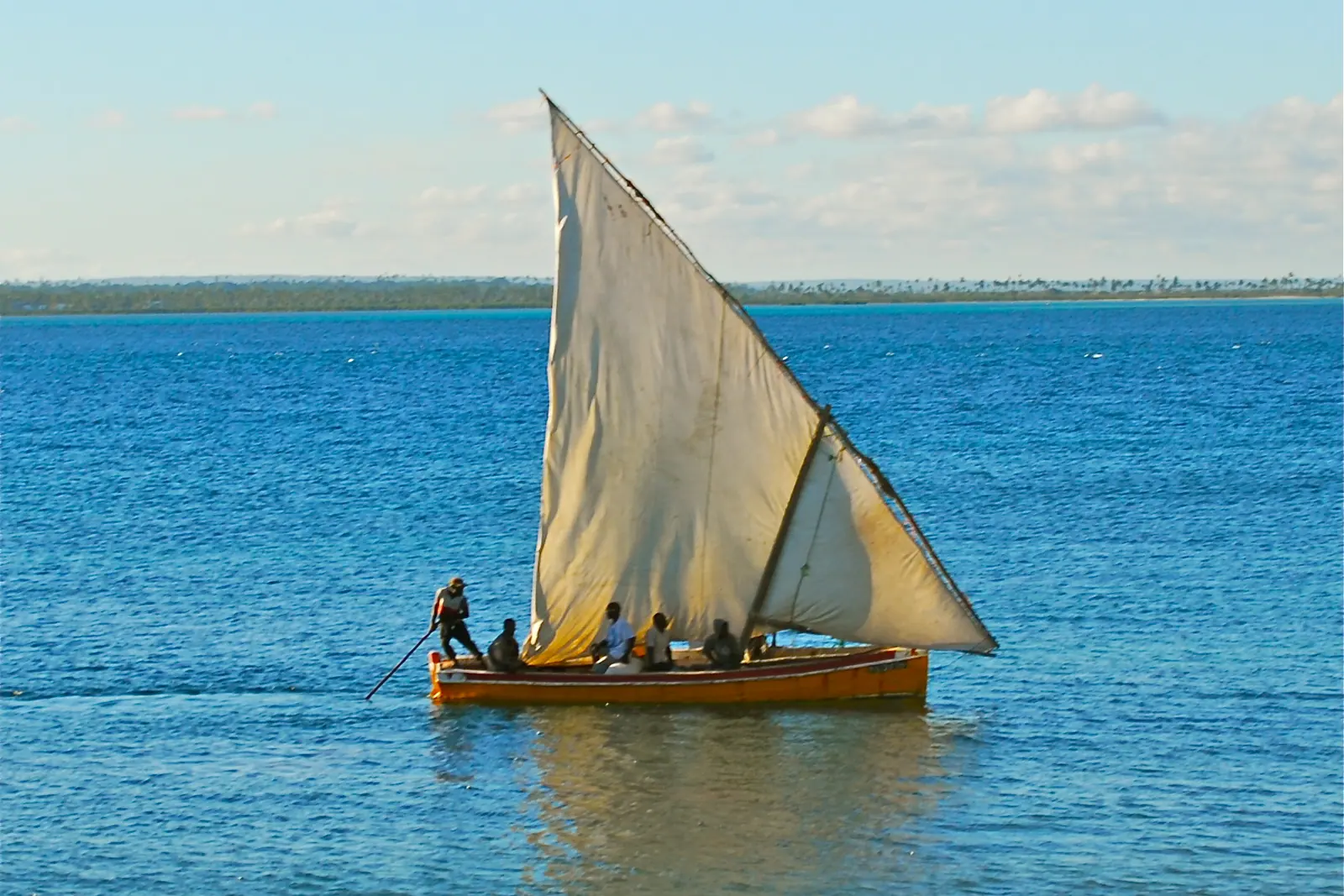
Mozambique stretches for some 2,500 kilometres along the Indian Ocean, and almost every kilometre of it holds something worth slowing down for — a coral reef, a dhow harbour, a crumbling colonial fort or a beach where the only footprints are yours. This is a country where you can dive with whale sharks in the morning and eat peri-peri prawns grilled over coals that same evening.
Maputo: Colonial Grandeur and a Very African Capital
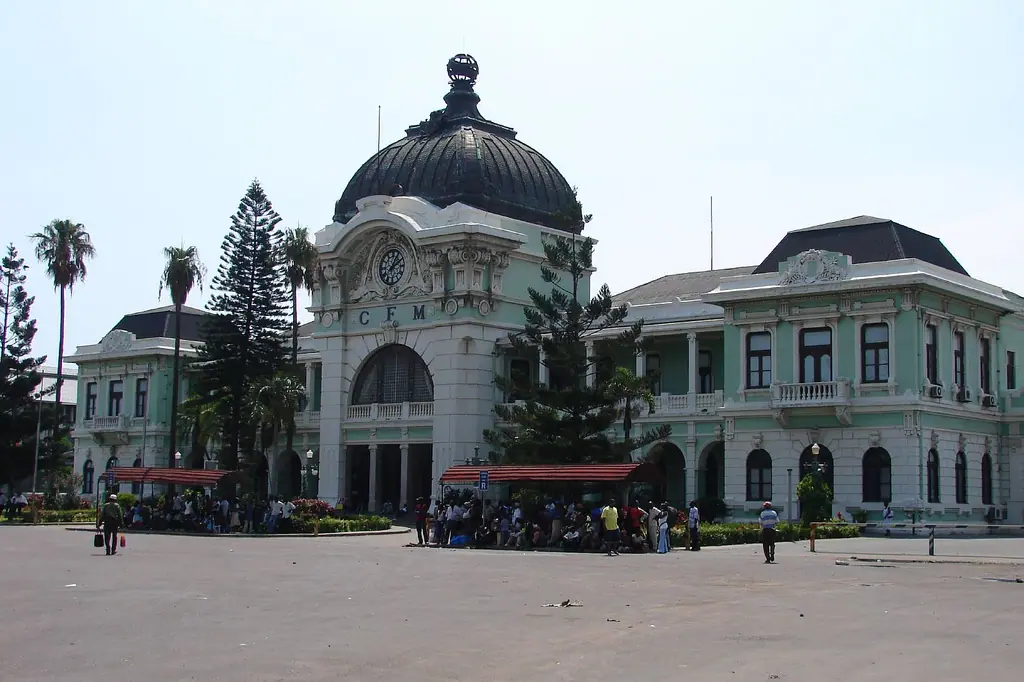
Most journeys begin in Maputo, and the capital rewards a day or two before you head for the coast. Start downtown on Praça da Independência, where the whitewashed cathedral faces the ornate City Hall, then walk to the Fortress of Nossa Senhora da Conceição, a squat stone bastion that now holds a small museum of colonial-era relics. A few blocks away stands the Maputo Railway Station, a green-domed confection of ironwork and marble that is often called one of the most beautiful train stations in the world — and still serves commuters heading to the suburbs.
Nearby, the Casa de Ferro — a house built entirely from prefabricated iron plates — and the Tunduru Botanical Gardens make an easy loop, while the Natural History Museum offers a gloriously old-fashioned cabinet of curiosities with one of the world's strangest elephant collections. For colour and noise, push into the Mercado Central, where pyramids of chillies, dried fish, cassava and cashew nuts crowd the aisles, and haggle politely.
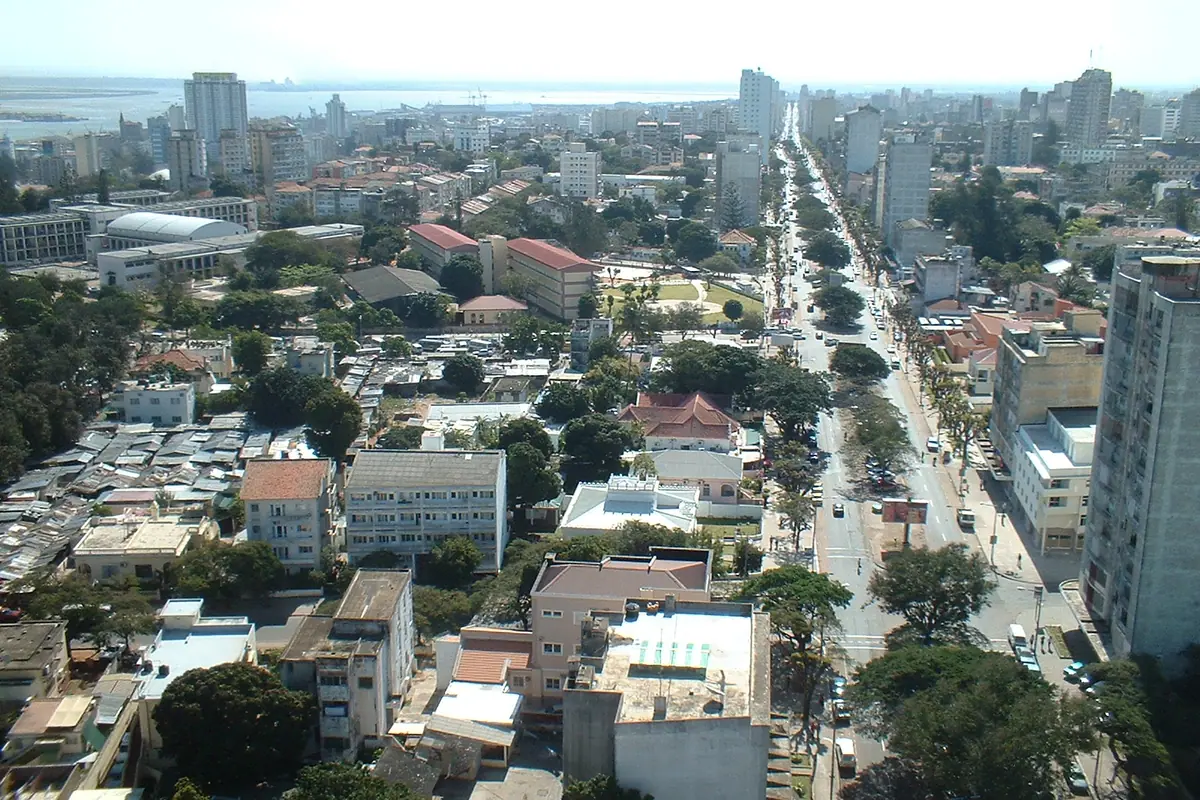
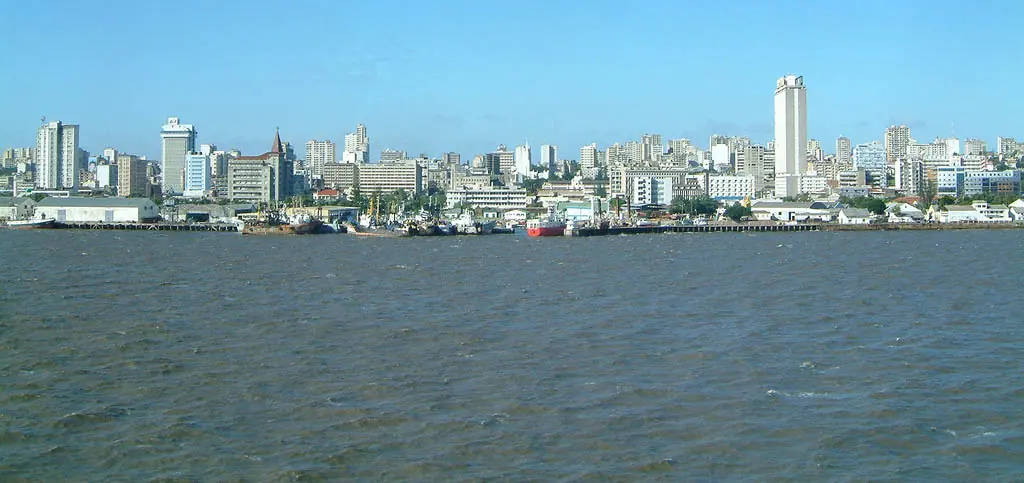
Come late afternoon, the city migrates to the Avenida da Marginal, the palm-lined seafront road where joggers, families and couples on motorbikes watch the sun drop into Maputo Bay. Eat at a simple fish restaurant near the waterfront — crab curry, grilled prawns, matapa made with cassava leaves and coconut — and you will understand why Mozambique's food is worth the trip on its own. With a spare day, drive south to the Maputo Special Reserve for elephants and coastal forest, or continue to Ponta do Ouro for some of the country's easiest reef diving.
Ilha de Moçambique: The Country's UNESCO Island
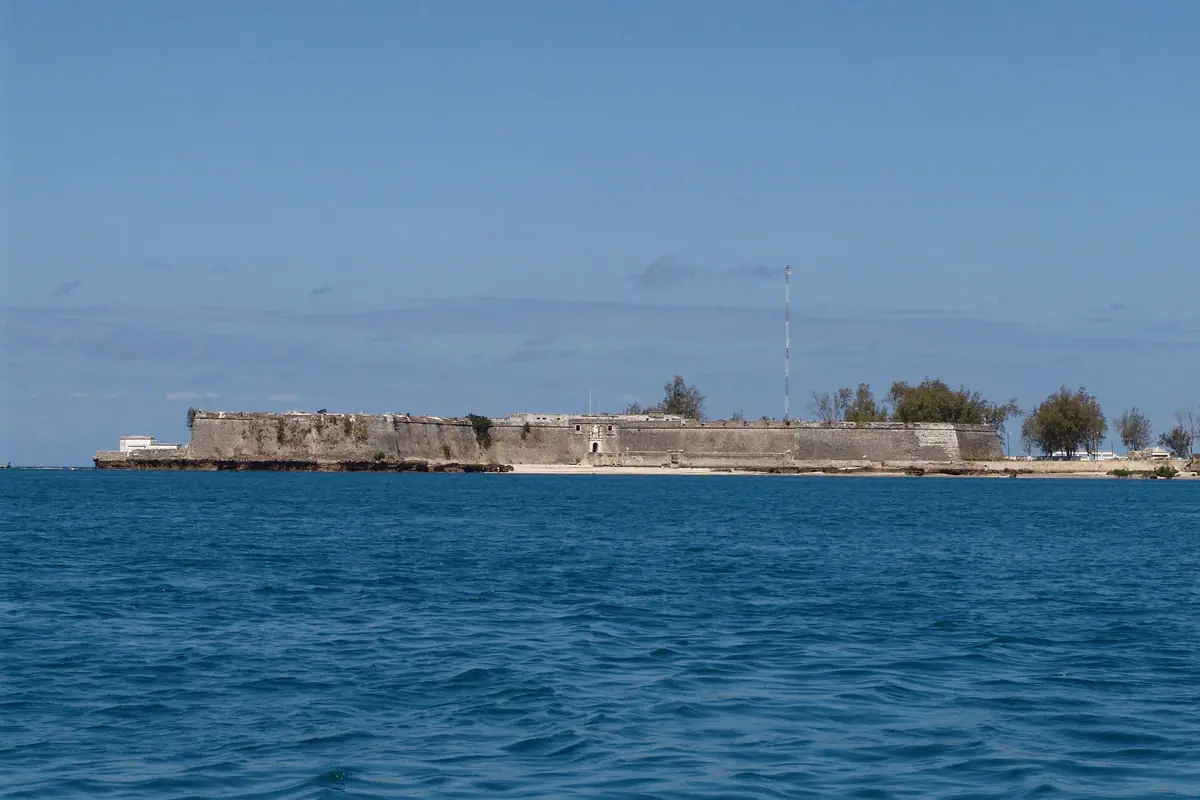
Reached by a long causeway near Nampula in the north, Ilha de Moçambique was the capital of Portuguese East Africa for four centuries and is now a UNESCO World Heritage Site. The great set piece is the Fortress of São Sebastião, a vast 16th-century bastion whose coral-stone walls, cannons and chapel have survived everything the Indian Ocean has thrown at them. Beside it, the Chapel of Nossa Senhora de Baluarte is widely regarded as the oldest European building in the southern hemisphere, standing alone at the island's tip with the sea on three sides.
Wander south from the fortress through Stone Town, past the elegant Palace of São Paulo — a former governor's residence, now a museum of furniture, porcelain and portraits — and the grand hospital and churches that hint at the island's vanished wealth. Then cross into Macuti Town, where reed-and-thatch houses, football games and children's laughter make the island feel alive rather than embalmed. The smell of drying fish and the knock of hammers from the dhow yards follow you everywhere.
Allow two to three nights, and take a sunset dhow sail with a local boatman — the island is best seen from the water at golden hour. Mornings are for the market and for photographing carved doors; afternoons for swimming off the quieter northern beaches. Bring cash, as ATMs are unreliable, and be prepared for basic guesthouses rather than polish.
The Bazaruto Archipelago: Dunes, Dugongs and Two Mile Reef
Off the coast at Vilanculos lies the Bazaruto Archipelago, five islands of white sand, freshwater lakes and coral reef that together form Mozambique's most celebrated marine park. Bazaruto itself has enormous dunes and inland lakes where crocodiles bask and flamingos wade; Benguerra is smaller, greener and fringed with shallow flats; Magaruque, Santa Carolina and Bangué complete the chain, each with a different character.
The diving is the main draw for many visitors. Two Mile Reef runs for several kilometres of hard and soft coral, with drop-offs, pinnacles and reef fish in absurd profusion, and the archipelago shelters the last viable population of dugong on Africa's east coast. Conditions are generally clearest from May to September, when water temperatures hover around the low-to-mid twenties and visibility can reach 30 metres; from November to March the sea warms dramatically but the plankton blooms reduce clarity.
Non-divers are hardly short-changed. Charter a dhow for a day of island-hopping and snorkelling, horse-ride along the tideline at low tide, kayak the mangrove channels or simply float in bath-warm shallows while fish dart past your ankles. Base yourself in Vilanculos for the widest choice of lodges and restaurants, or book into an island property for full solitude. Four to five nights gives you time to slow down properly.
Tofo, Barra and the Inhambane Coast: Big Fish, Small-Town Charm
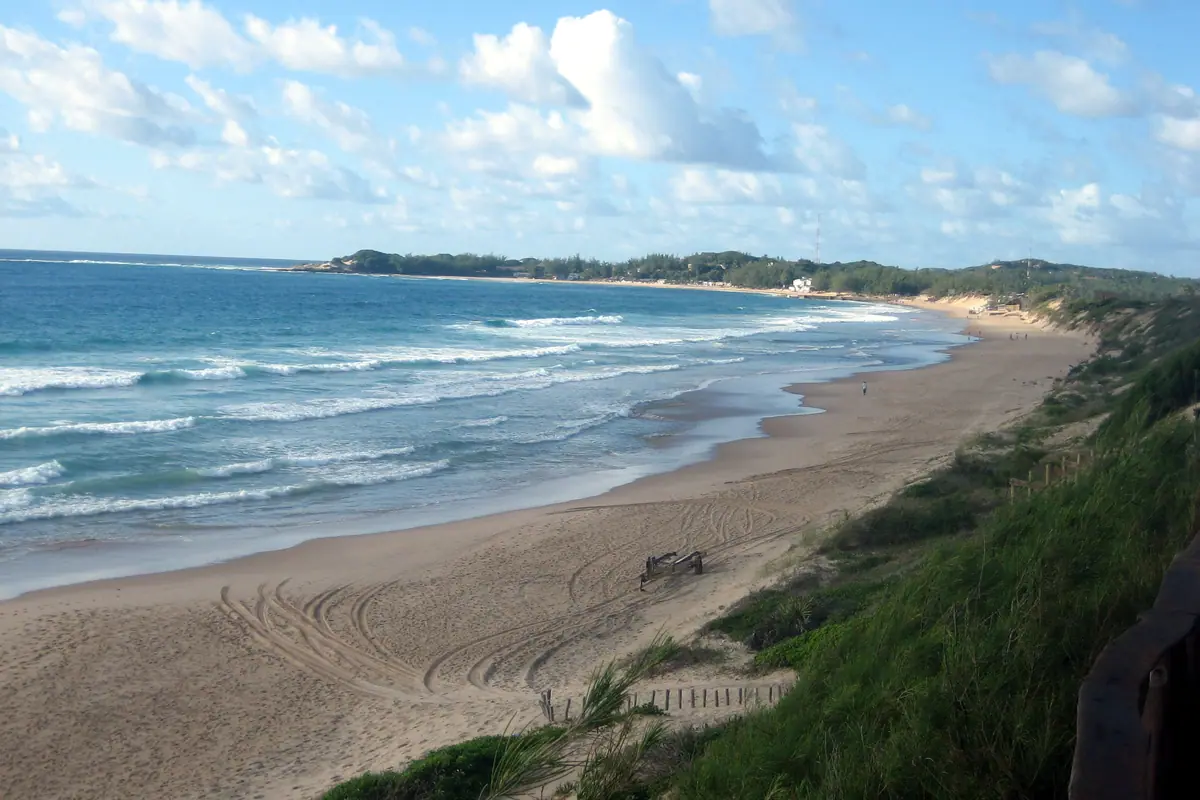
The southern coast around Inhambane is where Mozambique's reputation as a marine mega-fauna destination was built. Praia do Tofo is a sandy village with dirt roads, dive schools, beach bars and a serious claim: whale sharks and manta rays are present year-round, and humpback whales pass through between roughly July and September on their migration. Snorkelling or diving with these animals alongside a local guide is the single experience most visitors remember longest.
Inland from the beach, the old town of Inhambane is one of the oldest settlements on the east African coast, with a Swahili-Arab trading past, a peeling cathedral, a lively market and a harbour where dhows still unload. Fifteen minutes north, Barra Beach offers a quieter alternative with a long dune-backed shoreline and spectacular sunsets; Tofinho point, just south of Tofo, has a small monument to the victims of the civil war and a pumping right-hand break for surfers in the right swell.
Further south again, Ponta do Ouro sits close to the South African border and has become a favourite for diving courses and dolphin encounters, while the neighbouring Maputo Special Reserve has reintroduced elephants that now wander onto the sand. Give this stretch at least three to five nights if you want to dive, rest and eat well without rushing.
Gorongosa National Park: Mozambique's Great Comeback Story
In the centre of the country, roughly 4,000 square kilometres of floodplain, miombo woodland and rainforest make up Gorongosa National Park — a place that was emptied of wildlife during decades of conflict and has spent recent years being patiently restocked. Today lions, elephants, buffalo, sable antelope, hippos and packs of African wild dogs roam again, and the park has become one of the most talked-about conservation projects on the continent.
The landscape is the other star. Lake Urema and its surrounding pans fill with waterbirds in the wet months, Mount Gorongosa rises green and cloud-wrapped to the west, and the park's lowland tracks are excellent for spotting raptors, sunbirds, bee-eaters and more than 400 recorded bird species. Game drives are the staple, but guided walks, canoe trips on the lake and community visits to nearby villages give the experience depth.
The dry season, roughly July to October, is the most comfortable and the best time for wildlife, as vegetation thins and animals gather at water. Chitengo, the park's main camp, offers everything from simple rooms to comfortable safari tents, and the whole area is usually reached by a few hours' drive from Beira or by flight. Two to three nights is the sensible minimum.
Quirimbas, Ibo Island and the Far North
Northern Mozambique is wilder, emptier and more adventurous. The Quirimbas Archipelago strings north from Pemba towards the Tanzanian border, a chain of around thirty islands where the coral gardens are largely untrodden and the tides reveal sandbars that vanish by afternoon. Ibo Island is its historic heart: the star-shaped Fortress of São João Baptista, crumbling Portuguese mansions so overgrown that trees grow through the walls, and a community of silversmiths who still shape filigree jewellery by hand using techniques passed down for generations.
Pemba itself has some of the country's best diving and a lively whale-watching season, while further north the Niassa Special Reserve covers a colossal tract of miombo wilderness where elephants and lions persist in low densities and the only realistic way to travel is by guided expedition. Inland, Mount Namuli rises to around 2,400 metres with endemic birds and orchids clinging to its granite slopes, and Lake Niassa — the vast freshwater sea shared with Malawi and Tanzania — offers clear water, snorkelling among rainbow-coloured cichlids, kayaking and lakeside villages around Metangula and Cobue.
This is the region to visit between May and October, after the rains have passed and before the heat and humidity return. Distances are long and roads variable, so plan on four to seven nights if you want Ibo plus a couple of island or lakeside stays, and consider flying between Pemba, Nampula and the south rather than trying to do it all overland. Bring patience, cash and a willingness to go slowly — that is precisely the point.
Frequently asked questions
When is the best time to visit Mozambique?
The dry season from roughly May to October is the most comfortable and reliable, with warm days, cool nights and little rain. This is also the prime window for diving visibility, wildlife viewing in Gorongosa and the Niassa wilderness, and exploring the north. Humpback whales pass the southern coast between about July and September, while whale sharks and manta rays are present around Tofo and Inhambane throughout the year. November to March is hot, humid and wet, and the cyclone season peaks between January and March, so coastal travel can be disrupted.
Do I need a visa to visit Mozambique?
Many nationalities need a visa, though citizens of a number of countries can enter visa-free for short stays. Options at the time of writing include applying in advance, obtaining an e-visa before departure, or paying for a visa on arrival at major airports and some land borders. Check the current rules for your nationality before booking, ensure your passport has at least six months' validity and several blank pages, and carry a printed confirmation of your visa or a return ticket if required.
How long do I need to see the highlights of Mozambique?
Two weeks is a realistic minimum if you want Maputo, the Inhambane coast or Bazaruto, and either the north or Gorongosa. Three weeks is far more comfortable and lets you link the south with Ilha de Moçambique, the Quirimbas or Lake Niassa without spending your whole holiday in transit. As a rough guide, allow two to three nights for Maputo, three to five for Tofo or Vilanculos, two to three for Gorongosa, two to three for Ilha de Moçambique, and four to seven for the far north.
Is Mozambique safe, and what health precautions should I take?
Mozambique is generally a welcoming destination, but take the usual precautions: avoid walking alone at night, use a reliable driver after dark, and keep valuables out of sight. Malaria is present in much of the country, including the coast and low-lying parks, so discuss prophylaxis with a travel doctor. Drink bottled or filtered water, be careful with freshwater swimming in certain lakes and rivers because of bilharzia risk, and arrange comprehensive travel insurance with medical evacuation cover. Road travel outside towns is slow, and driving after dark is best avoided.
How do I get between the regions, and what should I book ahead?
Domestic flights link Maputo with Vilanculos, Beira, Nampula and Pemba, which saves days of driving between the south and north. Along the coast, buses and shared minibuses cover the main highways, but they are slow and often crowded; hiring a car with a driver is a comfortable middle option for shorter stretches. Small island and dhow transfers around Bazaruto, the Quirimbas and Ilha de Moçambique are usually arranged through your accommodation, so book those, your park entry and any safari or dive activities well in advance, especially in the July-to-October high season.
Plan it — experiences in Mozambique
Live search, booked directly with trusted providers.
Sort the rest of your trip
Everything for Mozambique, in one place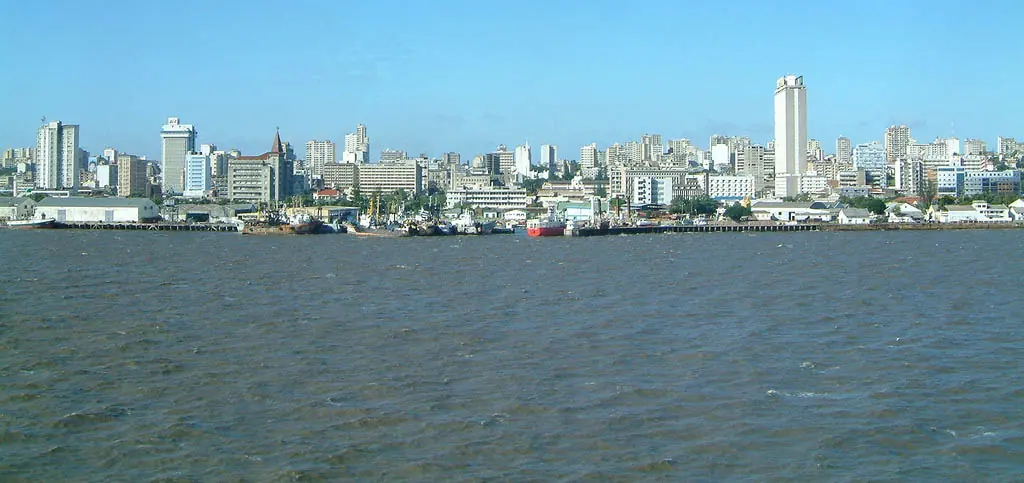
Stay in Mozambique
Hotels, guesthouses and apartments — compared in one search.
Search hotels
Transfer in Mozambique
Private driver waiting on arrival — no queues, no surprises.
Book a transfer
Stay online in Mozambique
Travel eSIM — data the moment you land, no roaming bills.
Get an eSIMMore guides in Mozambique
Mozambique Food, Culture and Local Experiences: A Guide to Markets, Marrabenta and the Island of Coral Stone
Best Places to Visit in Mozambique: Beaches, Reefs and Wild Islands
Best Time to Visit Mozambique: Seasons, Coasts and Wildlife Windows