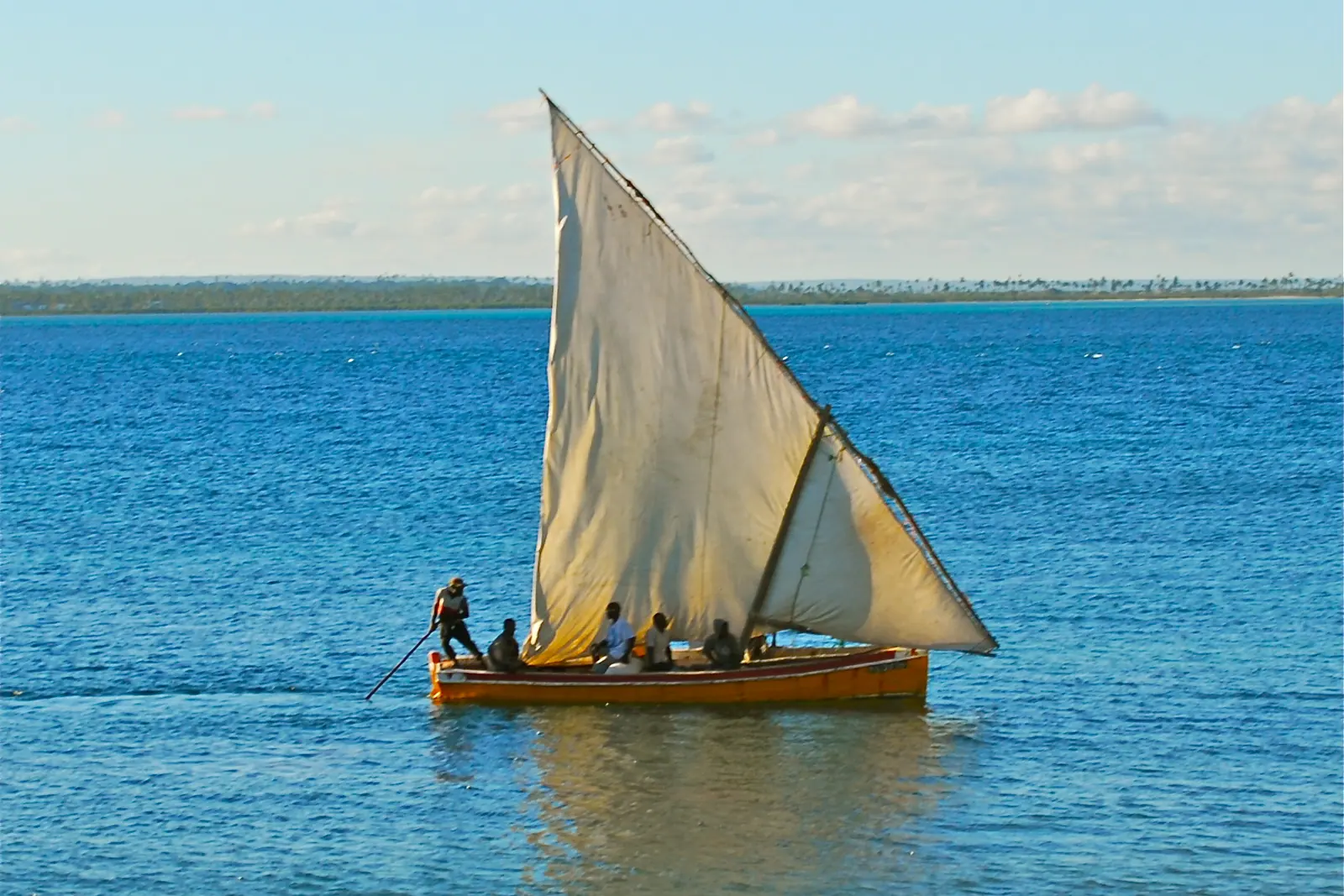
Mozambique stretches for more than 2,500 kilometres along the Indian Ocean, and almost every one of those kilometres hides something worth crossing the world for: coral gardens thick with fish, coral-stone towns that smell of salt and charcoal smoke, and floodplains where elephants move through the heat haze. It is a country that rewards travellers who are willing to slow down, travel by dhow and road, and let the tide set the schedule.
Tofo and the Inhambane Coast: Africa's Marine Big-Five Playground
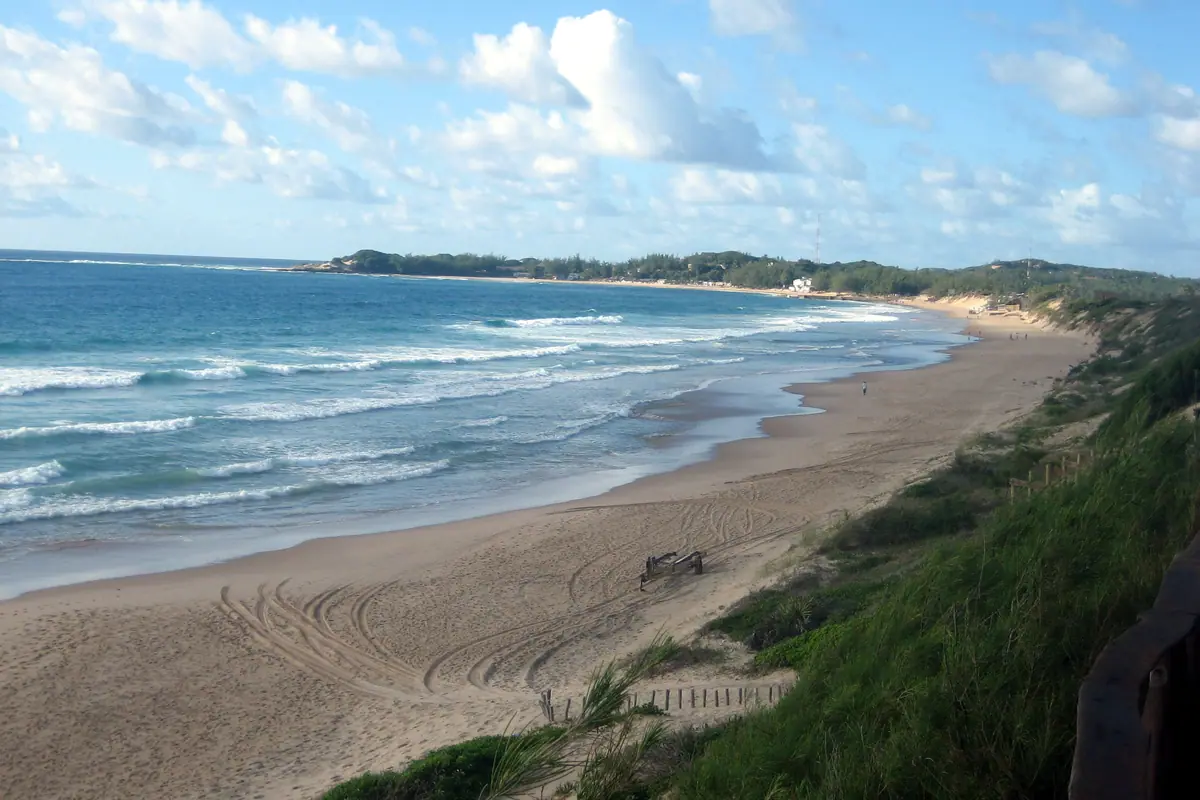
Tofo Beach, on the southern coast near the town of Inhambane, is the single best place in Africa to swim alongside whale sharks. These gentle giants cruise the plankton-rich waters just beyond the break line, and in-water encounters happen year-round, with sightings strongest between roughly October and April. Add manta rays, which gather at cleaning stations on the reefs offshore, and you have a dive destination that competes with anywhere on the continent. Humpback whales pass through between June and October, breaching close enough to shore that you can watch them from a beach bar with a cold drink in hand.
The diving here is genuinely accessible. Sites such as Manta Reef, Giant's Castle and the deeper pinnacles off Barra Peninsula are reached in 15 to 30 minutes by boat, and the reefs sit at depths suitable for newly certified divers as well as seasoned ones. Ocean safari boats head out daily for snorkellers who want the big animals without the tanks. Local dive schools operate out of Tofo and Barra, and the town itself is a low-rise strip of guesthouses, backpacker lodges, seafood grills and dive shops where nobody wears shoes.
Beyond the water, the region has its own rhythm. Inhambane town, a short chapa ride away, has an old Portuguese cathedral, a lively market and a harbour full of dhows. Nearby Závora and Chidenguele offer quieter reefs for surfers and fishermen, while the sandbar at Tofo Point creates a protected lagoon for beginners and kids. Allow at least four or five nights here if you want a realistic shot at both whale sharks and mantas — weather windows can be fickle, and flexibility is everything.
Bazaruto Archipelago: Dunes, Dugongs and Two Mile Reef
The Bazaruto Archipelago, reached by short flight or dhow from the mainland town of Vilanculos, is a scatter of five main islands — Bazaruto, Benguerra, Magaruque, Santa Carolina and Bangué — set inside a national park. Bazaruto is the largest, and its interior is a surprise: soaring orange sand dunes that tumble down towards freshwater lakes where crocodiles bask and flamingos wade. Climb the dunes at dawn and you can see the whole chain laid out in the shallows, the water shifting through every shade of turquoise and jade.
Underwater, Two Mile Reef is the archipelago's signature dive, a long coral ridge running between Bazaruto and Benguerra with drop-offs, swim-throughs and clouds of tropical fish. The shallower reef flats are ideal for snorkelling straight off a dhow, and the seagrass meadows between the islands support the last viable population of dugongs in East African waters. Sightings are never guaranteed, but early-morning boat trips with a patient skipper give the best odds. Game fishing boats also work these channels, chasing marlin and sailfish in the warmer months.
Accommodation ranges from simple beach camps to luxurious island lodges, and almost everything is organised around the water and the tides. Sailing on a traditional dhow at sunset, with the sail creaking and the crew singing, is one of Mozambique's defining experiences. The dry, cooler months from May to October bring the calmest seas and clearest visibility; the wetter months from November to March are hotter and greener, with occasional cyclones worth watching in the forecast.
Ilha de Mozambique: A UNESCO Island Frozen in Time
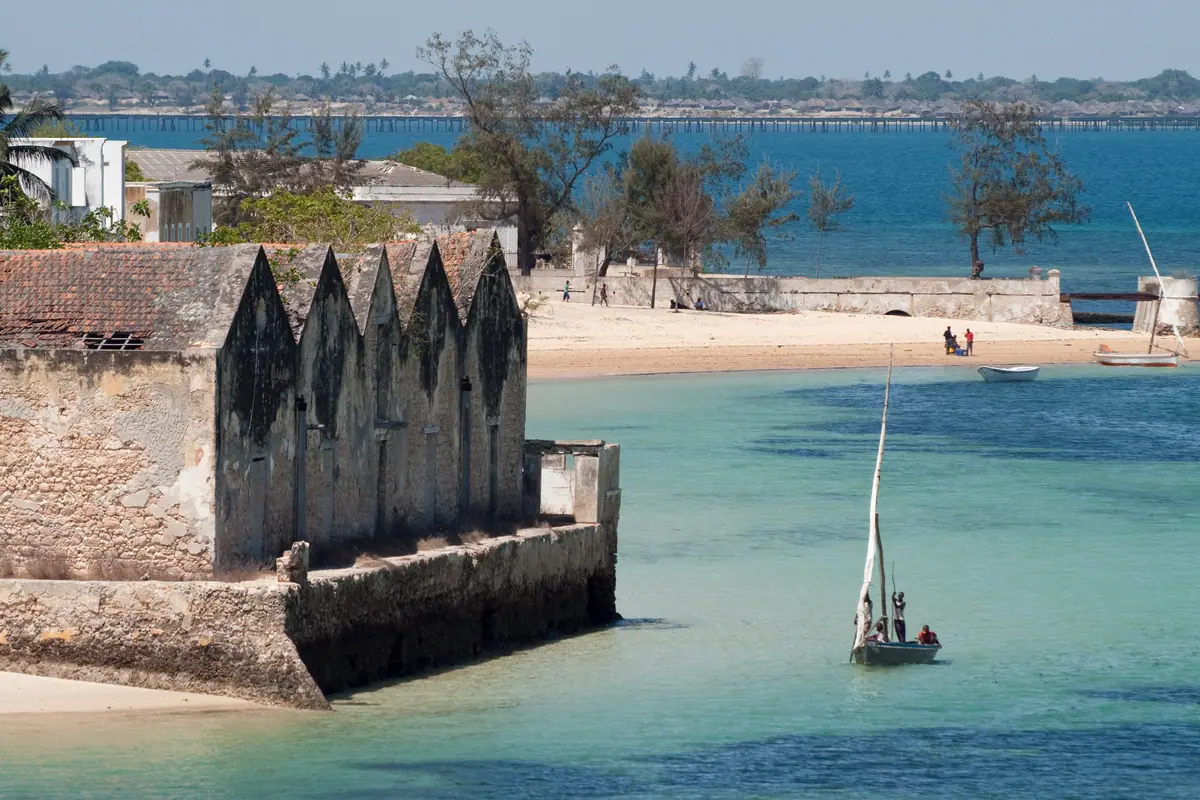
Ilha de Mozambique, off the northern coast near Nampula, was the capital of Portuguese East Africa for four centuries, and it remains the country's most historically important site. The island is a UNESCO World Heritage listing for good reason: it is split between the stone-built town at the northern tip, with its pastel colonial facades and cobbled lanes, and Macuti Town in the south, where thatched-roof houses are packed tightly together and fishermen mend nets in the street. Walking the whole island takes about an hour, but you will want longer.
The must-see monuments are extraordinary. The Chapel of Nossa Senhora de Baluarte, built in 1522 on the very tip of the island, is often described as the oldest European building in the southern hemisphere, standing alone against the sea. Fort São Sebastião, completed in the late sixteenth century, is a vast coral-stone fortress with thick ramparts, a moat and a courtyard full of old cannon; it is one of the largest surviving Portuguese forts in Africa. Also worth seeking out are the Church of the Misericórdia, the Governor's Palace and the Maritime Museum, plus the island's famous silversmiths, who still hand-twist filigree jewellery in tiny workshops.
Getting there takes some effort — usually a flight to Nampula followed by a road transfer and a short bridge crossing — which keeps crowds mercifully thin. Stay at least two nights to catch the light on the fort at sunset and to take a dhow across to Goa Island or over to Chocas Mar on the mainland. The dry season from May to October is the most comfortable time to explore on foot, when the heat and humidity ease and the monsoon rains are still months away.
Gorongosa National Park: The Rift Valley's Comeback Safari
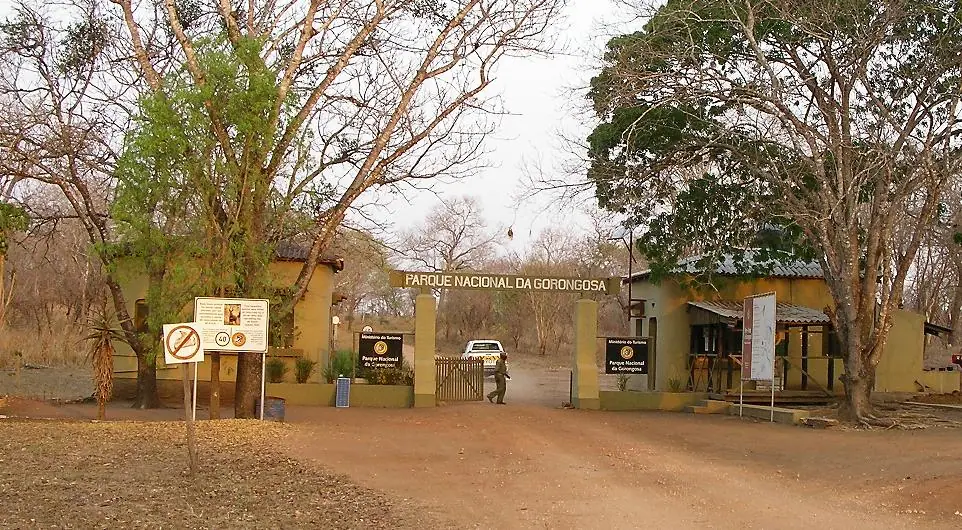
Gorongosa National Park in central Sofala Province is one of the great conservation stories of modern Africa. Devastated during decades of conflict, its wildlife has been painstakingly rebuilt, and today the park supports growing populations of elephants, lions, buffalo, hippos and one of the most important wild dog populations in the region. The scenery alone justifies the journey: the Great African Rift Valley fractures the landscape into escarpments, palm-studded floodplains and the shimmering expanse of Lake Urema, whose water levels rise and fall with the seasons and pull wildlife towards it.
Game drives here feel genuinely wild rather than choreographed. The birding is exceptional, with more than 400 recorded species, including specialities such as the green-headed oriole and the collared palm-thrush. Mount Gorongosa rises to the west, its rainforest summit cloaked in mist and fed by waterfalls that local communities depend on; guided hikes and community visits can be arranged through the park. Canoe trips on the quieter channels and walking safaris with armed guides offer a slower, more intimate way to see the floodplain than a vehicle.
The dry season, roughly June to October, is the best time to visit, when vegetation thins out and animals concentrate around water. Access is usually by light aircraft from Maputo or Beira, or by road from Chimoio, and the park's camps range from comfortable tented bush camps to simple self-catering chalets. Bring binoculars, neutral-coloured clothing and plenty of patience — sightings build slowly here, and that is exactly the point.
The Quirimbas Archipelago and Ibo Island: Mozambique's Far North
The Quirimbas Archipelago trails north from Pemba towards the Tanzanian border, a chain of more than 30 islands strung across some of the least-visited water on the Indian Ocean. Ibo Island is the historic heart of the group, a sleepy settlement of crumbling forts, stark Catholic churches and silversmiths whose craft predates colonial rule. Fort São João Baptista, a star-shaped stronghold on the waterfront, is the island's defining landmark, and you can climb its walls for views over the mangroves and sandbanks where dhows still anchor at low tide.
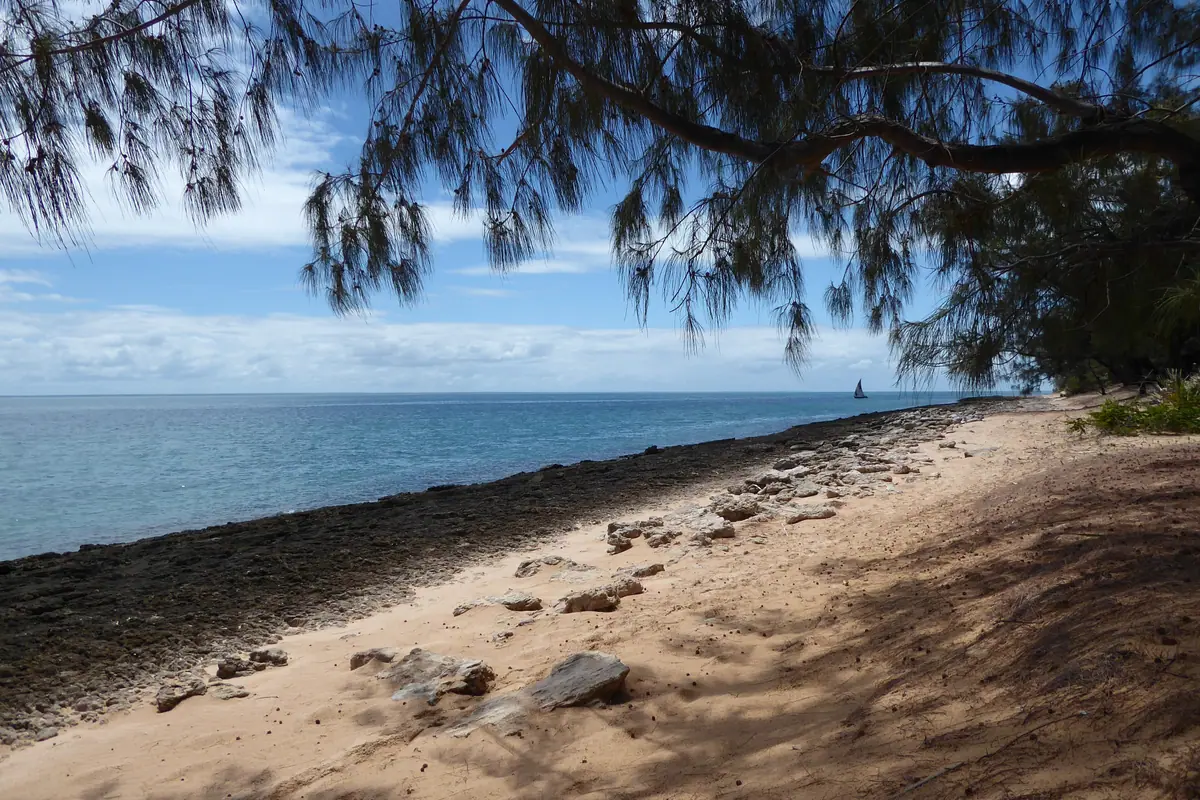
Diving and snorkelling here are superb and largely uncrowded. The reefs around Medjumbe, Vamizi and Mogundula offer drop-offs, coral gardens and reliable sightings of turtles, reef sharks, napoleon wrasse and dolphins, with humpback whales passing through the channel between July and October. On the mainland, Quirimbas National Park protects mangroves, coastal forest and elephant corridors, and the beaches at Pangane and Mecúfi are remarkable for their emptiness. Sailing between islands by dhow, sleeping on deck under the stars and eating grilled fish pulled straight from the boat is the classic northern Mozambique experience.
The far north is hot year-round and best visited between May and November, when the rains hold off and the sea is calmest. Access is via Pemba, from where light aircraft and boats serve the lodges; independent travel is possible but slow, and road conditions deteriorate sharply in the wet season. Malaria precautions are essential here, as they are across most of the country's lowlands.
Maputo and the Deep South: City Streets, Elephants and Coral Reefs
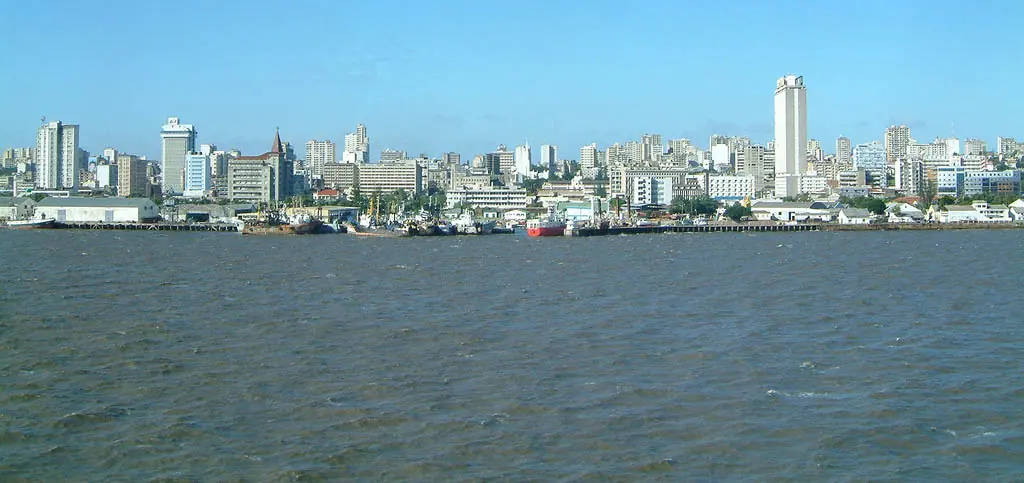
Maputo, the capital, is often skipped by travellers rushing to the coast, which is a mistake. The city's baobab-lined avenues, jacarandas that bloom purple around August and September, and faded Art Deco architecture give it real character. Start at the Mercado Central for spices, cashews and capulanas, then walk to the Maputo Railway Station, a grand green-and-white structure with a dome and wrought-iron platforms that is widely considered one of the most beautiful stations in the world. Nearby you'll find the Casa de Ferro, an iron house prefabricated in Europe, and the Fortress of Maputo, whose walls now house a small museum.
South of the city, the Maputo Special Reserve — once known as the Maputo Elephant Reserve — protects coastal forest, wetlands and grassland where elephants, giraffes, zebras and wildebeest roam against a backdrop of Indian Ocean dunes. It is quiet, scenic and easily combined with the beaches of Ponta do Ouro and Ponta Mamoli, where warm-water diving, dolphin encounters and surf breaks draw a loyal following. Further north along the coast, the Bazaruto and Inhambane regions take over as the main beach destinations.
Elsewhere, the interior rewards the curious: the Chimanimani Mountains on the Zimbabwe border offer rugged hiking and rock pools, Mount Namuli in Zambezia is a magnet for climbers and botanists, and the Cahora Bassa reservoir on the Zambezi is famous for tiger fishing and houseboat trips. Practicalities matter: the currency is the metical, Portuguese is the official language, and while English is spoken in tourist areas, a few words of Portuguese go a long way. Domestic flights link Maputo with Vilanculos, Beira, Nampula and Pemba, but distances are long, so plan on fewer places and longer stays.
Frequently asked questions
When is the best time to visit Mozambique?
The dry season from May to October is the most comfortable window, with lower humidity, calm seas and excellent diving visibility. Humpback whales pass through between June and October. The wetter months from November to March are hotter and greener, with cheaper rates but a risk of heavy rain and cyclones, particularly in the central and northern coastal areas.
Do I need a visa to visit Mozambique?
Many nationalities can obtain a visa on arrival at major airports and land borders, and some travellers qualify for visa-free entry. Rules change periodically, so check the current requirements for your passport well before booking, and carry proof of onward travel and accommodation in case it is requested.
Is Mozambique good for a first-time safari?
Yes, but it is a different experience from the crowded safari circuits elsewhere in Africa. Gorongosa National Park is the standout, with elephants, lions, buffalo and wild dogs in a spectacular Rift Valley setting, while the Maputo Special Reserve offers a gentler, coastal safari close to the capital. Wildlife densities are lower and sightings take patience.
How do I get around Mozambique?
Distances are long and roads vary enormously in quality, so most travellers combine short domestic flights between Maputo, Vilanculos, Beira, Nampula and Pemba with road transfers at each end. Shared minibus taxis, known locally as chapas, are cheap and frequent on main routes but slow and crowded. Renting a four-wheel-drive vehicle is rewarding in the south but demanding further north.
What should I pack for Mozambique?
Bring reef-safe sunscreen, a rash guard for snorkelling, insect repellent and long sleeves for evenings, plus a light rain jacket if you are travelling between November and March. Reef shoes help on rocky shores, and a sarong or light scarf is useful for visiting churches and forts. Cash in meticals is handy for markets and small guesthouses, as card machines are unreliable outside the cities.
Plan it — experiences in Mozambique
Live search, booked directly with trusted providers.
Sort the rest of your trip
Everything for Mozambique, in one place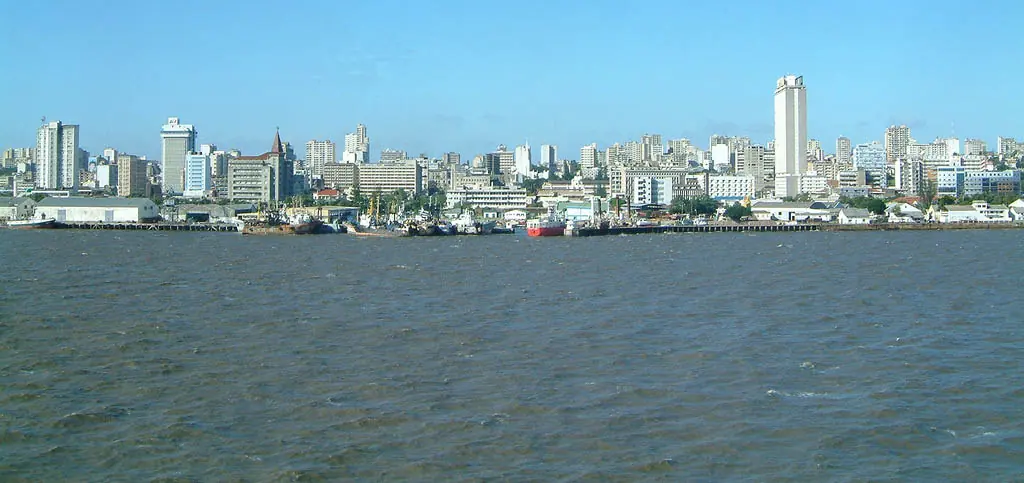
Stay in Mozambique
Hotels, guesthouses and apartments — compared in one search.
Search hotels
Transfer in Mozambique
Private driver waiting on arrival — no queues, no surprises.
Book a transfer
Stay online in Mozambique
Travel eSIM — data the moment you land, no roaming bills.
Get an eSIMMore guides in Mozambique
Mozambique Food, Culture and Local Experiences: A Guide to Markets, Marrabenta and the Island of Coral Stone
Top Things to Do in Mozambique: Landmarks, Islands and Wild Coasts
Best Time to Visit Mozambique: Seasons, Coasts and Wildlife Windows