Mozambique unfolds along 2,500 kilometres of Indian Ocean coastline, where Portuguese colonial facades, coral reefs and palm-thatched lodges share the same horizon. Choosing where to sleep shapes the whole trip here, because distances are long and each region feels like a different country. This guide maps the country's best bases, the hotels that suit each one, and the landmarks worth building an itinerary around.
Where to Stay in Mozambique: Coast, Capital and Bush
Mozambique splits into a handful of distinct travel zones, and your accommodation choices follow that geography. In the far south, the capital Maputo offers the country's densest concentration of full-service city hotels, business-style rooms and restored colonial buildings within walking distance of the waterfront. Heading north along the EN1 highway, the coast loosens into small beach towns such as Inhambane, Tofo and Vilankulo, where the lodging scene shifts to dive lodges, garden guesthouses and barefoot beach camps.
Offshore, the Bazaruto and Quirimbas archipelagos host the country's most exclusive island retreats, reachable only by boat or light aircraft. Further north still, Pemba and the Ilha de Moçambique blend Swahili, Arab and Portuguese heritage with simple pensions and small boutique stays. Inland, the central province of Sofala centres on Gorongosa National Park, where a handful of safari camps anchor a remarkable wildlife comeback.
Timing matters as much as location. The dry, cooler months from May to October are the most comfortable almost everywhere, with clear water and easy road conditions. November and December turn hot and humid before the rains arrive, and January to March brings cyclone risk and heavy downpours on the coast — a period when island lodges sometimes close entirely. Booking beach and island rooms three to six months ahead is wise for the July and December holidays.
Maputo: Historic Hotels and the Capital's Landmarks
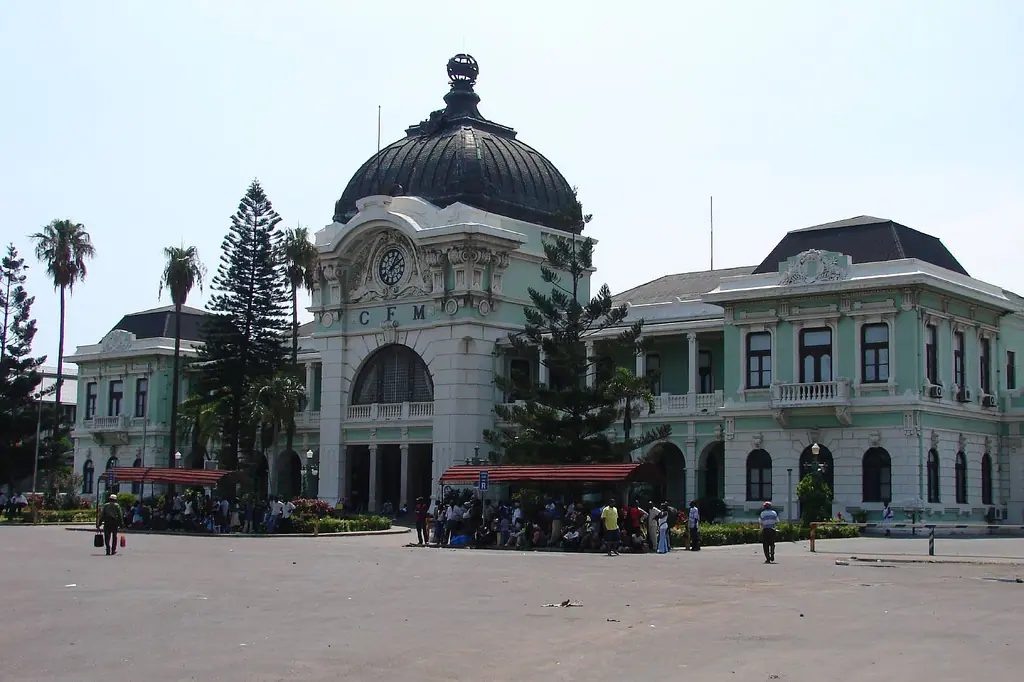
Maputo rewards anyone who spends a couple of nights rather than passing through. The stately Polana escarpment is the classic address, home to a grand old hotel whose terrace looks out over the bay, while the Baixa district below holds smaller modern hotels and restored townhouses close to the action. Staying here puts you within walking distance of Praça da Independência, the city's ceremonial heart, and the striking Maputo Railway Station, a domed, green-and-white confection often described among the world's most beautiful stations.
Don't miss the Casa de Ferro, an iron house shipped from Europe in prefabricated pieces, or the Fortaleza da Ponta Vermelha, a red-stone fortress guarding the channel at the city's southern tip. The Mercado Central is the place for cashews, spices and capulana fabric, while the Cathedral of Our Lady of Conception and the old Portuguese-era villas along Avenida Julius Nyerere give the city its faded-elegant character.
For a day trip, catch the ferry to Ilha de Inhaca, a low-key island with reefs, a lighthouse and Portuguese Island's sandbar. Back in town, the evening rhythm runs to seafood grilled with piri-piri, live marrabenta music and long conversations on hotel terraces. Two to three nights is enough for the capital's highlights; business travellers often prefer the quieter northern suburbs near the airport.
Vilankulo and the Bazaruto Archipelago
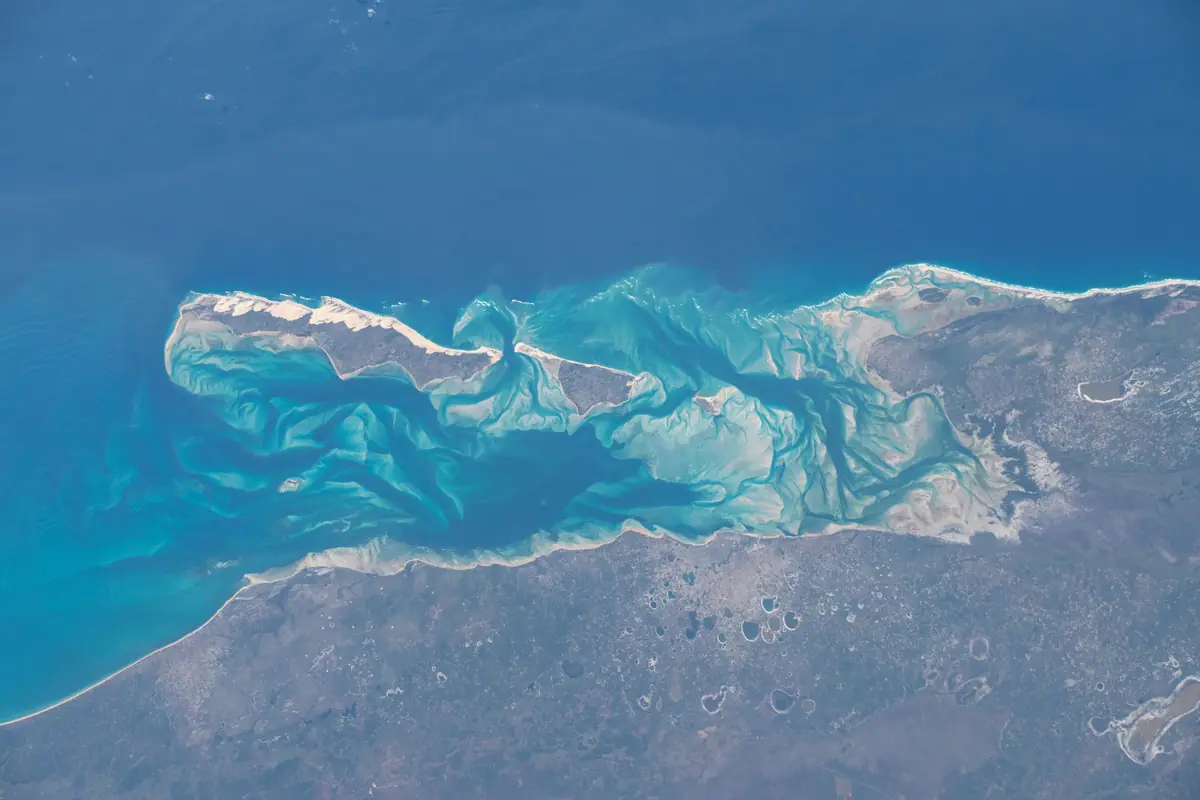
Vilankulo, most often shortened to Vilanculos, is the gateway to the Bazaruto Archipelago and one of the easiest places in Mozambique to combine a beach hotel with serious marine excursions. The town itself has a lively market, a small ruined fortress dedicated to São Sebastião overlooking the bay, and a string of lodges and guesthouses stretching north along the shore. From here, dhow boats and speedboats cross to Bazaruto, Benguerra, Magaruque and Santa Carolina, the last known locally as Paradise Island.
Accommodation ranges from family-run beach cottages in town to polished lodges on Benguerra and Bazaruto islands, where villas come with private plunge pools and butler service. Note that island stays are usually all-inclusive and reached by light aircraft or an hour-long boat transfer, so they suit travellers who want to settle in rather than explore. Two Mile Reef is the headline dive and snorkel site, with turtles, rays, reef sharks and, between roughly June and November, migrating humpback whales.
Kayaking through mangrove channels, horse riding on the sand flats and sunset dhow cruises fill the days between dives. Because the archipelago sits inside a protected conservation area, expect park fees on top of your room rate and a strong emphasis on low-impact tourism. Vilanculos is about a 700-kilometre drive from Maputo — a long, full day on the road — so most visitors take a short domestic flight instead.
Inhambane, Tofo and the Southern Beaches
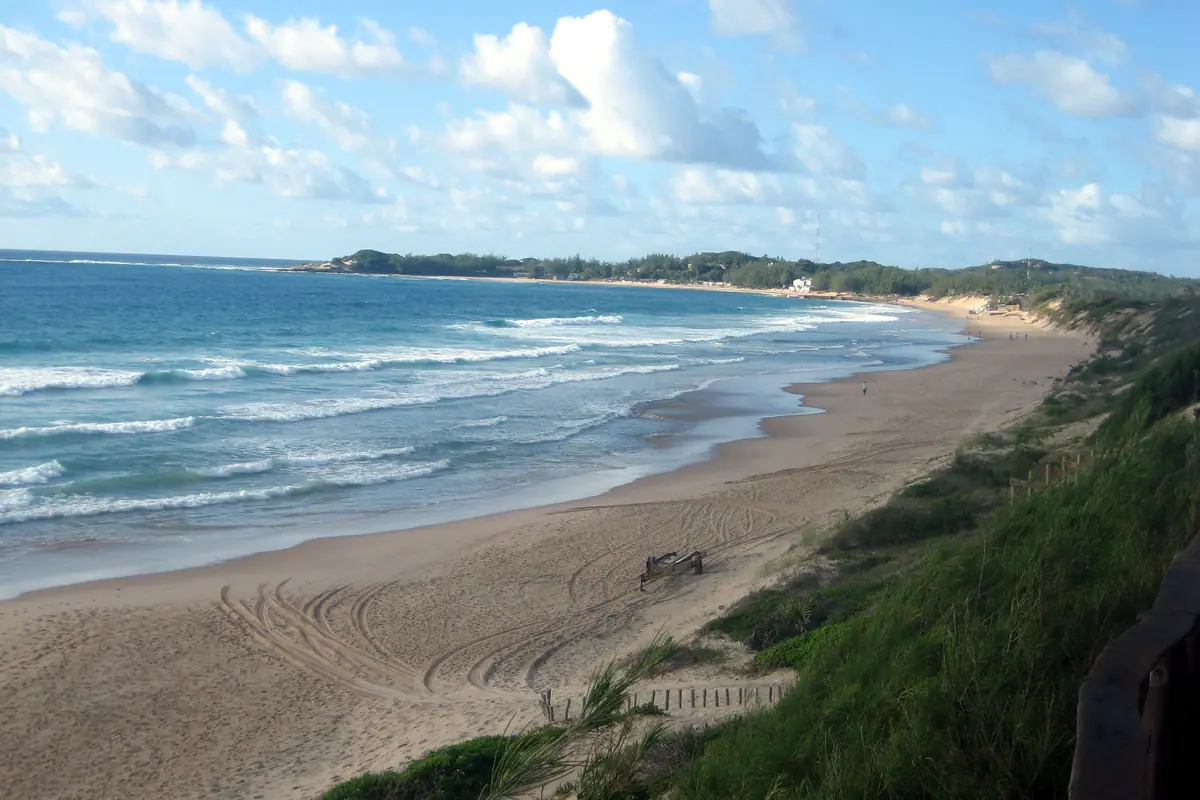
The Inhambane peninsula is Mozambique's backpacker and diver heartland, and its hotels reflect that: relaxed, sociable and refreshingly affordable. Tofo Beach is the main hub, a curve of sand lined with dive schools, beach bars and simple rooms, while neighbouring Tofinho offers surf and a quieter feel. Further along the coast, Barra Beach and Zavora trade the bustle for empty dunes and dependable wind.
The old town of Inhambane, a short drive away, is worth half a day on its own. Its cathedral, the Cathedral of Our Lady of Conception, sits above a harbour where dhows still unload; nearby lanes hold a century-old mosque, a faded customs house and a small museum in a colonial villa. Markets here sell the region's famous cashews, and the pace is unhurried.
The real draw is underwater. Tofo is one of the few places on earth where whale sharks can be seen year-round, with sightings peaking in the plankton-rich months from November to March, while manta rays are common on the reefs offshore. Humpback whales pass between June and October. Book a lodge within walking distance of the beach if you plan to dive daily, and bring reef-safe sunscreen — several local operators ask guests to avoid standard formulas.
Northern Mozambique: Ilha de Moçambique, Ibo Island and Pemba
The north holds Mozambique's most atmospheric historic stays. Ilha de Moçambique, a UNESCO World Heritage island reached by a short causeway from the mainland, was once the capital of Portuguese East Africa. Its star landmark is the Fort of São Sebastião, a vast 16th-century fortress, alongside the Chapel of Nossa Senhora de Baluarte, widely considered the oldest European building in the southern hemisphere. Accommodation here is modest but characterful, with guesthouses set inside restored stone houses in Macuti town.
Further north, the Quirimbas Archipelago and its national park stretch towards Tanzania. Ibo Island is the standout: a crumbling Portuguese fort, silversmiths working by hand, and a mangrove-fringed shoreline that feels genuinely remote. Nearby Vamizi and Medjumbe hold high-end island lodges, while Pemba, on one of the world's largest natural bays, serves as the practical base with a good spread of mid-range hotels and the region's main airport.
Getting around the north takes patience. Roads are rough, and the reliable way to link Pemba, Ibo and the islands is by light aircraft or boat transfer arranged through your lodge. Allow four to five nights if you want both Ilha de Moçambique and the Quirimbas without rushing. The dry season from June to October is the sweet spot; some island properties shut during the rains.
Gorongosa and Central Mozambique: Safari Country
Mozambique is not only a beach destination. Gorongosa National Park, in the centre of the country, has become one of Africa's most compelling conservation stories after decades of conflict and recovery. Its safari camps sit among miombo woodland near Lake Urema, offering guided game drives, walking safaris and night drives in search of elephants, lions, buffalo, hippos and the rare African wild dog. Mount Gorongosa rises behind the park, its rainforest fed by mist and coffee grown on the slopes.
Because there are only a few camps inside the park, rooms are limited and should be reserved well in advance, especially for the dry-season months from June to October when wildlife concentrates around water. This is a low-density safari experience: you may have a lion sighting to yourself, and the guiding focuses as much on ecology and community projects as on ticking off species.
Most travellers access the park via Beira, a port city with colonial-era streets, the Macuti lighthouse and a cathedral worth a look, plus a handful of serviceable hotels for a night before or after the drive. Beira also makes a sensible stopover if you are linking the southern beaches with the northern coast by road, though the journey is long and best broken into stages.
Choosing Your Mozambique Hotel: Practical Pointers
Match your base to your priorities. If you want city comforts, restaurants and museums, stay in Maputo. If you want diving and a sociable scene, head to Tofo. For island luxury and honeymoon-style seclusion, look at the Bazaruto or Quirimbas archipelagos. For wildlife, Gorongosa is the clear choice. Trying to tick off all four in one week means spending most of it in transit — two regions is a far better plan.
Infrastructure makes a difference to what you book. Air-conditioning, reliable Wi-Fi and card payments are standard in Maputo and Pemba's better hotels, patchy in beach towns and rare in remote island lodges. Cash in the local metical is essential outside the cities, and ATMs are concentrated in major towns. Portuguese is the official language, though English is widely used in tourism.
Health and safety deserve a mention when you book. Malaria is present across most of the country, particularly in low-lying coastal areas from November to May, so speak to a travel clinic before you go. Coastal currents can be strong at beaches without lifeguards, and a reputable dive operator or lodge will always advise on local conditions. Pack light layers for cool winter evenings in the south and a rain shell if you travel between December and March.
Frequently asked questions
When is the best time of year to stay in Mozambique?
The dry season from May to October offers the most comfortable conditions nationwide, with mild temperatures, clear water and firm roads. November and December turn hot and humid before the rains, and January to March carries cyclone risk and heavy downpours, when some island lodges close. For whale sharks around Tofo, the plankton-rich months from November to March are best; humpback whales pass between June and October.
How do I travel between Mozambique's main destinations?
The EN1 highway links Maputo with Inhambane, Vilankulo and Beira, but drives are long — Maputo to Vilankulo alone is roughly 700 kilometres and takes a full day. Short domestic flights connect the capital with Vilanculos, Beira, Nampula and Pemba, and are the practical option for island stays. In the far north, light aircraft and boat transfers arranged through your lodge are the norm.
Do I need malaria precautions for a hotel stay in Mozambique?
Yes for most of the country. Malaria is present in low-lying areas, with the highest risk during and just after the rainy season from November to May. Coastal towns, island lodges and Gorongosa all fall within risk zones, while parts of Maputo are considered lower risk. Consult a travel health clinic several weeks before departure and use repellent and nets where provided.
What should I know about money and payments at Mozambican hotels?
The local currency is the metical. City hotels in Maputo, Beira and Pemba generally accept cards and often quote in metical or US dollars, but beach guesthouses and remote camps may be cash-only. ATMs are concentrated in major towns and can run dry, so carry enough cash for fuel, park fees, tips and small purchases. Tipping around ten percent is appreciated in tourist areas.
Is Mozambique a good destination for families or first-time visitors to Africa?
It can be excellent for both. The sheltered bays of the Bazaruto Archipelago and the shallow, warm water around Vilankulo suit children, and many lodges offer family rooms, boat trips and snorkelling suitable for beginners. First-time visitors often combine Maputo's historic sights with a beach stay. Be aware that some surf beaches, including parts of Tofo, have strong currents, and that long road transfers can be tiring with young children.
Plan it — hotels in Mozambique
Live search, booked directly with trusted providers.
Sort the rest of your trip
Everything for Mozambique, in one place
Transfer in Mozambique
Private driver waiting on arrival — no queues, no surprises.
Book a transfer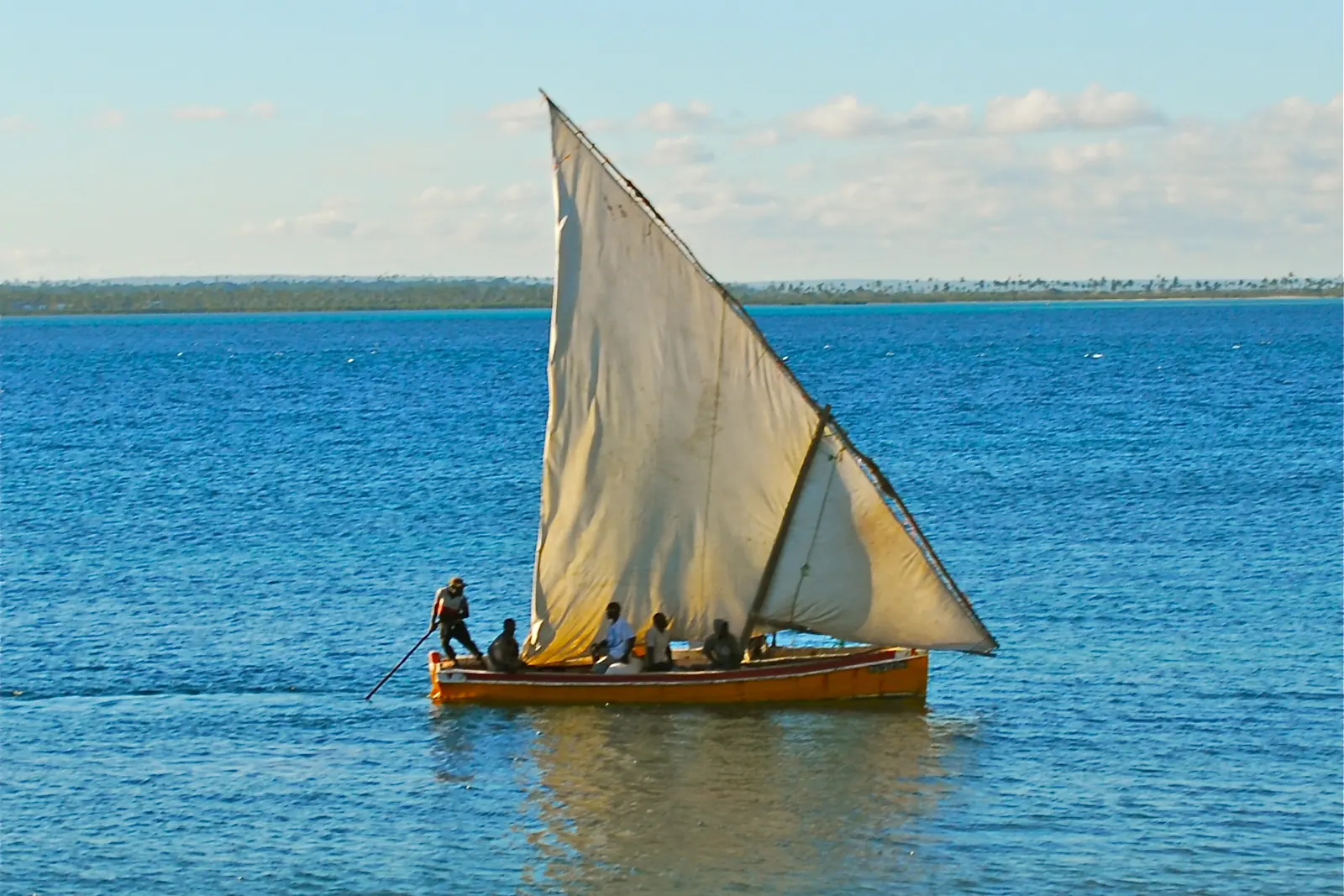
Things to do in Mozambique
Skip-the-line tickets, guided tours and standout experiences.
See experiences
Stay online in Mozambique
Travel eSIM — data the moment you land, no roaming bills.
Get an eSIM