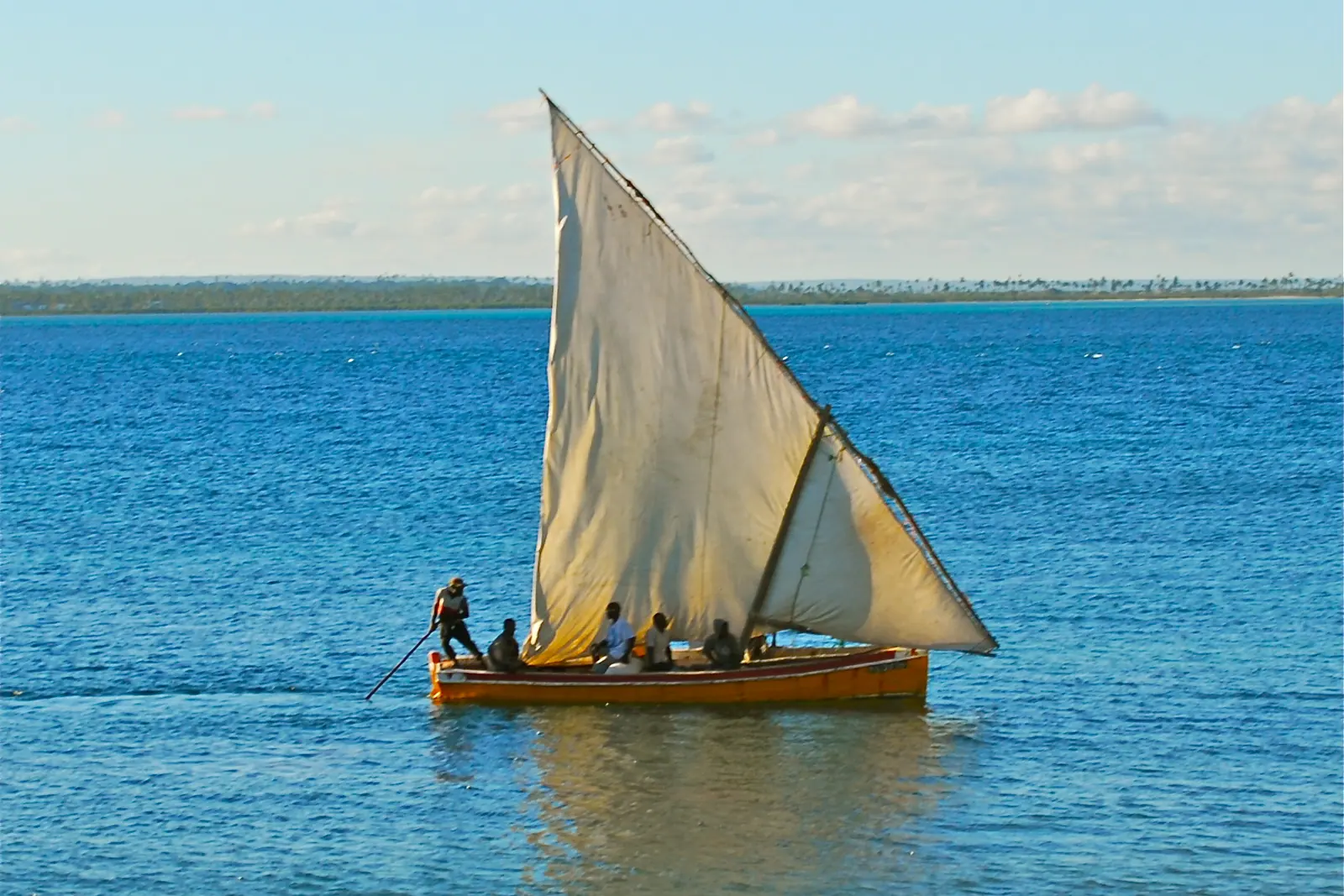
Mozambique runs on two seasons rather than four, and the difference between them decides whether you spend your days on a dhow in the Quirimbas or watching rain hammer the coast from a veranda. Read the calendar carefully and this long, warm country hands you reef water you can see straight through, whales breaching offshore and elephants gathering at inland waterholes — sometimes all in the same trip.
How Mozambique's Seasons Actually Work
Mozambique stretches roughly 2,500 kilometres down the Indian Ocean edge of southern Africa, straddling the tropics, so it rarely bothers with a European-style four seasons. Instead you get a long dry period from around April to November and a hot, wet one from November to March. The dry months bring lower humidity, clearer skies, calm seas and temperatures that hover pleasantly between about 22°C and 30°C along the coast. The wet months bring heavy afternoon downpours, sticky heat that can push past 35°C in the north, and water that turns turbid in the south.
Geography complicates that simple picture in useful ways. The far south around Maputo and Ponta do Ouro is subtropical, so June and July mornings can be genuinely cool enough for a jumper. The northern coast near Pemba, Ibo Island and the Quirimbas Archipelago stays hot and humid almost year round, while inland areas such as Gorongosa National Park and the highlands around Mount Namuli swing between warm days and surprisingly cold nights in the middle of the year. Lake Niassa in the far north behaves like an inland sea, calm and glassy from May through October.
The single biggest wildcard is cyclones. The official risk window runs from January to March, and the central coast — Beira, Vilanculos, the Bazaruto Archipelago — has historically taken the hardest hits. Storms are not an annual certainty, and most weeks of that window pass without drama, but they are the reason many seasoned travellers quietly aim for the May-to-November half of the year.
April to June: The Golden Window on the Southern Coast
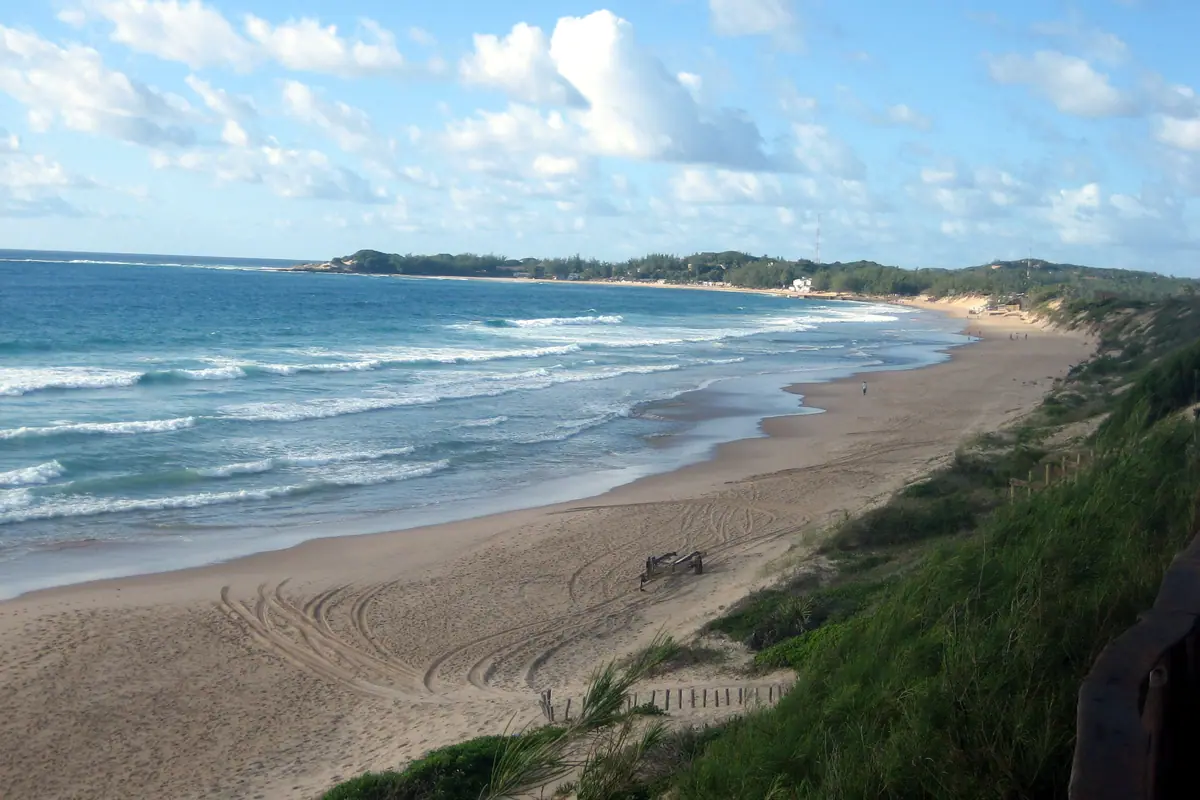
If you want a single answer to when Mozambique feels most generous, it is these three months. The rains have retreated, the bush and the coconut palms are still vividly green, and the humidity is dropping week by week. Daytime temperatures along the Inhambane coast settle around 26–30°C, and the sea stays warm enough for long swims. Underwater visibility improves steadily as the runoff clears, which is when divers start getting excited about the reefs off Tofo Beach, Barra and Zavora — manta rays and reef sharks are the regular cast.
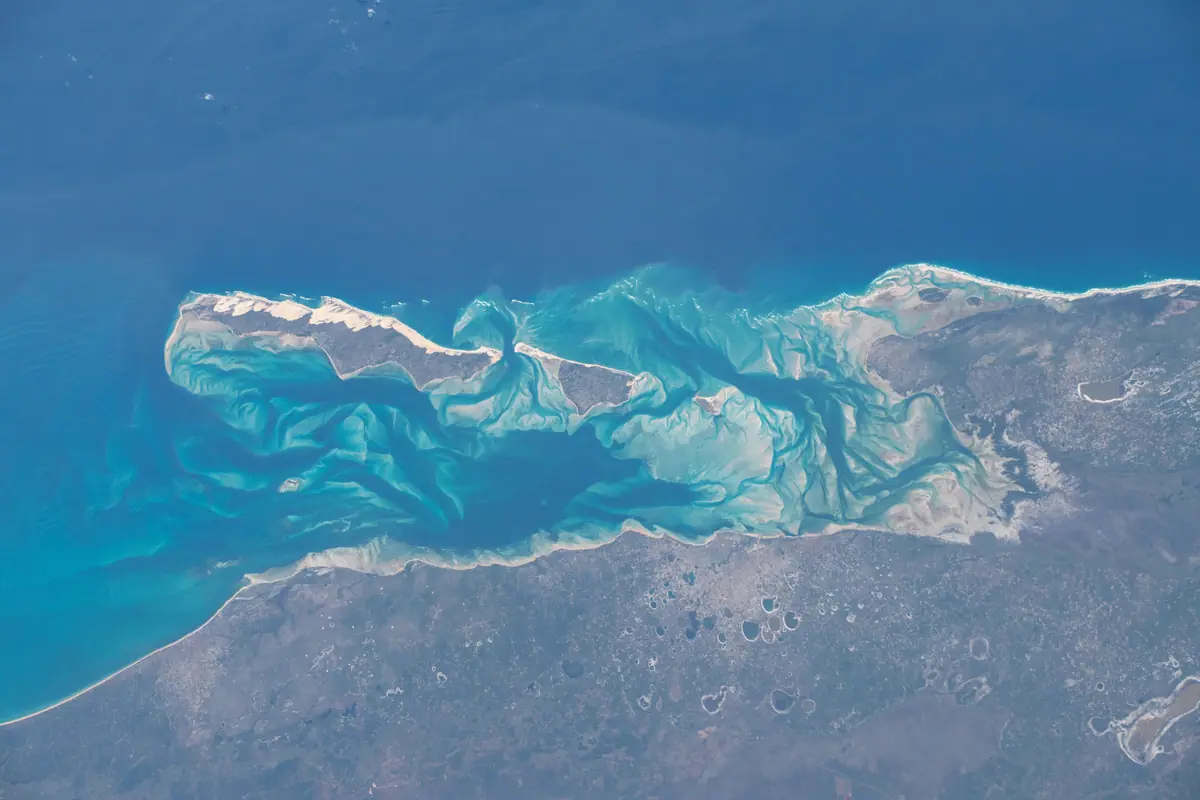
This is also the easiest time to reach the islands without paying peak-season rates. The Bazaruto Archipelago, reached by boat from Vilanculos, is at its most photogenic in May and June: the sandbanks at Two Mile Reef glow turquoise, and the dunes on Bazaruto and Benguerra islands are cool enough to climb in the late afternoon. Further south, Ponta do Ouro and Ponta Mamoli offer easy beach-and-dive weekends out of Maputo, and the Maputo Special Reserve, just inland of the dunes, is a straightforward day trip.
The reason to move early in this window is crowds — or the lack of them. South African school holidays land in late June, and the coast fills up quickly after that. Book lodges for April, May or early June and you often get the same weather with noticeably better availability.
July to October: Dry Season for Gorongosa and the North
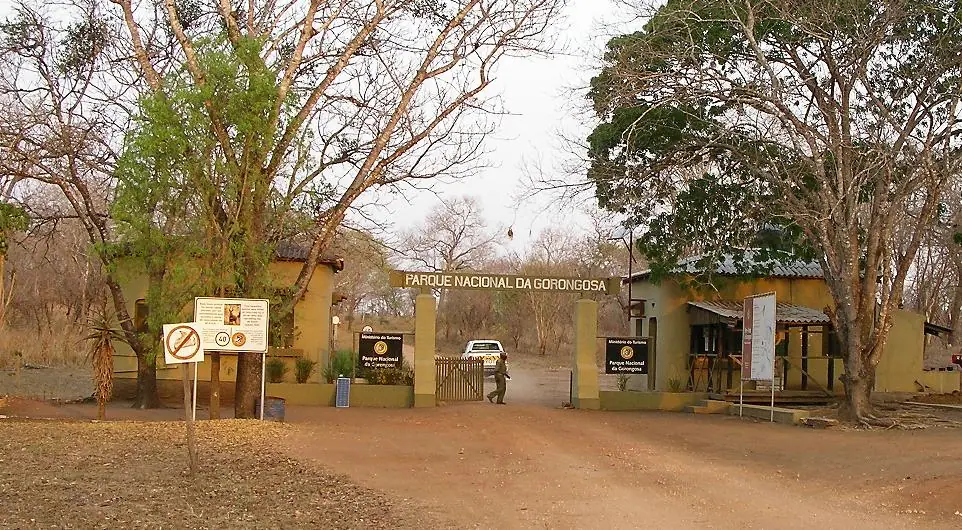
Once the dry season bites properly, Mozambique's inland parks come into their own. Gorongosa National Park, in the centre of the country, is the headline act: as pans shrink, elephants, buffalo, warthogs, waterbuck and the park's recovering lion and wild dog populations concentrate around reliable water, and the thinning grass makes them far easier to spot. June to October is the classic game-viewing stretch. The far northern Niassa Special Reserve follows the same rhythm but on a much wilder scale, and its dirt tracks are only reliably passable in these months.
Up in the Quirimbas Archipelago, July to October brings clear skies, calm crossings and the arrival of humpback whales, which migrate up the coast and are regularly seen from boats and clifftops between roughly July and October, peaking in August and September. Ibo Island, with its crumbling Portuguese fort and silver workshops, and the quieter coves of the Quirimbas are at their most accessible. Pemba, the main gateway, is hot but manageable.
The trade-off is wind. The southern and central coasts pick up a stiff breeze in July and August that can flatten the sea surface and drop water temperatures a few degrees, and mornings in Maputo can be cool enough to want a light jacket. It is the best time for visibility, though, with divers reporting 20 to 30 metres on good days off Inhambane and the Bazaruto reefs.
November to March: Heat, Rain, Turtles and Whale Sharks
The wet season has a reputation problem it does not entirely deserve. Yes, it is hot and humid, and yes, a tropical downpour can turn a dirt road into a river within an hour — Gorongosa's interior tracks become genuinely difficult and Niassa Special Reserve is best avoided. But the rain usually arrives as a short, theatrical afternoon burst rather than day-long drizzle, and the country turns a luminous green that photographs beautifully.
More importantly, this is the marine season. Whale sharks are present off Tofo Beach year round, but sightings climb sharply from around October through April as plankton blooms draw them close to shore, and swimming alongside one is one of Mozambique's defining experiences. Loggerhead and leatherback turtles come ashore to nest on the beaches of the Bazaruto Archipelago and around Ponta do Ouro between November and March, with hatchlings scrambling to the water from January onwards. Green and hawksbill turtles are also regularly seen on Bazaruto's reefs.
Costs and crowds reflect the heat. Lodges drop their rates, availability opens up at short notice, and you will often have a dive site or a stretch of beach to yourself. If you go, watch the cyclone forecasts from January to March, buy flexible bookings where you can, and plan a northern itinerary rather than a central-coast one if a system is forming.
Weather Windows for the Must-See Sights
Some of Mozambique's landmarks deserve their own timing. Ilha de Moçambique, the UNESCO-listed island reached by a long causeway off the northern coast, is a place of coral-stone streets, the imposing Fort São Sebastião and the tiny Chapel of Nossa Senhora de Baluarte, reputedly the oldest European building in the southern hemisphere. It is best walked between May and September, when the heat and humidity are bearable; in January and February the island becomes an oven and the monsoon rains make the old town's lanes slippery and slow.
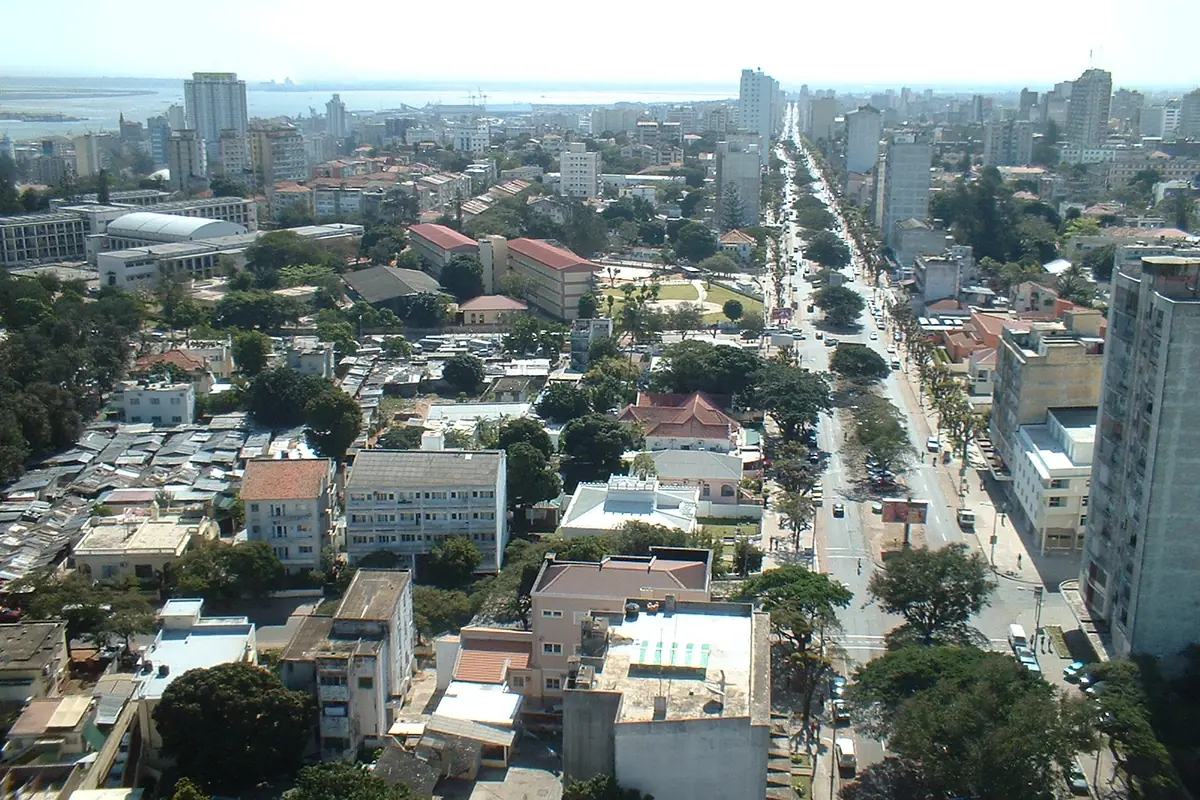
In the capital, Maputo, the dry, mild months from May to September suit long days of wandering between the Praça da Independência, the curious iron-panelled Casa de Ferro, the Fortress of Maputo and the produce-stacked aisles of the Central Market. December in Maputo is sticky and storm-prone, and many restaurants close over the Christmas period. Inland, trekking on Mount Namuli — Mozambique's second-highest peak, in Zambezia province — is a dry-season activity, best from May to August, when the granite slabs are grippy and the rock art at nearby Chinhamapere is accessible. Further north, Lake Niassa offers clear, calm water and easy swimming from roughly May to October, with thunderstorms building through the wet months.
Practically, this means a two-part trip works best in the middle of the year: a safari in Gorongosa in June or July, then a hop north or east to the coast, where the dry season is also at its most dependable.
Peak Dates, Prices and How to Time Your Lodge Booking
Mozambique's accommodation calendar is driven less by global tourism than by regional holidays. The busiest periods are mid-December to early January, when coastal lodges fill for Christmas and New Year and rates roughly double; Easter weekend; and the South African school breaks in late June to July and late September to early October. For the small, high-demand properties — the boutique lodges on Benguerra Island, the beach camps around Vilanculos, the dhow-access retreats in the Quirimbas — you should be booking four to eight months ahead for those dates, and often longer for New Year.
The value sweet spots are mid-April to mid-June and November. You get shoulder-season rates, softer light, uncrowded dive boats and weather that is usually excellent in the south and merely hot in the north. Many lodges are half-board or fully inclusive, with meals, boat transfers and activities bundled into the nightly rate, so a cheaper-looking room elsewhere can end up costing more once you add a dhow trip and dinner. Ask what is included before you compare.
Finally, build in slack. Domestic flights and road transfers in Mozambique can be delayed by weather, and a night on either side of a long-haul connection is worth the expense. Travel insurance that explicitly covers weather disruption and cyclone-related cancellations is not paranoia here — it is simply part of planning a trip to a country this elemental.
Frequently asked questions
What is the best overall time to visit Mozambique?
The dry season from May to October is the safest bet, with April to June and August to September offering the best combination of comfortable temperatures, calm seas and good visibility. July and August are coolest but windiest on the southern coast; the north stays hotter year round.
When is cyclone season in Mozambique, and should I worry?
The cyclone risk window runs from January to March and mostly affects the central coast around Beira, Vilanculos and the Bazaruto Archipelago. Storms are not guaranteed, but if you travel then, choose flexible bookings, watch forecasts closely and consider shifting your plans north.
When can I see whale sharks and humpback whales in Mozambique?
Whale sharks patrol the waters off Tofo Beach year round, but sightings rise sharply between about October and April when plankton is plentiful. Humpback whales migrate up the coast from roughly July to October, with August and September the most reliable months, and are often visible from boats in the Bazaruto and Quirimbas archipelagos.
Is the rainy season a bad time to visit Mozambique?
Not necessarily. November to March is hot, humid and stormy, and inland parks such as Gorongosa and Niassa Special Reserve become hard to navigate, but rain usually comes in short afternoon bursts. Rates drop, beaches empty, turtles nest and whale shark encounters peak, so it suits marine-focused travellers on a budget.
When is the best time to combine a safari with a beach trip?
June to September works best. Gorongosa National Park offers its clearest game viewing in the dry months, and from there you can transfer to the coast or fly north to the Bazaruto Archipelago or the Quirimbas, where seas are calm and humpback whales are passing offshore.
Plan it — hotels in Mozambique
Live search, booked directly with trusted providers.
Sort the rest of your trip
Everything for Mozambique, in one place
Transfer in Mozambique
Private driver waiting on arrival — no queues, no surprises.
Book a transfer
Things to do in Mozambique
Skip-the-line tickets, guided tours and standout experiences.
See experiences
Stay online in Mozambique
Travel eSIM — data the moment you land, no roaming bills.
Get an eSIMMore guides in Mozambique
Mozambique Food, Culture and Local Experiences: A Guide to Markets, Marrabenta and the Island of Coral Stone
Best Places to Visit in Mozambique: Beaches, Reefs and Wild Islands
Top Things to Do in Mozambique: Landmarks, Islands and Wild Coasts