The Maldives is far more than a single postcard: it is nearly 1,200 coral islands strung across 26 atolls, where a capital city hums with ferries and fish markets, manta rays funnel into a plankton-rich bay, and whale sharks cruise the outer reef of an island barely three kilometres long. Decide whether you want coral-stone history, world-class diving or an empty sandbank, and the archipelago arranges itself around you.
Malé and Hulhumalé: Coral-Stone Mosques, a Gold Dome and the Capital's Fish Market
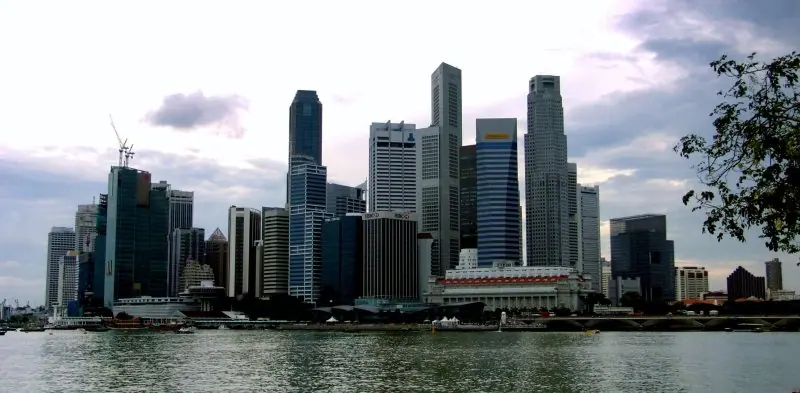
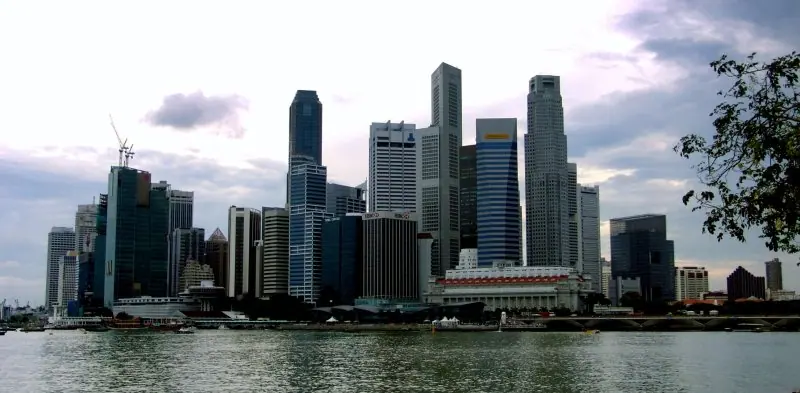
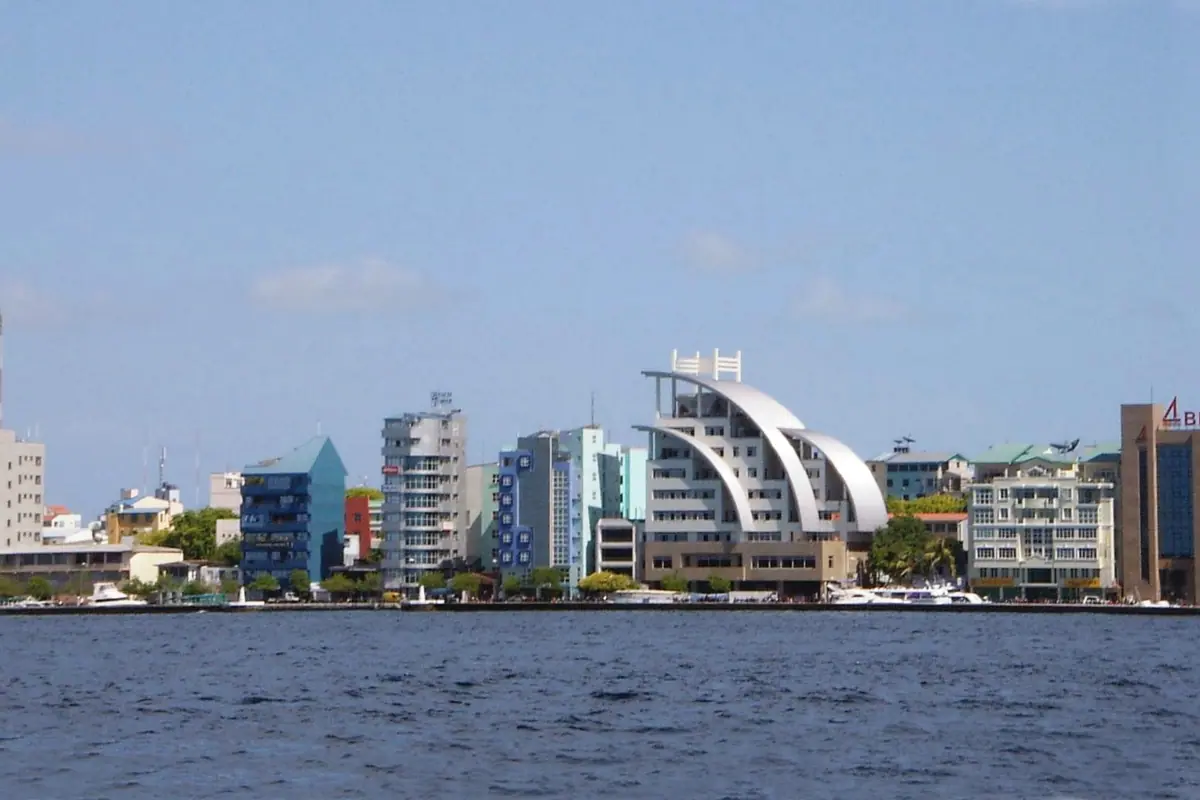
Almost every journey begins at the airport on Hulhulé, and from there the Sinamalé Bridge glides straight across the lagoon into Malé — a capital so tightly packed that you can walk its length in half an hour. Pastel houses, motorbikes, harbour cranes and the constant churn of ferries squeeze into a couple of square kilometres. Give it at least an afternoon, especially if you are overnighting before a seaplane transfer to an outlying atoll.
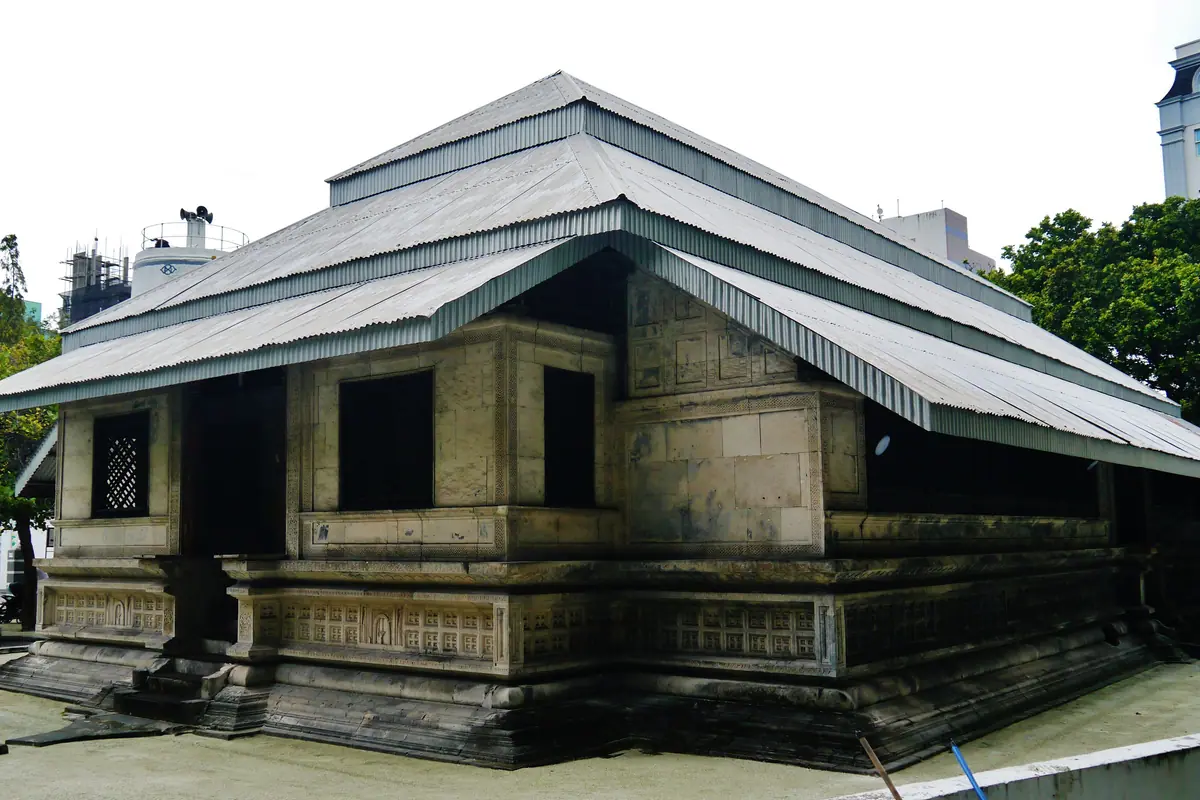
The unmissable sight is Hukuru Miskiy, the Old Friday Mosque, built in the 17th century from blocks of carved coral stone, with lacquered beams and a courtyard of weathered tombstones. A short walk away, the Grand Friday Mosque crowns the Islamic Centre, its golden dome visible across the harbour. Beside it, Sultan Park shelters the National Museum, where sultanate-era thrones, ceremonial weapons and pre-Islamic coral relics trace a history far older than tourism. Dress modestly — shoulders and knees covered — and note that mosque interiors are generally closed to non-Muslims, so admire from the lane outside.
Then follow the waterfront south to the fish market, where yellowfin tuna come off the morning boats and are filleted on the spot, and the neighbouring local market for dried fish, coconut and chilli. Finish at Artificial Beach on the northeast shore, a reclaimed strip where Malé families swim at dusk, with the Tsunami Monument nearby. For a quieter base, Hulhumalé's gridded streets, Central Park and long public beach sit ten minutes away across the bridge and cost far less than the capital.
Diving and Snorkelling the Signature Sites of North Malé Atoll
Banana Reef, known locally as Gaathugiri, is the dive that put the country on the underwater map. Sitting in North Malé Atoll, it is a crescent of coral heads and overhangs dropping from about five to twenty-five metres, patrolled by grey reef sharks, napoleon wrasse and swirling schools of fusiliers. The crest is shallow enough that snorkellers can drift above it while divers work the walls below.
Nearby, Manta Point off Lankanfinolhu is a cluster of cleaning stations where reef mantas hover to be groomed; sightings are most reliable during the southwest monsoon, roughly May to November, when plankton-rich currents sweep the atoll. For a change of pace, the Maldives Victory — a freighter that went down in 1981 just off Hulhulé — rests upright in around thirty to thirty-five metres, its holds thick with batfish and groupers and its superstructure a classic deep wreck dive.
Practicalities matter here. Most resorts and liveaboards run two-tank morning trips, and visibility is often sharpest from December through April. Channels between islands can carry brisk currents, so dive with a local guide who knows the tide, and build in a rest day before flying. Kuda Bandos, a short boat hop from Malé, offers easy shore snorkelling and a picnic-island feel for non-divers.
Hanifaru Bay and the Baa Atoll Biosphere Reserve
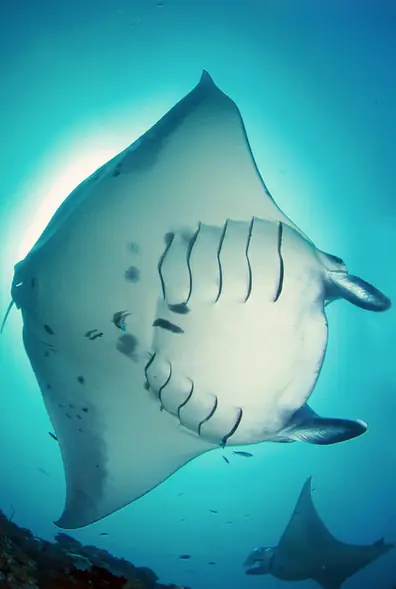
Hanifaru Bay is a small, funnel-shaped inlet in Baa Atoll, protected as part of a UNESCO Biosphere Reserve. Between roughly June and November, monsoon currents drive plankton into the bay and reef manta rays arrive in numbers that can climb into the dozens — occasionally far more — feeding in tight, spiralling chains near the surface. Whale sharks sometimes join them, mouth agape, in the same green soup.
The bay is managed tightly, and rightly so. Scuba diving is not permitted; snorkelling is allowed only in supervised slots, with boats waiting outside and rangers limiting how many people are in the water at once. Keep your distance, stay horizontal on the surface, and never chase an animal. Dive centres and guesthouses on Dharavandhoo and neighbouring islands arrange permits and timed visits, and Dharavandhoo's airstrip makes the atoll easy to reach without a long speedboat haul.
Outside manta season, Baa Atoll rewards divers with sites such as Nelivaru Thila, a coral pinnacle known for soft corals, cleaning stations and reef sharks, while the atoll's inhabited islands offer a slower, more local rhythm than the resort-heavy atolls further south. Plan around the new moon if you can; tidal flow is what brings the plankton, and therefore the mantas.
South Ari Atoll: Whale Sharks, Maaya Thila and Long Sandbanks
The South Ari Atoll Marine Protected Area, stretching off the islands of Dhigurah and Maamigili, is one of the few places on earth where whale sharks can be found at any time of year — mostly juvenile males cruising the outer reef edge. Sightings are most consistent from December to April. Snorkelling trips run daily from local guesthouses, and operators follow a strict approach code: limited boats at each animal, no touching, no blocking its path.
For divers, Maaya Thila is the atoll's signature: a coral pinnacle rising from around thirty metres to six, famous as a night dive when whitetip reef sharks hunt by torchlight and grey reef sharks circle in the dark. By day the same thila teems with fusiliers and snapper, and currents keep the coral in good health.
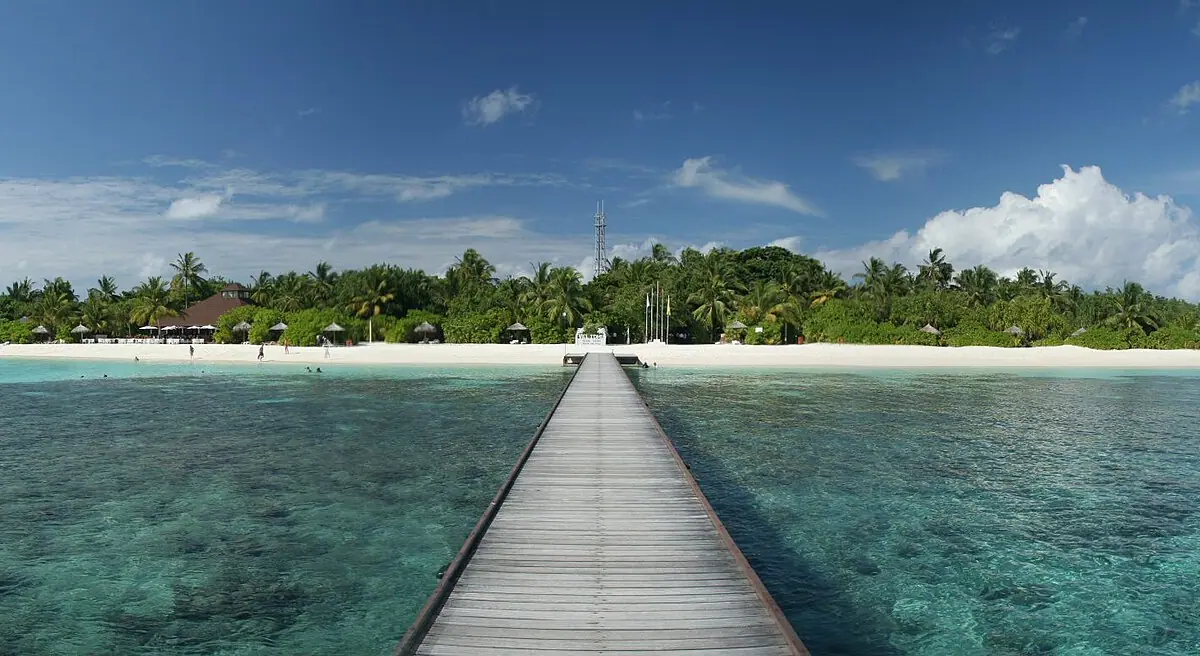
Dhigurah itself is a three-kilometre sliver of sand with a public bikini beach at one end and a sandbank that appears at low tide — a perfect afternoon for non-divers. Spinner dolphins shadow many of the sunset boat trips, and the long, shallow lagoon makes this a gentle base for families and new snorkellers. Combine it with a night-fishing trip and a beach barbecue for the full Ari Atoll rhythm.
Local Islands: Guesthouses, Bikini Beaches and the Sea of Stars
Since guesthouses began opening on inhabited islands, the Maldives has become affordable for ordinary travellers. Maafushi, in South Malé Atoll, is the best known: a designated bikini beach, dive shops, watersports and fast, frequent ferries from the capital. Fulidhoo in Vaavu Atoll is smaller and gentler, its harbour a gathering point for nurse sharks and stingrays that cruise beneath the jetty lights, with traditional bodu beru drumming on many evenings.
Head north and Thoddoo, in Alif Alif Atoll, surprises visitors with watermelon, papaya and chilli farms and low mounds of Buddhist-era ruins that hint at the islands' pre-Islamic past. Rasdhoo, in the same atoll, is the launch point for Rasdhoo Madivaru, a channel dive done at first light in the hope of scalloped hammerheads — one of the few reliable places in the country to see them.
Vaadhoo in Raa Atoll is where the so-called Sea of Stars appears: bioluminescent plankton that flare blue along the shoreline on dark, moonless nights, brightest during the wetter months. On any local island, remember that alcohol is not sold and modest dress is expected away from the bikini beach, and that public ferries are reduced on Fridays. Bring reef-safe sunscreen and cash, since ATMs outside Malé are scarce.
Surf Breaks, Tiger Sharks and the Far South
Surfing in the Maldives runs from March to October, peaking in June, July and August when southwest swell lights up the reef passes of North Malé Atoll. Breaks such as Cokes, Chickens, Honky's and Jailbreaks are reached by boat only, and several operate on a limited-number basis through nearby resorts. Villingili, close to the capital, has gentler waves for improvers, while the southern atolls see far fewer boards altogether.
Fuvahmulah, sitting alone near the equator, is a different island entirely: two freshwater lakes, Bandaara Kilhi and Dhadimagi Kilhi, lie in its centre, and its surrounding reef is a magnet for pelagic life. The channel nicknamed the Tiger Zoo delivers near-guaranteed tiger shark encounters year-round, alongside oceanic mantas and thresher sharks. The island's unusual ecosystems earned it recognition as a biosphere reserve, and it remains one of the country's most distinctive landscapes.
Further south still, Addu Atoll, the southernmost in the archipelago, holds the wreck of the British Loyalty, the remnants of a Second World War airfield on Gan, and Addu Nature Park, which protects the wetlands of Eedhigali Kilhi and the Koattey area — a haven for herons, terns and migrating waders. Add the hawitta mounds of Dhaalu Atoll or the Buddhist ruins on Kaashidhoo and you have an archaeological thread running beneath the whole country. Domestic flights and speedboats connect these far-flung atolls, but allow a full day for connections.
Frequently asked questions
When is the best time of year to visit the Maldives?
The dry northeast monsoon, from November to April, brings the calmest seas, brightest skies and clearest water, with visibility often peaking between February and April. It is also the busiest and most expensive stretch. May to October is wetter and windier but cheaper and greener, and it is the window when plankton draws mantas to Hanifaru Bay and swell arrives for surfers in June, July and August.
Can I visit the Maldives without staying at a resort?
Yes. Guesthouses operate on dozens of inhabited islands, including Maafushi, Dhigurah, Fulidhoo, Thoddoo and Rasdhoo, usually at a fraction of resort prices. Local islands are dry — no alcohol is available — and modest dress is expected away from designated bikini beaches. Public ferries are cheap but slow and run less often on Fridays, so check schedules before booking onward flights.
Where can I snorkel with whale sharks and manta rays?
Whale sharks gather in the South Ari Atoll Marine Protected Area off Dhigurah and Maamigili and can be seen year-round, most reliably from December to April. Reef manta rays funnel into Hanifaru Bay in Baa Atoll roughly between June and November, where snorkelling is allowed in supervised slots but scuba diving is not. Both activities are governed by strict approach rules — no touching or chasing.
How do I travel between the islands and atolls?
Seaplanes cover longer hops in daylight hours only, usually twenty to forty minutes, and often require a night in Malé or Hulhumalé if your international flight lands late. Domestic flights serve the southern and outer atolls, while speedboats handle shorter transfers and public ferries link neighbouring islands at low cost. Build in a buffer day around any international departure.
Is the Maldives worth visiting for surfing?
Absolutely. The surf season runs from March to October, with the most consistent swell from June to August, when breaks such as Cokes, Chickens, Honky's and Jailbreaks in North Malé Atoll come alive. These are reef breaks reached by boat, and some operate with a cap on the number of surfers, so book access in advance through a local operator.
Plan it — experiences in Maldives
Live search, booked directly with trusted providers.
Sort the rest of your trip
Everything for Maldives, in one place
Stay in Maldives
Hotels, guesthouses and apartments — compared in one search.
Search hotels
Transfer in Maldives
Private driver waiting on arrival — no queues, no surprises.
Book a transfer
Stay online in Maldives
Travel eSIM — data the moment you land, no roaming bills.
Get an eSIM