In the Maldives, the hotel is the destination: one island, one resort, one ring of reef deciding what you see when you step off your deck. Choose the atoll and the style of stay, and the rest of the holiday — the whale sharks, the sandbanks, the coral gardens — arranges itself around you.
The Maldives Isn't One Destination — It's Twenty-Six Atolls
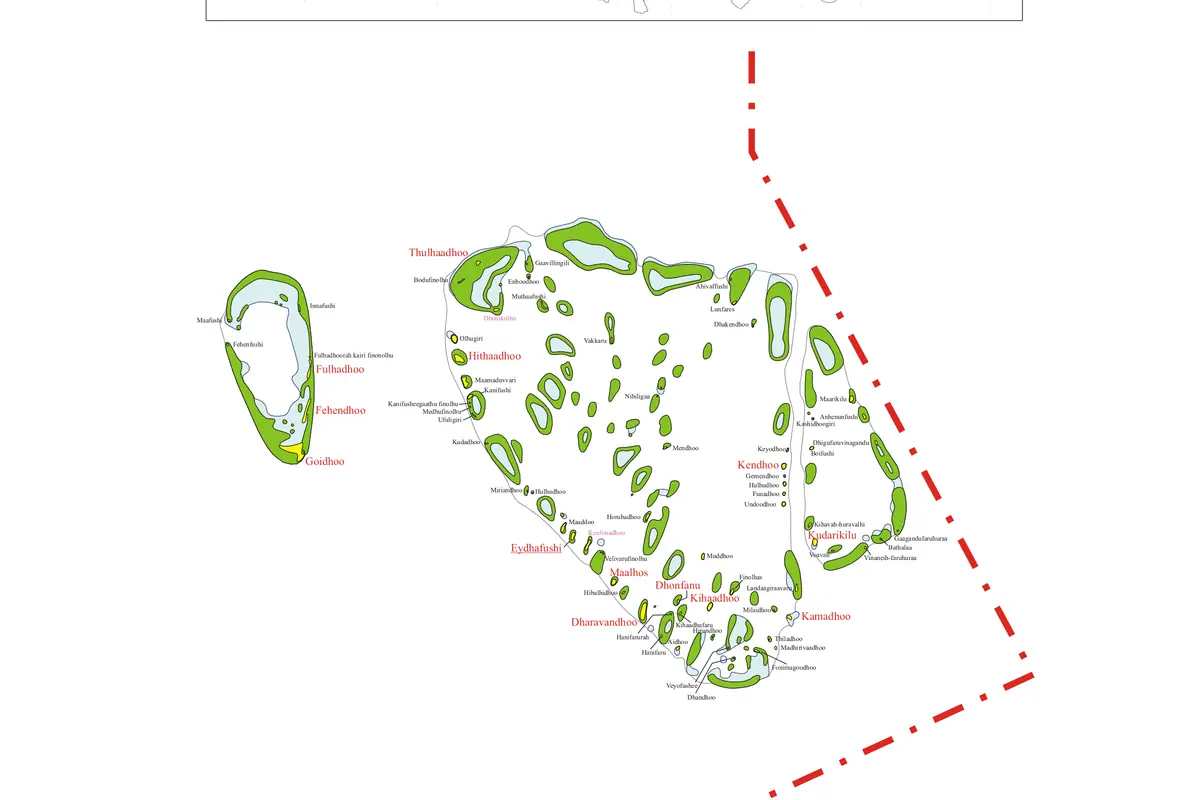
Spread across roughly 1,190 coral islands grouped into 26 atolls, this is a country where almost nothing is connected by road. Around 200 islands are inhabited by Maldivians, another 150-odd are given over entirely to a single hotel, and the rest are sandbars, farmland, mangrove or pure jungle. That means booking a hotel here is not choosing a neighbourhood — it is choosing which island, which lagoon and which reef you will wake up beside for the whole trip.
There are three very different ways to sleep in the Maldives, and each delivers a different country. A private resort island gives you overwater villas, house reefs, spas and a chef who remembers your name. An inhabited island guesthouse puts you in a working village of coral-stone lanes, mosques and ferry jetties, with the beach a short walk away. A liveaboard boat moves you between reefs each night, so you dive before breakfast and moor beside a different uninhabited island by dusk.
Transfers shape everything else. Speedboats reach nearby atolls in 15 minutes to an hour and run after dark; seaplanes only fly in daylight, so a late arrival often means an unplanned night near the airport on Hulhumalé before the hop out. The far southern atolls need a domestic flight plus a boat. Ask about transfer times before you fall in love with a photograph of a water villa — a two-hour seaplane ride is part of the experience, and also part of the cost.
Which Atoll Should Your Hotel Be In?
North and South Malé Atoll are the easy answer for short trips. Resorts sit 20 to 60 minutes by speedboat from the capital, which makes them ideal for a four-night escape. The diving is genuinely good rather than merely convenient: Banana Reef, a protected site with overhangs, giant fan corals and grey reef sharks, is one of the country's most famous dives, while Manta Point draws manta rays to a cleaning station, best from December to April when the water is clearest. Surfers base themselves on Thulusdhoo for the reef breaks nearby.
Ari Atoll, a 25-minute domestic flight or a fast boat ride west, is the place to be if marine giants are the point of the trip. The South Ari Marine Protected Area is one of the few places on earth where whale sharks can be found year-round, with sightings most reliable from December to April, and manta cleaning stations such as Rangali Madivaru are regularly visited by dozens of rays. It is a large atoll with everything from barefoot guesthouses to the most polished water villas.
Head north for Baa Atoll, a designated biosphere reserve, where Hanifaru Bay becomes a plankton-rich trap for manta rays and whale sharks roughly from May to November, peaking in the southwest monsoon. Access is by permit, snorkelling only, and the bay itself can be startlingly crowded with animals. Further south, Vaavu Atoll's Fulidhoo suits slower, quieter stays, while Addu Atoll and Fuvahmulah, near the equator, deliver wreck diving, tiger sharks and a lagoon culture found nowhere else.
Overwater Villas, Beach Bungalows and Garden Rooms: What You're Actually Booking
Overwater villas are the postcard, but they are not identical. Some sit over shallow sand-flat lagoons that look beautiful and hold almost no fish; others perch at the reef edge with coral and drop-offs directly below the ladder. Sunset-facing villas cost more than sunrise-facing ones and are worth it if you plan to sit on the deck at 6pm. Beach villas and bungalows, set just behind the sand, are kinder for toddlers, cooler at midday and usually a short swim from the same reef.
Look hard at the board basis. On a far-flung resort island there is often one restaurant and no village to walk to, so full board or all-inclusive genuinely earns its keep — drinks in particular add up quickly. On inhabited islands, guesthouses sit among cafés, bakeries and small restaurants where a meal costs a fraction of resort prices, and you eat far better for it. Half board is the usual compromise for island resorts within reach of a local harbour.
Then there are the extras that quietly define the week: whether snorkelling gear is included, whether a sandbank picnic or a sunset dolphin cruise is part of the package, how the spa and kids' club work, and whether alcohol is served at all — it is not on inhabited islands. Seaplane luggage limits hover around 20 to 25 kilograms per person with a small soft bag in the cabin, so pack with the transfer, not just the villa, in mind.

Local Islands and Guesthouses: The Other Maldives
Maafushi is the pioneer, a 30-minute speedboat ride from the capital and now a dense little island of guesthouses, dive schools, water-sports operators and bikini beaches set aside for visitors. It is the cheapest realistic introduction to the country: you sleep in air-conditioned comfort, join snorkelling excursions to nearby reefs and sandbanks, and eat tuna curry and roshi in cafés where the bill reflects island life rather than resort life.
For wildlife, base yourself in South Ari Atoll. Dhigurah is a slender three-kilometre island with a long sand spit and whale sharks offshore; Maamigili sits close to the same protected waters. Fulidhoo in Vaavu Atoll is quiet, with nurse sharks and rays off the jetty and manta trips in season. Thoddoo, an agricultural island in Ari Atoll, trades in watermelon farms and unhurried beaches, while Fuvahmulah, with its own freshwater lakes and tiger sharks offshore, feels like a different country altogether.
A few island rules matter. Alcohol is not sold on inhabited islands, so resorts do not come to you; modest dress is expected in village lanes, and bikinis belong on designated bikini beaches. Public ferries are wonderfully cheap but slow and largely idle on Fridays, while scheduled speedboats link the main islands for a fee. Guesthouses arrange their own dive and snorkel trips, and those boats often reach the same reefs the resorts charge much more to visit.
The Must-See Sights: Malé, the Reefs and the Sandbanks
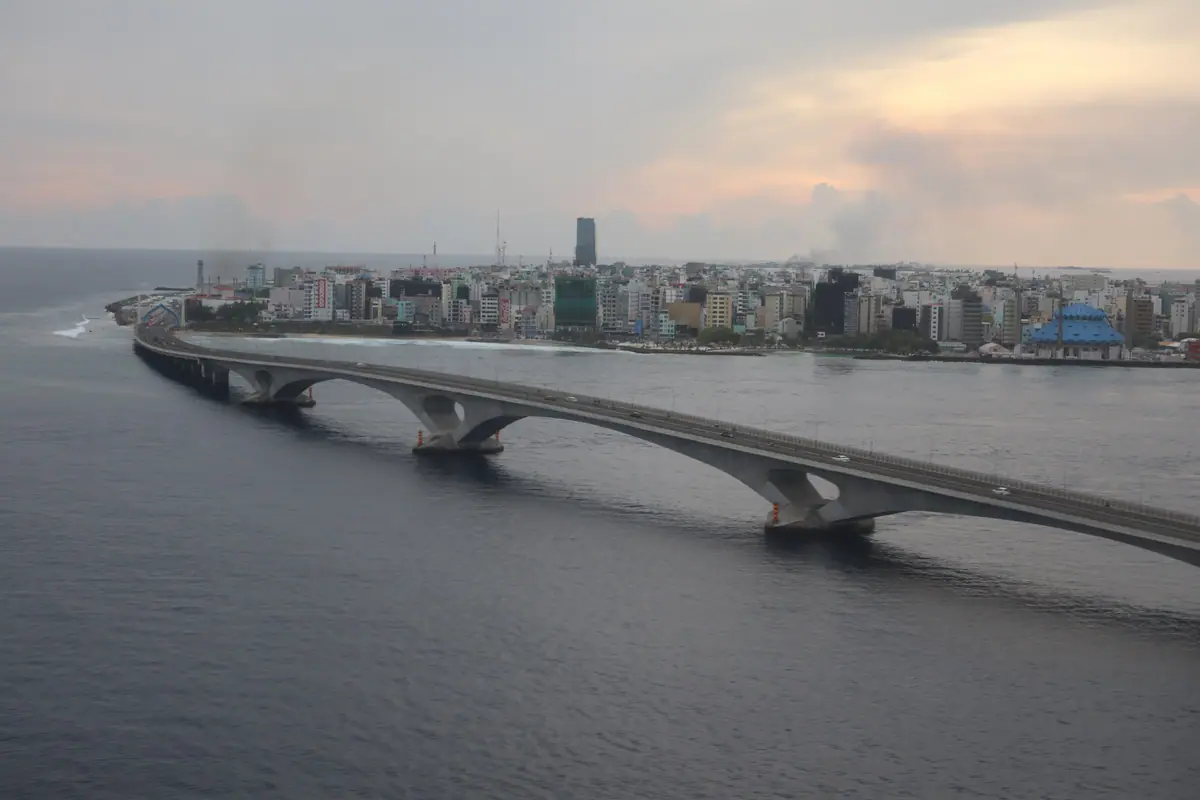
The capital rewards a half-day between flights. Hukuru Miskiy, the Old Friday Mosque, dates to 1658 and is built from intricately carved coral stone, its walls enclosing the tomb of the scholar credited with bringing Islam to the islands in the twelfth century. Nearby stand the Grand Friday Mosque with its gold dome, Sultan Park, and the National Museum, whose collections trace the sultanate, the Buddhist past and the country's fishing heritage. Walk the fish market, watch the boats unload at the harbour, and cross the long Sinamalé Bridge to Hulhumalé for a very different, newer face of the country.
Underwater, the headline names are worth planning around. Banana Reef, HP Reef and Manta Point lie within easy reach of Malé. In Baa Atoll, Hanifaru Bay concentrates manta rays and whale sharks in a single shallow channel. The South Ari Marine Protected Area offers the country's most dependable whale shark encounters. Fuvahmulah's reefs attract tiger sharks, and Addu Atoll's wartime wrecks suit divers who like history with their coral.
Above the water, the country's greatest attraction is arguably its emptiness. Uninhabited sandbanks appear at low tide for a few hours and vanish again — many resorts and guesthouses run picnic trips to them, with a table, a shade and nothing else in sight. On dark nights in the southwest monsoon, the shoreline of Vaadhoo in Raa Atoll glows blue with bioluminescent plankton, a phenomenon known locally as the Sea of Stars.
When to Go, What to Pack and How to Book Well
The dry northeast monsoon runs from December to April: bright skies, gentle seas, the best underwater visibility of the year, and the highest room rates, with Christmas and New Year at their peak. The southwest monsoon from May to November brings brief, heavy showers, more humidity, greener island interiors and noticeably lower prices — plus the plankton bloom that draws manta rays and whale sharks to places like Hanifaru Bay and South Ari. May and November are the sweet spots where weather and value meet.
Pack for sun and for water: two swimsuits so one is always dry, a rash guard for long snorkels, coral shoes for reef flats, your own mask if you are fussy about fit, and reef-safe sunscreen. Bring a light layer for air-conditioned dining rooms, and modest clothing with shoulders and knees covered for Malé and the inhabited islands. Duty-free alcohol may be brought in for a resort stay, but it cannot be carried to local islands, and luggage limits on light aircraft are strictly enforced.
Book the island and the transfer together and early, because the two are inseparable. If your flight lands in the afternoon, plan a night on Hulhumalé rather than gambling on a same-day seaplane. Consider splitting the stay — a few nights on a local island for reef trips and village life, then a resort island for overwater villas — and check whether your island has a genuine house reef, since at many resorts the best snorkelling is a boat ride away. A nightly environmental levy is added to nearly every bill, per person.
Frequently asked questions
Is it worth staying on a local island instead of a resort?
Yes, if you want value, village life and boat trips to the same reefs. Inhabited islands such as Maafushi, Dhigurah, Fulidhoo and Thoddoo have guesthouses, cafés, dive schools and designated bikini beaches, and excursions are far cheaper. What you give up is privacy, alcohol (not sold on local islands) and the overwater-villa setting.
Should I choose a seaplane or a speedboat transfer?
Speedboats reach Malé-area atolls in 15-60 minutes and operate after dark, which suits late arrivals. Seaplanes serve more distant atolls, fly only in daylight and cap luggage at roughly 20-25 kilograms per person. If your flight lands in the afternoon or evening, expect to overnight near the airport before flying out the next morning.
Where can I actually see manta rays and whale sharks?
Hanifaru Bay in Baa Atoll concentrates manta rays and whale sharks roughly from May to November, with snorkelling only and permits required. Whale sharks are seen year-round in South Ari Atoll's protected waters, most reliably from December to April, and manta cleaning stations around North Malé and Ari Atolls are best in the dry-season months.
What is the best month for a Maldives hotel stay?
December to April offers the calmest seas, driest days and clearest water, but also peak rates. May to November is wetter and cheaper, with plankton-rich water that brings manta rays and whale sharks and better surf. May and November usually give the best balance of weather, availability and price.
How many nights do I need, and can I combine two islands?
Four nights is the practical minimum, and seven is comfortable. Because each island is a separate hotel with its own transfer, splitting a trip between a local island and a resort island works well: three or four nights of reef trips and village life, then four nights of overwater villas, with the transfer arranged in advance.
Sort the rest of your trip
Everything for Maldives, in one place
Transfer in Maldives
Private driver waiting on arrival — no queues, no surprises.
Book a transfer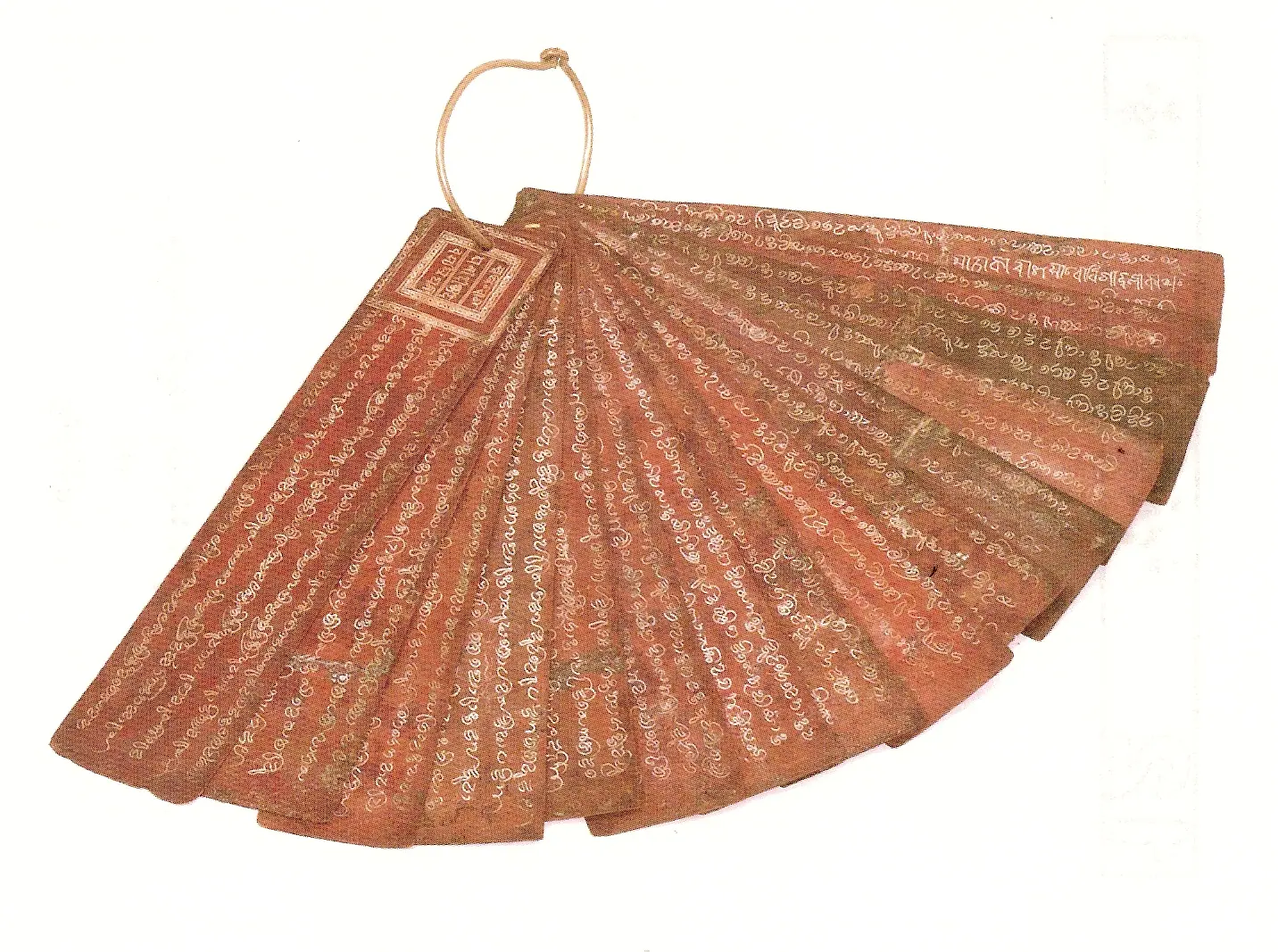
Things to do in Maldives
Skip-the-line tickets, guided tours and standout experiences.
See experiences
Stay online in Maldives
Travel eSIM — data the moment you land, no roaming bills.
Get an eSIM