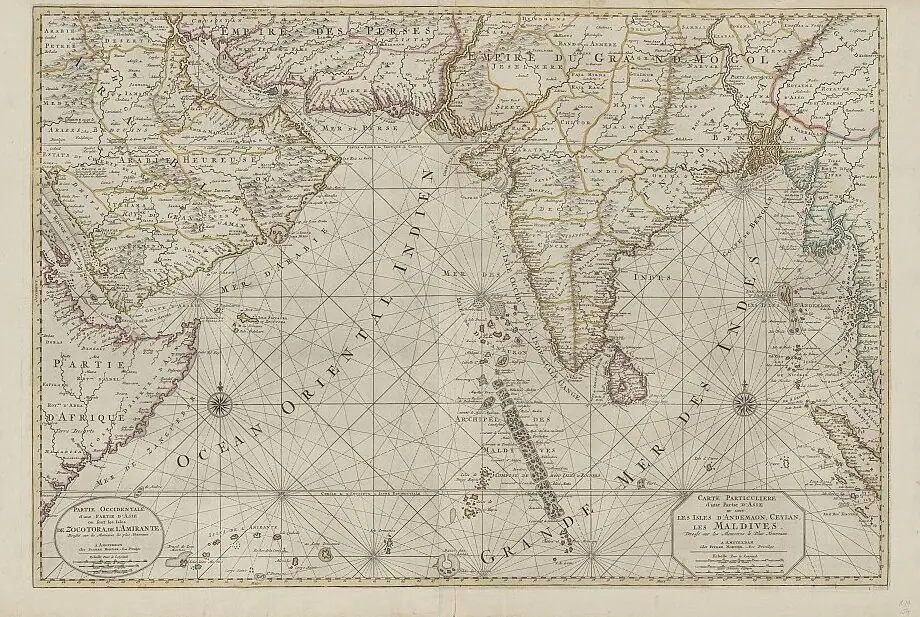
The Maldives looks impossibly small from the air — a necklace of turquoise rings scattered across deep blue, each one ringed by its own reef. This week-long route uses the country's two airborne systems, long-haul arrival at Velana International and short hops by seaplane or domestic aircraft, to string together the atolls that matter most. You will see a capital city, a world-class reef, whale sharks the size of small buses, and a plankton bloom that turns the whole bay into a feeding frenzy.
Day 1: Landing at Velana, Malé and Hulhumalé
Almost every international flight lands at Velana International Airport, squeezed onto its own island (Hulhulé) just north-east of the capital. The arrivals hall is compact and humid; the sea is visible from the runway. A free 30-day visa is issued on arrival to virtually all nationalities, so the only real queue is at the transfer desks. Take the ten-minute causeway drive across the Sinamalé Bridge to Malé if you want a first taste of the capital, or stay on Hulhumalé, a purpose-built island with wide streets, a long public beach and far more hotel choice than its neighbour.
Spend the afternoon walking Malé, one of the planet's most densely packed cities. The coral-stone Hukuru Miskiy, or Old Friday Mosque, is the country's finest surviving piece of craftsmanship — its walls are carved with calligraphy and its interior is lacquered timber. Nearby stand the Grand Friday Mosque with its golden dome, the National Museum, Sultan Park and Mulee Aage, the colonial-era presidential residence. Push on to the fish market at the harbour, where tuna arrive still flapping, and finish at the artificial beach. Dress modestly away from resort islands; shoulders and knees covered is the norm.
Practical note: seaplanes only fly in daylight, and the last departures leave the seaplane terminal in the mid-afternoon. If you land late, plan to sleep in Malé or Hulhumalé and fly onward the next morning.

Days 2-3: Seaplane into North Malé Atoll and the Country's Best Reef
A seaplane transfer is the defining Maldives flight: a Twin Otter on floats, barefoot pilots optional, a twenty to forty-minute skim over atolls where you can see every patch of coral beneath you. Luggage is usually capped around 20-25 kg per person on the smaller aircraft, with soft bags strongly preferred, and there is a surcharge for excess weight. Seaplanes serve resort islands within roughly 150 km of the capital; anything further is handled by scheduled domestic flights to atoll airfields such as Dharavandhoo in Baa Atoll, Hanimaadhoo in Haa Dhaalu, Kadhdhoo in Laamu, Kaadedhdhoo, Kooddoo and Maamigili, or all the way south to Fuvahmulah and Gan in Addu.
Base yourself in North Malé Atoll for two nights and dive the sites this atoll is famous for. Banana Reef, one of the oldest protected marine areas in the country, is a curved ridge of overhangs and coral blocks swarming with oriental sweetlips, Napoleon wrasse and grey reef sharks. Nearby HP Reef offers drift diving past soft coral-covered pinnacles where eagle rays and the occasional manta cruise by. The Maldives Victory, a cargo ship that went down in 1981, sits upright in about 35 metres just outside the harbour — an easy, atmospheric wreck for advanced divers.
Snorkellers are not short-changed. Nearly every resort island in this atoll has a house reef where turtles graze on seagrass within metres of the shore, and a half-day boat trip will usually visit two shallow reef sites plus a sandbank. Water temperatures hover around 27-29°C year-round, so a 3 mm shortie or even a rash vest is enough.
Day 4: South Ari Atoll — Whale Sharks and Maaya Thila
From North Malé, a seaplane hop of about thirty minutes drops you into South Ari Atoll, the single most reliable place in the country to swim with whale sharks. They are present year-round in the protected area around Maamigili and Dhigurah, since the reef edge there concentrates plankton in the top few metres of water. Boat crews operate a strict code — no touching, no blocking, keep three metres back, and snorkellers only, not divers on scuba. Sightings are common but never guaranteed; morning trips generally have the calmest seas and the best visibility.
The diving here is just as strong. Maaya Thila, a submerged pinnacle rising to roughly six metres, hosts grey reef sharks, whitetip reef sharks and huge schools of fusiliers, and is one of the few sites in the country dived as a thrilling night dive, when nurse sharks and hunting morays come out. Nearby, Kudarah Thila and Broken Rock offer soft corals and cleaning stations where groupers line up to be serviced. If you have never dived before, this is a good place to take a beginner course, since the water is warm, clear and mostly gentle.
Dhigurah, a low, palm-covered local island about 90 minutes by boat from the whale shark zone, makes a cheaper and more sociable alternative to a resort, with guesthouses, a bikini beach and long white sandbar walks at low tide.
Day 5: Baa Atoll and the Hanifaru Bay Feeding Spectacle
Fly or take a boat north to Baa Atoll, a UNESCO Biosphere Reserve, for a day that is genuinely unlike anywhere else. Between roughly June and November, the south-west monsoon pushes plankton into Hanifaru Bay, a small, horseshoe-shaped inlet on the edge of the atoll, and hundreds of reef manta rays arrive to feed alongside whale sharks. At the peak of the season it is not unusual to see dozens of mantas barrel-rolling in the current with their mouths open, sometimes in loose chains that spiral like a slow tornado.
Access is regulated: boats require a permit, entry into the water is limited to a set number of snorkellers at a time, and diving within the bay is not permitted. Visibility can drop in the plankton soup and the current can be strong, so this suits confident swimmers. The rangers on the water are firm about distance, and rightly so. Outside the plankton season, the atoll still delivers — Dharavandhoo's reef edge, the Hanifaru corner dive sites and the coral gardens around Dusit Thani-adjacent reefs bring in turtles, Napoleon wrasse and occasional hammerheads further offshore.
Baa is also where Maldivian culture feels lived-in rather than staged. On Eydhafushi you will find boatyards, mosques and island women weaving thundu kunaa mats from reeds dyed in ochre and black — a craft passed down for generations. The island of Utheemu, further north, holds the handsome timber Utheemu Ganduvaru, childhood home of a national hero, and one of the country's most important historic buildings.
Day 6: Local Island Life and the Sea of Stars
Give your last full day to the side of the Maldives that most visitors never see. Maafushi, an easy speedboat ride from Malé, is the country's most established guesthouse island, with a bikini beach where swimwear is allowed, dive shops, cafes and evening fishing trips. Further west, Fulhadhoo and the neighbouring islands of the Baa group have wilder beaches and almost no crowds. On local islands alcohol is not sold, pork is absent and modest dress applies in the village — a small adjustment for a much lower price tag and a far more genuine welcome.
If timing allows, plan to be on Vaadhoo or a similar dark-sand beach on a moonless night. Bioluminescent plankton, sometimes called the sea of stars, light up the shoreline in electric blue with every breaking wave between roughly June and December, brightest on still, dark evenings. Take a torch with a red filter if you want to photograph it, and avoid white light and flash, which kill the effect for everyone watching.
Alternatively, spend the day chasing the country's famous marine megafauna further south: tiger sharks patrol the deep shelf off Fuvahmulah, and the channels of Addu Atoll hide the wreck of a wartime tanker and a wrecked British steamer in shallow, sheltered water. Both require a domestic flight, so only attempt it if you have already banked a spare day.
Day 7: Flying Out — Timing, Transfers and What to Expect
Getting back to Velana is the part most people underestimate. Seaplane and domestic flight schedules are coordinated with international departures, but planners generally want you back on Hulhulé around three to four hours before your long-haul check-in, and most seaplane operators stop flying at dusk, so red-eye flights out of Malé will usually mean an overnight in the capital or on Hulhumalé. Boat transfers between atolls and airfields can be rough in the wet season, so build slack into your final day.
The Maldives has two clear seasons. The north-east monsoon, roughly November to April, brings the driest, sunniest weather and the calmest seas — ideal for seaplane transfers and southern atolls. The south-west monsoon from May to October is wetter, windier and cheaper, but it is also the plankton season that draws mantas to Hanifaru Bay and keeps whale sharks along the South Ari reef edge. Water stays warm in both.
Pack reef-safe sunscreen, a rash vest, reef shoes, and a dry bag; leave the heavy hiking boots at home. Bring cash in small local currency for ferries and island cafes, and remember that the country is spread over roughly 1,190 coral islands, of which fewer than 200 are inhabited — you will not see it all in a week, and you are not supposed to. Pick two atolls, fly between them, and let the seaplane do the rest.
Frequently asked questions
Is a seaplane or a domestic flight better for getting around the Maldives?
Seaplanes are quicker and more atmospheric for islands within roughly 150 km of Malé, and they land directly on the lagoon beside your resort. Domestic flights reach the far atolls — Baa, Haa Dhaalu, Laamu, Gaafu, Fuvahmulah and Addu — but require a further speedboat transfer. Seaplanes only operate in daylight, so late arrivals need an overnight near the airport.
What are the baggage limits on Maldives seaplanes?
Most seaplane transfers allow around 20-25 kg of checked luggage plus a small hand bag, with soft-sided bags preferred because of the small cabins. Excess weight is charged per kilogram, and you should be prepared to board barefoot with your shoes handed to you at the other end.
When is the best time to visit the Maldives?
November to April brings the driest, calmest conditions and the best visibility for diving. May to October is wetter and cheaper, but it is also when plankton blooms attract manta rays to Hanifaru Bay in Baa Atoll and keep whale sharks in South Ari Atoll, so marine-life enthusiasts often prefer it.
Can you visit the Maldives without staying at a resort?
Yes. Local islands such as Maafushi, Dhigurah, Fulhadhoo and Dharavandhoo have guesthouses, cafes and public beaches with designated bikini areas. Alcohol is not available on inhabited islands and modest dress is expected in villages, but prices are a fraction of resort rates.
Do I need a visa to enter the Maldives?
No advance visa is required for most nationalities. A free 30-day tourist visa is issued on arrival at Velana International Airport, provided you hold a valid passport, confirmed accommodation and a return or onward ticket.
Sort the rest of your trip
Everything for Maldives, in one place
Stay in Maldives
Hotels, guesthouses and apartments — compared in one search.
Search hotels
Transfer in Maldives
Private driver waiting on arrival — no queues, no surprises.
Book a transfer
Travel insurance
Medical cover, delays and lost baggage — sorted before you go.
Get covered